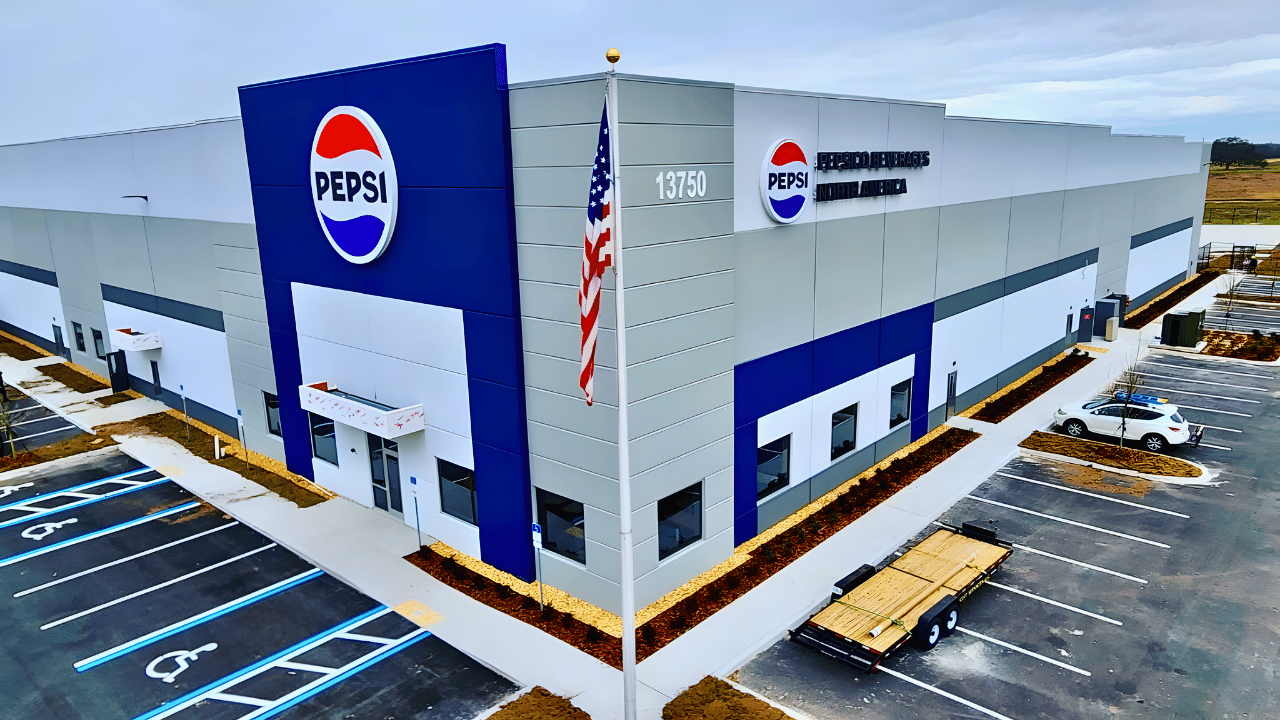
In late 2025, hundreds of PepsiCo workers across the United States arrived at their jobs only to be handed termination notices. The layoffs, which affected nearly 2,000 manufacturing employees in eight states, came as a shock to many—especially as the company reported rising revenues and a long legacy of steady operations. Behind the closures lies a dramatic shift in consumer habits, industry economics, and the very future of America’s snack food giants.
Demand Dwindles, Layoffs Mount
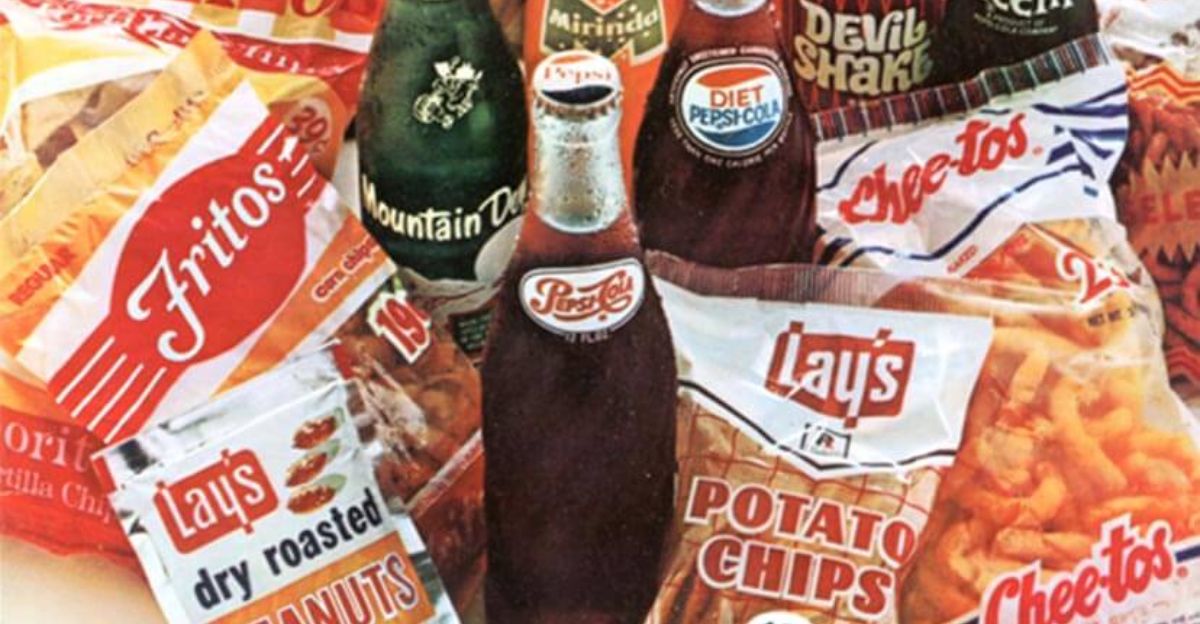
PepsiCo’s decision to shutter six major facilities—including plants in Florida, California, New York, and Michigan—was driven by a sharp decline in North American snack sales. In the third quarter of 2025, snack volumes dropped 4%, and the company’s North American Food division saw a 3% revenue decrease. Even as prices for a 16-ounce bag of chips soared to $6.68 in late 2023, consumers bought fewer snacks, with only 15% globally increasing their purchases over the past year. Instead, a third of shoppers turned to healthier alternatives, accelerating the downturn for traditional snack foods.
The closures hit hardest in Orlando, where workers were notified of their layoffs on the same day the company filed official termination notices. The plant, which had operated since 1965 and predated Disney World, employed nearly 500 people and produced millions of bags of Lay’s, Doritos, and Cheetos over its six-decade run. Similar stories played out in California, New York, and Detroit, as PepsiCo eliminated facilities that had once been cornerstones of local economies.
Industry Faces Broad Contraction
PepsiCo’s retrenchment is part of a wider contraction across the processed food sector. General Mills announced plans to close three Missouri plants by 2029, aiming for $100 million in annual savings, while Post Holdings will shutter two cereal plants by the end of 2025. Del Monte, after closing a Washington facility and laying off nearly 500 workers, filed for bankruptcy in July 2025. These moves reflect a broader industry struggle: General Mills reported a 5% sales decline, and layoffs have become common as companies adapt to changing consumer preferences.
The labor market has compounded the pain for displaced workers. Unemployment reached 4.3% in August 2025, the highest in four years, and job growth lagged far behind forecasts. Long-term unemployment climbed to 25%, making it especially difficult for laid-off manufacturing employees to find new positions. Many of those affected by the closures lacked union protection, leaving them with little recourse beyond federally mandated severance.
New Forces Reshape Snack Demand
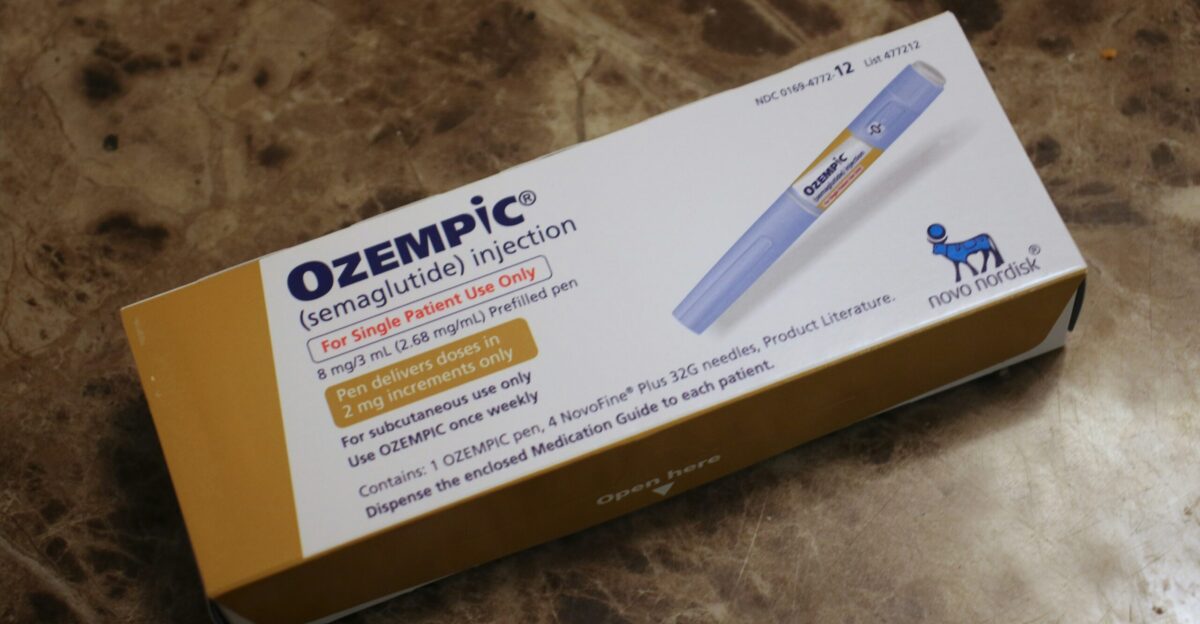
A powerful new factor is reshaping the snack industry: the rapid adoption of GLP-1 weight loss drugs such as Ozempic and Wegovy. These medications, now used by six million Americans, have been shown to suppress appetite and reduce grocery spending by 6% within six months—rising to 8.6% among higher-income households. Researchers found that users consume 700 fewer calories per day and avoid processed foods, snacks, and sugary drinks. With 137 million Americans eligible for these drugs, snack makers face a potentially massive and lasting drop in demand.
PepsiCo’s leadership has acknowledged the challenge. CEO Ramon Laguarta told investors that the “demand signal” in 2025 is fundamentally different from just two years prior. The company’s pandemic-era investments in expanded production now appear out of step with current realities, as Americans eat fewer chips and drink less soda than forecasters once predicted.
Investor Pressure and Strategic Shifts
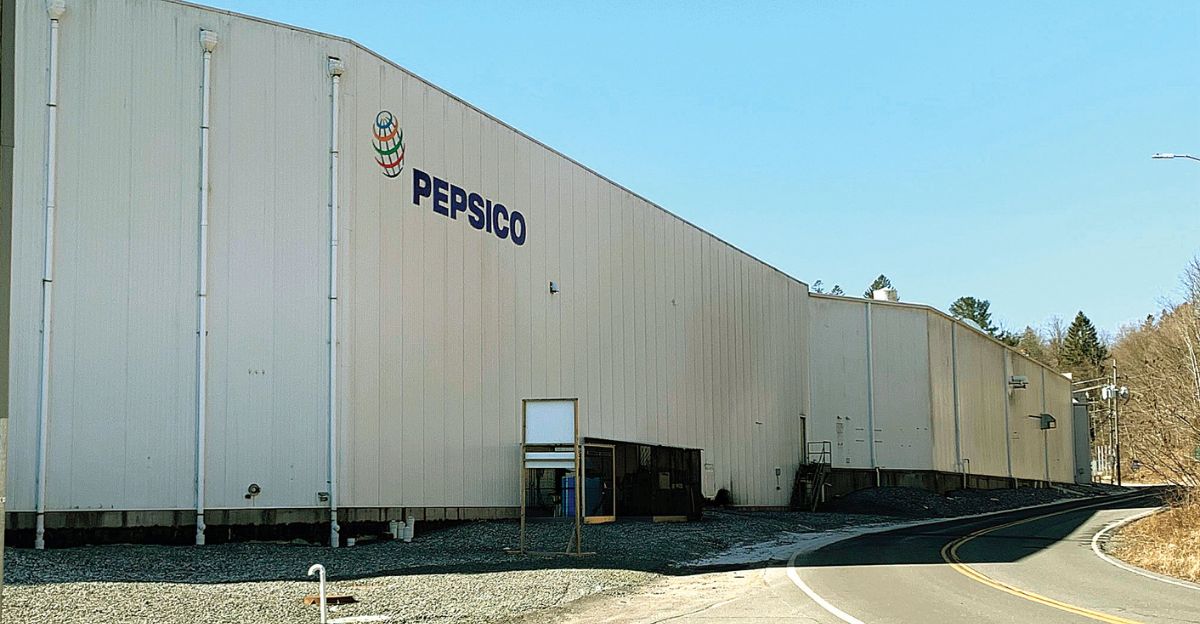
The company’s struggles have attracted activist investors. In September 2025, Elliott Investment Management acquired a $4 billion stake and called for sweeping changes, including the sale of bottling operations and underperforming assets. PepsiCo’s stock fell 2% in 2025, trailing rival Coca-Cola, and the board faces mounting pressure to deliver results. CEO Laguarta has promised a renewed focus on “the right cost structure” and hinted at further restructuring.
Meanwhile, PepsiCo is betting on innovation to win back consumers. The company has introduced more “permissible” snacks, removed artificial ingredients, switched to premium oils, and launched smaller pack sizes. Healthier brands like SunChips and Simply have seen growth, but overall snack volumes continue to decline. Management insists that international expansion and a focus on value will drive future growth, but analysts remain skeptical as North American sales stagnate.
Looking Ahead: Uncertain Road for Workers and Industry
The closure of PepsiCo’s Orlando plant marks the end of a 60-year legacy and underscores the human cost of industry transformation. As the company sells off properties and tests new supply chain models, the fate of its remaining workforce hangs in the balance. CFO Jamie Caulfield’s retirement and ongoing leadership changes signal further uncertainty.
With weight loss drugs reshaping eating habits, inflation-weary shoppers seeking healthier options, and activist investors demanding rapid change, PepsiCo and its peers face a pivotal moment. Whether the company can pivot from selling volume to selling value—and whether these closures are a turning point or just the beginning of a longer decline—remains to be seen. For the 1,850 workers who lost their jobs, the stakes are immediate and personal; for the industry, the implications could be profound and lasting.