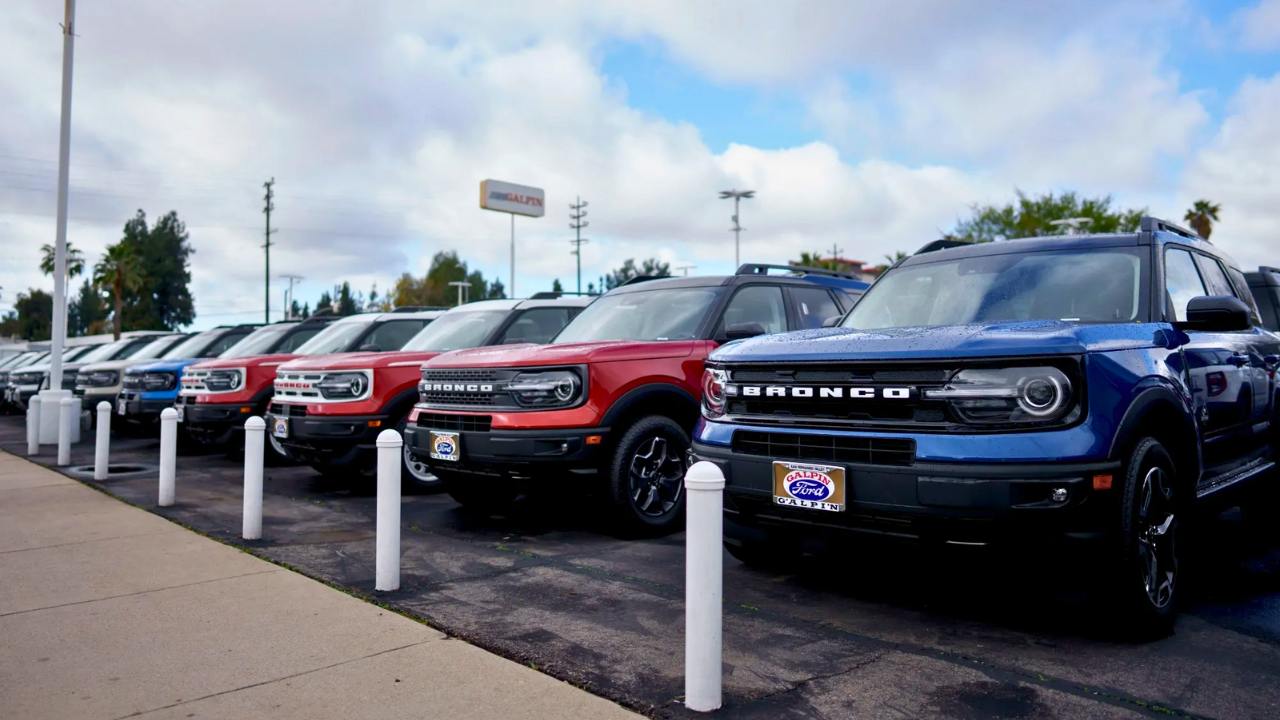
In an unprecedented move, nearly half a million vehicles (specifically 480,547) are being recalled in the U.S., with Ford and Kia at the center of the crisis. Dashboard blackouts and melting fuel tanks (as documented by the National Highway Traffic Safety Administration, NHTSA) are pushing both automakers to the brink. The safety concerns are severe—drivers may face sudden breakdowns or even fires.
This is the largest recall of the year to date according to recall data, with regulatory agencies scrambling to manage the fallout.
Escalating Recall Crisis
This recall isn’t just big—it’s the largest single-week recall event of 2025 according to recent NHTSA bulletins. The combined efforts of Ford and Kia affect over 480,000 vehicles, highlighting the magnitude of the situation.
As urban areas bear the brunt of these issues, the recall’s impact reaches beyond just the manufacturers, shaking regulators, automakers, and consumers alike.
Recalls in Context
While automotive recalls are a regular occurrence, the speed and scale have grown. In 2024, companies like Toyota and Honda issued recalls for hundreds of thousands of cars, but 2025 marks a new level of urgency.
With vehicles now equipped with complex electronics, recalls like Ford and Kia’s are becoming more frequent and harder to address swiftly.
Mounting Regulatory Pressure
The NHTSA has ramped up scrutiny in light of several high-profile failures. Automakers like Ford and Kia are feeling the pressure, as regulators now demand faster responses to defects.
The growing concerns over dashboard blackouts and fire risks are forcing manufacturers to act quickly, even as the industry grapples with increasingly complex vehicle technology.
Main Nugget: 480,000 Vehicles Yanked
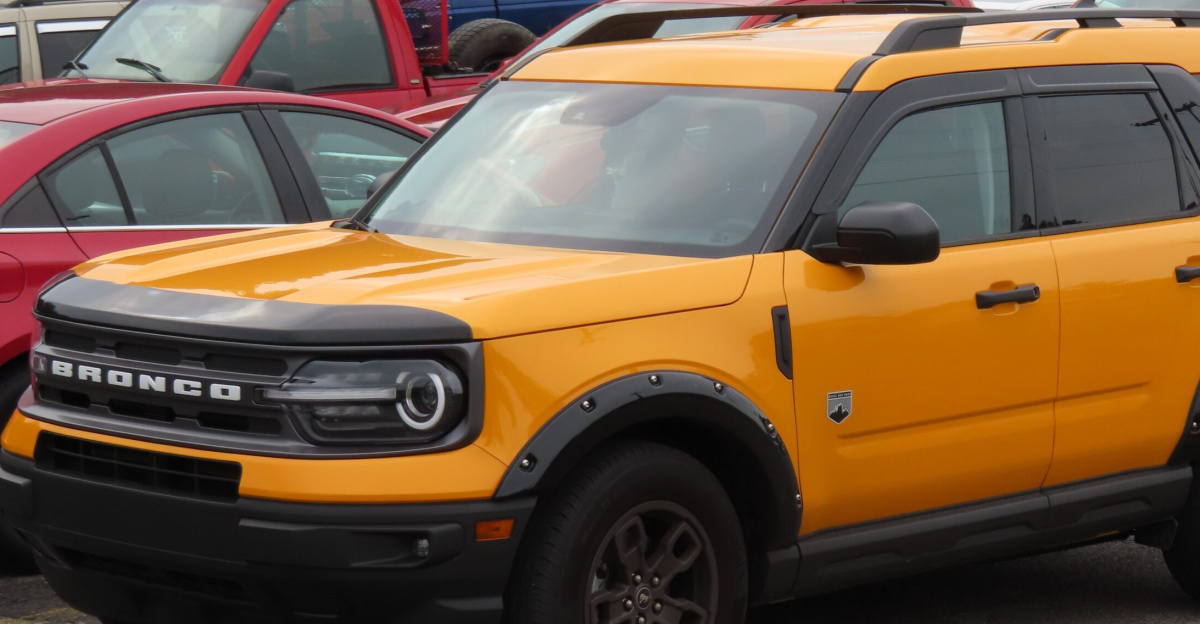
On November 18, 2025, Ford and Kia announced a massive recall of exactly 480,547 vehicles. Ford is pulling 229,609 Bronco and Bronco Sport SUVs due to instrument panel issues (associated with risk of dashboard blackouts), while Kia recalls 250,547 K5 sedans over fire risk linked to melting fuel tanks.
Owners are urged to seek immediate repairs to avoid safety risks. Owners have also been explicitly advised by NHTSA and automakers not to drive affected vehicles until repairs are complete, effectively taking them off the road.
Regional Impact: U.S. Hotspots

This recall is U.S.-focused, hitting urban areas hardest. Cities with dense traffic are at elevated risk due to the possibility of sudden breakdowns or fire hazards.
With dashboard blackouts affecting critical safety features and the potential for fuel tanks to melt, urban drivers face the greatest danger.
Human Toll: Owners on Edge
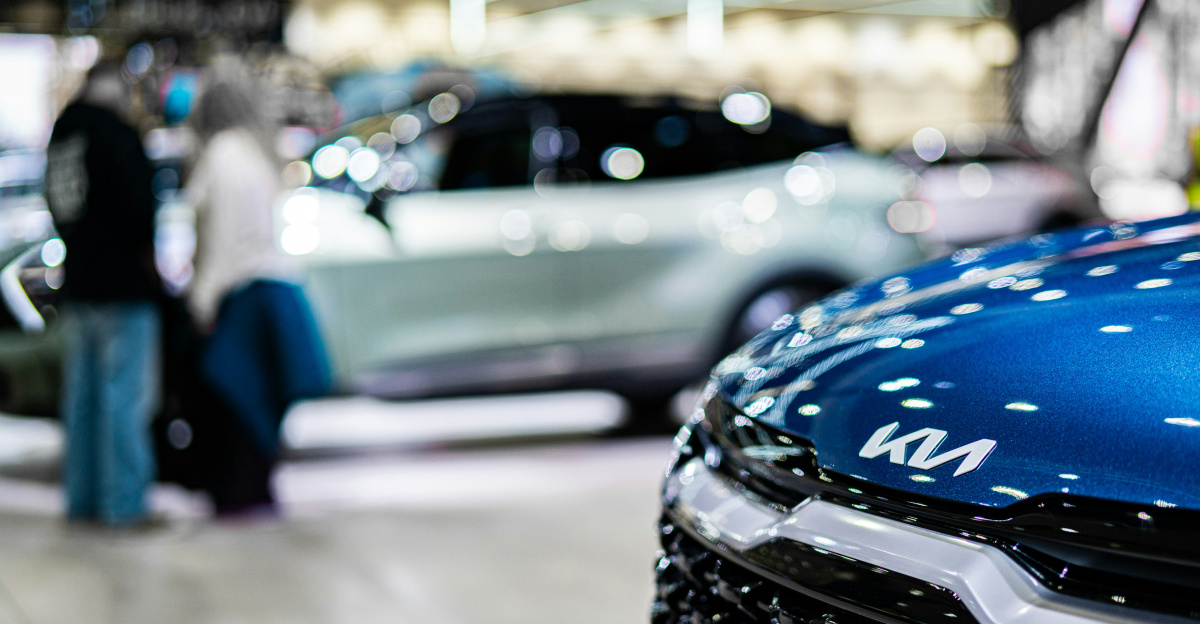
Ford Bronco and Kia K5 owners are alarmed, with many noticing troubling symptoms like popping sounds from the fuel tank or a flashing check engine light.
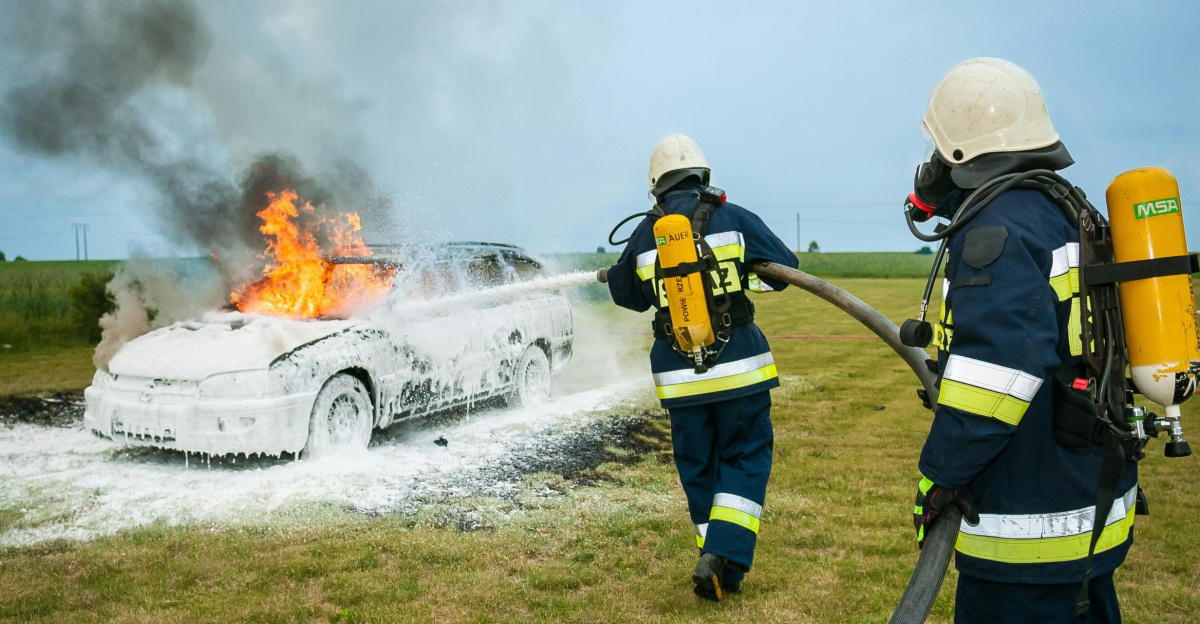
The NHTSA warns that a malfunctioning check valve can lead to a dangerous buildup of pressure in the fuel tank, potentially causing it to melt and catch fire. Owners are advised to cease driving their vehicles until repairs are made.
Competitor & Regulatory Response
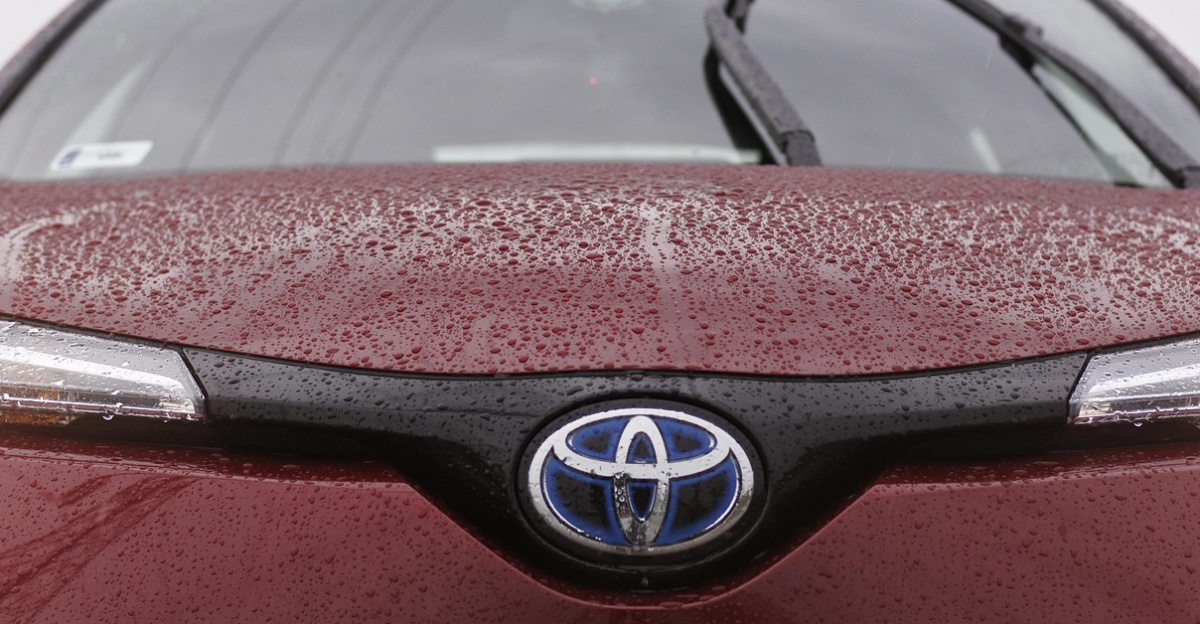
Ford and Kia are not alone in their struggles. Other automakers like Toyota and Honda have faced recalls for similar issues, including display malfunctions and engine defects.
The NHTSA has ramped up demands for greater transparency and faster reporting from automakers across the board.
Macro Trend: Recall Surge

Ford’s recall is part of a broader trend in 2025, where recalls have surged due to more complex vehicle electronics. As of November, Ford has issued 137 recalls—the highest for any automaker this year, based on public NHTSA records.
The increase in recalls reflects both stricter federal oversight and a growing number of safety concerns related to modern vehicle technology.
Mini-Nugget: Notification Delays

Ford owners will begin receiving notifications by December 8, 2025, instructing them to visit dealerships for a free software update. Kia will notify owners of the need for fuel tank repairs, all of which will be completed at no cost.
These timelines and remedies have been confirmed by NHTSA communications and official automaker press releases.
Stakeholder Frustration
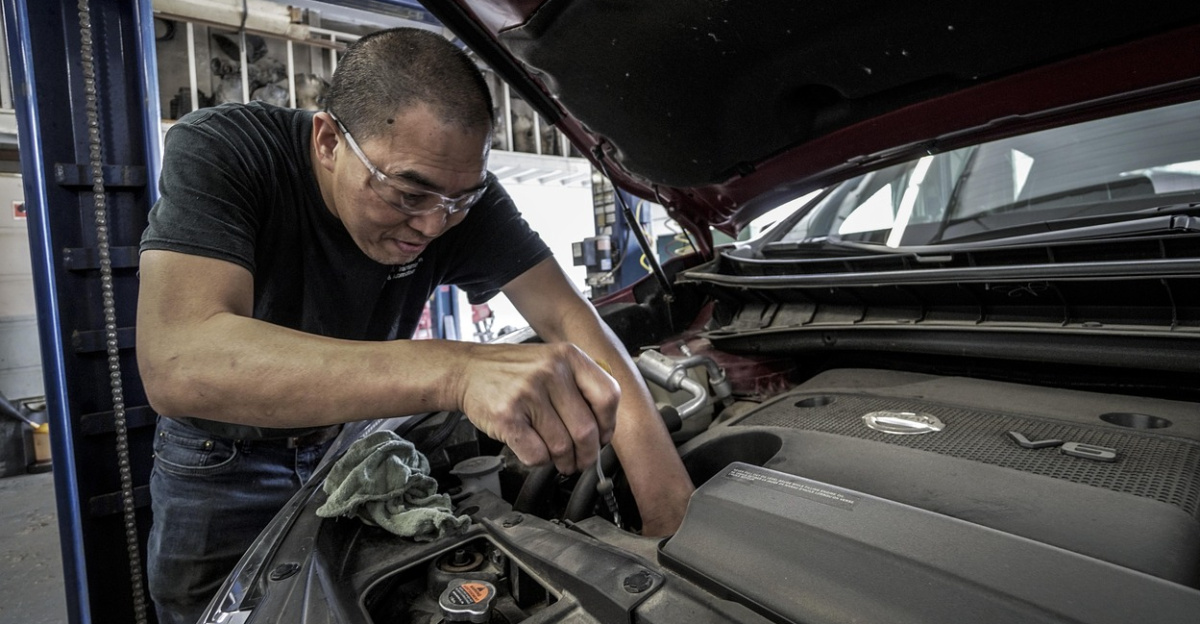
The recall is putting pressure on dealerships and repair shops, which are struggling to accommodate the surge in repair requests.
Ford and Kia owners are reporting delays in securing repair appointments, while consumer advocates argue that automakers should have acted sooner to address these defects.
Leadership Under Fire
Ford CEO Jim Farley is facing tough questions regarding the automaker’s handling of this recall and its 137 total recalls this year.
While he has pledged to prioritize safety, critics argue that proactive oversight from top leadership was lacking.
The company’s record-high recall count underscores the broader challenges at play.
Comeback Strategy
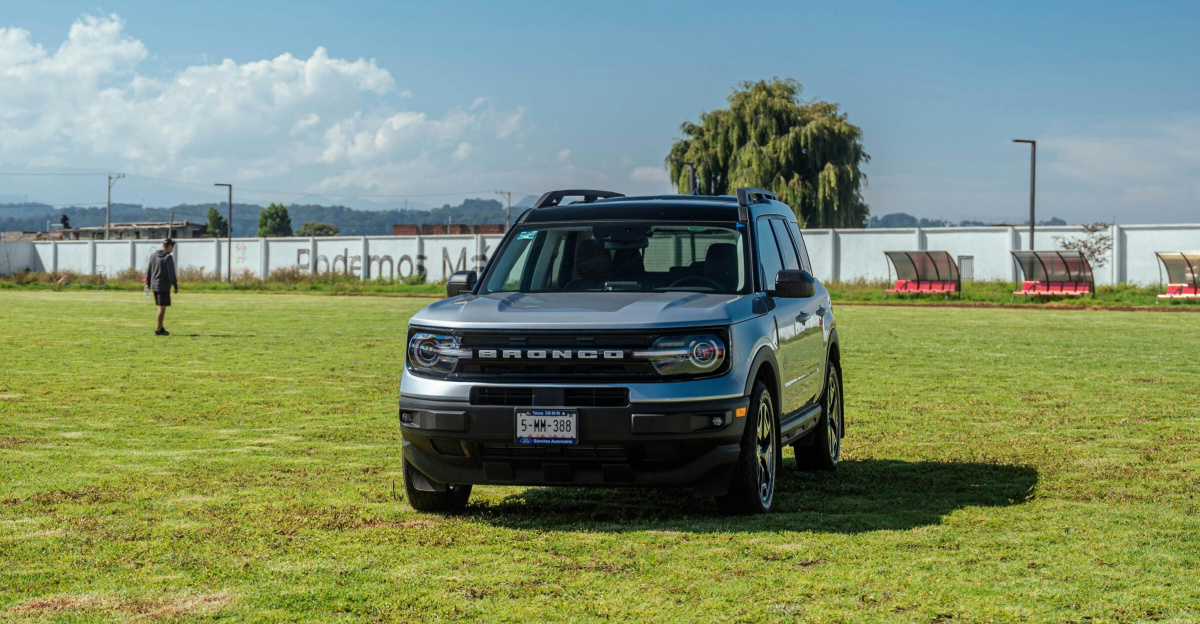
Both Ford and Kia are working to resolve the issues efficiently. Ford is offering over-the-air updates for some Broncos and Bronco Sports, while Kia is inspecting and replacing faulty fuel tanks on affected K5 sedans.
Both companies are ramping up customer support to address the fallout from this widespread recall.
Expert Skepticism
Industry experts remain cautious, suggesting that software updates and part replacements might not address the root causes of these defects. “Quick fixes are not enough,” says auto safety expert David Friedman.
The NHTSA and other regulators will be closely monitoring the automakers to ensure that comprehensive, long-term solutions are implemented.
What’s Next for Owners?
As the recall notification process unfolds, Ford and Kia owners will face tough decisions about whether to continue driving their vehicles or risk safety issues.
With repair backlogs and parts shortages expected, the coming months will test the industry’s ability to effectively address this crisis.
Political Implications
Lawmakers are already calling for stricter recall laws and penalties for delayed reporting.
The recall will likely become a central issue in Congressional debates about automotive safety, with questions about Ford and Kia’s recall processes expected to take center stage.
International Ripple
Although this recall is U.S.-specific, it’s causing ripples globally.
Similar models sold overseas may come under scrutiny, and international regulators could follow suit with investigations of their own if these defects are found in exported vehicles.
Legal and Environmental Fallout

Class-action lawsuits are already being discussed, particularly for those who’ve experienced fires or other damages. Environmental groups are also raising concerns about the potential for hazardous spills caused by melting fuel tanks.
Legal filings and statements from organizations such as the Center for Auto Safety document ongoing actions related to this recall.
Cultural Shift: Trust in Question
This recall is fueling a broader debate about consumer trust in automakers.
With safety issues becoming more prevalent, customers are demanding greater transparency, while automakers face growing skepticism about their ability to self-regulate and prioritize consumer safety.
What This Signals
The 2025 Ford and Kia recall is a wake-up call for the automotive industry. As vehicles grow more complex, safety—and public trust—are at greater risk.
How these automakers and regulators respond will determine the future of road safety for years to come.