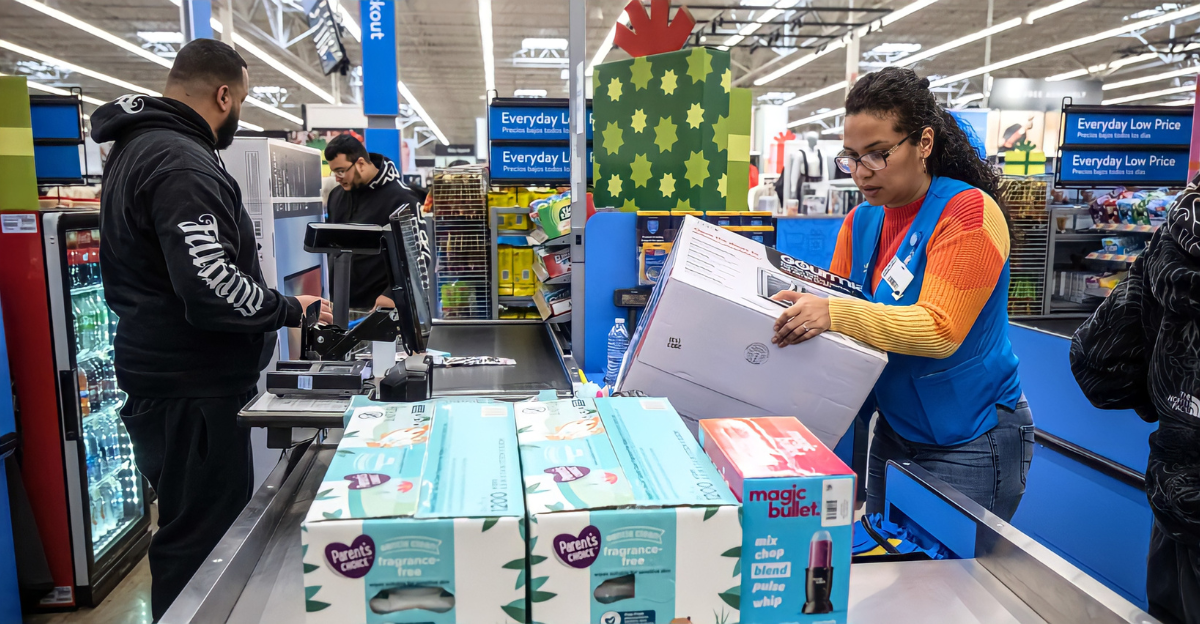
Walmart shocked Wall Street on Aug. 21, 2025. The retail giant reported a record Q2 revenue of $177.4 billion (about +4.8% year-over-year), yet its profit per share was only $0.68 – missing the $0.73 analysts expected.
Investors immediately sold off: shares fell roughly 4–5%. This was Walmart’s first quarterly earnings miss in a year, despite its top-line strength.
The unexpected disappointment has raised concerns about rising costs and whether the world’s largest retailer can keep margins under today’s pressure.
Rising Pressure
Tariff-driven costs are piling up at Walmart. CEO Doug McMillon told investors that as the company “replenishes inventory at post-tariff price levels, we’ve continued to see our costs increase each week,” a trend he expects to last into late 2025.
So far, Walmart has absorbed much of those costs, raising prices on only select items (around 10% of merchandise) to hold back inflation.
But executives warn the burden is getting heavier.
To customers like suburban mothers and mid-level workers, Walmart promises it will “keep prices as low as we can for as long as we can”, even if tariffs bite.
Trade War Context
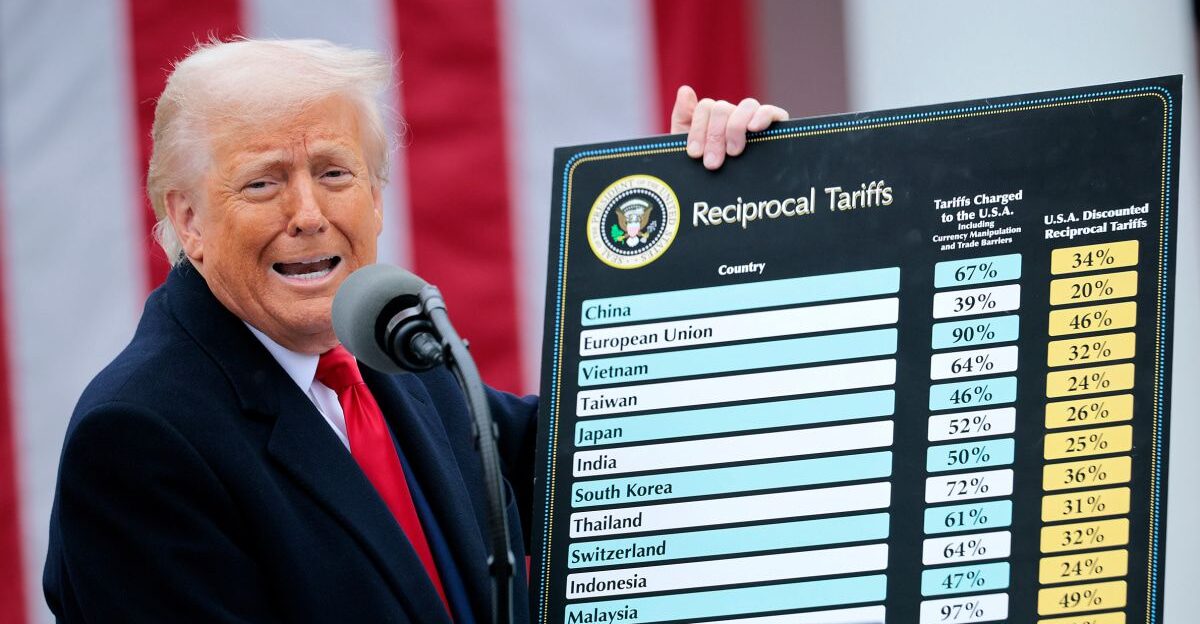
President Trump’s tariff policies have dramatically altered the backdrop. In mid-2025, the administration boosted duties on steel and aluminum to 50% and swept in hundreds of derivative products. (On Aug. 19, 2025, Commerce announced that 407 additional categories were slapped with 50% duties.) In effect,
roughly $2.4 trillion of U.S. imports – 75% of the total – now face some kind of tariff.
These measures have pushed the average U.S. tariff rate to an eye-popping 27% – the highest level since 1903.
For a retailer like Walmart, which relies on complex global sourcing (including many products from China and beyond), these levies translate into sharply higher input costs.
Mounting Costs

Retailers today confront duties at levels unseen in a century. Budget analysts note the overall U.S. tariff rate is around 27%, meaning virtually all imports now carry added fees.
Walmart’s supply chain is huge – it imports everything from TVs to toys – so the firm has “felt” this more than most.
Even with Walmart’s negotiating power, the new tariff reality has forced it to juggle costs. In the U.S., many shoppers are already paying higher prices on certain goods, even as Walmart uses cost-saving moves elsewhere to keep most prices low.
Investors are watching how these rising duties will squeeze Walmart’s famed low-margin model going forward.
Resilient Core Performance
In spite of the headwinds, Walmart reported surprisingly strong core results. U.S. sales were $120.9 billion in Q2, up 4.8% year-over-year, and U.S. comparable-store sales rose roughly 4.6% – far outpacing many peers.
Global online sales jumped 25% (with U.S. e-commerce up about 26%) as Walmart leaned into fast pickup and delivery.
“We’re doing what we said we would do – keeping our prices low and value high,” management noted.
Excluding one-time charges (see next slide), Walmart delivered one of its best quarters in years, highlighting its resilience even as tariff costs bite.
Regional Impact
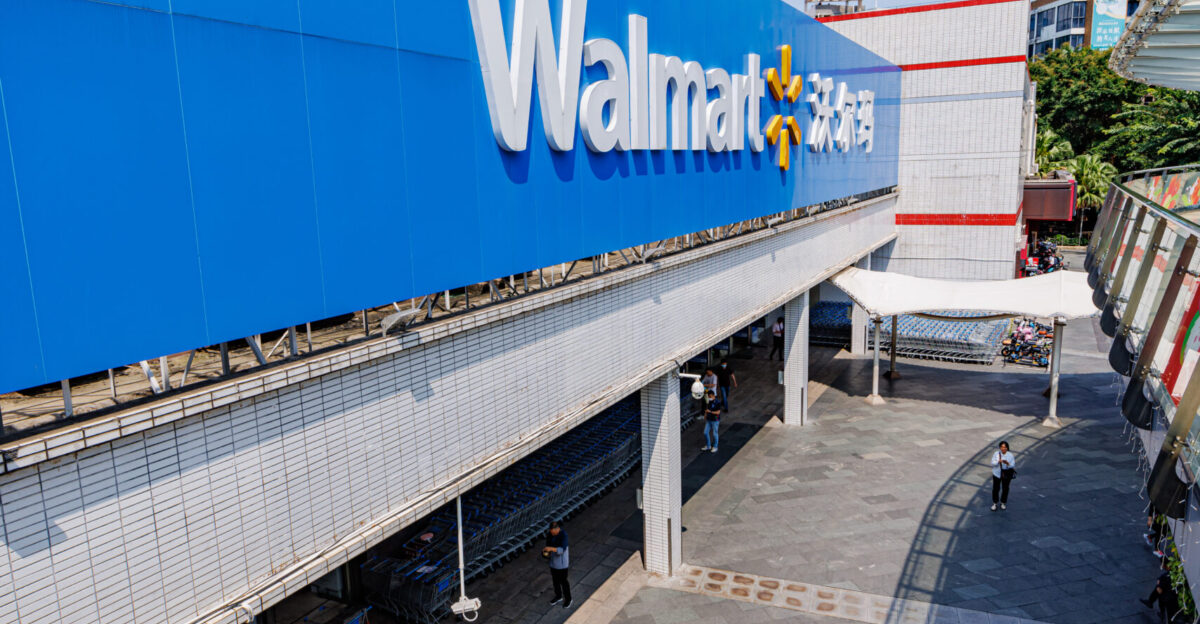
The U.S. segment drove those gains. Domestic revenue climbed 4.8% in Q2 to $120.9 billion.
Inflation and economic pinch have actually expanded Walmart’s customer base: many higher-earning Americans, worried about budgets, have started shopping there.
Industry data shows that about three-quarters of Walmart’s recent market-share growth came from higher-income shoppers trading down to its low prices.
Affluent families and professionals — who might once have skipped Walmart — are now helping boost its sales. This broadening demographic reach is a major reason Walmart’s U.S. performance stands out.
Human Story

Behind the numbers are real people. In Walmart’s latest earnings call, Doug McMillon reassured that everyday shopping habits held steady: “Tariffs haven’t prompted dramatic shifts in shopping behavior,” he said.
Middle-income families echoed that. One mother in Ohio told reporters that even as prices creep up on certain items, her weekly Walmart run hasn’t changed much.
“I know things cost more, but I still see the same deals,” she said. Walmart staff also emphasize that customers across all income levels keep coming back for the rock-bottom prices.
McMillon vowed publicly, “We’ll keep prices as low as we can, for as long as we can”, reflecting the store-level promise many workers try to uphold day-to-day.
Competitor Struggles
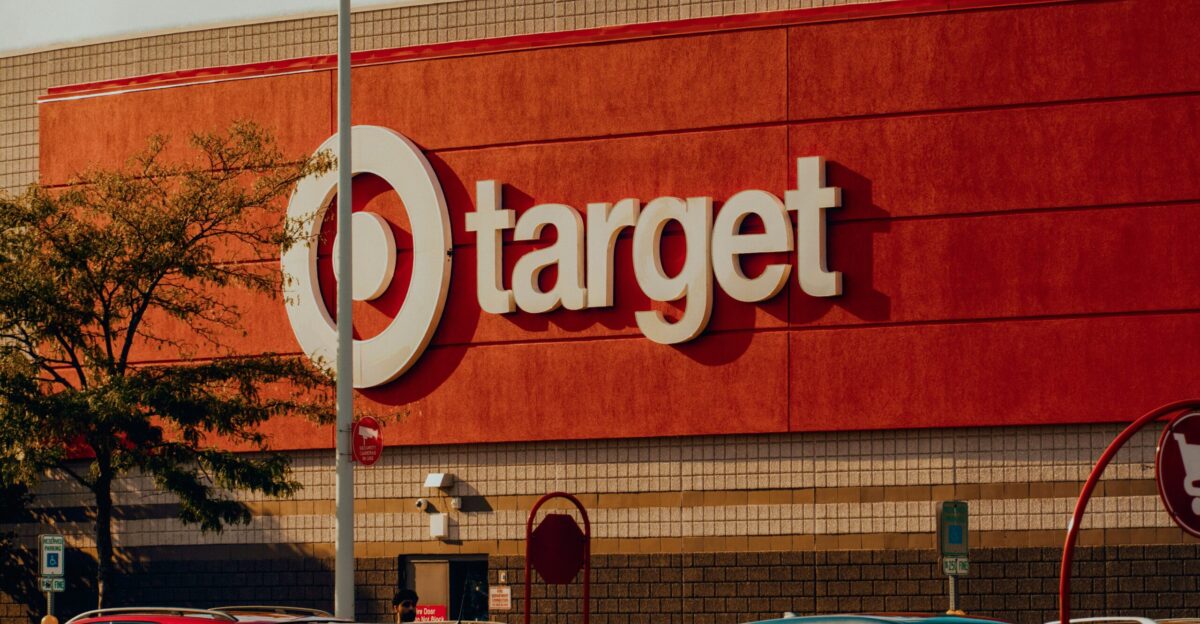
Walmart’s strength was even more striking against peers. Rival Target reported Q2 comparable-store sales down 1.9%, reflecting weak traffic. Home Depot’s U.S. comps rose only about 1.4%.
In this tough retail climate, Walmart’s wide assortment and value focus gave it an edge.
While Target saw shoppers shy away from less discretionary spending, and Home Depot noted only modest demand for home projects, Walmart appears to be capturing a larger share of the shrinking consumer dollar.
Its ability to grow sales while other chains falter highlights the advantage of its everyday-low-price strategy.
Digital Dominance

Digital sales powered much of Walmart’s growth. In Q2, global e-commerce revenue surged 25% year-over-year.
U.S. online sales alone rose about 26%, propelled by Walmart’s investments in fast delivery and its expanding online marketplace. Notably, “store-fulfilled” deliveries (orders sent directly from stores) grew nearly 50%, as shoppers embraced curbside pickup and same-day delivery.
Even its advertising business is booming (advertising sales jumped ~46%).
Walmart’s omnichannel push is paying off: more shoppers are using its app and website alongside brick-and-mortar, undercutting competitors’ e-commerce gains.
One-Off Legal Hit Masks Strength
The quarter’s only real blemish was a one-off item. Walmart disclosed it took a ~$450 million hit to settle worker and customer injury claims.
That expense alone trimmed operating profit and explained the EPS shortfall. In other words, the profit miss was largely due to this large legal charge,
Not a drop in core business health. “These were costs we weren’t expecting this quarter,” management explained.
Once that discrete expense is set aside, Walmart’s underlying profits actually improved – evidence that the company’s retail engine remains strong despite outside pressures.
Internal Tensions
Inside Walmart’s boardrooms, debate is fierce over pricing and profits. The finance team acknowledges it can’t absorb every tariff indefinitely. CEO McMillon pointed out that with “narrow retail margins,” Walmart simply cannot swallow all the rising import costs.
Instead, executives say they are splitting the difference: in some categories, they fully absorb higher costs, while in others, they pass some increases to customers.
This balancing act – protecting low prices versus protecting profit margins – is a source of intense internal focus.
It means every product category is scrutinized: Walmart must decide when to squeeze suppliers or shorten supply chains and when to give in and let prices tick up.
Strategic Pivot

Walmart has adjusted its playbook. Riding momentum from a strong quarter, management raised its full-year U.S. sales forecast to +3.75–4.75% (from 3–4%), signaling confidence.
Operationally, Walmart front-loaded imports before new tariffs took effect and even redesigned products to avoid duties – for example, it has asked suppliers to use fiberglass in place of aluminum where possible. In short,
The strategy is to outmaneuver tariffs. Walmart is also accelerating automation and efficiency: it’s expanding warehouse robotics and tweaking its supply-chain networks to lower costs. These pivots aim to blunt the tariff bite over the long run.
Recovery Tactics
To offset inflationary price hikes, Walmart leaned on promotions.
The retailer deployed roughly 7,400 “Rollbacks” (temporary price cuts) in Q2 – an increase of about 30% from a year earlier in grocery rollbacks – to counterbalance selective price increases elsewhere.
For example, while some electronics or hardware costs edged up, Walmart simultaneously deepened discounts on essentials like bread, milk and meat.
This juggling act kept overall basket prices near flat for many shoppers. In effect, Walmart is using aggressive markdowns on certain items as a pressure-release valve, a time-tested tactic to maintain its image as a bargain destination.
Expert Skepticism

Not everyone is convinced this can last. Former Walmart U.S. CEO Bill Simon praised the quarter – on CNBC, he called it “about as good a quarter as any retailer could have in any environment” – yet Wall Street remains wary.
JPMorgan noted that even a big beat “in no way fundamentally alters the bull case”, implying that investors still question longevity.
Some analysts ask: if tariffs and inflation persist, will Walmart eventually have to raise prices or sacrifice margins further?
For now, Walmart’s scale allows it to squeeze suppliers and cut costs, but many pundits point out that even Walmart can only absorb so much before consumers start paying the price.
Forward Question

All this raises a key question for the rest of 2025: Can Walmart keep this balancing act going? Tariff costs are climbing “each week”, and economic tensions show no sign of letting up.
The company has impressively shielded shoppers from broad price hikes so far, but as CFO Rainey warned, it will be harder to keep doing so with every passing quarter.
The next earnings reports will reveal whether Walmart’s playbook – smarter sourcing, front-loading imports, and tactical discounts – truly builds a sustainable buffer, or merely delays the day when consumers finally see higher prices on store shelves.
Political Implications
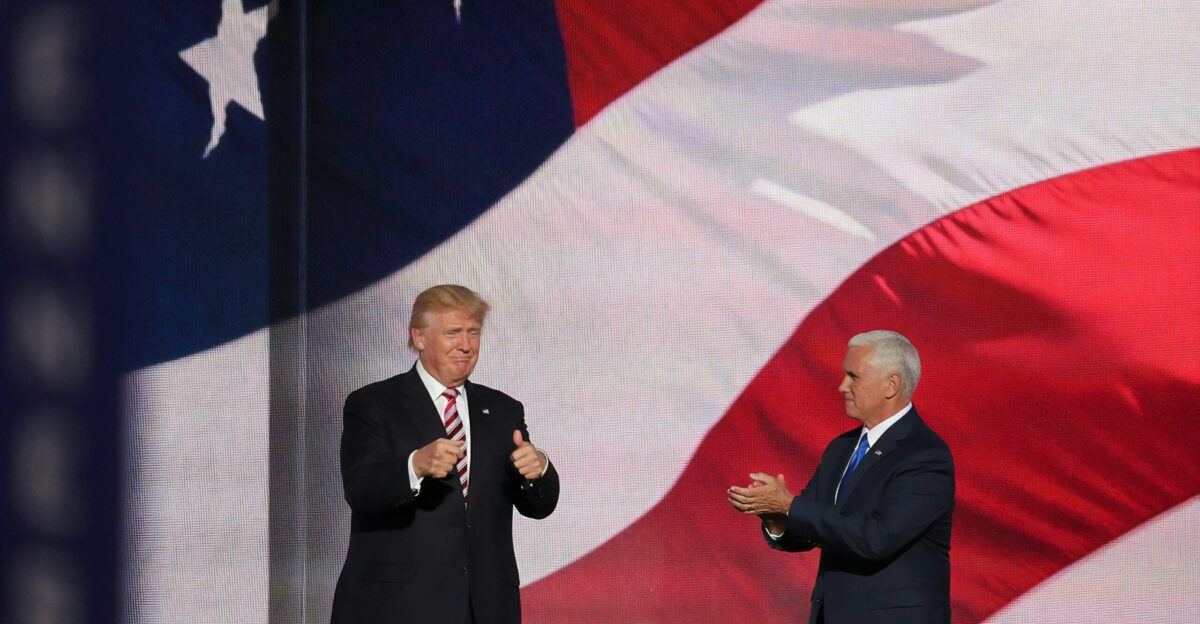
Walmart’s pricing battle has even entered the political arena.
President Trump took to social media in May to publicly scold the retailer, tweeting that Walmart should “eat the tariffs” and not charge its “valued customers” extra.
This high-profile jab piled political pressure on Walmart’s strategy. The company quickly clarified that it remains committed to low prices (and announced no immediate mass price hikes), but Trump’s comments underscore how sensitive Walmart’s moves have become. In a way,
Every pricing decision now has broader symbolism: is Walmart fighting inflation for consumers, or edging prices up? Trump and other policymakers are watching closely.
International Ripple
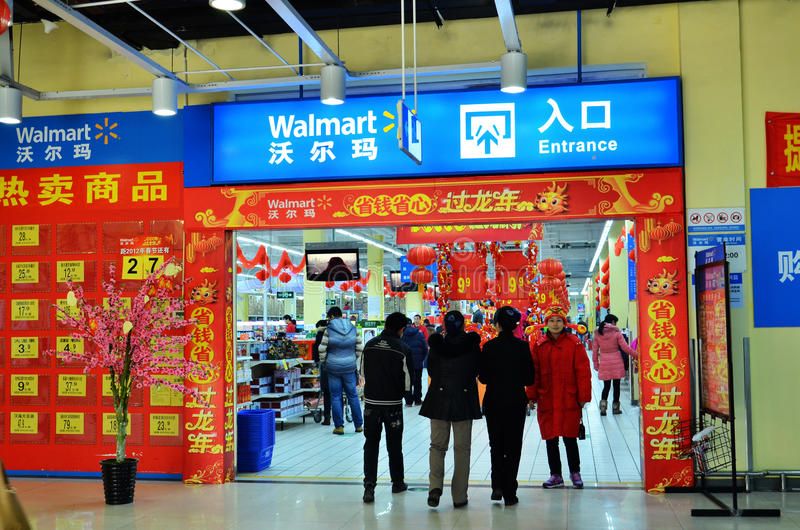
Beyond the U.S., Walmart’s global business also faces headwinds. International sales grew 5.5% in Q2 (10.5% in constant currency), fueled by strength in China, Mexico (Walmex) and India (Flipkart).
However, currency shifts took a toll: foreign exchange moves sliced about $1.5 billion off revenue.
Even as local sales rose, a stronger dollar meant Walmart earned less when overseas revenue was translated back.
This volatility highlights that trade and currency issues abroad are an additional uncertainty. For example, a customs slowdown or peso devaluation in Mexico can unpredictably affect Walmart’s consolidated earnings, just as tariffs do in the U.S.
Legal Landscape

Walmart’s scale means it also navigates ongoing legal and regulatory battles. In Q2 the company set aside about $450 million for injury settlements (as noted above).
It also recently agreed to a $45 million settlement in a class-action suit alleging it overcharged customers on weighed groceries.
Such cases, while small relative to Walmart’s size, are symbolic of the operational complexity it faces. With thousands of stores, any pricing error or compliance issue can become a mass claim.
Executives must continually invest in training, auditing and legal defenses, costs which show up on the P&L even in good quarters.
Cultural Shift
Meanwhile, Walmart is evolving as a brand. Once viewed as a low-end destination, it’s now attracting higher-income shoppers. For example, an eMarketer analysis shows roughly 75% of its recent share gains came from higher-income customers.
These shoppers often seek convenience and premium choices – and Walmart has responded with expanded grocery offerings and more fashion/apparel options.
As one retail expert observed, “It’s no longer just for bargain hunters.”
This demographic shift broadens Walmart’s market and strengthens sales, but it also raises questions about identity: how to keep prices rock-bottom while catering to shoppers who can pay more for service and quality?
Bigger Picture
Walmart is America’s largest private employer (about 1.6 million U.S. workers).
Its Q2 results reflect more than just the bottom line – they are a case study in how a retail behemoth responds to unprecedented economic stress.
So far, Walmart has largely managed to shield customers from inflationary shocks and deliver solid sales growth. Investors have enjoyed share gains, but the company’s path ahead is the real test.
Can Walmart continue cushioning consumers while still rewarding shareholders? How it answers that question in the coming year – by navigating tariffs, supply snarls and shifting consumer tastes – will shape the retail landscape in this era of volatile trade and prices.