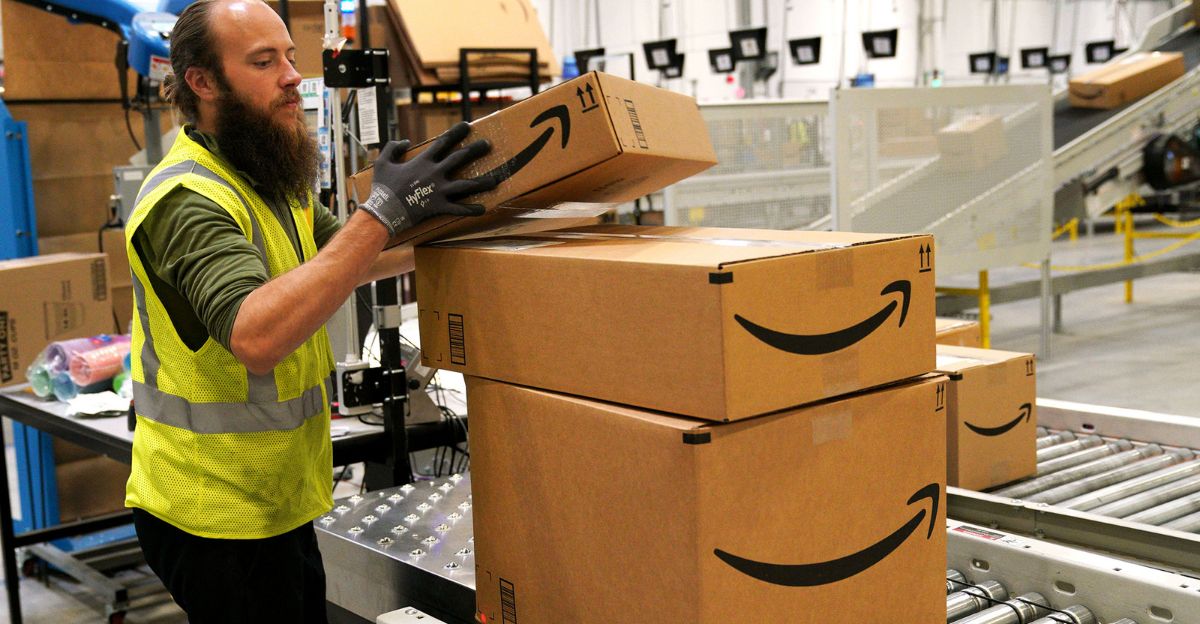
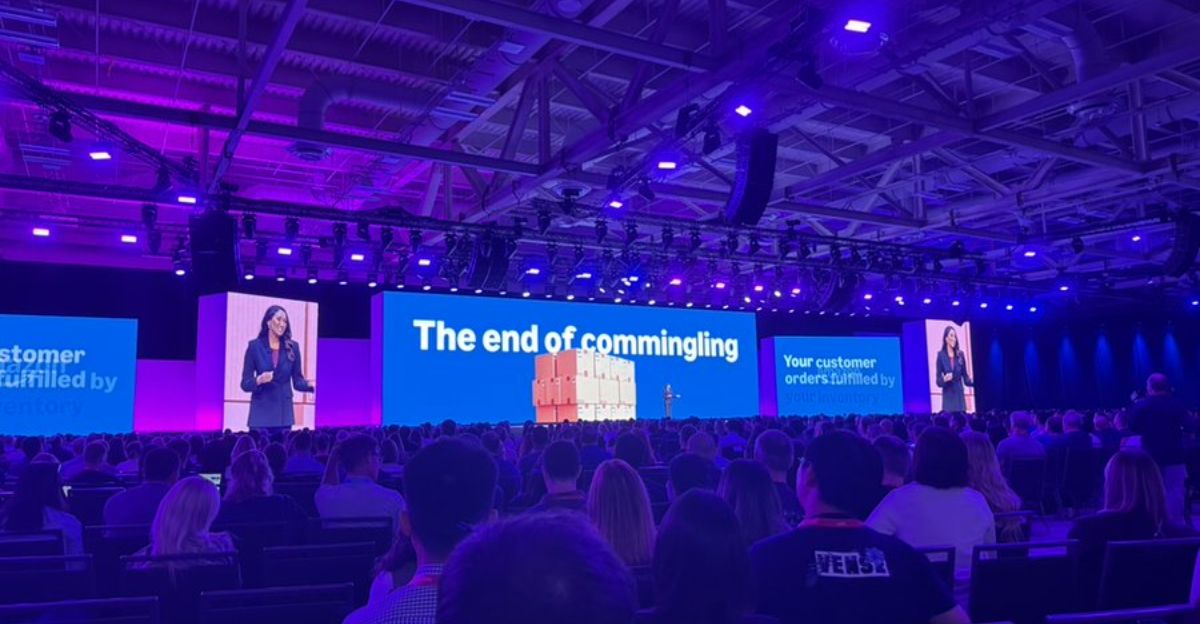
Amazon surprised sellers and brands alike at its 2025 Accelerate conference in Seattle by announcing it would end its contentious inventory commingling program. This move responds to growing pressures from a decade of complaints by brands wary of counterfeits mixing with genuine products.
The decision signals a major recalibration of Amazon’s marketplace policies, long criticized for enabling fraud and buyer confusion. Industry insiders call it a pivotal moment with far-reaching implications.
Escalating Concerns Reach Breaking Point
For over ten years, sellers and brands clashed with Amazon over the practice of pooling identical products from multiple sellers under shared barcodes. The commingling system simplified fulfillment but increasingly drew fire for mixing authentic items with counterfeits.
The announcement ends years of escalating disputes and might fundamentally alter Amazon’s fulfillment model. The marketplace is watching closely as conditions evolve.
Origins of Commingling Explained
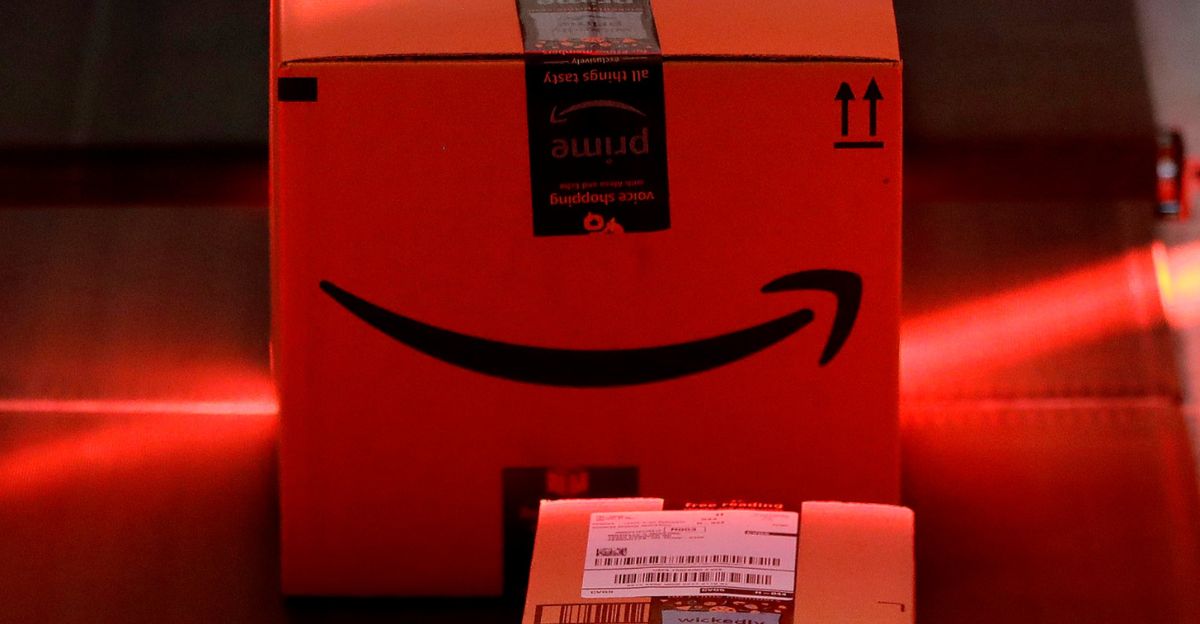
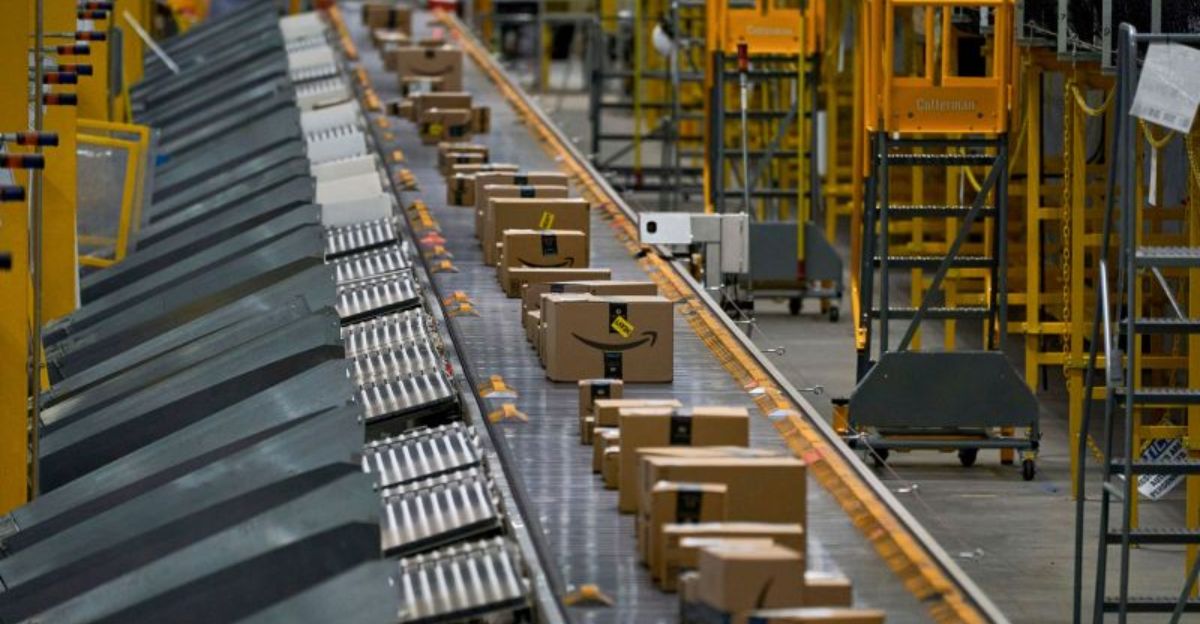
Introduced as a logistics efficiency, Amazon’s commingling program pooled identical products in shared inventory bins, shipping whichever item was nearest regardless of seller. This accelerated delivery times and simplified operations during the platform’s rapid growth phase.
Yet this system also opened the door to unintended consequences, as mixing inventory obscured product provenance and complicated quality control.
Brand Warnings Since 2013
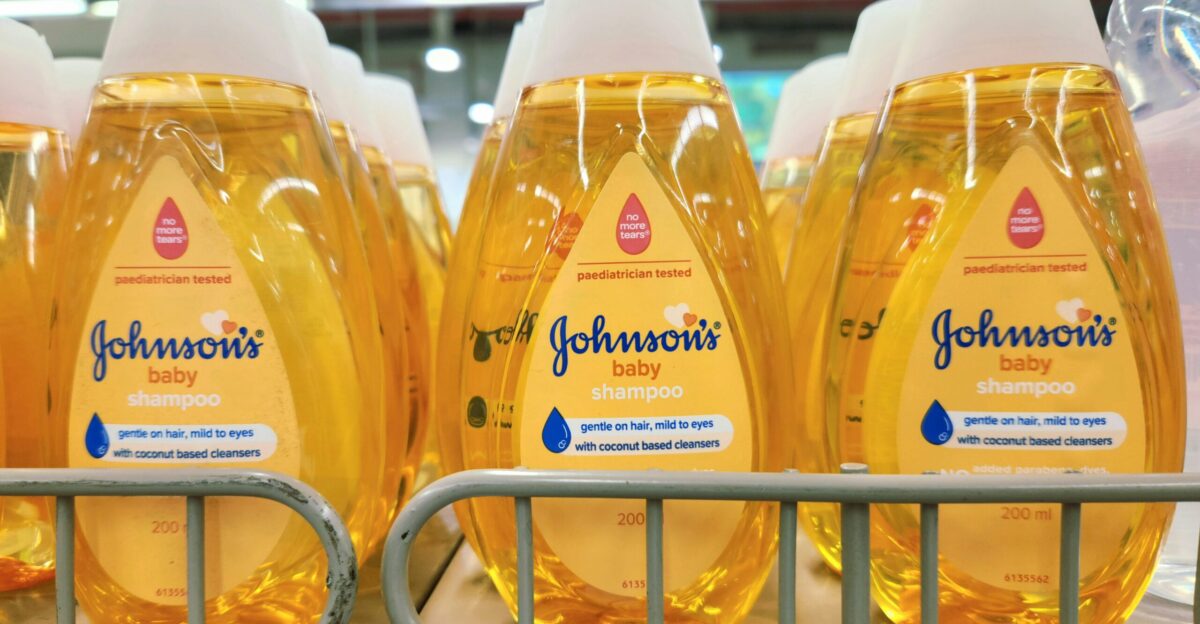
Early detractors included major brands like Johnson & Johnson, which in 2013 pulled products over fears Amazon failed to prevent damaged or expired merchandise from entering commingled stock. This early protest spotlighted deep flaws in the approach to inventory integrity.
Such brand concerns went largely unheeded for years, despite increasing reports of counterfeit infiltration and quality erosion tied to inventory mixing.
The $600 Million Cost

At the Seattle event, Amazon executives revealed that brands spend roughly $600 million annually to “re-sticker” products to bypass commingling and protect brand integrity. This staggering figure exposed the hidden expenses incurred to work around a system designed in the name of efficiency.
It underscored the financial and reputational toll levied on brand owners by a practice that inadvertently encouraged counterfeit risks.
Sellers Bear the Brunt

Legitimate sellers frequently faced negative reviews and account suspensions after customers received counterfeit or damaged items they never sold. Under commingling, fulfillment centers randomly selected from pooled stock without regard to seller origin, exposing honest merchants to significant risk.
This dynamic bred frustration and distrust across Amazon’s third-party seller ecosystem.
Small Businesses Hit Hard

Smaller entrepreneurs suffered reputational harm from the association with counterfeit goods, damaging their businesses despite careful sourcing. Amazon’s indifferent bin selection process meant that poor quality or fake products could be dispatched under innocent sellers’ names.
Such systemic issues eroded confidence among small sellers and brand owners alike.
Nike’s Exit and Return

Sportswear giant Nike left Amazon’s direct sales in 2019, citing loss of brand control amid counterfeiting concerns linked to commingling. The company made a strategic return in May 2025, encouraged by Amazon’s commitment to address these market integrity challenges.
This move signaled growing trust in Amazon’s evolving approach to protecting premium brands.
Regulators Enter The Fray
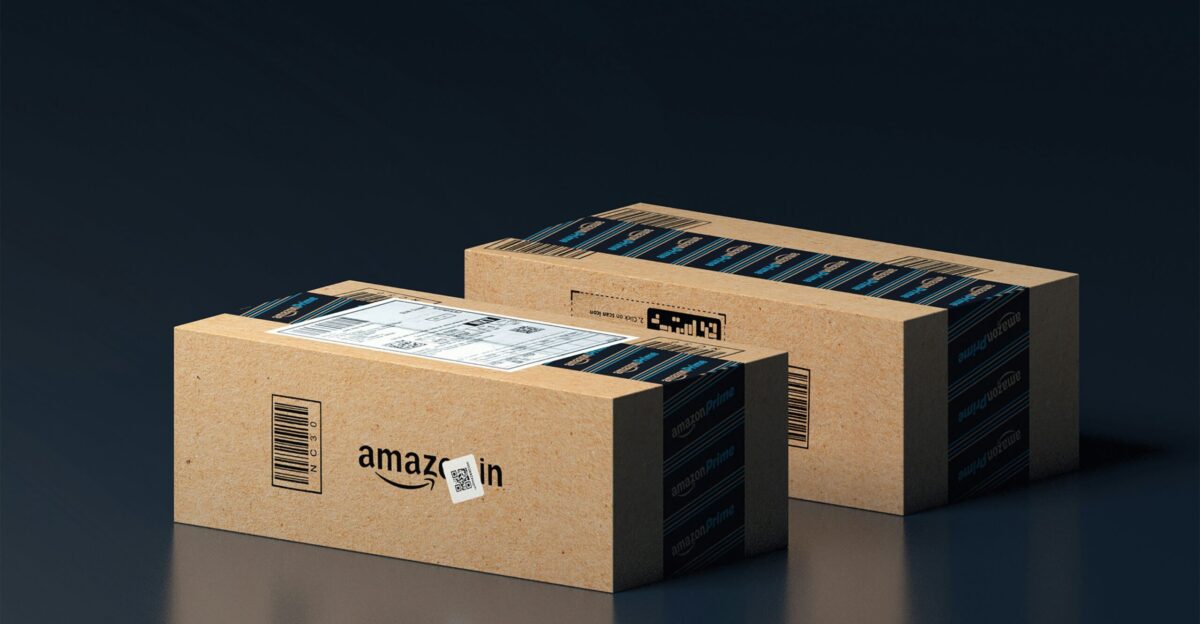
Federal investigations uncovered over 4,000 unsafe or banned products on Amazon’s marketplace. The Retail Industry Leaders Association condemned the platform for “masking or obfuscating” true seller identities, intensifying scrutiny of Amazon’s inventory practices.
Regulators increasingly pressured Amazon to enhance transparency and consumer protection.
Shifting Economics Undermine Commingling

Amazon executives acknowledged that the original logistical justifications for commingling no longer held. With expanded fulfillment networks, fast shipping is achievable without mixing inventory. Nadya Dhalla affirmed, “Most products can now achieve fast shipping speeds customers love without commingling.”
This evolution paved the way for policy change.
Industry Voices Applaud Change

Ben Donovan of Marketplace Pulse called the policy termination “one of the more significant steps” Amazon has taken to restore brand confidence. The shift reflects a broader industry trend moving from reseller reliance toward direct brand partnerships and tighter marketplace governance.
This may recalibrate power dynamics between brands, sellers, and platforms.
Complex Operational Transition
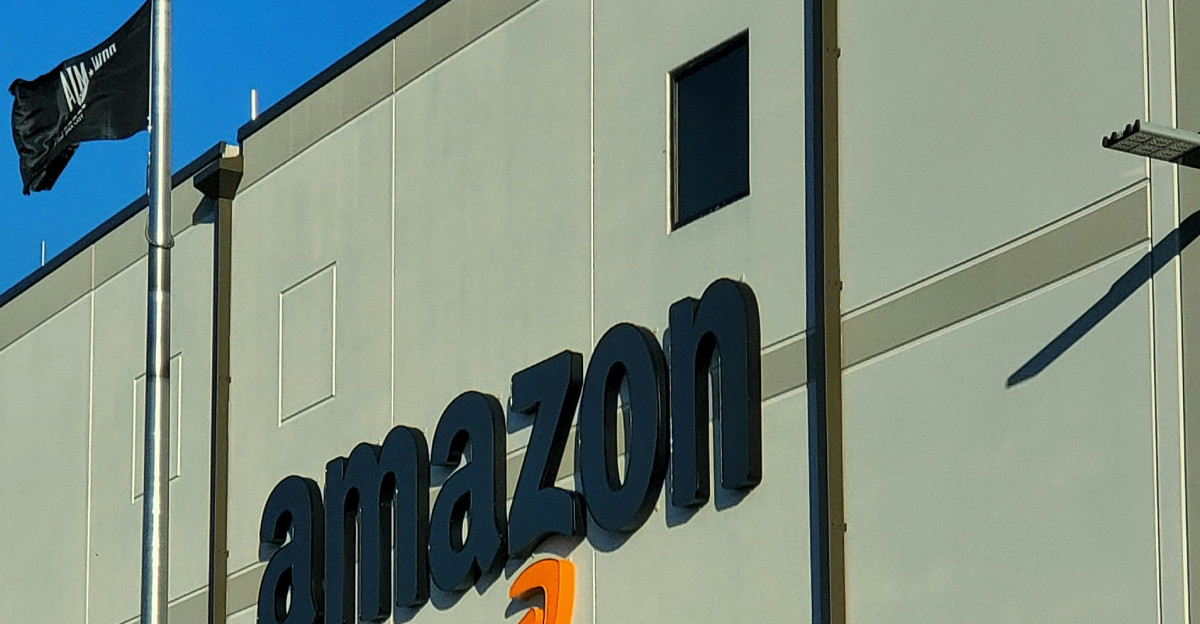
Amazon plans a phased commingling phase-out by year-end 2025 across all fulfillment centers. Sellers will need to adapt to new labeling standards, with Amazon promising to offset costs through the elimination of re-stickering expenses.
This operational overhaul requires tight coordination but aims to reduce counterfeit exposures.
AI Empowers Sellers

Alongside policy changes, Amazon introduced AI-powered “agentic” tools to help sellers optimize operations without commingling’s efficiencies. These technological solutions offer alternative ways to maintain smooth logistics while enhancing inventory transparency.
The approach balances innovation with compliance and brand protection.
Premium Brands Gain Focus
Ending commingling fits Amazon’s strategy to prioritize direct collaborations with household brands over unrestricted marketplace access. Analysts interpret this as a recognition that sustainable value lies in cultivating trusted brand relationships rather than maximizing seller volume.
This may redefine Amazon’s marketplace ecosystem going forward.
Marketplace Credibility Trumps Efficiency
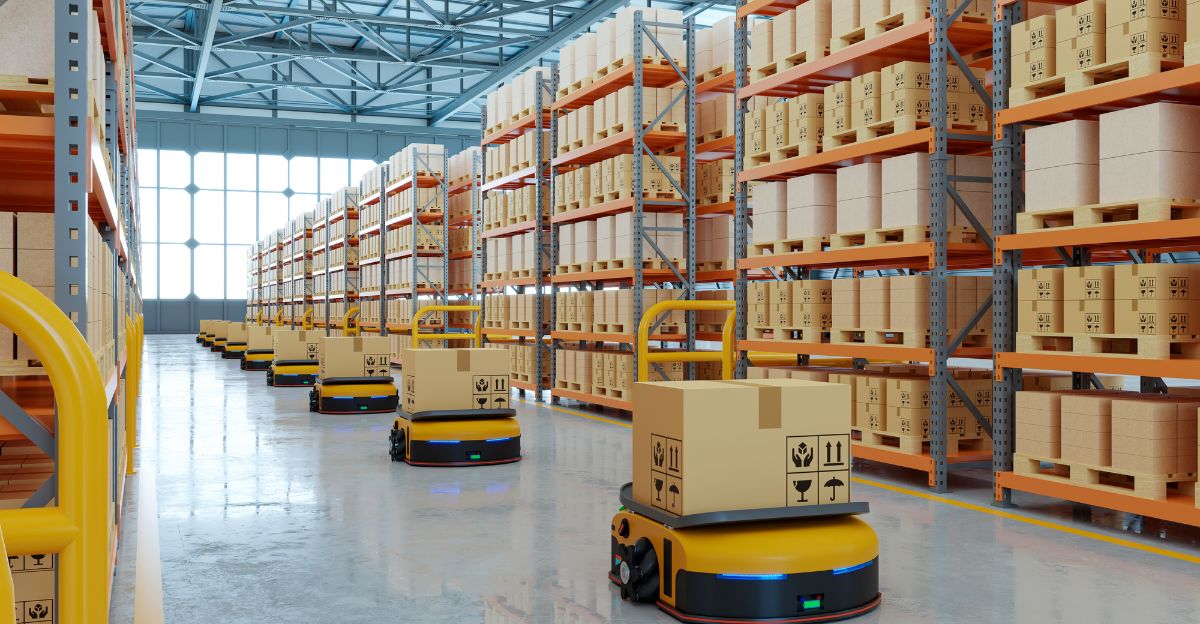
The willingness to abandon longstanding operational advantages highlights a shift toward valuing consumer trust and brand credibility above short-term logistics gains. Amazon aims to rebuild marketplace integrity on a foundation of quality and authenticity.
This philosophical pivot marks a new chapter for e-commerce platforms.
Competitive Edge Emerges

Amazon’s integrity focus contrasts competitors like Walmart, which pursue distinct seller verification methods. By cutting commingling, Amazon hopes to attract premium brands wary of counterfeit risks, potentially gaining market share among high-value merchants.
The evolving landscape promises fresh competition and innovation.
Consumer Protection Front and Center
The policy change aligns with a growing industry consensus that digital marketplaces must strengthen safeguards against counterfeit and unsafe goods. Amazon’s voluntary elimination of commingling may set precedents defining inventory integrity and seller accountability standards.
This could elevate expectations across the e-commerce sector.
Shifting Platform Responsibilities

Amazon’s move reflects a cultural evolution, balancing operational efficiency against the imperative to protect brands and consumers. It signals broader rethinking about platform accountability and stewardship in the digital economy.
This transformation may influence policies at other major technology platforms.
Leading Industry Reform

The commingling reversal exemplifies proactive measures addressing long-standing seller and brand concerns on product authenticity. Amazon’s voluntary reform may inspire competitors to adopt similar policies targeting safer marketplace operations.
This momentum could drive widespread change in online retail governance.
Defining a New E-Commerce Era

Amazon’s decision marks a turning point where marketplace operators embrace sustainable growth through genuine brand partnerships. Sacrificing short-term efficiencies for authenticity may establish new industry norms prioritizing trust and long-term value.
The implications extend beyond Amazon, shaping the future of e-commerce standards.