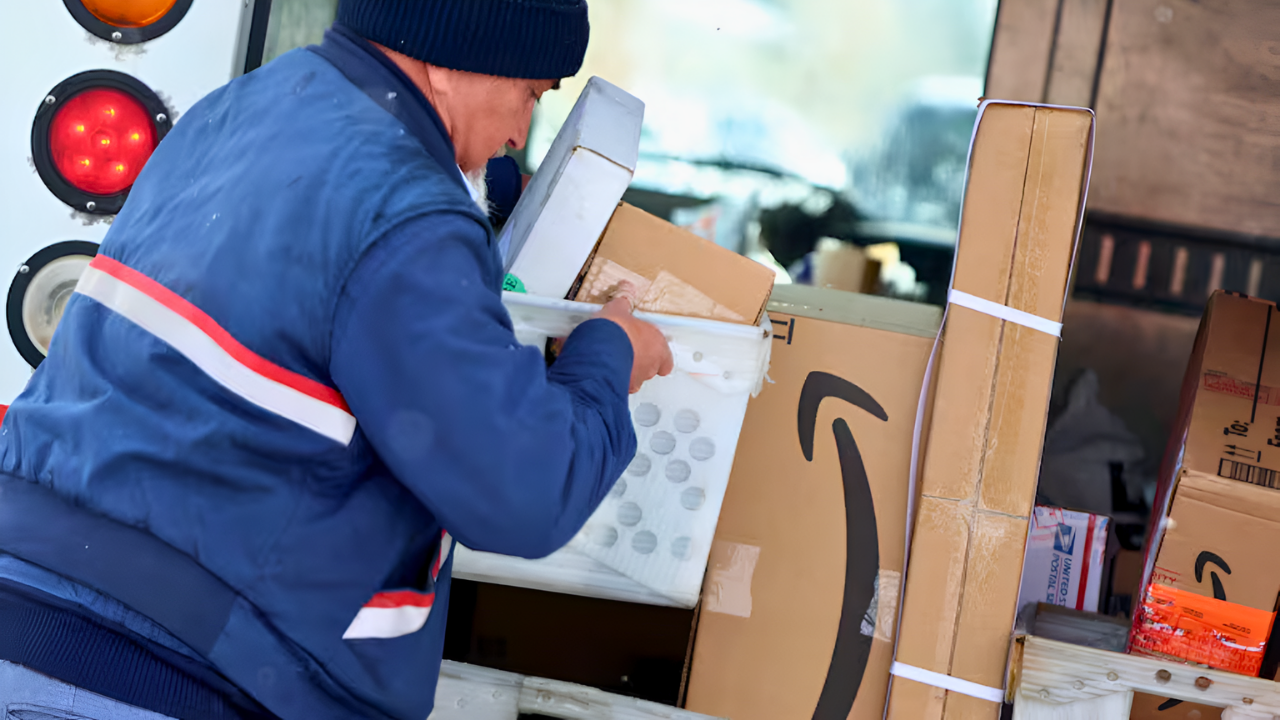
A decades-long relationship between Amazon and the U.S. Postal Service is breaking down. Once reliant on USPS for deliveries, Amazon now operates with minimal dependence on external carriers. Meanwhile, USPS faces a $9.5 billion loss and struggles to justify rates to its largest customer.
This dispute will reshape how millions of Americans, especially in rural areas, receive packages. The postal institution faces its biggest test in decades as e-commerce dominance challenges its universal delivery mandate. Here’s what’s going on.
What’s Actually Happening Right Now
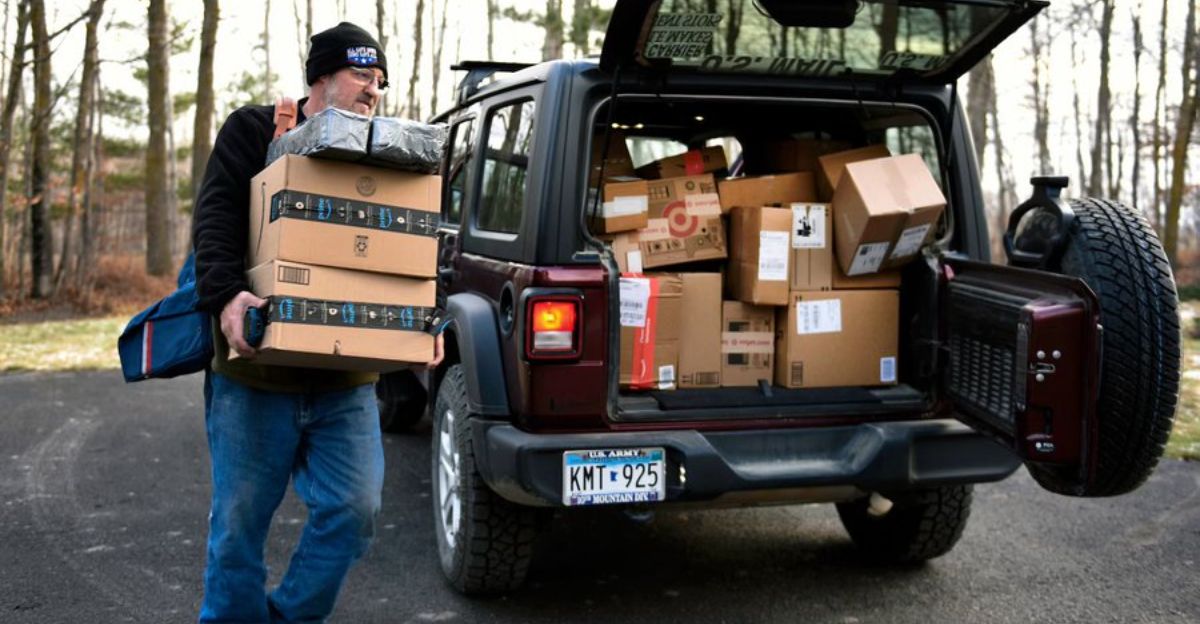
Amazon and USPS are locked in tense contract renewal talks. USPS Postmaster General David Steiner proposed a reverse auction, letting Amazon bid against other carriers for postal capacity. Amazon called the move “surprising,” signaling talks may have “largely ended.”
The partnership is worth $6 billion annually to USPS. With both sides preparing contingency plans, Steiner’s bid to regain leverage may have backfired spectacularly, setting the stage for a dramatic showdown.
Meet the New Postmaster General
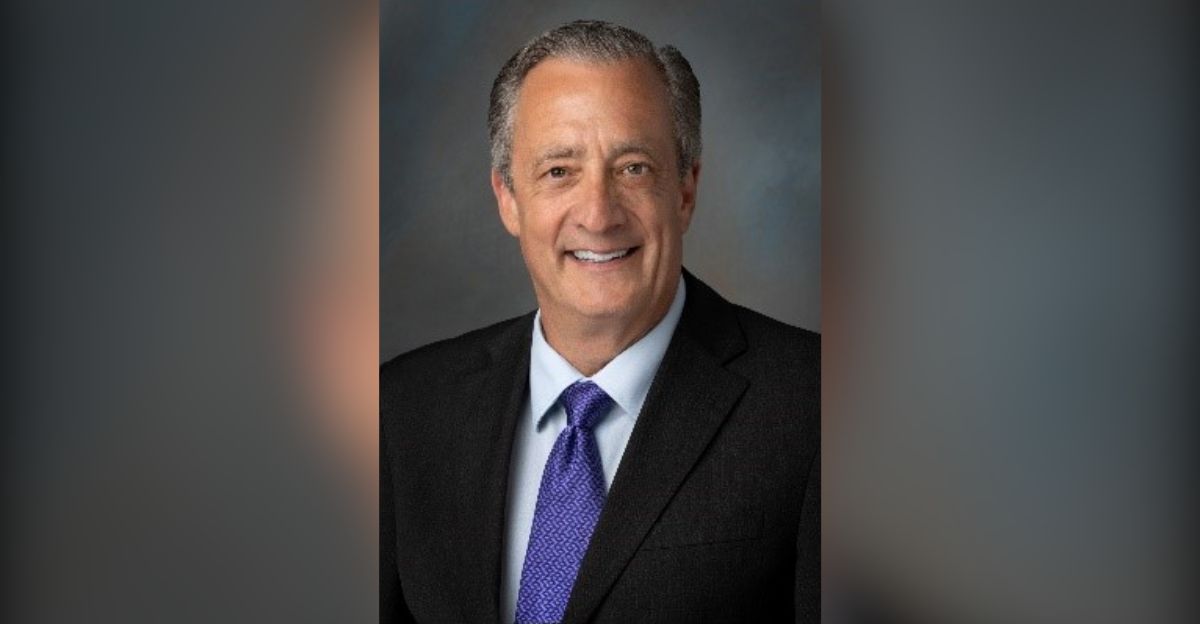
David Steiner became USPS Postmaster General in July, appointed by the Postal Service Board of Governors. A former FedEx board member, Steiner arrived with a vision to force USPS to compete like a private company.
His reverse auction aimed to extract better pricing from Amazon. But months of turmoil and financial losses meant his approach misjudged Amazon’s negotiating power. The consequences are unfolding.
The Revenue Alarm That Started Everything
USPS posted a $9.5 billion net loss in fiscal 2024, one of the agency’s largest ever, with $7.7 billion tied to pension and compensation obligations. The operational “controllable” loss was about $1.8 billion, but the distinction mattered little.
Steiner inherited a financial crisis and saw Amazon’s $6 billion revenue as a lifeline and an opportunity. Desperation drove his aggressive negotiating approach, setting up a collision course with the e-commerce giant.
Amazon’s Surprising Reaction
Amazon reacted cautiously to the reverse auction. The company said it was “surprised” and that “plans are not final and could change,” according to The Verge, December 4, 2025. It expressed interest in continuing a 30-year relationship but only under favorable terms.
The tone revealed Amazon’s independence. Years of building its own logistics meant the company no longer feared losing USPS. The balance of power was shifting in ways Steiner hadn’t fully anticipated.
How Amazon Built Its Independence
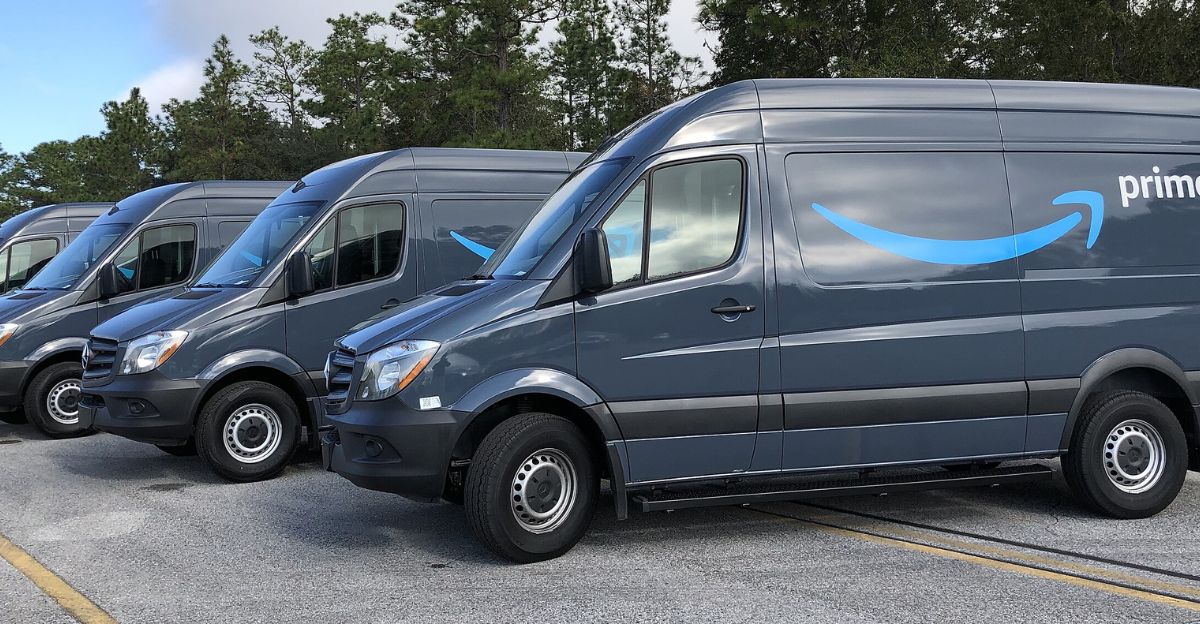
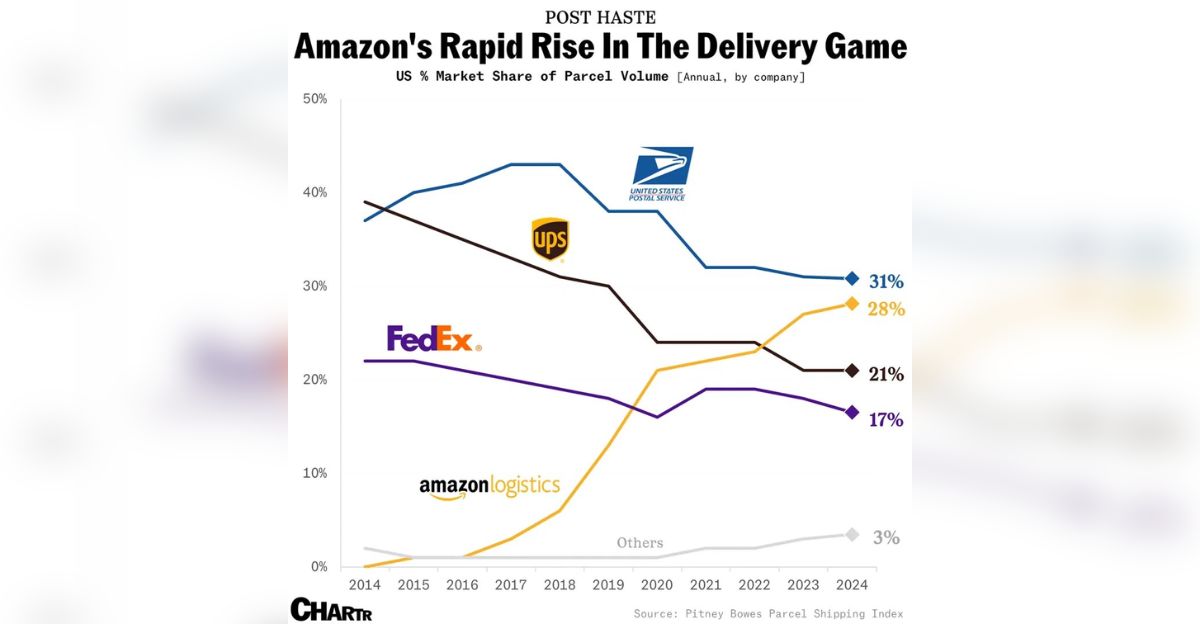
Amazon Logistics handled 6.3 billion parcels in 2024, nearly matching USPS’s 6.9 billion, according to June 2025 reports. The company invested $4 billion in rural delivery expansion in April , targeting areas USPS had monopolized.
Analyst Gil Luria noted, “Amazon has been building its distribution capabilities for several years and now has minimal reliance on other logistics companies.” The infrastructure was ready for a major pivot.
The Parcel Volume Tipping Point
By 2024, Amazon’s parcel volume lagged USPS by just 600 million parcels. Analysts project Amazon could surpass USPS as America’s #1 parcel carrier by 2028—or sooner if the partnership ends this year, Supply Chain Dive reported June 29, 2025.
If achieved, a private company would outpace the national postal service for the first time. USPS could face its obsolescence in the era of e-commerce, signaling a historic shift.
The Mail Collapse That Set the Stage
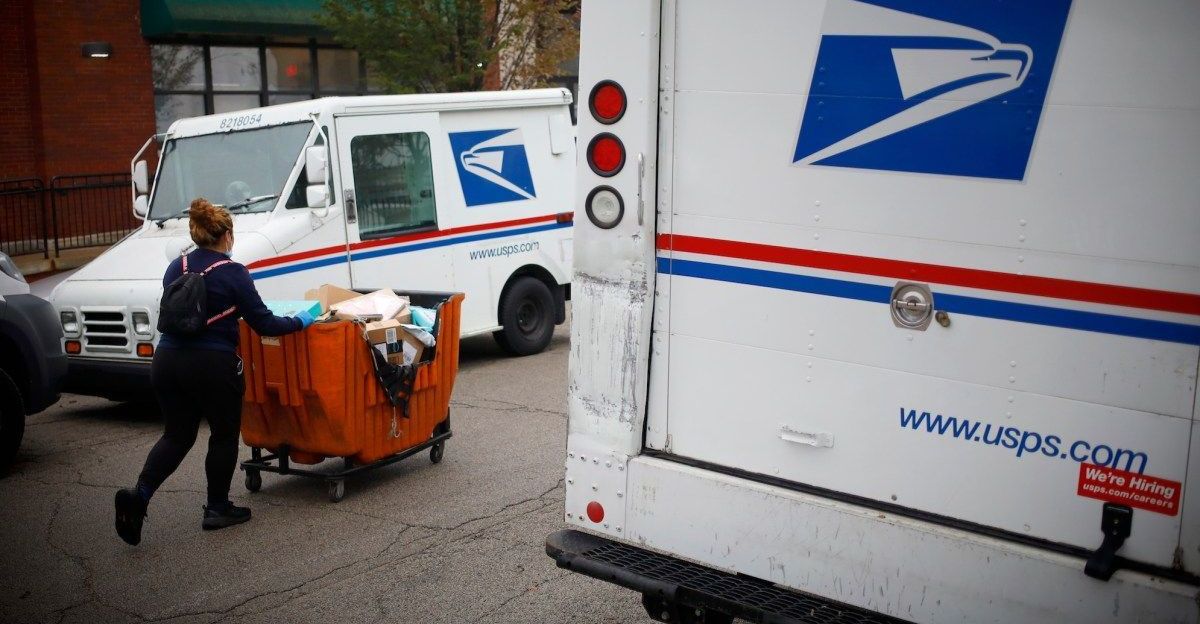
First-class mail volume at USPS has dropped 80% since 1997, Quartz reported on December 4. Digital communication replaced letters and bills, leaving parcels as the only growth driver.
USPS couldn’t control parcel pricing without risking Amazon’s business. Steiner’s reverse auction attempted to flip the dynamic, but it only reminded Amazon that viable alternatives existed, highlighting a fundamental power shift.
When Does the Clock Run Out?

The current USPS-Amazon contract expires in October next year, leaving a 10-month window to negotiate. Amazon has warned it may pull “billions of packages” by year-end if no deal is reached, The Washington Post reported December 4.
Steiner plans to launch the reverse auction early in 2026. A November 14 meeting between Andy Jassy and Steiner failed to bridge the divide. Time is running short.
What Losing $6 Billion Would Mean
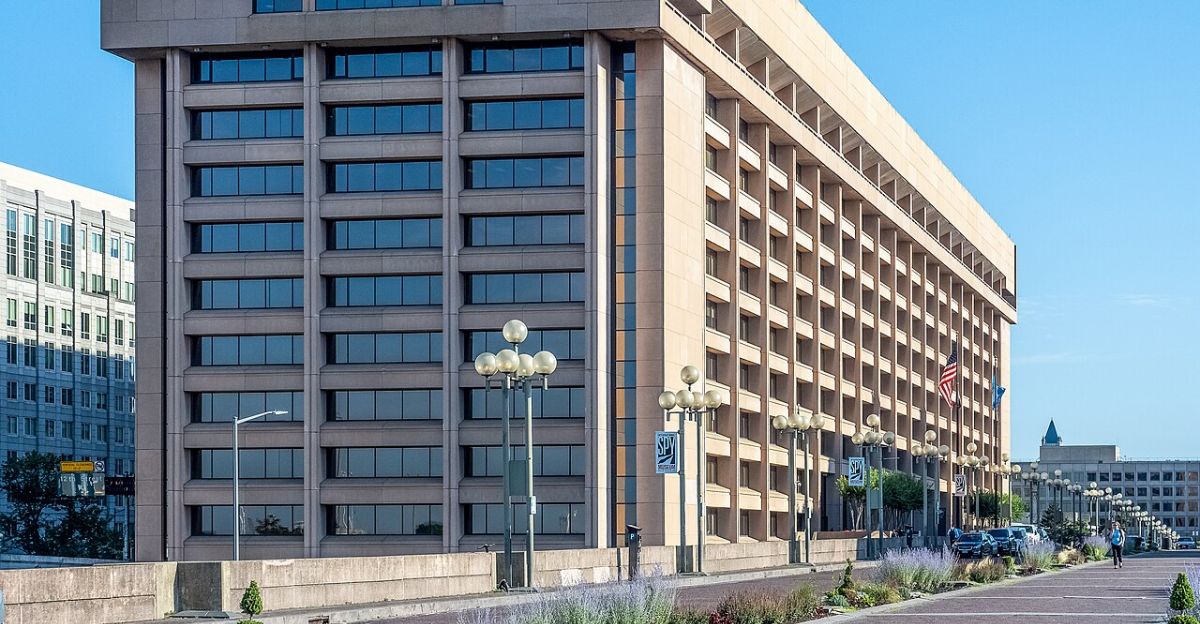
Amazon provides USPS $6 billion annually, roughly 7.5% of total revenue. Losing it could create a $6–12 billion shortfall by 2026. The Universal Service Obligation means USPS cannot reduce costs proportionally.
Infrastructure and employees must remain in place, creating “stranded costs.” The potential financial catastrophe reveals the vulnerability of a system built for universal service in an era of private competition.
The Rural Delivery Nightmare
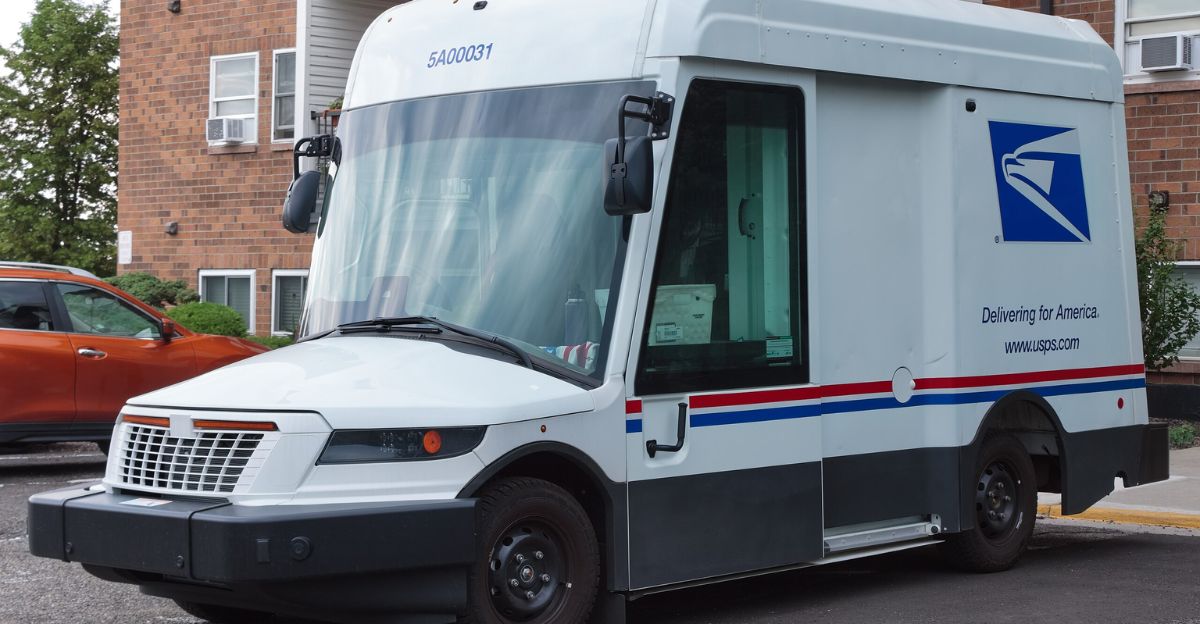
USPS is legally required to serve every address, including unprofitable rural areas. Amazon’s $4 billion rural network targets most towns but may miss the smallest communities.
Rural Americans could face longer delivery times and higher shipping costs. Small businesses relying on affordable USPS rates risk losing customers, exposing cracks in America’s logistics network and raising urgent questions about coverage.
Jobs on the Line
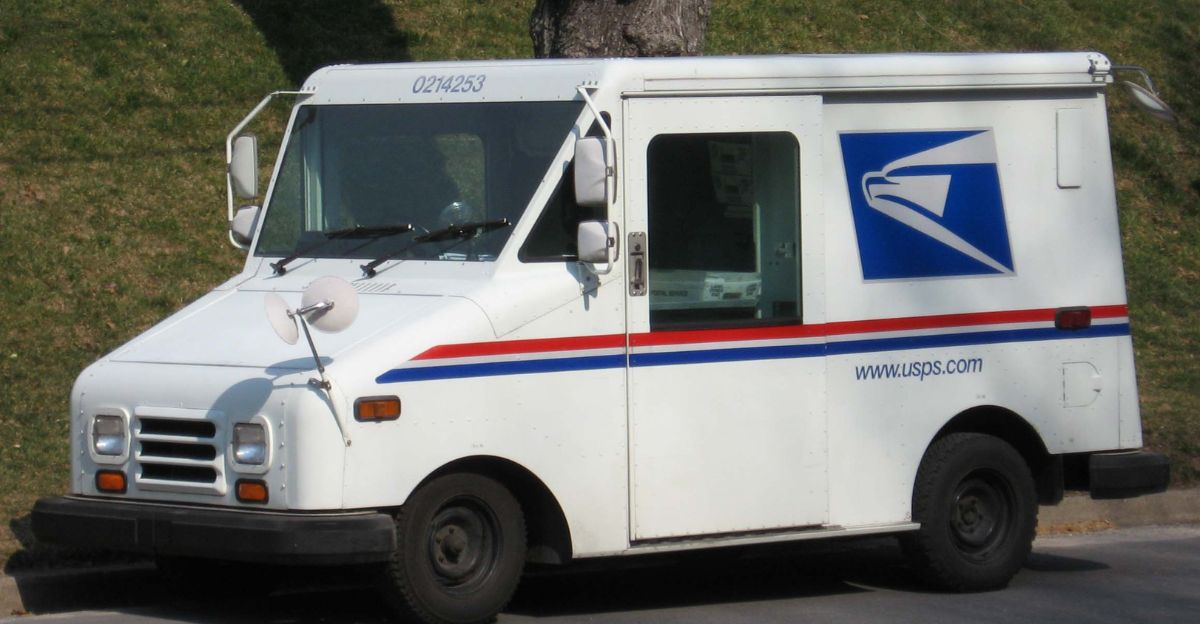
USPS employs around 650,000 workers. A 10% revenue loss could threaten 32,500–65,000 jobs in mail and parcel operations. Postal unions are watching closely, though no layoffs have been announced.
Communities where post offices are major employers could feel a ripple effect. The human cost adds another layer to an already high-stakes negotiation, underscoring the social consequences beyond revenue numbers.
Small Businesses Face a Shipping Crisis
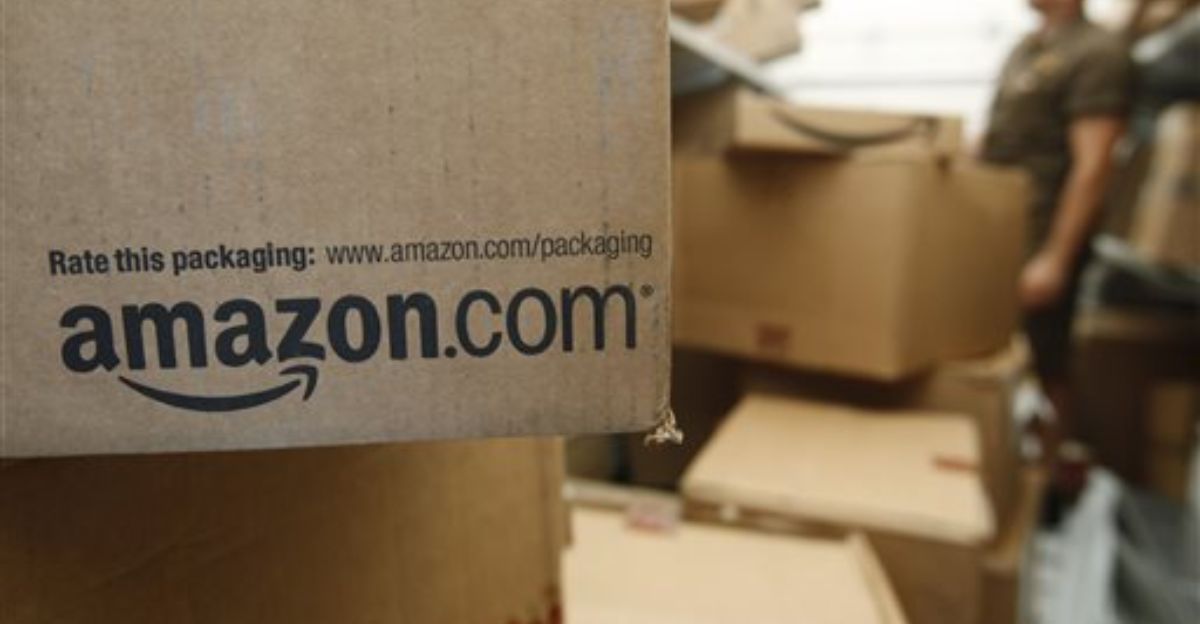
High-volume Amazon pricing subsidizes USPS rates for small retailers. If Amazon exits, costs could spike, especially for rural shipments.
E-commerce sellers on Shopify, eBay, and similar platforms may face difficult choices: raise prices or abandon rural markets. The fallout extends far beyond USPS and Amazon, potentially reshaping local economies and consumer access nationwide.
The Reverse Auction That Changed Everything
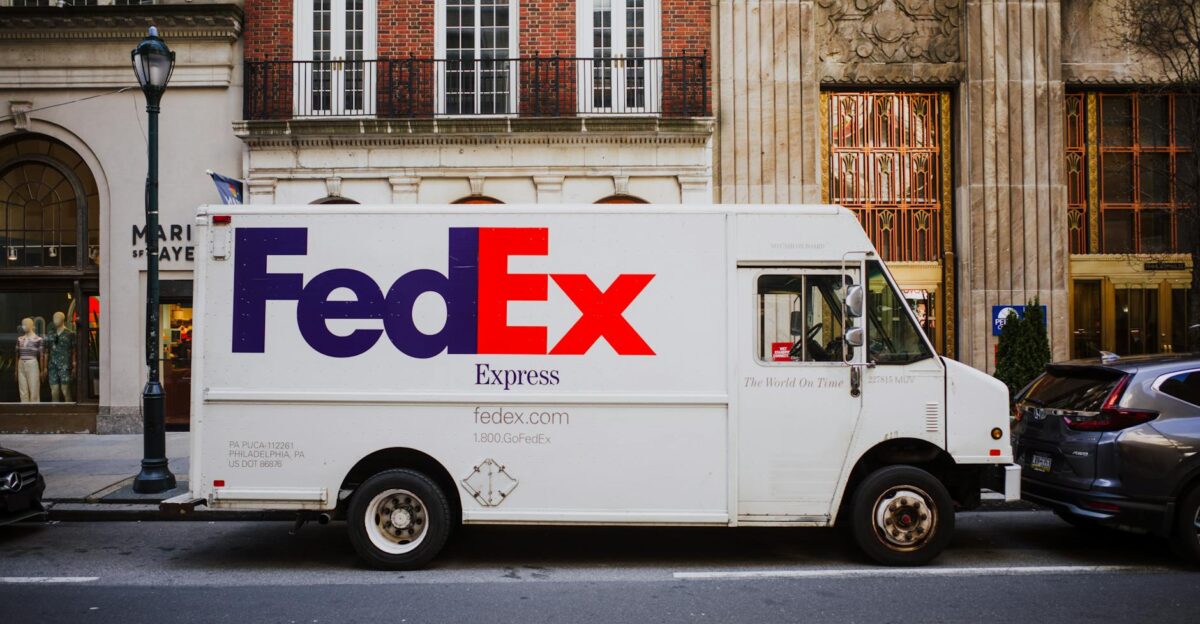
Steiner proposed a reverse auction instead of a standard agreement. Amazon would compete for USPS space against UPS, FedEx, and others, losing fixed rates and guaranteed capacity.
The unpredictability clashed with Amazon’s supply chain needs. Gil Luria noted that Amazon viewed this as a strategic break point. Steiner intended leverage but accelerated Amazon’s independence instead.
Trump’s “Tremendous Loser” Comment Haunts USPS

President Trump labeled USPS “a tremendous loser for this country” in February, citing inefficiency and financial collapse. He suggested merging it with the Commerce Department.
The remarks reflected broader skepticism about USPS’s viability. Steiner, appointed months later, faced political pressure to prove the agency could survive without subsidies while negotiating aggressively with its biggest customer.
A Partnership Built on Different Eras
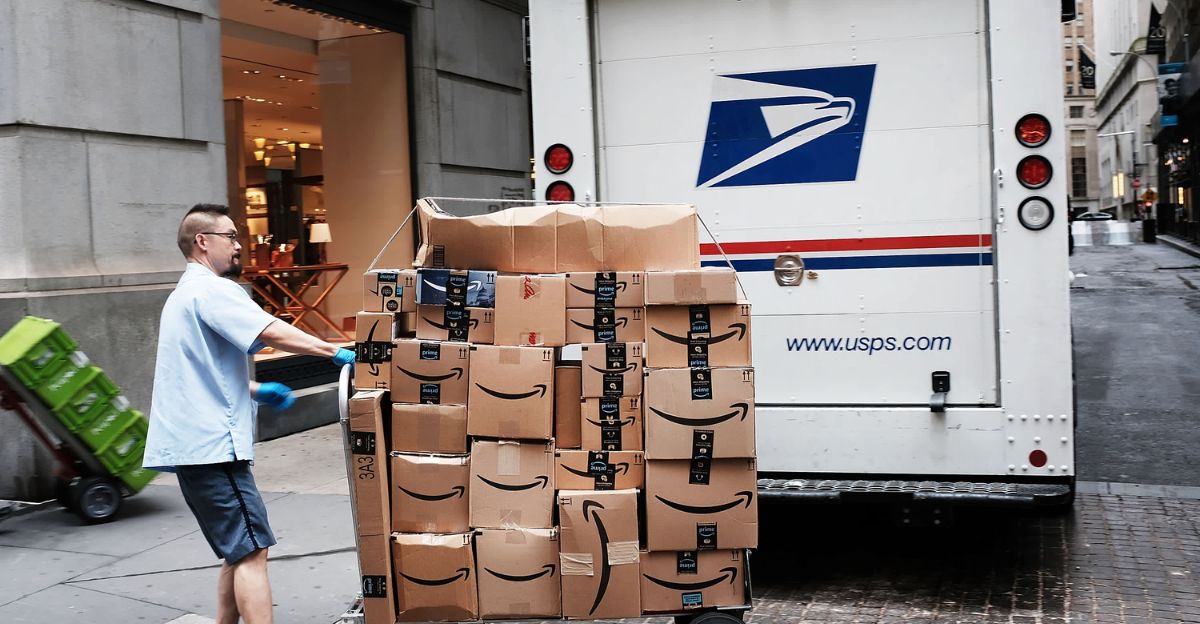
Amazon-USPS began over 30 years ago when Amazon relied on external logistics. USPS welcomed the business, and Amazon eventually became USPS’s largest customer.
By 2024, Amazon Logistics handled 6.3 billion parcels independently. The dynamic inverted: USPS now relied on Amazon. Legacy partnerships rarely survive such power reversals, and the postal service had been slow to adapt.
The Financial Feedback Loop USPS Can’t Escape
If Amazon removes 2–3 billion parcels by 2026, USPS faces ~$6 billion revenue loss. Controllable losses could rise from $1.8 billion to $7–9 billion.
Cost-cutting is limited by the Universal Service Obligation. Postage rates may spike, rural service cut first. Steiner’s gamble could force taxpayer bailouts or legislation, highlighting the systemic risk of losing a single customer.
What Amazon’s Exit Would Mean For Consumers
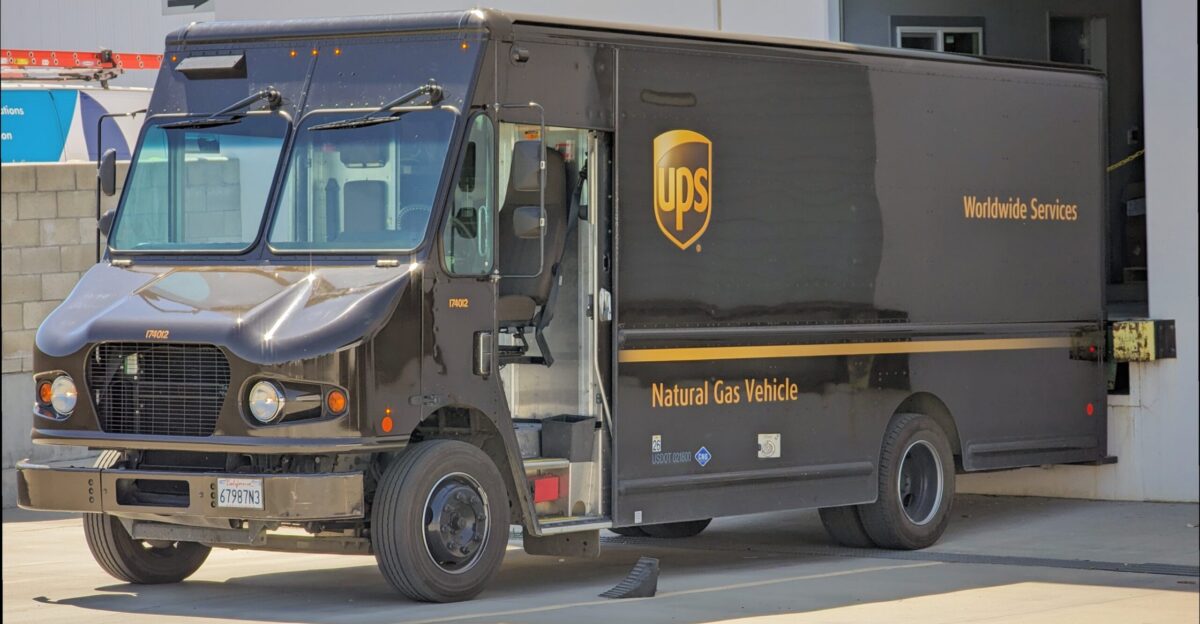
Urban consumers would see little impact as UPS, FedEx, and Amazon Logistics absorb volume. Rural Americans could face delays, higher costs, and reduced coverage.
Next-day delivery may vanish for millions. Small-town retail may decline as shipping becomes unreliable. The dispute threatens the infrastructure that allowed e-commerce to flourish nationwide, not just in cities.
The 2028 Projection That Could Come Early

Amazon was projected to surpass USPS as the #1 U.S. parcel carrier by 2028. Ending the partnership early could accelerate this to 2026 or 2027, Supply Chain Dive reported June 29.
This would mark the first time a private company overtakes a government service over 240 years old. The symbolic shift highlights deeper changes in how America moves goods.
Where This Ends and What Comes Next
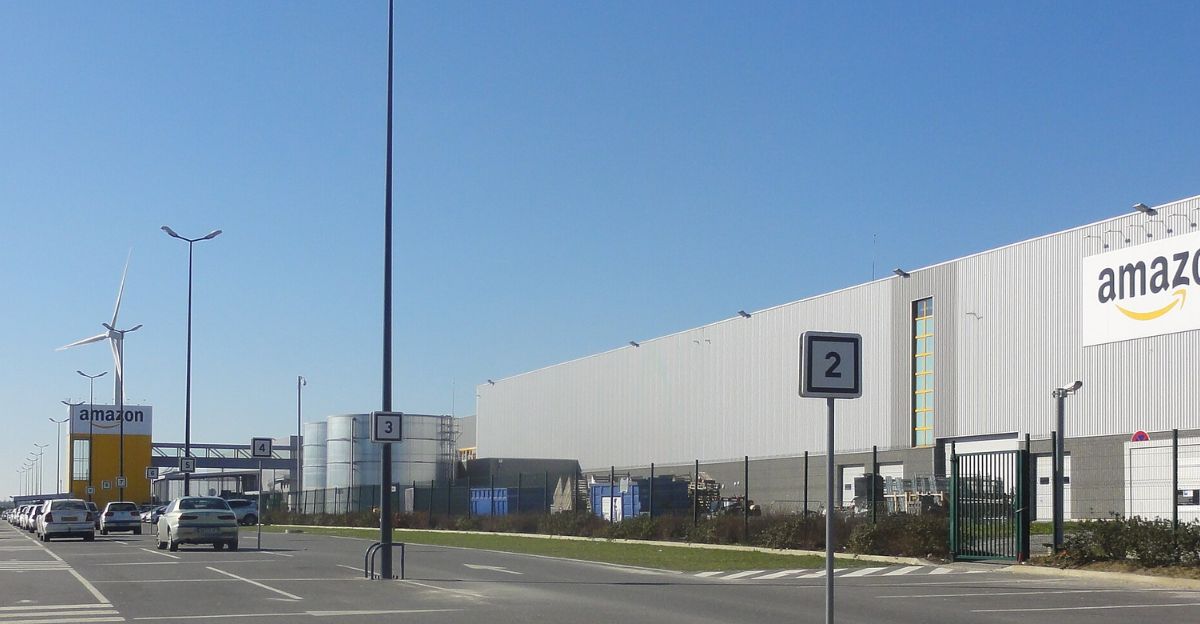
The next 10 months will decide if USPS and Amazon reach an agreement before October 2026. Concessions on pricing or Amazon’s exit are likely outcomes.
If Amazon leaves, USPS faces a financial reckoning that could force system-wide restructuring. Decades of partnership are ending, and the question is only how quickly America’s postal landscape will change.
SOURCES:
Reuters – Amazon explores cutting ties with USPS (December 4, 2025)
The Washington Post – Amazon eyes expanding delivery network after talks with USPS
U.S. Postal Service Official Reports – Fiscal Year 2024 Results (November 13, 2024)
Politico – FedEx board member David Steiner to lead US Postal Service (May 9, 2025)
Supply Chain Dive – Amazon projected to ship more than USPS by 2028 (June 29, 2025)