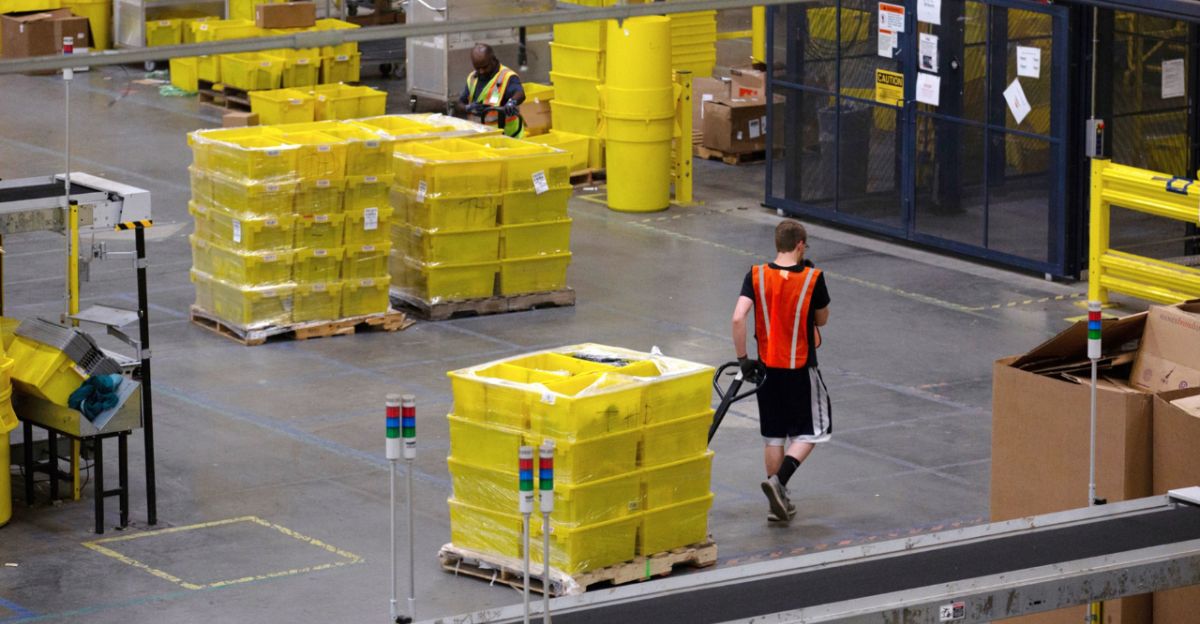
The abrupt shutdown of LarKen Logistics’ Fenton, Missouri hub on September 2, 2025, sent immediate shockwaves through the region’s logistics and employment landscape.
According to the Missouri WARN notice and KSDK, all 66 workers lost their jobs the same day as Amazon, the facility’s sole client, terminated its contract. Experts say this event underscores broader challenges in contractor-reliant supply chains.
The Key Causes Behind the Shutdown
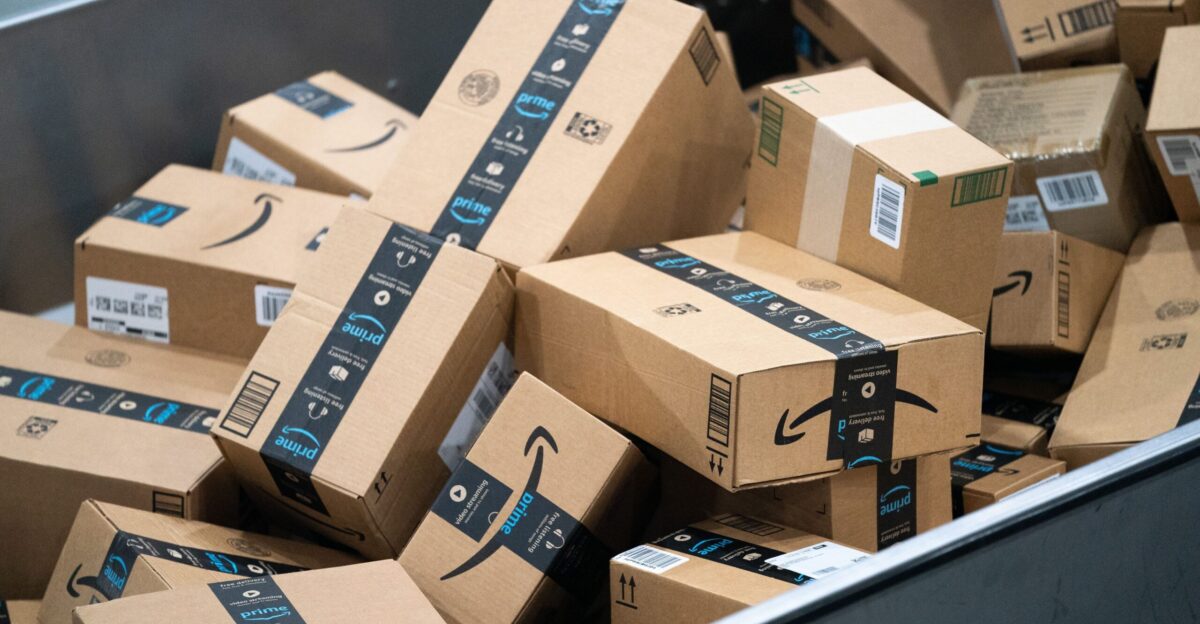
Amazon’s termination of LarKen’s logistics contract triggered the complete closure of the Missouri hub. According to the Missouri Department of Labor, the decision took effect immediately, leaving the facility with no incoming business.
Economist Dr. Paul Ryan notes that logistics firms relying on a single customer face significant risk in volatile market conditions.
Consumer Delivery Disruption
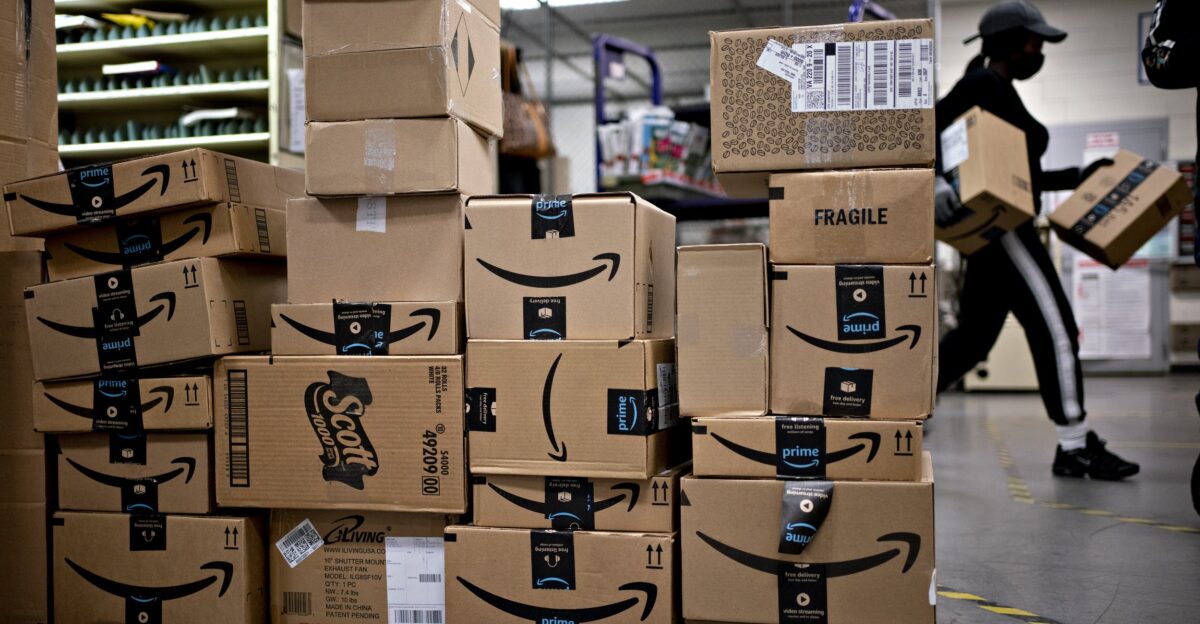
Customers throughout metropolitan St. Louis experienced delays in online orders following the hub closure. Local Amazon Prime users saw overnight delivery guarantees extend to two or more days.
Analysts observed widespread social media complaints and an increase in inquiries about expected package arrival times. This disruption highlighted the role of logistics hubs in everyday consumer convenience.
Retailers Search for Quick Solutions

Retailers dependent on Amazon’s Missouri delivery network reevaluated their logistics strategies. National chains, including Target and Best Buy, routed inventory via more distant fulfillment centers, which increased transport times and costs.
According to The Wall Street Journal, many brands invested in alternative carriers and more local stock to maintain customer satisfaction.
New Opportunities for Substitutes
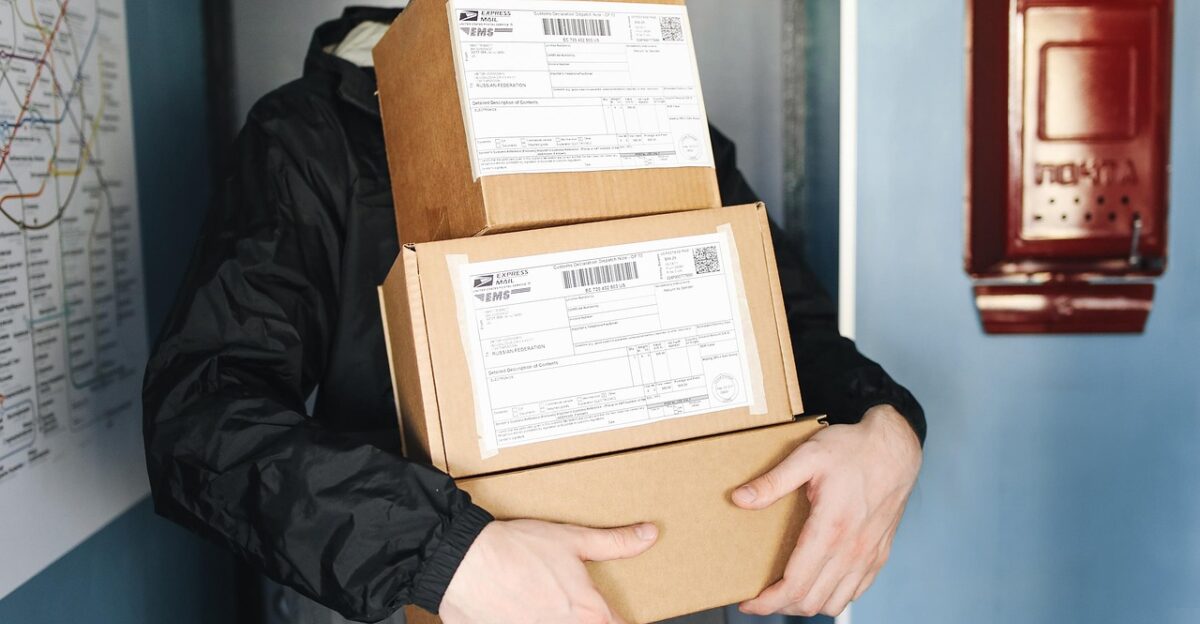
With Amazon’s local facility out of commission, regional courier services and independent delivery platforms reported heightened demand.
Logistics Management found that local startups in St. Louis are expanding their service offerings to support displaced retail clients.
This shift represents a short-term opportunity for alternative providers, though long-term reliability is still being evaluated by businesses.
Ripple Effect on International Shipping
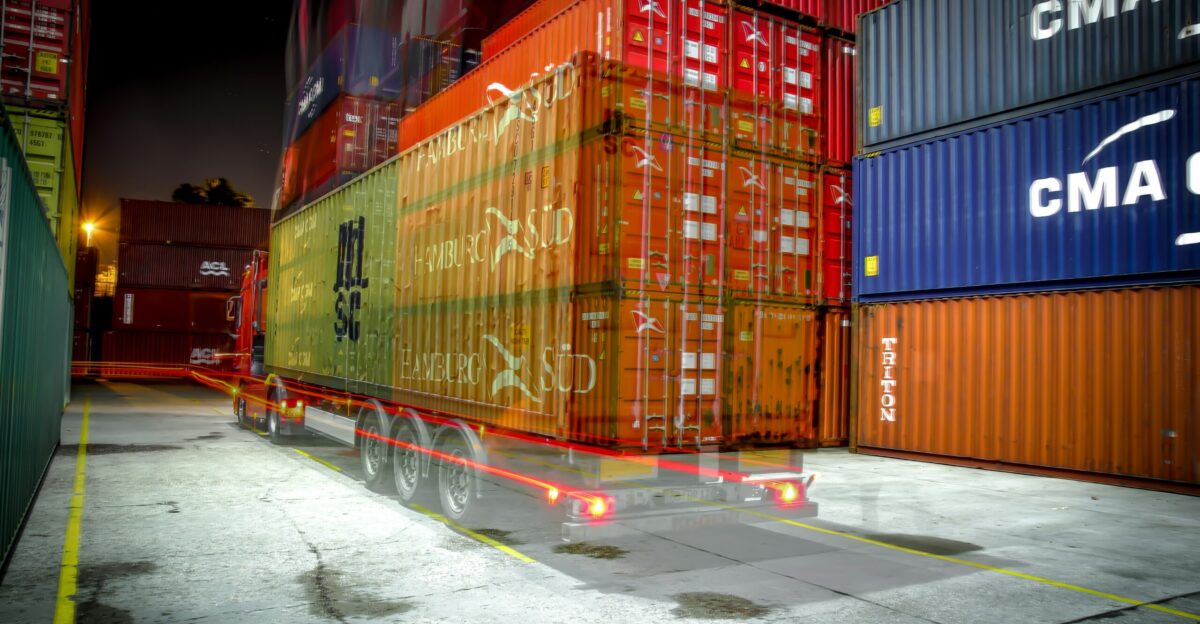
International suppliers faced new hurdles as packages were redirected to other hubs, creating customs backlogs.
Some shipments, which typically entered through St. Louis, were rerouted, causing delays and logistical headaches for companies relying on timely imports.
These changes increased costs and extended delivery times for global businesses shipping to the state of Missouri.
Workers Bear the Sudden Burden
The impact on LarKen’s displaced workers was immediate, with no advance warning provided before job loss. KSDK interviewed former warehouse supervisor Tina Jackson, who described the stress of instant unemployment.
Missouri’s Department of Labor confirmed the absence of bumping rights, leaving staff without internal reassignment options.
Political Leaders Demand Corporate Accountability

Mayor Bob Conroy of Fenton and state legislators have called for reforms that mandate more extended notification periods and comprehensive retraining for logistics workers.
Since September, new legislation has been proposed to boost regional job security and economic resilience.
The Missouri Office of Workforce Development launched emergency aid programs to assist affected families.
Effects on Regional Prices and Inflation

Unsynchronized delivery networks and higher transportation costs resulted in modest price increases for certain consumer goods.
According to the U.S. Bureau of Labor Statistics, St. Louis experienced a 1.2% hike in delivered product prices during September. This slight inflation was especially noticeable for imported goods and time-sensitive purchases.
Retailers Reshape Their Inventory Playbook

Retail businesses shifted strategy by increasing local stock levels and partnering with additional delivery firms. Retail Dive reports that some brands began experimenting with same-day pickup options in response to logistical uncertainty. Retailers also diversified suppliers and relied more on flexible distribution models to adapt.
Logistics Network Pressures

The closure of LarKen’s Fenton hub put additional strain on logistics providers throughout Missouri. Companies managing regional freight experienced sudden increases in workload, requiring rapid reorganization of routes and schedules.
Trucking firms reported tighter delivery deadlines and rising operational costs as packages were rerouted. Industry leaders now monitor for regional bottlenecks and missed delivery windows.
Packaging and Transport Firms Hit By Disruption

Related industries such as packaging manufacturers and local trucking firms faced volatility in contract volumes.
FreightWaves indicates that suppliers previously serving the Amazon hub lost significant business, while local carriers sought short-term replacements. This contraction could impact industry employment and revenue for months ahead.
Broader Consumer Effects
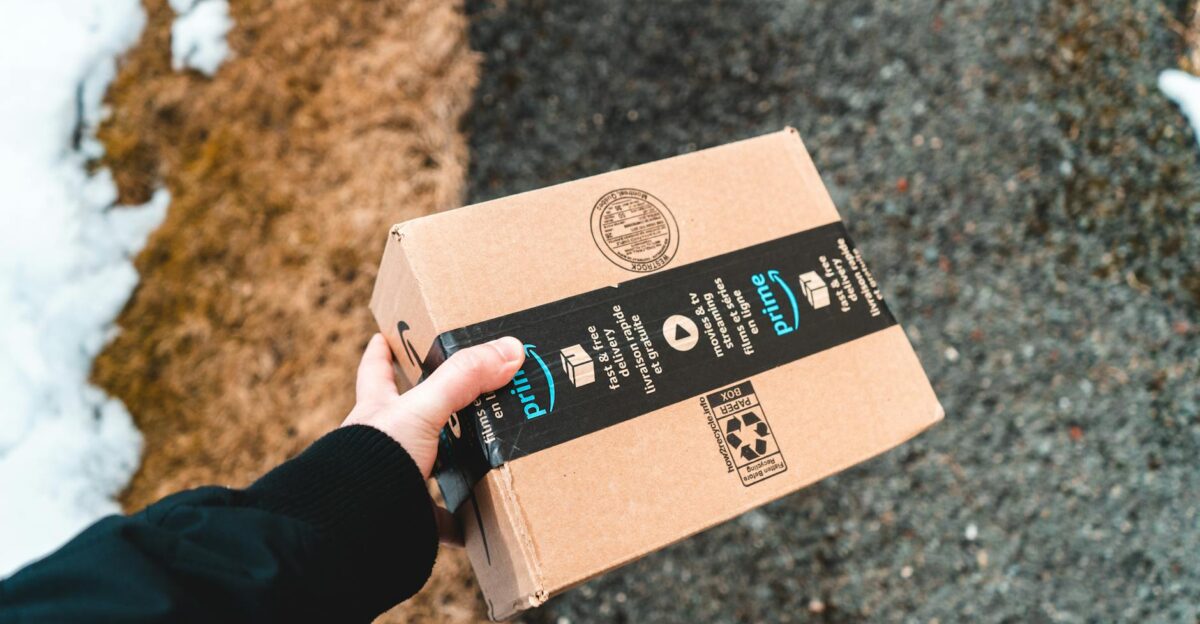
Consumers outside Missouri also felt the impact as shipping routes rebalanced and delivery promises lagged in affected areas.
International buyers tracking packages to the Midwest observed average delivery times inching upward. Companies cited the disruption as a lesson in supply chain complexity for shoppers everywhere.
Health Sector and Daily Lifestyles Adjust

Local healthcare providers faced longer wait times for critical supplies that were previously managed through the Missouri hub.
Healthline notes that clinics, pharmacies, and hospitals planned contingencies for sourcing essential items.
Busy families in affected regions added extra shopping trips to compensate for missed online delivery windows.
Public Debate on Supply Chain Models
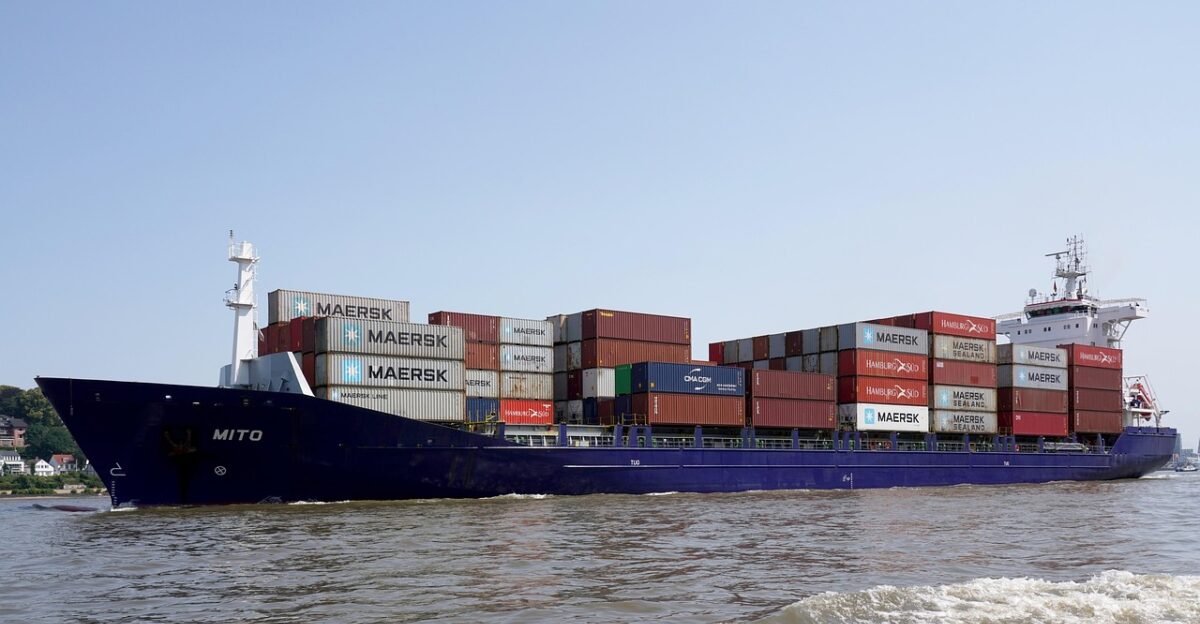
The closure reignited debates about supply chain sustainability and single-client reliance, with NPR featuring both advocates and critics.
Social media discussions pushed for more diversified business models to improve resilience. Experts predict that this event will influence the structure of future logistics contracts.
Winners, Losers, and Unexpected Opportunities

Some local courier startups and insurance firms gained new clients, helping to offset economic losses in the packaging and transportation sectors.
Forbes highlights insurance companies specializing in business interruption, enjoying increased demand. Despite a few beneficiaries, many Missouri logistics workers and vendors absorbed the brunt of the adverse effects.
Markets React Amid Uncertainty

Financial analysts at Bloomberg observed increased volatility in logistics and retail shares following the hub closure. Stocks of major providers rose, while some Amazon-dependent contractors saw sharp declines.
Market experts believe stabilization will depend on new distribution plans and restoration of regional delivery capacity.
Smart Choices for Shoppers
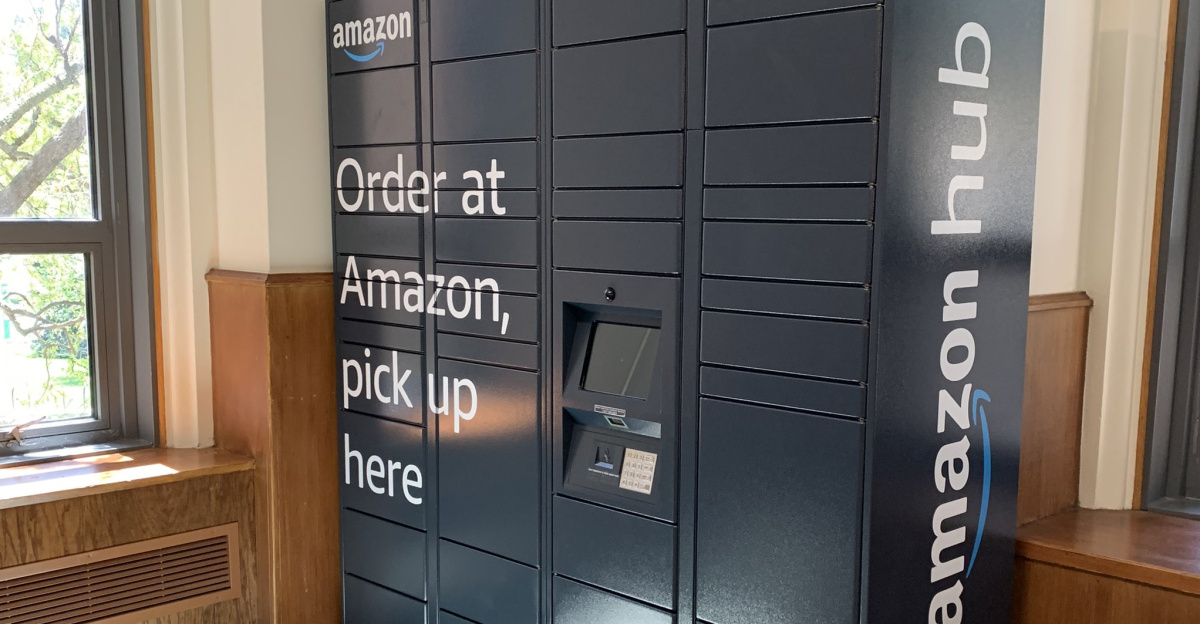
Experts recommend that consumers impacted by delivery delays monitor order updates, diversify platforms, and consider local pick-up options.
Consumer Reports advises planning purchases further in advance and double-checking delivery timeframes for urgent goods. Staying aware of retailer communications can help avoid disruption surprises.
Regional Recovery and Investment

Business leaders and officials anticipate several months of adjustment as job fairs and investment drives begin in Missouri.
KSDK reports efforts to attract new logistics companies to fill the gap left by LarKen. Recovery strategies focus on regional economic stability and long-term workforce resilience.
The Importance of Diversification
The closure of Amazon’s Missouri hub illustrates the far-reaching consequences of single-client dependence in logistics.
From disrupted deliveries and worker layoffs to market volatility and cultural debate, its ripple effects underscore the need for diversified supply chains. Experts urge companies nationwide to learn and adapt from this event.