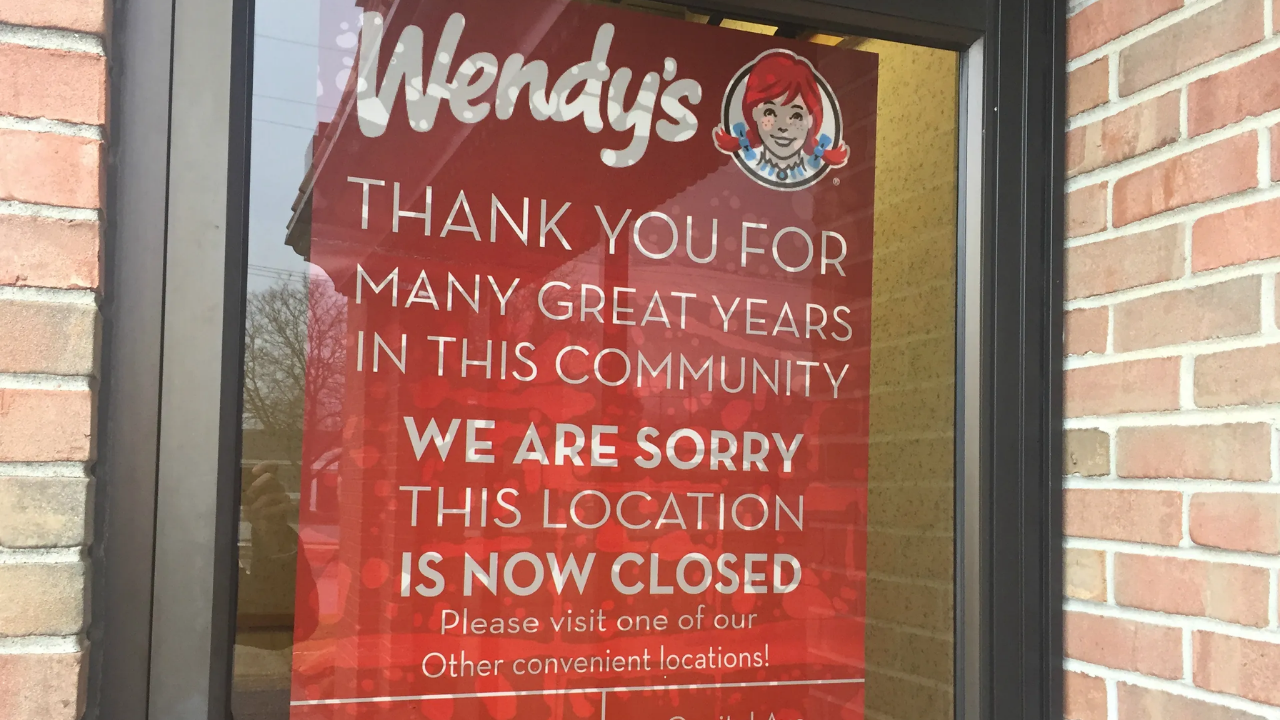
In a move that sent shockwaves through the fast-food industry, Wendy’s announced plans to close between 200 and 350 U.S. restaurants by the end of 2025. The decision follows a 4.7% drop in same-store sales for the third quarter of the year, marking one of the steepest declines in the company’s recent history. As the news spread, loyal customers, employees, and franchise owners were left grappling with uncertainty about which locations would shutter and what the future holds for the iconic chain.
Behind the Closures: Project Fresh and Financial Pressures
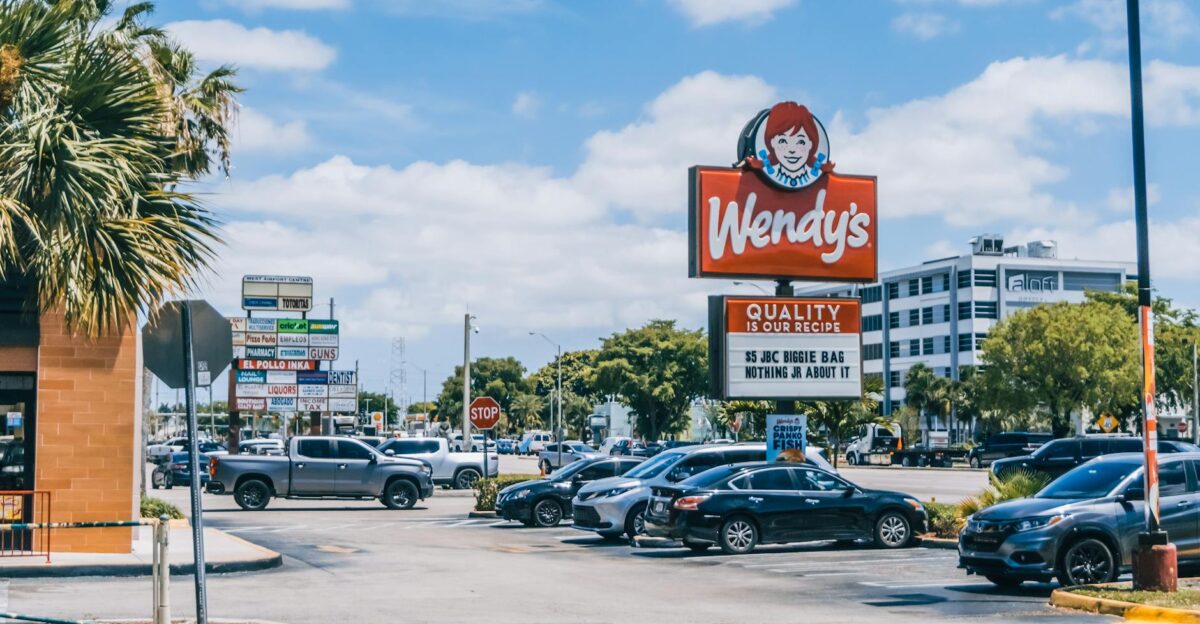
Wendy’s leadership attributed the sweeping closures to persistent declines in sales and the need to stabilize the company’s finances. Interim CEO Ken Cook cited “Project Fresh,” a strategic initiative aimed at closing underperforming restaurants to strengthen the brand’s overall health. While the company has not released a public list of affected locations, the closures are expected to impact communities across the country, particularly in areas where Wendy’s has long been a staple.
The company’s U.S. footprint, which includes roughly 6,000 locations, will shrink significantly as a result. Franchisees, who operate the majority of Wendy’s restaurants, are under mounting pressure to reinvest in remaining stores and adapt to a rapidly changing market. Many face difficult decisions about staffing, operations, and long-term viability as the chain’s presence contracts.
Ripple Effects for Workers and Local Economies
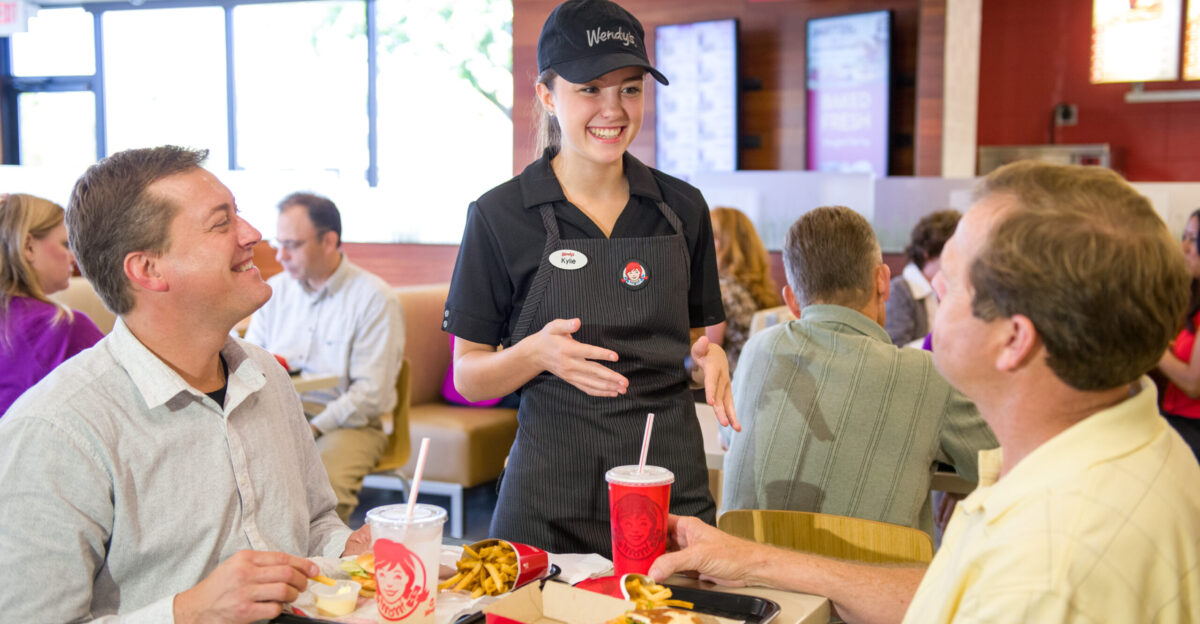
The closures are poised to trigger substantial job losses, with thousands of employees facing the prospect of unemployment in an already competitive labor market. The impact extends beyond direct job cuts: local suppliers, delivery drivers, and service providers who depend on Wendy’s business will also feel the strain. Landlords may struggle to find new tenants for restaurant properties, and local governments could see a dip in commercial tax revenue.
For many communities, the loss of a Wendy’s means more than just fewer dining options. The closures disrupt established routines and reduce economic activity, especially in areas where the chain serves as a major employer and anchor tenant. As workers seek new opportunities, the broader economic ripple effects will be closely watched by policymakers and business leaders alike.
Competitors and Changing Consumer Habits

As Wendy’s retreats, competitors such as McDonald’s, Burger King, and Shake Shack are seizing the opportunity to capture displaced customers. These brands have reported positive earnings and are expanding their own footprints, positioning themselves to absorb market share left behind by Wendy’s closures.
At the same time, shifting consumer habits are reshaping the fast-food landscape. With fewer Wendy’s locations, diners may turn to home cooking, meal delivery services, or rival chains. The rise of digital ordering and changing preferences for healthier or more convenient options are forcing fast-food companies to rethink their strategies. Wendy’s has responded by investing in its digital platform, hoping to retain customers and adapt to evolving tastes.
Global Implications and the Future of Fast Food
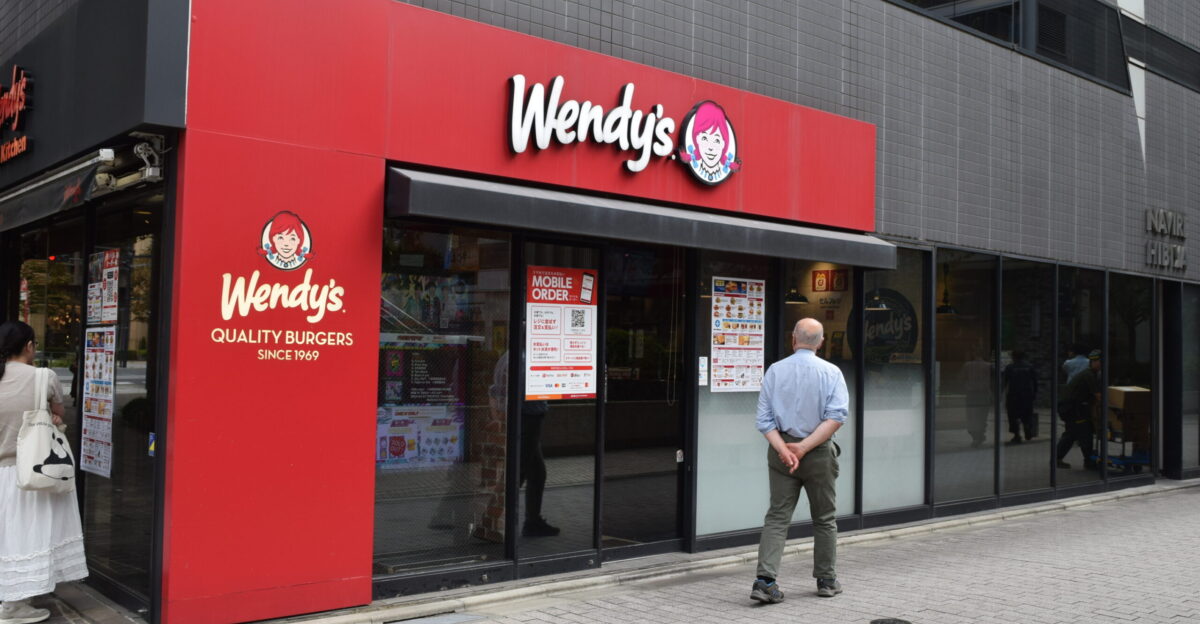
The U.S. closures have implications far beyond American borders. Wendy’s international franchisees are closely monitoring developments, as changes in the home market can influence supply chains, brand perception, and expansion plans abroad. The company’s global strategy, which aims to open 2,000 international restaurants by 2028, may be recalibrated in light of domestic challenges.
International markets are already adapting, with franchisees in countries like Canada, the UK, India, and Australia tailoring menus and marketing to local preferences. The trend toward “glocalization”—balancing global brand consistency with regional customization—has become increasingly important as fast-food chains navigate diverse consumer expectations.
Looking ahead, Wendy’s forecasts free cash flow of $195–210 million for 2025, signaling ongoing financial headwinds. The closures mark a pivotal moment for the brand and the broader industry, as companies confront changing consumer demands, economic pressures, and the need for innovation. As Wendy’s and its rivals adapt, the future of fast food in America and beyond remains in flux, with the stakes high for workers, communities, and the industry as a whole.