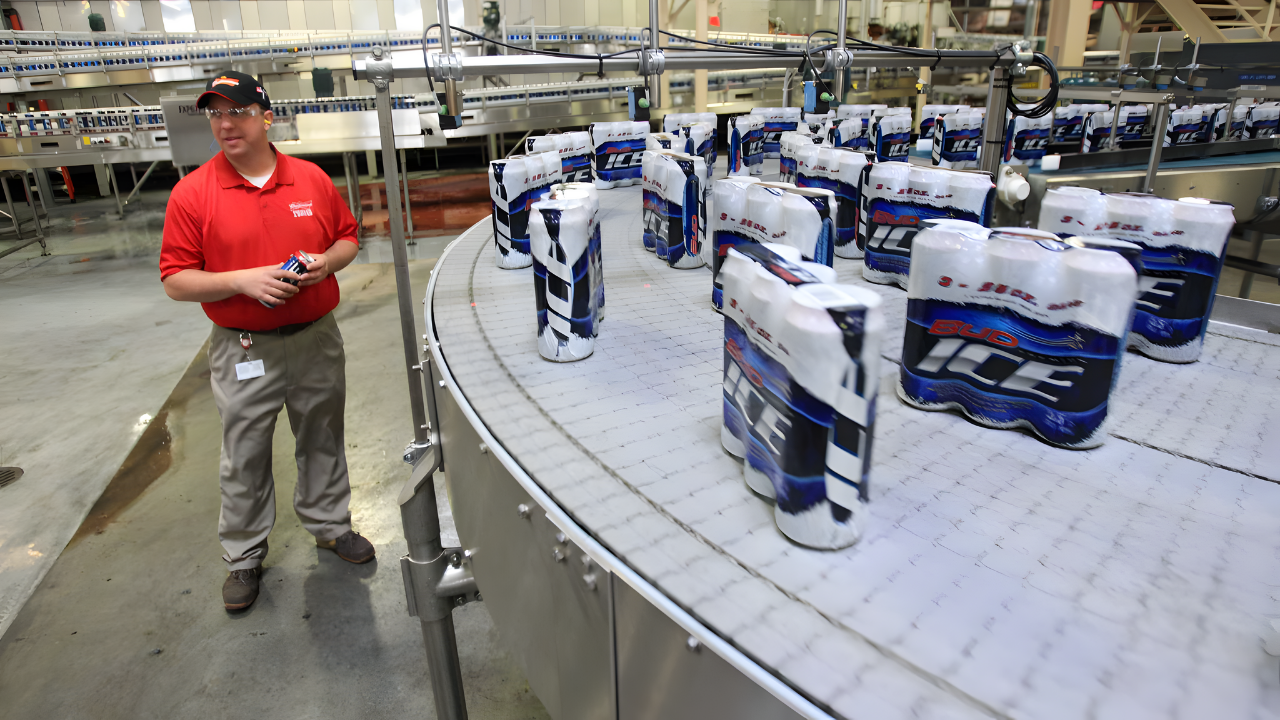
On December 10-12, Anheuser-Busch announced closures in Fairfield, California; Merrimack, New Hampshire; and Newark, New Jersey, affecting 475 workers. The Fairfield facility, active since 1976, will close after 49 years. Following Canton, Ohio (2024) and Oakland, California (2022), this is the largest domestic retreat in company history. However, the roots of decline trace back decades before these headlines.
Budweiser’s Rise And Slow Fall
Budweiser once controlled 25% of the U.S. beer market in 1988. By January 2025, it had fallen to the #7 position by volume, completing a 37-year slide. Market shifts, new competitors, and changing tastes gradually chipped away at the brand once synonymous with American beer. What once seemed untouchable was now struggling to remain relevant.
Bud Light’s Stunning Collapse
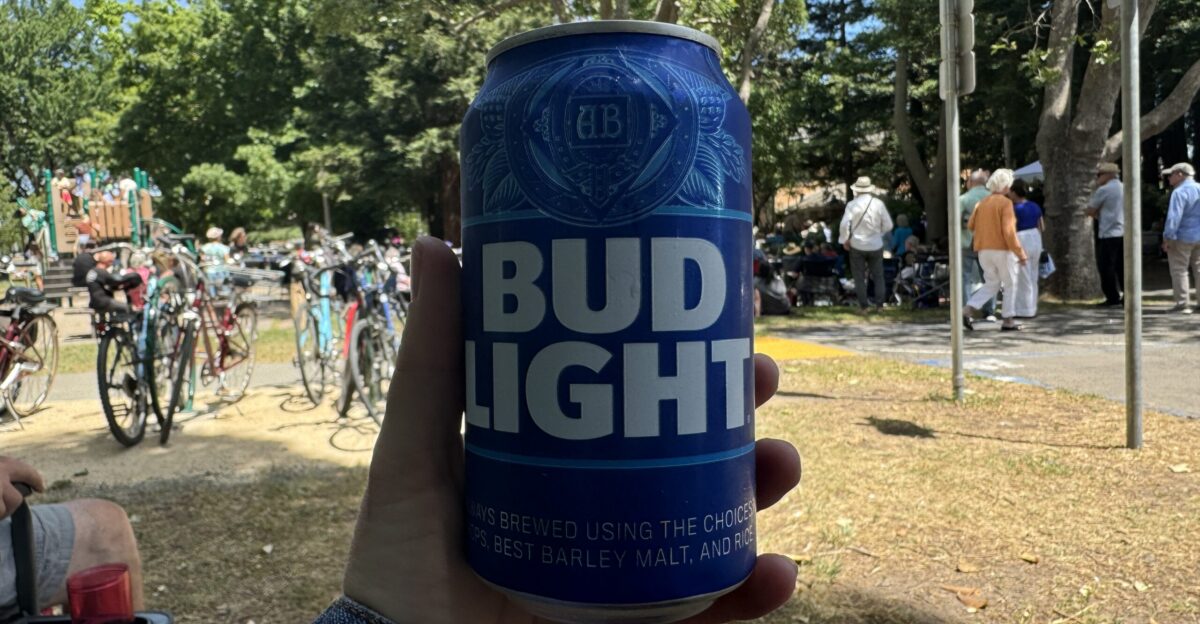
Bud Light led the U.S. market from 2003 to 2023. In April 2023, a partnership with influencer Dylan Mulvaney triggered a consumer boycott. Sales dropped 21% year-over-year immediately, 28% by May, and remained 40% below pre-crisis levels by February 2025. The brand’s reputation, once unshakable, now faced a recovery measured in years, not months.
Financial Fallout Hits Hard
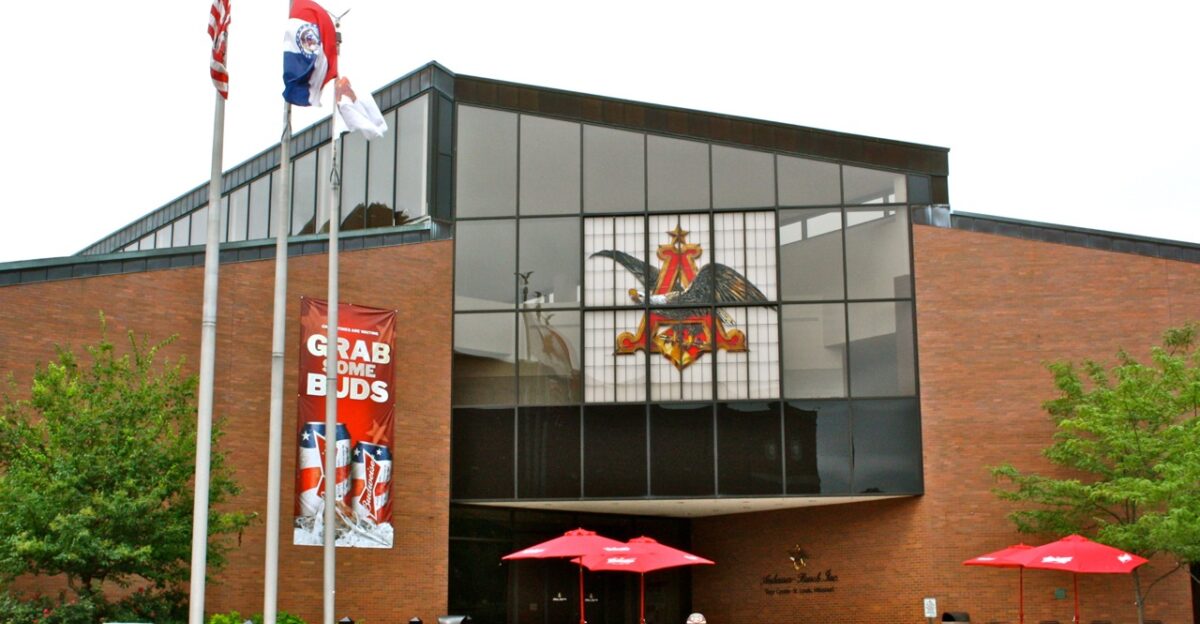
The boycott cost Anheuser-Busch $1.4 billion in North American revenue. Stock dropped 20%, erasing over $27 billion in market capitalization. By February 2024, CEO Michael Doukeris reported only 1.2 percentage points of lost market share regained every 3-4 weeks. The crisis revealed deeper weaknesses in the company’s foundation, suggesting Bud Light’s decline was only the surface of broader problems.
U.S. Beer Industry Contracts Rapidly
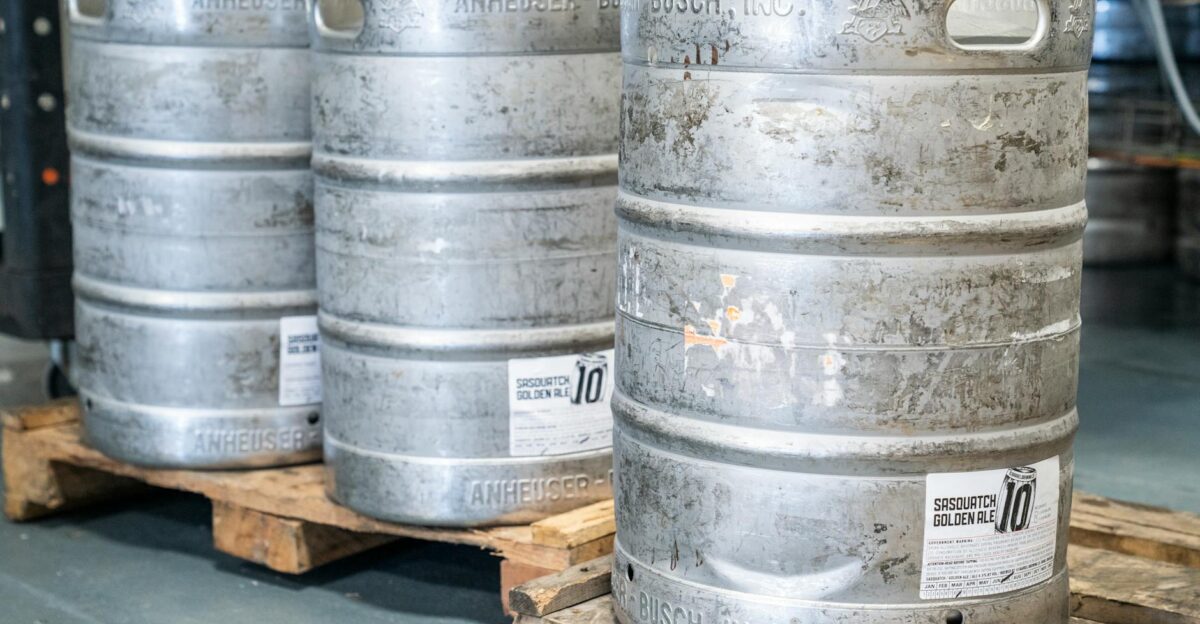
U.S. beer production fell from 189 million barrels in 2016-2017 to a projected 160 million barrels by 2025. Total shipments dropped below 200 million barrels in 2023 for the first time since 1999. Gallup polling shows record-low alcohol consumption. Even America’s largest beer companies must consolidate to survive when the entire industry contracts.
Craft Beer Loses Its Momentum
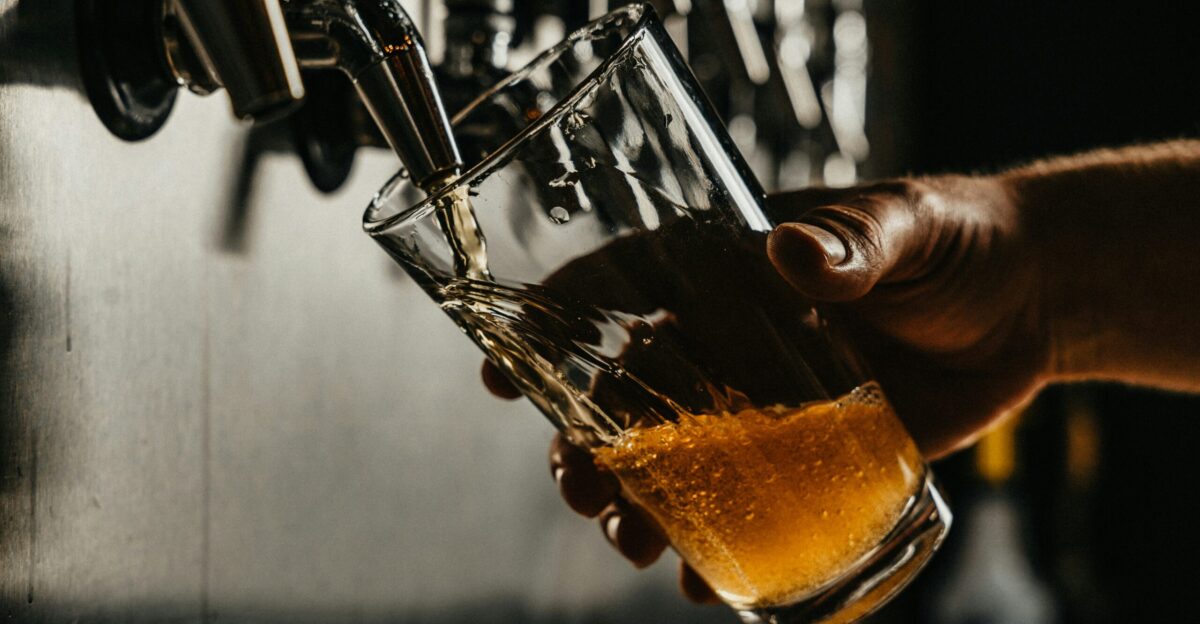
Craft beer declined 4% in 2024 to 23.1 million barrels, its third consecutive year of shrinkage. Brewery closures (501) exceeded openings (434) for the first time in 20 years. The Brewers Association warned in 2025: “If the craft beer industry is a ship, we’re no longer in the safety of a harbor.” Giants like Budweiser aren’t immune.
New Market Leaders Emerge
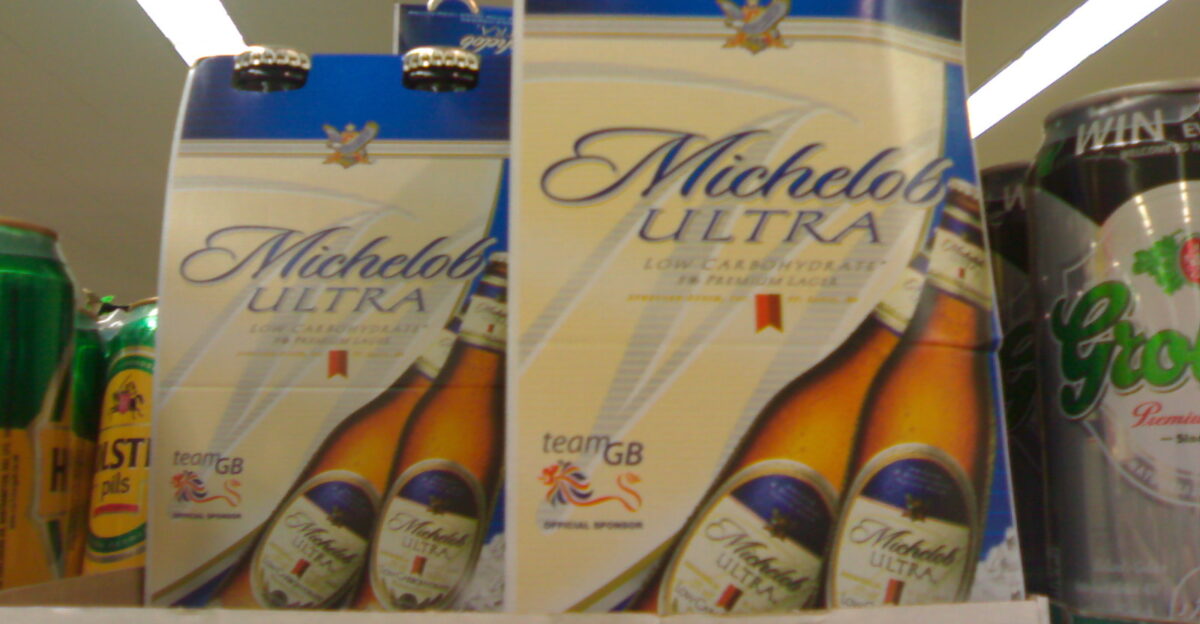
Michelob Ultra is now #1 by volume with 8.5% market share, and Modelo Especial leads in dollar sales since June 2023. Both brands captured Budweiser and Bud Light’s former market share. Michelob Ultra, owned by Anheuser-Busch, demonstrates profit in premium segments while legacy brands decline. The company’s wins in some areas contrast sharply with its losses elsewhere.
Brewery Footprint Shrinks 25%
Closing three facilities reduces Anheuser-Busch’s U.S. breweries from 12 to 9, a 25% reduction. On December 11, the company said: “We will be shifting production from these 3 facilities to our other U.S. facilities and these changes will enable us to invest even more in our remaining operations and in our portfolio of growing, industry-leading brands.”
The 475 Jobs at Risk
Fairfield will lose 238 brewery workers, Merrimack 124, and Newark 110. Offers include transfers or severance, but relocation distances are 200-400 miles. Historical precedent, like Medford’s 2024 closure, raises doubts about compensation. Thousands more may face indirect effects. For affected families, these closures are more than numbers—they are life-altering.
Fairfield Faces $22.9 Million Loss
The city will lose $1.2-$1.5 million in annual water utility revenue. Property taxes drop $10.7 million locally, $8.9 million to California, and $3.3 million federally, totaling $22.9 million annually. Schools, infrastructure, and public services face cuts. Fairfield Mayor Catherine Moy said on December 12: “Our beautiful state will sink further.” What happens when a single closure destabilizes an entire city?
Indirect Job Losses Multiply
Beyond 238 direct jobs, 306 supporting roles in construction, food service, and transport are at risk. Fairfield faces 544 total potential job losses. Water utility costs will rise for remaining residents. The closure illustrates how one facility affects an entire community. A single plant shutdown can ripple through an entire local economy.
Newark’s 75-Year Brewing Legacy Ends
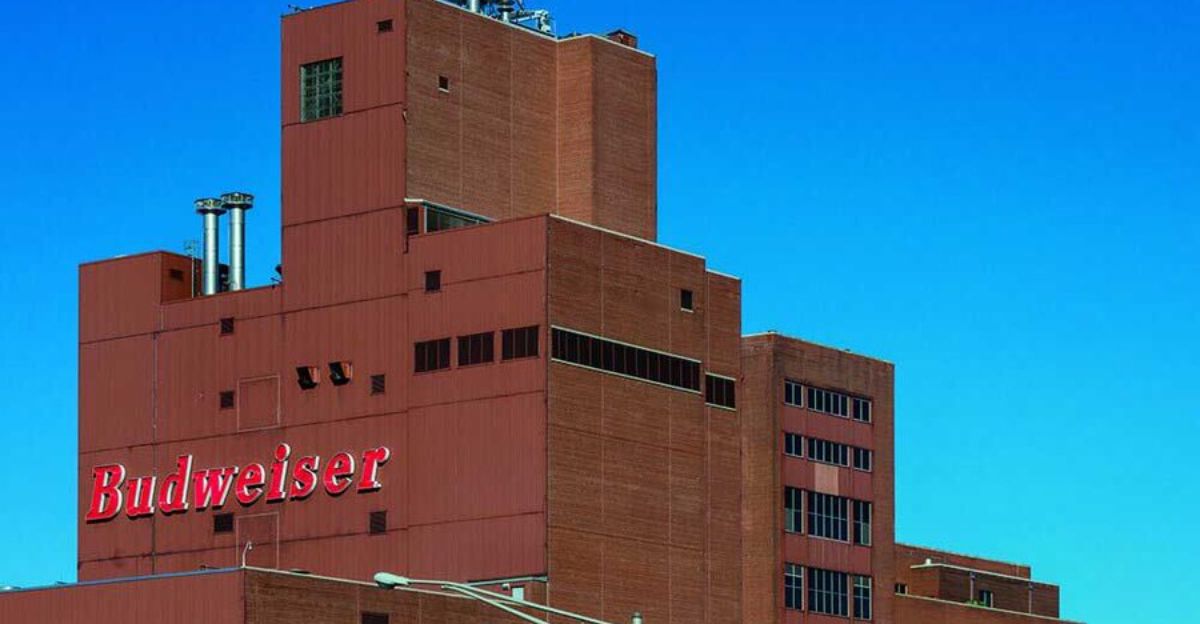
Opened in 1951, Newark’s brewery is sold to the Goodman Group, transforming it into a warehouse. Newark Mayor Ras J. Baraka said on December 13: “I am saddened to see Budweiser depart our city after being part of Newark since 1951 and a part of many families’ stories here.” Heritage may be gone, but the building remains productive.
Modernization Couldn’t Save Facilities
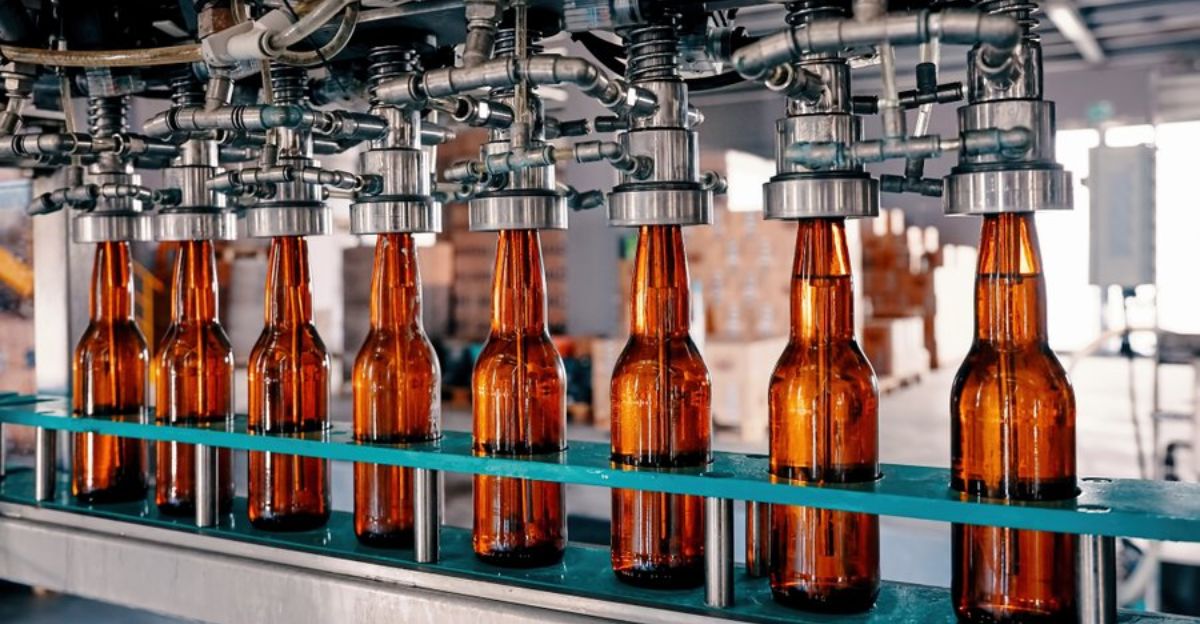
Anheuser-Busch spent $2 billion across 100 facilities over five years, yet three breweries still closed. Merrimack was deemed “outdated and too large,” according to December 10 reporting. Modernization created a tiered system favoring newer, automated plants while legacy sites faced elimination. Investment didn’t preserve jobs—it prioritized efficiency over loyalty. Employees’ futures were sealed by the strategy.
Supply Chain Disruptions Loom
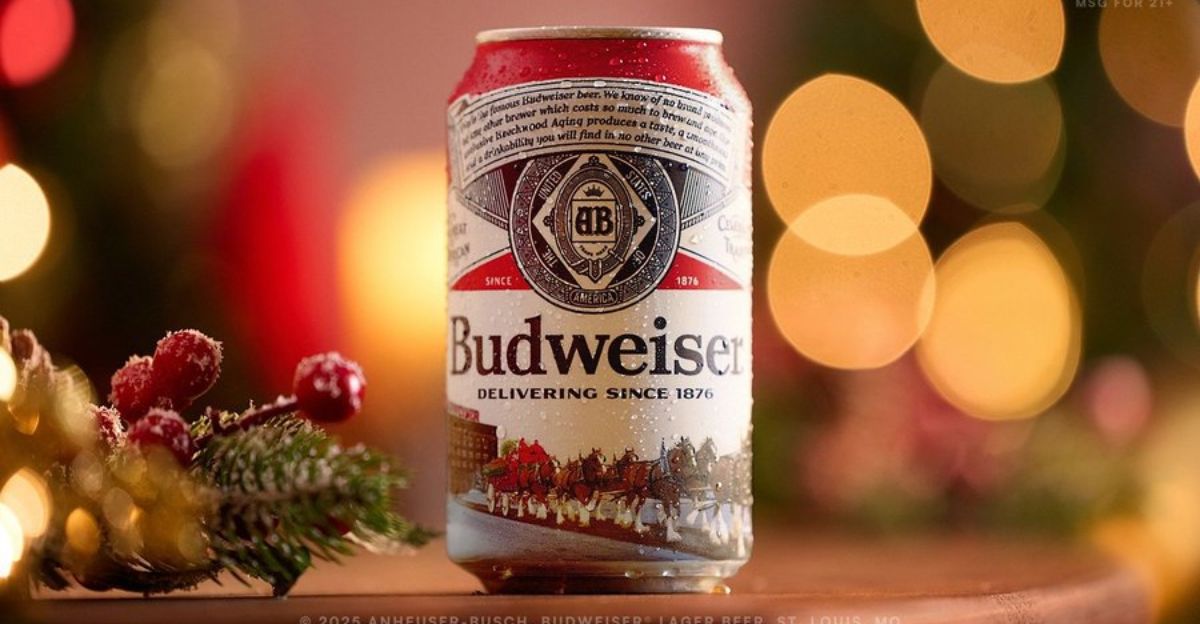
Suppliers such as Gallo Glass and Owens-Illinois will see reduced orders. Aluminum tariffs of 25% and U.S. hop acreage declines of 18% already squeezed production. Transport companies lose contracts as brewery closures ripple outward. The 475 direct layoffs hide a wider industry shakeup. How many more jobs vanish quietly in supporting sectors?
Cannabis And Changing Consumer Preferences
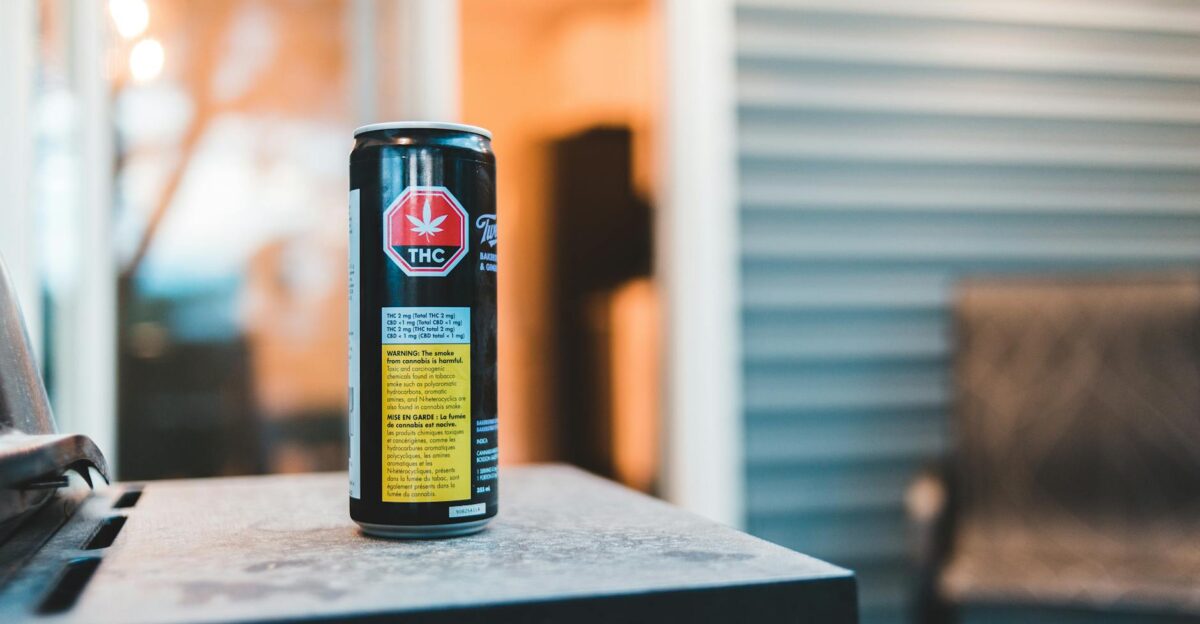
THC beverages grew from $3.09 billion in 2024 to a projected $117.05 billion by 2032, a 57.5% annual growth rate. Younger consumers are drinking less beer, opting for cannabis, premium alternatives, or abstinence. By 2025, 19% replaced alcohol with cannabis; 25% joined “Dry January.” Competition isn’t just other beers—it’s entirely new categories.
Unions Couldn’t Prevent Closures
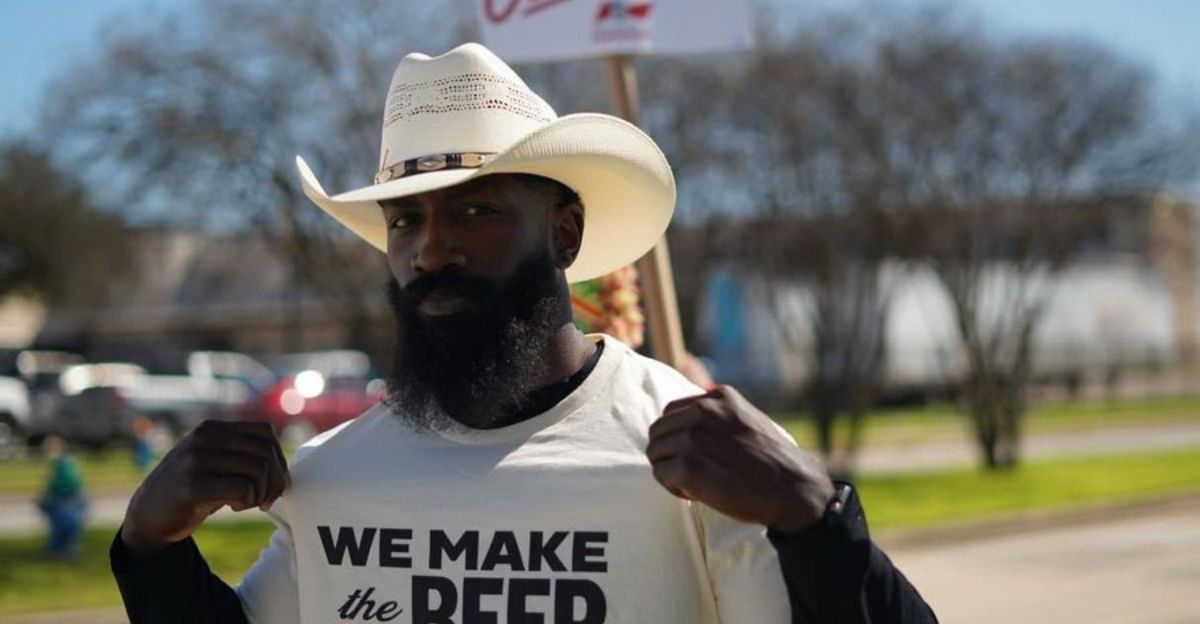
The 2024 Teamsters contract offered job security and 23% wage increases. Yet the union admitted in December 2024 that it knew about closures but didn’t alert workers. Negotiated protections failed to stop consolidation. Even union agreements can’t shield employees when financial incentives push closures. Can organized labor truly safeguard jobs in a shrinking industry?
Shareholders Come First
Despite U.S. volumes down 3.7% and beer sales down 3.9% in Q3 2025, AB InBev announced a $6 billion stock buyback in October. Q3 operating profits dropped 49% from $2.07 billion to $1.05 billion, yet capital returned to shareholders instead of domestic investments. CEO Michael Doukeris said on October 29: “We remain confident in our ability to drive long-term value for our shareholders.”
California’s Business Exodus Questioned
Fairfield Mayor Catherine Moy blamed California’s “unwelcoming business climate” on December 12, citing refinery and auto auction exits. Yet closures also occurred in New Hampshire and New Jersey. The narrative of a hostile state economy obscures broader consolidation trends. Demand declines and strategic cost-cutting, not just regulations, drive closures. Is California the problem or a convenient excuse?
Specialized Brewery Real Estate Challenges
Fairfield spans 50-100 acres of highly specialized infrastructure. City Manager David Gassaway said on December 12: “To be clear, I don’t think that will be an easy task given the large and highly specialized nature of the facility.” Unlike Newark’s conversion, Fairfield may remain vacant for years, leaving a tangible reminder of lost production.
When Iconic Brands Lose Their Way
Budweiser, once America’s default beer, now ranks #7, with Bud Light down 40%. Three breweries close, 475 jobs vanish, and communities are disrupted. Anheuser-Busch remains #1 in market share at 34%, but the legacy brand’s decline illustrates how even giants fail when tastes shift, costs rise, and alternatives emerge. This is the final chapter in a 37-year story of decline.
Sources:
Anheuser-Busch to close 3 breweries in the US, affecting workers across three states. World Socialist Web Site, December 14, 2025.
How the decline of Budweiser was decades in the making. New York Post, January 25, 2025.
Bud Light hasn’t recovered from Mulvaney controversy, ex-Anheuser-Busch exec says. Fox Business, February 4, 2025.
AB/InBev to close Merrimack plant, impacting 125 jobs. In Depth NH, December 10, 2025.
Iconic 75-year-old brewery closing, no bankruptcy. Yahoo Finance, December 13, 2025.
Anheuser-Busch is closing its iconic N.J. brewery after 75 years. NJ.com, December 11, 2025.
World’s largest brewing company to shut down Bay Area brewery. Yahoo News, December 12, 2025.