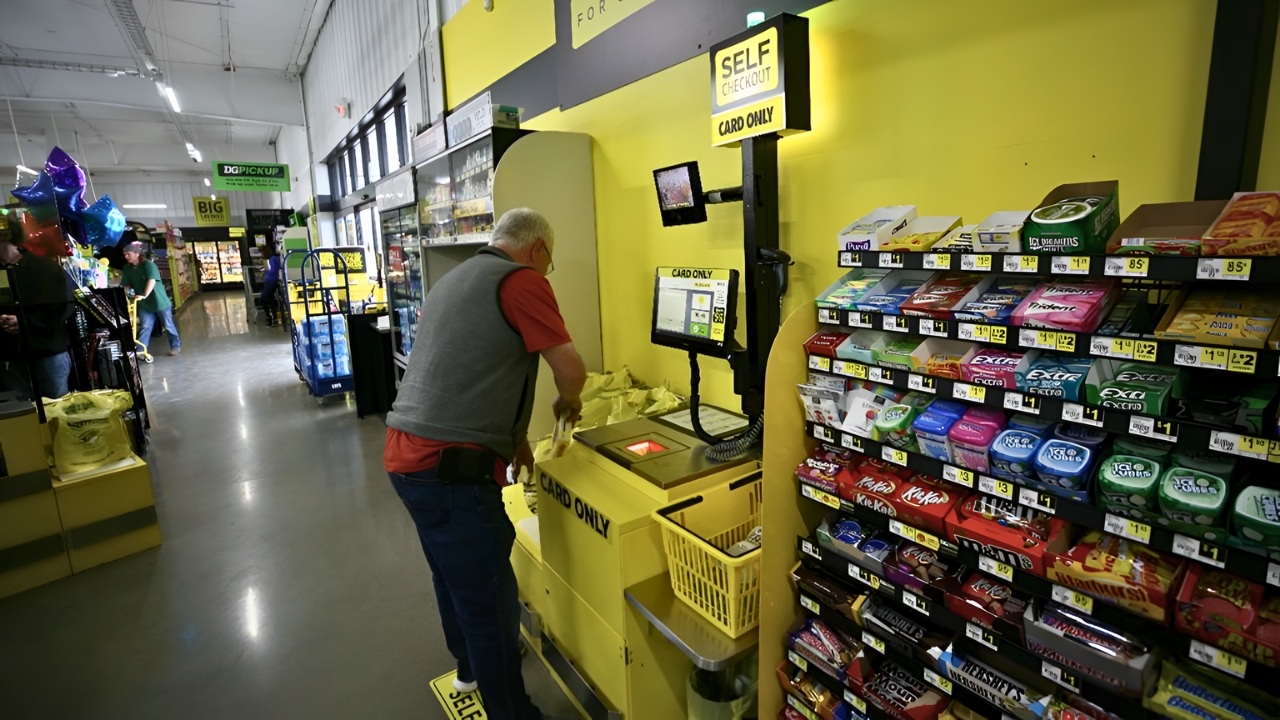
Walmart, the titan of American retail with $568.7 billion in U.S. sales, operates over 4,600 stores across the nation. Known for advocating self-checkout lanes for the future of shopping, a significant change is now taking place behind the scenes. As theft and inventory loss surge, Walmart is rethinking its approach to frictionless checkout.
This narrative explores how America’s largest retailer is navigating the complex landscape of retail transactions, grappling with theft crises while adjusting its strategies, and what this could mean for competitors like Target and Dollar General.
The Theft Crisis Nobody Discussed

The retail sector is grappling with escalating “shrink” losses attributed to theft, fraud, and scanning errors, which now amount to an alarming $100 billion annually. Self-checkout theft accounts for approximately 3.5 to 4 percent of total inventory losses, prompting police departments nationwide to report an increase in calls from these areas.
With local law enforcement stretched thin, growing concerns about theft are compelling retailers to reassess the value proposition of unattended self-checkout stations. The financial implications of these thefts are substantial, prompting a reevaluation of operational strategies across the industry.
A Decade of Expansion
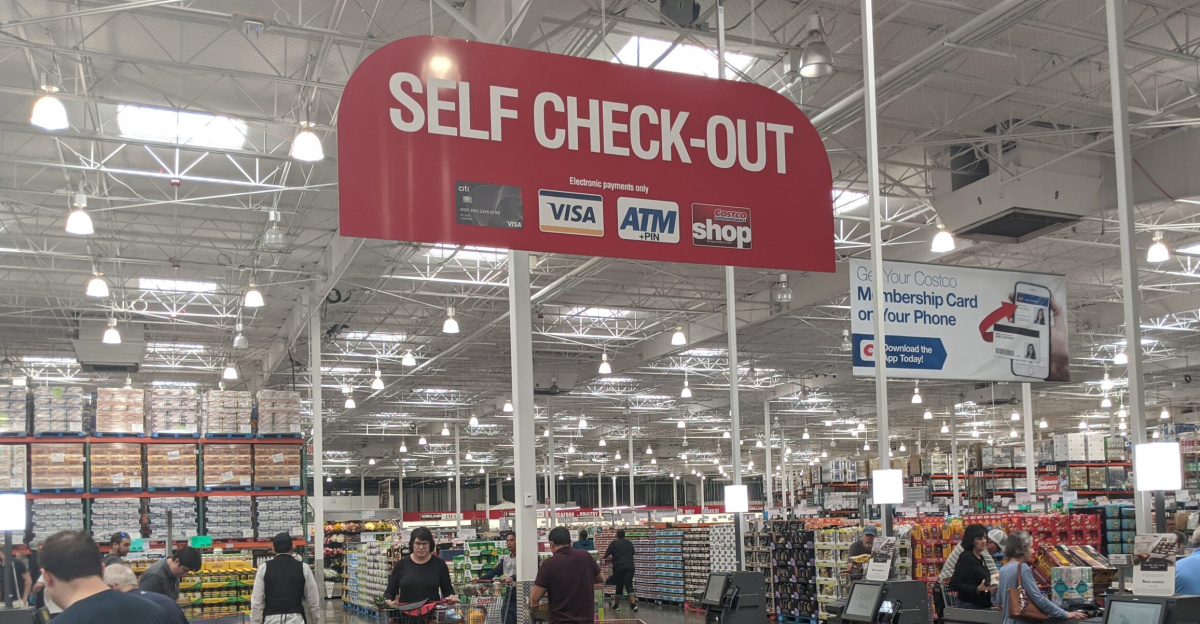
The rise of self-checkout systems gained momentum in the early 2010s, primarily marketed as a means to enhance convenience and reduce labor costs. Fast forward to 2020, and major retailers, including Walmart, Target, and Dollar General, had installed thousands of such kiosks.
Initially hailed for improving efficiency, these systems have instead exposed retailers to systematic losses and heightened customer frustrations. As evidence of theft mounts, the industry faces a dilemma: continued reliance on self-checkout could jeopardize both profitability and customer satisfaction levels, prompting an inevitable reevaluation of this technology’s role in retail.
Pressure Mounting From Below

Amid heightened theft incidents, local police departments in high-theft areas reported a surge in theft-related calls specifically linked to self-checkout interactions. For instance, Shrewsbury, Missouri, police logged 509 calls from their local Walmart store in five months, comprising 25 percent of the city’s total police activity.
Officers found themselves embroiled in lengthy incidents that often didn’t result in significant charges. The strain on local law enforcement emphasized a community-level concern that retailers could no longer ignore, propelling Walmart to rethink its self-checkout strategy amid rising pressure.
The Quiet Reversal Begins

Starting from October 2023 through April 2024, Walmart quietly pulled self-checkout lanes from at least six stores across four states, including Missouri, Ohio, New Mexico, and California. In Shrewsbury, Walmart converted all self-checkout kiosks back to traditional cashier lanes without a national announcement.
This strategic shift arose from operational necessity rather than a formal corporate directive, signaling a potential turning point in how Walmart approached self-checkout technology. Soon, their decisions began sparking discussions within the retail community on the effectiveness of automated systems amid rising theft.
The Shrewsbury Proof Point
Removing self-checkout kiosks from Walmart in Shrewsbury yielded compelling results shortly thereafter. Between January and May 2025, theft-related police calls from the store decreased to 183, representing a dramatic 64 percent drop.
Arrests also fell by 55 percent, much to the appreciation of Police Chief Lisa Vargas, who stated, “That’s a huge change. We really appreciate Walmart taking initiative.” This evidence provided Walmart with strong data to reinforce its evolving stance against self-checkout, highlighting the operational benefits of fostering greater human oversight in high-theft areas.
Customer Relief Signals

Beyond improved security, converting to staffed checkout lanes led to enhanced customer satisfaction. Shoppers reported shorter wait times and less frustration, even with higher labor costs reflected in the operations.
This unexpected outcome suggested a valuable trade-off for Walmart: relinquishing some automation in exchange for greater operational control and enhanced customer experience. By prioritizing a more hands-on approach to service, Walmart demonstrated its willingness to adapt to conditions that prioritize consumer satisfaction, even at the cost of traditional efficiencies.
The Industry Follows Within Months
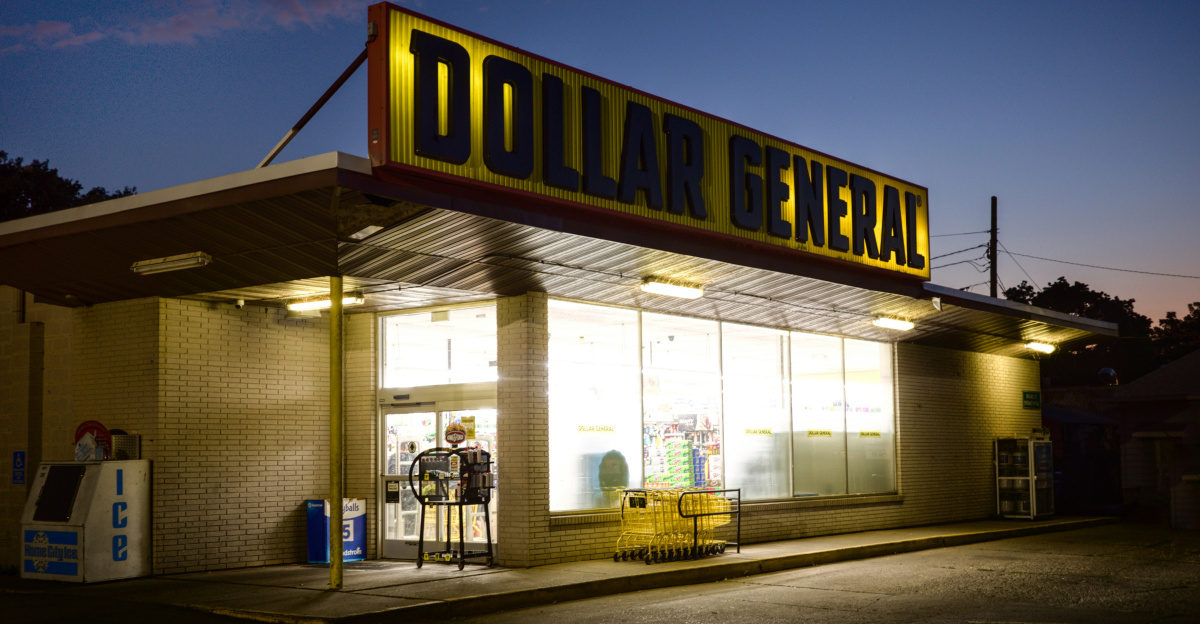
March 14, 2024, marked a pivotal moment when Dollar General announced it would remove self-checkout from 9,000 stores, a move justified by CEO Todd Vasos as a response to mounting shrinkage challenges.
Over the subsequent months, Dollar General expanded this removal to 12,000 of its more than 20,000 stores nationwide. The low-margin nature of their operations made self-checkout a liability rather than an advantage, highlighting a growing consensus within the industry about the need to reevaluate automated systems in favor of more secure staffing solutions.
Target’s Measured Response
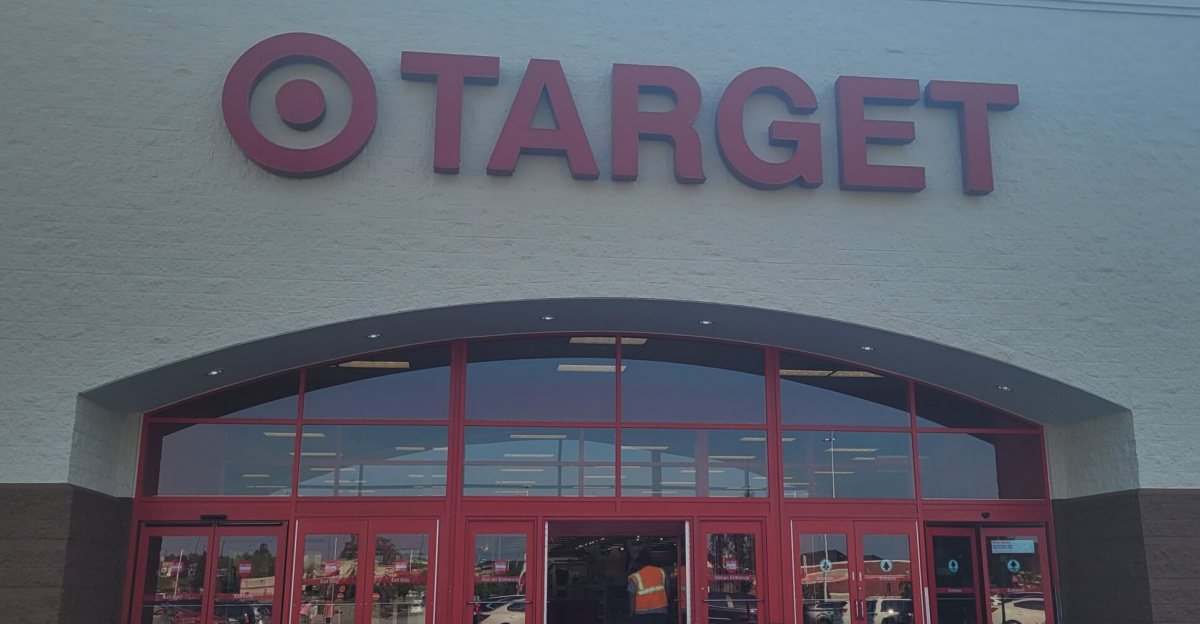
Target has taken a more cautious approach, announcing on March 16, 2024, a limit of 10 items per self-checkout transaction at approximately 2,000 stores. By implementing an “Express Self-Checkout” model with staff oversight during peak traffic hours, Target aims to combine the convenience of self-checkout with improved theft controls.
This phased and measured response reflects Target’s brand positioning: striking a balance between customer convenience and prudent risk management in an era where retail theft is dominating the discussion. Different strategies indicate distinct brands are navigating the same challenges in unique ways.
The Lessons from Retail Contraction
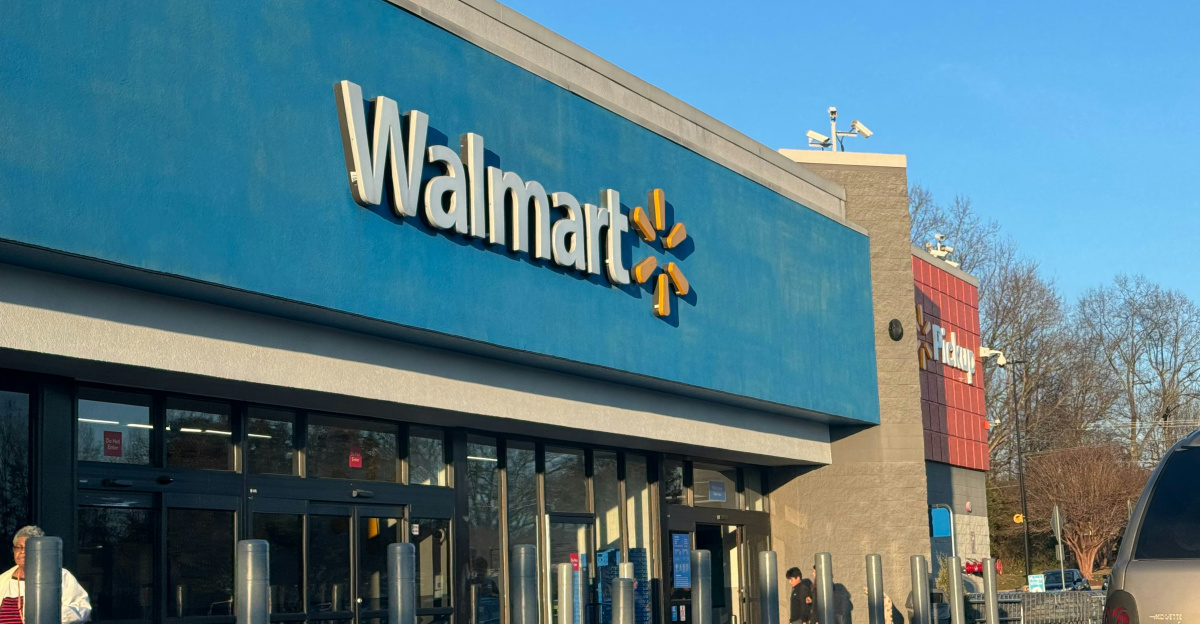
The collective actions of major retailers reflect a trend of scaling back self-checkout options in favor of higher employee engagement. As industry leaders like Walmart and Dollar General respond to the pressures of theft, a shift toward human-operated checkouts may set a new standard.
Retailers are evaluating how to strike a balance between technology and the need for security and customer experience. As these operational changes unfold, the industry will closely monitor how they affect operational outcomes, customer satisfaction, and overall profitability in a rapidly changing marketplace.
Exploring Future Strategies
As retailers adjust their strategies, the focus is shifting towards integrating technology that complements human assistance rather than entirely replacing it. Companies are exploring advanced solutions, such as mobile payment systems and enhanced scanning technology, that reduce transaction times while maintaining customer interaction.
The goal is to create a seamless shopping experience that addresses security concerns while improving convenience and user satisfaction. The retail landscape is evolving rapidly, and how companies adapt to these challenges will define their competitive edge in the years to come.
Community Impact and Brand Trust
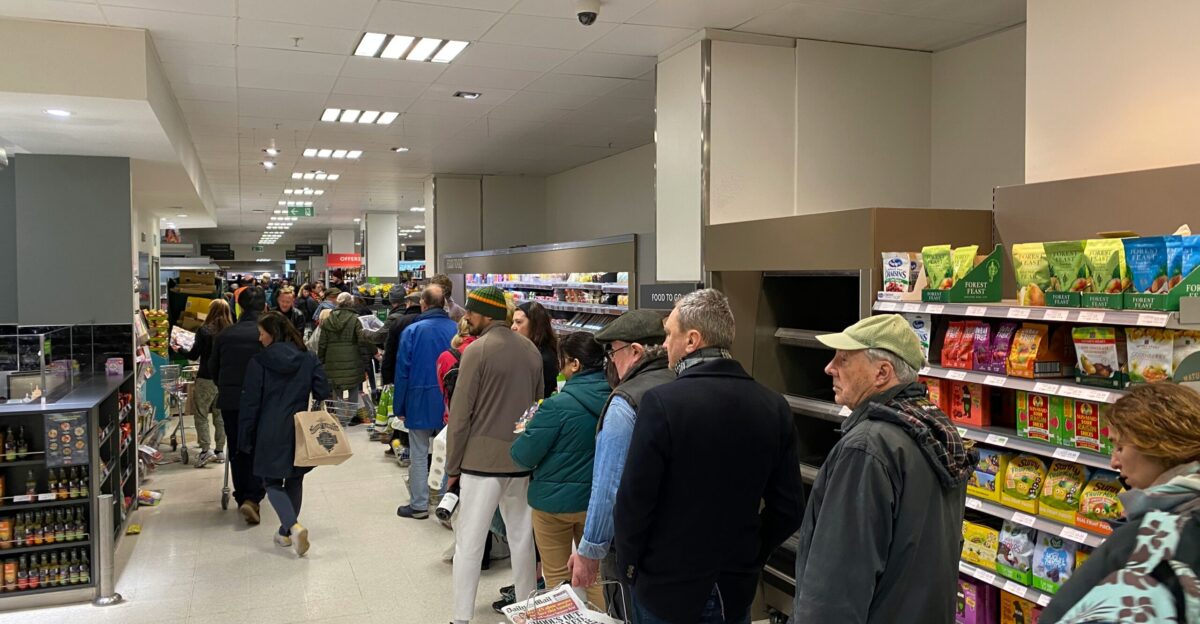
Walmart’s decision to remove self-checkouts has implications that extend beyond profits; they touch on community relations and brand trust. Neighborhoods served by Walmart are experiencing less theft and more reliable shopping environments.
Customers are noticing the tangible impact of enhanced human presence. “It’s nice to see someone at the checkout again,” remarked a Shrewsbury resident, emphasizing customer sentiment. Revitalizing trust in store safety fosters long-term loyalty and reflects the shift toward prioritizing community concerns over purely automated efficiencies.
Preparing for Resistance
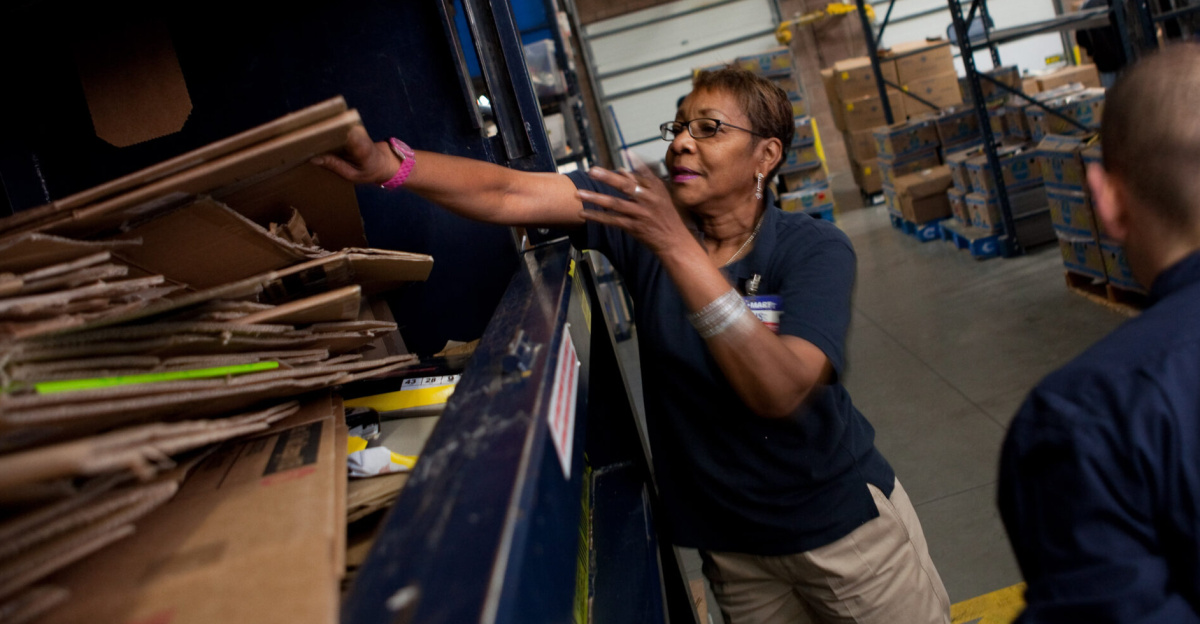
Restructuring checkout options won’t come without challenges. Implementing widespread changes may encounter hurdles, including employee pushback and a learning curve for staff and customers. Retailers must prepare for transitional issues as they integrate staffing for increased transaction volumes.
Some customers may continue to favor self-checkout for convenience. Success hinges on striking the right balance, maintaining efficiency while introducing new employee roles to meet customer preferences. Communication and training will be essential components of a smooth transformation.
The Customer Journey Redefined
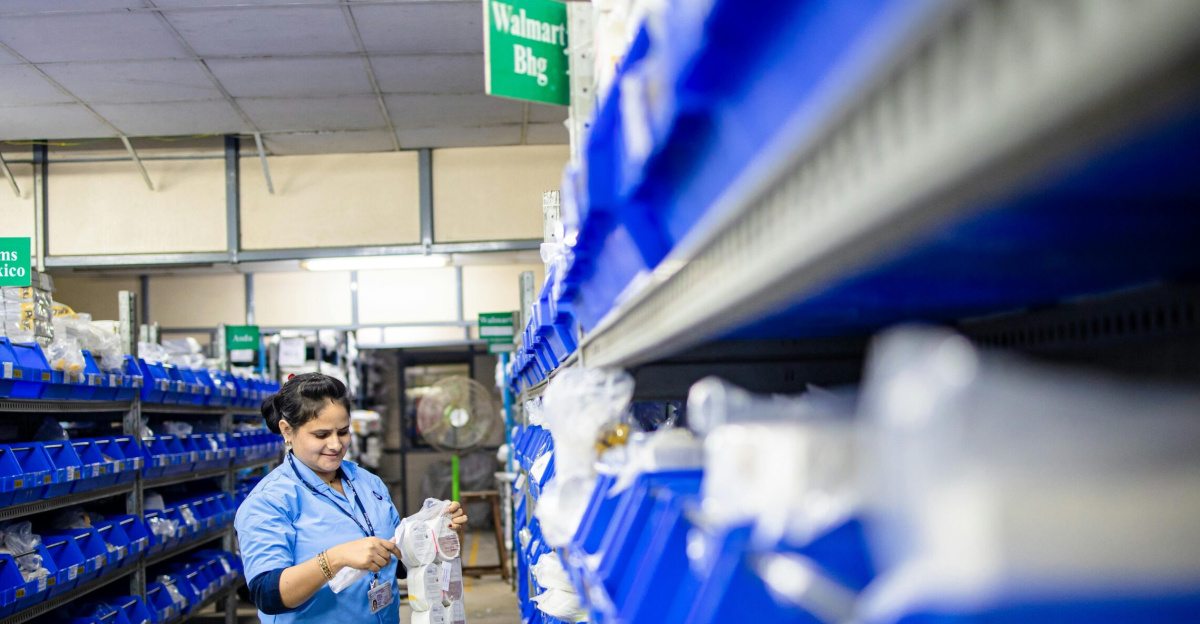
While adopting new checkout models, retailers must redefine the customer journey. By prioritizing customer interaction at checkout, they can foster a more personalized shopping experience. Engaging staff creates opportunities for upselling, product recommendations, and instant customer support, enriching in-store interactions.
Creating an inviting atmosphere will be key to holding customer interest amid rapid technological advancements in the retail landscape. This human touch will differentiate traditional retailers in an age increasingly dominated by digital transactions.
Trends in Retail Loss Prevention
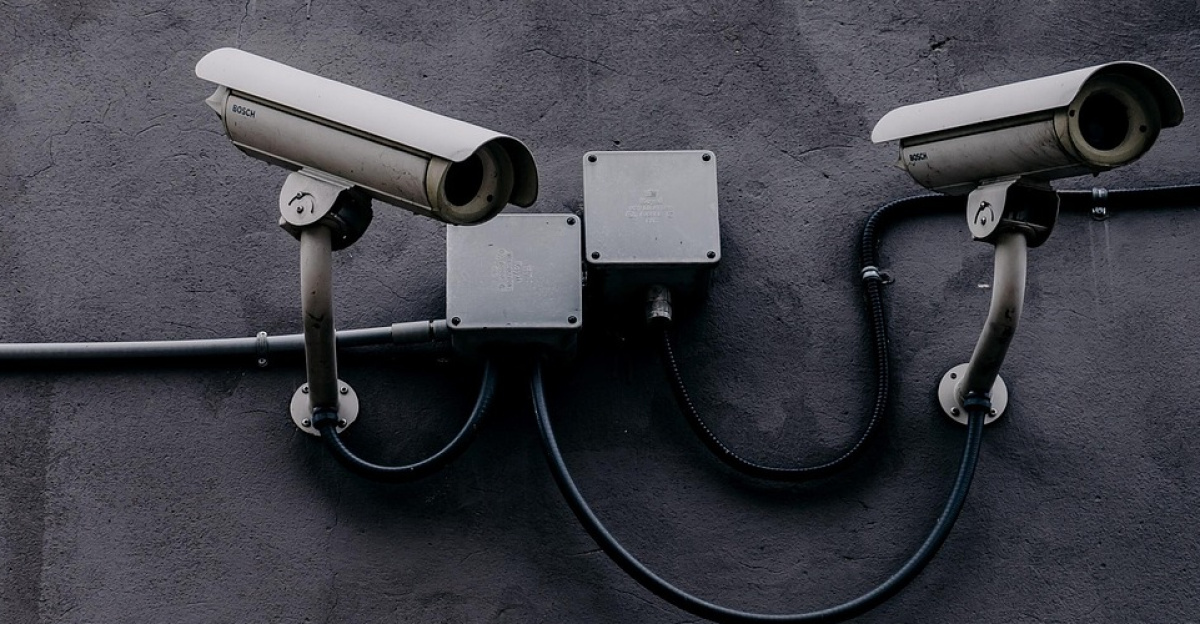
As retailers grapple with theft, loss prevention technologies continue to advance. Smart cameras, RFID tagging, and enhanced surveillance systems are becoming critical in asset protection strategies. Retailers understand the value these innovations bring, not just in combating shrinkage but in fostering a more secure shopping environment.
As these technologies gain traction, they will likely work synergistically with human-operated checkouts to create a holistic approach to loss prevention, blending security and convenience seamlessly.
The Broader Implications for Retail
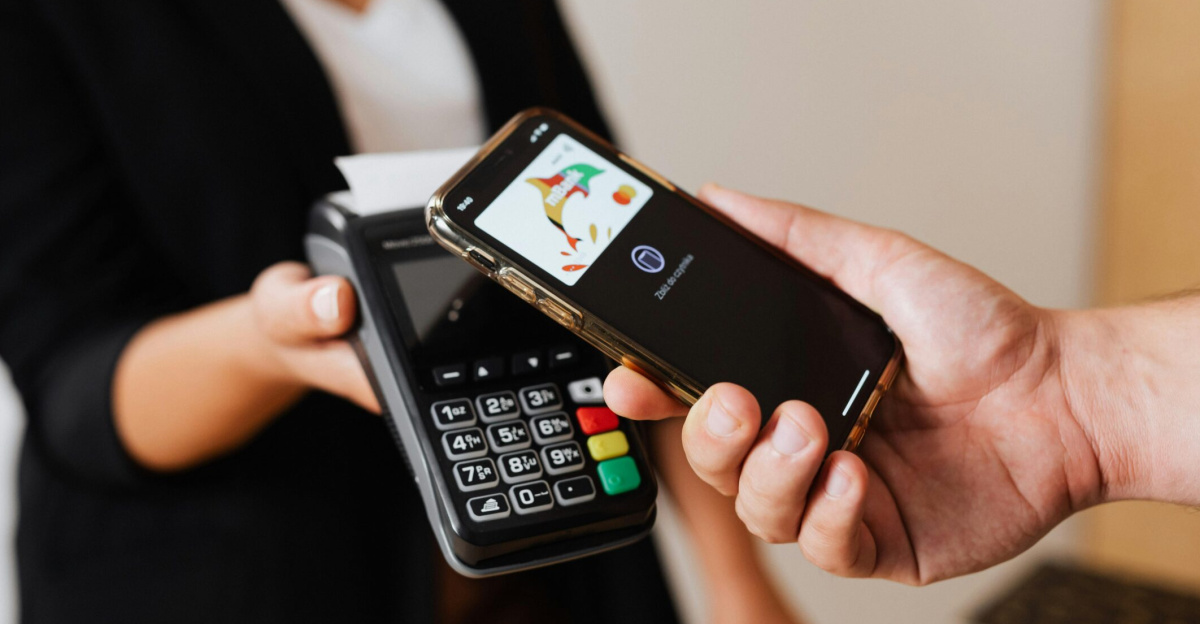
The shift away from self-checkout may signify broader implications for retail industry trends, predicting a resurgence in human-centric service models. As retailers navigate these challenges, industry standards may evolve to prioritize personal interactions over automated solutions.
The success of these transitions will inspire new operational strategies that could reshape the retail landscape, suggesting that retailers focusing on comprehensive customer experience emerge victorious in a competitive market.
Looking Ahead to Retail Innovation
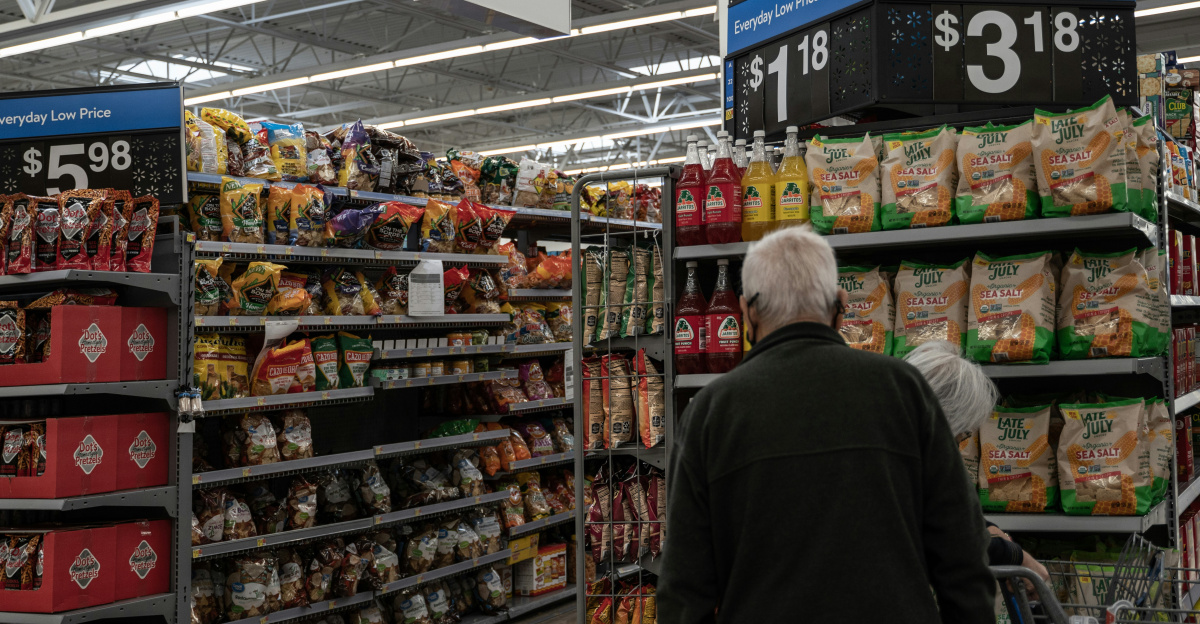
In the wake of adopting new strategies, the future of retail is trending towards innovation coupled with personalization. Retailers are challenged not only to respond to theft but also to navigate changing consumer expectations.
Identifying ways to create personalized shopping experiences while leveraging technology will form the core vision shaping the next wave of retail advances. The desire for convenience must coexist with the essential elements of safety and satisfaction, prompting exciting developments on the horizon.
Navigating Retail Transformation
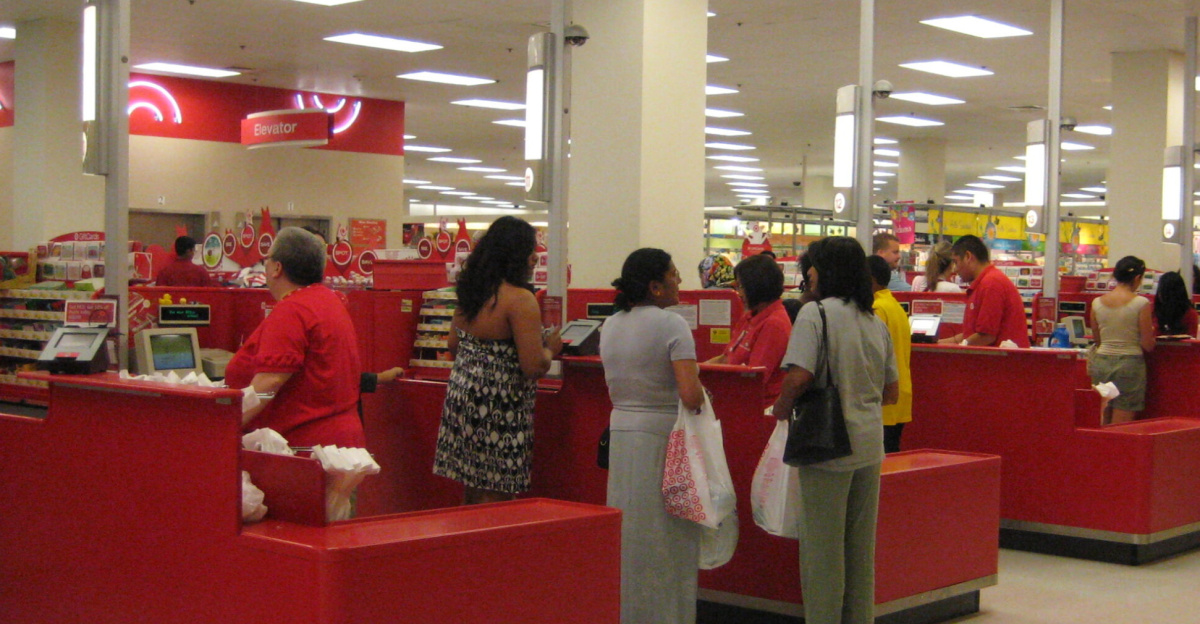
The navigation of self-checkout strategies marks a significant transformation within the retail industry. Walmart’s recent decisions signal a willingness to adapt, addressing modern consumer concerns while responding to pressing issues like theft.
As competitors like Dollar General and Target respond with varied approaches, the future of retail checkout is set to evolve dramatically. Staying attuned to market shifts, community needs, and technology will remain vital for retailers in safeguarding their market positions.
Call to Action
As these changes unfold, retailers are advised to closely monitor evolving consumer preferences while effectively balancing automation and employee roles. Embracing innovation and being receptive to customer feedback will be instrumental in guiding long-term strategy.
Retailers that remain agile and responsive to the market landscape will pave the way for sustainable growth in an era of uncertainty and challenge. The lessons learned from transitions will provide valuable insights for the future of retail operations.
Final Thoughts
The retraction of self-checkout options in favor of assisted transactions reflects the changing dynamics facing retailers today. Community engagement, enhanced security, and improved customer experiences will invariably influence the retail landscape moving forward.
This evolution prompts retailers not only to reevaluate technology but also to recommit to their customer relationships. Ensuring that innovation meets the needs of consumers will be central to navigating the future challenges facing retailers, shaping how we shop in the years to come.
Sources
Capital One Shopping Research – Largest Retailers in the U.S. and the World
Walmart Corporate Investor Relations – Annual Report & Location Facts
NBC News – Major retailers are backtracking on self-checkout
Retail Dive – Walmart removes self-checkout from select stores
People Magazine – Walmart Store Removed Self-Checkout Option and Shoplifting Decreased
Dollar General Q1 2024 Earnings Transcript – CEO Todd Vasos Remarks