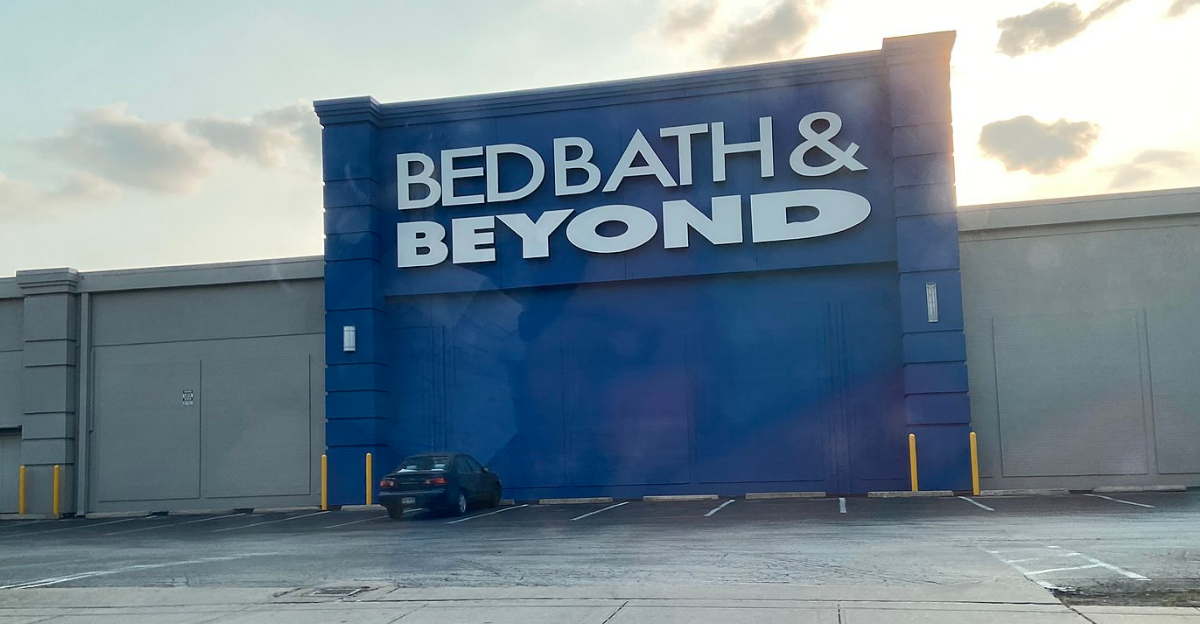
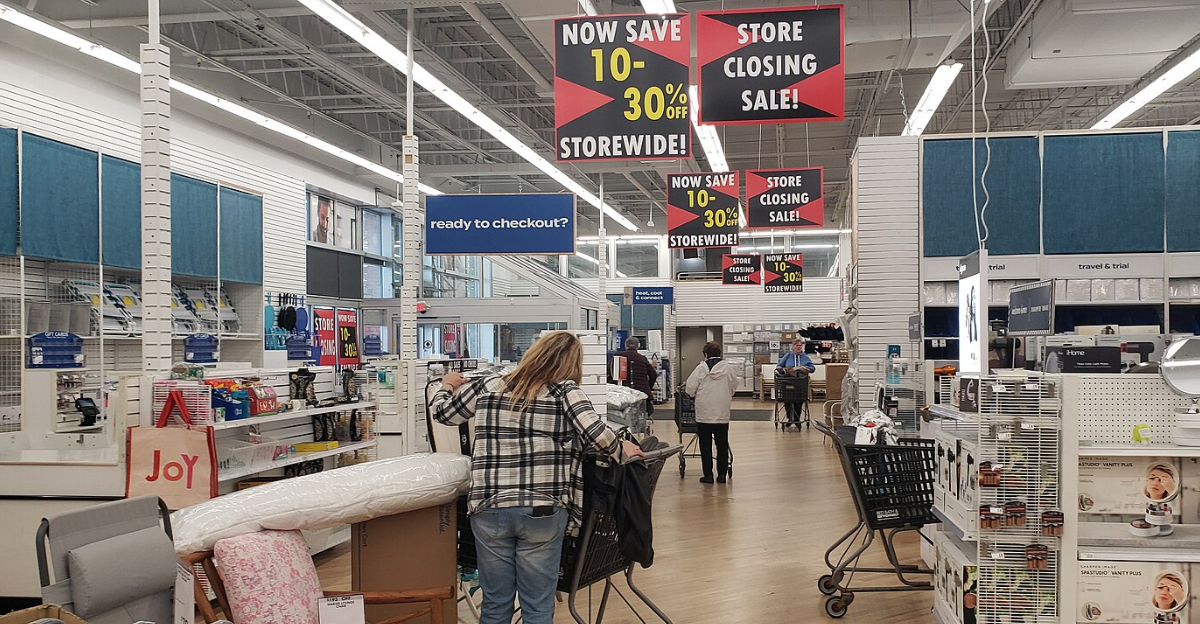
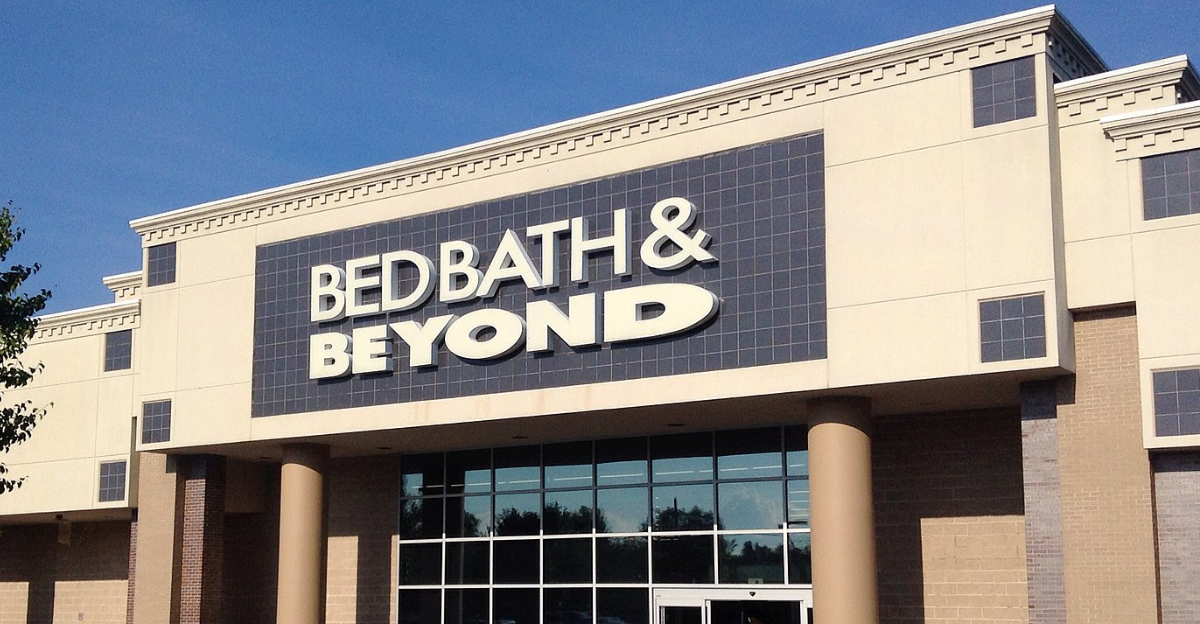
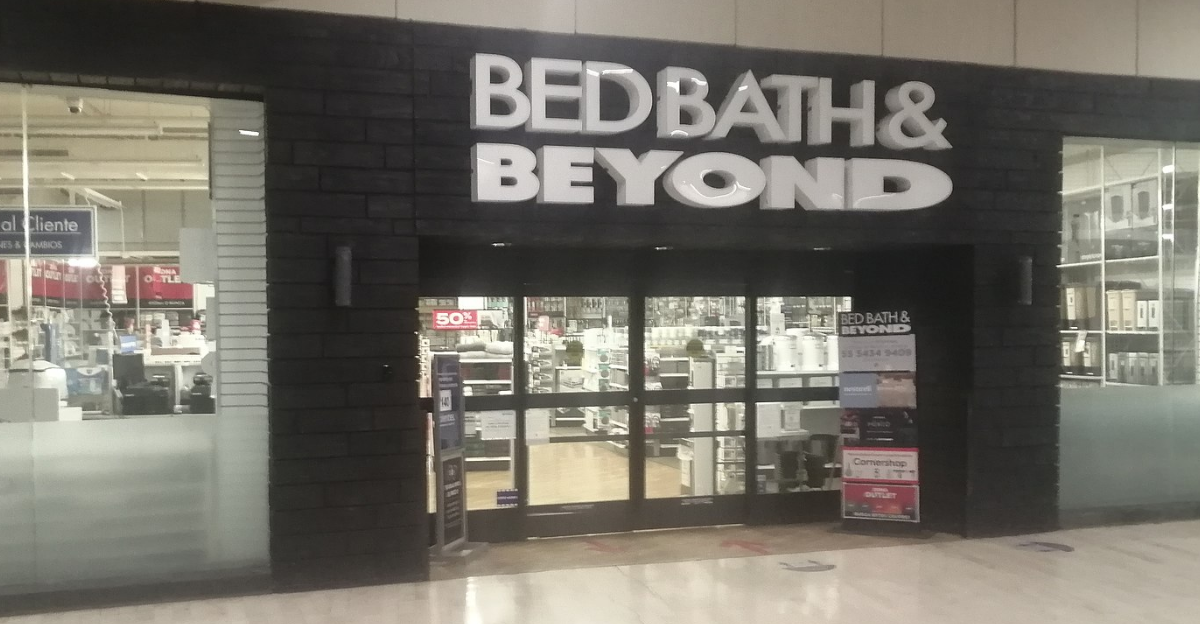
Bed Bath & Beyond underwent dramatic changes as the franchise faced unprecedented downturns. On April 23, 2023, Bed Bath & Beyond filed for Chapter 11 bankruptcy protection.
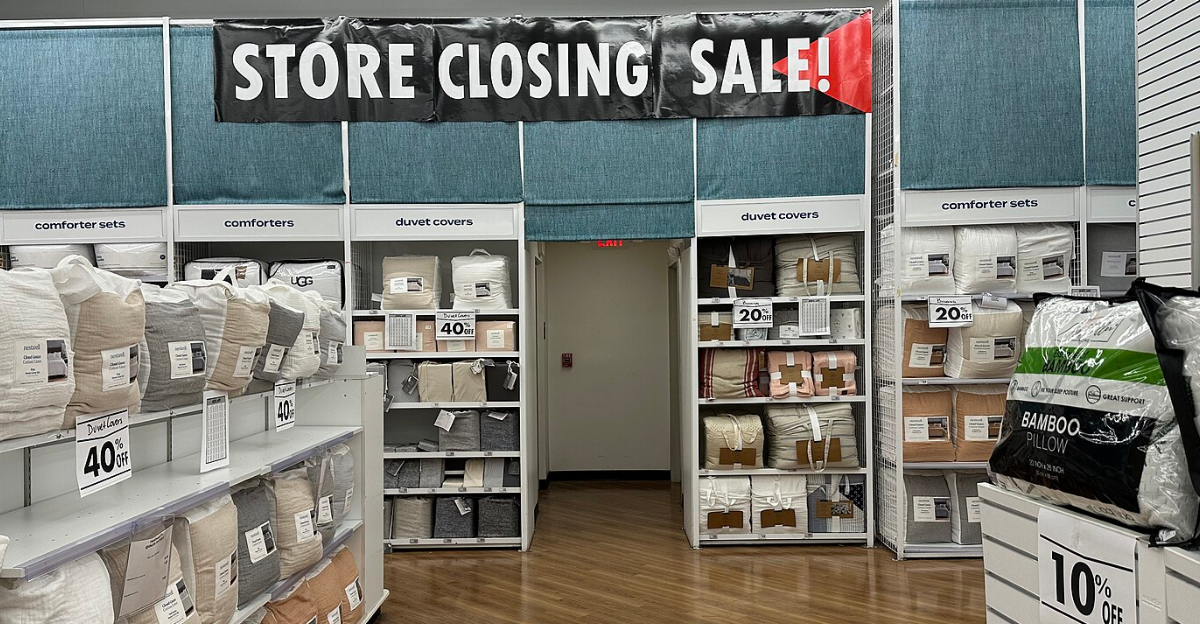
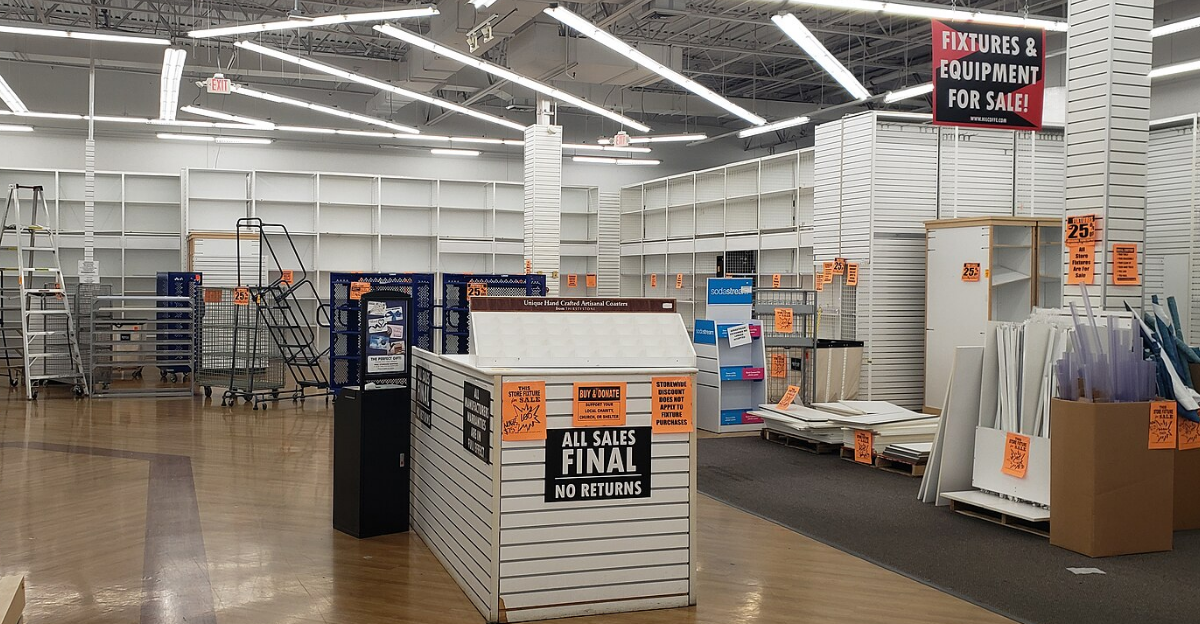
The company reported $5.2 billion in debt against $4.4 billion in assets. All stores were eventually closed after the bankruptcy filing, ending operations that had lasted over 50 years.
Reopening
The Brand House Collective, which used to be Kirkland’s Inc., announced plans to reopen stores under the Bed Bath & Beyond name.
The first location is scheduled to open in Nashville on August 8, 2025. This represents an attempt to revive the bankrupt retail brand.
A Long Legacy
Bed Bath & Beyond has a long legacy. It was founded in 1971 by Warren Eisenberg and Leonard Feinstein and expanded across the United States over the next decades.
During its peak, the company operated over 1,000 stores. The chain was known for its 20%-off coupons that customers widely collected and used.
Struggling To Keep Up
Co-founder Warren Eisenberg admitted to the Wall Street Journal: “We missed the boat on the internet.”
The company struggled with digital transformation while rivals innovated in the online space. Former CEO Mark Tritton’s strategy changes did not turn around declining sales.
Nashville Opening
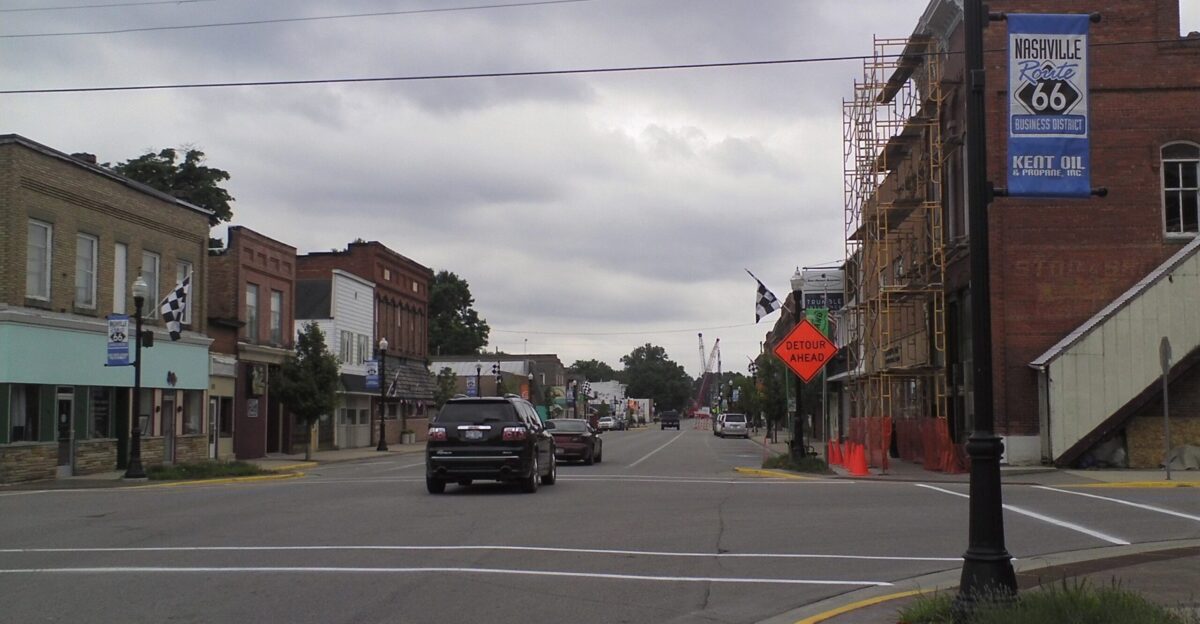
There’s good news for consumers who have missed Bed Bath & Beyond. The first new store is set to open its doors in Nashville, Tennessee, on August 8, 2025. It will operate under the name “Bed Bath & Beyond Home.”
Amy Sullivan, CEO of The Brand House Collective, will attend the opening. The store will accept legacy coupons from the original chain.
Regional Start
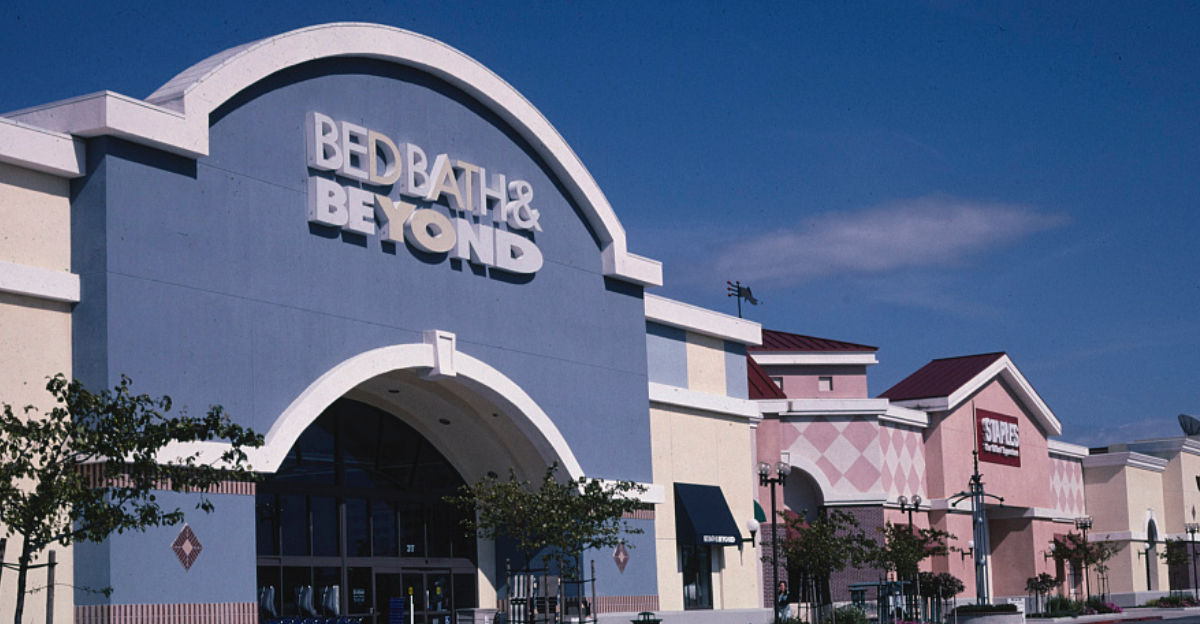
Nashville, the city where The Brand House Collective is headquartered, was chosen as the launch market for the revived brand. The performance of the new store could make or break the brand’s revival.
Additional store locations are planned, but specific numbers and timelines have not yet been fully established.
A New CEO
Amy Sullivan is the new CEO bringing Bed Bath & Beyond back to life. She’s been running The Brand House Collective since February 2024, but taking on Bed Bath & Beyond is her newest challenge.
She has over a decade of retail experience and worked her way up at Kirkland’s since 2012. Her job now is making customers want to shop at a store that already failed once.
Market Context
The home goods retail market landscape transformed significantly during Bed Bath & Beyond’s two-year absence from physical retail.
While the brand was gone, major competitors like Target and Amazon expanded their home furnishing offerings and market share, making its revival harder. The global home decor market is estimated at hundreds of billions of dollars.
Retail History
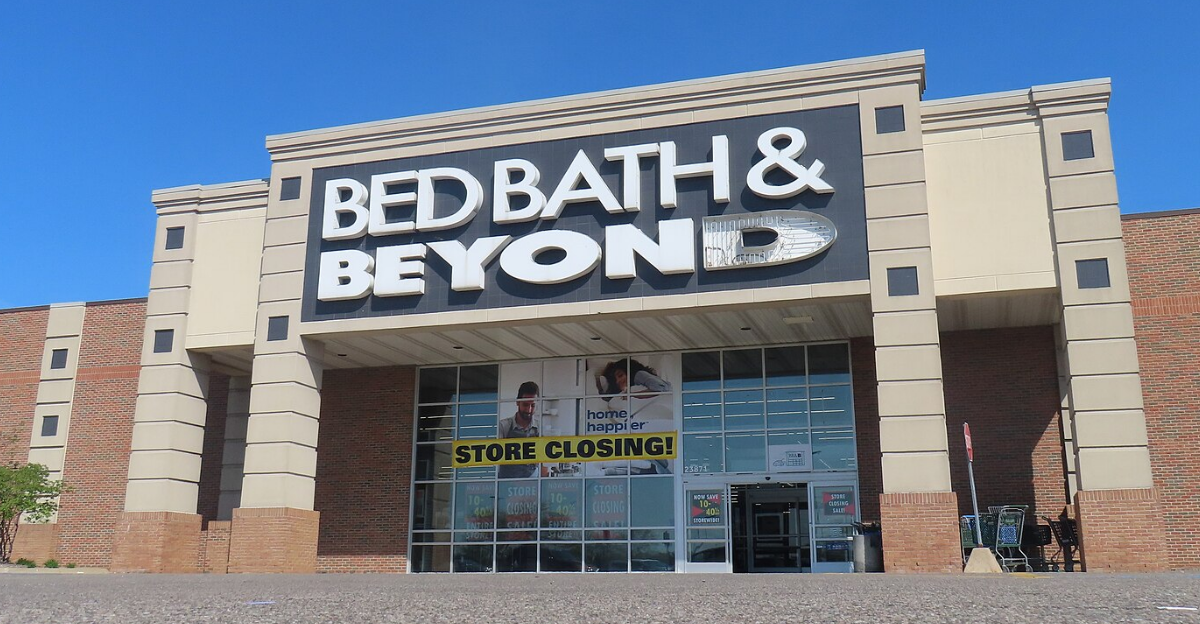
Major retail bankruptcies have occurred in recent decades as consumer habits and expectations have changed. Few retailers have successfully reopened after complete store closures and bankruptcy.
The Bed Bath & Beyond revival attempt represents an unusual situation in retail history.
Coupon Policy
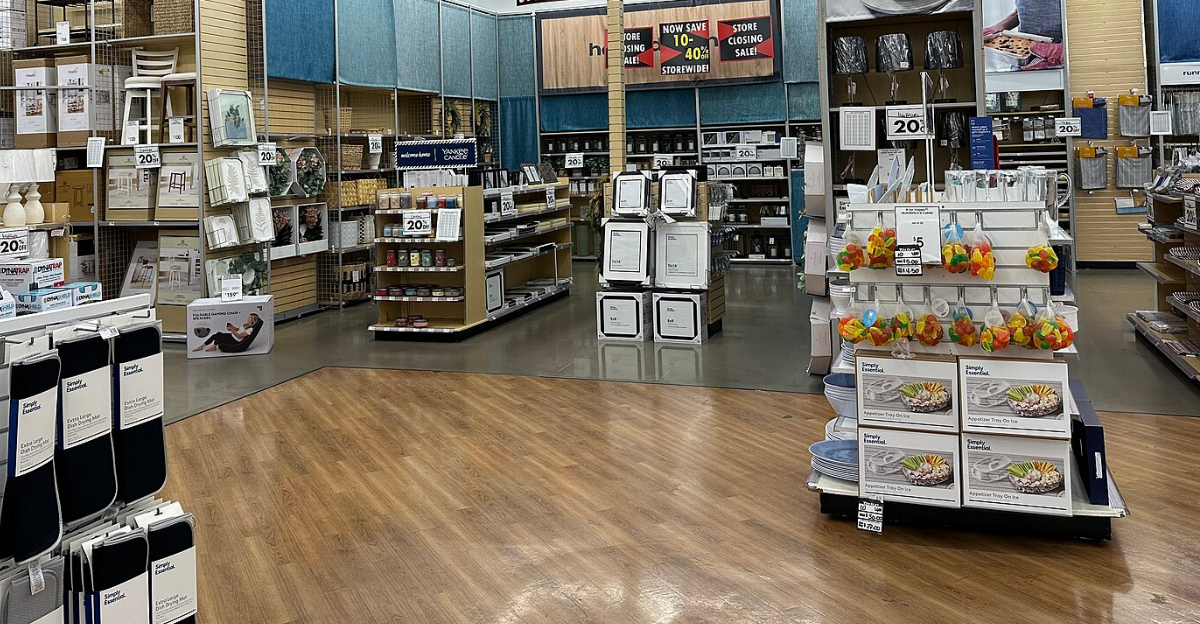
The new stores will honor legacy 20%-off coupons from the original Bed Bath & Beyond chain.
These blue coupons were widely distributed and collected by customers. Honoring old coupons is part of the revival strategy.
Financial Structure
Beyond Inc. acquired Bed Bath & Beyond’s intellectual property after the bankruptcy.
The acquisition price was reported as $21.5 million. This represents a fraction of the brand’s former value when operating profitably.
Expansion Plans
The Brand House Collective’s strategy involves converting selected existing Kirkland’s store locations into Bed Bath & Beyond Home formats.
This conversion approach allows rapid market entry while leveraging established real estate footprints and supply chain relationships.
Industry Views

Retail industry analysts have expressed mixed opinions about the viability of reviving a completely failed brand in today’s competitive environment.
The fundamental challenges that caused the original bankruptcy—including e-commerce competition and changing consumer habits—remain largely unchanged.
A Critical Test
The Nashville store opening will be a critical test of market response to the revived Bed Bath & Beyond brand. Customer reception, sales performance, and operational efficiency determine whether expansion to additional markets proceeds as planned.
The broader retail industry will closely monitor results to assess the viability of similar brand resurrection strategies.
Economic Context

The retail industry faces significant structural challenges from e-commerce growth and changing consumer shopping preferences.
Traditional brick-and-mortar retailers across all categories seek innovative strategies to remain competitive against digital-native rivals and meet modern consumer habits.
Broader Impact
Other retail companies and private equity firms monitor bankruptcy recovery strategies and brand revival attempts for strategic insights.
The outcome of the Bed Bath & Beyond revival may influence future approaches to distressed brand acquisition and could serve as a model to revive similar failed brands.
Business Model
Buying a dead company’s name and trying to restart it is becoming more common.
When big chains fail, other companies can buy their names cheaply and try again. This might become a new trend for dealing with failed businesses.
Consumer Response
Many customers, especially older ones, have good memories of shopping at Bed Bath & Beyond with those blue coupons. Younger people who never shopped there might be curious about the “retro” experience.
Social media shows people are excited, but excitement doesn’t always mean they’ll shop there.
An Ambitious Revival Attempt
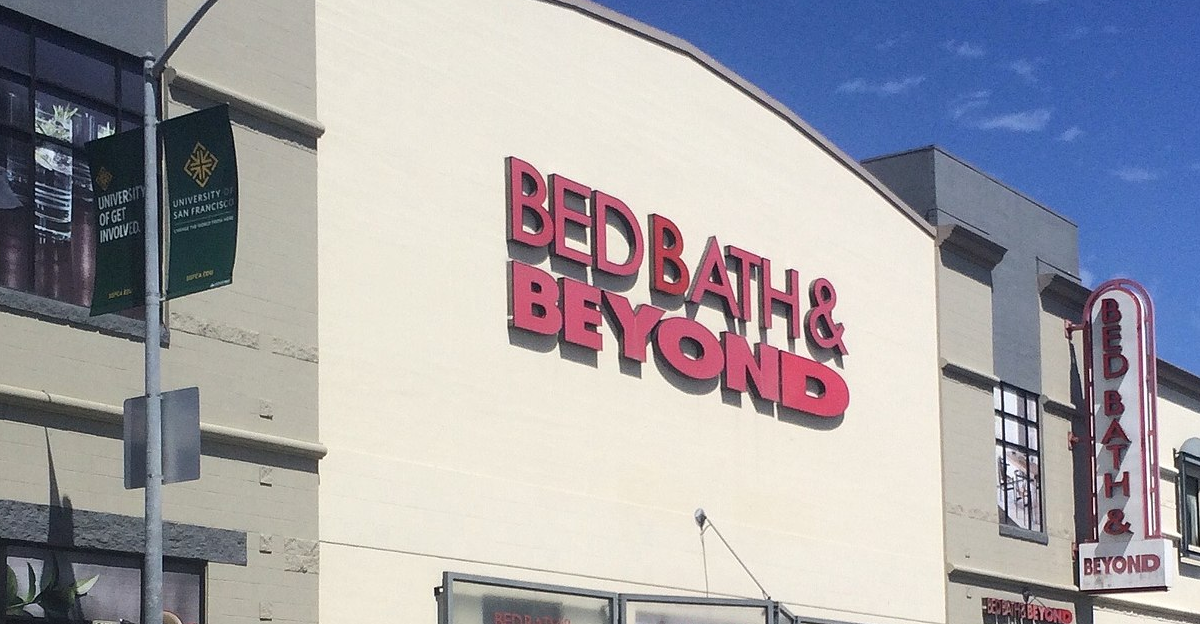
The Bed Bath & Beyond revival represents one of modern American retail history’s most ambitious brand resurrection attempts. Ultimate success will depend on execution quality, market conditions, competitive response, and sustained consumer interest beyond initial nostalgia.
The result will teach us much about whether old brand names still matter when everything moves online.