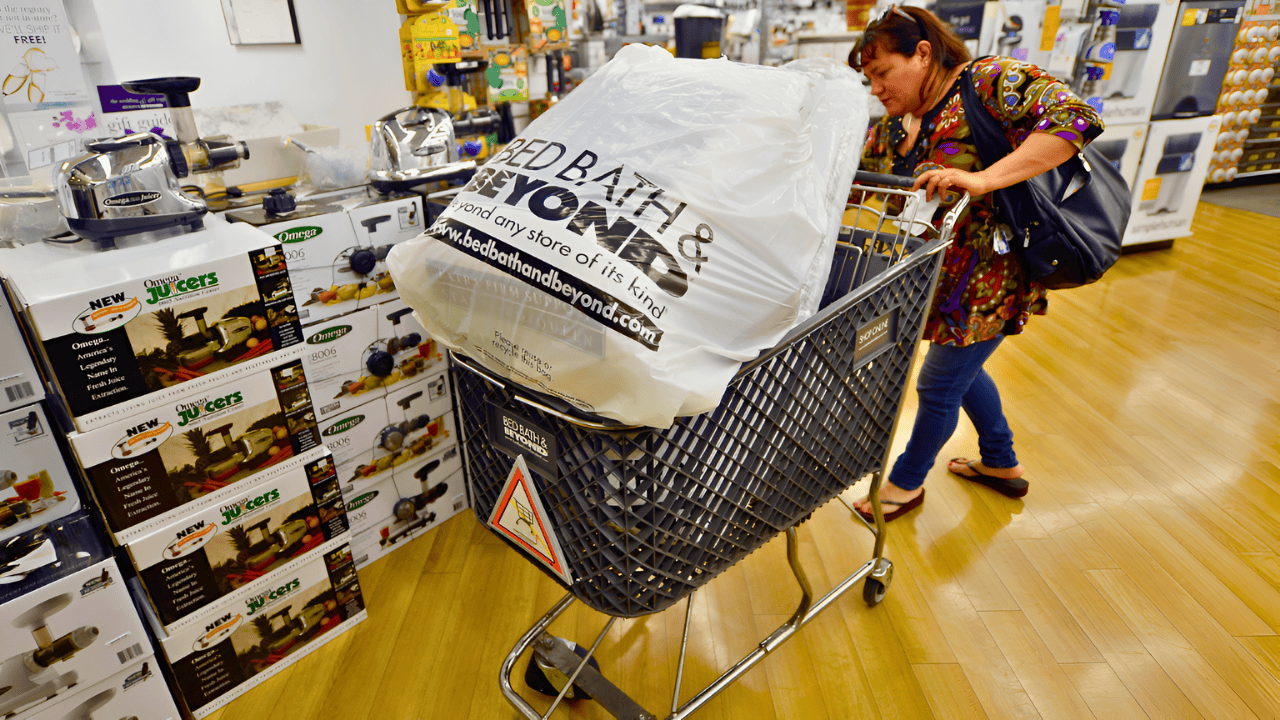
A once-bankrupt retailer has returned from the dead to execute a deal that will reshape home goods retail—but at a steep cost to workers and communities. Bed Bath & Beyond, which filed for Chapter 11 bankruptcy and shuttered all locations in 2023, announced on November 24, 2025, that it would acquire The Brand House Collective, formerly known as Kirkland’s, for $26.8 million. The acquisition brings together two struggling retailers in an effort to build a profitable platform, yet it comes with a painful tradeoff: more than 40 stores will close in early 2026, potentially displacing thousands of retail workers and leaving gaps in shopping centers across the country.
A Strategic Consolidation
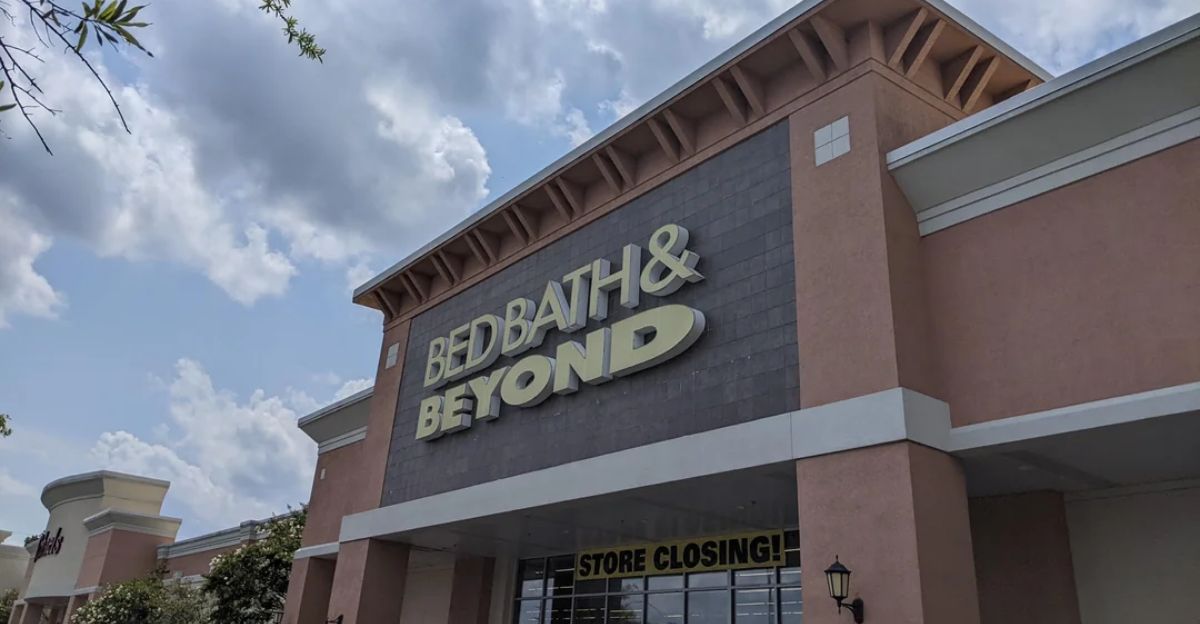
The merger combines Bed Bath & Beyond’s established brand recognition with The Brand House Collective’s merchant-driven model, creating an expanded retail operation under the umbrella of what executives call an “Everything Home” company. Marcus Lemonis, executive chairman of Bed Bath & Beyond and star of CNBC’s The Profit, is leading the charge. His strategy centers on eliminating redundancy and streamlining operations to extract at least $20 million in annual cost savings by consolidating logistics, technology infrastructure, and merchandising functions.
The deal, pending shareholder approval and Bank of America lender consent, is expected to finalize in the first quarter of 2026. Bed Bath & Beyond already holds approximately 40 percent of The Brand House Collective’s shares and has advanced $10 million under an existing loan facility to support store conversions and inventory procurement. Amy Sullivan, who previously served as CEO of Kirkland’s, will lead the newly formed Beyond Retail Group division, overseeing omnichannel operations for Bed Bath & Beyond, BuyBuy Baby, Overstock, and Kirkland’s Home.
Workers and Communities Bear the Brunt
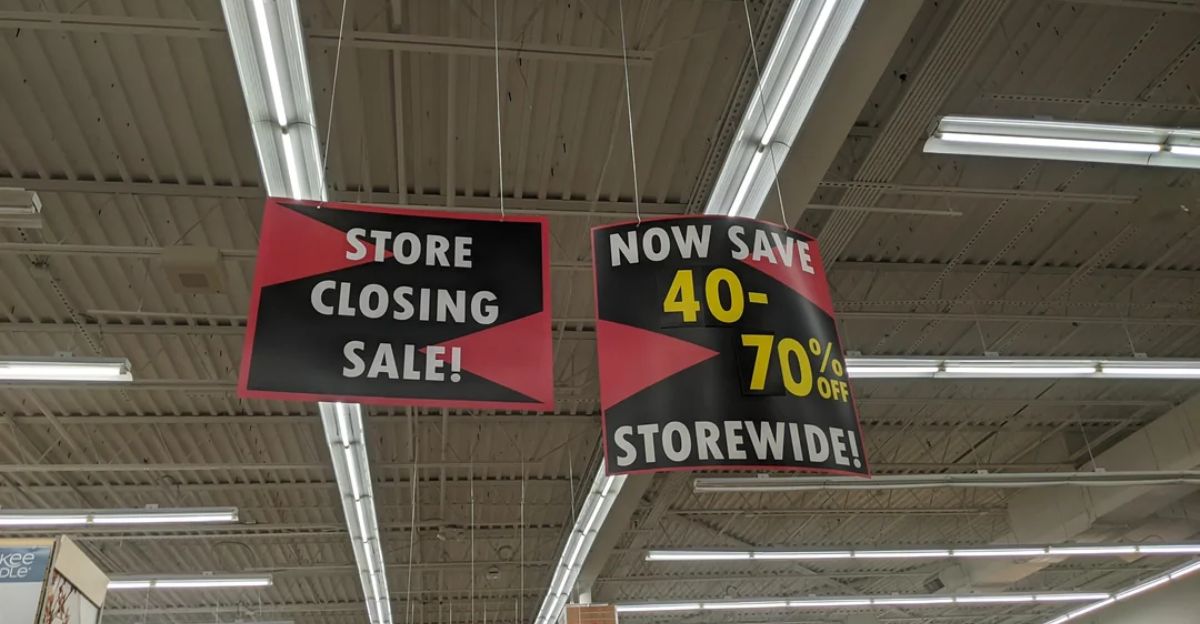
The planned closure of more than 40 underperforming stores will directly impact retail employees, including cashiers, stock supervisors, store managers, and visual merchandisers. These closures come at a particularly difficult time for the retail sector, where job security has become increasingly precarious. Full-time positions with benefits and stable hours are disappearing, replaced by part-time and seasonal work that offers little opportunity for career advancement.
Beyond the human toll, the shuttered locations will create ripple effects throughout shopping centers. Malls will lose tenants, leading to decreased foot traffic and reduced appeal for remaining retailers. In secondary markets—smaller cities, suburbs, and rural areas—the closures threaten to create retail deserts where residents have fewer options for affordable home goods and face higher prices due to limited competition.
Market Consolidation Accelerates
The Bed Bath & Beyond-Brand House Collective merger reflects a broader trend of consolidation in the home goods sector. As mid-sized retailers struggle to compete on price and selection, market share is concentrating among a handful of dominant players. IKEA continues its aggressive expansion with multiple new locations opening across the United States in 2025, focusing on smaller-format “Plan and Order” stores with pickup capabilities. Meanwhile, TJX Companies, which operates HomeGoods, is thriving with plans to open 30 new HomeGoods stores in fiscal 2025 and a long-term target of 1,800 total HomeGoods locations.
Online retailers are also capturing displaced customers. Digital commerce now accounts for 16.3 percent of total U.S. retail sales as of the second quarter of 2025, with home goods retailers embracing omnichannel strategies that prioritize convenience over physical store experiences. Discount chains and online resale platforms such as Facebook Marketplace are emerging as unexpected winners, capitalizing on consumer demand for affordable furniture and décor.
Suppliers and vendors face their own challenges as the merged company consolidates its vendor base and leverages greater buying power to negotiate more favorable terms. Canceled purchase orders and returned inventory will disrupt cash flow for home goods manufacturers already navigating difficult global market conditions.
The Road Ahead
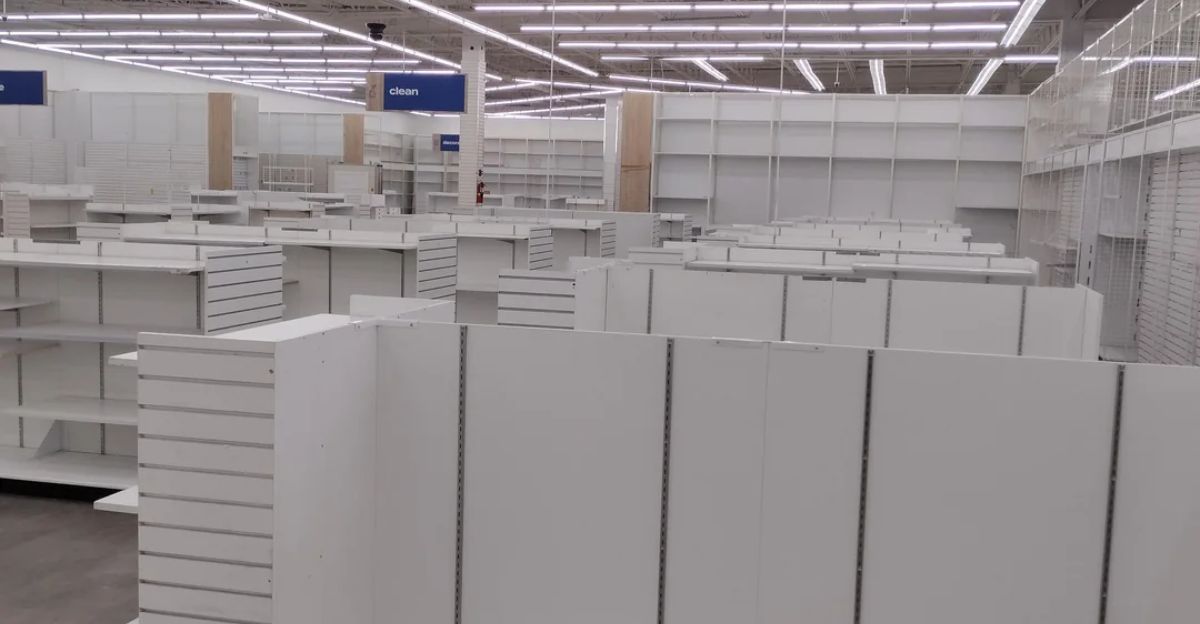
The rapid pace of consolidation signals fundamental shifts in retail’s structure and future. Physical store footprints are shrinking while online channels grow, concentrating power among fewer, larger companies. Small-format retail strategies, once viewed as a promising solution for revitalizing brick-and-mortar operations, have proven less sustainable than anticipated due to lower revenue per location and higher fixed costs relative to traditional stores.
For Bed Bath & Beyond, the acquisition represents another chapter in a turbulent revival story. After Overstock acquired the bankrupt brand in 2023 and reopened the first Bed Bath & Beyond Home location in August 2025, the company now faces scrutiny over whether its consolidation strategy can deliver sustainable growth or merely delays further contraction. The “zombie retailer” label persists as consumer trust remains fragile.
The merger’s consequences extend far beyond two companies. Workers face uncertain futures, communities will see shopping options diminish, and the competitive landscape will continue its transformation toward dominance by a select few giants. This deal serves as a flashpoint in retail’s ongoing evolution, where survival increasingly depends on scale, efficiency, and the ability to adapt to a digital-first consumer base.
Sources
PRNewsWire – Bed Bath & Beyond Official Press Release (November 24, 2025)
U.S. Census Bureau – Quarterly Retail E-Commerce Sales Report (Q2 2025)
Stock Analysis/Form 10-K Data – The Brand House Collective Employee Count (February 2025)
Forbes/Home Goods Market Analysis – TJX, Wayfair, and IKEA Retail Expansion (August 2025)