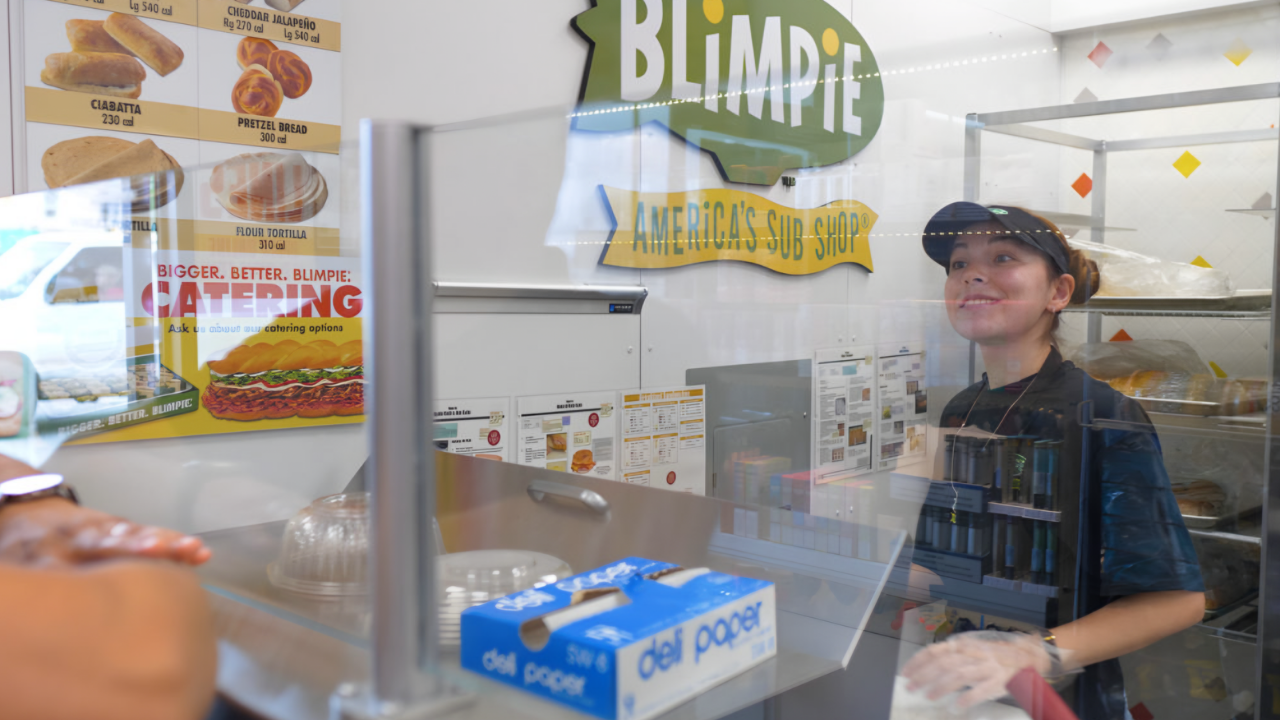
Blimpie’s story is largely accurate as a tale of rapid rise and long, uneven decline, but several of the most specific numbers and comparisons are better treated as estimates rather than hard, fully documented facts. External data strongly support the idea that the chain shrank from a peak near 2,000 locations to roughly 95 active U.S. stores by 2025, leaving it a small, regional player rather than a true national brand.
What the headline gets right
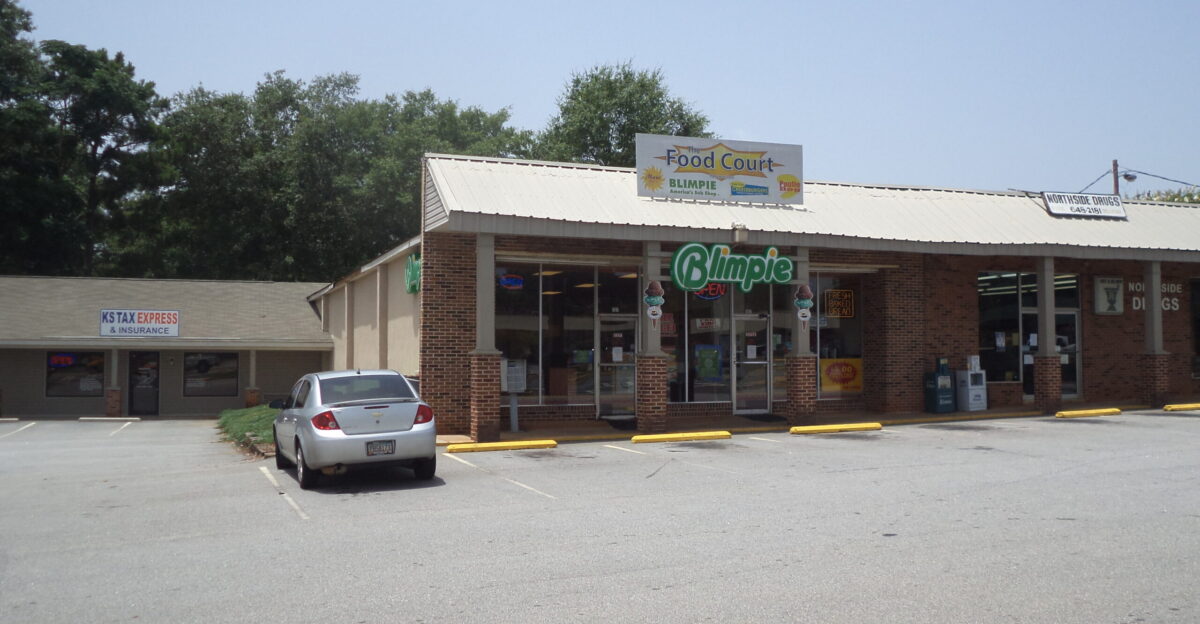
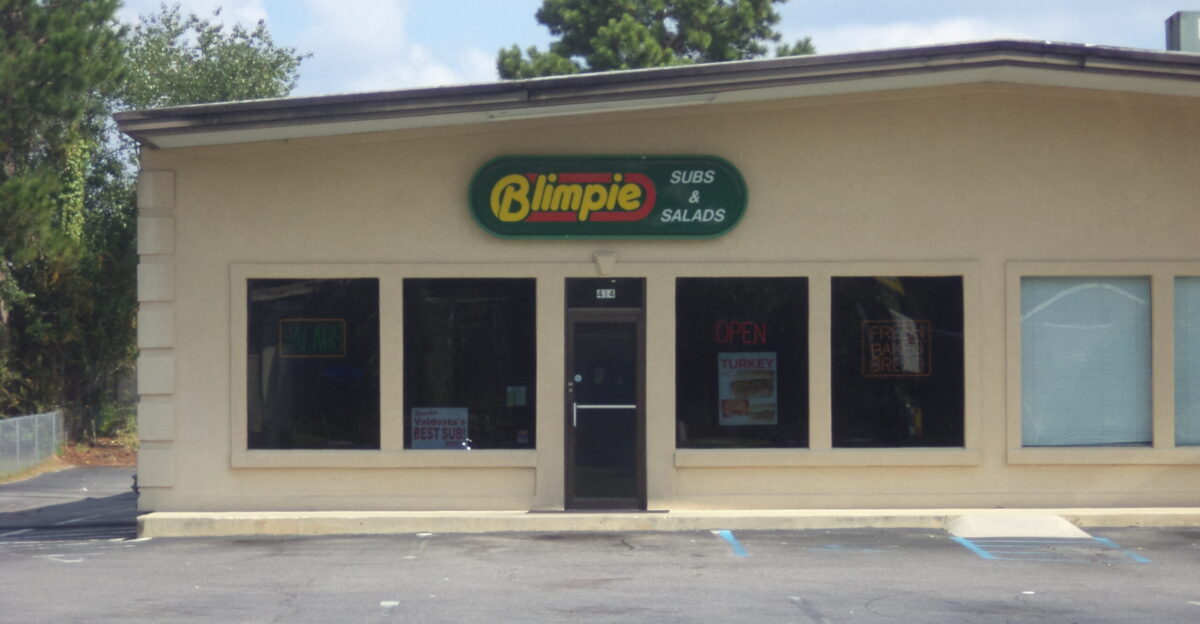
Industry reports and location databases show that Blimpie now operates around 95–96 U.S. locations, which backs up the claim that there are about 95 stores left and that the brand is near extinction in national terms. Multiple outlets also agree that the chain once reached roughly 2,000 units, meaning a loss of nearly 95% of its footprint over time is a reasonable, if rounded, way to describe its long‑term collapse.
Those same reports describe Blimpie as a former major competitor that has quietly closed almost 2,000 shops, which aligns with the article’s framing of a slow fade rather than a single dramatic shutdown. Taken together, this outside evidence supports the core headline message: a onetime national sandwich contender has become a marginal player with only a small fraction of its peak presence remaining.
What the history and ownership claims get right
The basic origin story is well supported: Blimpie was founded in Hoboken, New Jersey, in 1964 by Tony Conza, Peter DeCarlo, and Angelo Baldassare after they were inspired by a Point Pleasant shop that later evolved into Jersey Mike’s. References also confirm that early success led to franchising and that Conza later experimented with concepts like the Border Café Mexican restaurants in New York, which distracted from the core sandwich business and ultimately failed.
Sources back the idea that Blimpie expanded from a few hundred locations in the late 1980s to around 2,000 by the late 1990s, helped by a heavy push into “non‑traditional” sites such as convenience stores, campuses, and hospitals. Reporting further supports the timeline that Conza sold the company for about $25.7 million in 2001 and that Kahala Brands acquired Blimpie in 2006, after which the chain continued to close large numbers of stores.
Where the numbers become less certain
Outside coverage clearly supports the idea that Blimpie franchisees have faced unusually high Small Business Administration loan default rates compared with many other restaurant brands. Rankings of “worst franchises by SBA loan performance” consistently place Blimpie near the top of the high‑risk list, reinforcing the article’s broader point that many operators struggled financially.
However, the very specific claim that “46% of franchisees who took SBA loans defaulted between 2001 and 2015, the highest among major sandwich chains,” as well as the exact comparison percentages given for Jersey Mike’s and Jimmy John’s, go beyond what public quantitative tables clearly document and are best treated as directionally plausible but not fully confirmed.
Similarly, while sources agree that Border Café lost money and contributed to a financial crisis at Blimpie, they do not all provide identical dollar figures for that loss. The article’s precise internal loss number for Border Café and some exact closure totals appear more granular than the data available in public reporting, even though they broadly match the narrative of missteps and financial strain. In these cases, the safest approach is to present the figures as estimates or to emphasize the trend, heavy losses, many closures, high default risk, rather than treat the numbers as exact.
Present footprint, competition, and technology gaps
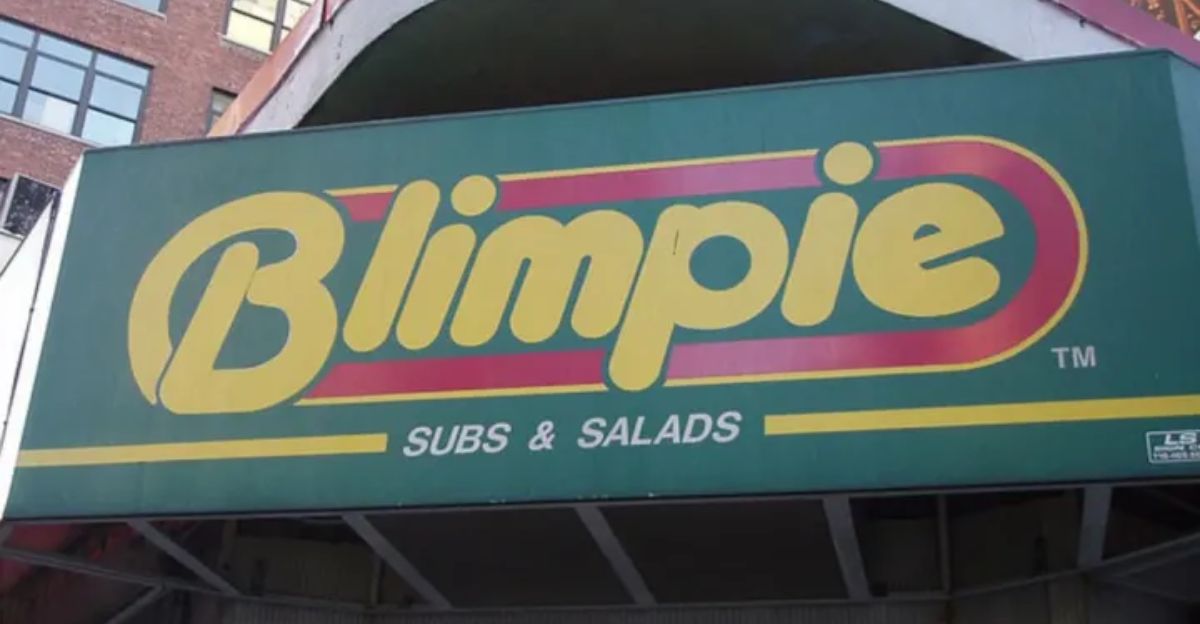
Contemporary location trackers and recent feature stories agree that, as of 2025, Blimpie has about 95–100 open U.S. locations, with especially high concentrations in New Jersey and Georgia and scattered stores in a limited set of other states. These sources describe the chain’s presence as “few and far between,” confirming that it no longer functions as a truly national brand. This pattern supports the article’s argument that Blimpie has effectively retreated into a small, regional footprint while rivals like Subway, Jersey Mike’s, and Jimmy John’s have continued to expand.
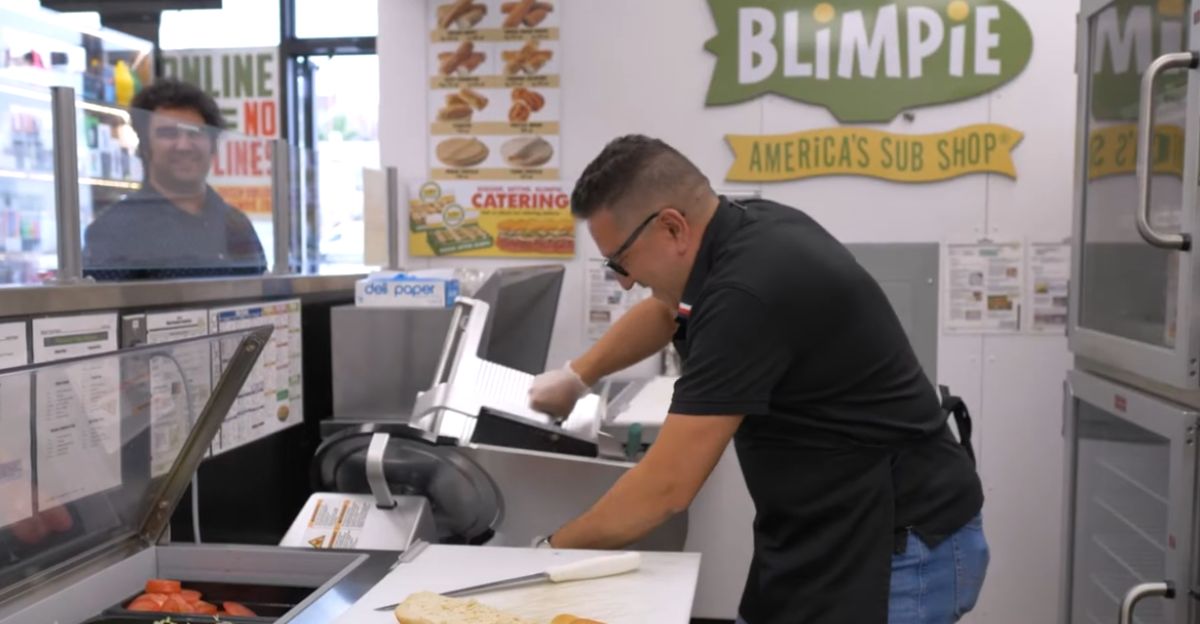
Industry coverage also backs the qualitative claim that Blimpie fell behind on technology, branding, and digital engagement just as competitors poured money into mobile ordering, loyalty apps, and social media. Articles contrasting Blimpie with Jersey Mike’s often highlight that Jersey Mike’s invested heavily in digital infrastructure and marketing while Blimpie’s online presence remained modest, reinforcing the story’s emphasis on technology and marketing as key pressure points in the brand’s decline.
Sources
MTY Food Group Acquires Kahala Brands. Food Business News, 2016
Why a once-dominant sandwich chain all but disappeared. TheStreet, 2025
The Decline of Blimpie…What Happened?. Company Man, YouTube, August 14, 2024
Blimpie International, Inc. Company History and Evolution. Wikipedia, 2024
Blimpie Franchise Complaints. Unhappy Franchisee Database, 2024