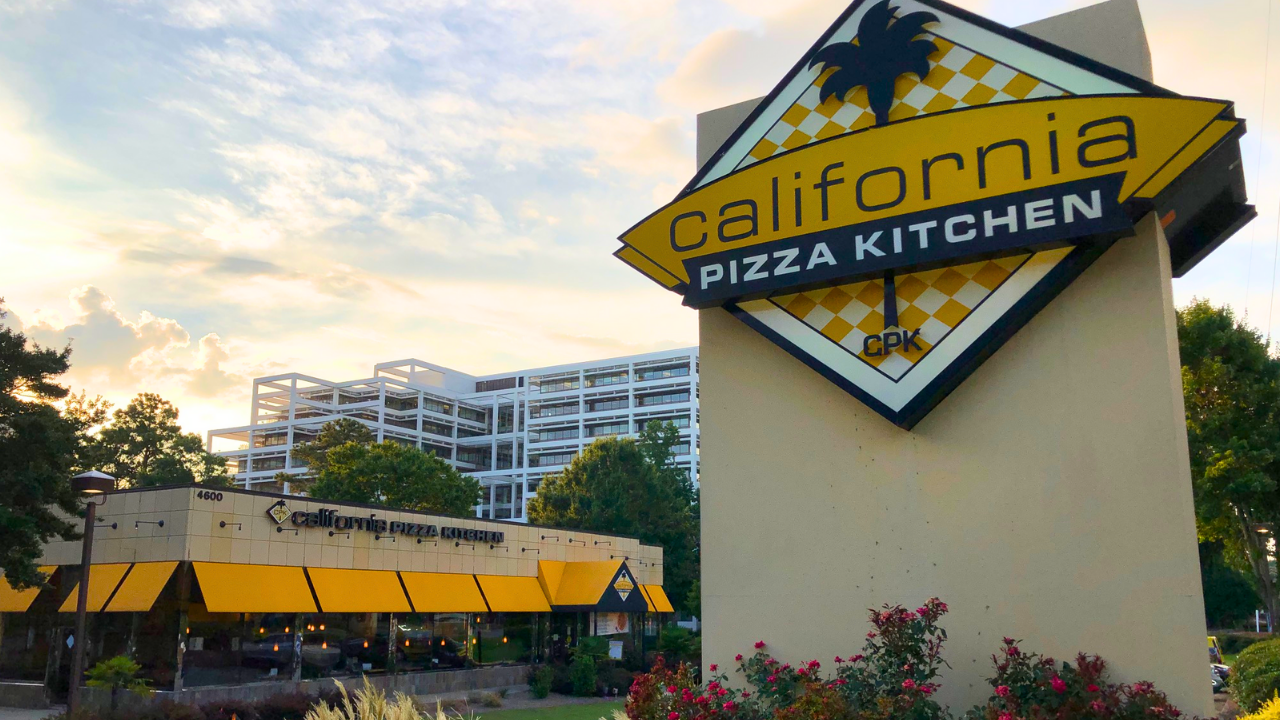
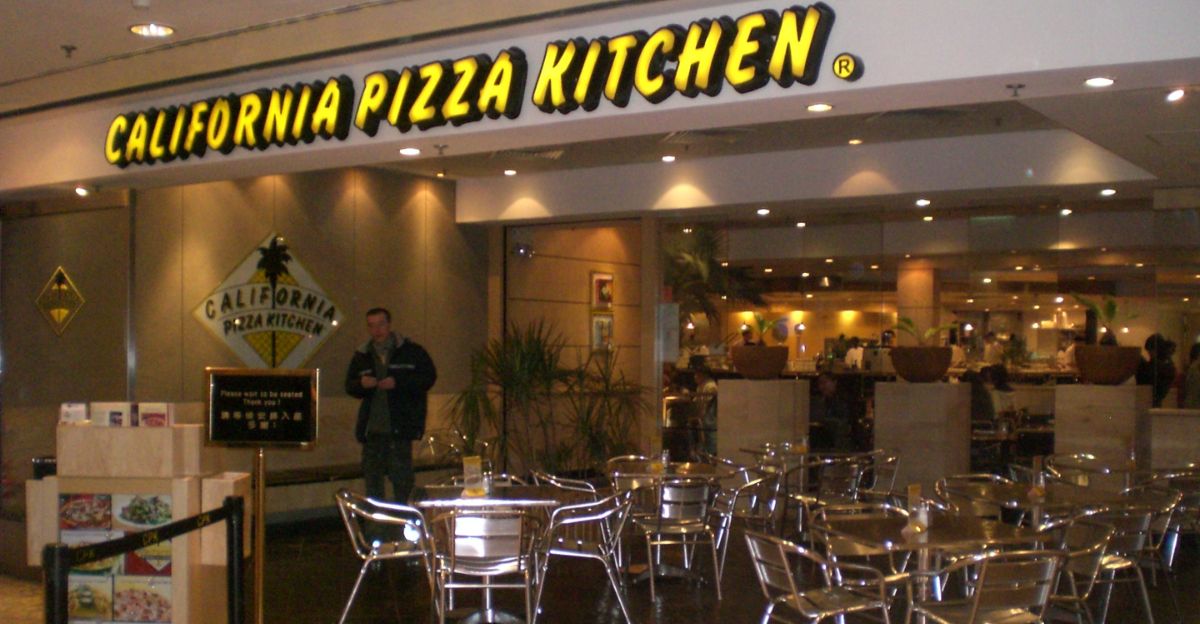
Flashes of camera light reflected off the polished CPK signage as workers unlocked the doors for what felt like a normal morning—until news broke that the entire chain had just been sold for under $300 million. Inside, servers moved between tables while managers checked inventory, unaware that nearly 200 locations now faced an uncertain future under new ownership. The deal, signed on November 20, 2025, landed like a sudden shockwave across the casual dining world.
But the forces that pushed a 40-year-old brand to this moment run far deeper than the sale itself.
Why It Happened: Pandemic Debt And A Brand Outgrown By Its Restaurants
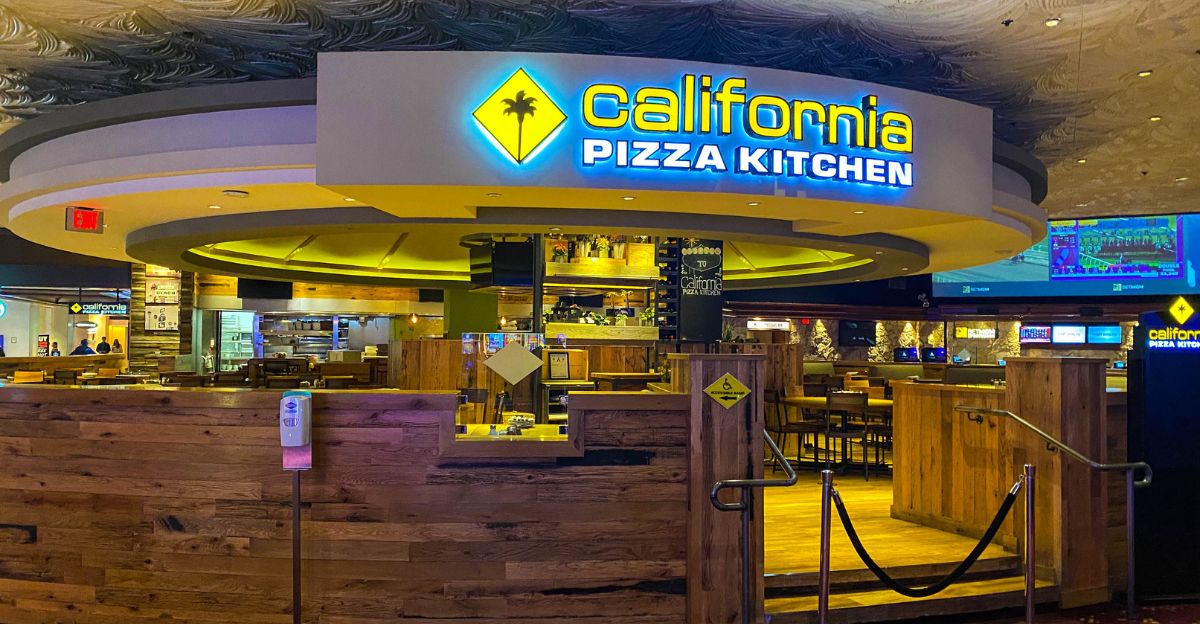
CPK’s path to a sub-$300M sale began long before the pandemic. A heavy debt load from its former private-equity owner left the chain vulnerable, and when COVID-19 hit, mall-based locations lost most foot traffic. The July 2020 bankruptcy reduced debt but didn’t revive the business.
By 2025, lenders had held the company for exactly five years and were ready to exit. As the brand’s value shifted toward retail partnerships, the restaurant footprint became increasingly difficult to justify.
Consumer Impact: Menu Changes And Pricing Pressure Ahead
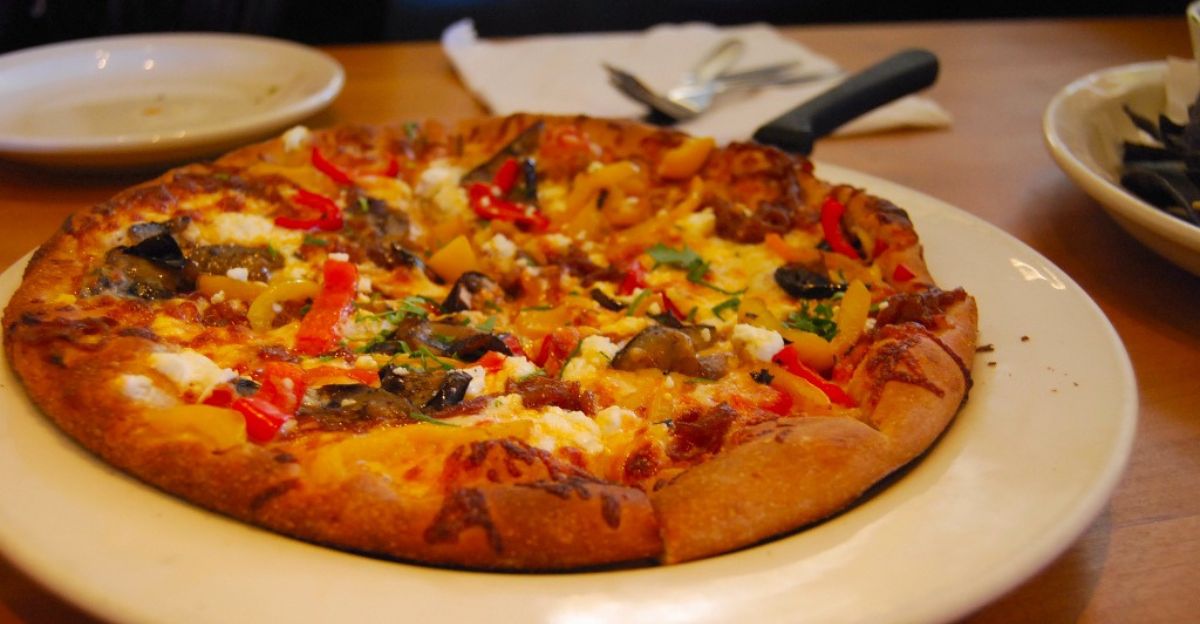
Under Consortium Brand Partners—whose portfolio includes Outdoor Voices, Draper James, and Jonathan Adler—CPK customers should expect strategy shifts. Historically, new owners streamline menus, alter promotions, or shutter underperforming stores.
With nearly 200 locations, a mix of corporate and franchise, some markets may lose dine-in access altogether. Meanwhile, CPK’s grocery presence through Nestlé and Litehouse could expand, raising the possibility that the future “California Pizza Kitchen experience” is more freezer-aisle than restaurant-based.
Industry Shockwaves: Another Domino Falls In Pizza-Chain Consolidation
CPK’s sale is part of a wider industry upheaval. Investment firms are circling Papa John’s, Pizza Hut is being evaluated for a potential sale by Yum Brands, and the broader casual-dining sector faces mounting pressures.
This convergence points to an industry-wide reset rather than isolated dealmaking. Eldridge’s Convive Brands, already operating Le Pain Quotidien and The Little Beet, enters this environment positioned to optimize distressed restaurant concepts at scale.
Delivery-Side Dominance: Why Dine-In Chains Keep Losing Ground
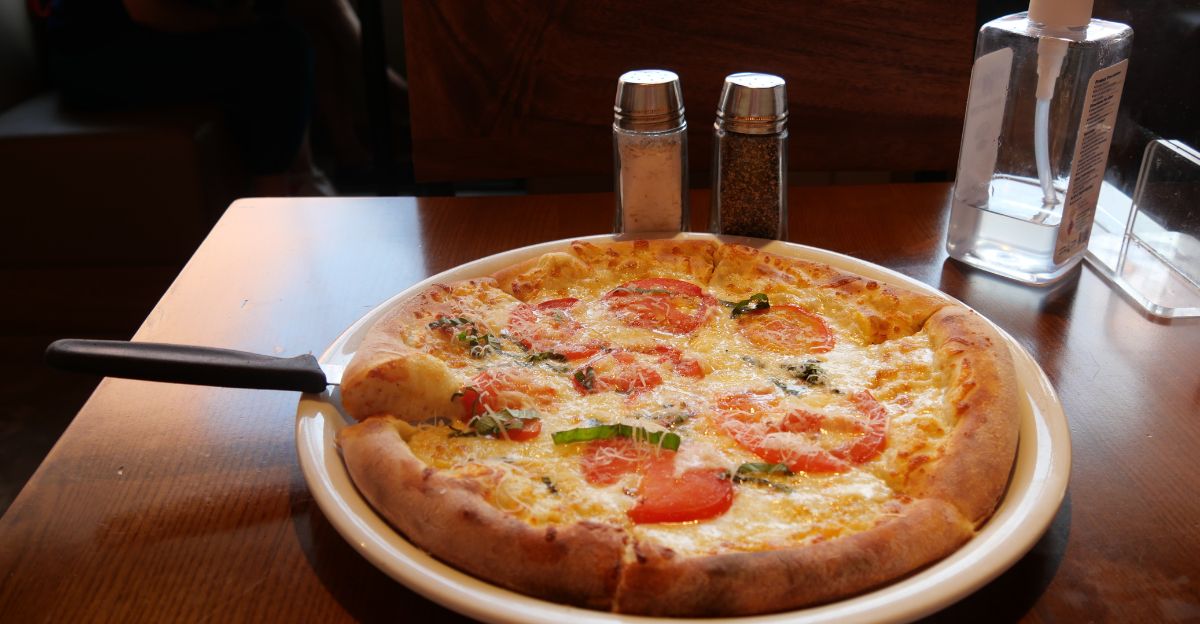
Over the last decade, off-premises dining reshaped the restaurant business. Delivery-first competitors—Domino’s, Papa John’s, regional fast-casual pizza chains—built systems designed for speed, consistency, and transportability. CPK never fully adapted; its wood-fired, ingredient-forward menu didn’t travel well, and dine-in reliance became a liability.
Meanwhile, virtual brands and ghost kitchens required neither real estate nor large staffing, giving them cost advantages. As retail partnerships flourished, CPK’s restaurant operations increasingly looked like the weaker side of its business.
Global Implications: Franchise Markets And Retail Expansion Abroad
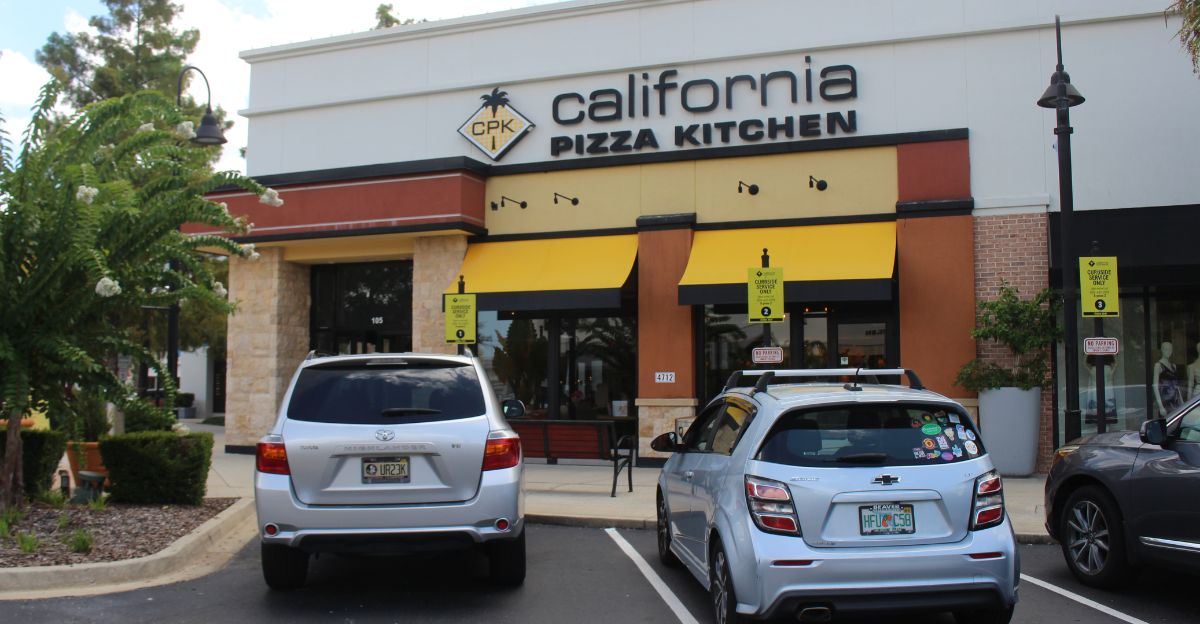
The new ownership structure positions CPK for selective global growth. Consortium Brand Partners’ consumer-brand reach and Eldridge’s international investment footprint could accelerate franchise expansion in Asia-Pacific markets where Western casual dining retains appeal.
Conversely, supply chain pressures remain real—higher ingredient costs and logistics volatility may force CPK to localize menus abroad. Retail expansion through Nestlé offers a more scalable global path, suggesting that the next phase of international growth may prioritize grocery-store presence over restaurant openings.
Human Impact: Employment Transitions And Operational Changes
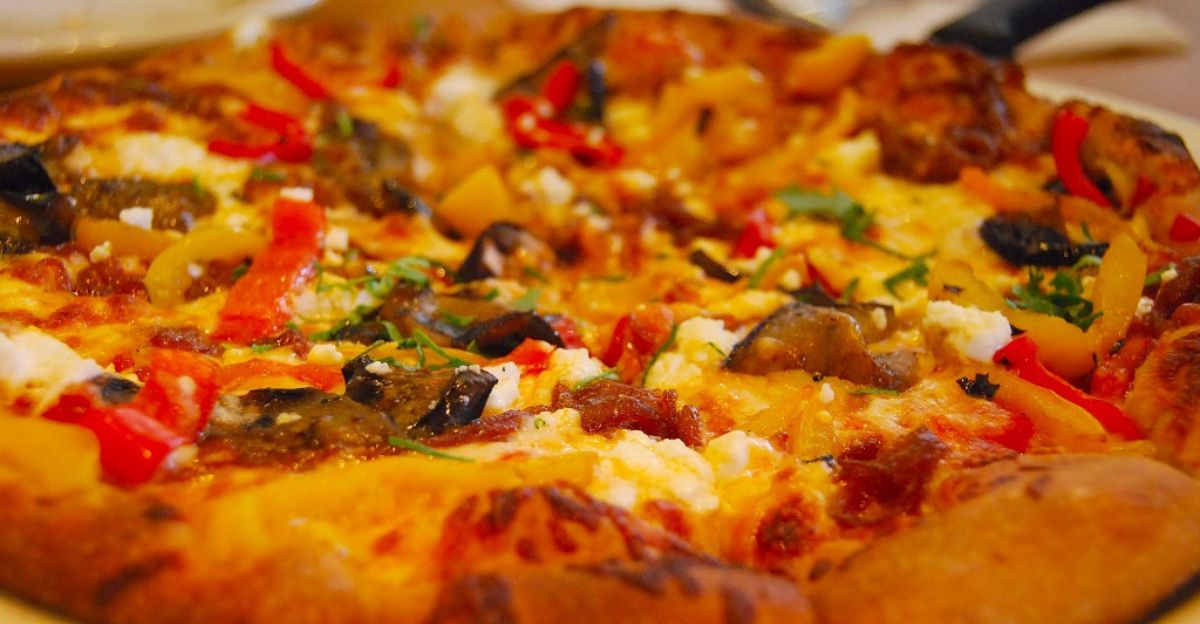
With nearly 200 locations and typical staffing levels of 15–25 employees each, thousands of workers face potential transitions. Convive Brands’ operational playbook includes consolidating management layers, standardizing kitchen workflows, and controlling labor costs—steps that often result in staffing adjustments.
Franchisees, many of whom run small portfolios, may also face pressure to remodel, renegotiate leases, or convert locations. For employees already affected by pandemic-era changes, the transition underscores the ongoing challenges in casual dining employment.
Regulatory Scrutiny: Labor, Closures, And Consolidation Questions
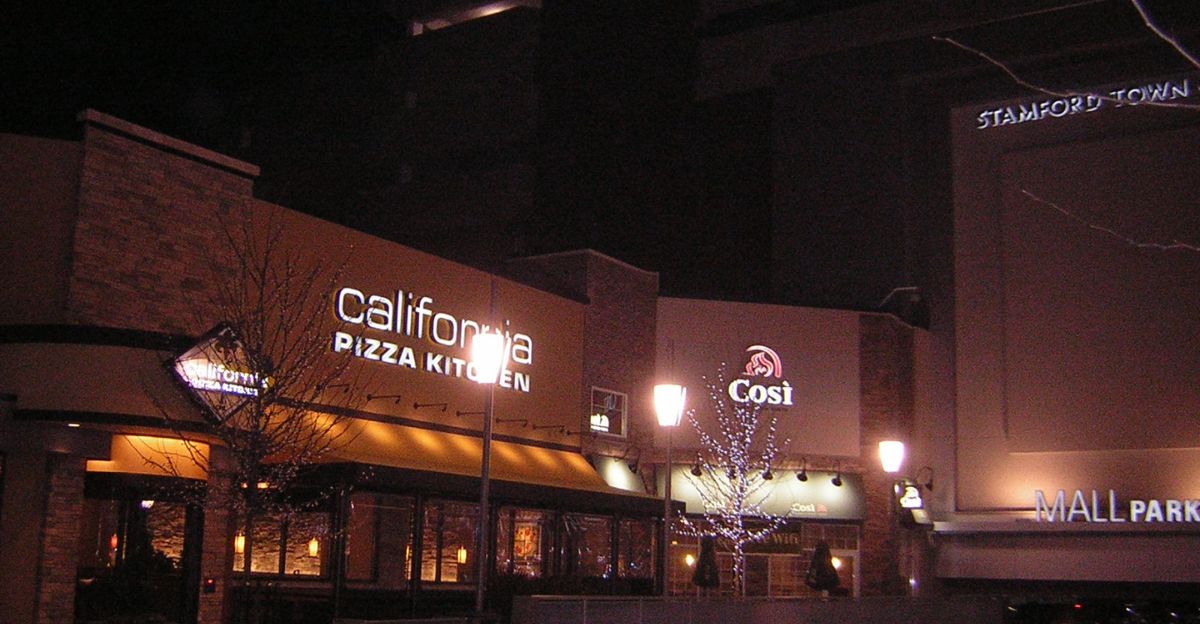
While the acquisition isn’t likely to trigger major antitrust concerns, labor and local-market effects will draw attention. California—CPK’s home state—has strengthened wage laws and may monitor outcomes if closures cluster in vulnerable communities.
Worker advocacy groups could engage with staffing adjustments at corporate locations. Broader consolidation in the pizza-chain category may push regulators to examine whether private-equity and lender ownership models create stability challenges for food-service workers and small franchise operators.
Economic Pressures: Real Estate, Inflation, And Margin Compression
Even with strong brand equity, CPK faces the same inflationary headwinds battering the rest of casual dining. Real estate costs have climbed significantly since 2020, compressing already-thin restaurant margins. Rising wages, utilities, and food costs make it harder for large dine-in chains to stay profitable.
Eldridge and Convive may employ cost-cutting measures—menu simplification, tech-driven labor efficiency, or location consolidation—to stabilize operating margins across a network that no longer aligns with modern consumption habits.
Retail Strategy: The Brand Is Worth More Than The Restaurants
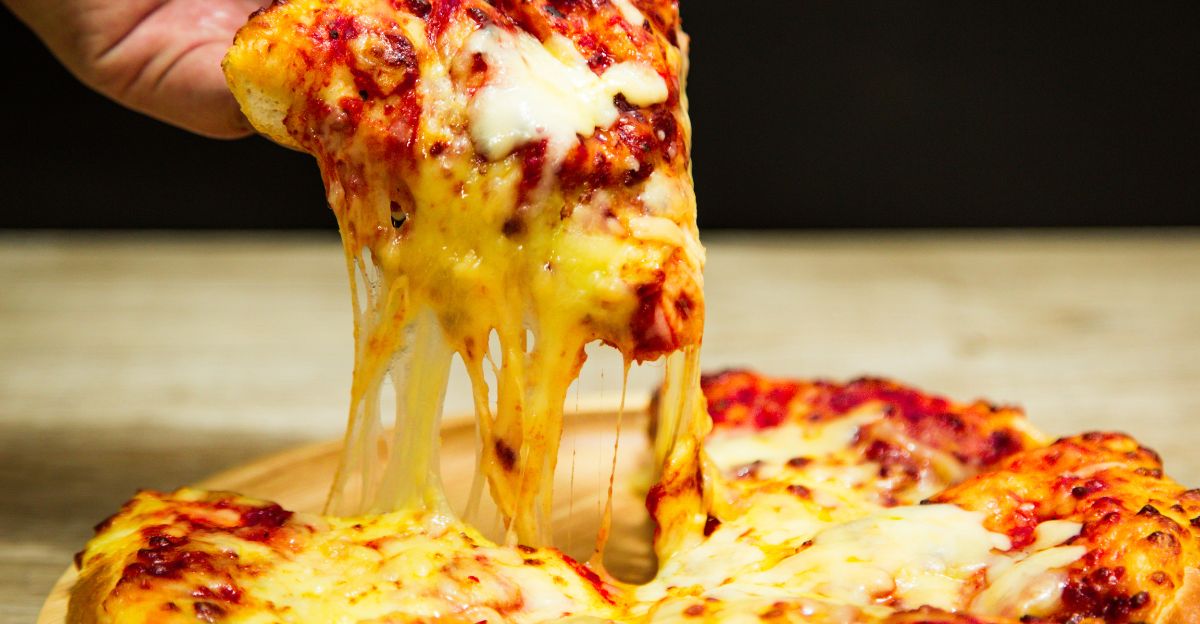
CPK’s retail partnerships with Nestlé (frozen pizzas nationwide) and Litehouse (CPK-branded salad dressings) represent one of its strongest revenue engines. While specific revenue figures vary, retail’s scalability and stability are increasingly attractive to new ownership.
Grocery retailers such as Target, Walmart, and Kroger may expand CPK’s shelf presence. New ownership will likely prioritize retail growth, treating restaurants as brand showcases rather than primary revenue centers.
Sector Shift: Big Operators Get Bigger—Smaller Ones Get Squeezed
The CPK transaction reinforces a trend: small and mid-sized restaurant groups face mounting pressure, while larger multi-brand operators consolidate distressed assets. Companies like Eldridge’s Convive Brands can spread technology, procurement, and administrative costs across multiple concepts.
Independent pizzerias and regional competitors might benefit, gaining market share as consumers shift toward local authenticity. But at the national level, consolidation means fewer distinct options and more standardized experiences across chains.
Supply Chain Ripples: Winners And Losers Beyond Restaurants
Changes to CPK’s restaurant footprint will directly impact suppliers. Closing or downsizing stores will reduce purchases of produce, flour, cheese, and specialty ingredients from agricultural partners. Packaging companies supplying pizza boxes and containers will feel similar reductions.
However, if retail frozen-pizza production grows, demand will shift toward industrial packaging, cold-chain logistics, and large-scale manufacturing inputs. The reallocation mirrors the broader U.S. trend away from dine-in distribution and toward consumer packaged goods.
Global Consumer Impact: Casual Dining Models Shift Worldwide
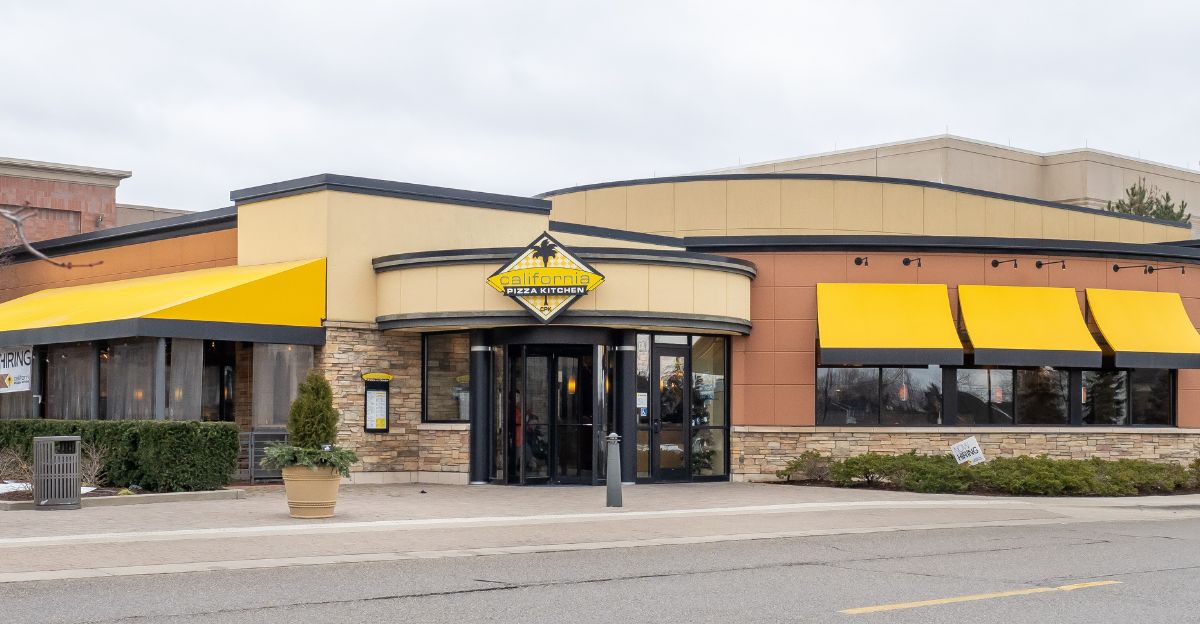
The pressures facing CPK aren’t unique to the United States. Across Europe, Asia, and Latin America, casual dining chains face labor shortages, real estate constraints, and delivery-driven competition.
International CPK locations may see standardized menus or increased price sensitivity, while franchise markets consider whether new investments make sense in the current environment. Yet thanks to grocery-store licensing via Nestlé and Litehouse, CPK’s global brand remains accessible even if restaurant growth slows or retreats.
Health Trends: Consumers Move Toward Lighter, Transparent Options
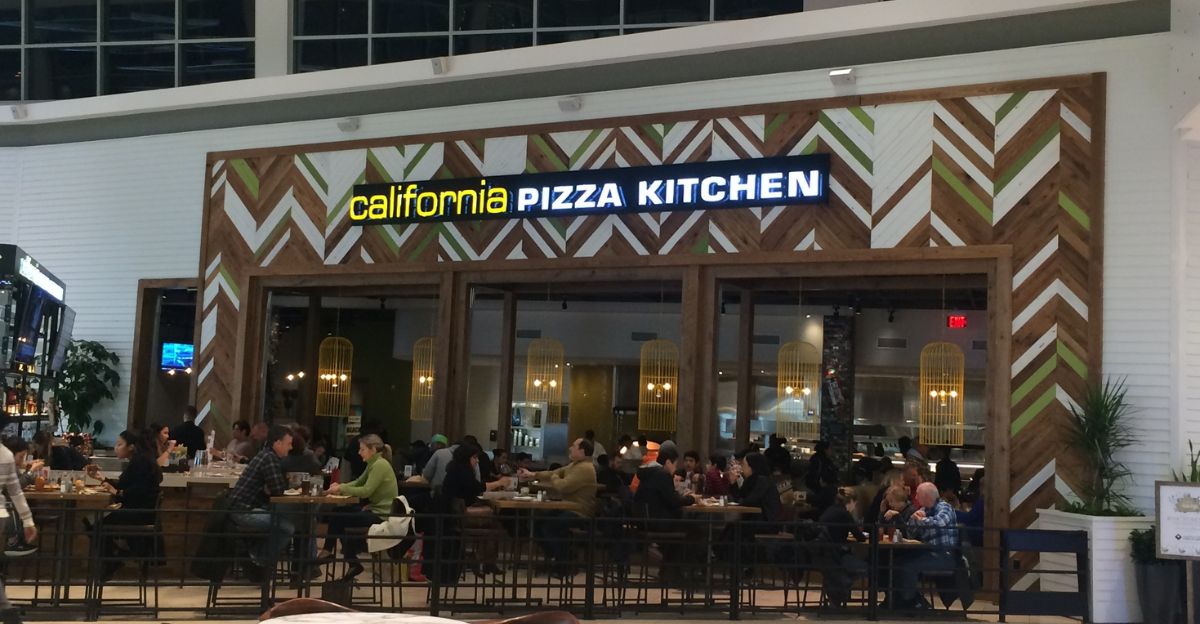
Changing consumer preferences also played a role in CPK’s declining restaurant traffic. Health-forward fast-casual concepts capture younger diners seeking fresh ingredients and transparency. CPK’s classic offerings, while iconic, are heavier and more calorie-dense.
New ownership may pivot toward updated menu items, smaller portions, or ingredient-focused storytelling. But the broader shift is unmistakable: casual dining must evolve or risk losing relevance to faster, customization-driven competitors.
Cultural And Environmental Questions: A Legacy Brand At A Crossroads

CPK’s identity as a pioneer of California cuisine is part of its cultural weight, yet mall-based closures and corporate transitions threaten that legacy. Environmental concerns are rising too: energy-intensive ovens, packaging waste, and underutilized real estate are under greater scrutiny.
As sustainability expectations increase, CPK must modernize its supply chain, waste-reduction strategies, and energy use. Meanwhile, long-time fans may worry that new ownership will dilute the brand’s original spirit in pursuit of efficiency.
Winners And Losers: Who Gains From The Sale?
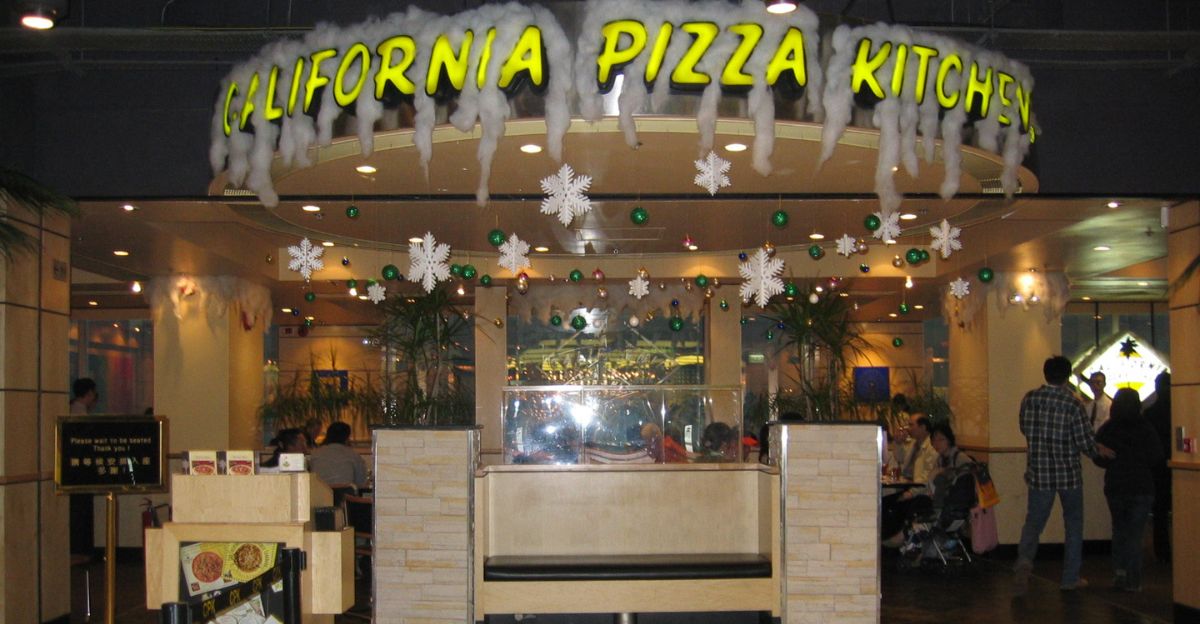
Winners: Consortium Brand Partners gains a recognizable legacy brand at a bargain valuation. Eldridge’s Convive Brands expands its restaurant portfolio. Nestlé and Litehouse stand to grow retail distribution. Delivery platforms and ghost-kitchen operators benefit from any dine-in weakness.
Losers: Franchisees face uncertainty. Employees face employment transitions. Agricultural suppliers lose volume. Casual dining investors confront compressed valuations. For many communities, losing a local CPK means losing a familiar family gathering spot.
Investor Outlook: A Warning Sign For Casual Dining Valuations
CPK’s sub-$300 million valuation signals to investors that full-service dining may have reached a breaking point. Private equity firms now treat restaurant chains as distressed assets requiring operational triage rather than expansion. Mall-based brands may face the harshest corrections.
Meanwhile, delivery-driven companies and retail-oriented brands may enjoy valuation premiums. Commercial real estate investors should also pay attention: widespread casual dining retrenchment could accelerate vacancy issues in aging shopping centers.
Consumer Takeaways: What Diners Should Expect Next

CPK customers should brace for menu updates, potential closures, and shifts toward delivery-friendly items. Some dine-in locations may remodel or shrink to smaller formats. Prices may rise as inflation and restructuring take hold.
For workers, the moment highlights the need to explore opportunities in growing segments like fast-casual or prepared-food retail. For franchise operators, renegotiating leases and diversifying revenue will be key to survival in an environment where casual dining economics are fundamentally changing.
What’s Next: CPK’s Hybrid Future—Retail, Flagships, And Selective Dining

Experts anticipate that CPK’s next chapter will involve a hybrid model: flagship dine-in restaurants in dense urban markets paired with broad retail distribution and delivery-friendly satellite formats. Eldridge’s Convive Brands will likely push operational efficiencies, technology upgrades, and standardized processes.
At the industry level, consolidation will continue, creating a landscape dominated by fewer, larger players while independent pizzerias pick up demand from consumers craving authenticity and community-rooted dining.
Final Synthesis: One Sale Signals A Sector In Transformation
California Pizza Kitchen’s acquisition for under $300 million is more than a corporate milestone—it’s a symbol of a sector undergoing structural transformation. Debt, pandemic disruption, shifting tastes, and rising costs all converged to reshape a 40-year-old legacy brand.
The ripple effects extend through supply chains, workers, investors, franchisees, and global consumers. As CPK repositions around brand value and retail partnerships, the broader message becomes clear: the casual dining model of the past is fading, and its replacement is still being defined.