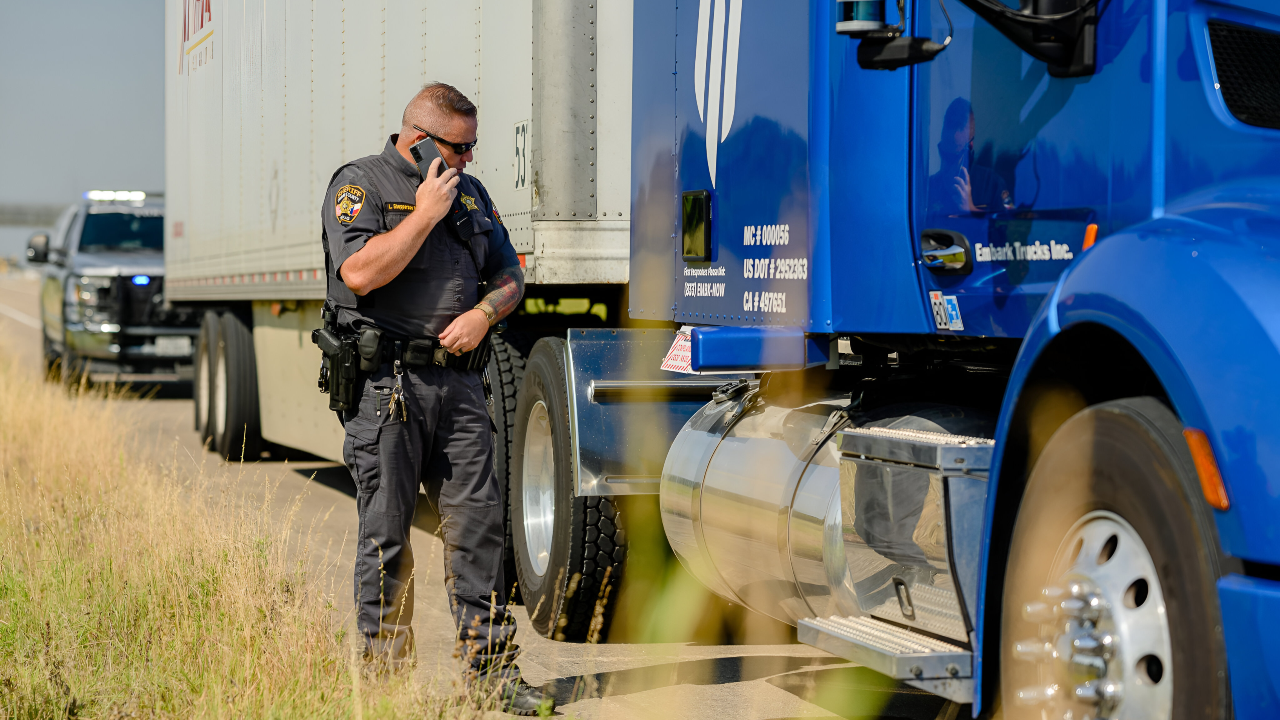
Cargo theft has erupted into a national crisis, costing the U.S. economy roughly $35 billion per year, about $96 million daily. Criminal networks use identity fraud and cyber tactics to reroute and steal whole truckloads without a trace.
This watershed event is more than isolated heists; it’s a systemic shock spreading disruptions from ports to retail shelves across the country.
Organized Crime and Tech Gaps Drive the Surge
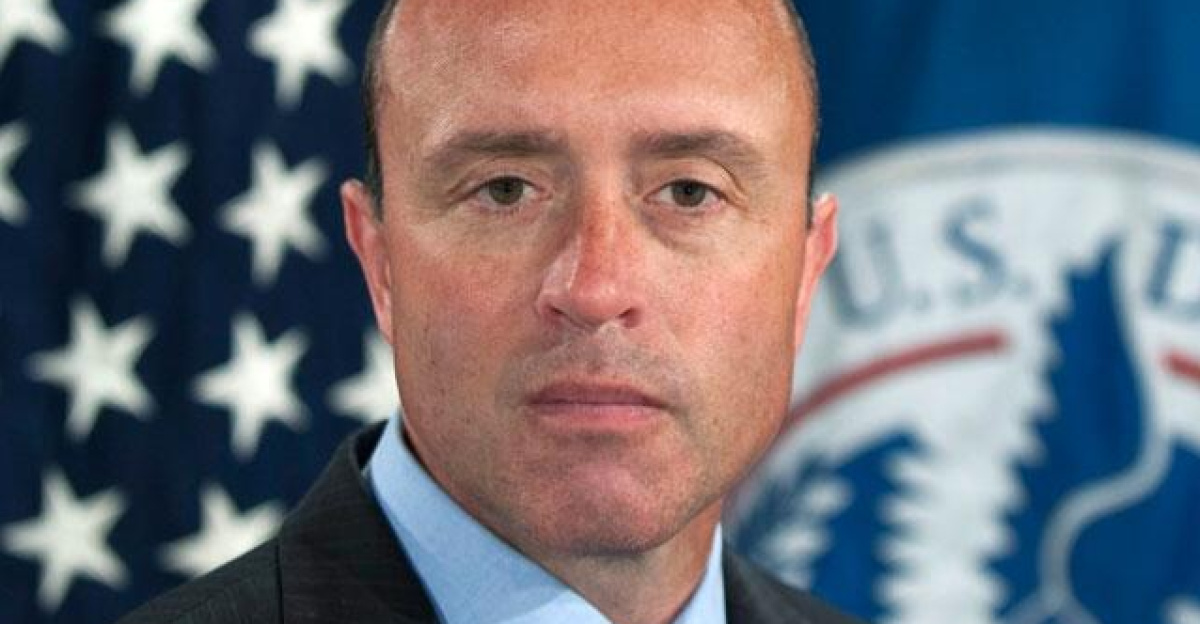
The surge stems from a potent mix: clandestine criminal networks exploiting logistical weak spots. In 2024, industry trackers logged about 65,000 cargo-theft events (a 40% jump from 2023). The National Insurance Crime Bureau reports losses were up 27% in 2024 and predicts another 22% rise in 2025.
As NICB CEO David Glawe warns, criminals leverage “weaknesses in common-use business technologies” (like VoIP and GPS) to reroute high-value goods before anyone notices.
Consumers Bearing the Cost
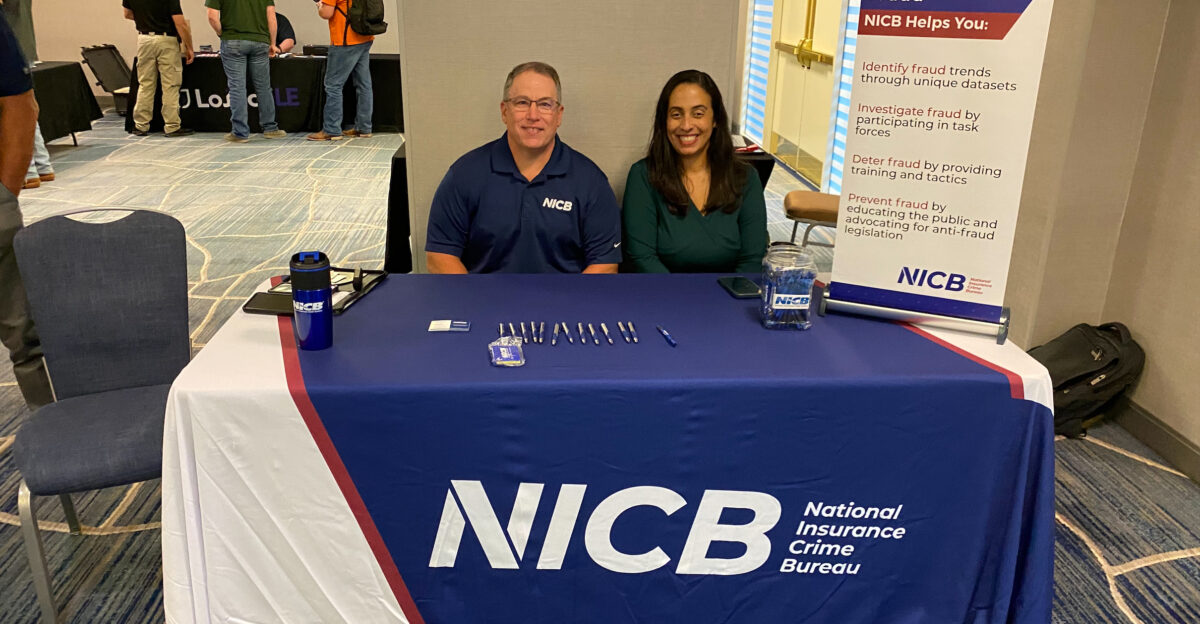
Consumers are already feeling the pinch. When theft forces manufacturers and retailers to replace lost inventory, those costs trickle down in higher prices. “When manufacturers are forced to account for stolen merchandise, the costs are passed along to the consumer,” NICB’s Glawe observes.
ATRI research concurs: the trucking industry’s president notes that cargo theft “has become a standard cost of doing business,” with customers ultimately “footing the bill” for these multi-billion-dollar losses.
Brands and Retailers Face Supply Crunch
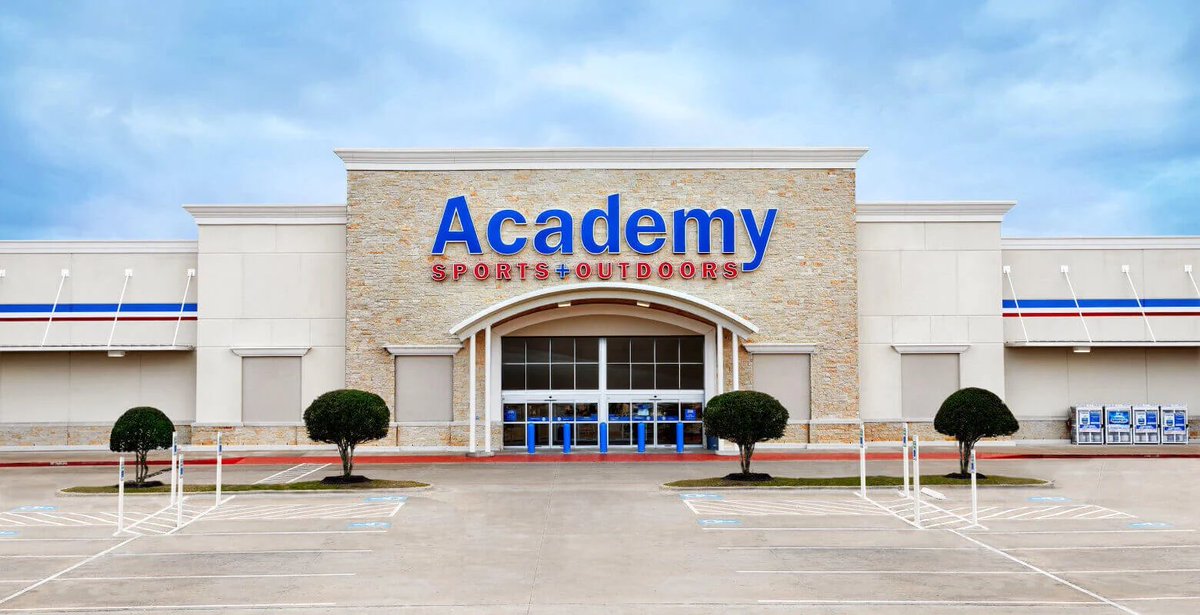
Meanwhile, major companies are scrambling over missing shipments. Shippers like Academy Sports + Outdoors have been forced to reposition seasonal inventory at premium rates, eroding profit margins and leaving shelves bare.
Rail carriers report spending heavily on yard security after thieves slow trains and offload containers in minutes. Fast-food and retail chains face similar headaches: delayed shipments of ingredients or merchandise force last-minute substitutions.
Market Shifts: Substitutes and New Demand
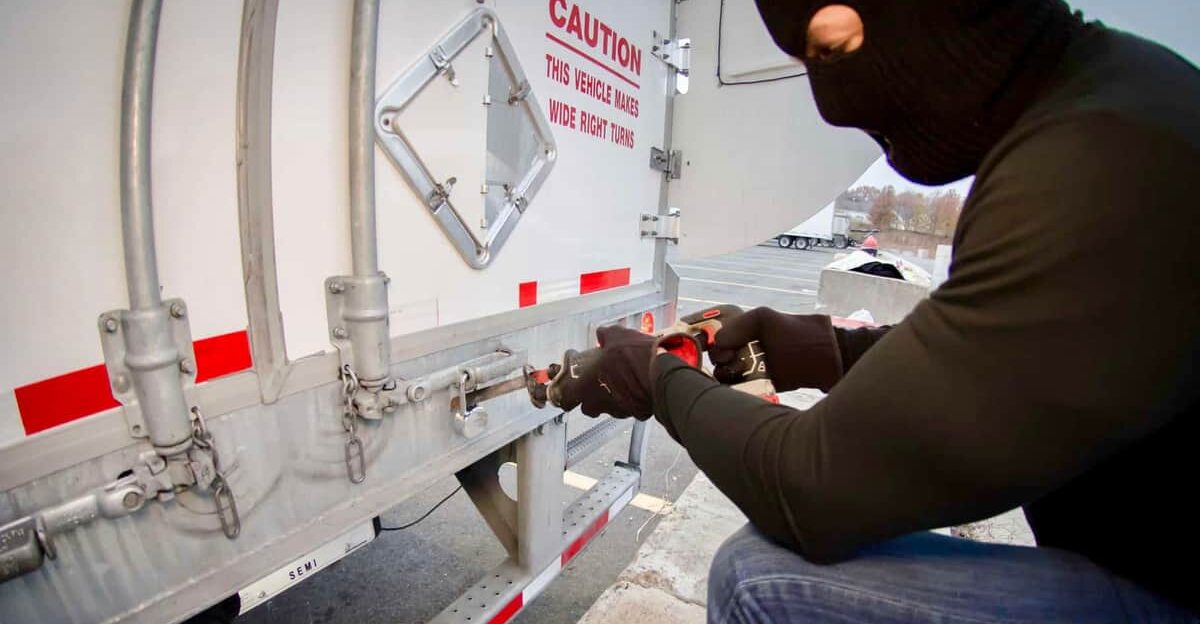
As targeted goods vanish, consumer demand shifts to substitutes and adjacent products. For example, food and beverage items were the #1 theft targets in 2024 (making up 22% of incidents).
That scarcity has pushed buyers toward alternatives, reshaping sales patterns. In practice, one sector’s loss becomes another’s gain: retailers rush to stock backup supplies, and distributors of substitute products see unexpected sales spikes.
Ports and Trade Routes Jammed by Thefts

Key transport hubs have become battlegrounds. The Los Angeles–Inland Empire (California) region—home to the nation’s busiest ports and warehouses—now accounts for roughly one-third of U.S. cargo-theft incidents.
The Texas Triangle (Houston–Dallas corridors) and the Memphis intermodal gateway (adjacent to the world’s top cargo airport) are also hot spots.
Drivers and Small Businesses on the Brink

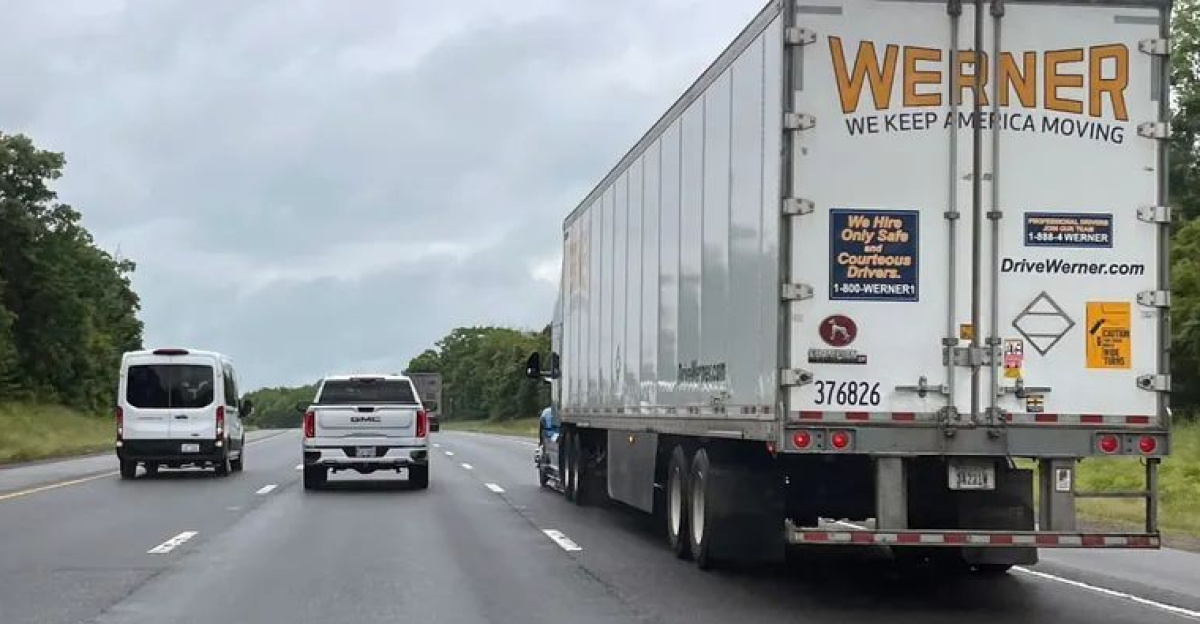
On the ground, truck drivers and small firms are hit hardest. Owner-operators warn that “a single six-figure loss can wipe out a family trucking business overnight”. With average cargo theft losses exceeding $520,000 per carrier each year, many independent drivers live month-to-month.
Even highway patrol officers note the unease: “People obviously are driving the freeways and … no one really knows if that is a stolen load that they’re driving next to”.
Lawmakers Push for Federal Action
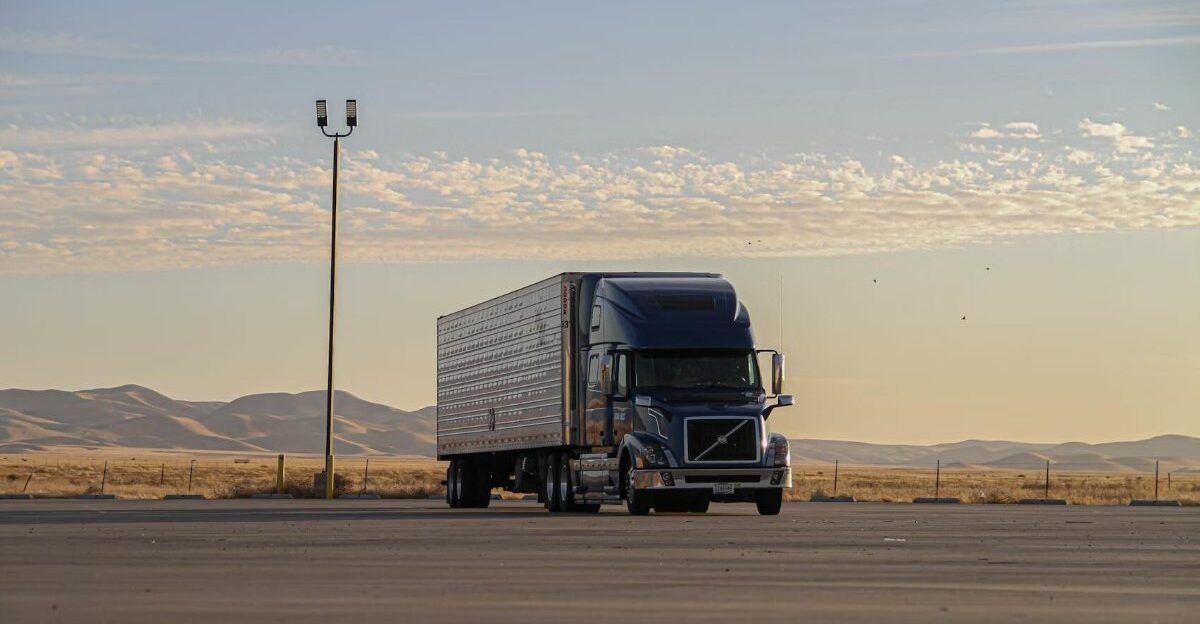
Pressure is mounting for a coordinated policy. In June 2024, the U.S. House introduced the Safeguarding Our Supply Chains Act to establish a federal Supply Chain Crime Coordination Center under DHS. In summer 2025, Congress held high-profile hearings (dubbed “Grand Theft Cargo”) and NICB leaders testified on the threat.
Legislators are now debating bipartisan bills: proposals include funding dedicated cargo-crime prosecutors, mandating biometric carrier registrations, and strengthening interstate theft penalties.
Rising Insurance Premiums and Inflation

The cargo theft toll ripples through the economy. Insurers have already raised premiums 12–18% on high-risk routes, especially through Southern California and Texas. The Council of Supply Chain Professionals estimates each stolen truckload adds 0.03–0.05 basis points to consumer inflation in that category.
ATRI quantifies the industry-wide hit: roughly $6.6 billion per year lost, or about $18 million per day.
Retailers Ramp Up Security
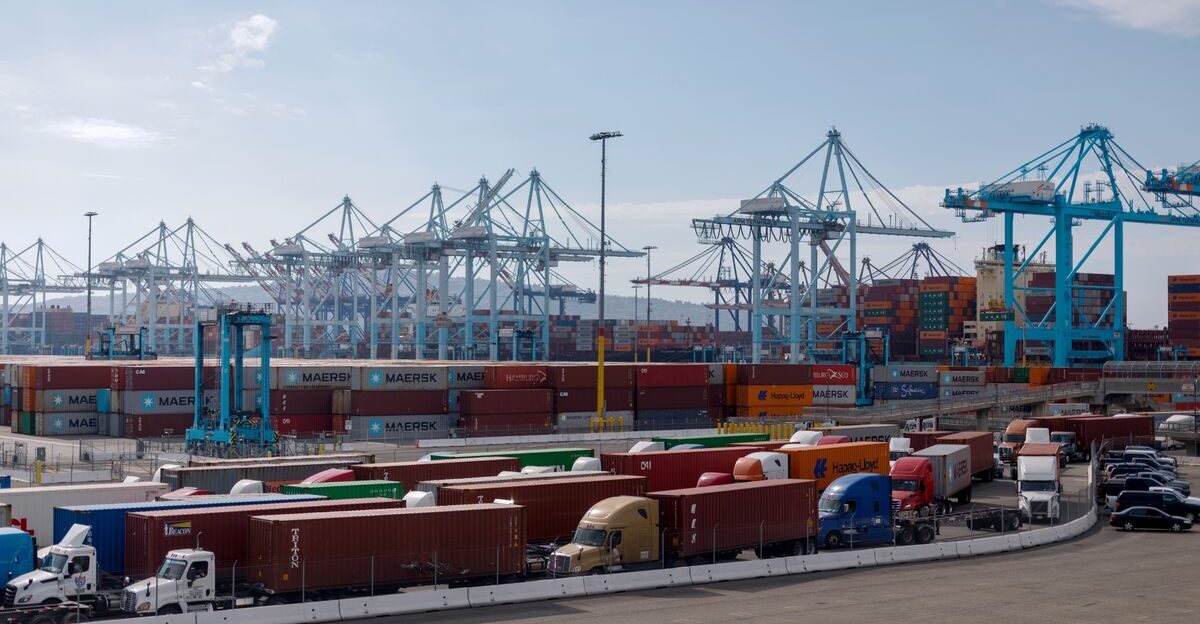
Retailers and shippers are fighting back with technology and protocols. Major companies now embed GPS/GSM trackers in high-value goods and require biometric ID checks before loading. For example, Academy Sports + Outdoors set up real-time geofence alerts to stop fraudulent pickups.
Some firms are even shifting to blockchain-based chain-of-custody records after losing a six-figure shipment. However, these safeguards add cost: boards report that inventory is moved more slowly, and supply chains require extra vetting steps.
Restaurant and Hospitality Sector Adapts

The knock-on effect reaches restaurants and hotels. With thefts of items like meat, produce, and beverages on the rise, some chains have had to revise menus or reduce hours. In 2024, food and beverage cargo was the most-targeted category (22% of theft incidents).
For instance, a shortage of stolen dairy or liquor shipments forces eateries to find alternative ingredients or cut special offerings. Industry insiders report emergency sourcing or price hikes on staple items, and some franchise locations are temporarily shut to avoid losses.
Knock-On Effects in Related Industries
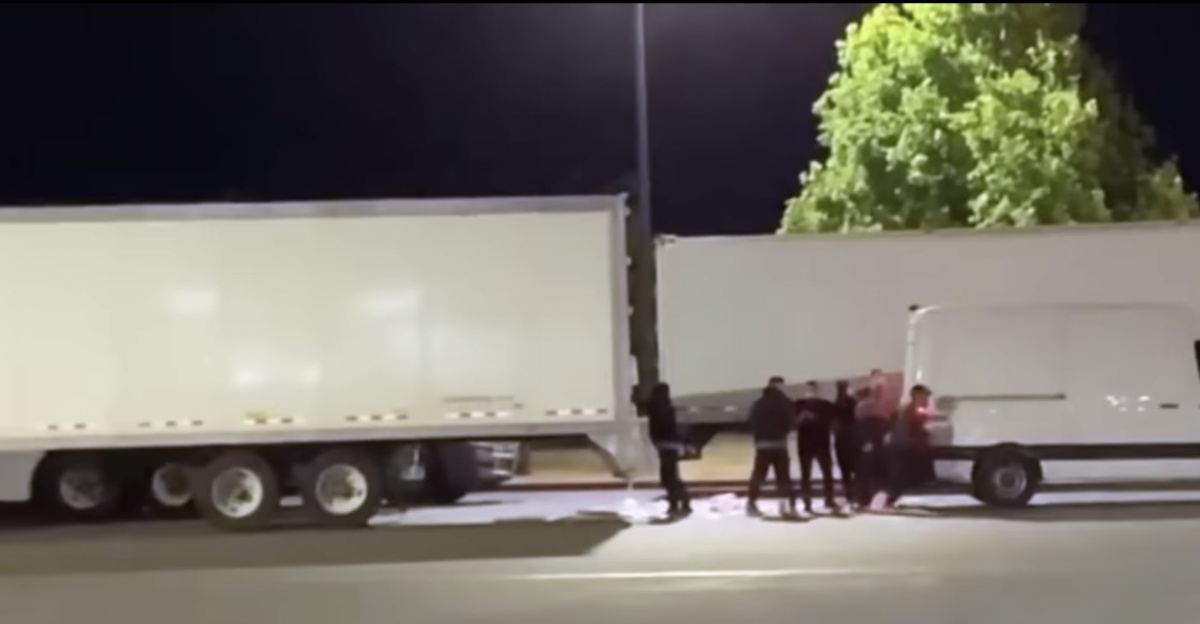
No industry is untouched. Sectors dependent on bulk freight—like packaging, agriculture, and manufacturing—face disruptions when raw materials are intercepted. Building materials and pharmaceuticals are among the top stolen commodities, so thefts can delay construction projects or drug supplies.
For example, a stolen load of specialty plastics might halt a packaging plant, or missing fertilizer shipments can squeeze crop yields.
Global Consumers Feel the Pinch
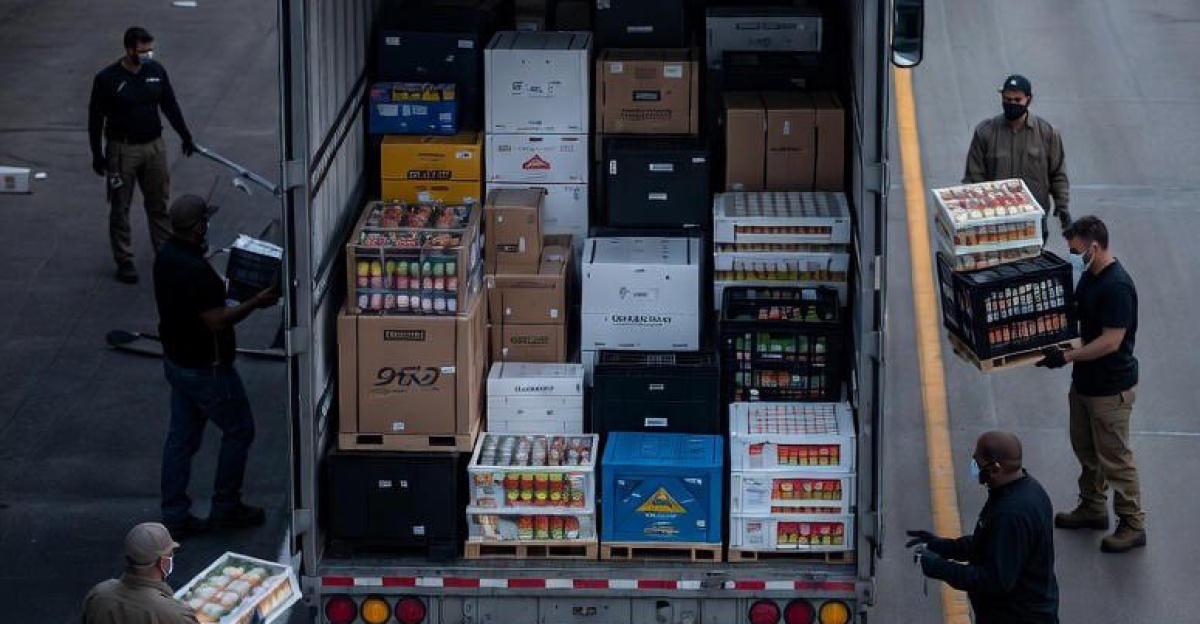
American cargo crime is echoing worldwide. Overseas retailers and consumers are seeing delays on U.S. exports and higher import costs. Mexico, for instance, grapples with violent cargo hijackings (~80% of its thefts), prompting military escorts of trucks—a response impractical on U.S. highways.
In Europe, authorities report more fraud-based thefts and have tightened EU-wide supply-chain rules. Meanwhile, U.S.-made consumer brands are finding global inventory gaps: a gap in U.S. wine shipments might mean scarcity in Asian markets, for example.
Public Health and Lifestyle Impacts
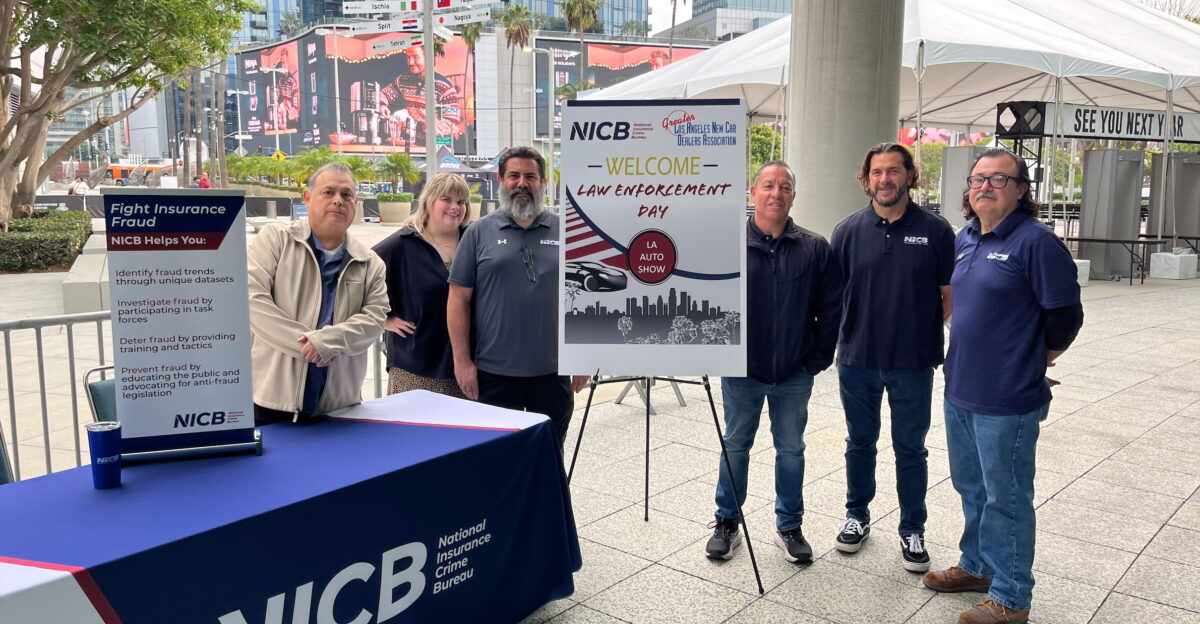
Threatened goods include essentials. Pharmaceuticals and food are often targeted, so communities face real health impacts if a shipment disappears. The NICB notes electronics, medicine, and apparel rank high among stolen items, and Munich Re found 41% of thefts occur in transit.
This means stolen meds or fresh foods sometimes never reach pharmacies or grocery stores. Shortages can force consumers to change diets or forgo routine treatments.
Cultural and Environmental Debate
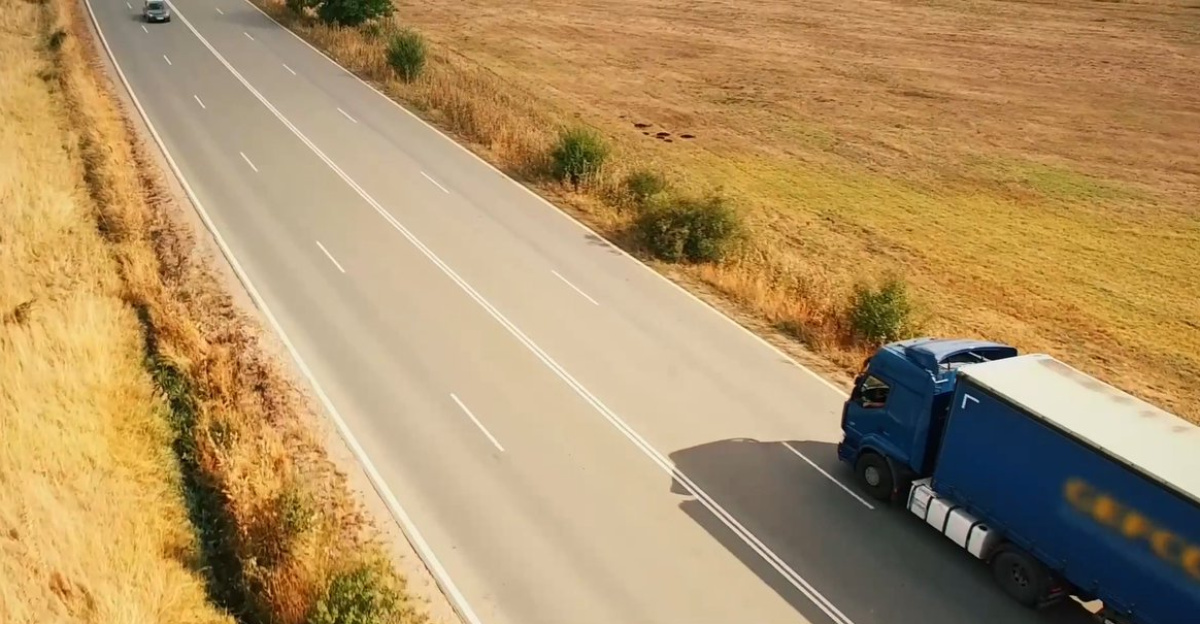
Cargo theft is sparking broader debates on supply-chain resilience versus environmental impact. Heightened security often means extra mileage and duplication: rerouting freight around hotspots or sending backup loads. Freight transport already accounts for about 11% of global greenhouse gas emissions, and critics warn that multiplying routes will raise that share.
On the other hand, consumers and businesses are demanding more reliable logistics. Civil society questions whether robust anti-theft measures (more secure parking, faster response) can be green.
Unexpected Winners and Losers
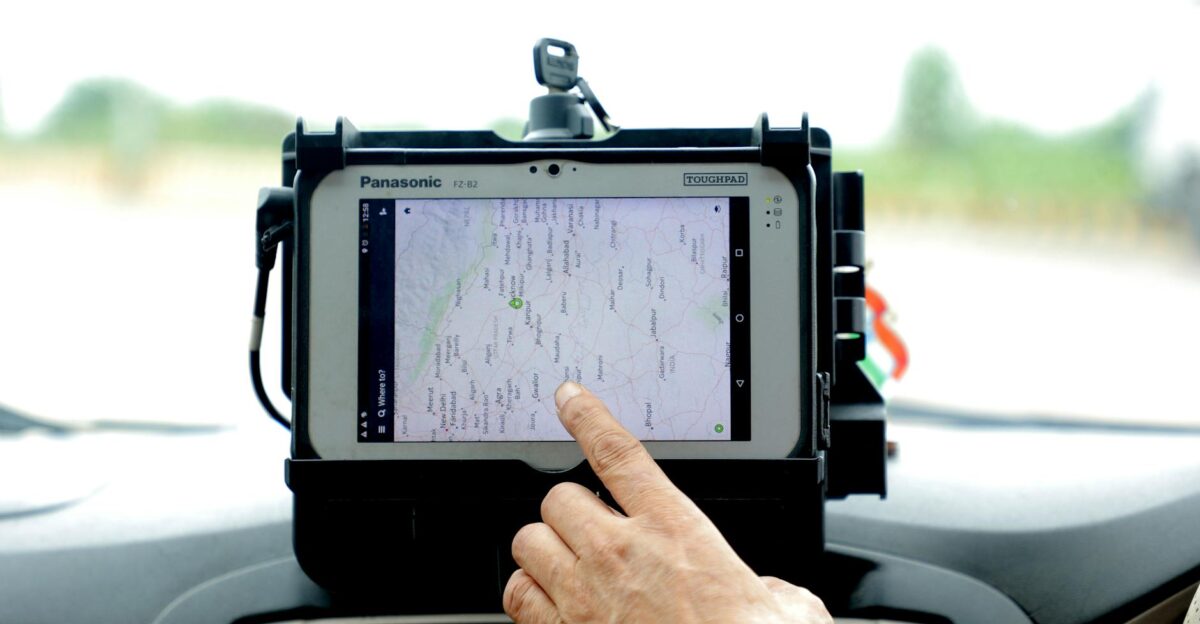
As in any crisis, some sectors gain while others suffer. Technology and security firms are seeing boom times: companies selling GPS trackers, AI surveillance, and armored parking get a windfall in sales. Even insurers find new business: fleets installing smart locks now qualify for lower premiums (up to 15% savings).
In contrast, small carriers and independent drivers are among the hardest hit. ATRI data show the average trucking company loses over $520,000 annually to theft. Many of these smaller outfits lack the capital to absorb such losses and face bankruptcy.
Market Ripples and Investor Interest
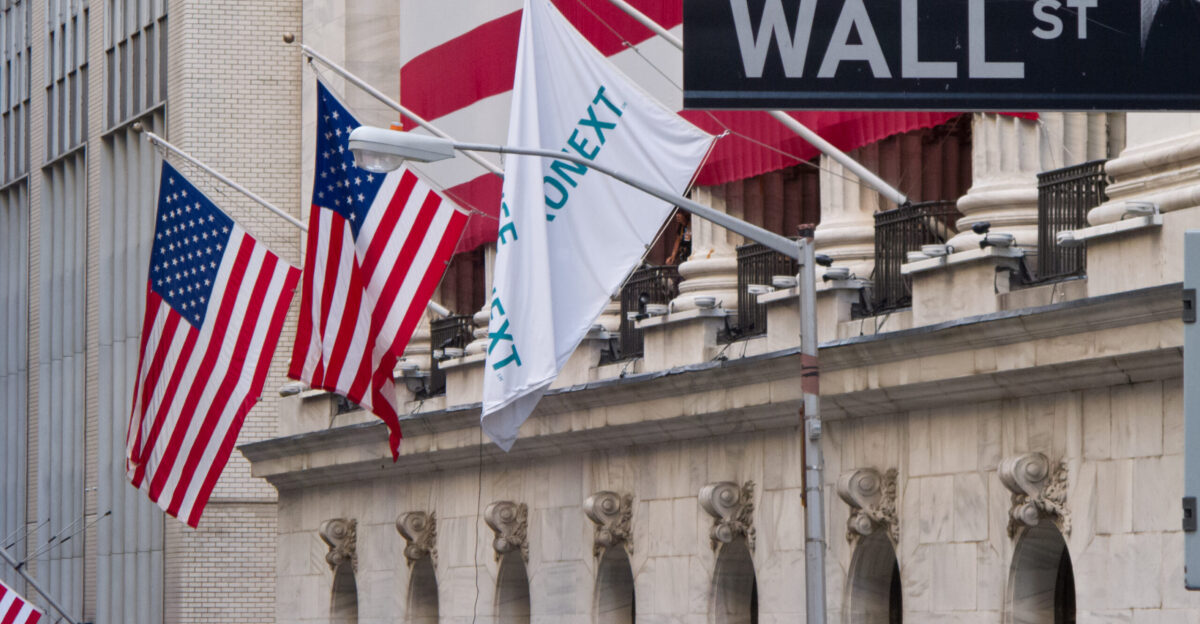
Wall Street is taking notice. Logistics and security stocks have become volatile as news of thefts spreads. Firms specializing in cargo visibility and risk management have seen stock gains, while shares of freight carriers have wavered on reports of massive losses. For example, companies offering blockchain tracking and telematics solutions now tout increased investor interest.
Industry observers note that cargo theft “has become a standard cost of doing business”, meaning investors are watching which businesses can mitigate these hidden costs.
Consumer Tips for Coping
Experts advise consumers to stay vigilant. If a deal looks “too good to be true,” it just might be linked to stolen goods: California officials warn buyers to verify sellers before purchasing high-value items.
Shoppers should check product origins, avoid deep discount sites for electronics or designer goods, and look out for product recalls that might signal theft rings.
Looking Ahead
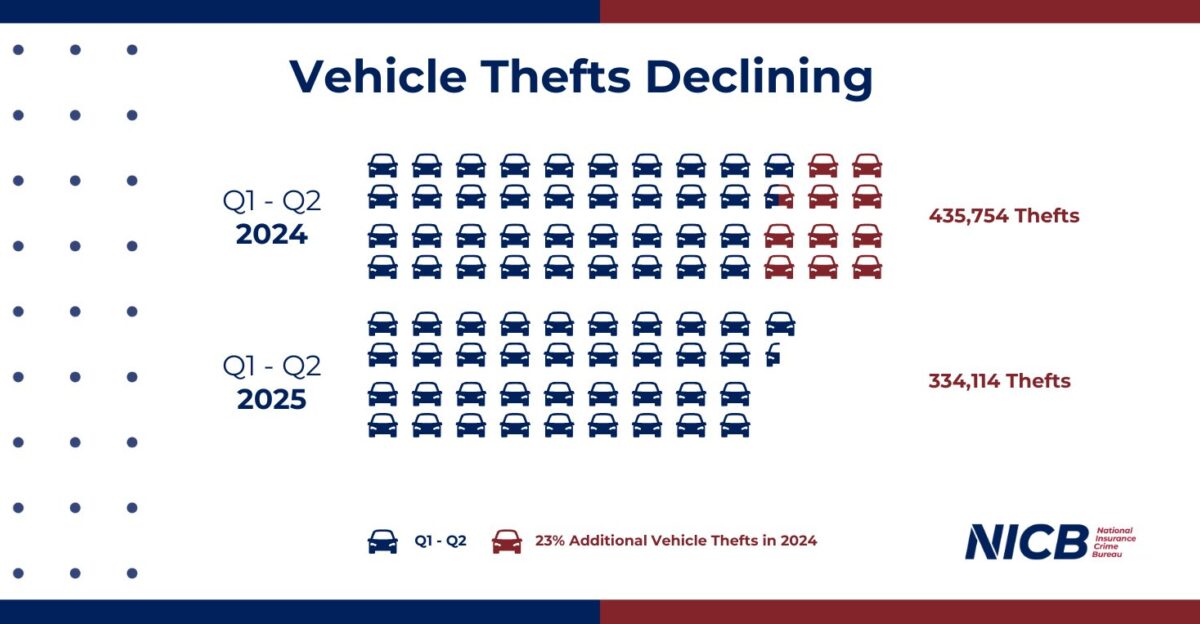
Industry analysts predict cargo theft will climb further without decisive action. NICB data show thefts hit historic highs in 2024, with annual losses expected to climb another 22% by end-2025. The consensus is that enhanced digital safeguards, coordinated law enforcement, and stricter regulations (like mandatory identity verification) are urgently needed.
Ben Banks of ATRI warns we’ve reached a point where theft is simply a “cost of doing business”, underscoring that piecemeal fixes won’t suffice.
Wrap-Up

The cargo theft epidemic is more than a crime wave—it’s a systemic shock with far-reaching consequences. From higher consumer prices and supply shortages to job losses and international trade woes, its ripples touch every corner of society.
As the NICB cautions, this threat “inflates consumer prices, and perhaps most importantly, funds broader criminal networks”.