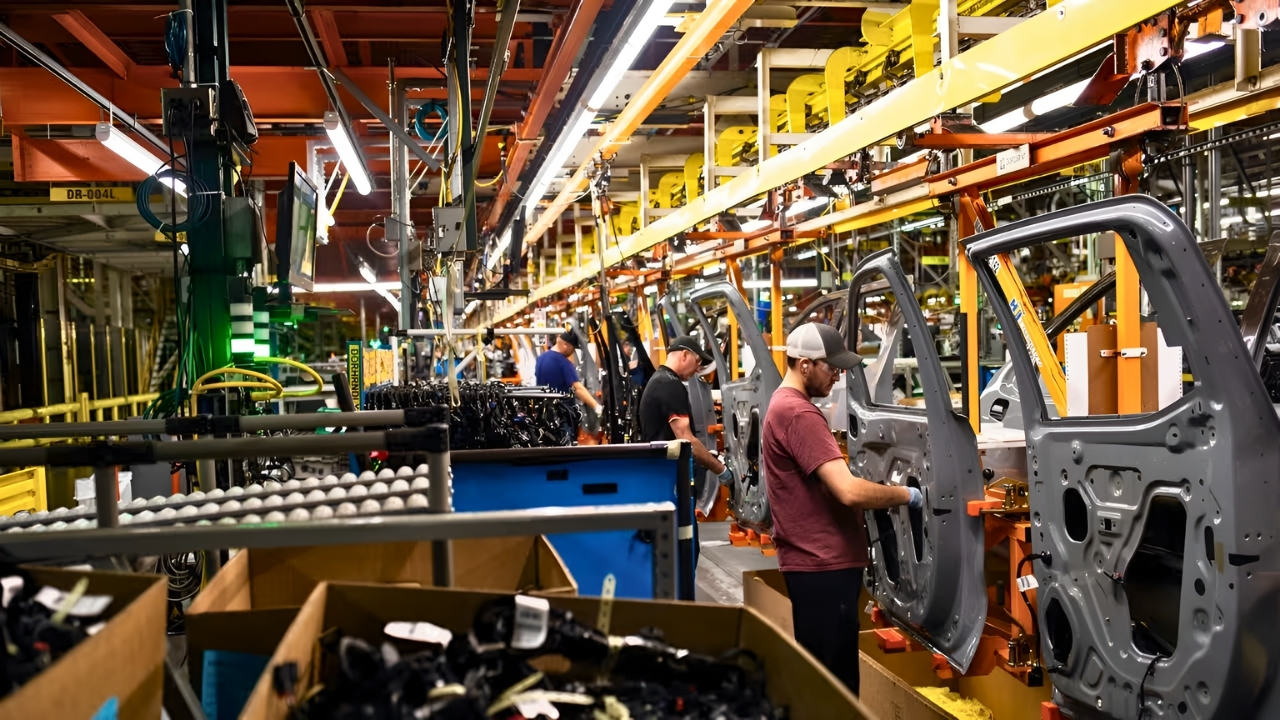
Bollinger Motors’ sudden shutdown in November 2025 ended a decade-long attempt to break into the electric-vehicle industry, leaving behind no delivered vehicles, millions in unpaid obligations, and unanswered questions about how a highly touted startup unraveled so quickly.
Ambitious Start, No Consumer Deliveries
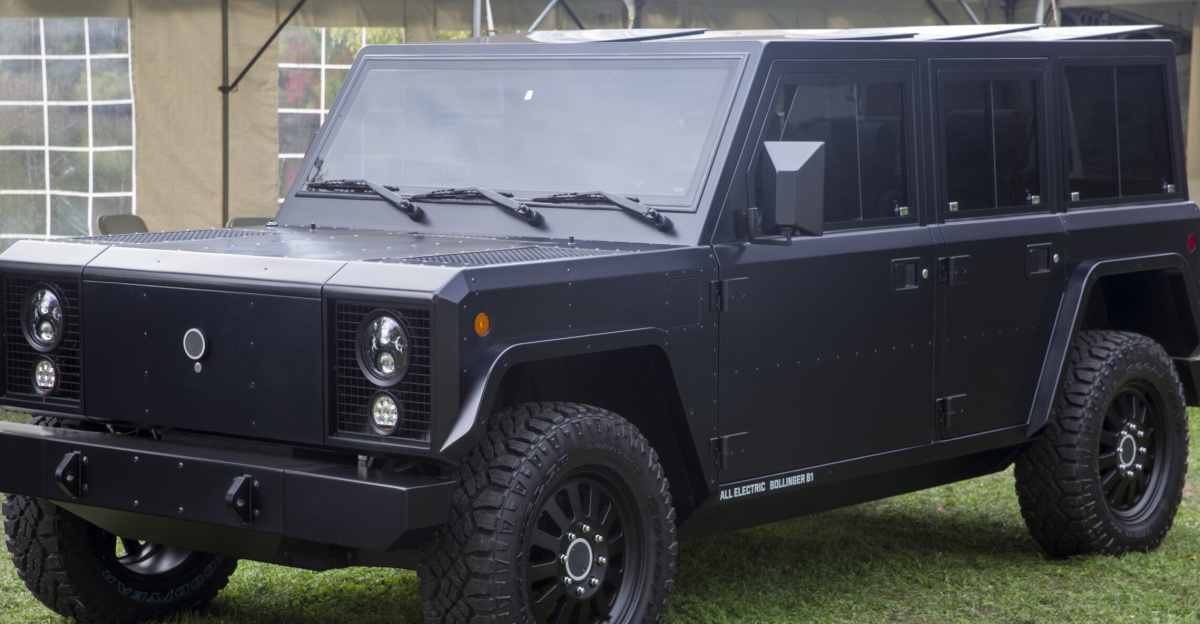
Founded in Michigan in 2015, Bollinger Motors attracted early attention with its boxy, off-road B1 electric SUV and B2 pickup, each priced above $120,000. The prototypes were positioned as rugged, premium EVs and drew interest from enthusiasts and investors alike. Yet despite years of engineering updates and trade-show appearances, the vehicles never moved beyond prototype status, and no customer ever received a finished model.
In January 2022, the company canceled both the B1 and B2, acknowledging that ultra-expensive consumer EVs were not financially viable without significant scale. That decision marked the end of its original consumer-focused vision. By the time Bollinger closed in late 2025, it had spent 10 years in operation without delivering a single vehicle to market.
A Costly Acquisition and Strategic Pivot

In September 2022, Mullen Automotive acquired a majority stake in Bollinger in a transaction that valued the company at about $148 million. The operation was rebranded as Bollinger Innovations, reflecting expectations that its technology, designs, and commercial plans would eventually yield a viable product line.
Following the acquisition, Bollinger shifted entirely to commercial platforms, centering its strategy on the B4 Class 4 electric chassis cab for fleet operators. The move was intended to secure stable revenue through commercial contracts rather than high-priced consumer vehicles. However, the new direction demanded consistent financing, dependable suppliers, and effective manufacturing ramp-up—requirements the company ultimately could not meet. Despite Mullen’s control, Bollinger still lacked revenue-generating vehicles and remained dependent on outside capital.
Escalating Cash Problems and Internal Rupture

Financial strain deepened in 2024. In October of that year, founder Robert Bollinger personally loaned the company $10 million in an attempt to keep operations running. The infusion highlighted how precarious its finances had become, even under majority ownership by Mullen.
By March 2025, the situation had deteriorated further. Robert Bollinger sued to recover his $10 million, asserting that the business was effectively insolvent. The case pushed the company into court-ordered receivership, laying bare the seriousness of its distress. Although Mullen later resolved the dispute and regained operational control in June 2025, the legal battle signaled eroded confidence at the top and confirmed that the company was running on depleted cash and rising debt.
At the same time, suppliers began pursuing their own claims. By mid-2025, at least $5 million in unpaid invoices had become the subject of lawsuits from vendors who had supported Bollinger’s manufacturing plans. The disputes undermined trust, disrupted parts supply, and made it even harder to secure new financing or maintain production schedules.
Employees Bear the Brunt

The financial crisis soon reached the workforce. On October 31, 2025, Bollinger missed a scheduled payroll. A second payroll due on November 6 also went unpaid. Internal messages warned that necessary funding had not been secured, turning unpaid wages into a tangible warning sign for staff that the company’s problems might be irreversible.
On November 21, 2025, operations abruptly stopped. An internal email from HR Director Helen Watson informed employees that Bollinger Motors would close immediately, stating that the company was to “officially close the doors of Bollinger Motors, effective today, November 21st, 2025.” There was no advance wind-down plan, no announcement of severance, and no clear guidance on when or whether employees would be paid.
In the weeks that followed, 59 unpaid wage claims were filed with the Michigan Department of Labor and Economic Opportunity, covering at least two missed pay periods. Many employees had relocated or developed specialized skills to work on Bollinger’s EV and commercial vehicle programs. With no severance and wages still owed, they were left to rely on state processes and whatever value might be recovered from the company’s remaining assets.
Unfinished Technology and Wider Industry Implications
The B4 Class 4 chassis cab stands as Bollinger’s final major product effort. Targeted at last-mile delivery and utility fleets, it advanced into limited production planning but never reached significant output. Without steady cash flow, the company was unable to maintain supplier contracts or scale manufacturing, leaving the B4 as a largely unrealized platform rather than a commercial success.
By 2025, Mullen Automotive—through Bollinger Innovations—held near-total control of the operation, having resolved the founder’s lawsuit and taken full operational authority. Yet no large infusion of turnaround capital followed. The continued loss of supplier confidence and ongoing cash burn transformed Mullen’s $148 million valuation into a major financial setback.
Bollinger’s collapse adds to a series of high-profile electric-vehicle failures in the United States, including other manufacturers that struggled with the steep capital requirements and execution risks of automotive production. In Michigan, long regarded as the center of American carmaking, Bollinger’s failure is especially symbolic as a prominent local EV entrant that did not survive.
For Mullen, the shutdown carries financial and reputational repercussions, including exposure to supplier litigation, possible labor liabilities, and unresolved questions around intellectual property. Any remaining designs, tooling, prototypes, or patents may be sold to satisfy creditors.
As of the shutdown announcement, Bollinger’s assets and technology remain in legal and financial limbo. It is unclear whether the B4 platform or any related intellectual property will be revived under new ownership, liquidated, or integrated into other operations. Creditors, employees, suppliers, and potential buyers are all tied to a complex process that will determine what, if anything, is preserved from a decade of development.
Bollinger Motors’ end highlights the unforgiving economics of building electric vehicles: vision and engineering alone cannot substitute for sustained capital, disciplined execution, and reliable revenue. The company exits with a $148 million valuation reduced to write-downs, 10 years of effort, and no delivered vehicles, serving as a cautionary example for investors, workers, and policymakers navigating the next phase of the EV transition.
Sources:
Act News – “Bollinger Motors Ends Operations After Challenging Year Under Mullen Ownership” – November 2025 – https://www.act-news.com/news/bollinger-motors-ends-operations/
Drive Tesla Canada – “Bollinger Motors Shuts Down After 10 Turbulent Years in the EV Market” – November 2025
EVPedia – “Bollinger Motors Shutdown Shocks EV World”