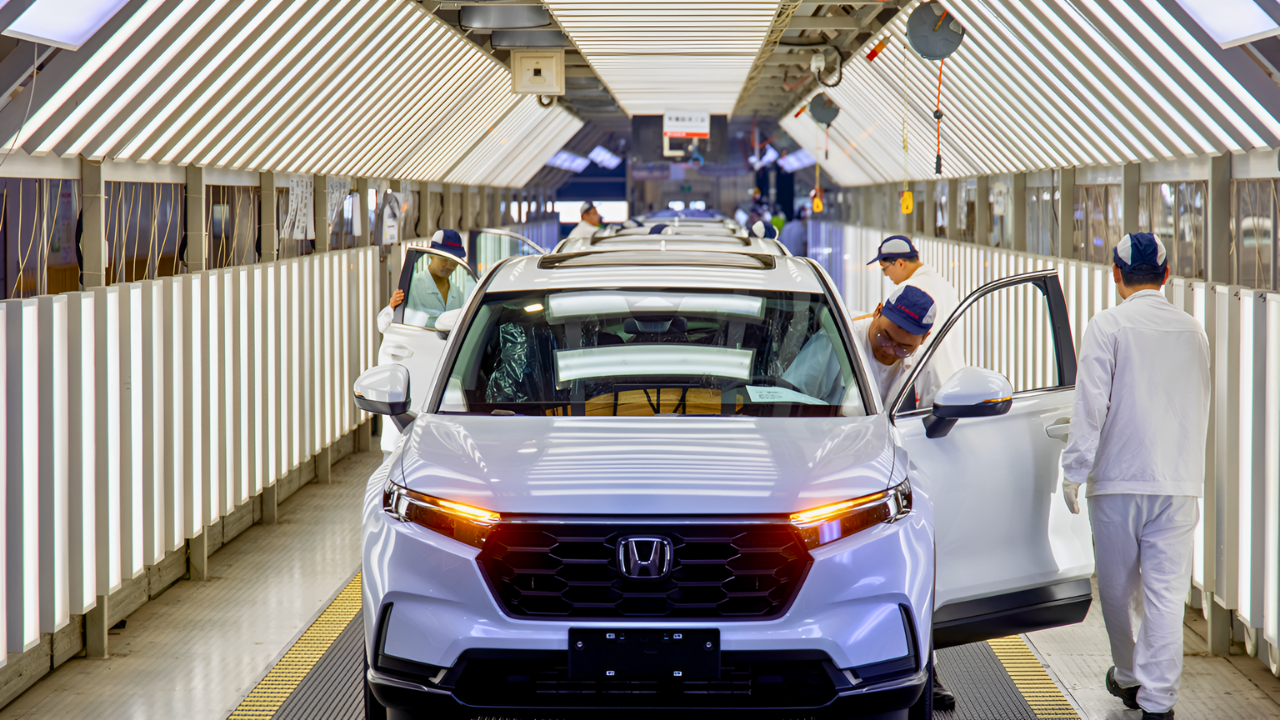
A geopolitical clash between the Dutch government and China triggered a cascading crisis across global automotive manufacturing in late 2025, revealing how penny-priced components can paralyze billion-dollar industries. When the Netherlands seized control of Nexperia’s headquarters in September, China retaliated by halting exports of finished semiconductors from its Dongguan factory, forcing major automakers to cut production and exposing decades of supply chain miscalculation.
The Trigger: Technology Control Becomes Trade Weapon

On September 30, 2025, Dutch authorities invoked emergency powers over Nexperia’s Netherlands operations, citing concerns about technology transfer to its Chinese parent company Wingtech. The move was intended to protect sensitive manufacturing knowledge, but it handed China a powerful lever. Beijing responded by restricting exports of finished chips from the Pearl River Delta facility, disrupting the flow of components that automotive suppliers depend upon.
The crisis revealed an uncomfortable truth: while automakers had obsessed over securing advanced semiconductors, they had left themselves vulnerable to disruption of low-cost, seemingly mundane components. controls approximately 40 percent of the global automotive semiconductor market, but not through cutting-edge technology. Instead, the company manufactures basic chips that sell for fractions of a penny each—components that control critical vehicle functions including braking systems, electric windows, and power modules.
Production Halts and Financial Toll
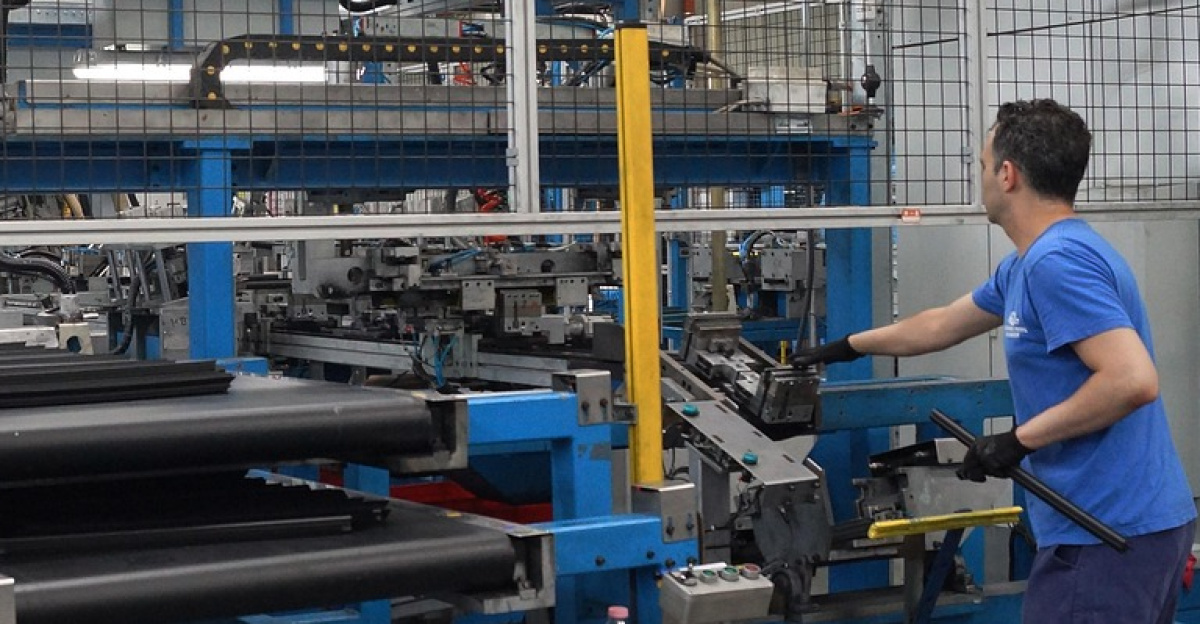
The impact was immediate and severe. Nissan cut production of its Rogue SUV by approximately 900 vehicles in mid-November. Honda forecasted a reduction of 110,000 units and reported costs of ¥150 billion (approximately $969 million), marking the largest documented single-company loss from the crisis.[1][5] Bosch, which orders €200 million annually in Nexperia products, approached complete shutdown within days before China allowed exports to resume.
Nine major automotive suppliers faced disruption: Nissan, Honda, Bosch, Volkswagen, Aumovio, ZF Group, Hella, JABIL, and numerous tier-two manufacturers. Factory workers experienced reduced hours and job insecurity as production cuts cascaded globally. Dealership inventories dwindled, and industry analysts warned of potential price increases had the crisis persisted.
Toyota proved the exception, maintaining output by drawing on semiconductor stockpiles developed after the devastating 2011 earthquake. This disaster-driven business continuity planning insulated the company from the worst impacts, underscoring how preparedness separated winners from the vulnerable.
The Paradox of Power
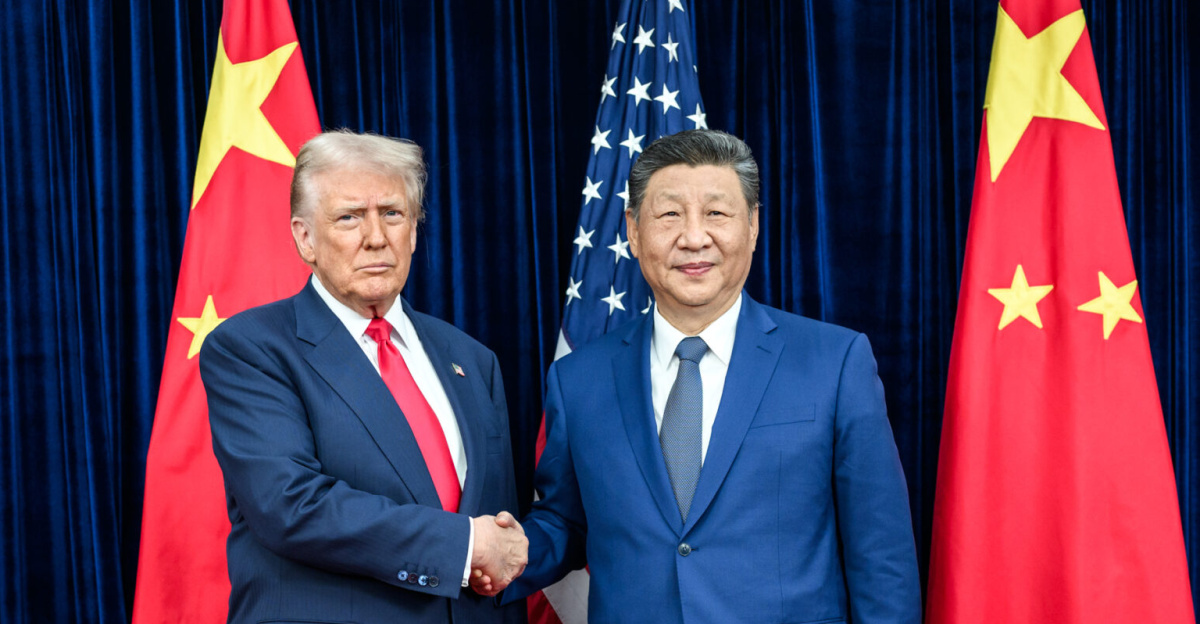
The situation exposed an unprecedented dynamic: the Dutch government controlled Nexperia’s office building in Nijmegen while China controlled the actual manufacturing facility and finished products. The Netherlands had seized an empty building while Beijing held the real leverage. When exports resumed in mid-November following a Trump-Xi meeting in Busan on October 30, payment terms shifted—Nexperia began requiring yuan instead of foreign currencies for sales.
Replacing Nexperia chips proved impossible on short notice. The components are soldered directly into power modules across hundreds of vehicle models. While competing chips may appear identical, they perform differently in vehicles, requiring extensive testing and regulatory approval that can take up to one year. This constraint forced automakers to seek emergency Chinese exports rather than invest months in alternative sourcing.
Lessons Unlearned
The crisis reignited debates about globalization and supply chain resilience. The industry had vowed “never again” after the 2020–2021 chip shortage, yet repeated identical mistakes by maintaining just-in-time inventory with no geopolitical buffer. Some argued for reshoring production; others cited environmental costs of maintaining stockpiles. Electric vehicles compound the vulnerability, requiring more semiconductors than conventional cars.
Consumers delayed purchases, explored used vehicles, and considered alternatives like car-sharing and public transit as new vehicle availability tightened. Automakers enhanced digital sales platforms and online engagement to manage reduced inventory.
Vulnerability Persists

The September-to-November crisis is paused, not resolved. The Netherlands reversed its intervention on November 19, and China allowed limited exports, but underlying structural tensions remain unresolved. Hella and other suppliers estimate that alternative chip testing and regulatory approval could extend throughout 2026. Nissan executives warned of continuing risk for the year ahead.
Industry observers note that without fundamental restructuring of supply chain architecture, similar crises remain inevitable. The 2025 standoff demonstrated that geopolitical disruption of commodity components—not advanced technology—now poses the greatest threat to automotive production. Automakers spent billions securing cutting-edge semiconductors while leaving penny-priced, irreplaceable components exposed to weaponization.
Sources:
Automotive Logistics, Nov 2025
Z2Data, Nov 2025
Reuters, Nov 2025
Nexperia, Oct 2025
Seraph Consulting, Nov 2025
Focus2Move, Nov 2025