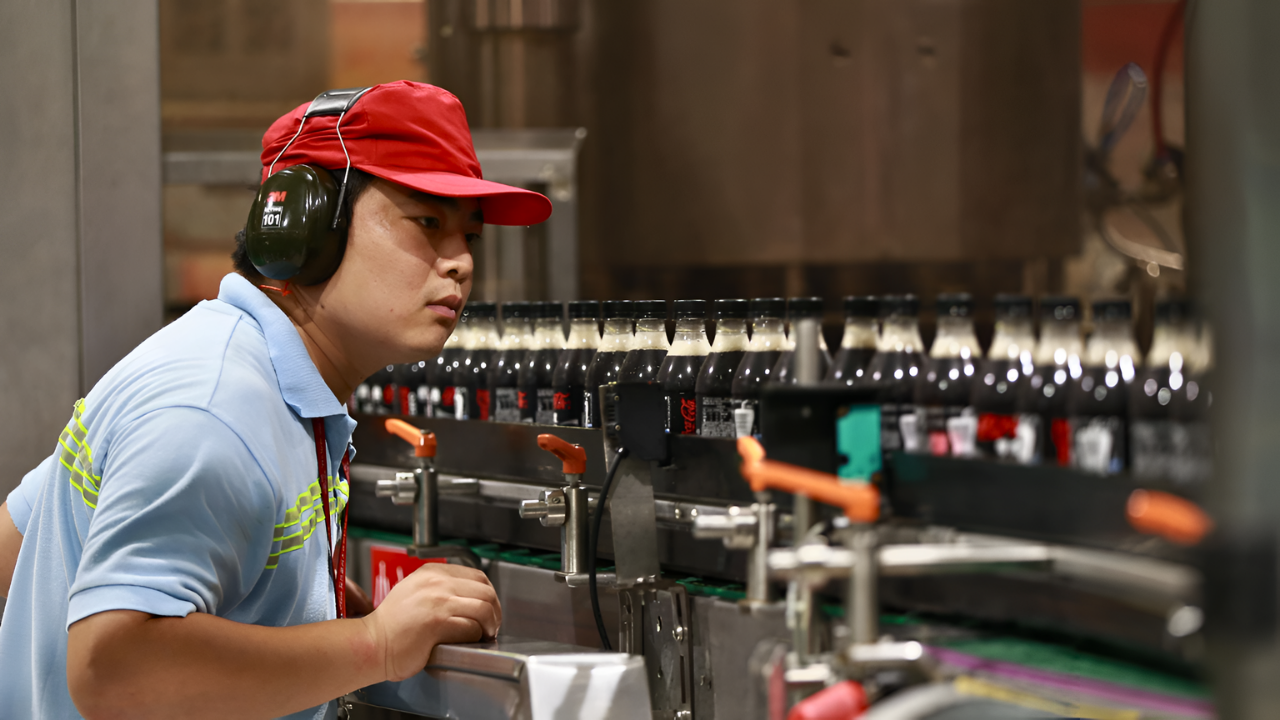
Roughly 75 corporate roles at Coca-Cola’s Atlanta headquarters are scheduled to be eliminated in early 2026, a small numerical cut that nonetheless strikes at the symbolic center of the 140-year-old company. For a business long viewed as resilient even in downturns, the move highlights how major employers are retooling for growth by permanently reducing office-based jobs at their home base.
Legacy Headquarters Under Strain
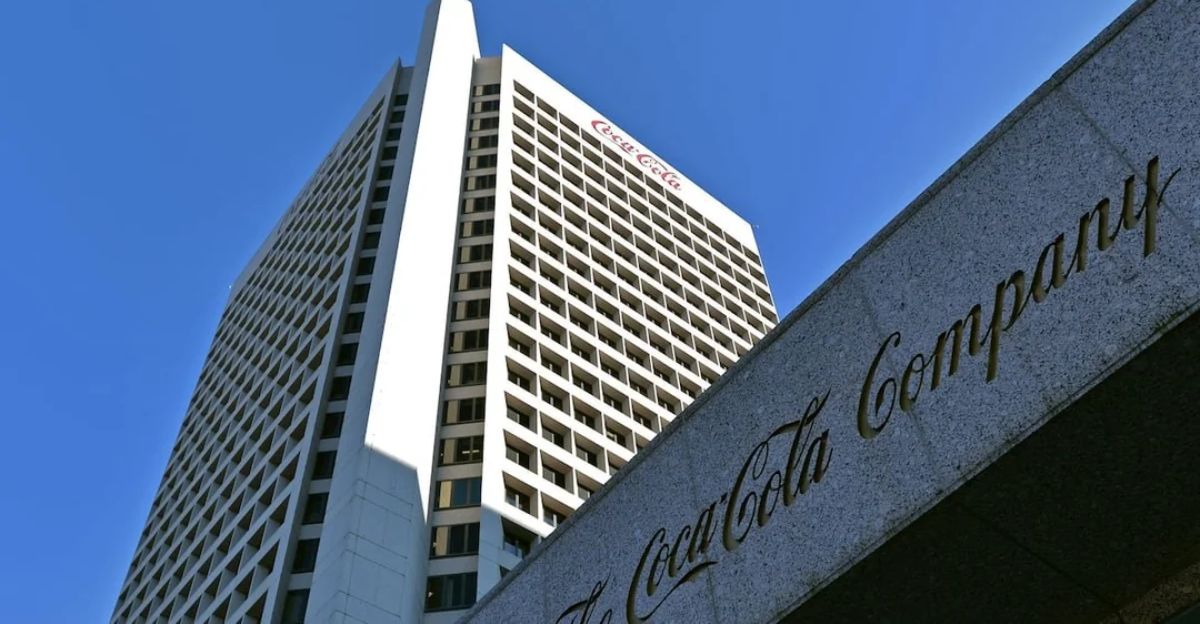
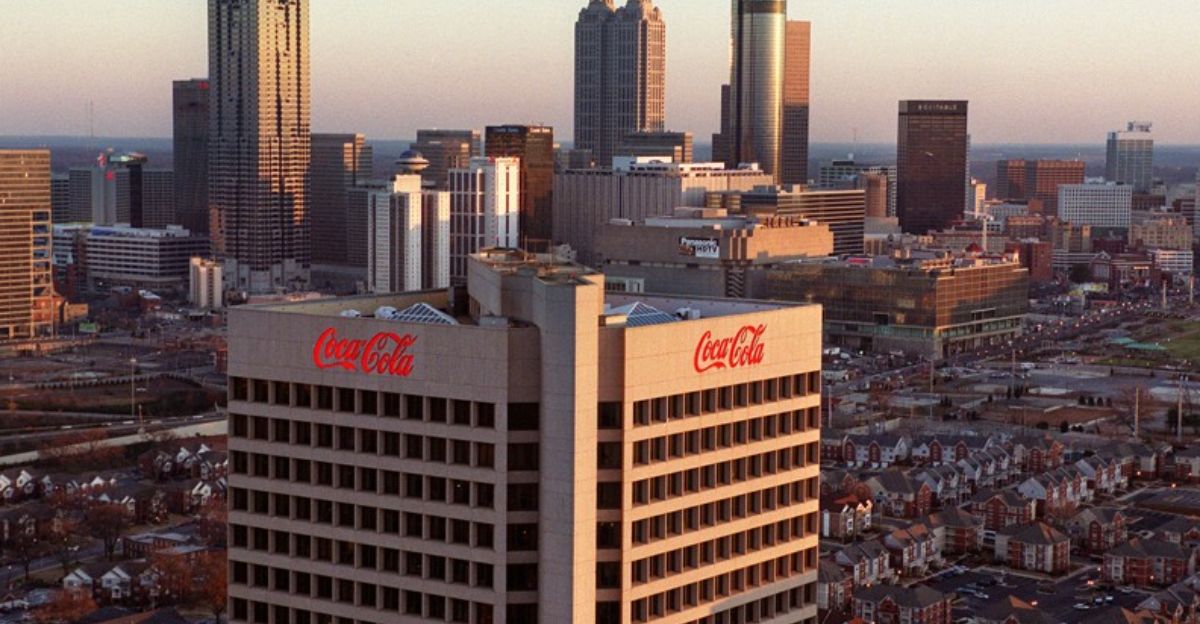
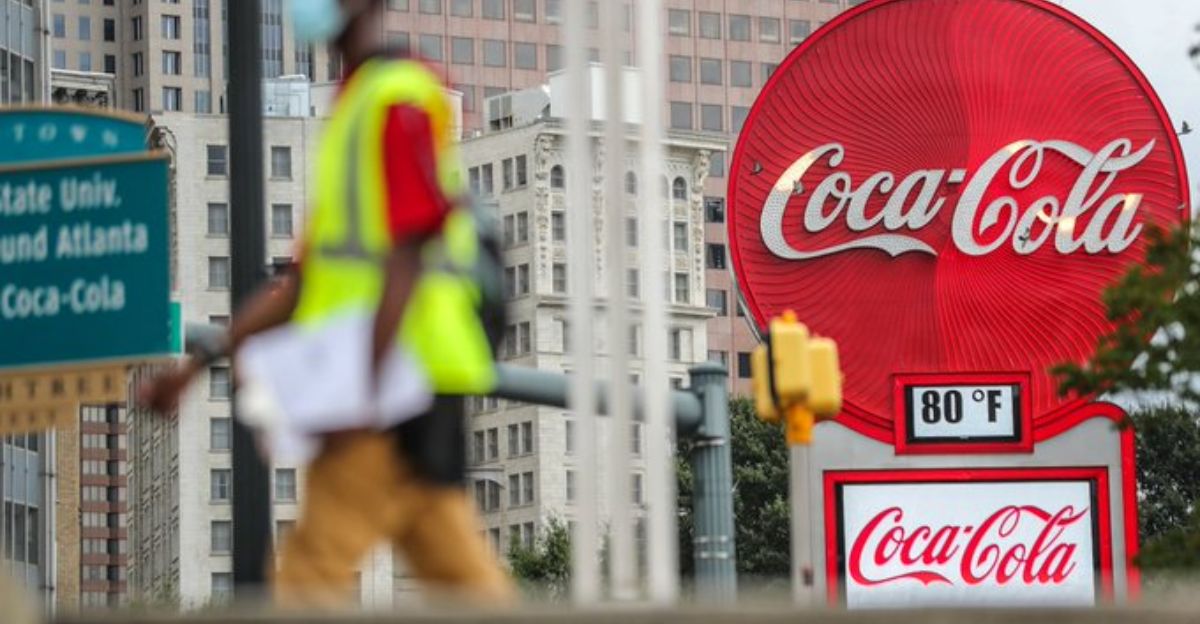
Coca-Cola’s headquarters at One Coca-Cola Plaza has anchored the company in Atlanta since its founding in 1886, serving as both a corporate nerve center and a local landmark. With about 3,100 employees based there, the removal of 75 positions represents a modest share of the local workforce but carries outsized cultural weight.
Reductions at a site so closely tied to the company’s identity land differently than job cuts elsewhere in the network. They signal that long-standing assumptions about security in central office roles are being reconsidered as the company adapts its structure, technology, and cost base to a more competitive environment.
Details of the 2026 Job Cuts
The company outlined the plan in a December 30, 2025 notice to the Georgia Office of Workforce Development, signed by Executive Vice President and Global Chief People Officer Lisa V. Chang. According to that filing, approximately 75 positions at the Atlanta headquarters will be permanently eliminated, with separations expected to begin on or about February 28, 2026, or within two weeks of that date.
All affected jobs are located at One Coca-Cola Plaza Northwest. The building itself will remain open, and headquarters operations will continue. The roles are non-union, and the company specified that no bumping rights apply, meaning employees whose positions are cut will not be able to displace others based on seniority.
Coca-Cola said the reductions are part of a broader reorganization planned for 2025 and 2026, described as an effort to reshape the workforce to support the company’s next phase of growth. The company notified workers more than 60 days before the anticipated separation date, exceeding typical minimum timelines even as it acknowledged that federal WARN Act thresholds may or may not be triggered, depending on how the phases unfold.
Employees and the Local Fallout
For the roughly 75 employees directly affected, the changes are described as permanent, not temporary furloughs or short-term adjustments. Without union representation or bumping rights, impacted workers face straightforward departures once their positions are eliminated.
While the number is small relative to Coca-Cola’s global headcount of about 70,000, the fact that all of the cuts are concentrated at the company’s home base intensifies the perceived effect in Atlanta. The city has long benefited from Coca-Cola’s presence as an anchor employer and civic symbol, and any contraction at headquarters resonates through local business, professional networks, and community life.
The company has indicated that layoffs will occur in phases and that additional impacts beyond the initial 75 roles may follow. That language introduces uncertainty for those who remain, extending the psychological impact of the cuts beyond the first wave of departures.
Part of a Larger Corporate Shift
Coca-Cola’s restructuring aligns with broader changes across consumer packaged goods and other large-brand sectors. Major companies are consolidating functions, flattening management layers, and investing heavily in automation and data systems to streamline operations. Corporate centers, once considered stable environments largely insulated from volatility, are now frequent targets for efficiency efforts.
In this context, the Atlanta reductions are both a local story and part of a global pattern. Headquarters positions are being reassessed for overlap, cost, and strategic value. Decisions made at Coca-Cola’s central office can influence how resources are allocated across more than 200 brands worldwide, how regional teams are supported, and which functions remain centralized versus dispersed.
Executives have framed the shift as a strategic reset aimed at aligning the workforce with long-term priorities in technology, innovation, and simpler organizational design. The underlying tension is clear: as companies seek to boost productivity and stay agile, they increasingly pursue growth agendas that do not necessarily translate into more corporate jobs.
An Evolving Future for Workers and the Company
The formal notice process, including advance warning and regulatory filings, is designed to provide some predictability, but it does not remove the unease that comes with phased restructuring. For employees, the coming months will bring not only immediate job transitions for some, but also ongoing questions about whether further roles will be changed, moved, or eliminated.
For Coca-Cola and other established global brands, the Atlanta cuts underscore the challenge of balancing heritage and modernization. The company is trying to protect its competitive position and fund future initiatives while reshaping the workforce at one of its most visible locations. As the 2026 timeline approaches and the reorganization unfolds in stages, the outcome will serve as a test of whether leaner headquarters and targeted reductions can deliver the promised growth without triggering deeper disruptions.
Sources:
“WARN Public Notice: The Coca-Cola Company (GA202500061).” Georgia Technical College System of Georgia / Office of Workforce Development, 30 Dec 2025.
“Coca-Cola plans to cut about 75 jobs at its Atlanta headquarters in early 2026.” CBS News Atlanta, 31 Dec 2025.
“Coca-Cola will reorganize its workforce in 2026. It starts with 75 layoffs.” The Atlanta Journal-Constitution, 31 Dec 2025.
“Coca-Cola begins corporate restructuring with 75 layoffs.” Food Dive, 4 Jan 2026.