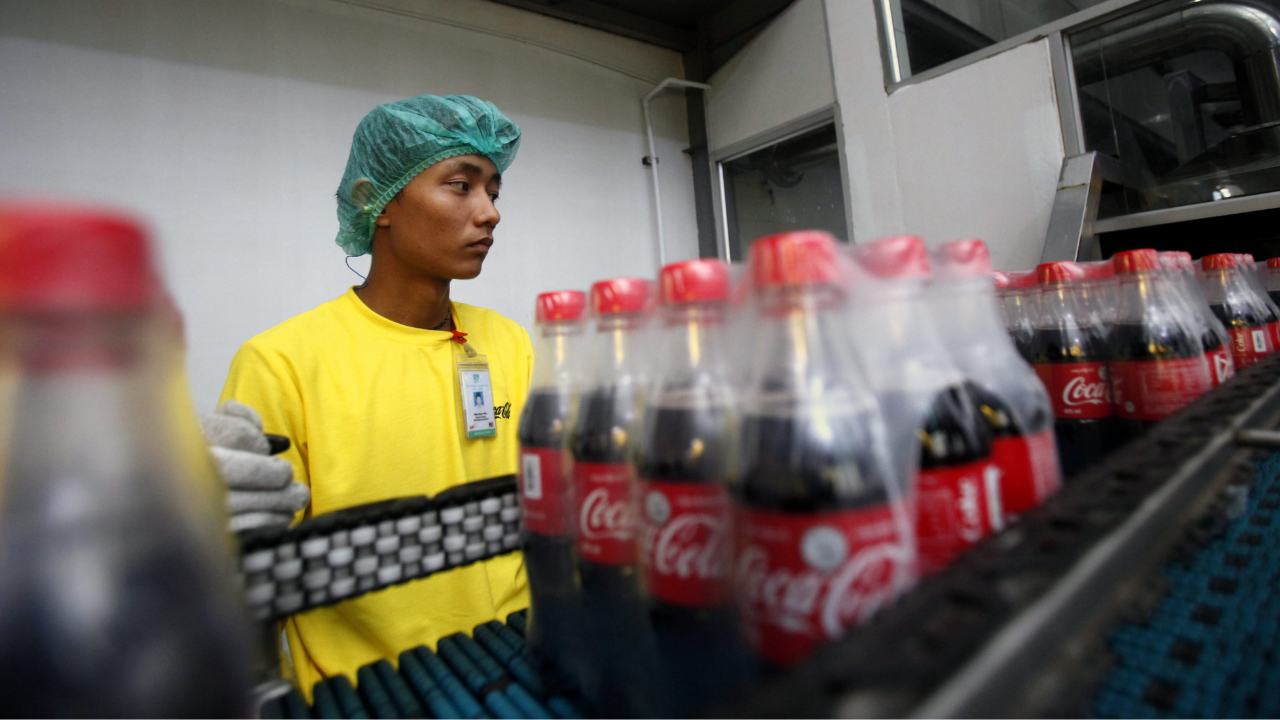
Coca-Cola’s only Hawaii bottling plant has operated since 1960, anchoring Honolulu’s industrial landscape for nearly seven decades. By January 31, 2026, production will cease permanently as The Odom Corporation shifts to a distribution-only model. At its peak, the facility employed 275 workers; today, just 25 remain facing uncertain futures.
Acquired from Coca-Cola in 2016 through a refranchising arrangement, the plant could not sustain aging bottling equipment in a high-cost state. The closure marks both the end of local production and a critical test for Hawaii’s manufacturing resilience. Here’s what’s at stake as the islands lose their only Coca-Cola plant.
The Company’s Explanation for Closure
“The plant reached its operational life, and significant upgrades would be required to continue production,” said Joe Carter, VP and General Manager of Coca-Cola Bottling of Hawaii, on December 10, 2025. He described the closure as part of “a strategic optimization plan for The Odom Corporation’s beverage businesses.”
The choice was stark: invest millions in 1960s-era equipment or shift to outsourcing. Odom will retain local team members in sales, distribution, and service, but these roles pay substantially less than production work. Maintaining quality without local manufacturing poses challenges, raising questions about the trade-offs between operational efficiency and community impact.
Hawaii’s Closure Completes A Nationwide Retreat
Hawaii’s shutdown is the final domino in a 2020–2026 Coca-Cola restructuring wave that dismantled its U.S. manufacturing footprint. The 2020 global restructuring resulted in the cut of 2,200 jobs and the retirement of 200 brands. Northampton, Massachusetts, and American Canyon, California, also lost facilities, resulting in the elimination of over 460 jobs nationwide within under two years.
The pattern converts fixed manufacturing costs into variable outsourcing fees. The Coca-Cola Company now operates primarily as a brand manager, relying on third-party co-packers for its production. Hawaii joins other states in surrendering local production, leaving residents dependent on suppliers from the mainland. Which other regions might face similar closures in the coming years?
When $118 Million In Annual Revenue Disappears
At full operation, the Hawaii plant generated $118.3 million in annual revenue across five islands, supporting a payroll of $2–3 million for 25 workers, with peaks exceeding $15 million when fully staffed. Manufacturing multiplier effects suggest the facility generated $150–200 million in total economic activity, including local suppliers and contractors.
State tax revenues also suffer, with an estimated annual loss of $300,000–$ 500,000. UHERO forecasts a mild recession in 2026, intensifying the blow. Replacing $200 million in economic activity on islands with limited industrial options is daunting. How will Hawaii sustain economic stability after this closure?
2,500 Miles Between Hawaii And Its Future Coke
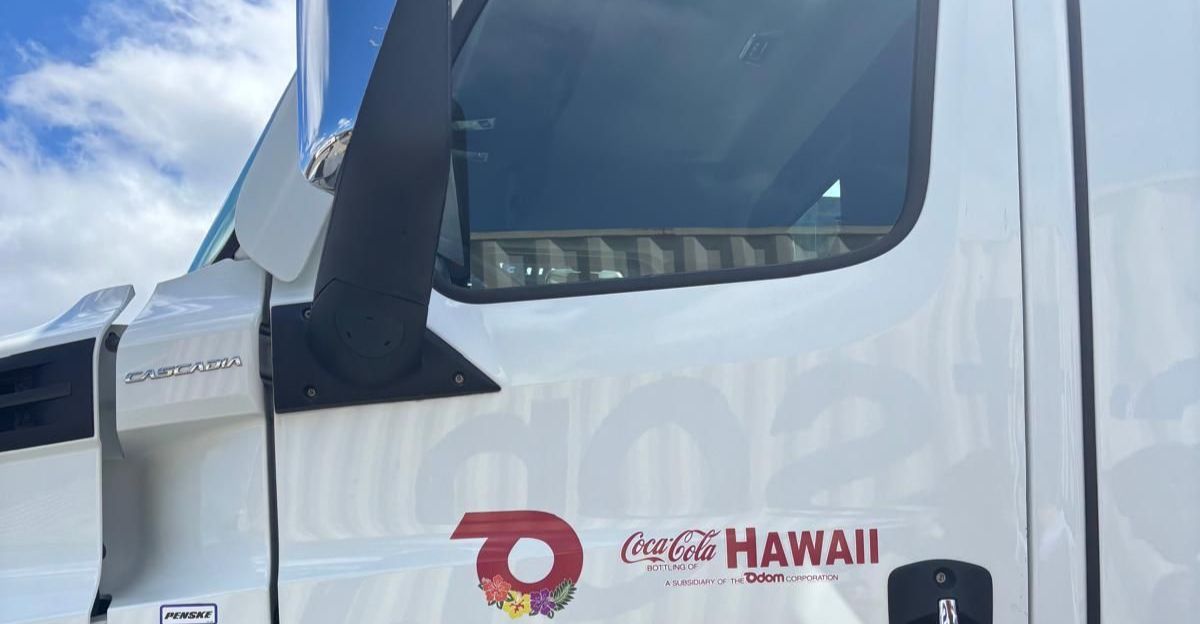
With local production gone, Hawaii relies entirely on mainland supply chains. Every can and bottle will travel 2,000–2,500 miles by ship from undisclosed co-packers. Odom’s Kapolei Business Park West warehouse will serve as a distribution hub rather than a factory, adding complexity and cost to deliveries between islands.
The company has not disclosed its mainland supplier. Past closures, like Northampton, Massachusetts, saw Refresco face operational crises and E. coli outbreaks, delaying shipments. Hawaii now faces similar risks without transparency. Will supply interruptions mirror those experienced on the mainland, or will distribution remain smooth?
While Coke Leaves, Pepsi Doubles Down Locally
Pepsi maintains a bottling plant in Aiea, Hawaii, employing roughly 225 workers. Unlike Coca-Cola, Pepsi produces locally, retaining a “Made in Hawaii” marketing edge and supply-chain resilience. Consumers now face a clear choice: local Pepsi or imported Coca-Cola from the mainland, altering brand perception and regional loyalty.
Pepsi’s 225 workers nearly match the remaining Coca-Cola workforce ten times over, strengthening its competitive advantage. For Hawaii consumers, local pride and economic impact influence purchasing decisions. Coca-Cola’s retreat hands a strategic opportunity to its rival. What message does this send to the islands’ beverage buyers?
Manufacturing Workers Face Uncertain Transitions
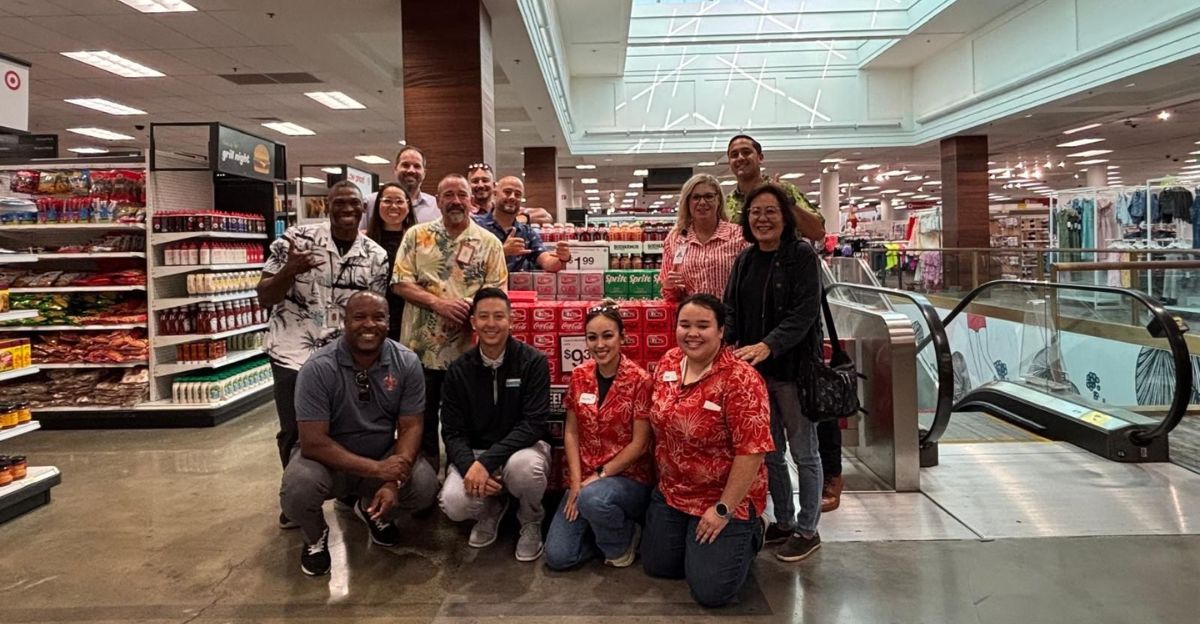
The 25 production employees face career upheaval, with some having over 30 years of service at Mapunapuna. Specialized bottling skills do not easily transfer to warehouse or distribution roles, where pay typically falls 20–30% lower. Annual income may drop from $80,000 to $ 120,000 to $50,000 to $ 85,000, jeopardizing long-term financial stability.
The company offers “sales, distribution, and service” roles, but these may not align with skill sets or compensation. Teamsters Union data from past Coca-Cola closures show workers absorb losses while efficiency metrics improve at headquarters. Are these positions true alternatives or a compromise for operational convenience?
How Coca-Cola Shifted From Making To Managing
Coca-Cola’s outsourcing reduces capital expenditures, maintenance costs, compliance requirements, and workforce obligations. Third-party production converts fixed facility costs into variable fees, improving ROI. LinkedIn industry analysis shows that the ROI per liter increased by 19% in 2024 pilot programs. Severance costs from the 2020 restructuring ($350–$ 550 million) were recouped within two years.
The hidden cost is resilience. Centralized mainland co-packers create vulnerability to disruptions and quality variations. Efficiency gains come at the expense of supply security.
What Was In Hawaii’s Coke? Company Won’t Say
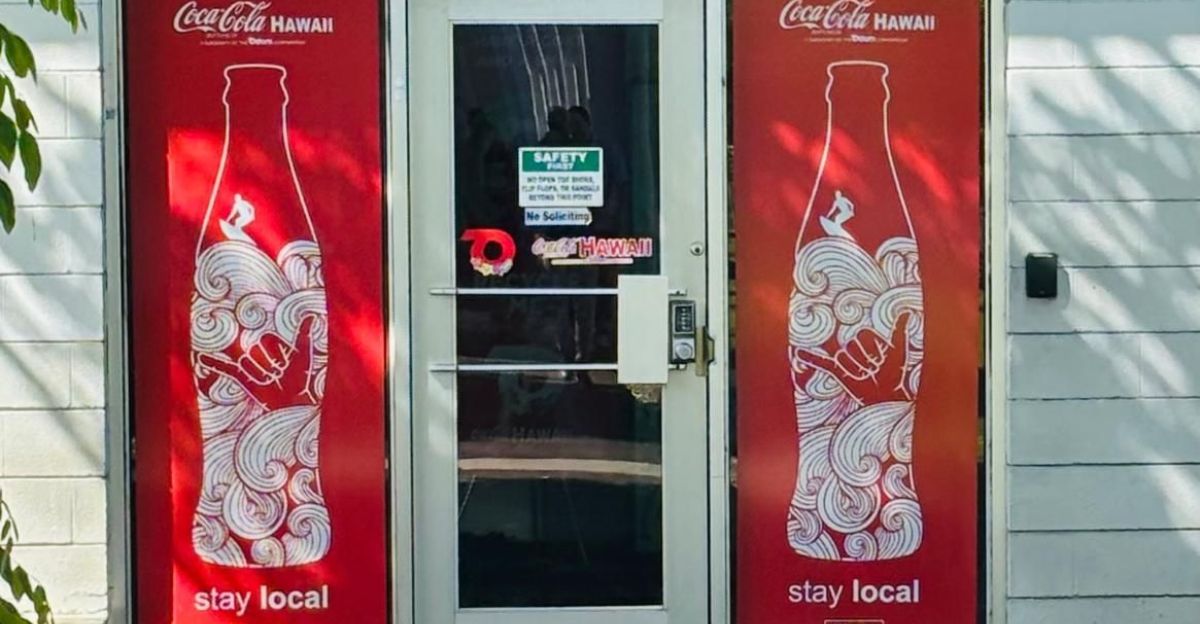
Local lore claims Hawaii Coke had a distinct taste due to regional water or unique sweetener ratios. Social media users consistently affirm a difference, but Odom declined to confirm production details. Coca-Cola insists the concentrate formula is unchanged, yet bottling methods and water chemistry may alter flavor.
The silence suggests local identity was a marketing asset Coca-Cola is abandoning. Consumers may notice a change in taste once mainland production begins.
Hawaii’s Unique Wider Ridged Cans Are History
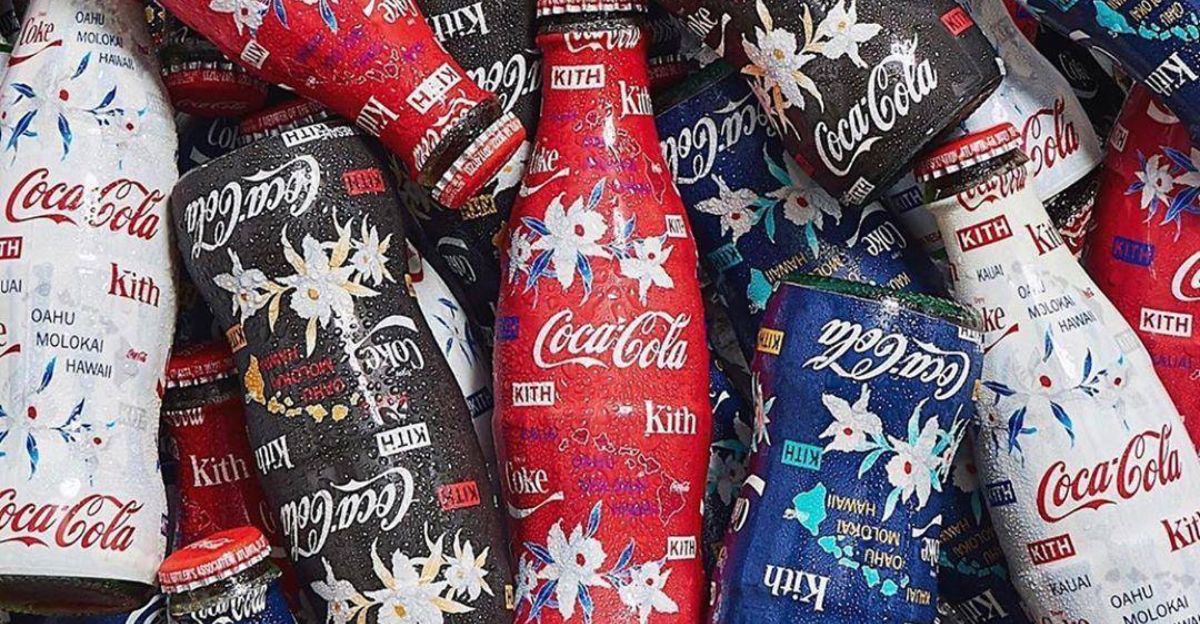
Locally-bottled Coca-Cola featured distinctive, wider 206-diameter cans with deep top ridges, a relic of 1960s machinery. The design signified authenticity and local pride. Once Mapunapuna closes, these cans vanish, replaced by standardized mainland models, erasing a visual symbol of Hawaii’s manufacturing heritage.
Collectors will treasure these relics, but daily recognition will disappear. The loss embodies Hawaii’s absorption into a centralized supply system. Visual identity matters as much as taste in local loyalty.
When 25 Jobs Represent A Bigger Loss Than Numbers Show
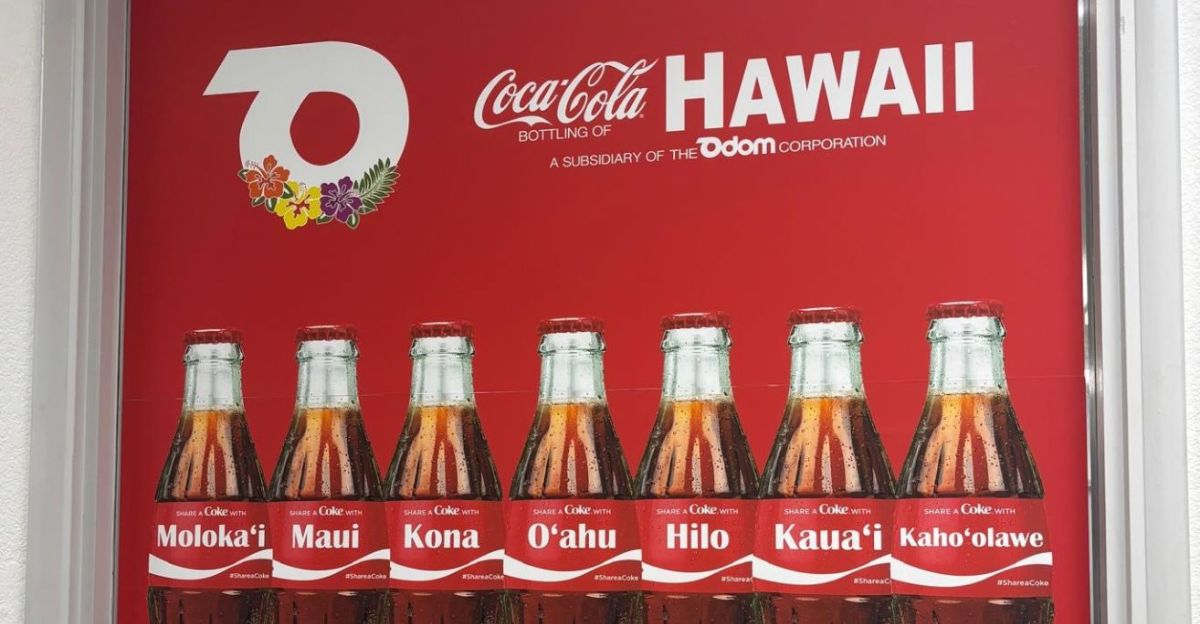
Though small nationally, the closure hits Hawaii’s manufacturing hard. The sector employed 13,000 in March 2025, down 38% from 1990. Food and beverage manufacturing accounts for 37% of all jobs, making Coca-Cola’s exit a notable loss. Middle-class income stability is threatened in a state already leaning on tourism and service sectors.
The loss illustrates broader industrial decline: local production capacity is eroding, and the economy becomes import-dependent. Manufacturing wages typically outpace service sector earnings, meaning Hawaii sacrifices both economic independence and career pathways.
What Went Wrong In Massachusetts Offers A Warning
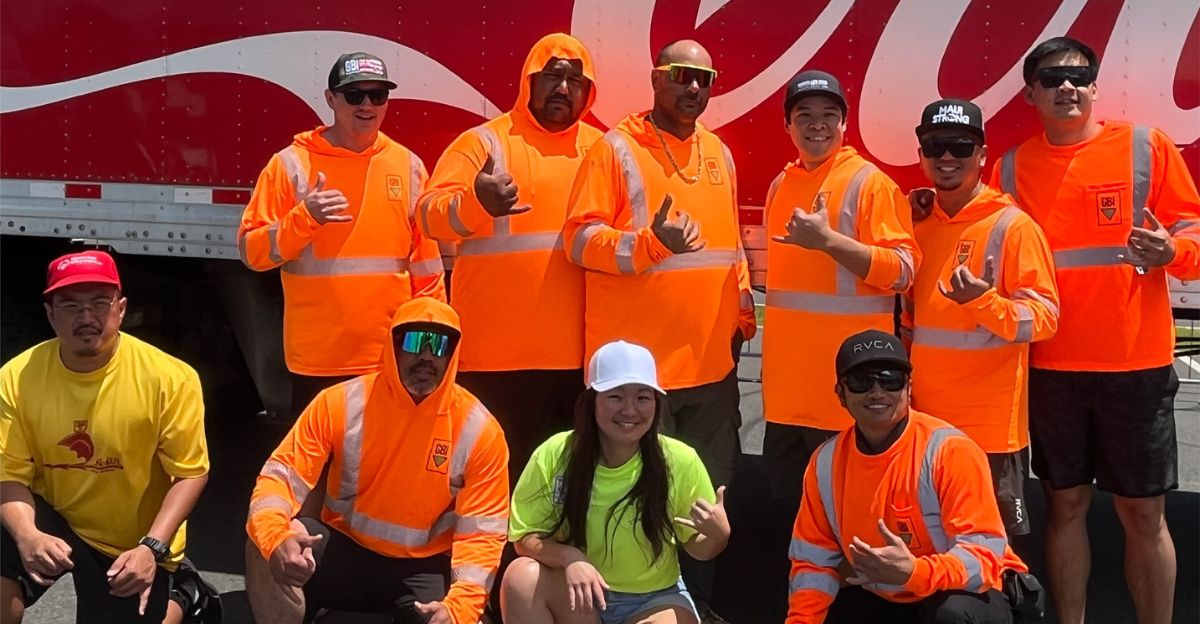
Northampton, Massachusetts, closed its Coca-Cola facility after repeated delays and Refresco operational failures, including E. coli contamination and bankruptcy threats. Announced in 2021, the plant was intended to close by 2024 but remained open until late 2025. Transition chaos disrupted local markets for months.
Hawaii now faces a similar risk. Odom has not disclosed its co-packer, leaving consumers and retailers uncertain about continuity. The Massachusetts precedent suggests potential gaps in supply, hinting at challenges that could repeat in the islands.
Hawaii Heads Into 2026 Already Struggling
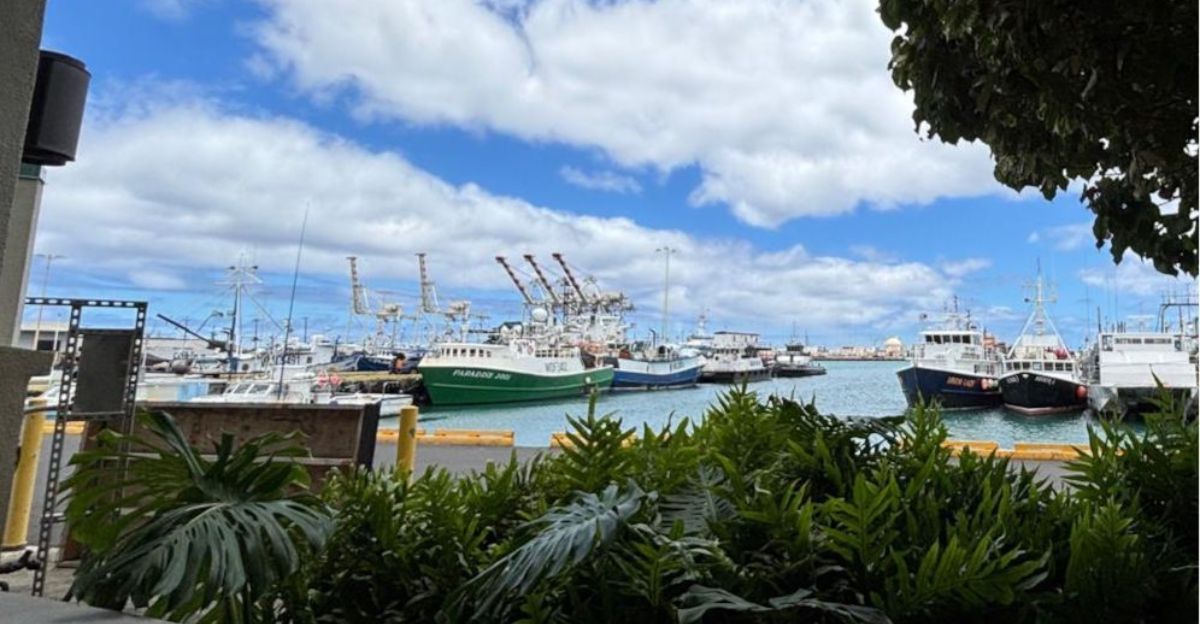
UHERO forecasts a mild recession for 2026. GDP growth stalls, employment faces headwinds, and non-durable goods manufacturing growth (+7.2% in Q2 2025) cannot offset the broader decline. Tourism softness compounds economic vulnerability, while the loss of a $2–$ 3 million local payroll removes a crucial source of stimulus.
Indirect jobs in supply chains and services—ranging from 50 to 150 roles—are also at risk. Coca-Cola’s rational decision for Odom amplifies structural weaknesses in Hawaii’s economy. Can the islands absorb shocks without local production, or is dependency on external suppliers increasing economic fragility?
A Warehouse Replaces A Factory—But Not The Jobs
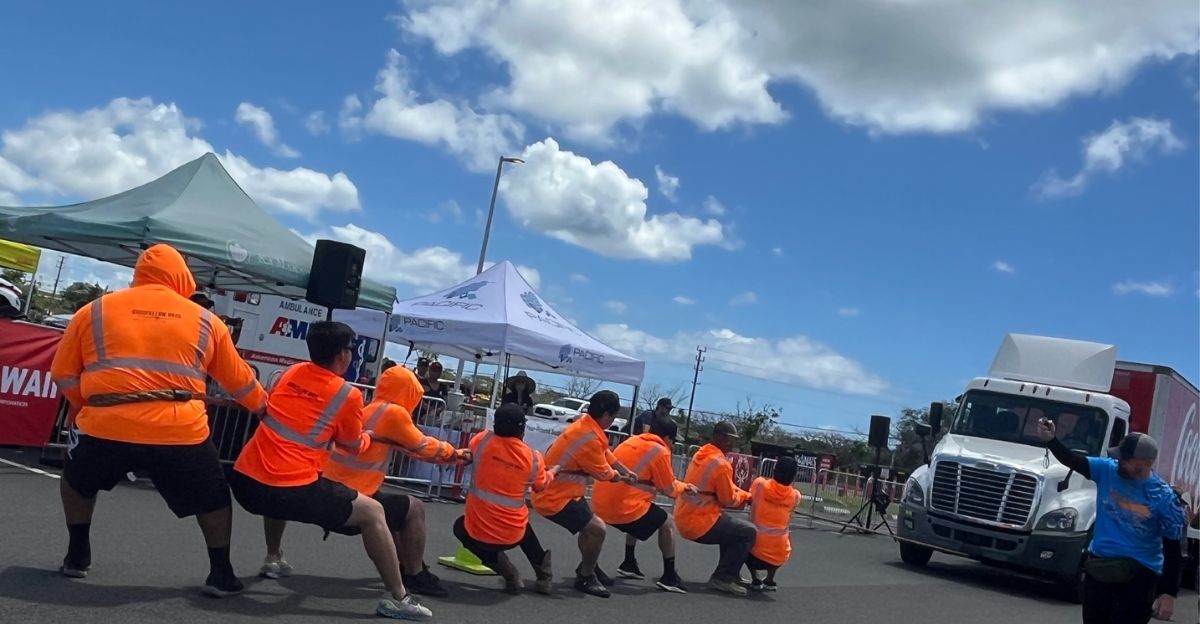
The new Kapolei warehouse maintains Coca-Cola’s presence but demands far fewer skilled workers. Production expertise gives way to general logistics roles, which pay less and require fewer qualifications. The facility handles distribution for Coca-Cola and Anheuser-Busch across Hawaii, reflecting a cost-containment strategy rather than an economic growth initiative.
Specialized manufacturing jobs vanish, replaced by lower-wage roles. Hawaii transitions from producing goods to managing shipments. This shift highlights broader implications of strategic optimization: operational presence without local economic benefits. Is a warehouse a true commitment, or a minimalist solution for corporate convenience?
Sixty-Five Years Ending, Self-Sufficiency Gone
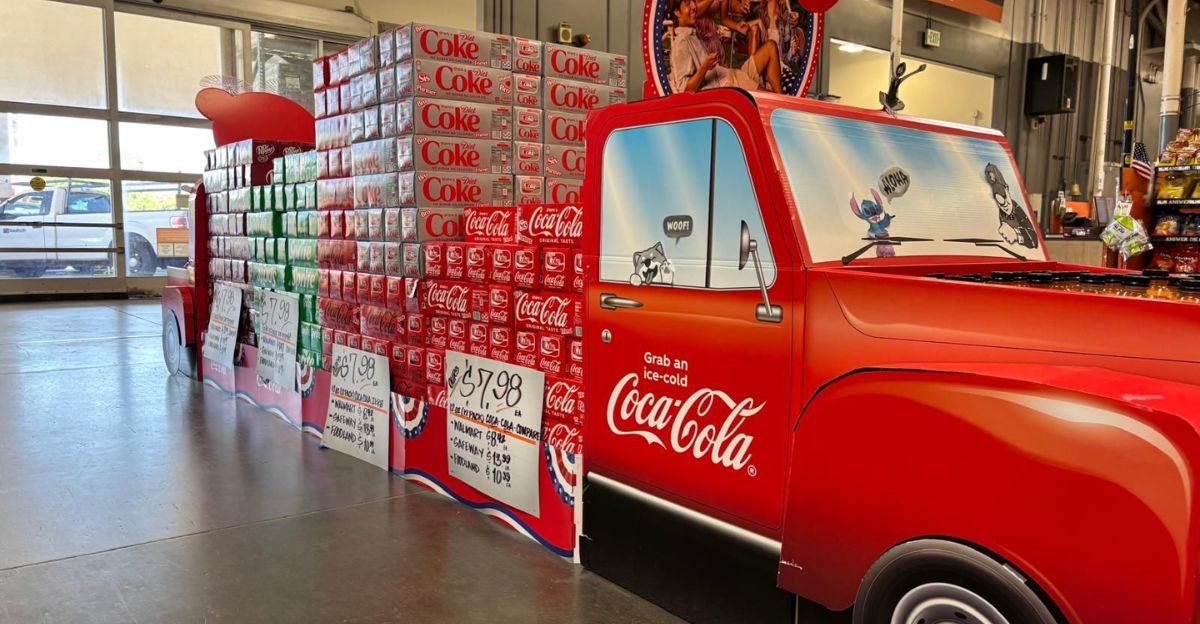
By January 31, 2026, Hawaii will lose the ability to produce beverages at scale. The 65-year Mapunapuna legacy ends, along with local economic and cultural pride. Residents face mainland dependence, potential price increases, and vulnerability to co-packer disruptions. The 25 displaced workers confront lower-paying roles or relocation.
Distinctive ridged cans vanish, while Pepsi dominates “local” beverage marketing. Coca-Cola captures operational savings, leaving Hawaii with social and economic costs. Strategic optimization comes at the price of resilience, identity, and middle-class jobs. The era of local production is over, and Hawaii’s manufacturing independence has ended.
SOURCES:
“Coca-Cola announces closure of last bottling plant of its kind,” The Cool Down, December 10, 2025.
“Coca-Cola’s Hawaii bottling plant to close in January,” Yahoo Finance, December 3, 2025.
“After 65 years, Coca-Cola is closing its only Hawaii bottling plant,” SFGate, December 9, 2025.
“UHERO Forecast for the State of Hawaiʻi: Mild recession and weak recovery in 2026,” University of Hawaii Economic Research Organization, December 11, 2025.
“Coca-Cola Closing Napa County Bottling Plant,” San Francisco Chronicle, April 22, 2025.
“Coca-Cola to Shut Down Major U.S. Plant, Hundreds of Layoffs Expected,” Parlay Brand, February 20, 2023.