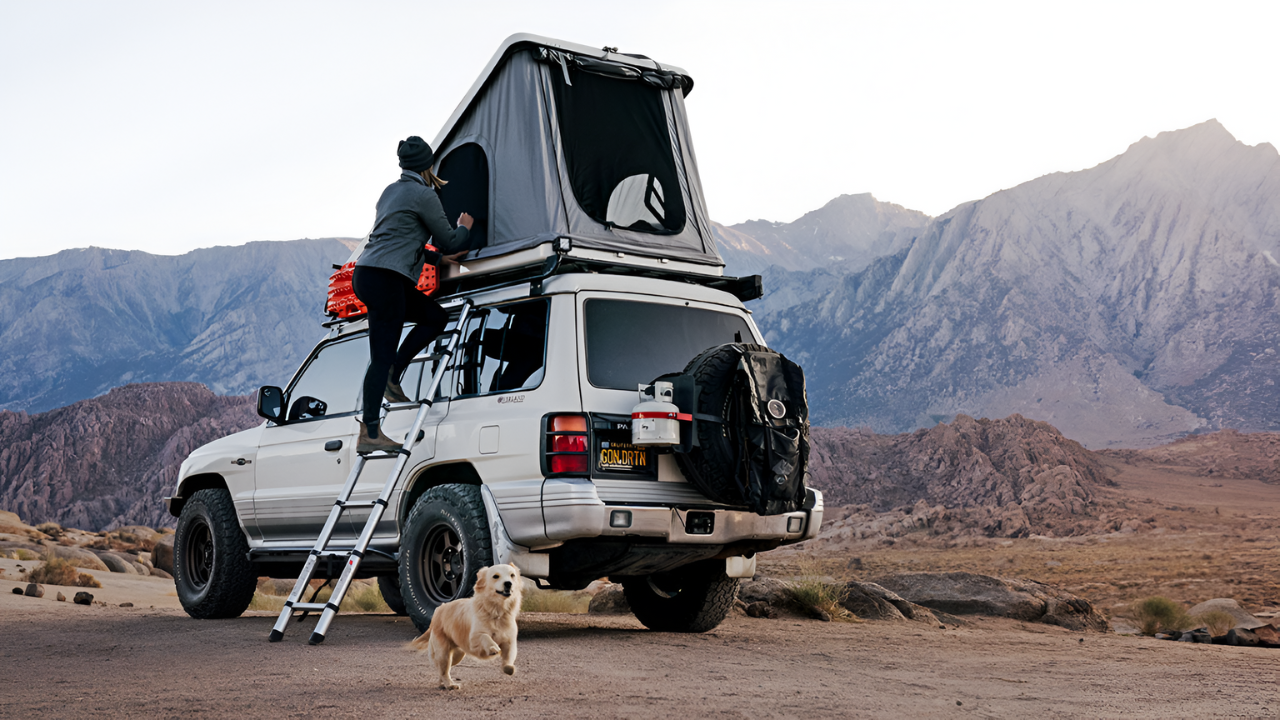
On October 27, 2025, 4×4 Colorado, a major rooftop tent retailer based in Lakewood with customers across multiple states, suddenly closed its doors.
This unexpected bankruptcy declaration by one of Colorado’s prominent rooftop tent retailers sent shockwaves through the outdoor recreation community, leaving customers nationwide high and dry. Many had placed orders worth thousands of dollars, only to find that their purchases were frozen and refunds were denied.
The fallout underscores how swiftly tariff volatility can devastate even well-established businesses, raising fundamental questions about regulatory stability within the sector. This dramatic turn of events has created ripples of concern among outdoor enthusiasts, further emphasizing the importance of trade policies in today’s market landscape.
The Tariff Spike: A Catalyst for Collapse
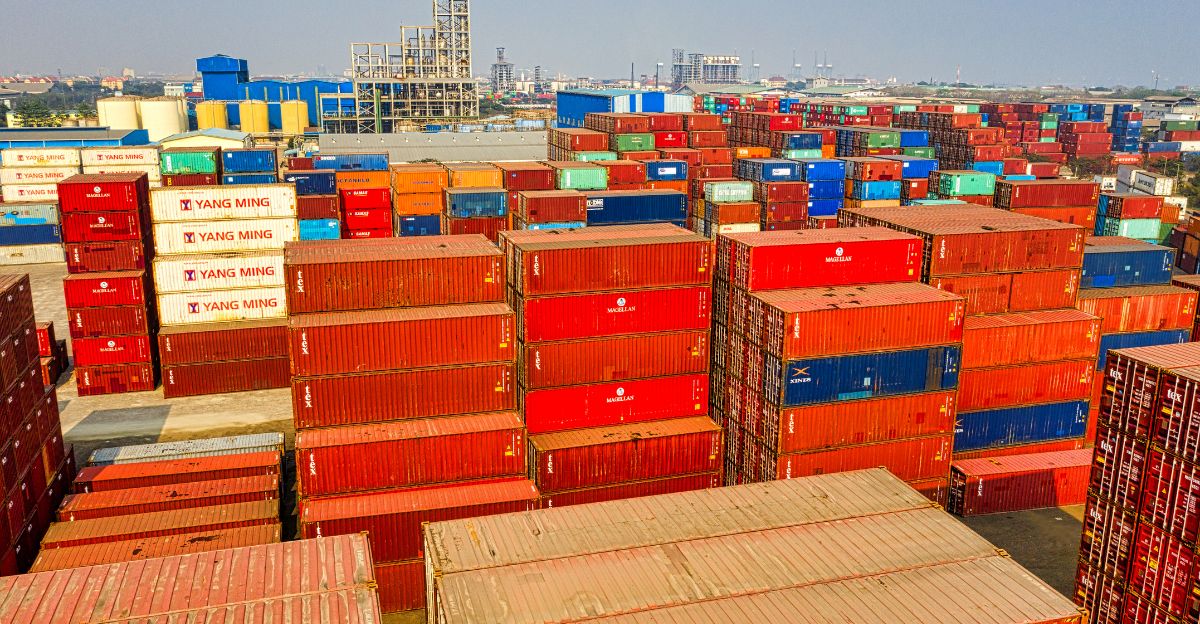
The shocking demise of 4×4 Colorado came on the heels of a staggering 130% tariff increase on imported goods, particularly impacting Chinese-manufactured rooftop tents. The company cited this unprecedented spike as the root cause of its financial collapse.
Supply chain disruptions made it impossible for the retailer to match costs with increasing expenses, effectively impeding its ability to fulfill orders. This catastrophe stands as a poignant reminder that regulatory shifts can have devastating repercussions, especially for small businesses, illustrating how external market forces can precipitate a rapid decline into insolvency.
Customers Left in the Lurch
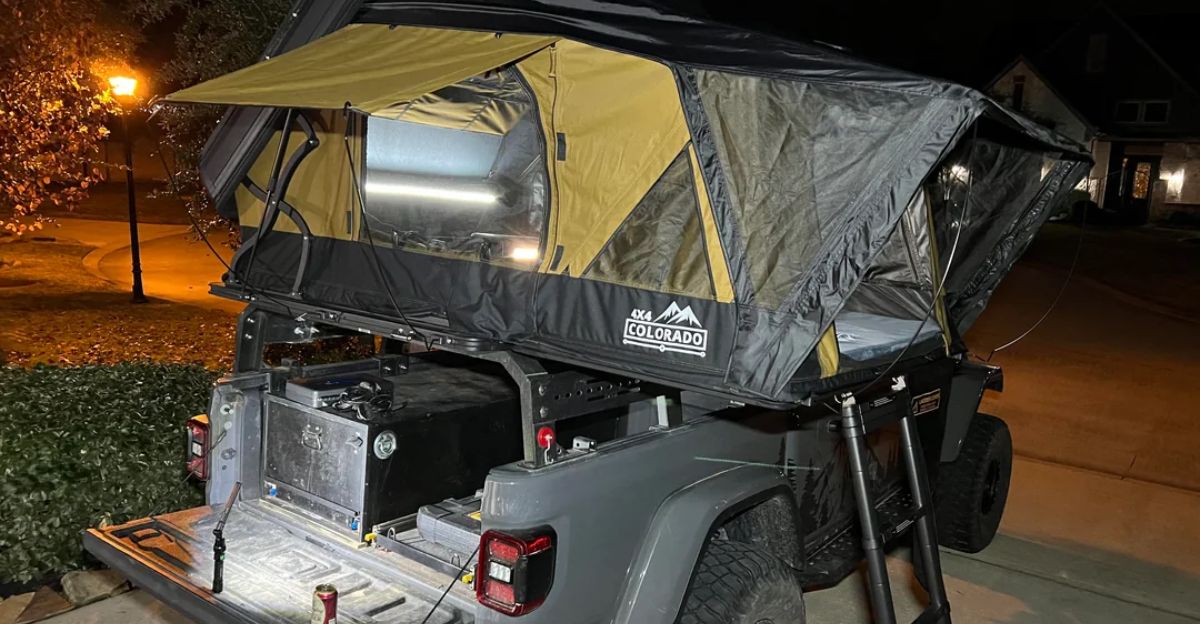
The company’s physical showroom location near the iconic Casa Bonita landmark in Lakewood and its active social media presence had helped it build a regional following among Colorado’s overlanding and camping enthusiasts.
With a claimed $500,000 in refunds already processed and ongoing complaints from customers across multiple states, the collapse’s reach extended well beyond a typical small retail failure.
The consequences of 4×4 Colorado’s collapse were felt acutely by customers across the western United States. Jason Padilla from Fresno, who paid $3,100 in May 2025, expressed his frustration: ‘I expected my rooftop tent by now, but there’s only silence.’
Similarly, Nicholas and Kelsey from Washington stated, ‘We lost $3,300 and have no idea if we’ll ever see it again.’ Their experiences reflect a widespread sentiment among the company’s multi-state customer base, with the company claiming it had already refunded $500,000 to customers—suggesting the scale of orders taken before the collapse.
Rating Fallout and Erosion of Trust
Following its abrupt closure, the once-established retailer faced a critical reputational crisis, as the Better Business Bureau (BBB) downgraded the company’s rating to an F.
Complaints poured in from disheartened customers who felt abandoned in their time of need. The company’s website vanished, and social media channels fell eerily silent, deepening consumers’ frustration.
Moreover, customer calls and emails went unanswered, spurring investigations that revealed the scope of the crisis. The drastic loss of trust raised essential questions about corporate accountability and the responsibilities businesses hold to their loyal customers during challenging times.
Market Dynamics: Competitors Seize the Opportunity
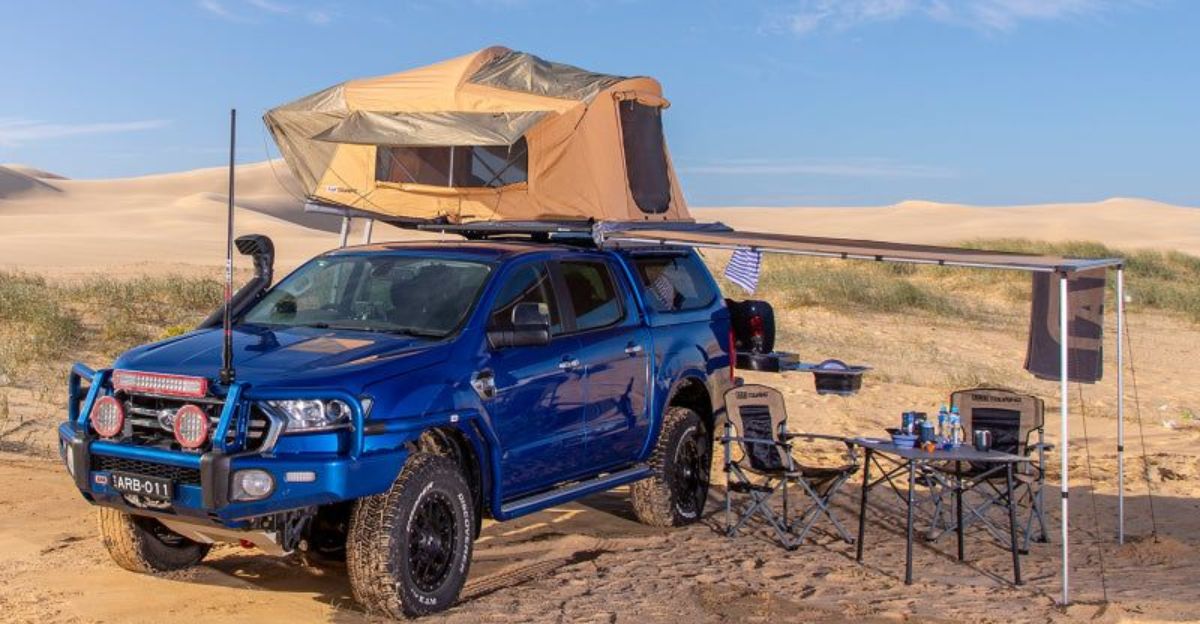
With 4×4 Colorado out of the picture—removing a significant competitor in the Colorado rooftop tent market—rival brands like ARB and Thule experienced increased demand as displaced customers sought alternatives. Online forums and social media showed customers reporting longer wait times and limited availability from remaining suppliers.
With reduced competition in the market, some established brands were positioned to capture displaced demand. This shift intensified competition and redefined market dynamics, demonstrating how larger, better-capitalized firms often thrive in the aftermath of smaller players’ misfortunes.
Global Ripple Effects: Tariff Cascade

The collapse of 4×4 Colorado highlighted broader challenges facing outdoor gear retailers dependent on imported products. The outdoor recreation industry has increasingly faced supply chain pressures as tariff policies evolved in 2025.
Industry discussions reflected concerns about sourcing strategies and supplier resilience. The incident revealed the concentration of outdoor gear manufacturing in Asia and how economic pressures can create challenges across interconnected supply chains.
The Human Cost: Families Affected

The closure of 4×4 Colorado didn’t just impact customers; it also had consequences for employees at the company’s Lakewood headquarters. The sudden closure left workers facing unexpected job loss.
Staff members were left without income amidst a challenging economic landscape, facing the need to seek new opportunities in Colorado’s competitive outdoor retail sector. The situation highlights the broader human cost of sudden business failures, extending beyond monetary losses to the emotional impacts faced by workers and their families during uncertain times.
Government Reactions: Questions on Tariff Strategy

The fallout from 4×4 Colorado’s bankruptcy caught the attention of Colorado legislators and U.S. representatives, sparking critical dialogues around the impact of tariffs on small businesses. Calls arose for emergency relief programs and tariff exemptions designed explicitly for outdoor recreation retailers.
This incident evolved into a case study, highlighting how trade policy can have a direct impact on local economies and community businesses. Advocacy groups began pushing for transparent tariff policies and proactive measures to safeguard small enterprises from similar fates.
Inflationary Pressure: Price Increases Across Outdoor Gear
Following the collapse of 4×4 Colorado, customers seeking alternatives reported facing higher prices and reduced availability in the rooftop tent market. These market pressures impacted outdoor recreation budgets, particularly among middle-income families who had relied on competitive pricing.
The financial strain reflected broader economic challenges in the outdoor gear sector, illustrating how supply disruptions can impact niche markets. Many potential buyers faced difficult decisions about purchases, reflecting the ripple effects when established retailers exit the market.
Retail Strategy Shift: Adapting to New Realities
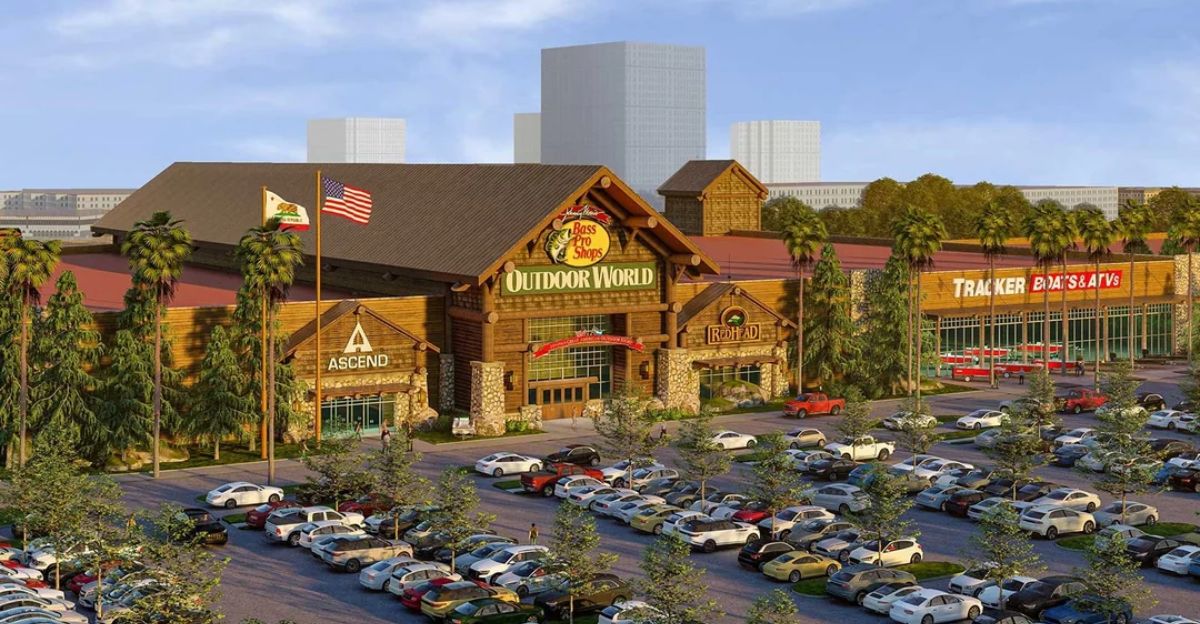
In the wake of 4×4 Colorado’s sudden exit, the gap in the rooftop tent market left questions about supply chain resilience for remaining retailers. Major outdoor retailers such as REI, Cabela’s, and Bass Pro Shops already carry established brands like ARB and Thule, which became the primary alternatives for displaced customers.
The collapse highlighted the importance of supplier diversification and resilience in the outdoor gear sector. This incident reflects a broader trend of retailers re-evaluating business practices in the face of external market pressures.
Employee Sentiment Amidst Uncertainty
The abrupt closure left former 4×4 Colorado employees facing unexpected job loss and financial uncertainty. The sudden nature of the shutdown created challenges for workers who had been part of the company’s operations in Lakewood.
Former employees faced the task of finding new opportunities in Colorado’s outdoor retail sector. The situation underscores the impact on workers when businesses close suddenly, reflecting broader challenges in employment stability during economic uncertainty.
A New Consumer Reality: Shift in Outdoor Recreation Trends
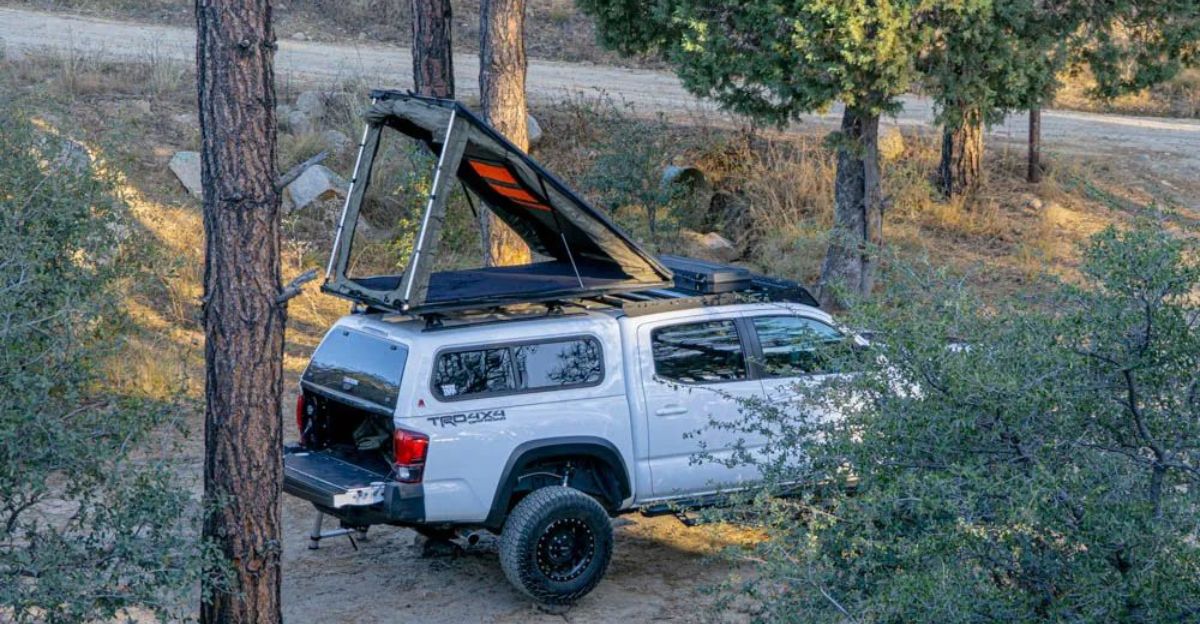
The collapse of 4×4 Colorado raised questions about consumer confidence in smaller outdoor gear retailers. Some customers displaced by the closure faced decisions about alternative purchasing options, including established brands or waiting for market conditions to stabilize.
The incident highlighted ongoing discussions in the outdoor recreation community about retailer reliability and purchase decisions. As the market adjusts to the absence of 4×4 Colorado, companies may need to prioritize building customer trust and transparency in their operations.
Competitive Landscape: The Rise of Local Brands
As larger brands capitalize on 4×4 Colorado’s misfortunes, local brands are gearing up to fill the void left behind. Emerging companies are stepping up with innovative solutions and unique offerings aimed at capturing the attention of customers who have been displaced.
These local players are redefining market dynamics by focusing on building community trust and resilience against price hikes, thereby appealing to conscious consumers who are eager to support regional businesses. This shift may reshape the competitive landscape for outdoor gear in Colorado and beyond.
Long-Term Implications: Policy Advocacy Gains Traction

The collapse of 4×4 Colorado could prompt a reevaluation of tariff policies as small businesses rally for more protective measures. Advocacy groups are emphasizing the need for regulations that take into account the unique challenges faced by niche markets within the outdoor gear sector.
The incident serves as a cautionary tale, emphasizing the need for balanced trade policies that promote growth while minimizing unnecessary burdens on local businesses. Potential reforms could shape the future landscape for small retailers as they navigate volatile external factors.
Consumer Trust and Brand Loyalty in Jeopardy
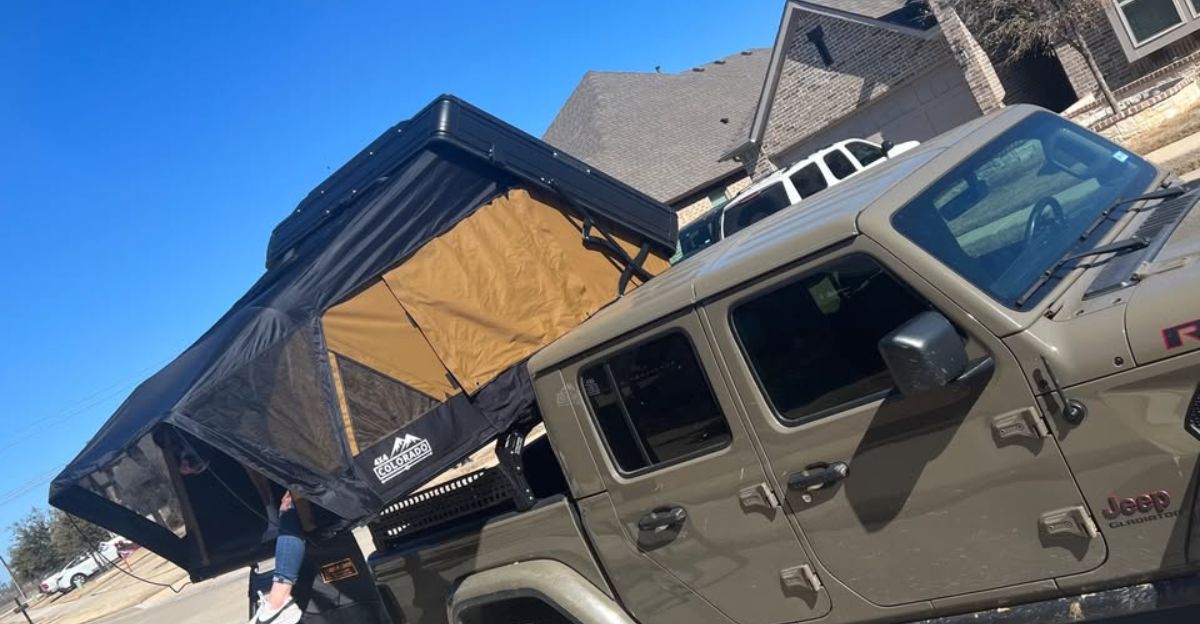
The downfall of 4×4 Colorado raises urgent questions about consumer trust and brand loyalty in the outdoor market. Customers often gravitate toward brands that embody reliability; a sense of community can solidify that bond.
However, the abruptness of this collapse has left many feeling disillusioned. Brands that fail to foster transparency and accountability risk losing customer loyalty. Moving forward, rebuilding trust will require a concerted effort from companies to engage meaningfully and prioritize ethical practices in their operations.
Emerging Strategies: Innovations in Supply Chain Management

In light of recent crises, innovative supply chain management strategies are emerging within the industry. Retailers are focusing on resilient practices such as local sourcing and diversifying supplier networks to mitigate risks associated with sudden regulatory changes.
This proactive approach is crucial for revitalizing businesses after a collapse and ensuring that companies can withstand future tariffs or trade barriers. As outdoor gear retailers adapt, they pave the way for a more sustainable and responsive market cycle.
Community Support Systems: Helping the Displaced

In response to the economic impact of 4×4 Colorado’s closure, local community support systems are stepping up to assist displaced workers and affected customers. Job placement programs, financial planning services, and community fundraising initiatives are emerging as vital resources during this transition.
These collective efforts highlight the importance of community resilience, underscoring how collaboration can help mitigate the hardships faced by those affected by economic upheaval. As the local ecosystem rallies together, it highlights the strength found in unity.
Future Outlook: Preferences for Accountability and Transparency
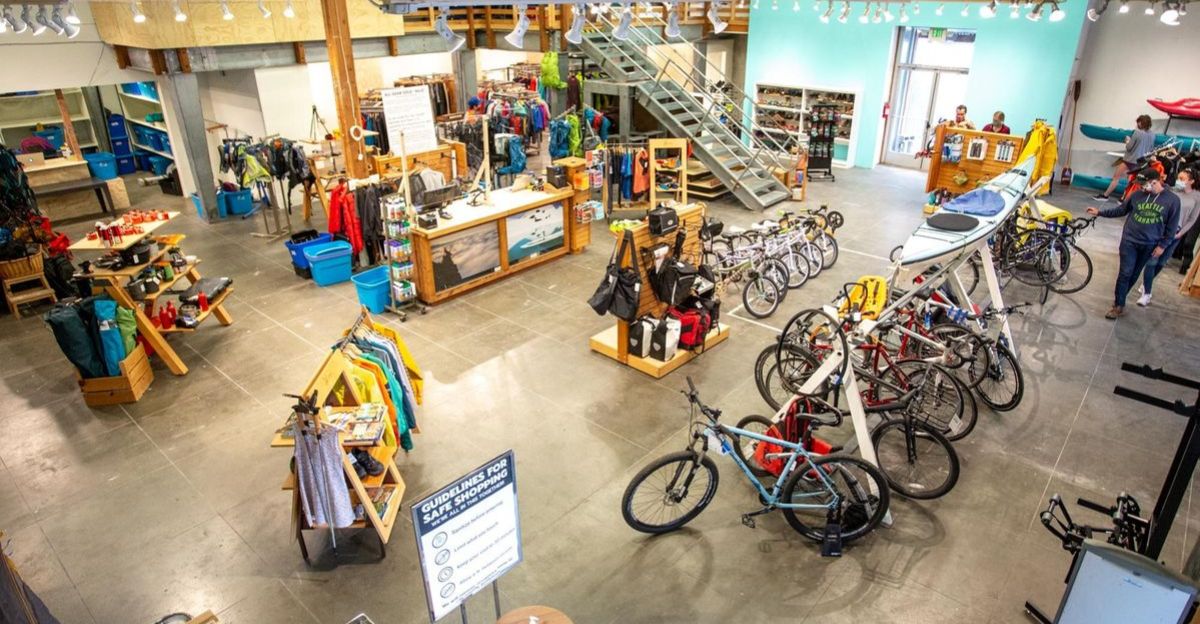
Moving forward, the outdoor market is likely to see a rise in consumer preferences for accountability and transparency. Shoppers are increasingly drawn to brands that showcase ethical sourcing and clear communication strategies.
The lessons learned from 4×4 Colorado’s demise can guide outdoor companies in rebuilding reputations while fostering relationships with customers based on trust and integrity. As the market adapts, brands prioritizing these values will likely emerge as leaders capable of navigating evolving consumer expectations.
The New Normal: Adjusting to Market Fluctuations
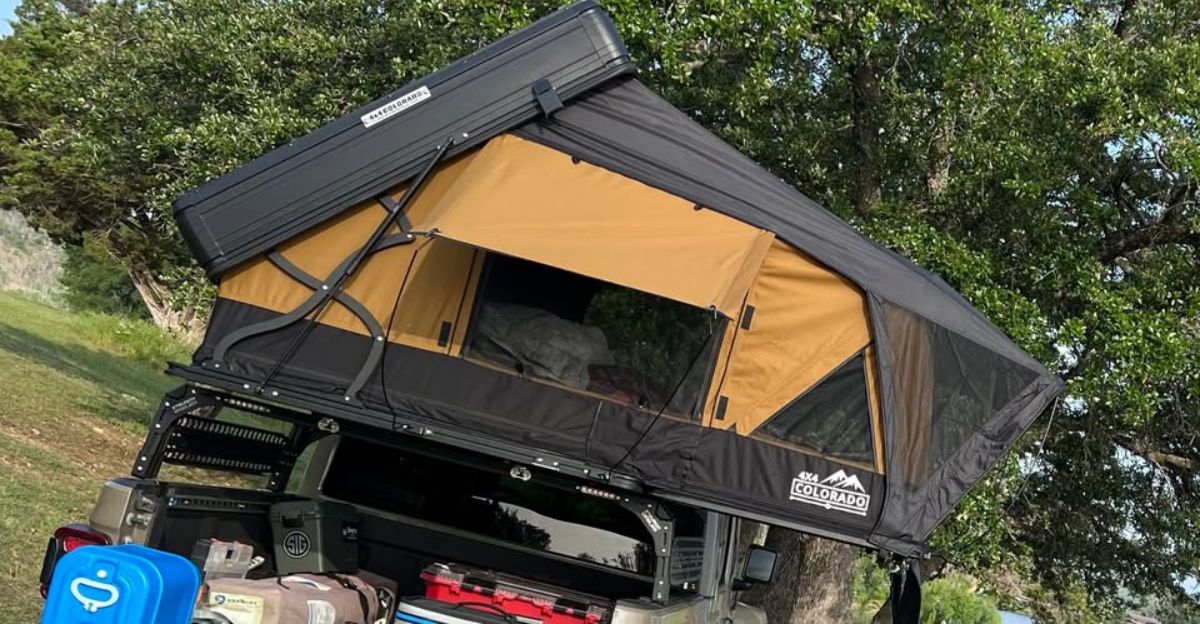
As 4×4 Colorado’s experience reveals, the fragility of the outdoor retail industry in the face of tariffs and economic pressures requires businesses to adjust to a new market normal. This entails continuously assessing external risks, innovating product offerings, and diversifying distribution channels to remain competitive.
Understanding that resilience requires adaptation is crucial for survival and growth in the outdoor gear sector, particularly amid uncertainty. Companies that embrace change will have a better chance of thriving in this new economic landscape.
Lessons Learned from the Collapse
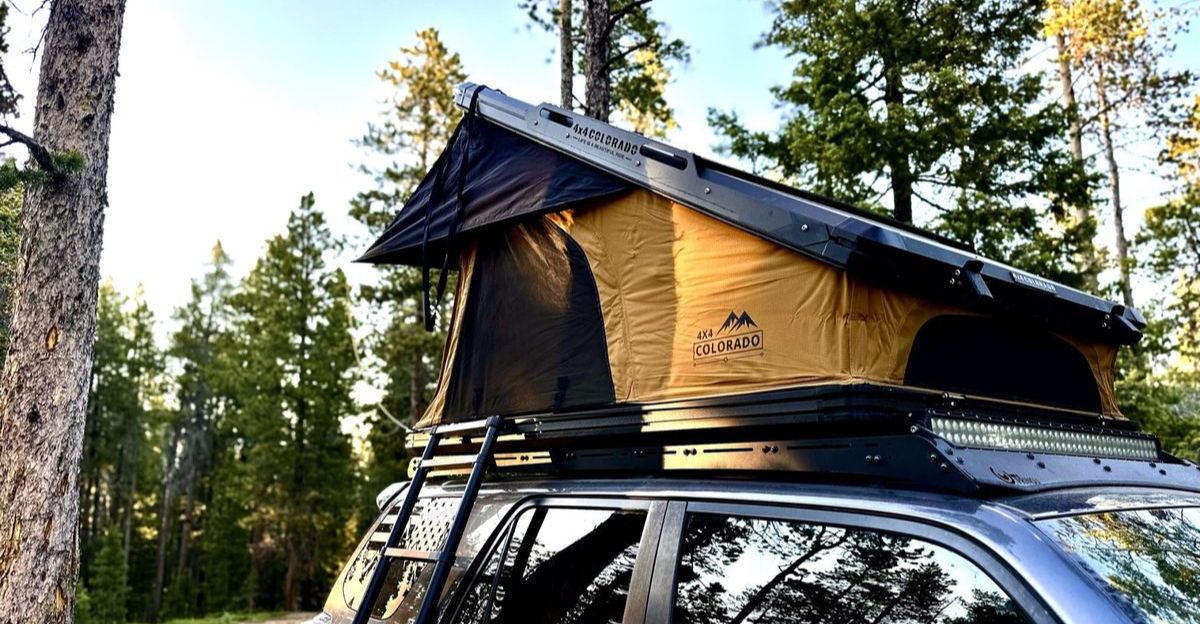
The untimely collapse of 4×4 Colorado serves as a pivotal reminder of the far-reaching implications of tariff policies on small businesses and consumers alike. It highlights the urgent need for legislative review and proactive solutions to protect local enterprises.
The story isn’t just about monetary loss; it encompasses a deeper understanding of consumer trust, market dynamics, and community resilience. As stakeholders reflect on the lessons from this crisis, they can work towards fostering a more balanced and equitable outdoor recreation landscape, preparing for a future that safeguards against similar downturns.