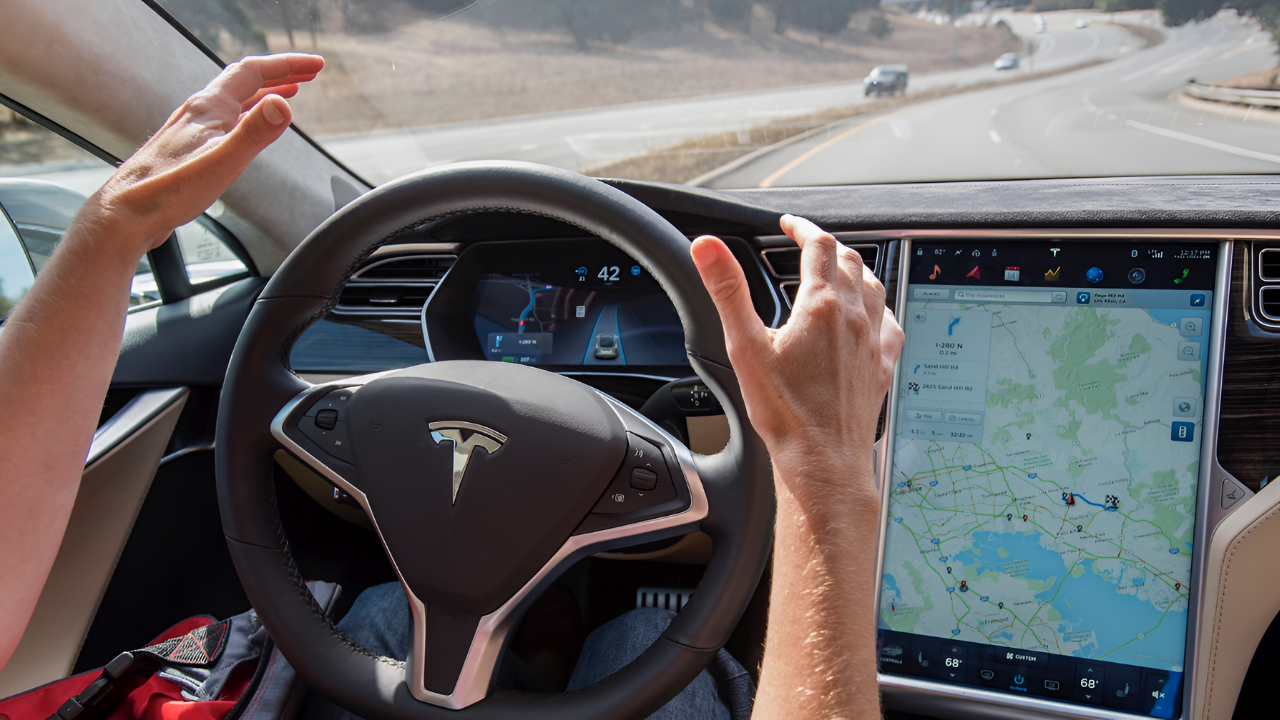
A California judge’s ruling has put Tesla on a 90-day countdown to overhaul its marketing, threatening a sales halt in the state’s vast electric vehicle market if the company fails to clarify that its driver assistance systems require constant human oversight.
The decision stems from years of promotions that regulators say misled drivers into believing vehicles could operate without intervention, spotlighting a fatal 2019 crash and a pattern of overstated claims.
What Triggered the Ruling
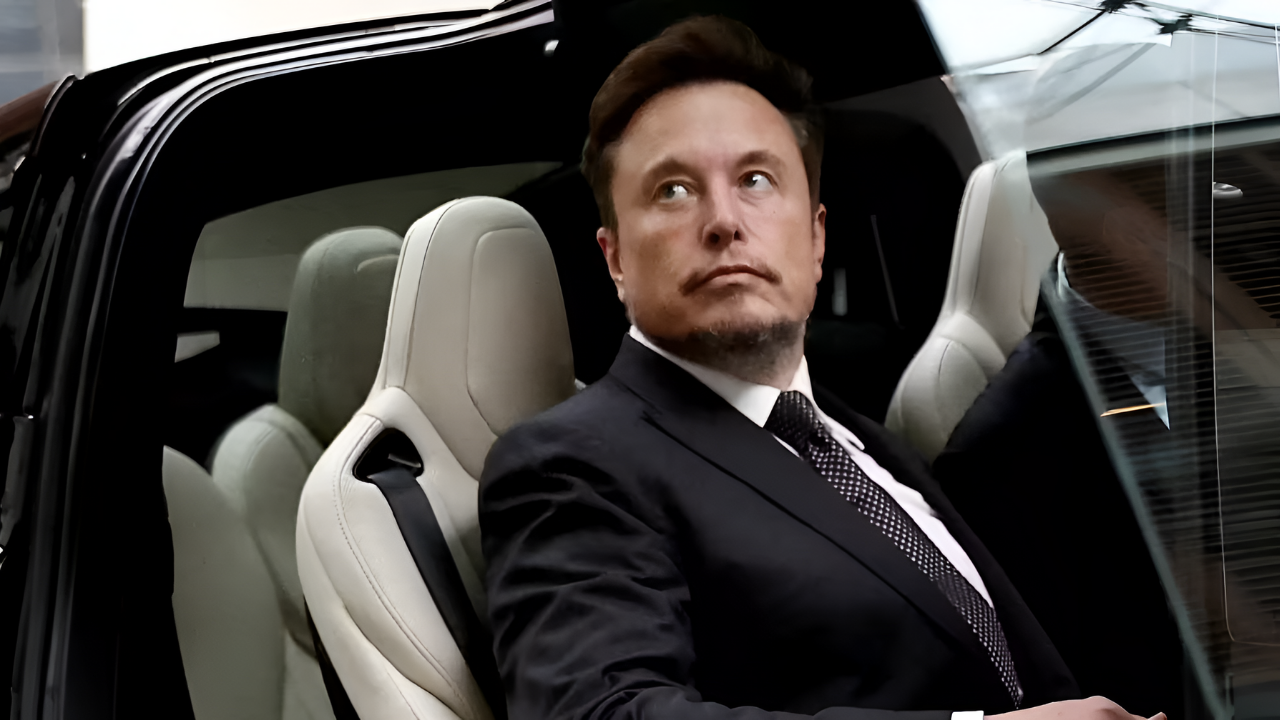
California’s Department of Motor Vehicles launched its probe after multiple incidents, including accidents tied to overreliance on Autopilot. A key case involved a 2019 Florida collision where a distracted Model S driver, using the system, struck and killed 22-year-old Naibel Benavides Leon while gravely injuring Dillon Angulo. In August 2025, a Miami jury held Tesla significantly responsible, awarding $240 million in punitive damages and $43 million in compensatory ones, though the company blamed the driver.
Administrative Judge Juliet Cox presided over a five-day hearing in Oakland in July 2025, scrutinizing marketing materials from 2021 onward. She concluded the language deceived reasonable consumers, despite disclaimers in fine print.
The Smoking Gun Phrase
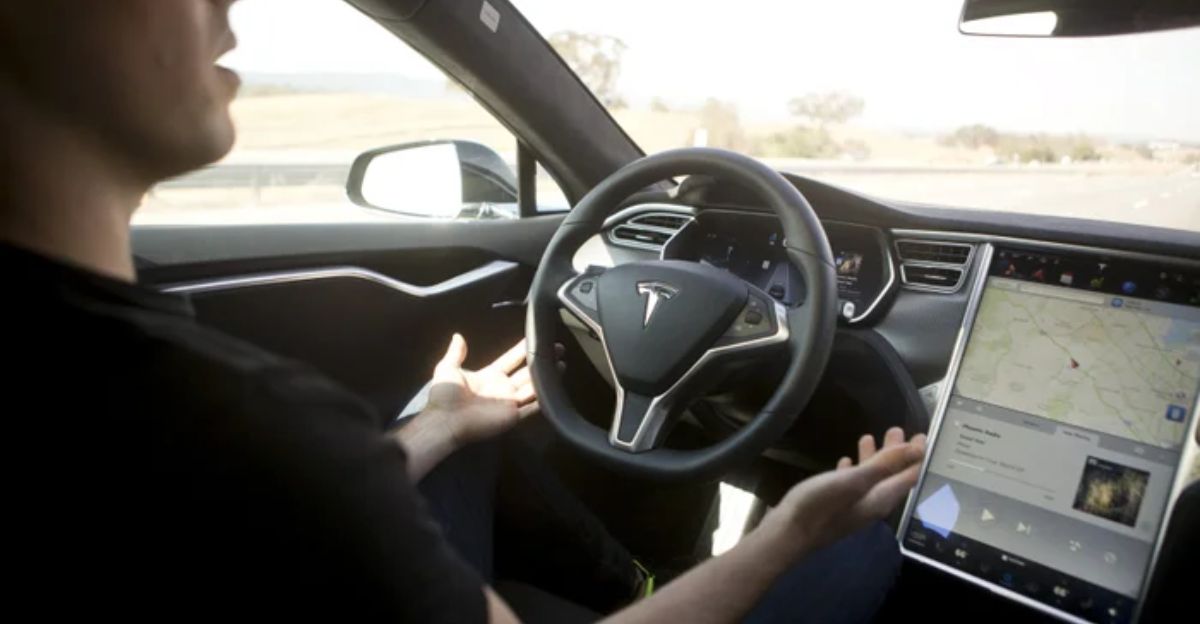
Central to the case was Tesla’s website statement from May 2021: the system was “designed to be able to conduct short and long-distance trips with no action required by the person in the driver’s seat.” Cox ruled that ordinary readers would not grasp the need for ongoing supervision, even with later tweaks like “Full Self-Driving (Supervised).”
Promotional videos and visuals further blurred lines, depicting self-driving prowess while manuals stressed driver attention. California’s DMV filed accusations in 2022 of systematic false advertising under state unfair competition laws, while the state Attorney General Rob Bonta separately opened an investigation into Tesla’s claims.
DMV’s Modified Ultimatum
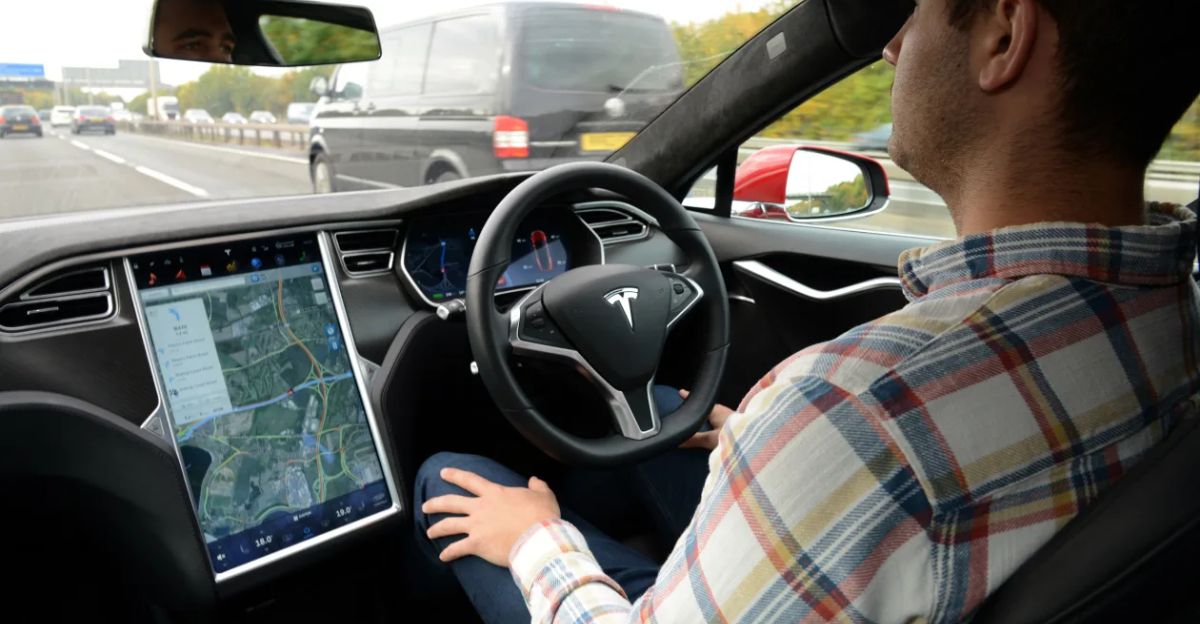
On December 17, 2025, DMV Director Steve Gordon adjusted Cox’s recommendation of an immediate 30-day suspension of Tesla’s sales and manufacturing licenses. He dropped the manufacturing penalty outright but issued a 90-day fix-it order. Tesla must revise advertising, websites, sales scripts, and demos to eliminate misleading terms or add explicit Level 2 automation warnings—partial aids needing continuous driver input.
Gordon noted Tesla’s economic weight, employing 47,000 in the state with wages 50% above average and generating $16.6 billion yearly in activity. Noncompliance by mid-March 2026 triggers the sales ban.
Tesla’s Response and Broader Probes
Tesla dismissed the order as targeting “Autopilot” terminology without customer complaints surfacing. It vowed uninterrupted sales, despite federal scrutiny: the National Highway Traffic Safety Administration opened a probe on October 7, 2025, into 2.88 million Full Self-Driving-equipped vehicles. Regulators logged 58 complaints of hazards like red-light runs and wrong-way driving, plus 14 crashes injuring 23 people.
Class actions mount too. A federal judge certified suits for FSD buyers from 2017 to 2024, questioning if promotions promised unattainable autonomy. One arbitrator mandated $10,000 reimbursements plus fees, deeming early FSD nonfunctional.
Industry Ripple Effects
Mercedes-Benz secured California’s first Level 3 approval for DRIVE PILOT, using precise SAE terminology. Waymo’s Level 4 robotaxis deliver 450,000 weekly paid rides with accurate messaging. Tesla faces intensified federal scrutiny as NHTSA continues multiple investigations into its Level 2 systems.
Tesla’s California registrations dropped 15.1% year-to-date through Q3 2025, slipping to 9.8% market share behind Toyota’s 17.4%, amid competition, hybrid gains, and scrutiny. Robotaxi tests in Austin since June 2025 reported eight crashes, contrasting Waymo’s 100 million driverless miles.
Stakes and Path Ahead
A 30-day sales suspension would significantly impact Tesla’s quarterly deliveries in its largest U.S. state market, representing approximately 20-25% of domestic volume. Tesla renamed FSD “Intelligent Assisted Driving” in China last March; similar shifts could avert crisis.
This precedent demands terminology match capabilities, fostering trust as self-driving tech proliferates. Tesla’s compliance will test if economic clout bends regulators or forces industry-wide clarity on supervision needs.
Sources
DMV Finds Tesla Violated California State Law. California Department of Motor Vehicles, December 16, 2025
California DMV Threatens to Shut Down Tesla Sales Over ‘Autopilot’ False Advertising. Los Angeles Times, December 17, 2025
Tesla Ordered to Pay $200 Million in Punitive Damages Over Fatal Crash. CBS News, August 3, 2025
NHTSA Opens Investigation into Tesla’s Full-Self Driving System. U.S. Senator Edward Markey Press Release, October 9, 2025
Deceptive Self-Driving Claims Prompt California to Threaten Tesla With 30-Day Sales License Suspension. Carrier Management, December 19, 2025