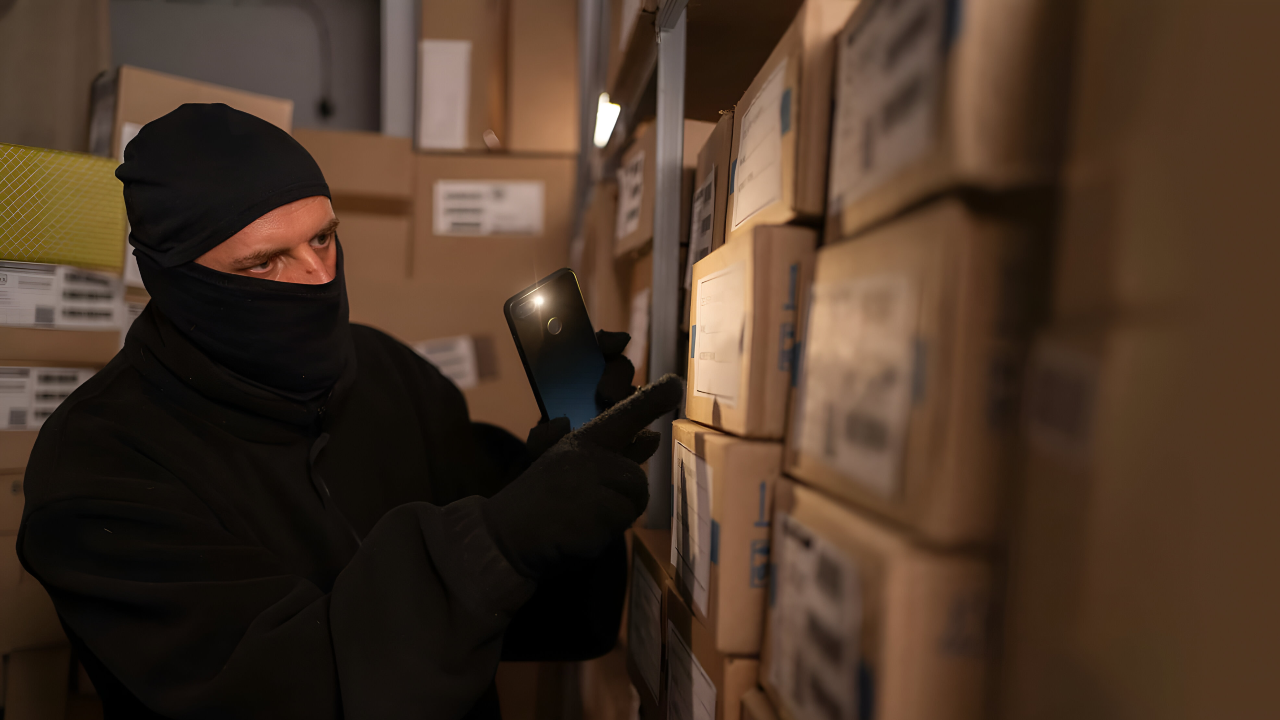
Cargo theft in the United States has escalated into a nationwide crisis, with organized crime groups exploiting weak points in logistics and technology to reroute and steal entire truckloads. The financial toll is staggering: roughly $35 billion in annual losses, or about $96 million per day. This is no longer a series of isolated incidents but a systemic disruption affecting supply chains from ports to store shelves, with consequences that reach far beyond the transportation sector.
A Surge Fueled by Crime and Weaknesses
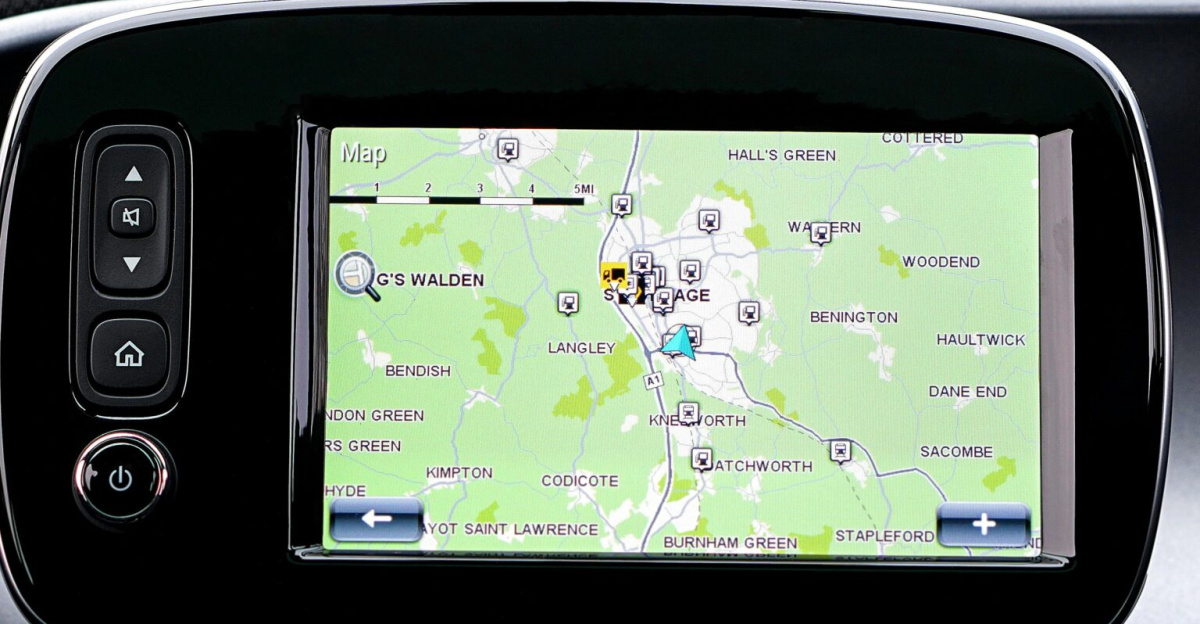
The number of cargo-theft events in 2024 reached about 65,000, a 40 percent increase from the previous year. The National Insurance Crime Bureau reports that losses rose 27 percent in 2024 and projects another 22 percent rise by the end of 2025. Criminal networks are increasingly using identity fraud and cyber tactics, manipulating common business technologies such as VoIP and GPS systems to reroute high-value goods before anyone notices. These operations are sophisticated, often involving fake pickup orders and forged documentation, allowing thieves to move entire loads without a trace.
Consumers and Businesses Pay the Price
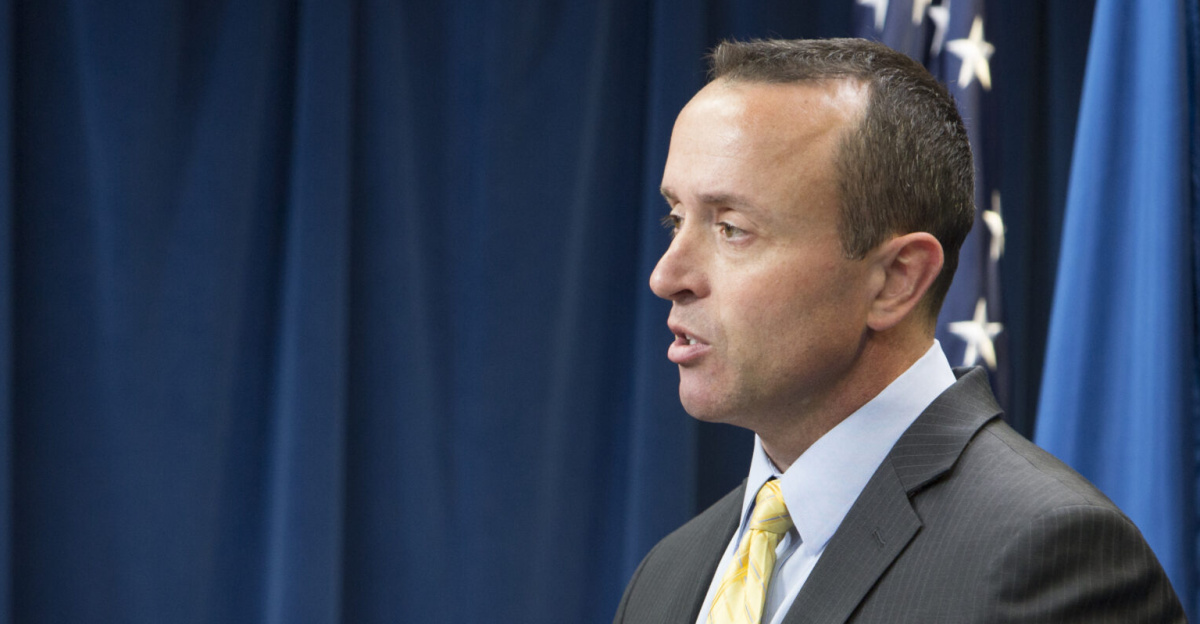
The cost of these thefts is ultimately passed on to consumers. When manufacturers and retailers must replace stolen inventory, those expenses are reflected in higher prices. The National Insurance Crime Bureau’s CEO, David Glawe, notes that when manufacturers are forced to account for stolen merchandise, the costs are passed along to the consumer. The American Transportation Research Institute echoes this, describing cargo theft as a “standard cost of doing business” for the trucking industry, with customers ultimately footing the bill for these multi-billion-dollar losses.
Major shippers, including retailers like Academy Sports + Outdoors, have had to reposition seasonal inventory at premium rates, eroding profit margins and leaving shelves bare. Rail carriers are spending heavily on yard security after thieves slow trains and offload containers in minutes. Fast-food and retail chains face similar disruptions, with delayed shipments of ingredients or merchandise forcing last-minute substitutions and operational changes.
Hot Spots and Vulnerable Workers
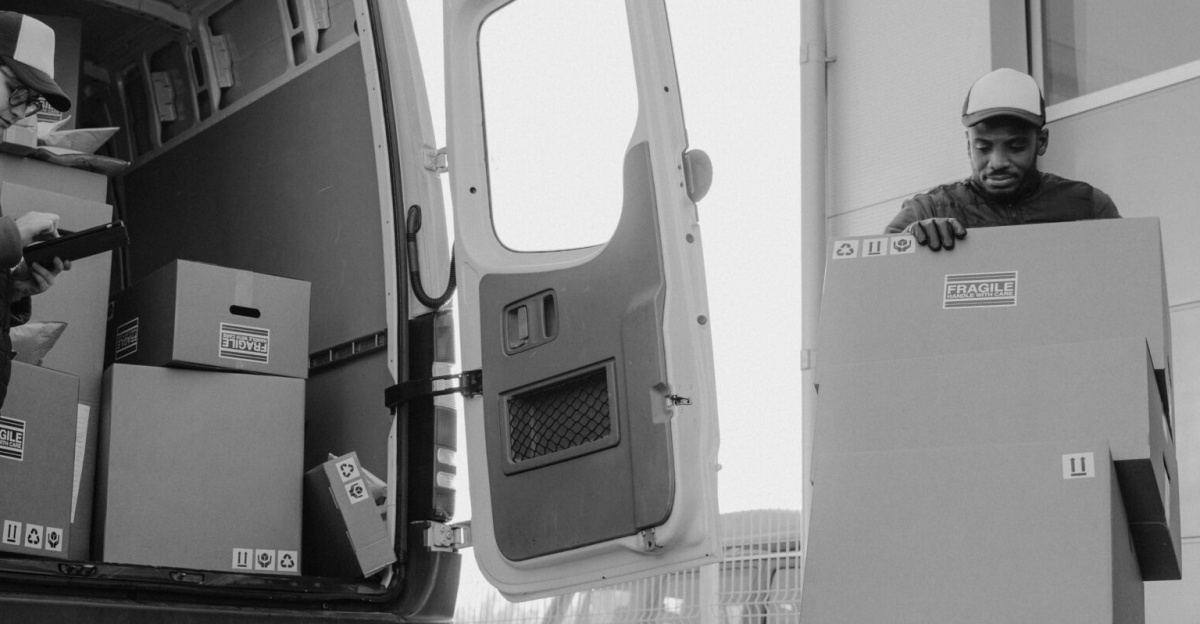
Key transport hubs have become prime targets. The Los Angeles–Inland Empire region, home to the nation’s busiest ports and warehouses, accounts for about one-third of U.S. cargo-theft incidents. The Texas Triangle and the Memphis intermodal gateway are also major hot spots. On the ground, truck drivers and small businesses are among the hardest hit. Independent owner-operators warn that a single six-figure loss can wipe out a family trucking business overnight. With average cargo theft losses exceeding $520,000 per carrier each year, many small carriers operate on razor-thin margins, vulnerable to a single major theft.
Policy and Industry Responses

Pressure is growing for a coordinated federal response. In June 2024, the U.S. House introduced the Safeguarding Our Supply Chains Act, which would establish a federal Supply Chain Crime Coordination Center under the Department of Homeland Security. In summer 2025, Congress held high-profile hearings on cargo crime, with NICB leaders testifying about the threat. Proposed measures include funding dedicated cargo-crime prosecutors, mandating biometric carrier registrations, and strengthening interstate theft penalties.
At the same time, insurers have raised premiums 12–18 percent on high-risk routes, particularly in Southern California and Texas. The Council of Supply Chain Professionals estimates each stolen truckload adds 0.03–0.05 basis points to consumer inflation in that category. Retailers and shippers are responding with technology: embedding GPS/GSM trackers in high-value goods, requiring biometric ID checks, and using real-time geofence alerts to prevent fraudulent pickups. Some firms are even adopting blockchain-based chain-of-custody records, though these measures add cost and complexity to supply chains.
Broader Economic and Social Impact
The ripple effects extend into public health, lifestyle, and global trade. Pharmaceuticals and food are frequently targeted, meaning stolen medicines or fresh foods may never reach pharmacies or grocery stores, forcing consumers to change diets or forgo treatments. Overseas markets are also affected, with delays on U.S. exports and higher import costs. In Europe, authorities have tightened supply-chain rules in response to rising fraud-based thefts, while U.S.-made consumer brands face inventory gaps in international markets.
As the crisis deepens, some sectors benefit while others suffer. Technology and security firms see increased demand for GPS trackers, AI surveillance, and armored parking. Insurers report that fleets installing smart locks can qualify for lower premiums, with savings of up to 15 percent. Meanwhile, small carriers and independent drivers remain highly vulnerable, with many lacking the capital to absorb major losses. Wall Street is closely watching logistics and security stocks, which have become more volatile as news of thefts spreads.
If current trends continue, analysts expect cargo theft to climb further. Enhanced digital safeguards, coordinated law enforcement, and stricter regulations are seen as essential to curb the crisis. Without decisive action, the hidden costs of cargo theft will continue to reshape supply chains, consumer prices, and the broader economy.
Sources:
National Insurance Crime Bureau (NICB) 2024–2025 cargo theft reports and CEO testimony
U.S. Senate Judiciary Committee hearing, July 15, 2025 (David Glawe testimony)
CargoNet/Verisk 2024 cargo theft data and analysis
American Transportation Research Institute (ATRI) carrier loss research
H.R. 8834 Safeguarding Our Supply Chains Act (introduced June 25, 2024)
Association of American Railroads 2024 railroad cargo theft statistics