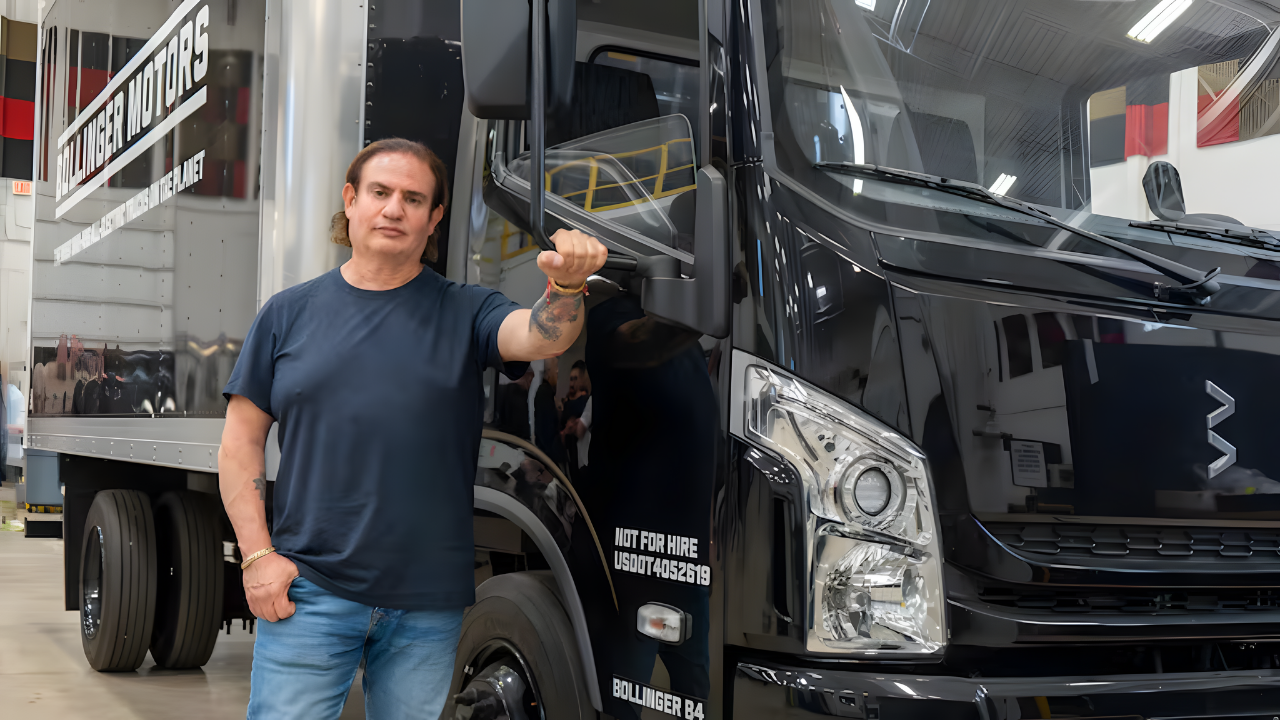
On November 21, 2025, Bollinger Motors employees opened an email that ended everything: “Officially close the doors effective today.” HR Director Helen Watson’s message gave no warning, no transition, no severance.
Within hours, hundreds of engineers and technicians who had relocated to Michigan in pursuit of the electric vehicle dream found themselves unemployed, unpaid, and facing an uncertain winter. Their story threads through the staggering 1.17 million American job cuts reported this year—a 54 percent surge.
The Warning Signs No One Could Stop
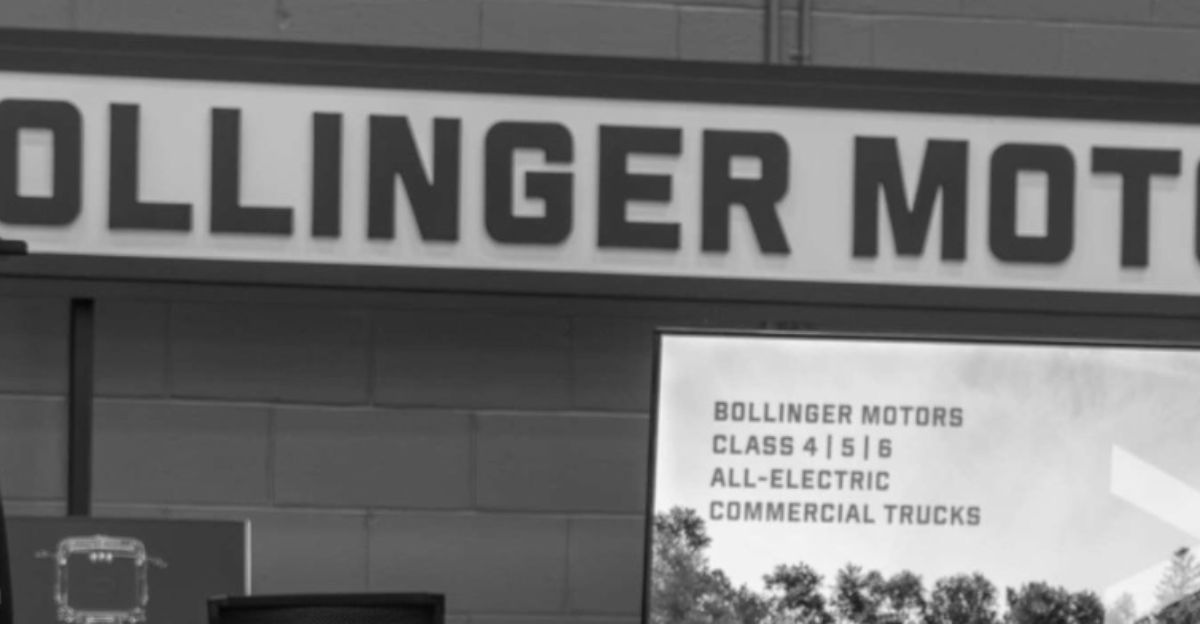
By early November 2025, at least two consecutive weekly paychecks had been missed. The company first notified employees on October 31 about the inability to process payroll and then sent a follow-up on November 6, confirming that funding still had not been secured.
Some employees had pieced together financial clues; others held onto fragile hope. When the shutdown email landed, it felt final and cruel.
The Digital Trail of Human Suffering
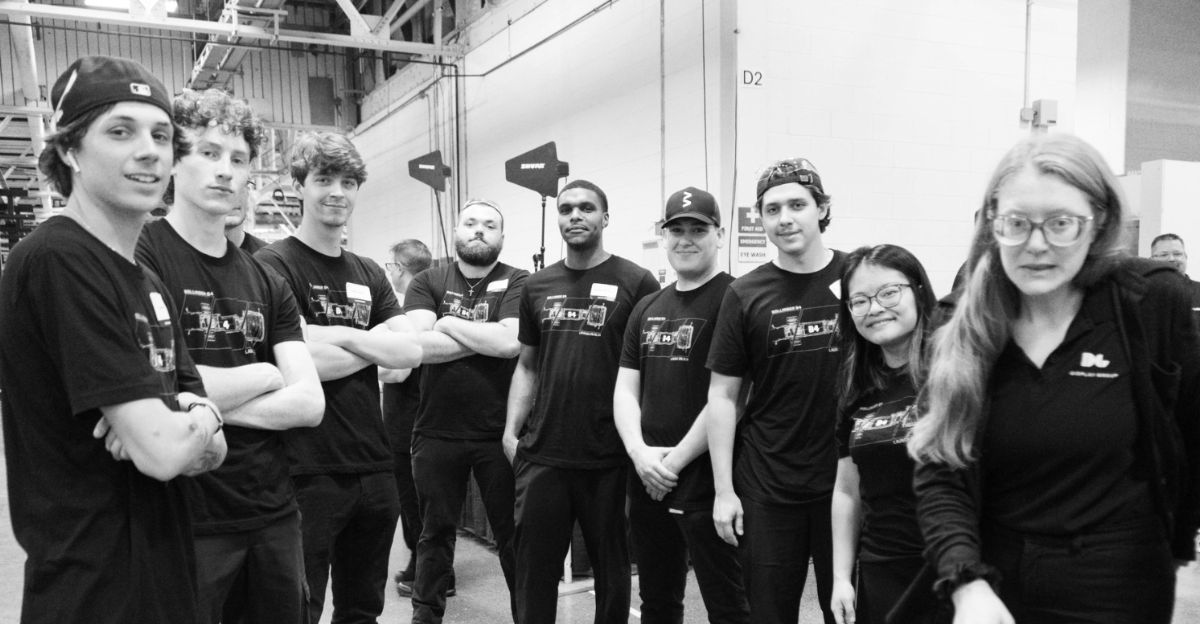
By mid-December, 59 former employees had filed unpaid wage claims with Michigan’s Department of Labor and Economic Opportunity. Each claim represents a person or family facing a financial gap at the worst moment of winter.
The aggregate—$2 million to $4 million in back wages across two pay periods—tells only part of the story.
The Investor Bet That Unraveled in Slow Motion

In September 2022, Mullen Automotive acquired a majority stake in Bollinger Motors, valuing the startup at $148 million. The investment was promised to be a lifeline. Mullen had manufacturing infrastructure and capital; Bollinger had intellectual property and loyal enthusiasts.
Together, investors believed, they could finally bring an American electric truck to market. Instead, the partnership became a slow-motion financial catastrophe.
The Founder Became His Company’s Creditor
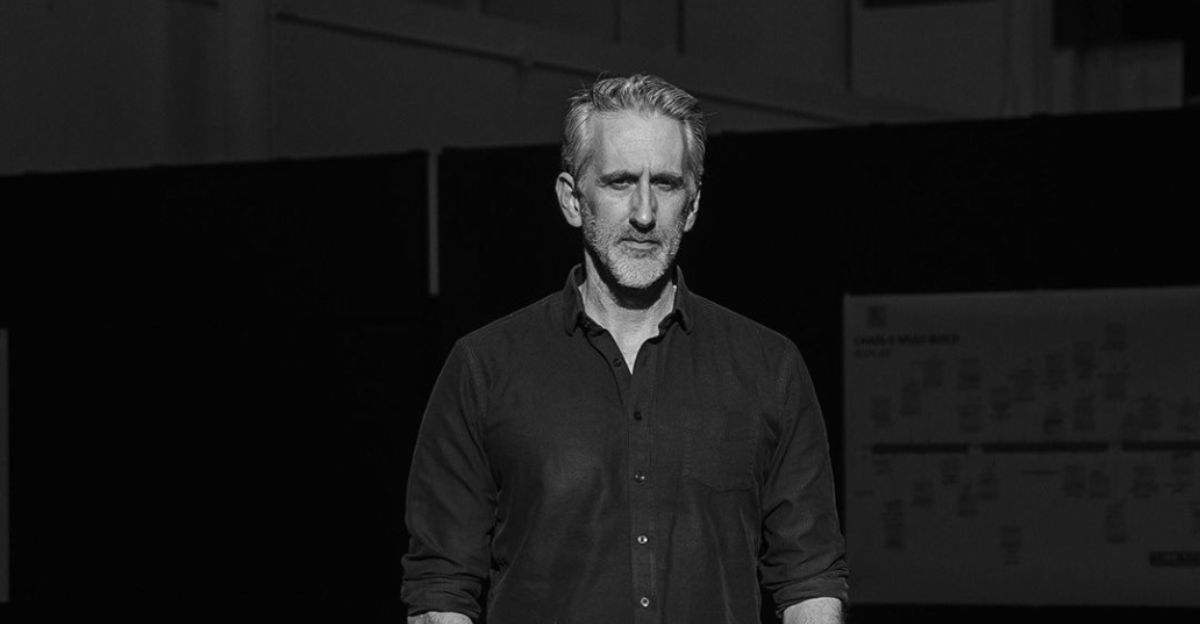
By October 2024, Robert Bollinger made a desperate decision: he personally loaned his company $10 million. He believed fresh capital could bridge the gap to profitability. By March 2025, just six months later, he realized the investment was lost. He sued his own company to recover the $10 million, asserting insolvency in court filings.
The lawsuit created a legal record of his attempt to save what he’d built. In June 2025, Mullen regained control, but the company was already sinking.
A Decade of Dreams Without Delivery
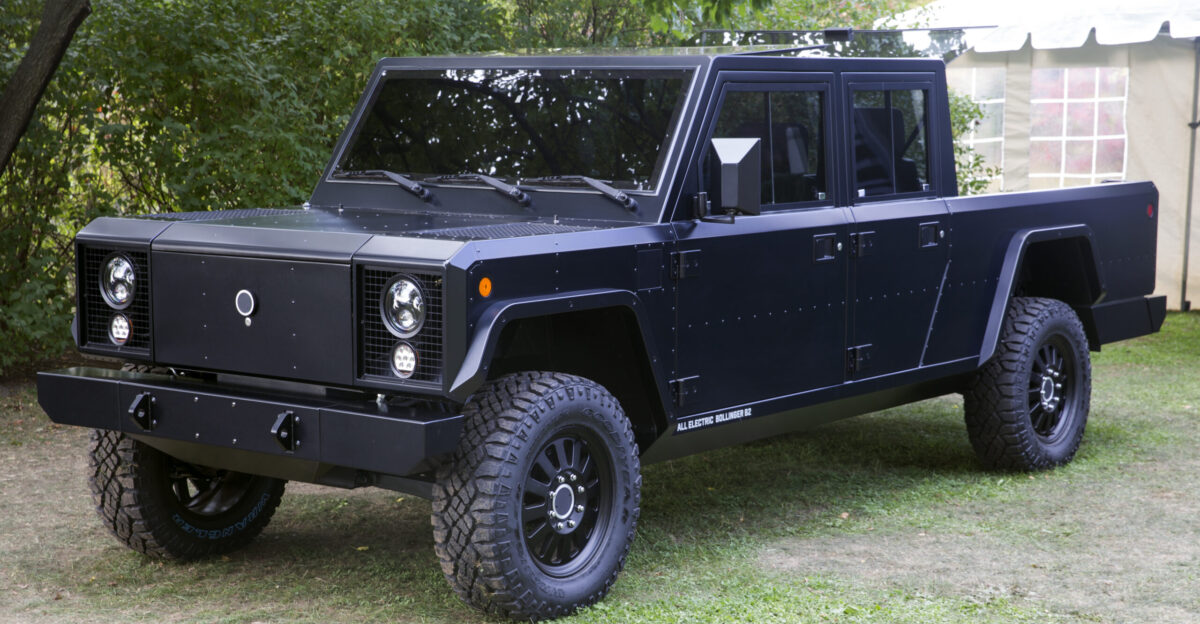
The most damning statistic is the simplest: in ten years, Bollinger never delivered a single B1/B2 consumer model to a customer. This is a complete operational failure. Founded in 2015, Bollinger generated enormous buzz with distinctive, utilitarian electric truck designs. Enthusiasts deposited money and waited.
Journalists covered the startup as a symbol of innovation. Yet year after year, finished products never reached the customer’s driveway.
The Consumer Dream That Was Canceled
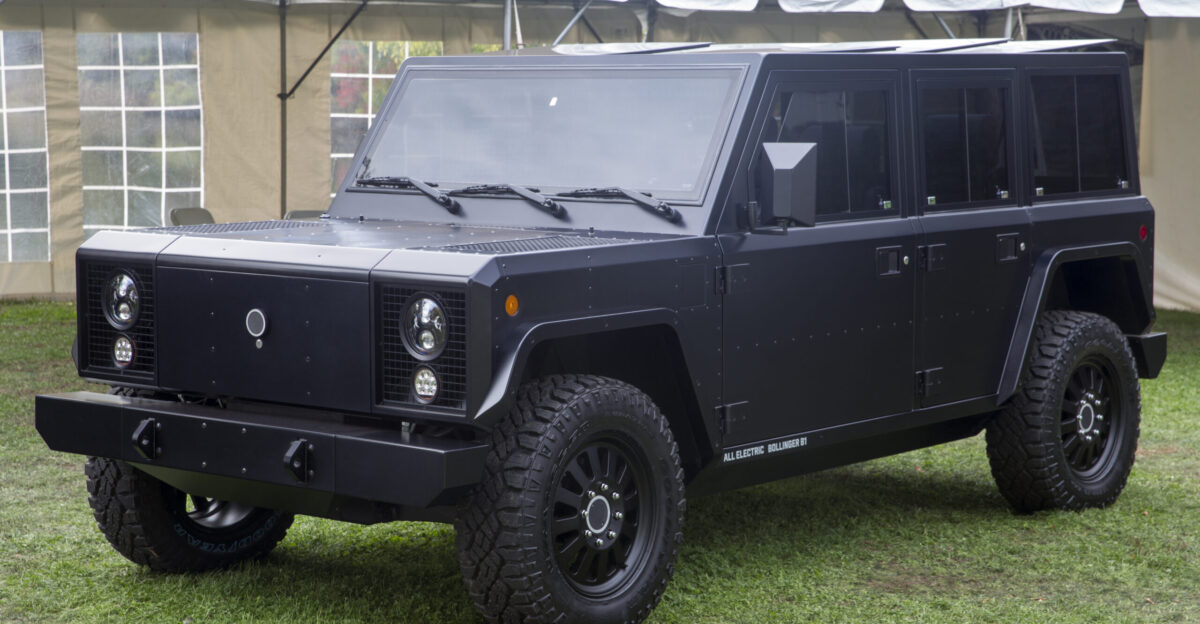
Bollinger’s identity rested on two models: the B1 electric SUV and the B2 pickup, both distinctive and boxy, both priced above $120,000. They represented a bet that Americans would embrace radical design and pay premium prices. Deposits rolled in. Magazine covers featured glossy renderings.
Then, in January 2022, without warning, Bollinger canceled both programs. The shift to commercial vehicles was framed as a strategic pivot, but to early supporters, it felt like abandonment. The consumer models ceased to exist.
The Commercial Gamble That Failed
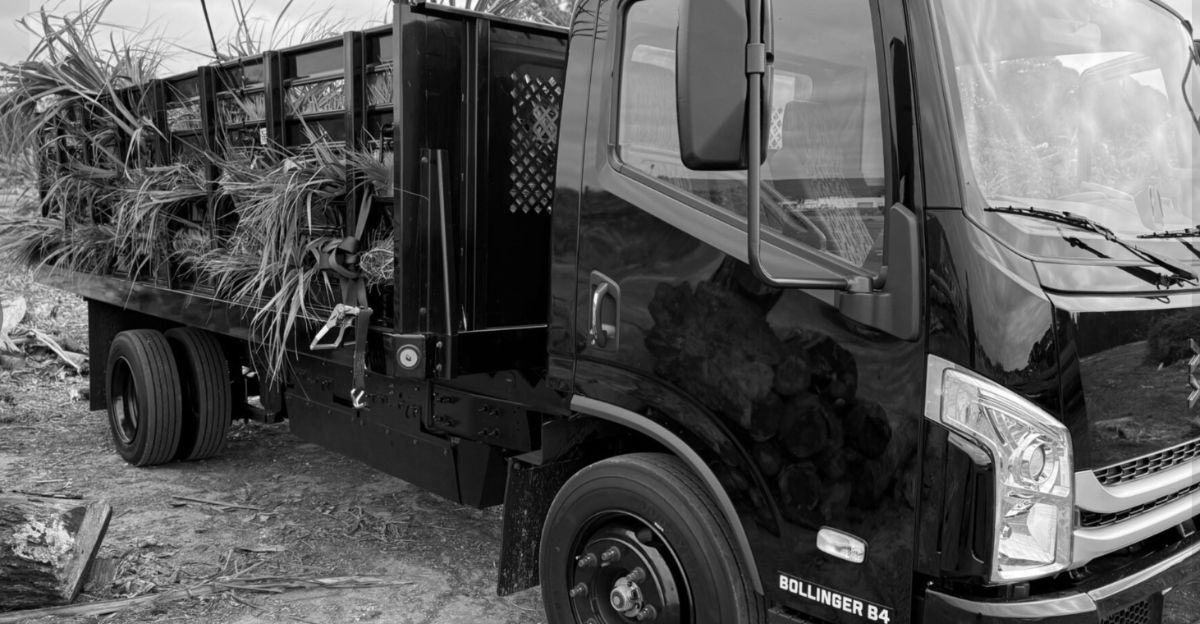
After killing its consumer line, Bollinger pivoted to the B4, a Class 4 electric chassis cab for commercial fleets. The logic was sound: fleets have predictable schedules and capital for upfront costs. Commercial adoption should have been reliable.
Yet the B4 never achieved production volumes that might have saved the company. The commercial sector proved no refuge for undercapitalized startups.
The Suppliers Who Bet and Lost

The damage extends beyond immediate employees. Court filings from mid-2025 reveal that at least $5 million in unpaid supplier invoices became the subject of lawsuits. These were not multinational corporations but smaller specialized manufacturers who bet on Bollinger’s volume projections.
They built components, shipped parts, and extended credit terms based on forecasts that never materialized. Now, unsecured creditors in a liquidation process with little hope of recovery, they face financial stress rippling through the broader automotive supply chain.
The Michigan Dream Turned Nightmare

Bollinger operated in Michigan, the historic heart of American carmaking, where the state actively courted EV investment. Hundreds of specialized engineers and technicians relocated specifically for Bollinger positions, leaving families and established networks behind.
They believed in the Michigan advantage—proximity to automotive talent and supplier networks. Instead, they found themselves stranded in an unfamiliar state with terminated jobs, unpaid wages, and the difficult choice of whether to pack up again and rebuild their lives.
The Parent Company’s Failed Rescue
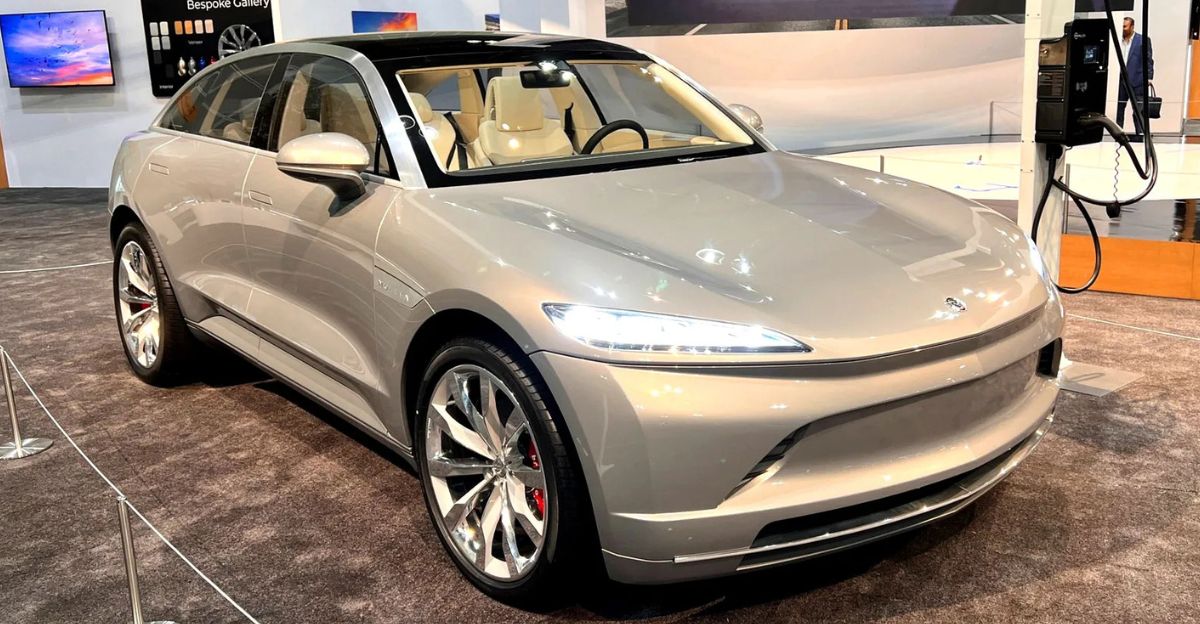
Mullen Automotive’s acquisition was supposed to change everything. After gaining majority control in September 2022, Mullen executives publicly committed to scaling production and leveraging manufacturing footprint to reduce costs.
The integration was presented as a merger of equals. Yet even with majority ownership and strategic decision-making power, Mullen could not stop the cash burn.
A Graveyard Grows in the EV Sector
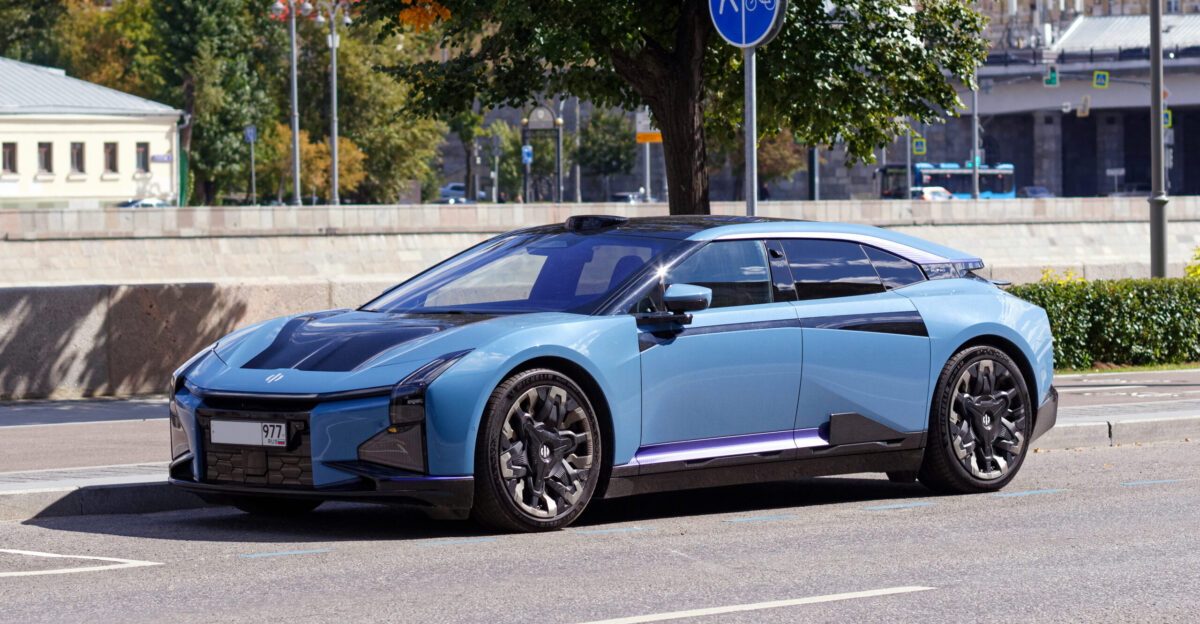
Bollinger is not isolated but part of a devastating wave of EV startup failures between 2024 and 2025. Lordstown Motors, Arrival, and numerous other once-promising ventures have ceased operations, leaving unemployed workers and stranded investors.
What was sold as a green energy jobs boom has become, in some cases, a jobs bloodbath.
The Cruelty of the Timing

The shutdown announcement added insult to injury. After two missed paychecks, employees received the closure email on Friday, November 21, just a month before holidays. No transition period, no outplacement services, no acknowledgment of upheaval.
Former staff describe it as jarring and dehumanizing. By waiting until multiple paychecks had been missed, the company effectively shifted burden to state unemployment systems. The 59 filed claims represent workers who knew to navigate bureaucracy; untold others may not realize they have legal recourse.
The Rush to Liquidate and Recover
With shutdown official, focus shifted to asset liquidation. Intellectual property, patents, prototypes, and manufacturing tooling for the B4—and legacy designs for canceled B1 and B2—will likely be auctioned. In a market flooded with failed EV startup assets, recovery value is uncertain.
The founder, Mullen, suppliers, and wage claimants compete as creditors where total liabilities exceed available assets. Liquidation is less about recovering losses than minimizing them.
The Reckoning That Defines 2025
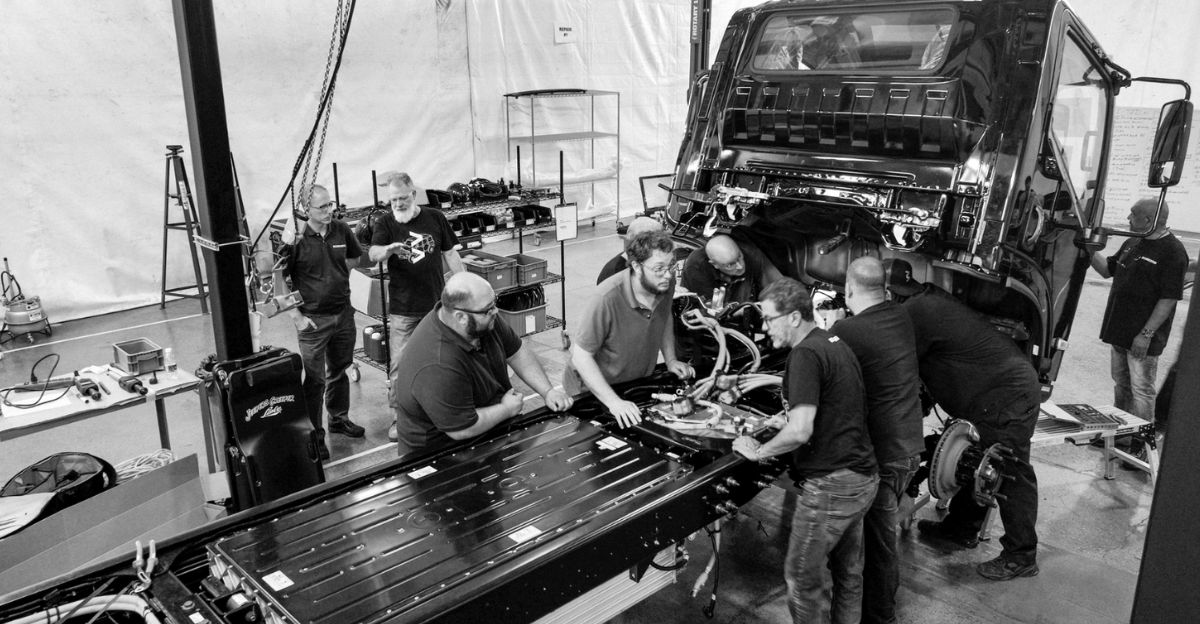
Bollinger Motors represents a specific chapter in America’s 2025 jobs story. The company attracted talent, investment, and hope. It promised to build electric vehicle futures in the heartland. Now, with 1.17 million job cuts dominating headlines, Bollinger’s closure adds painful human dimension to statistics.
Each wage claim filed is a person recalibrating plans, reassessing choices, confronting reality: even innovative companies with major backing can simply vanish.
Sources:
Michigan Department of Labor and Economic Opportunity unpaid wage claims filings, November–December 2025
Helen Watson, HR Director, internal email notification, November 21, 2025
Mullen Automotive SEC filing on majority acquisition of Bollinger Motors, September 2022
Robert Bollinger lawsuit filings asserting company insolvency, March 2025
Michigan court records on supplier debt litigation, mid-2025
Bollinger Motors official announcement of B1/B2 cancellation, January 2022