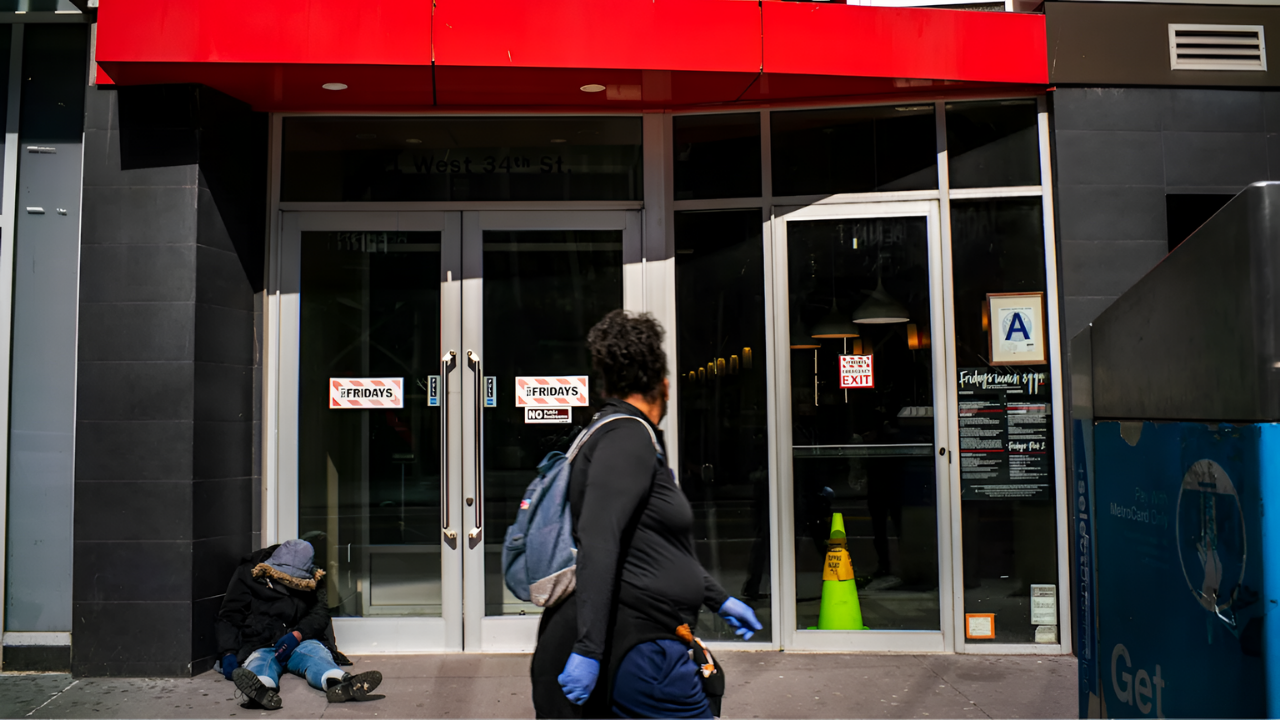
TGI Fridays, once a fixture in American suburbs and highways, has dwindled to just 79 U.S. locations, a stark drop from over 600 at its 2008 peak. More than 521 restaurants have closed since then, with nearly 191 shuttering in 2024 alone amid a rapid bankruptcy filing that accelerated the chain’s domestic retreat.
A One-Year Freefall

The decline hit warp speed in 2024. TGI Fridays began the year with about 270 U.S. outlets. By December, only 79 remained operational. This 71% plunge in a single year stands out as one of the sharpest contractions in casual dining history, catching industry watchers off guard and forcing staff into abrupt job hunts. The chain’s footprint shrank from bustling shopping centers to scattered survivors, erasing a presence built over decades.
Bankruptcy Reveals Deep Financial Strain

Financial pressures cracked the foundation. When TGI Fridays filed for bankruptcy in November 2024, it carried roughly $37 million in debt against less than $6 million in cash. Pandemic-era burdens compounded long-standing obligations, leaving no buffer as closures snowballed. The U.S. operations could no longer support the broader system, turning bankruptcy from a restructuring tool into a signal of irreversible domestic weakness.
Human and Community Toll Mounts
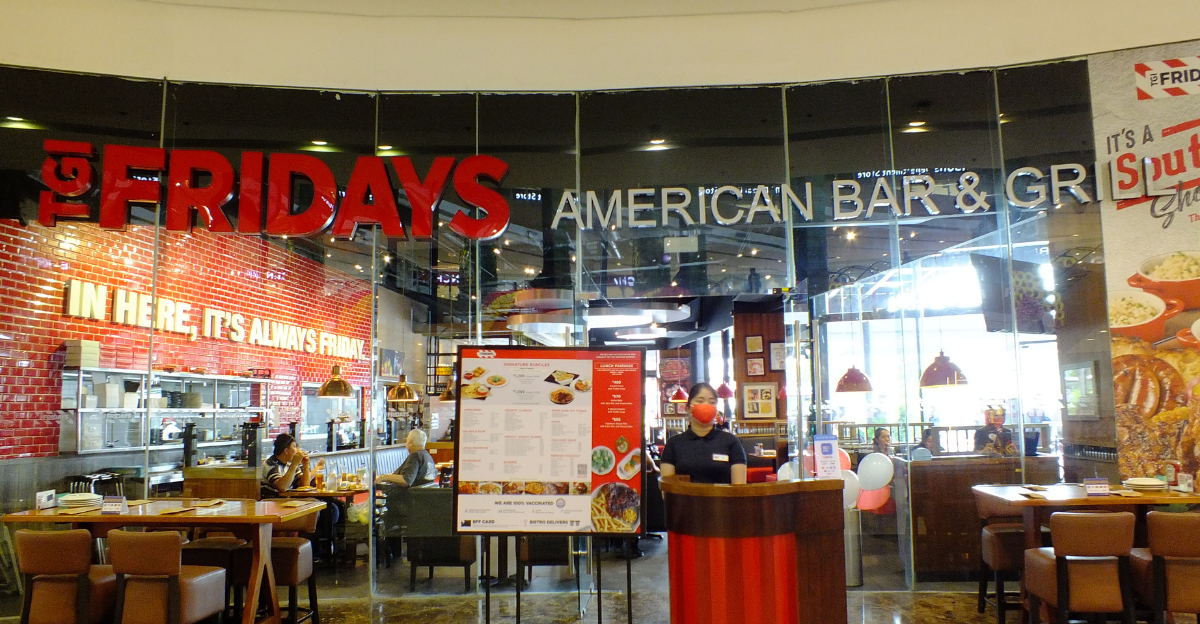
Workers bore the immediate brunt. With over 521 closures since 2008, an estimated 3,950 to 7,900 jobs disappeared, affecting servers, cooks, bartenders, and managers based on standard staffing ratios. Shutdowns often arrived with minimal notice, upending livelihoods. Communities felt the ripple: familiar spots in malls and strips went dark, reducing foot traffic for neighbors, straining landlords with vacancies, and eroding local tax revenue. Suppliers lost key clients, amplifying economic drag in commercial hubs nationwide.
Revival Efforts Fall Short Amid Competition
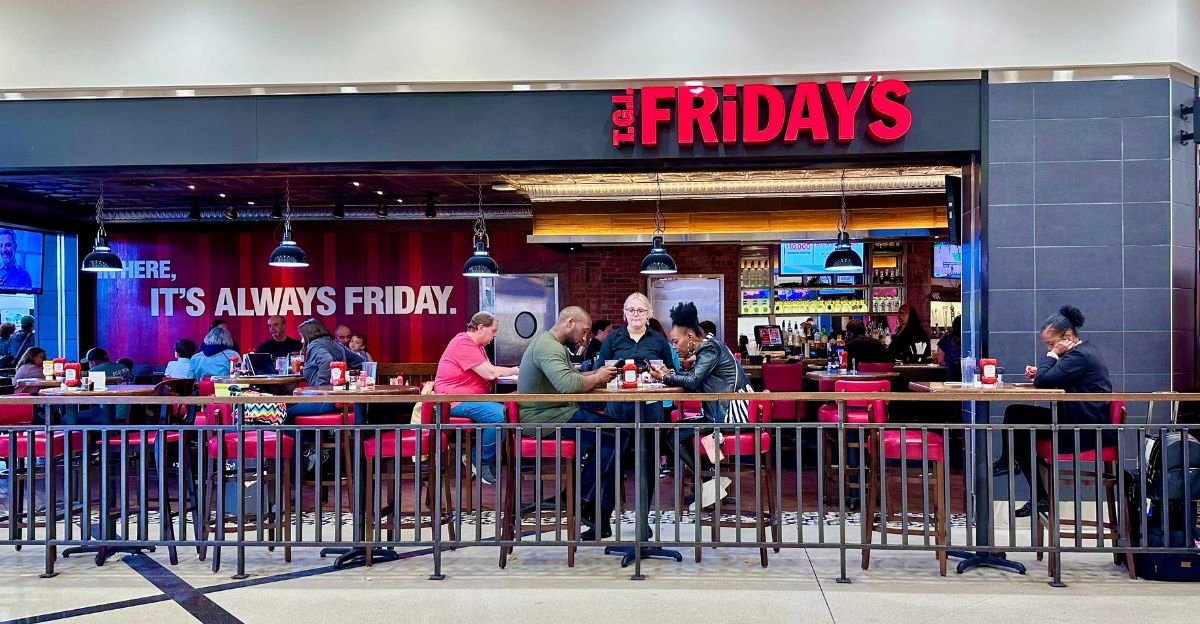
Management pushed menu overhauls, highlighting house-made sauces, hand-cut steaks, and refreshed options in a bid to reclaim diners. By May 2025, the chain had altered 85% of its offerings. Yet these changes failed to stem traffic losses or operational woes. Competitors—fast-casual spots offering speed and value, plus resilient casual chains—siphoned customers. Consumer shifts toward quicker, cheaper meals left TGI Fridays unable to compete, underscoring how structural woes outpaced tactical fixes.
Global Survival Contrasts U.S. Fade
Internationally, the story diverges sharply. About 300 locations persist across dozens of countries, nearly four times the U.S. count. Leadership eyes growth to 1,000 overseas sites, betting the brand’s future abroad while domestic outlets teeter. This reversal flips the script for an icon rooted in American happy hours and family outings. With only 79 U.S. spots left—supporting perhaps 1,185 to 2,370 workers—the chain risks full retreat at home. The saga signals broader casual dining perils: debt, habit changes, and competition demand early adaptation, or icons fade fast, reshaping local scenes and challenging nostalgia’s staying power.
Sources:
“TGI Fridays down to 79 restaurants. See which states have locations.” USA Today, Nov 2025.
TGI Fridays files for bankruptcy.” CNN, 2 Nov 2024.
“TGI Fridays changed 85% of its menu. Here’s what’s new.” CNN, 13 May 2025.
“TGI Fridays, the Casual Dining Chain, Files for Bankruptcy.” The New York Times, 2 Nov 2024.