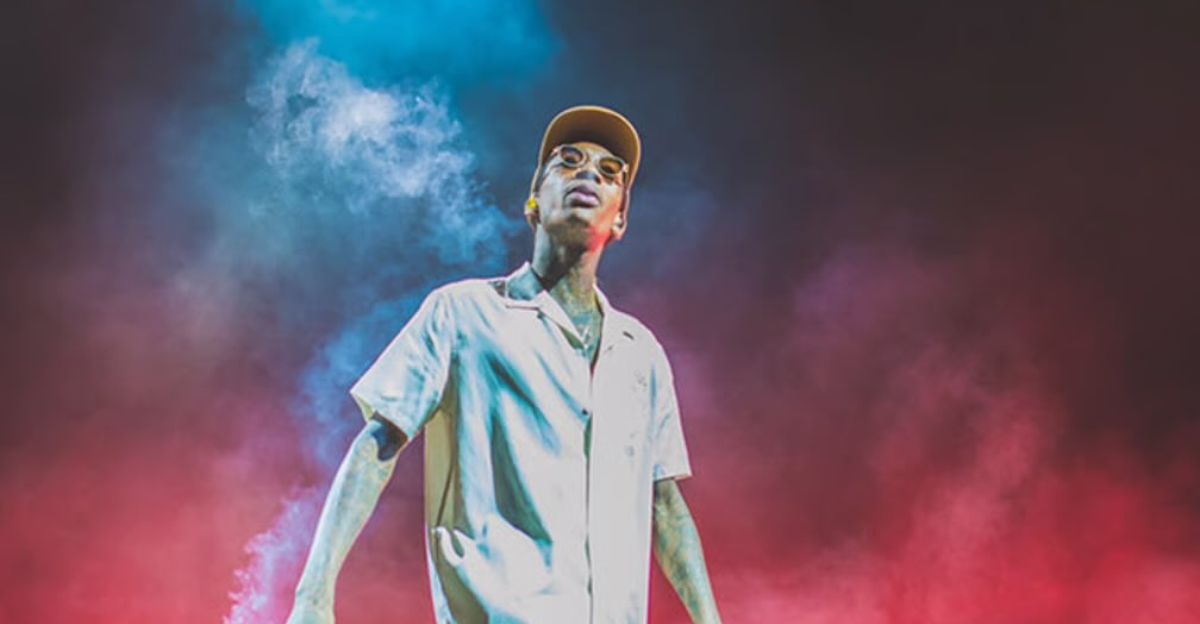
A hand-rolled joint glowed under stage lights as Wiz Khalifa performed before thousands at Romania’s Beach Please! Festival in July 2024. Within hours, the hip-hop star faced Romanian police questioning. More than a year later, on December 18, 2025, an appeals court in Constanța delivered a verdict that transformed what began as a modest fine into a nine-month prison sentence—one that now shadows the rapper’s international career.
From Stage to Sentencing
The incident unfolded on July 13, 2024, in Costinești, a Black Sea resort town packed with summer festival crowds. Khalifa, whose legal name is Cameron Jibril Thomaz, lit what appeared to be a cannabis cigarette during his performance while dancing to Dr. Dre and Snoop Dogg’s “The Next Episode.” Romanian authorities detained him shortly after the show ended, charging him with unlawful possession of dangerous drugs for personal consumption. Prosecutors documented that he possessed 18.53 grams of cannabis and consumed an additional quantity onstage.
Romania enforces some of Europe’s strictest drug regulations. Cannabis remains classified as a high-risk controlled substance, with possession for personal use carrying penalties ranging from three months to two years imprisonment, or alternatively, a fine. The country permits no recreational use and maintains extremely limited medical exceptions, creating a legal environment that stands in stark contrast to increasingly liberalized policies elsewhere in Europe and North America.
Shortly after his arrest, Khalifa addressed the situation publicly on X, formerly known as Twitter. “Last night’s show was amazing,” he wrote. “I didn’t mean any disrespect to the country of Romania by lighting up on stage. They were very respectful and let me go. I’ll be back soon. But without a big ass joint next time.” He was released following questioning but remained under criminal investigation as prosecutors moved the case forward.
Appeal Brings Harsher Consequences
In April 2025, the Constanța Tribunal initially resolved the case by imposing a criminal fine of 3,600 Romanian lei, approximately $830 USD. For many observers, the penalty appeared symbolic—a slap on the wrist for an internationally recognized performer with substantial financial resources. Khalifa had long since returned to the United States and resumed touring.
Romania’s Directorate for Investigating Organized Crime and Terrorism, known by its Romanian acronym DIICOT, disagreed with the leniency. This specialized law enforcement agency operates under the Ministry of Justice and handles investigations into organized crime, drug trafficking, terrorism, cybercrime, and related serious offenses. DIICOT prosecutors appealed the lower court’s decision, arguing that the public nature of the violation and Khalifa’s visibility as a performer before predominantly young audiences warranted more severe consequences.
The Final Ruling
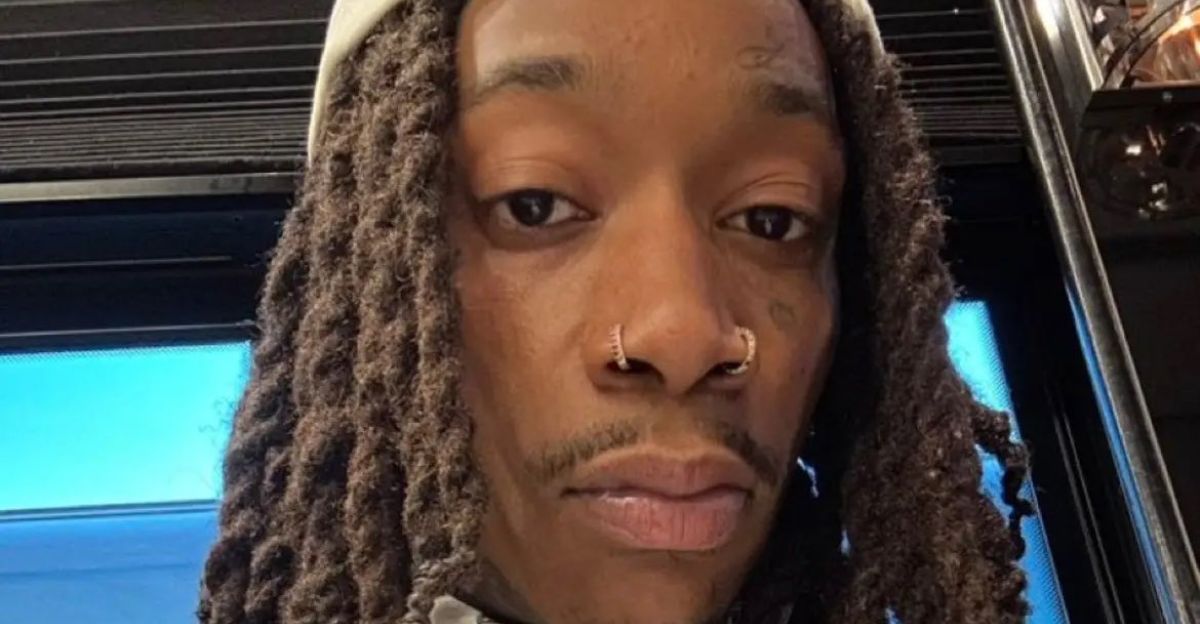
On December 18, 2025, the Constanța Court of Appeal sided with prosecutors, overturning the fine and imposing a nine-month prison sentence. Khalifa was sentenced in absentia—he was not present in court and remains in the United States. Under Romanian law, the decision is final with no further appeals available.
The ruling represents an unusual escalation in Romanian drug enforcement. Legal analysts noted the rarity of prosecutors successfully appealing upward in personal-use possession cases. Romanian criminologist Vlad Zaha characterized the sentence as “unusually severe,” particularly given standard outcomes for similar offenses.
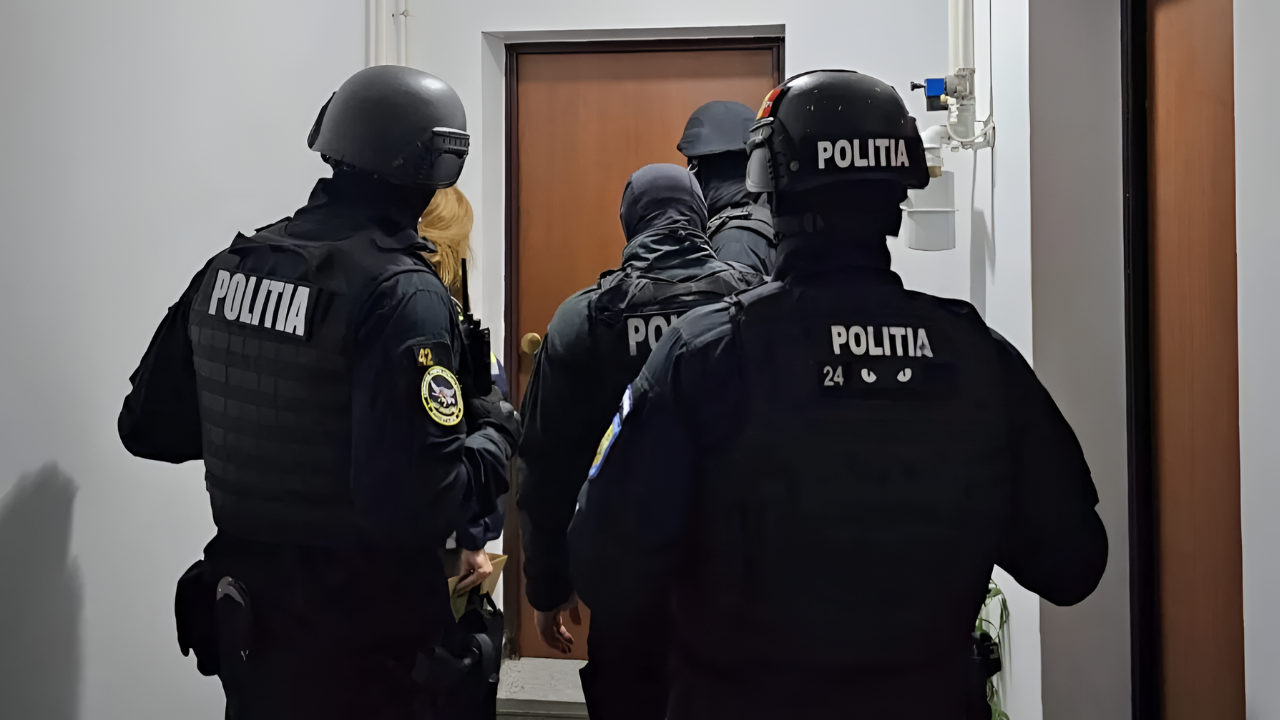
Following the verdict, Romanian authorities placed Khalifa under national search protocols and initiated procedures for an international arrest warrant. While the sentence is enforceable, its practical implementation faces significant obstacles. Romania has limited negotiating power for extradition with the United States, especially for non-violent drug offenses that carry dramatically different legal consequences across the Atlantic. Khalifa appeared at a Gunna concert in Los Angeles the same week the ruling was finalized, demonstrating the legal paradox: convicted and sentenced abroad, yet free to perform at home.
Implications Beyond One Case
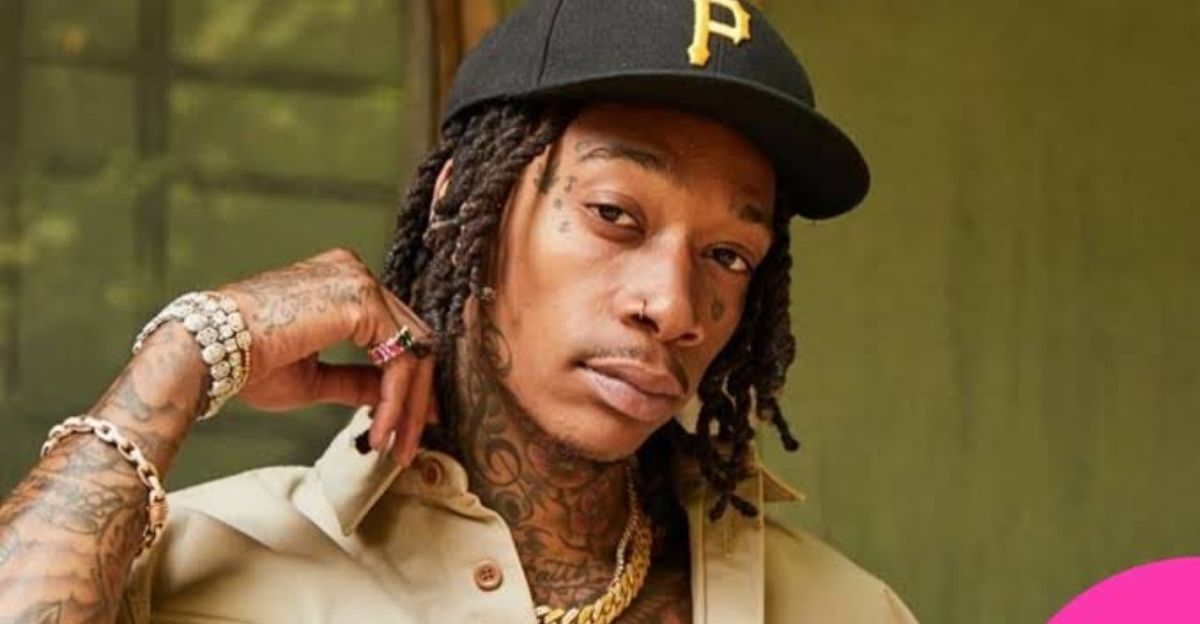
The conviction creates tangible complications for Khalifa’s international touring schedule. While performances in the United States remain unaffected, European appearances now carry legal risk. Should Romanian authorities issue a European Arrest Warrant, other European Union member states would generally be obligated to detain him upon entry. This mechanism bypasses traditional extradition procedures and operates across EU borders based on mutual recognition principles, though limited grounds for refusal exist under EU law.
For the entertainment industry, Khalifa’s case has become a cautionary reference point. What reads as routine artistic expression in cannabis-friendly jurisdictions can still trigger criminal prosecution elsewhere. The incident underscores a fundamental reality of global touring: local law supersedes international norms, and visibility amplifies consequences. As cannabis policies continue to evolve unevenly worldwide, the gap between legal frameworks in different countries creates unpredictable terrain for performers whose public personas embrace practices normalized in some regions but criminalized in others.
Sources:
“Wiz Khalifa sentenced to nine months jail in Romania.” BBC, 18 December 2025.
“Romanian court sentences US rapper Wiz Khalifa to 9 months in prison for drug possession.” Associated Press, 18 December 2025.
“Wiz Khalifa sentenced by Romanian court to 9 months in jail for drug possession.” CBS New