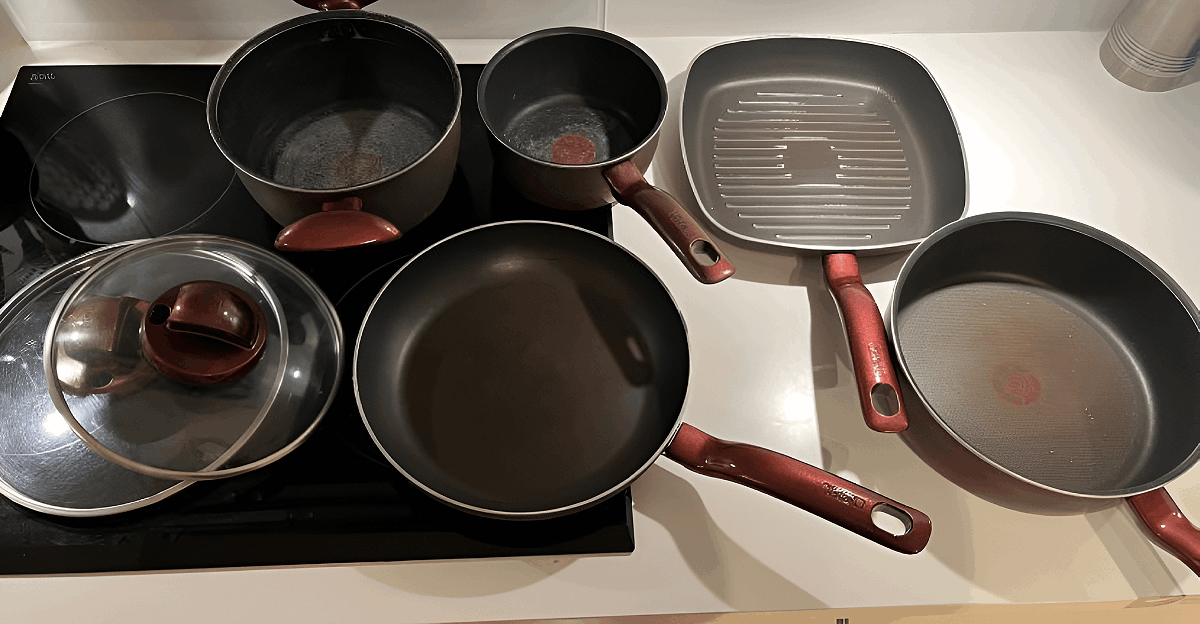
It’s unsettling to imagine that the pots and pans used to cook family meals might quietly leach lead. The FDA has long warned that some imported or hand-crafted cookware can release toxic metals into food, especially if glazes are improperly formulated.
Health experts say the issue deserves fresh attention as families seek safer everyday products.
Why This Matters for Families

Lead is not something anyone wants in their dinner. Even small exposures add up over time, especially in children. According to the CDC, there is no safe lead level in a child’s blood.
That makes cookware safety more than a technicality; it’s a matter of long-term health, learning ability, and peace of mind for parents.
What the FDA Has Flagged Before

The FDA has previously tested imported ceramic and decorative cookware, finding that some pieces exceeded safety limits. In those cases, advisories and recalls were issued.
While no sweeping ban was announced in 2025, the agency continues highlighting imported items as a risk category. Past inspections show why consumer vigilance remains so essential.
The Science Behind the Scare
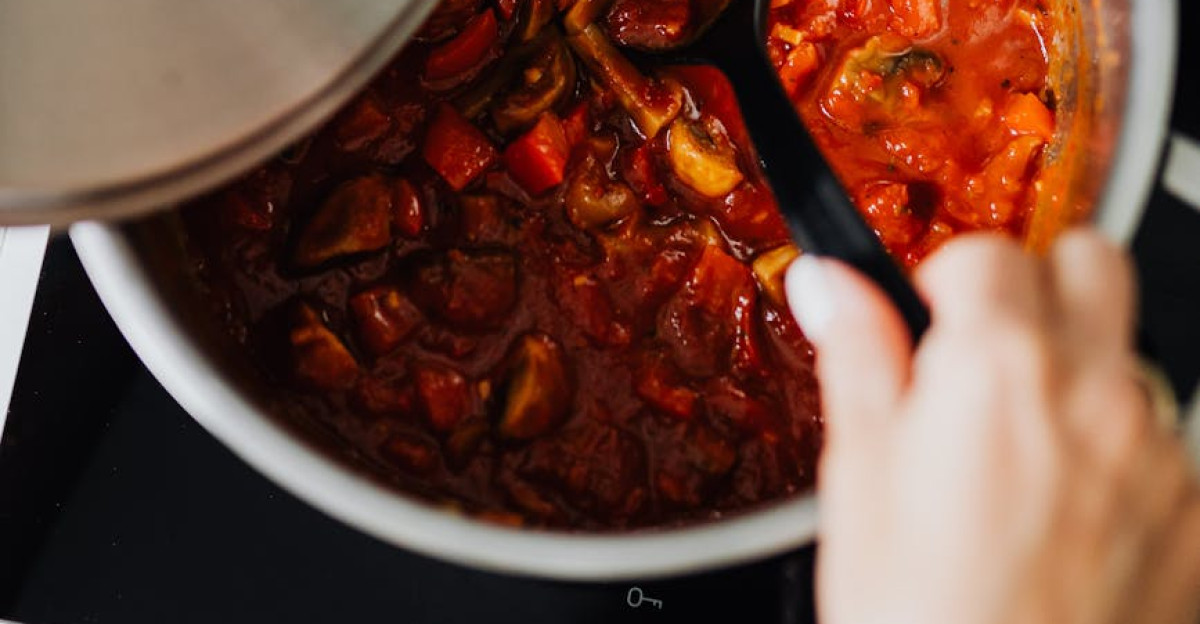
Here’s how it happens: acidic foods, like tomato sauces or citrus stews, can draw lead out of glazes or poorly alloyed metals. Simulated cooking tests have shown that repeated use can result in lead accumulating in meals.
Over time, that exposure may contribute to neurological or developmental problems, particularly for children and pregnant women.
Who’s Most at Risk?

The CDC emphasizes that children and expectant mothers are especially vulnerable. Lead can cross the placenta during pregnancy, and in kids, even tiny amounts can affect brain growth.
Adults aren’t immune either, as exposure can contribute to kidney damage and high blood pressure. That’s why regulators take even small exceedances seriously when cookware is involved.
Past Recalls Provide Lessons
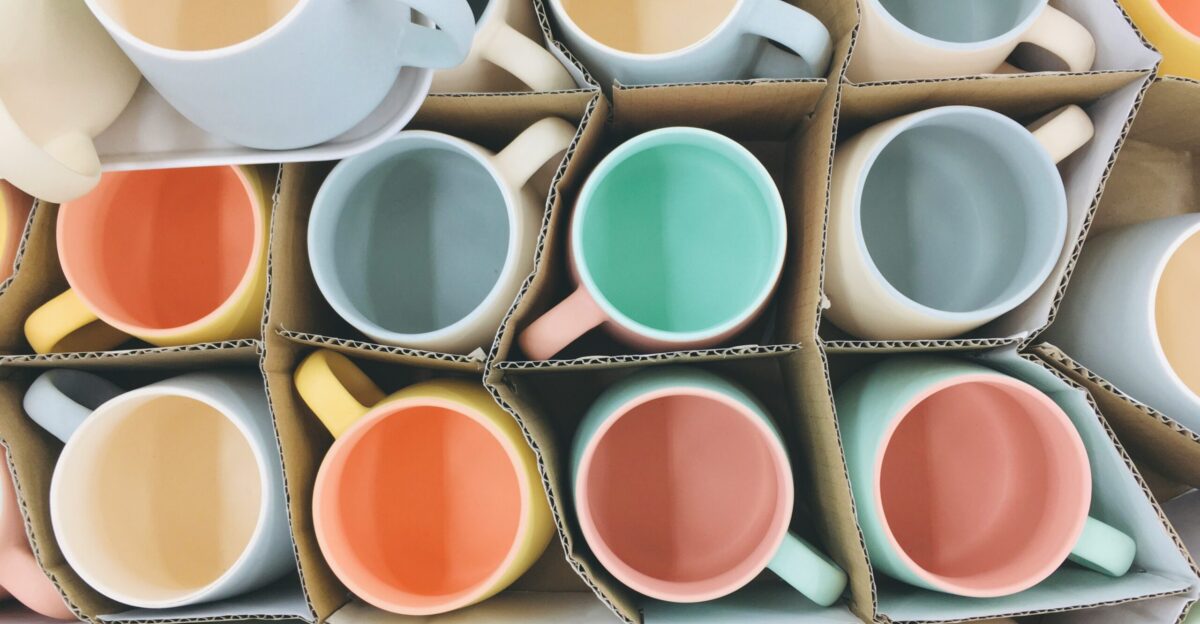
The FDA’s recall database lists multiple instances where imported cookware failed safety standards over the years.
In one example, brightly painted ceramic mugs tested positive for lead leaching. In another, decorative clay pots imported from Latin America were pulled from stores. These cases underline the need for consumers to pay attention to origin and labeling.
Global Context
Concerns about cookware safety aren’t unique to the United States. In 2021, the European Union tightened restrictions on imported ceramics after tests showed some glazes exceeded limits.
Consumer safety advocates say global trade makes vigilance essential. Products made abroad can end up in U.S. kitchens within weeks, and oversight systems sometimes lag behind.
How Cookware Is Tested

The FDA typically simulates cooking by boiling acidic liquids, such as tomato juice, in ceramic or metal pots. The liquid is then analyzed for lead content. U.S. standards allow no more than 0.5 micrograms per milliliter.
Products exceeding that threshold are subject to enforcement, recalls, or import alerts, depending on severity.
Expert Warnings Continue
“We have known for decades that lead exposure is a significant health risk,” the CDC notes in its lead prevention materials.
Public health officials encourage consumers to stick with cookware from reputable manufacturers and be cautious of hand-painted, antique, or imported items that may not meet modern safety standards.
Understanding U.S. Limits

Why the strict numbers? Federal limits are designed to reflect lifetime exposure risk. A pot that leaches even slightly over the limit could, with regular use, expose a family to significant cumulative amounts.
That’s why regulators and scientists emphasize prevention—catching the problem before it spreads to years of dinners.
Parents’ Concerns Are Real

For parents, this isn’t just abstract science. Online forums and pediatrician hotlines often see questions from families who’ve inherited old cookware or bought imported ceramic pots at markets.
The most common concern is, “Is my cookware safe?” Experts suggest checking labels, researching past recalls, and avoiding unlabeled or decorative pieces when in doubt.
Retailer Responsibilities
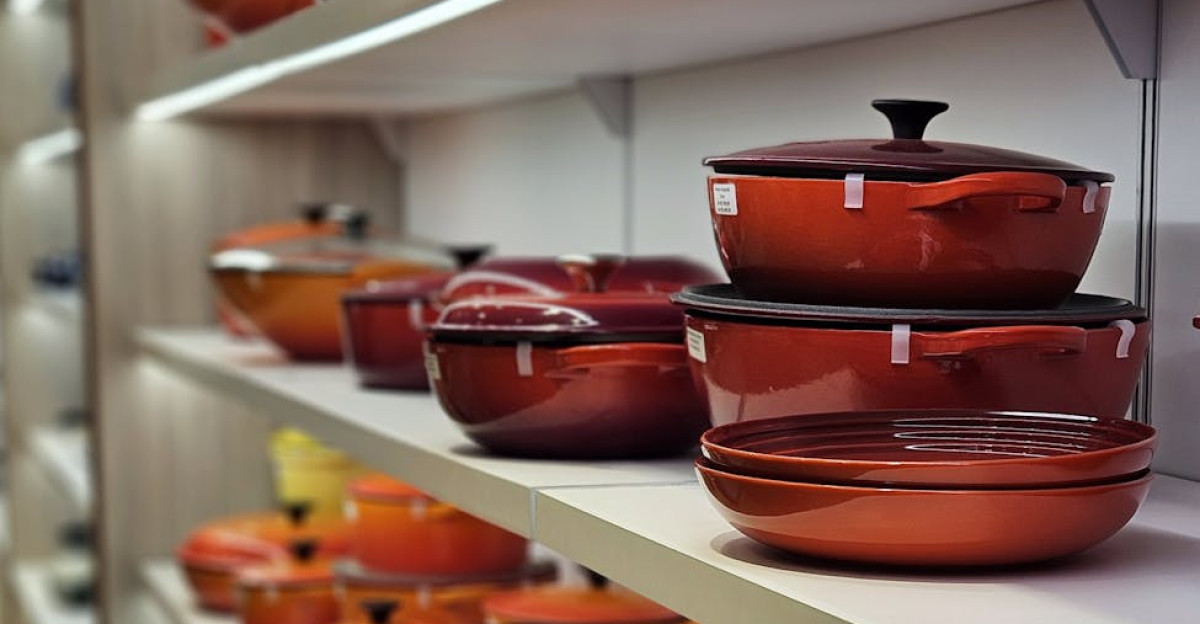
Large retailers like Walmart, Target, and Amazon monitor FDA advisories and recalls, though no broad cookware pullback has occurred this year. When problems are identified, companies typically work quickly to remove unsafe products.
Experts say consumer reporting plays an important role—families who notice odd labeling or suspect hazards can alert retailers and regulators.
Customs and Border Protection

Imported cookware doesn’t arrive unchecked. U.S. Customs and Border Protection works with the FDA to screen shipments. Products that raise red flags can be detained or tested.
While inspections can’t catch every issue, the process helps limit unsafe cookware entering the market. Officials encourage consumers to remain alert once items reach shelves.
Guidance for Every Kitchen

So what should families do? The FDA advises checking cookware for certification marks like “lead-free” or “food-safe.” Hand-painted items, antiques, or unlabeled imports may be better suited as decorative pieces than cooking tools.
Stainless steel, glass, and certified U.S.-made ceramics are considered reliable alternatives for everyday use.
Lawmakers and Advocates Weigh In

Consumer safety advocates continue to push for stronger oversight of imported goods. While Congress has not passed new cookware laws in 2025, some lawmakers have called for expanding pre-market testing.
Advocates argue that requiring manufacturers to certify safety before exporting to the U.S. would shift the burden away from consumers and prevent future recalls.
Stories That Stick

Public health agencies occasionally share case studies to highlight risks. In one CDC report, a family’s use of imported clay cookware was linked to elevated lead levels in a child.
Stories like these remind parents why experts stress vigilance—because hazards don’t always look obvious in the kitchen cabinet.
What Manufacturers Say
Some manufacturers abroad have responded to past concerns by reformulating glazes or seeking certifications. Trade groups insist most exporters comply with U.S. standards.
Still, regulators say even a small percentage of unsafe items slipping through can pose real risks. That tension keeps the FDA and consumer advocates pushing for tighter controls.
How to Stay Informed

Families can check the FDA’s online recall database or sign up for consumer alerts to stay ahead of potential risks. The agency also provides guidance on safe cookware and how to handle suspicious products.
Experts say staying informed is one of the simplest ways to prevent unintentional exposure to lead at home.
Practical Steps for Families

Experts recommend small changes with big payoffs. Replacing questionable cookware with stainless steel or glass can significantly reduce risk. Another easy step is to avoid antiques for daily cooking.
Talking openly with friends and family about the issue spreads awareness. When it comes to lead, prevention is always more effective than treatment.
Looking Ahead

While cookware safety remains a concern, progress is being made. Increased awareness, stricter international standards, and consumer vigilance all contribute to safer kitchens.
Experts say families don’t need to panic—just be mindful. With a mix of smart choices and trusted information, what simmers on the stove can stay nourishing and safe.