
Ford’s Louisville Assembly Plant will close in December 2025, laying off 2,000 workers as the company retools for electric vehicle production using Tesla-style Gigapress technology. The move marks a pivotal shift for Ford, aiming to make affordable EVs a reality, but it comes at a steep cost for employees and the local economy.
A New Chapter in Manufacturing

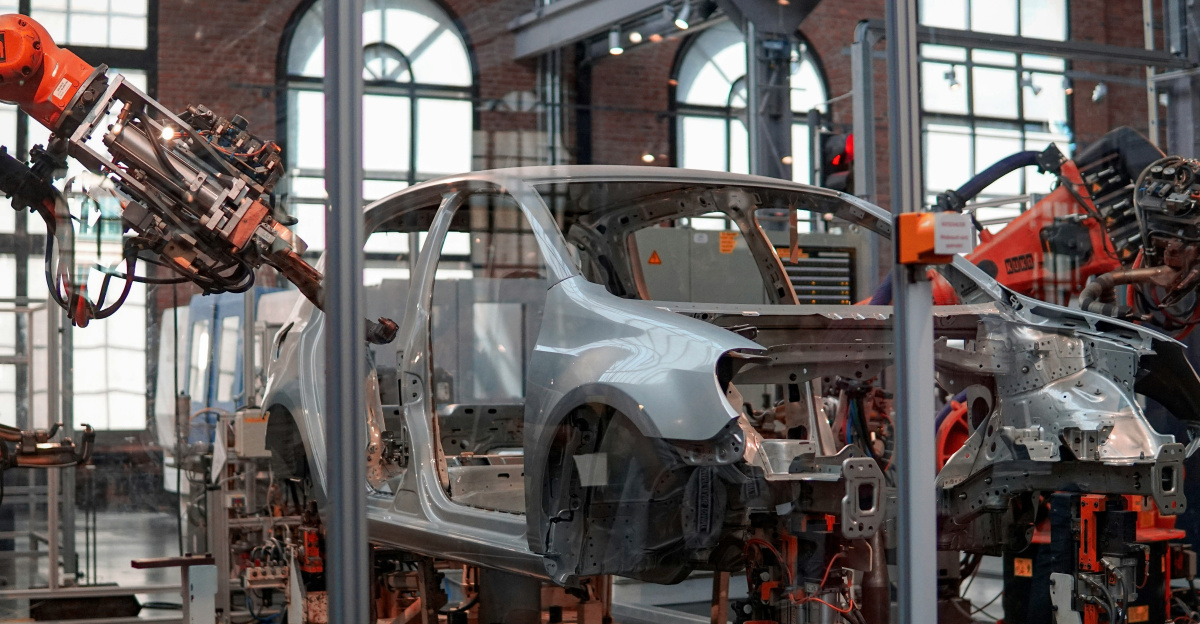
Ford’s Louisville plant is undergoing a major transformation, adopting advanced automation and Gigapress technology to streamline the production of a new $30,000 electric pickup truck. CEO Jim Farley has described the shift as a “Model T moment,” echoing Henry Ford’s original mission to make cars accessible to the masses. The new technology will reduce the number of parts and fasteners needed, cutting production costs and waste. However, this leap in efficiency means fewer jobs will be available once the plant reopens in 2027.
Financial Hardship for Workers

The shutdown will leave 2,000 workers without pay for at least 10 months. For the first four months, they will receive enhanced unemployment benefits, but after that, their income will drop sharply to approximately 70 percent of normal wages. Many workers may never return, as the retooled plant will require a smaller workforce. The United Auto Workers (UAW) Local 862 is negotiating with Ford to secure benefits and support for affected employees, but union leaders are also advising workers to seek other employment during the shutdown.
Economic Ripple Effects

Kentucky’s economy will feel the impact of the layoffs. With 2,000 skilled workers affected by the temporary shutdown, local businesses that rely on the disposable income of Ford employees—from retailers to service providers—will see reduced spending. The sudden influx of skilled workers into the job market could also lead to wage suppression in the automotive sector, making it harder for workers to find comparable employment.
Political and Community Response
Kentucky Governor Andy Beshear has expressed support for Ford’s transition, framing it as a commitment to the state’s manufacturing future. However, local politicians and union leaders are pushing for more support for displaced workers. The challenge is to balance the long-term economic benefits of automation with the immediate pain felt by thousands of workers and their families. Community organizations are preparing to support affected workers as they face months of financial instability.
Broader Industry Trends
Ford’s move reflects broader trends in the automotive industry, where companies are adopting automation and moving toward electrification. This shift is part of a global effort to localize production and reduce reliance on international supply chains. It also positions Ford to better compete with other automakers, like Tesla and BYD, in the fast-growing EV market. However, the transition comes with uncertainty, as many changes will depend on the successful ramp-up of the new manufacturing process.
The Human Cost of Progress
While Ford’s push to electrify its lineup and adopt more sustainable production methods offers long-term benefits for the environment, it comes at a human cost for the workers involved in the transition. The debate around automation and job displacement is intensifying, with critics arguing that efforts to protect workers should be balanced with technological advancements. Union leaders are pushing for retraining programs to help workers transition into new roles in the changing automotive landscape.
Looking Ahead
Ford’s retooling of its Louisville plant represents a significant shift in U.S. manufacturing, with automation and electrification reshaping the landscape. While the long-term benefits of this transformation may be substantial, the immediate impact on workers and communities is undeniable. As the industry moves forward, it will be crucial to ensure that workers aren’t left behind in the transition. The next few years will be crucial for Ford’s future and for the broader automotive industry.