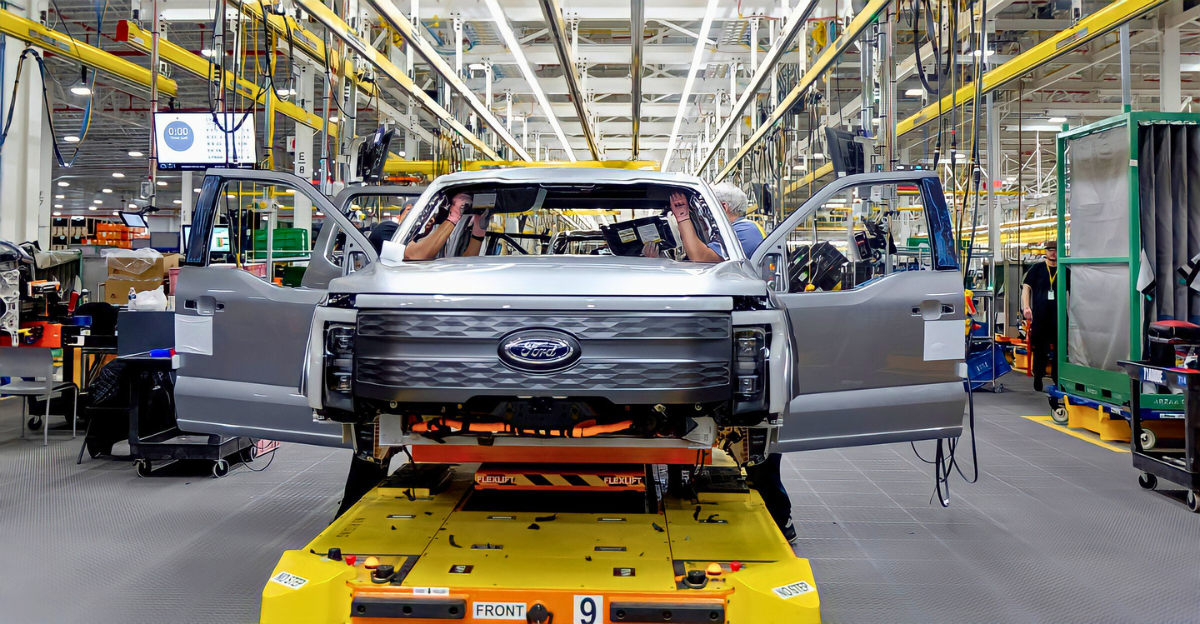
Ford’s electric vehicle division, Model e, has been hemorrhaging money over the last three years, racking up more than $15 billion in losses.
In 2024 alone, the division lost over $5 billion, translating to roughly $43,000 per EV sold. Ford’s share of the U.S. electric vehicle market has dropped sharply, from early dominance to just 7% in mid-2025.
In contrast, General Motors has doubled its EV deliveries, while Ford’s dropped 31%.
The company’s financial struggles reflect its challenges in competing with rivals like Tesla, which maintains a dominant market position.
Market Reckoning
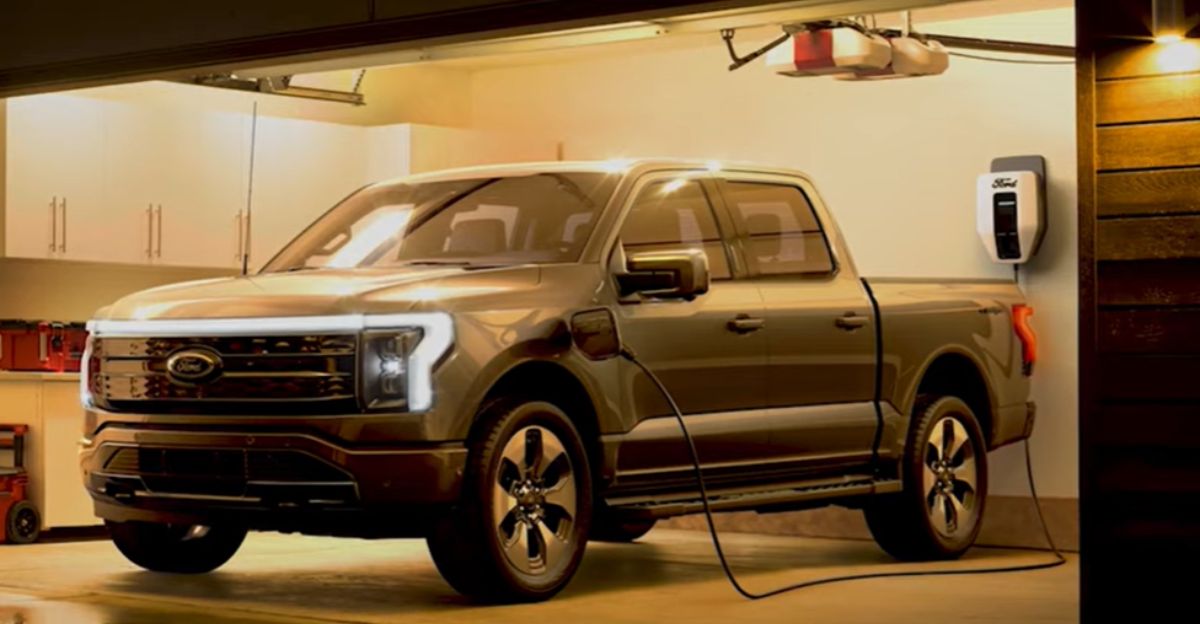
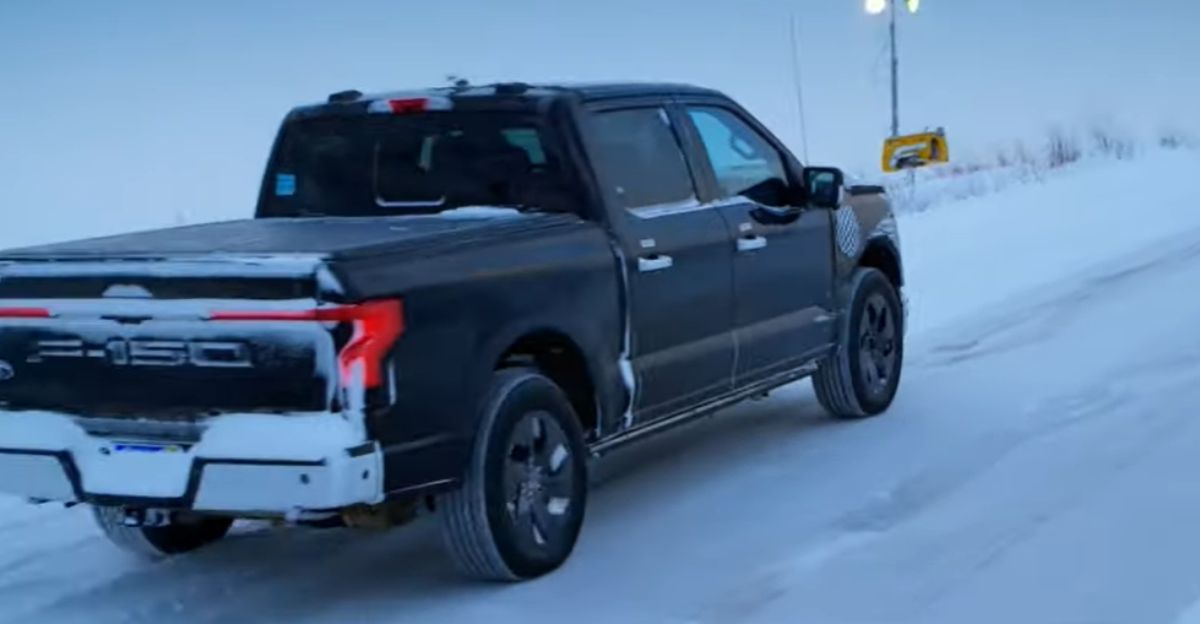
Ford’s F-150 Lightning, once hailed as its electric flagship, saw sales fall by 26% in Q2 2025. This decline comes as Tesla’s Cybertruck has taken the lead in the electric pickup market, despite launching later.
Ford’s Model E division faces an existential crisis as analysts claim it has “stalled” in the EV race.
Meanwhile, Chinese automakers, like BYD, continue to expand their global reach, threatening to dominate with EVs priced at half the cost of their American counterparts.
Assembly Evolution
Henry Ford revolutionized manufacturing in 1913 with the moving assembly line, cutting the time to produce a Model T from 12 hours to just 2.3 hours.
This innovation enabled Ford to mass-produce affordable vehicles, and by the mid-1920s, the Model T’s price had dropped to $260—equivalent to around $4,000 today.
The assembly line became a global model for mass production, and Ford’s approach to manufacturing laid the foundation for the modern automobile industry.
Mounting Pressure
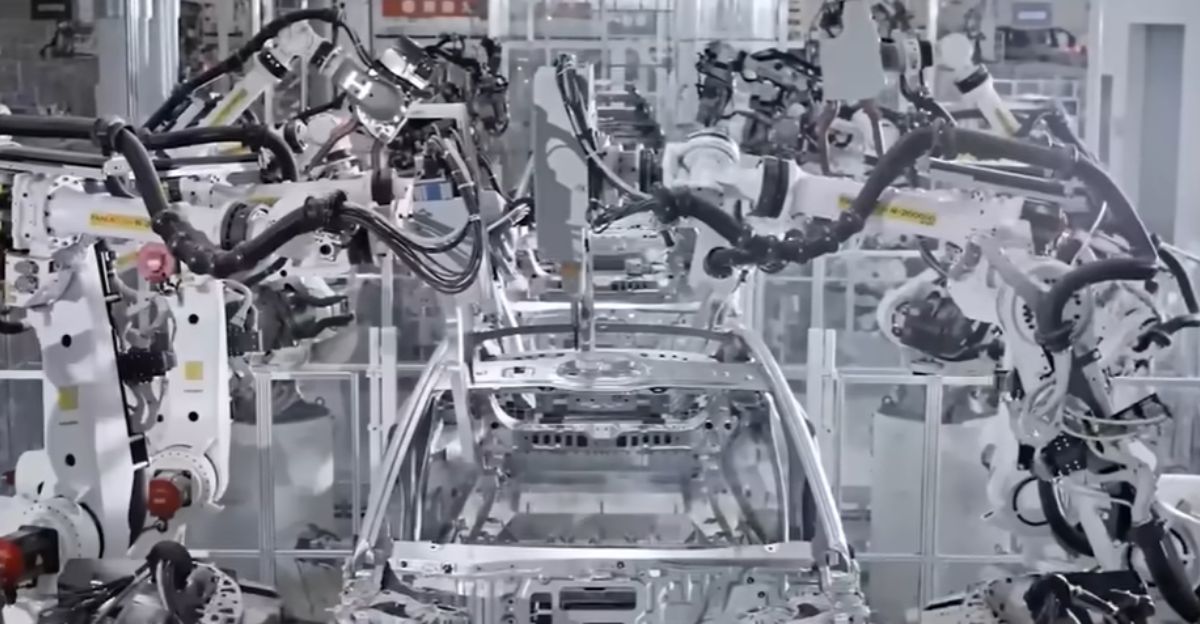
Chinese EV manufacturers, such as BYD, have gained a significant edge through government subsidies and vertical integration.
BYD’s entry-level electric vehicles are priced under $10,000 domestically and even when marked up for export, remain significantly cheaper than comparable American EVs.
Meanwhile, Tesla has pioneered unboxed production methods that promise 50% cost reductions and a 40% reduction in factory space.
Traditional automakers are being forced to reconsider their century-old manufacturing methods to compete in an increasingly cost-driven market.
The Bold Gamble
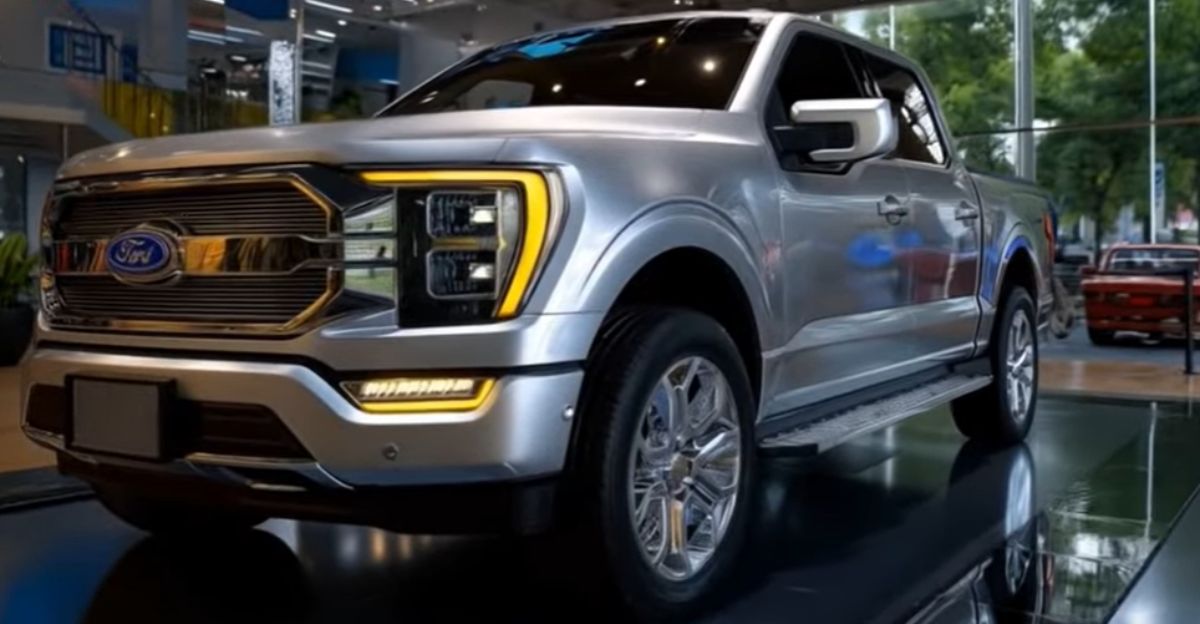
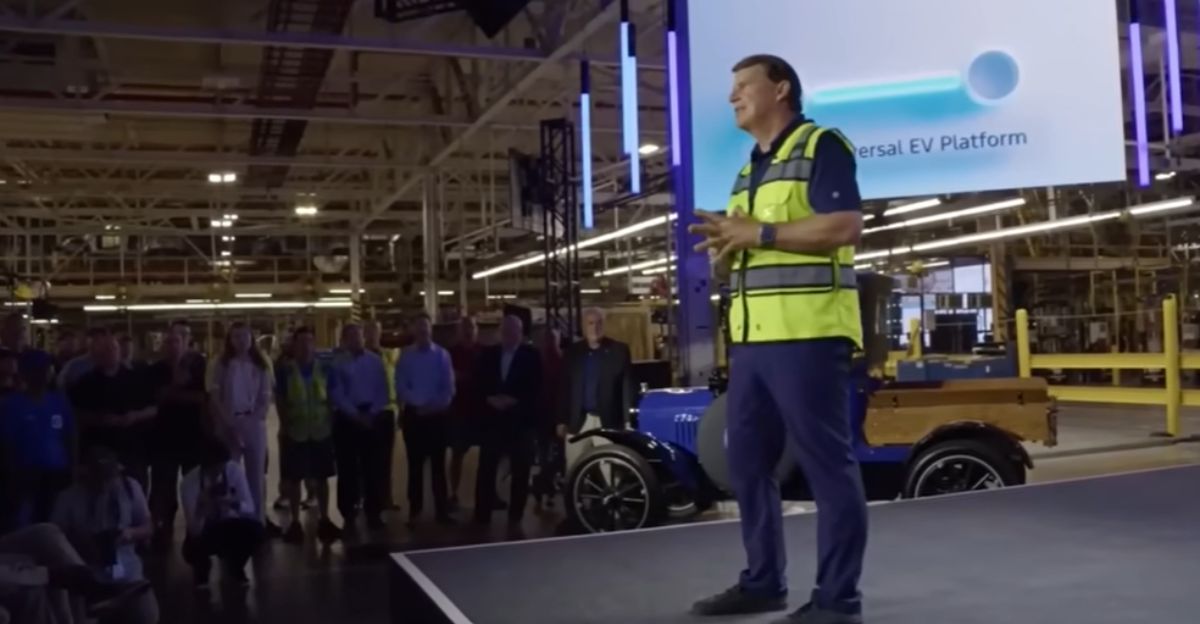
On August 11, 2025, Ford CEO Jim Farley revealed a bold $5 billion strategy: dismantling the traditional assembly line and adopting a new “assembly tree” model.
Farley announced the shift from Ford’s historical approach, declaring, “We tore up the moving assembly line… and came up with a brand-new concept,” signaling a significant transformation in manufacturing.
This move represents Ford’s most dramatic overhaul since the era of Henry Ford’s Model T.
Kentucky Impact

Ford’s $2 billion transformation of its Louisville plant marks a crucial step in the company’s future. The plant will be converted from a facility producing gas-powered vehicles into an electric truck factory, securing 2,200 jobs.
Governor Andy Beshear highlighted the project as Kentucky’s third-largest economic development initiative, positioning the state as a critical hub for electric vehicle manufacturing.
This project, along with Ford’s $3 billion battery plant in Michigan, underscores Ford’s commitment to shaping America’s EV future.
Human Story
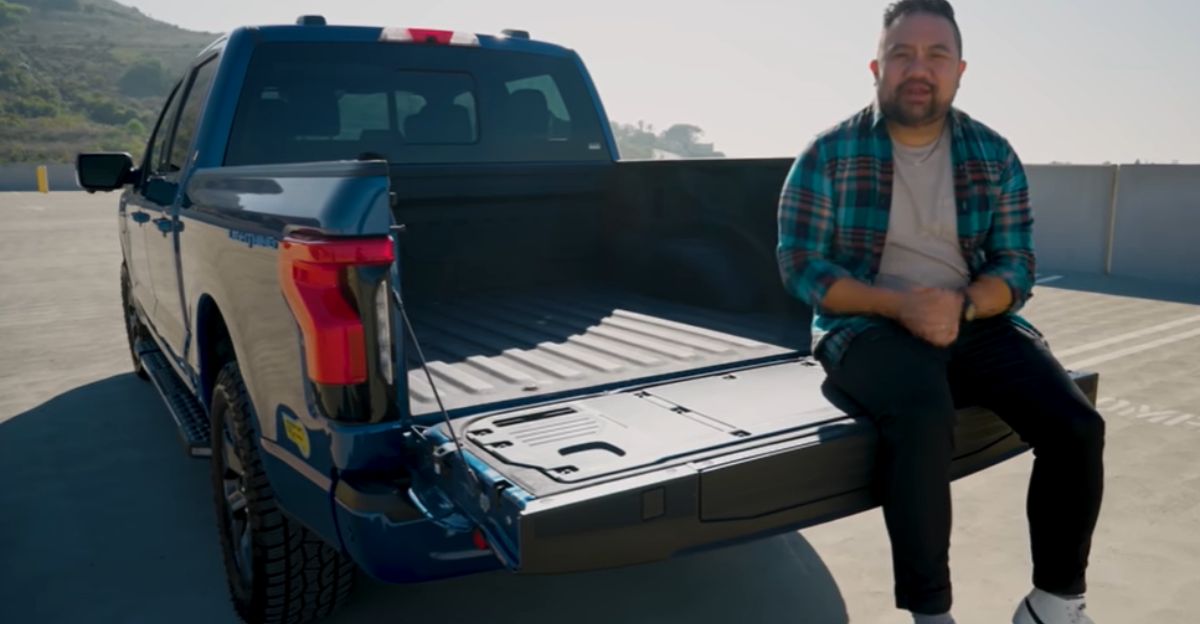
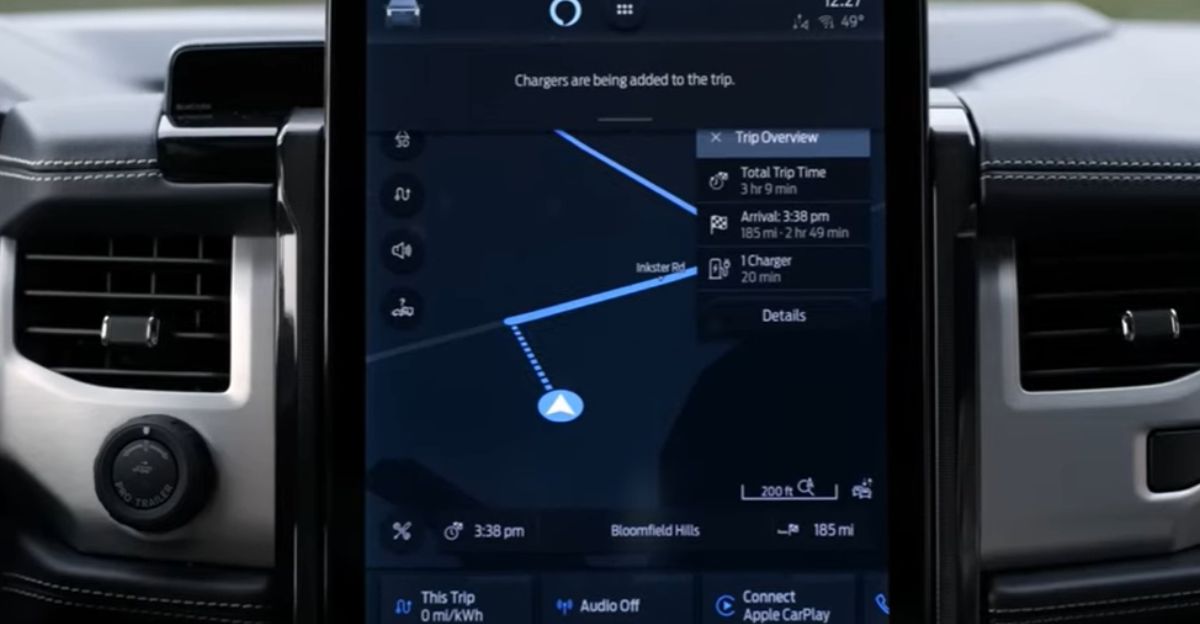
Jesse Acosta, a Ford F-150 Lightning owner, voiced the challenges many owners face with the truck’s range limitations.
Despite its 230-mile range, Acosta’s vehicle often drops to just 40 miles when navigating hilly terrain.
“The one thing you can’t discount is just how nerve-racking it is,” Acosta said, describing his anxiety on long trips. His experience highlights the struggles of many Ford customers dealing with range and reliability issues in real-world conditions.
Competitor Response
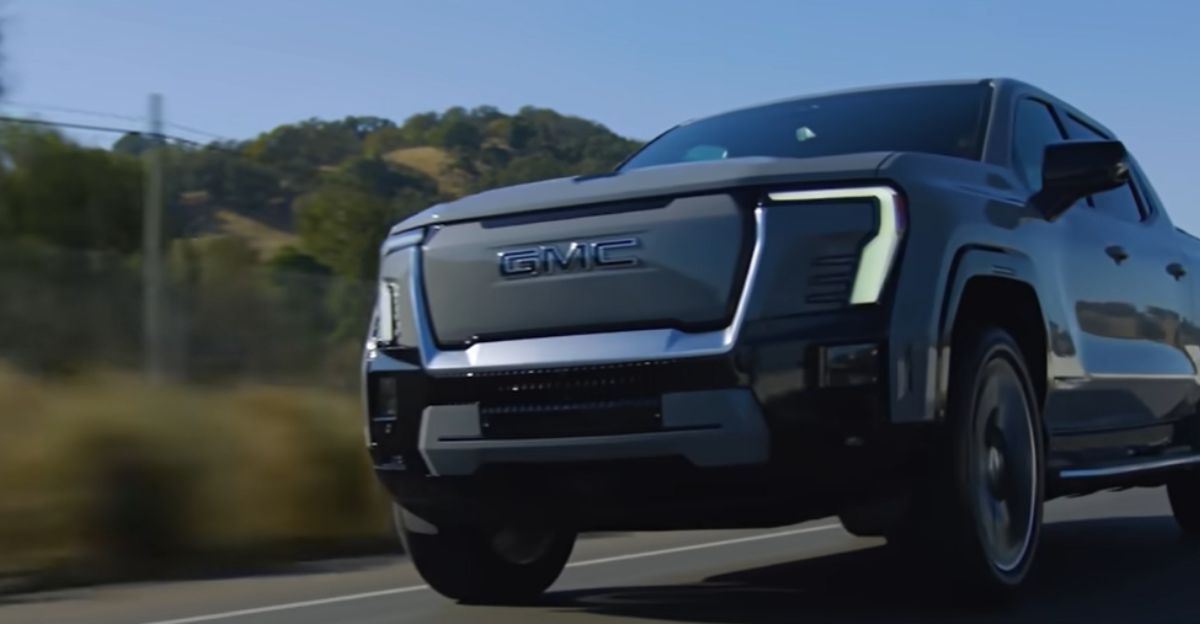
General Motors has seized the opportunity created by Ford’s struggles, doubling its EV sales to 46,280 units in Q2 2025. Tesla continues to lead the U.S. EV market, with 44% market share despite a global slowdown in deliveries.
Meanwhile, Chinese automaker BYD has captured 17% of the global fully-electric vehicle market, significantly expanding its footprint.
Leveraging vertically integrated supply chains and government backing, BYD is challenging Western manufacturers with its cost-effective, high-quality EVs.
Macro Context
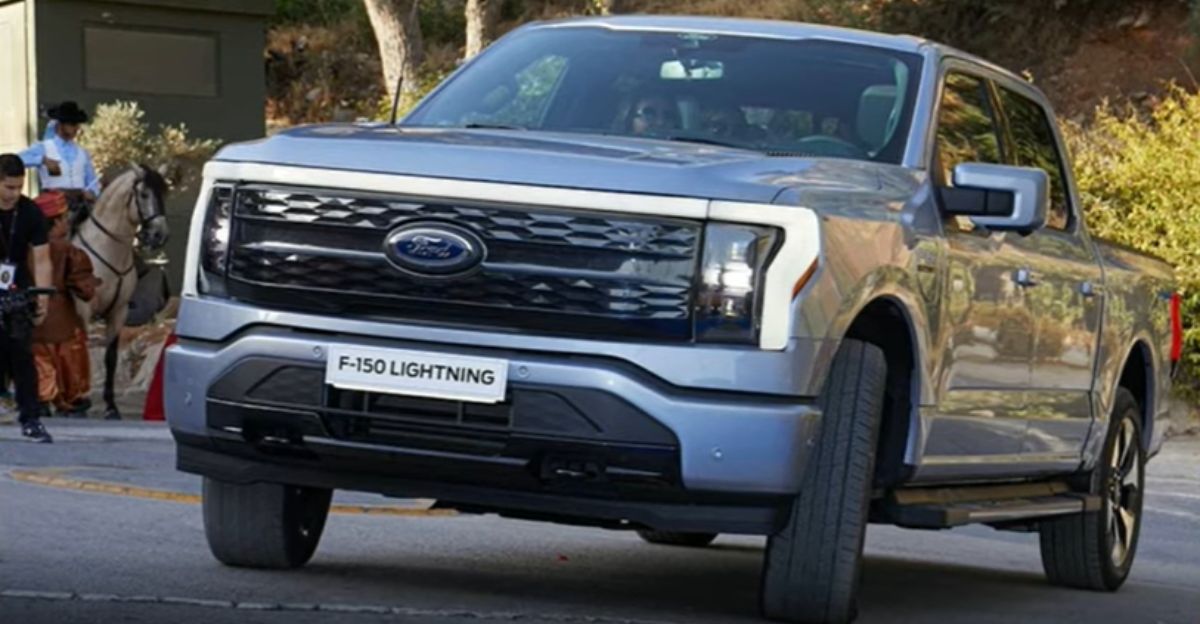
The global electric vehicle market is undergoing a profound shift, with Chinese manufacturers reaching cost parity with traditional internal combustion engine vehicles.
In China, the transition to electric vehicles is no longer just about environmental benefits but also about financial sense.
With lower production costs and subsidies, Chinese automakers now offer EVs at prices that undercut many Western competitors, forcing established automakers to adapt or risk being left behind in the face of cheaper, more efficient EV alternatives.
Revolutionary Manufacturing
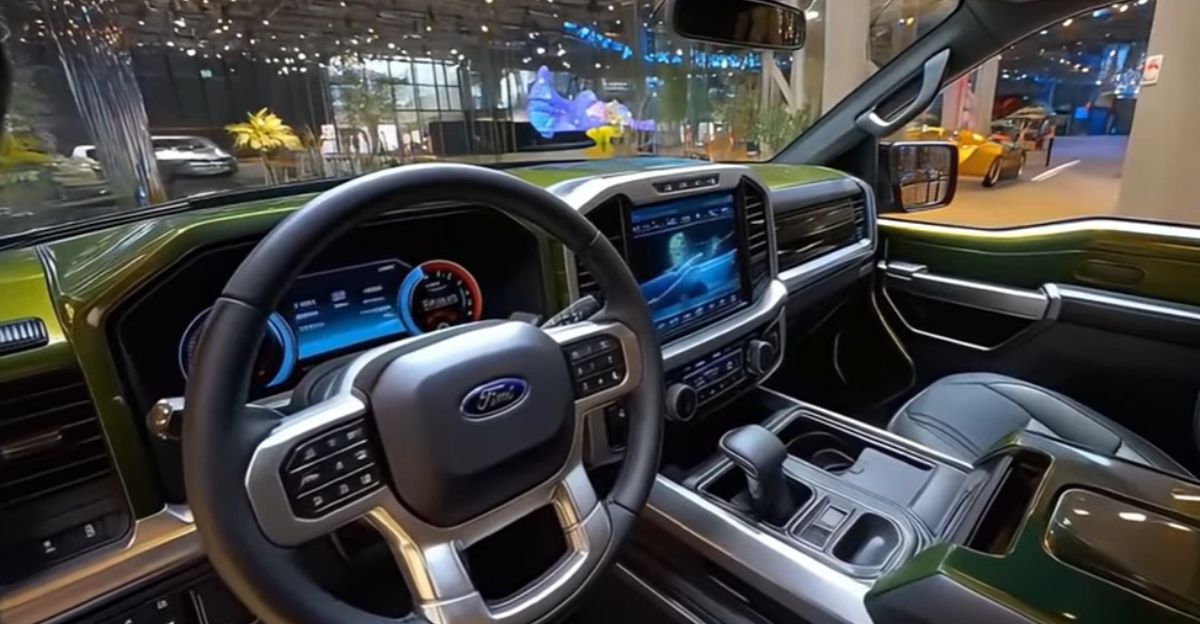
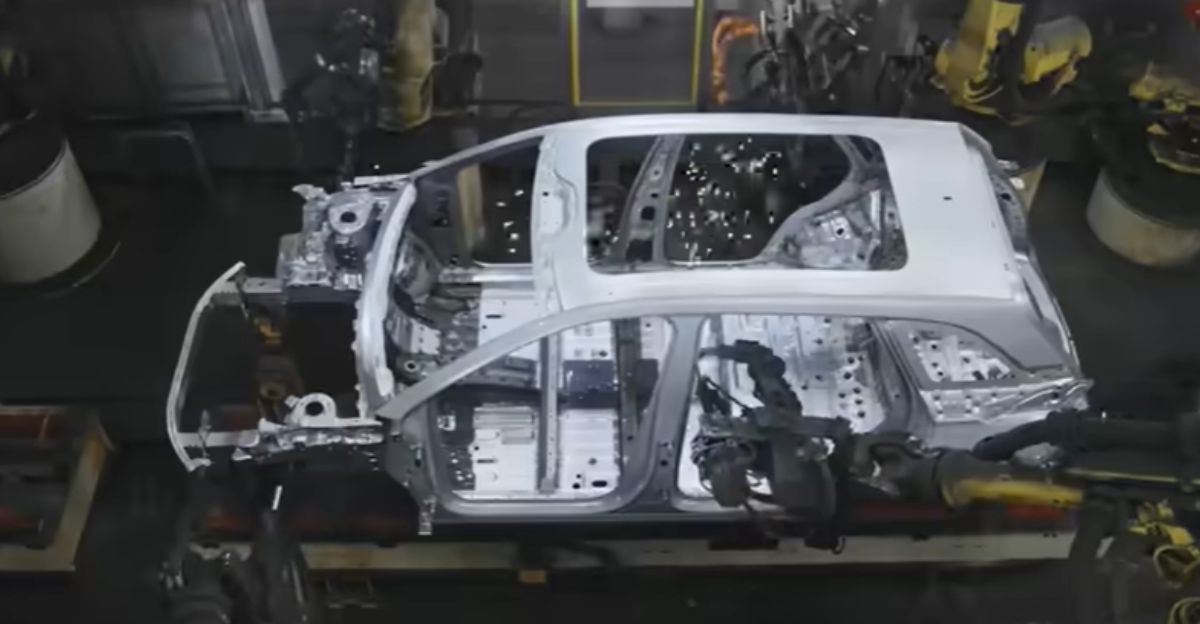
Ford’s latest innovation centers on a structural battery pack integrated into the vehicle’s floor. This groundbreaking approach eliminates the need for traditional chassis components, while the battery assembly comes pre-installed with seats, consoles, and carpeting.
Ford also utilizes single-piece aluminum castings, replacing dozens of parts, making the assembly process faster and more efficient.
This redesign reduces parts by 20% and assembly time by 15%, setting Ford apart from traditional methods of vehicle production.
Internal Tension
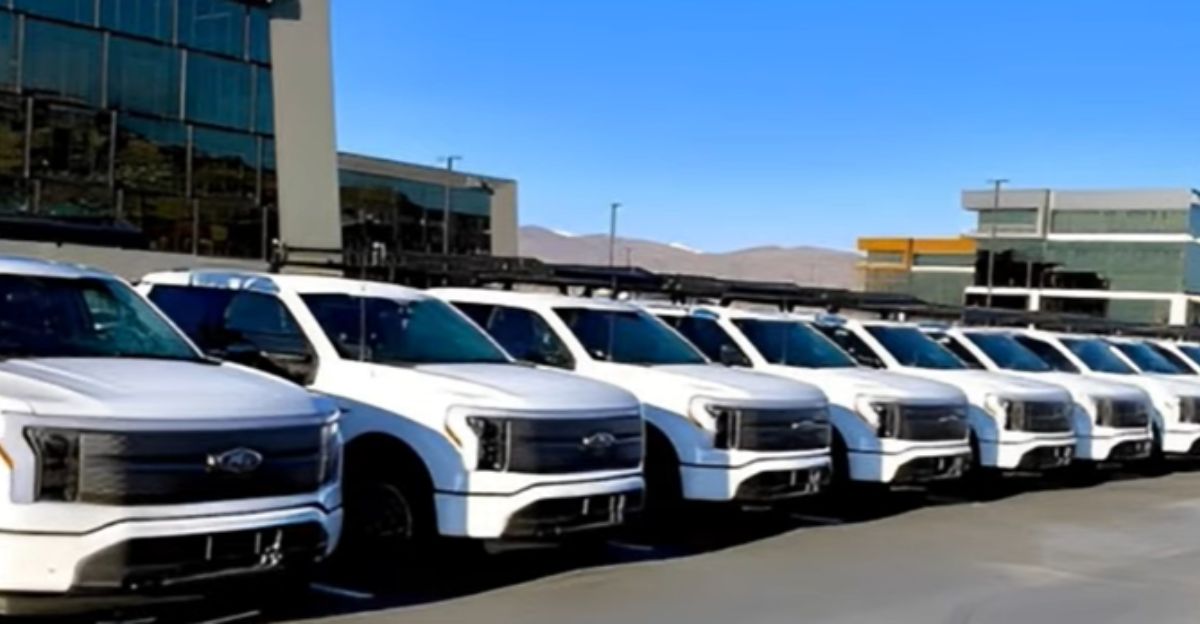
Ford’s decision to implement a radical overhaul of its assembly line was driven by its skunkworks team, led by former Tesla engineer Alan Clarke.
Isolated from the corporate structure, Clarke’s team operated with creative freedom to innovate without the constraints of traditional automotive practices. CEO Jim Farley acknowledged the risks involved in abandoning Ford’s proven production methods, stating, “There are no guarantees with this project.”
The shift from established norms has sparked resistance within the company.
Leadership Shift
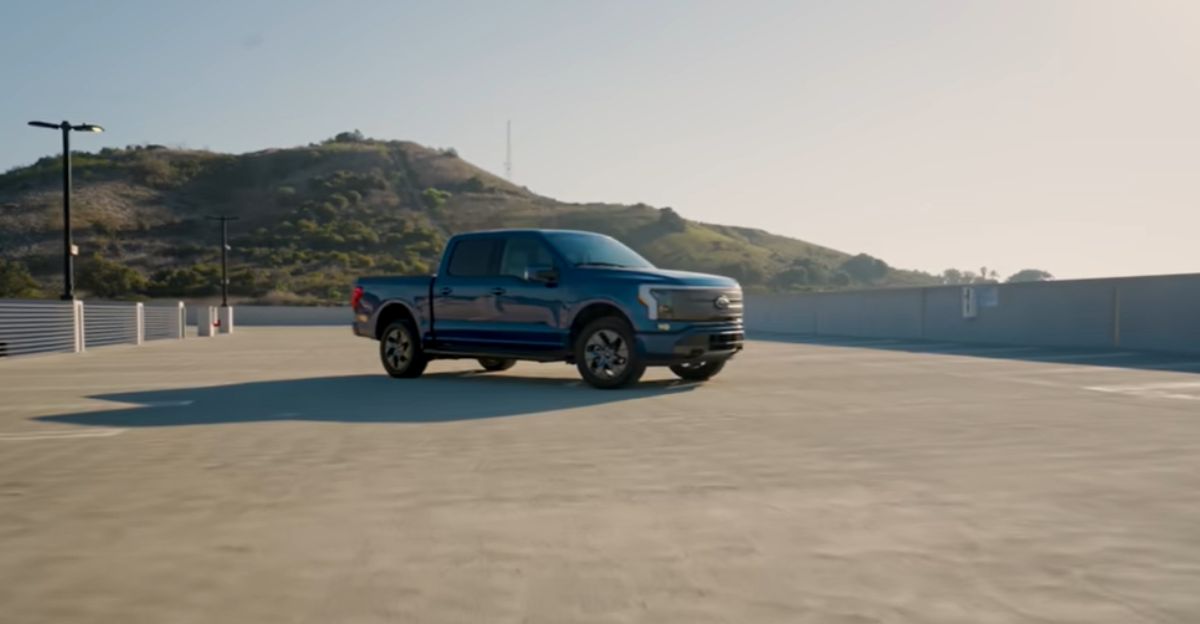
Doug Field, Ford’s Chief EV Officer and former Tesla executive, led the development of the company’s radical new platform. His approach, rooted in “first-principles engineering,” challenged Ford’s traditional manufacturing culture.
Field emphasized the importance of building from the ground up, rather than making incremental improvements.
This Silicon Valley mentality clashed with Ford’s legacy of Detroit-based manufacturing, forcing the company to decide between embracing innovative disruption or sticking with proven, albeit outdated, methods.
Comeback Strategy
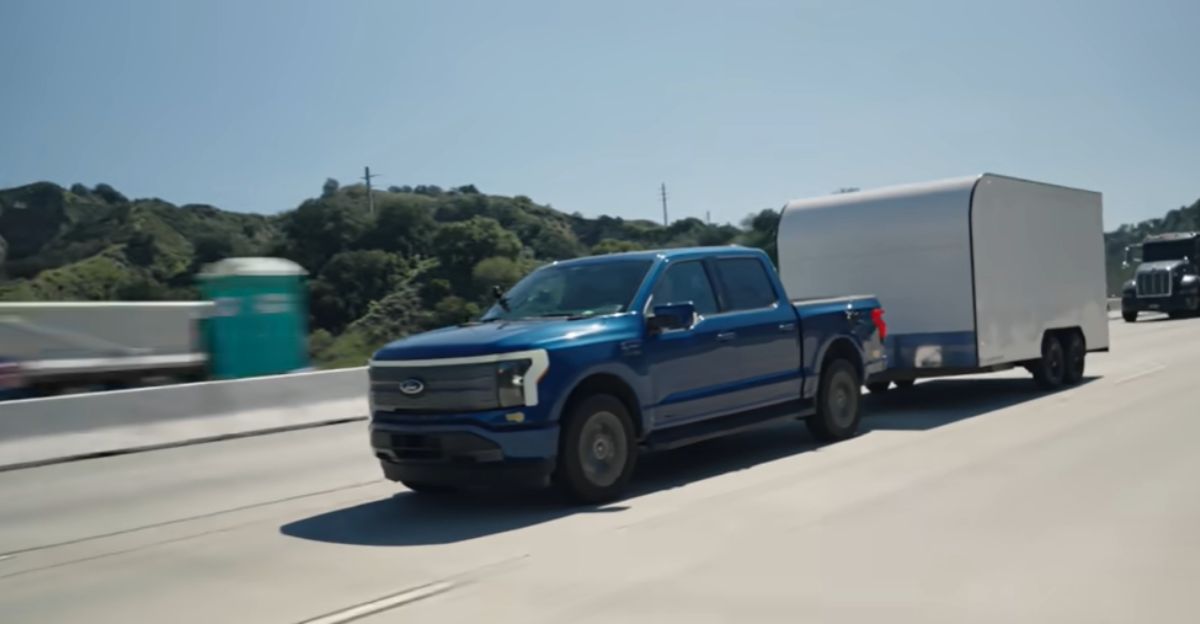
Ford’s Universal EV Platform, set to debut in 2027, will deliver a more affordable midsize electric pickup priced around $30,000.
Designed to compete with the F-150 Lightning and budget-conscious alternatives, it will offer more cabin space than a Toyota RAV4 and feature impressive Mustang EcoBoost-like acceleration.
With bidirectional charging capabilities that allow the vehicle to serve as a backup power source for up to six days, Ford aims to make electric trucks more accessible and practical for mass-market buyers.
Expert Skepticism

Industry analysts have expressed doubts about Ford’s ability to recover from its financial losses.
Analyst David Whiston warned that Ford’s transition to electric vehicles has been too slow, predicting that the company would face difficulties in the next two years as competitors roll out lower-cost models.
Ford’s per-vehicle losses are significant, with reports estimating a loss of nearly $60,000 per EV sold.
These losses raise questions about whether Ford’s efficiency improvements will be enough to overcome such steep financial challenges.
Forward Question
Ford’s future hinges on whether its innovative “assembly tree” model can succeed in the fast-evolving EV market.
The new system may help reduce costs, but with competitors like BYD already offering profitable EVs at half the price, Ford may struggle to catch up.
The company’s 2027 timeline might be too late to secure a foothold in the global market.
The outcome of this gamble will determine whether Ford can remain a major player or fade into irrelevance as the industry shifts.
Political Implications
Ford’s decision to invest in Kentucky instead of pursuing cheaper international options highlights its stance on American manufacturing.
CEO Jim Farley emphasized the company’s commitment to domestic production, particularly in light of tariffs on imports.
The $2 billion investment in Kentucky is not just a business decision but a response to the political pressure surrounding trade policies and the growing competition from foreign automakers, particularly in the EV space.
International Ripple
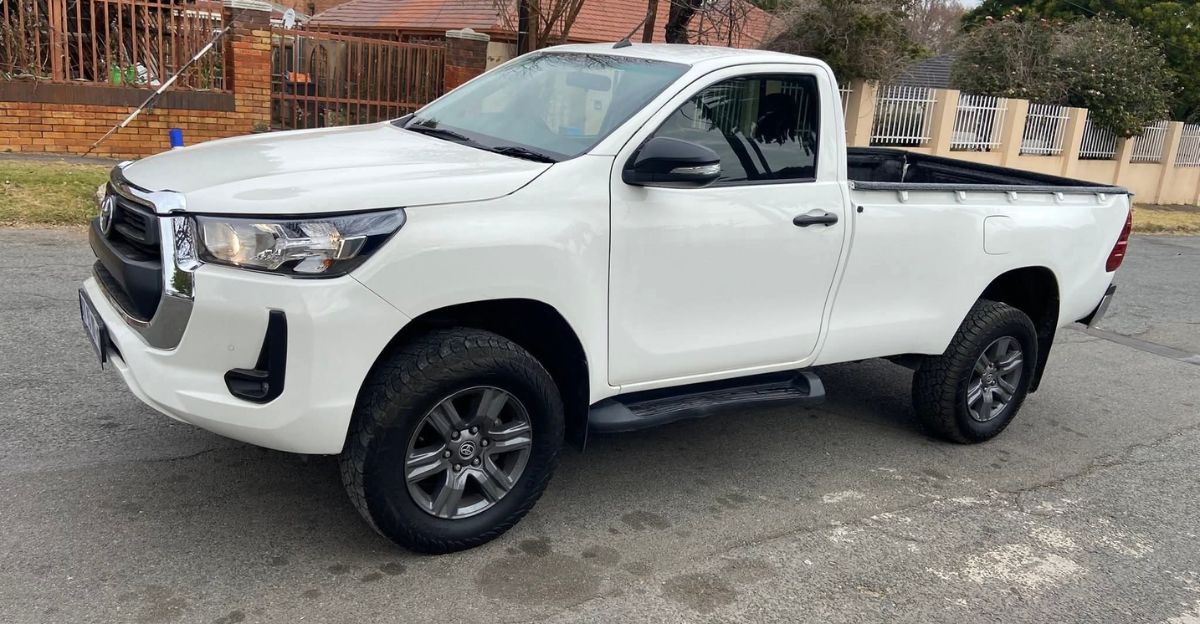
Ford’s Louisville plant is poised to influence the global truck market.
The company’s push to sell vehicles built in Kentucky both domestically and internationally could disrupt global markets, particularly compact truck segments dominated by vehicles like the Toyota Hilux.
Ford is also challenging China’s dominance in the battery supply chain by establishing its own lithium iron phosphate (LFP) production facility, aiming to reduce dependence on Chinese suppliers like CATL and BYD.
Environmental Angle
Ford’s new platform offers significant environmental benefits. The structural battery design eliminates the need for cobalt and nickel, reducing the ethical and environmental impact of mining these materials.
Additionally, the new platform design lowers the vehicle’s weight and center of gravity, which improves efficiency and increases driving range.
By using fewer materials and reducing energy consumption, Ford’s approach not only lowers manufacturing costs but also makes its EVs more sustainable.
Generational Shift
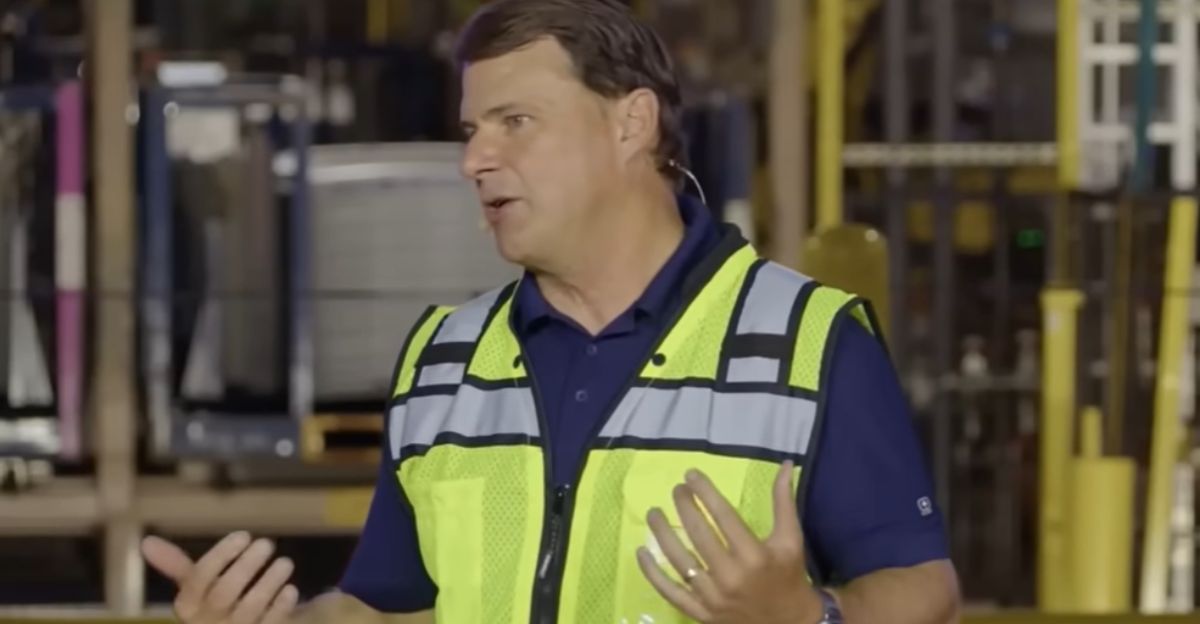
Ford’s pivot from traditional assembly lines to a cutting-edge “assembly tree” reflects a broader cultural shift in American manufacturing.
This transformation sees Silicon Valley-inspired engineering principles replacing Detroit’s century-old methods.
Ford’s commitment to innovation, recognizing that “there was no incremental path to success,” underscores the industry-wide move towards embracing disruption over incremental improvements.
It marks a major turning point for the company, as it adapts to new realities in manufacturing and design.
Broader Reflection
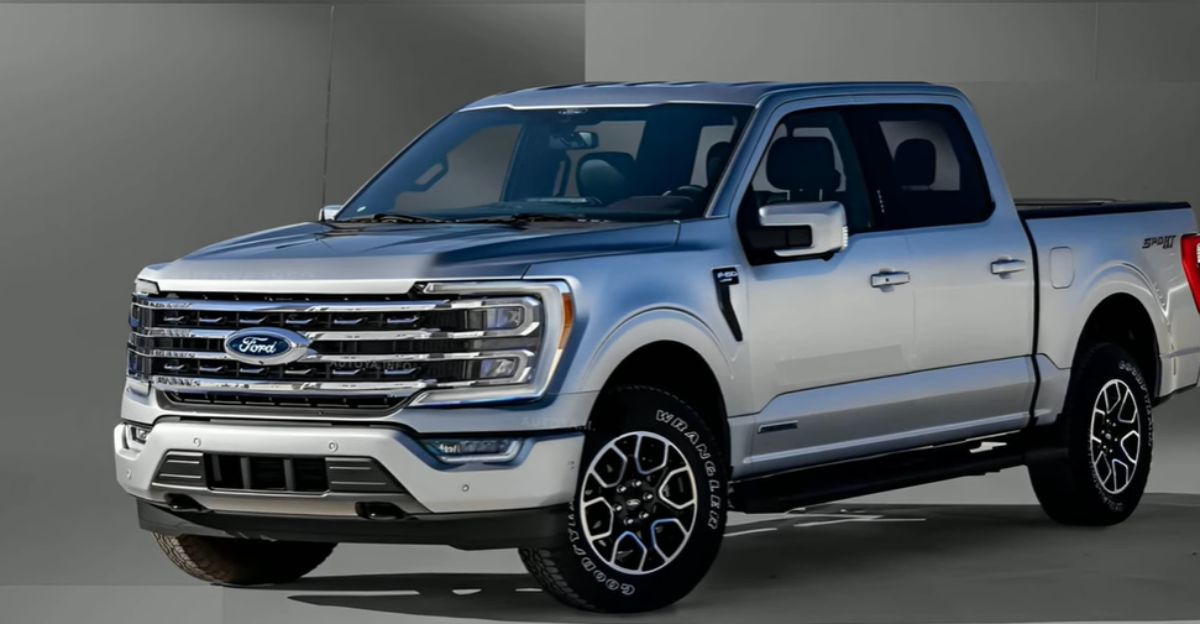
Ford’s $5 billion investment in reshaping its manufacturing approach represents more than just a technological shift—it encapsulates America’s ongoing struggle to maintain leadership in an increasingly competitive global market.
The success or failure of this ambitious project will not only determine Ford’s future but could also set the tone for how American manufacturers respond to the rise of China’s vertically integrated EV giants and the growing demand for sustainable transportation worldwide.