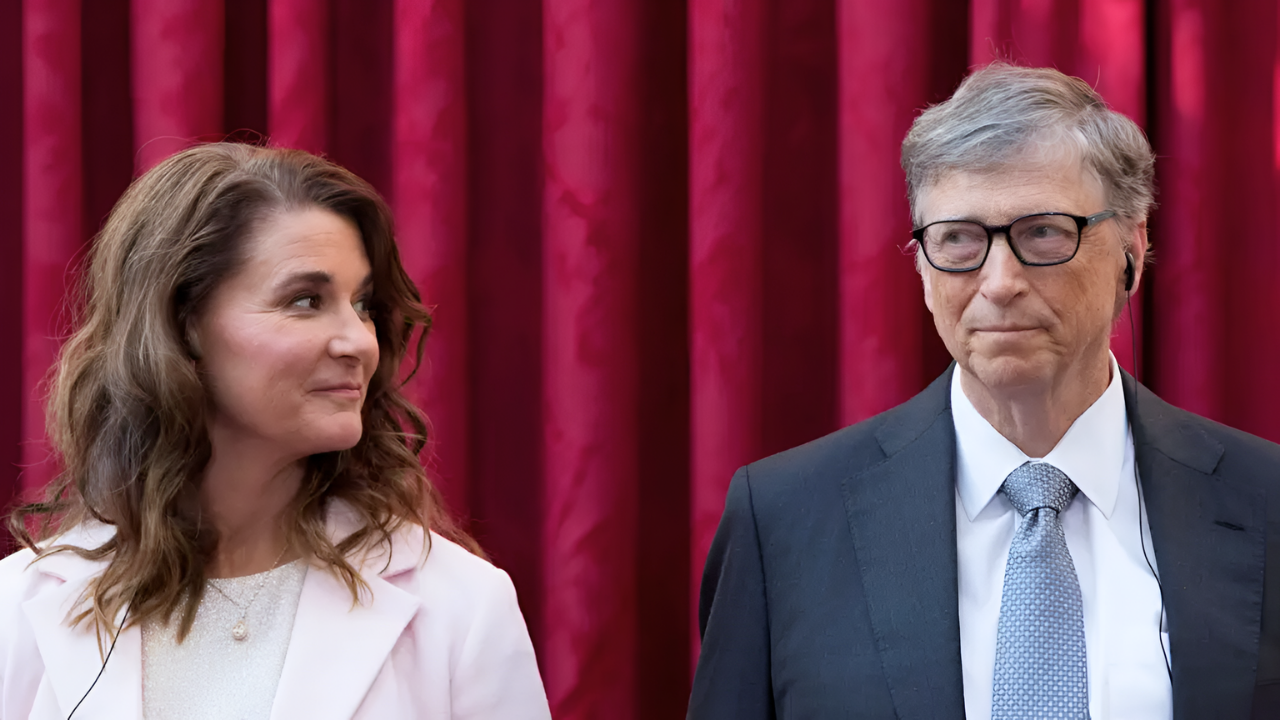
The Gates Foundation, the world’s largest private philanthropy with about 2,375 employees and roughly 77.2 billion dollars in assets as of late 2024, has approved a record 9 billion dollar spending plan for 2026 and confirmed that up to 500 staff positions are expected to be eliminated over the next several years as part of a planned wind‑down. The staffing cuts, which external reports describe as layoffs and role reductions tied to a long‑term closure plan, could affect roughly one in five current roles by 2030, even though the foundation says many of the positions will be removed gradually and some will be left unfilled rather than cut in a single wave. This dual move both accelerates a roughly 200 billion dollar lifetime giving commitment from Bill Gates before the organization’s scheduled closure on December 31, 2045 and highlights the tension between rapid grantmaking and lean operations in big‑ticket philanthropy.
A Historic Closure Timeline
As it enters 2026, the 25‑year‑old foundation is formally in “spend‑down” mode, planning to disburse its remaining resources at an unprecedented pace and then shut its doors, a strategy that places it among the first mega‑foundations to announce a definitive end date. In May 2025, Bill Gates publicly pledged to give away virtually all of his fortune—estimated at around 160 billion dollars at the time—through the foundation by 2045, retaining only a small fraction for personal and family needs. Warren Buffett’s approximately 48 billion dollars in contributions through 2025 have reinforced this “giving while living” approach, allowing the organization to front‑load spending on health, agriculture, and education before the planned closure.
Streamlined Budget and Confirmed Job Cuts
The board approved the 9 billion dollar 2026 budget on January 14, 2026, while capping operating expenses at no more than 1.25 billion dollars, or about 14% of total spending, to keep more money flowing to grants. To stay within that cap, the foundation has announced plans to reduce its headcount by up to 500 roles from a target baseline of 2,375 positions by 2030, a figure that outside coverage characterizes as hundreds of employees ultimately losing their jobs as programs wind down. Leadership says the reductions will be phased in through annual reviews, a mix of attrition, non‑replacement of open roles, and program‑linked layoffs rather than a single mass firing, but the end result is still a smaller workforce by several hundred employees. CEO Mark Suzman has called the 2045 closure a “once‑in‑a‑generation opportunity to make transformative progress,” arguing that tighter operating costs, even with painful staff cuts, will protect grants and avoid pushing overhead toward 18% by 2030. Remaining employees are expected to keep their salaries and benefits, and some critical teams—such as those overseeing women’s health and vaccine innovation—will expand or be reconfigured as other units shrink.
Post‑Divorce Philanthropic Paths
The 2021 divorce of Bill and Melinda French Gates reshaped their joint philanthropy after 27 years of marriage, culminating in Melinda’s departure as co‑chair in May 2024 and the formal renaming of their joint foundation as simply the Gates Foundation. Tax filings and subsequent coverage show that in 2024 Bill Gates transferred roughly 7.88 billion dollars—widely described as “nearly 8 billion”—to Melinda French Gates’ Pivotal Philanthropies Foundation as part of a previously agreed 12.5 billion dollar divorce‑related settlement. That transfer, which followed an earlier multi‑billion‑dollar allocation, propelled Pivotal Philanthropies’ assets to about 7.4 billion dollars by the end of 2024 and instantly placed Melinda’s organization among the largest private foundations in the United States. Now leading her own platform, Melinda has committed around 1 billion dollars to women’s and girls’ advancement over several years, including large new pledges in 2025 and 2026 focused on reproductive health, economic power, and leadership—an agenda that overlaps with but remains distinct from the Gates Foundation’s remaining portfolio.
Core Priorities and Proven Impact
Of the 2026 budget, the foundation plans to direct the majority of its 9 billion dollars—more than 6 billion—to global health work such as maternal and child survival, infectious diseases, and polio eradication, while the rest supports agriculture in low‑ and middle‑income countries and education in the United States. Its long‑running commitments, often made through partners like Gavi and the Global Fund, are credited in external evaluations with helping drive steep reductions in child mortality, expand vaccine access to hundreds of millions of children, and cut polio cases by more than 99% since the late 1980s. The foundation has pledged several billion dollars specifically for women’s health—backing work on RSV vaccines, Group B strep, and other conditions that disproportionately affect women and infants—as part of its accelerated 20‑year sprint to 2045.
Challenges and Broader Shifts
Even as the Gates Foundation ramps up annual giving and prepares to lay off or otherwise eliminate up to 500 positions, critics warn that concentrating so much private power in a single institution has skewed priorities within global health and development. Studies and expert commentary note that large shares of its disease‑specific funding—especially for polio—have sometimes overshadowed non‑communicable diseases and mental health, which account for the majority of deaths worldwide. Melinda French Gates’ independent initiatives, and those of other philanthropists like MacKenzie Scott, are increasingly framed as a complementary counterweight: backing women’s rights, basic services, and smaller community‑based organizations often left behind by big global programs and by U.S. federal cuts under the Trump administration. As more billionaire‑backed institutions embrace finite timelines and significant staffing reductions, nonprofits and multilateral agencies such as the World Health Organization worry about a future funding gap once the Gates Foundation closes in 2045, especially if governments do not raise their own budgets. The next two decades will test whether this combination of record annual payouts, painful workforce cuts, and large transfers—like the nearly 8 billion dollars Bill Gates has already given to his ex‑wife’s foundation—leads to more durable systems or leaves vulnerable communities facing new uncertainty when the money stops.
Sources:
Historic Annual Budget to Accelerate Mission Through 2045 Closure. Gates Foundation Media Center, January 14, 2026
Bill Gates Plans $9 Billion Foundation Spending Amid 500 Job Cuts. Fortune, January 23, 2026
Bill Gates Donated Record $8 Billion to Melinda French Gates Foundation. Fortune, January 9, 2026
Melinda French Gates Announces $1 Billion Commitment to Advance Women Globally. Pivotal Philanthropies, January 2026
Gates Foundation Sets $9 Billion Annual Budget for 2026. NonProfit PRO, January 14, 2026