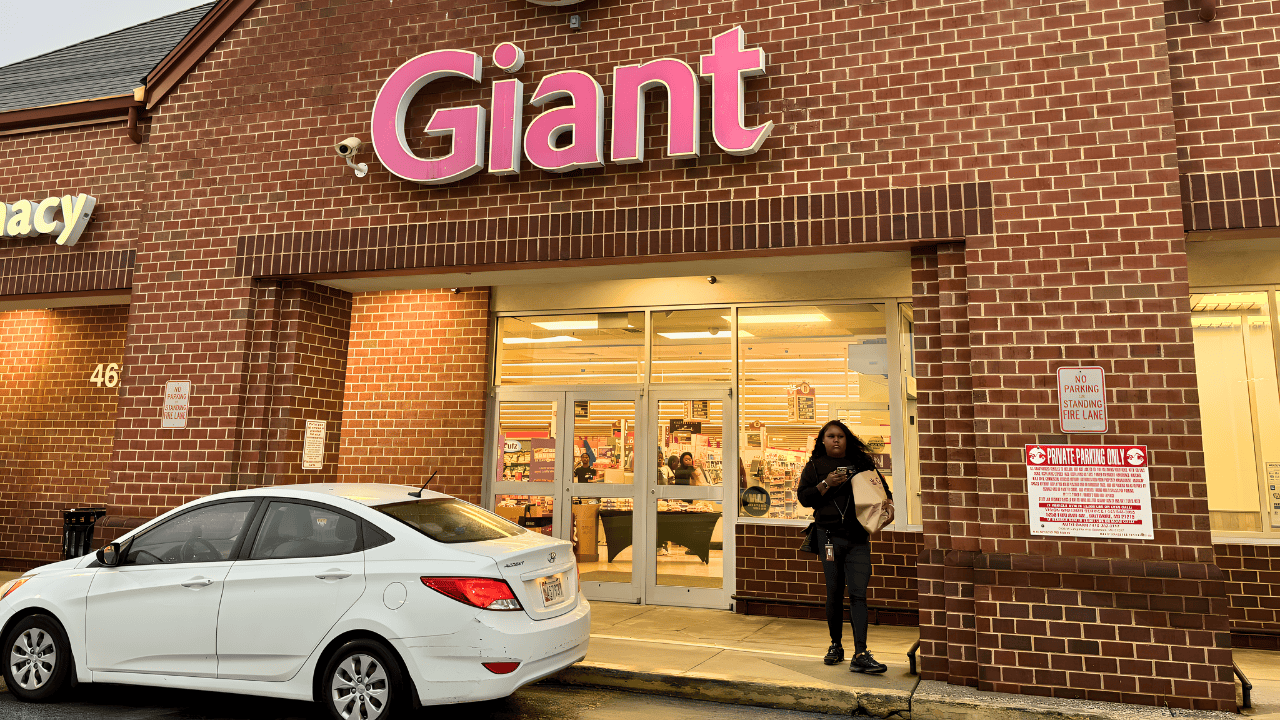
The GIANT Company, owned by Ahold Delhaize USA, plans to close all five of its centralized e-commerce fulfillment centers in Pennsylvania by April 2026. The decision affects more than 300 employees across facilities in Philadelphia, Lancaster, Willow Grove, North Coventry Township, and Coopersburg.
Giant says the move reflects a strategic shift in how it fulfills online grocery orders, transitioning away from warehouse-based picking toward store-based operations supported by third-party delivery partners.
A Strategic Retreat From Centralized Fulfillment
Giant built its fulfillment centers to support pandemic-era demand for online grocery shopping. Company leadership now says that model no longer delivers the flexibility or efficiency needed as customer behavior stabilizes.
According to Giant, no single fulfillment approach works across all markets. The closures represent a deliberate retreat from centralized warehouses in favor of decentralized, store-based fulfillment designed to better match local demand and product assortment needs.
How Giant Direct Orders Will Change

Under the new model, Giant Direct online grocery orders in Pennsylvania will no longer be fulfilled from dedicated warehouses.
Instead, orders will be picked by employees inside local Giant stores. Home delivery will be handled by third-party platforms, primarily Instacart and DoorDash. Giant says this approach allows faster delivery windows, broader item availability, and improved responsiveness to customer preferences compared with centralized picking operations.
Pandemic Growth Meets Post-Pandemic Reality

The fulfillment centers were a response to the explosive growth in online grocery orders during the COVID-19 pandemic. As in-store shopping rebounded and delivery growth slowed, the high fixed costs of operating standalone warehouses became harder to justify.
Giant’s move highlights a broader recalibration across the grocery industry, where companies are reassessing investments made during an extraordinary period of consumer behavior.
The Role of Instacart and DoorDash

Instacart and DoorDash will become central to Giant’s home delivery operations in Pennsylvania. These platforms already operate at scale across Giant’s store network and provide on-demand delivery without requiring the company to maintain its own logistics workforce.
Giant says partnering with established delivery services enables faster order fulfillment while reducing infrastructure costs tied to running dedicated fulfillment facilities.
Coopersburg Closure Hits Lehigh Valley
The Coopersburg fulfillment center in Lehigh Valley will close by April 2026, eliminating 106 jobs. The facility served as a major local employer and played a key role in Giant’s centralized e-commerce strategy.
Giant continues to operate 14 grocery stores in the Lehigh Valley, including a new location in Salisbury Township that opened in December 2025, which will now support store-based online order fulfillment.
Philadelphia, Lancaster, and Regional Impact

In addition to Coopersburg, fulfillment centers in Philadelphia and Lancaster will shut down, affecting hundreds of workers combined. Facilities in Willow Grove and North Coventry Township will also close as part of the statewide consolidation.
Together, the closures span multiple counties and communities, concentrating job losses among warehouse and logistics employees as Giant shifts work back into its retail store footprint.
Workforce Numbers and WARN Notices

More than 300 employees are expected to be affected across all five facilities. WARN notices filed with the Pennsylvania Department of Labor & Industry outline specific job losses, including 128 positions in Philadelphia and 106 in Coopersburg.
The notices list closure dates extending into early 2026, triggering state and federal notification requirements intended to give workers time to prepare for layoffs.
Compliance With Labor Notification Rules

State officials are reviewing Giant’s filings to ensure compliance with the Worker Adjustment and Retraining Notification Act.
The law requires large employers to provide at least 60 days’ notice before mass layoffs or plant closures. Some facilities are scheduled to close earlier than others, creating staggered timelines for affected workers. Oversight focuses on ensuring proper notice and transparency during the transition.
Internal Transfers and Job Opportunities

Giant says it is offering affected employees the opportunity to apply for open roles elsewhere within the company. This includes positions in stores and other operational areas where staffing needs remain strong.
However, internal transfers are not guaranteed, and some warehouse roles do not directly translate to in-store positions. The company has not committed to relocating entire teams from closing facilities.
Financial Impact on Parent Company
Ahold Delhaize has recorded a $35 million impairment charge related to the fulfillment center closures. The charge reflects reduced asset values tied to warehouse operations that will no longer be used.
Company leadership frames the cost as part of a longer-term effort to simplify operations and reduce expenses associated with underutilized infrastructure as grocery e-commerce enters a more mature phase.
Stores Become the New Fulfillment Hubs
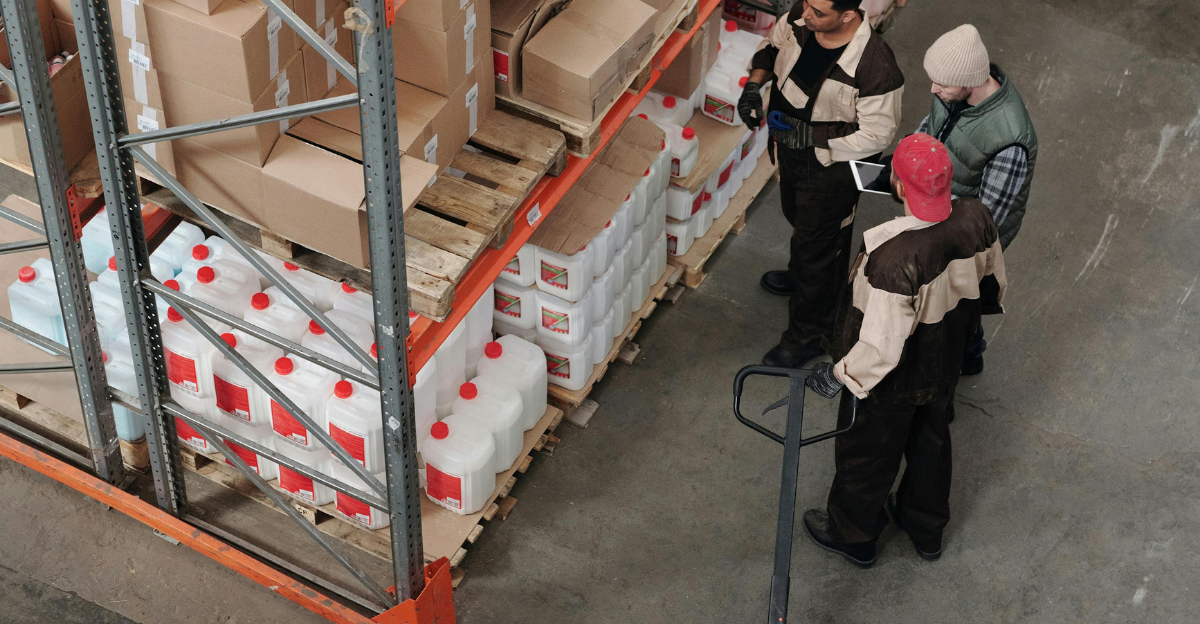
By shifting fulfillment into stores, Giant aims to leverage existing real estate and staff rather than maintaining separate logistics facilities. Store-based picking allows orders to draw directly from shelf inventory, expanding available products beyond what centralized warehouses typically carry.
Giant says investments in technology and workflow improvements will support this transition and reduce strain on store operations.
Alignment With Broader Ahold Delhaize Moves

The Pennsylvania closures align with similar decisions elsewhere within Ahold Delhaize’s U.S. portfolio.
The parent company has scaled back fulfillment operations in other states, including Virginia, reflecting a companywide reassessment of centralized e-commerce infrastructure. In total, at least six fulfillment sites across brands have been affected as Ahold Delhaize refocuses on store-driven online fulfillment.
Industry Shift Away From Central Warehouses
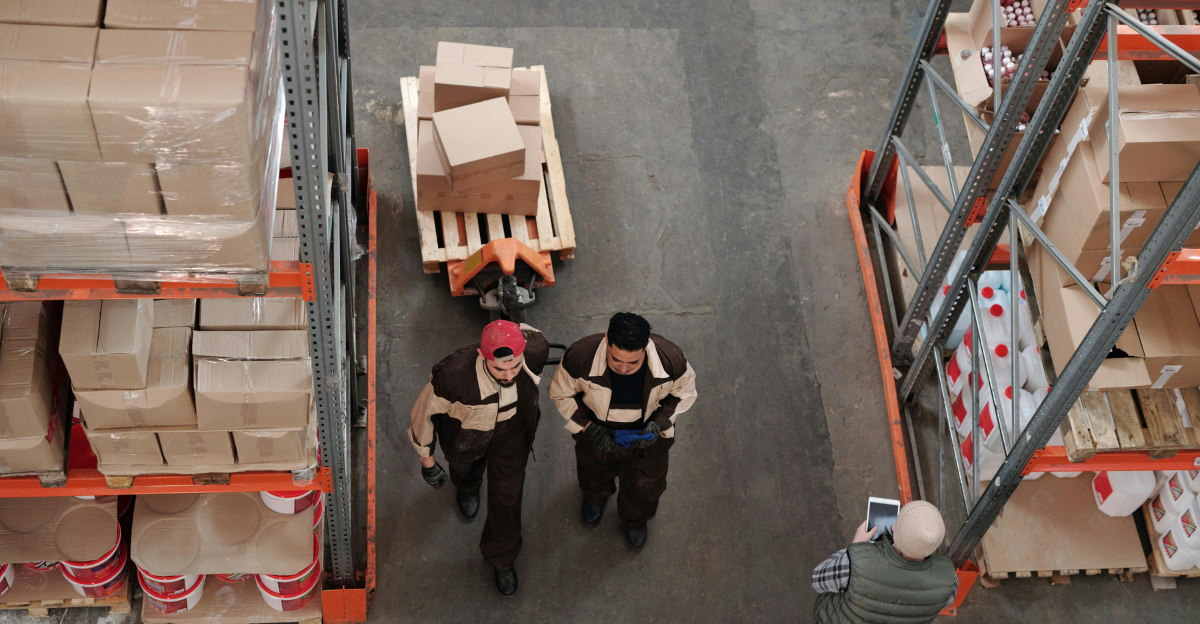
Giant is not alone in moving away from centralized grocery fulfillment. Competitors such as Kroger have also reduced or closed automated and warehouse-based e-commerce operations.
Many grocery chains now prioritize in-store picking combined with third-party delivery, arguing it offers better economics and adaptability as online grocery demand stabilizes after pandemic highs.
What Customers May Notice

For customers, the shift may change pickup timing and order preparation processes, but Giant says service quality should remain consistent.
Store-based picking can shorten delivery distances and improve substitution accuracy when items are out of stock. Faster delivery windows through Instacart and DoorDash are expected to offset any disruption caused by the closure of centralized facilities.
Technology and Labor Rebalancing
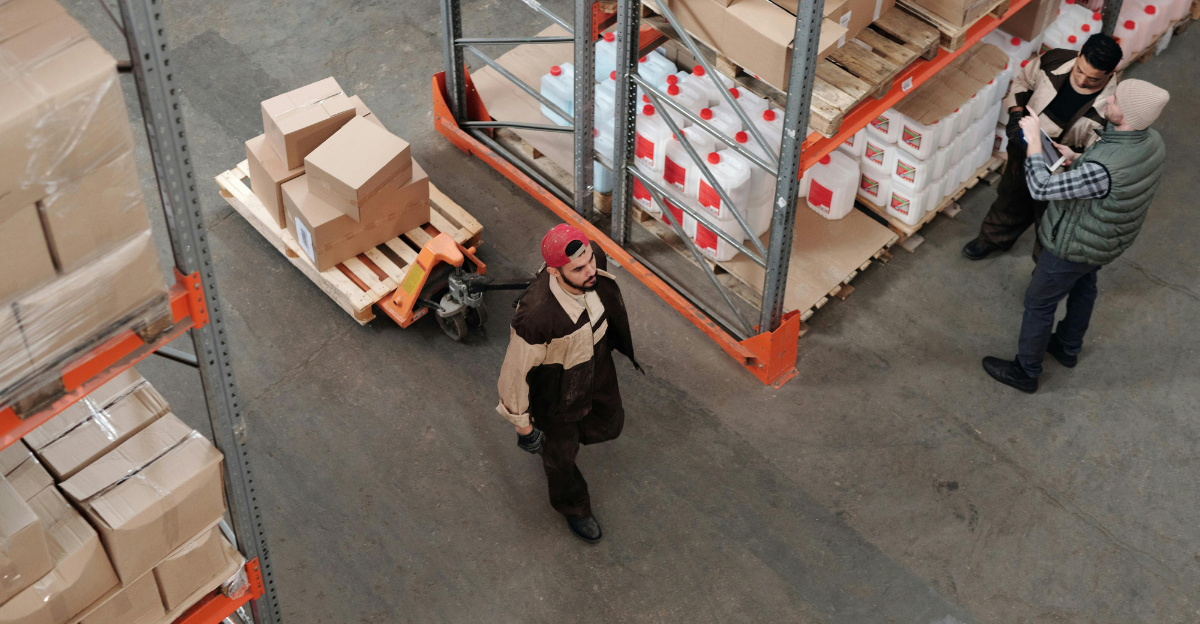
Moving fulfillment into stores redistributes labor rather than eliminating online grocery work entirely. Store employees will take on more picking responsibilities, supported by digital tools designed to streamline order assembly.
Giant views this as a better balance between labor efficiency and customer service, though it represents a fundamental change from specialized warehouse-based e-commerce jobs.
Community-Level Consequences
In towns like Coopersburg, the closure removes a significant employer and economic contributor. While Giant maintains a retail presence, warehouse jobs often provide different schedules and pay structures than store roles.
Local officials and workforce agencies may need to assist displaced workers as they seek new employment in logistics, retail, or other sectors.
A Turning Point for Grocery Delivery
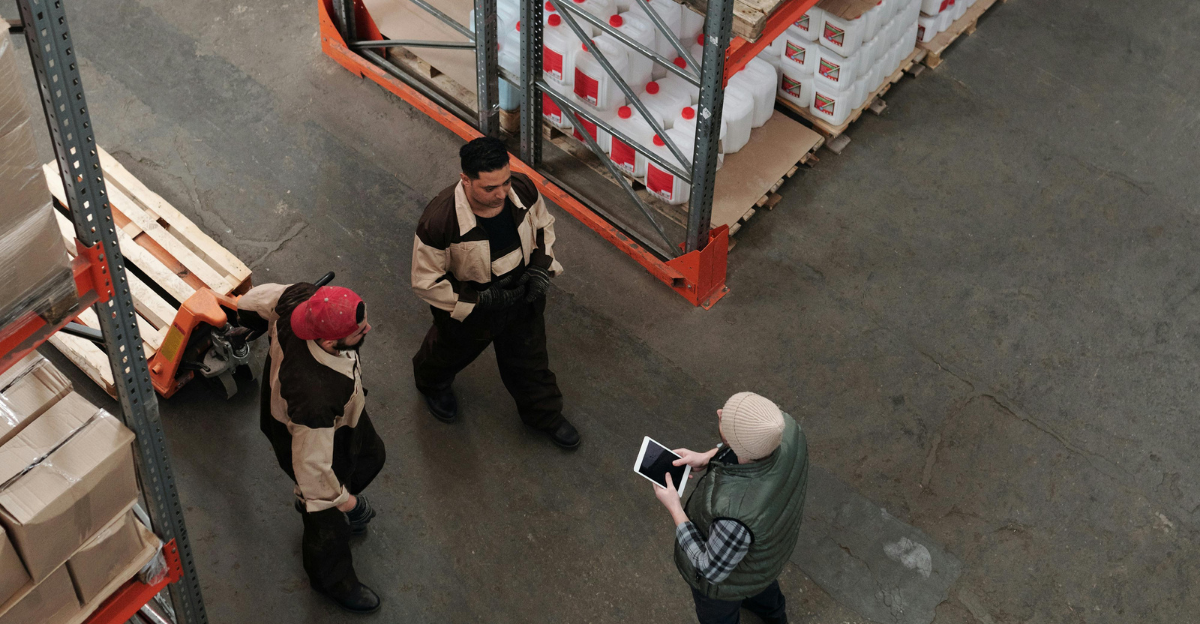
The closures underscore how dramatically expectations around grocery delivery have shifted since 2020. What was once viewed as the future of food retail—large, centralized fulfillment centers—is now being reconsidered.
Companies are prioritizing flexibility, speed, and lower fixed costs over scale, even if that means undoing investments made only a few years earlier.
Giant’s Rationale in Its Own Words

Giant says the decision reflects lessons learned over several years of operating online grocery at scale. Company leadership emphasizes that customer needs vary by region and that rigid fulfillment models struggle to keep up.
The shift is framed not as a retreat from e-commerce, but as an evolution toward a model better suited to long-term demand.
The Bigger Picture
Giant’s Pennsylvania fulfillment center closures illustrate a broader post-pandemic reset across the grocery industry.
As companies balance efficiency, labor costs, and customer expectations, centralized warehouses are giving way to store-based fulfillment and third-party delivery. For workers, the transition brings uncertainty. For the industry, it marks a decisive shift in how online groceries are fulfilled going forward.