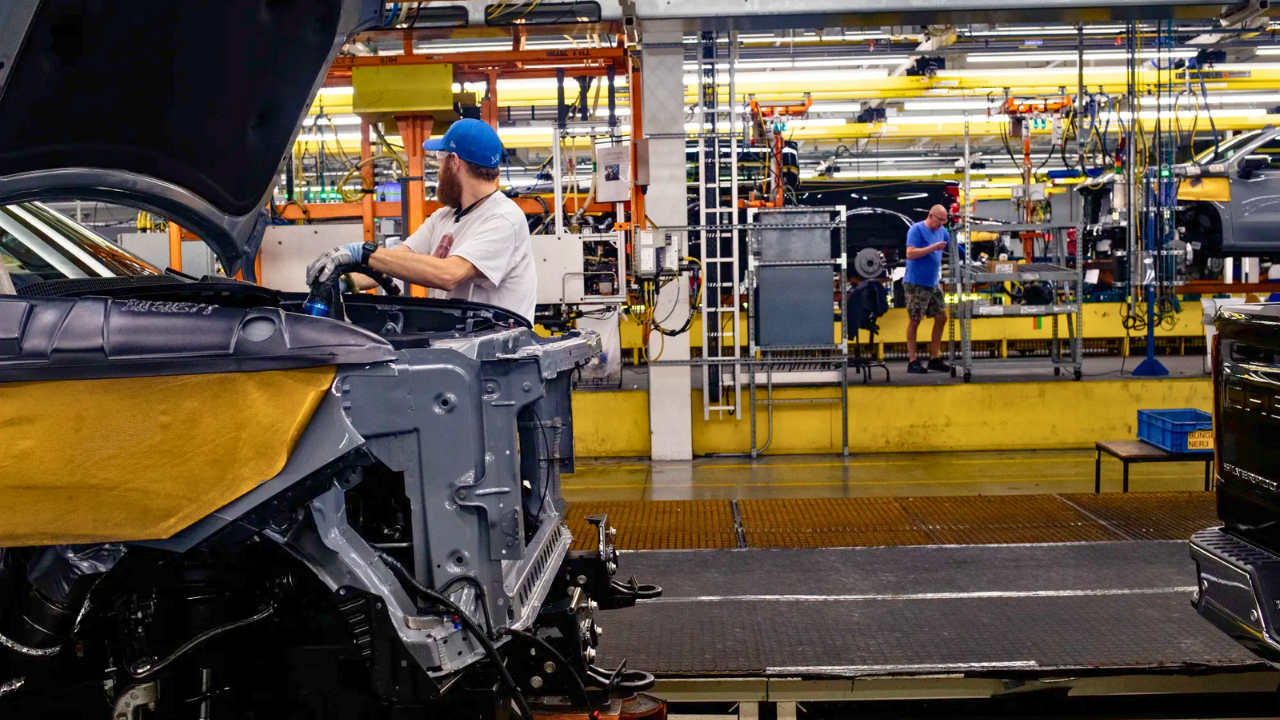
On October 29, 2025, General Motors announced approximately 1,750 job cuts across Michigan, Ohio, and Tennessee, marking a pivotal moment for American manufacturing and the electric vehicle sector. The cuts include 1,200 permanent layoffs at Detroit’s Factory Zero and 550 at Ultium Cells in Ohio, representing a significant retreat from the company’s earlier EV expansion plans. This decision reverberates far beyond GM, raising fundamental questions about the viability of the green energy transition and the sustainability of manufacturing jobs in the United States.
The Pressure Behind the Cuts
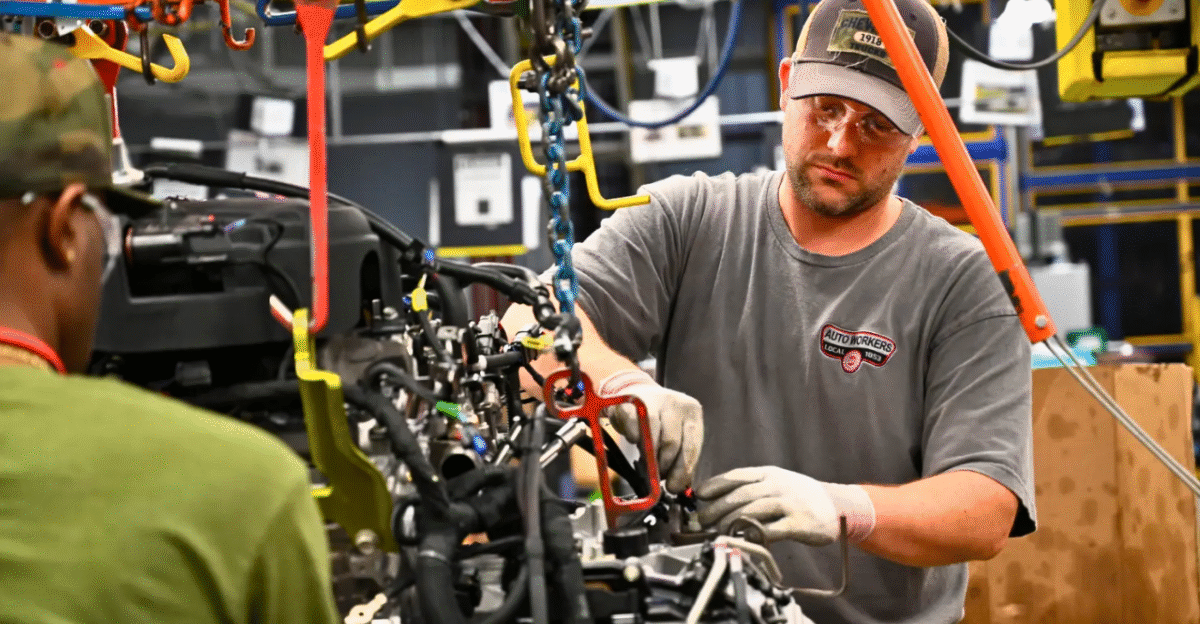
GM attributed the layoffs to slower-than-expected EV adoption and a shifting regulatory landscape. The abrupt expiration of the federal $7,500 EV tax credit on September 30, 2025—mandated by the “One Big Beautiful Bill Act”—fundamentally altered market dynamics, making electric vehicles less affordable for consumers and dampening demand. Additionally, a significant pause in battery production at Ultium Cells plants from January through mid-2026 compounded the company’s financial pressures. These factors forced GM to pursue what executives termed “structural changes to lower cost,” resulting in the workforce reduction and a $1.6 billion charge in the third quarter of 2025.
The loss of federal incentives proved particularly consequential. Without the tax credit, many consumers reconsidered EV purchases, creating a demand shock that automakers had not fully anticipated. This policy shift exposed the fragility of the EV market’s growth trajectory and forced manufacturers to recalibrate their strategies.
Industry-Wide Retrenchment
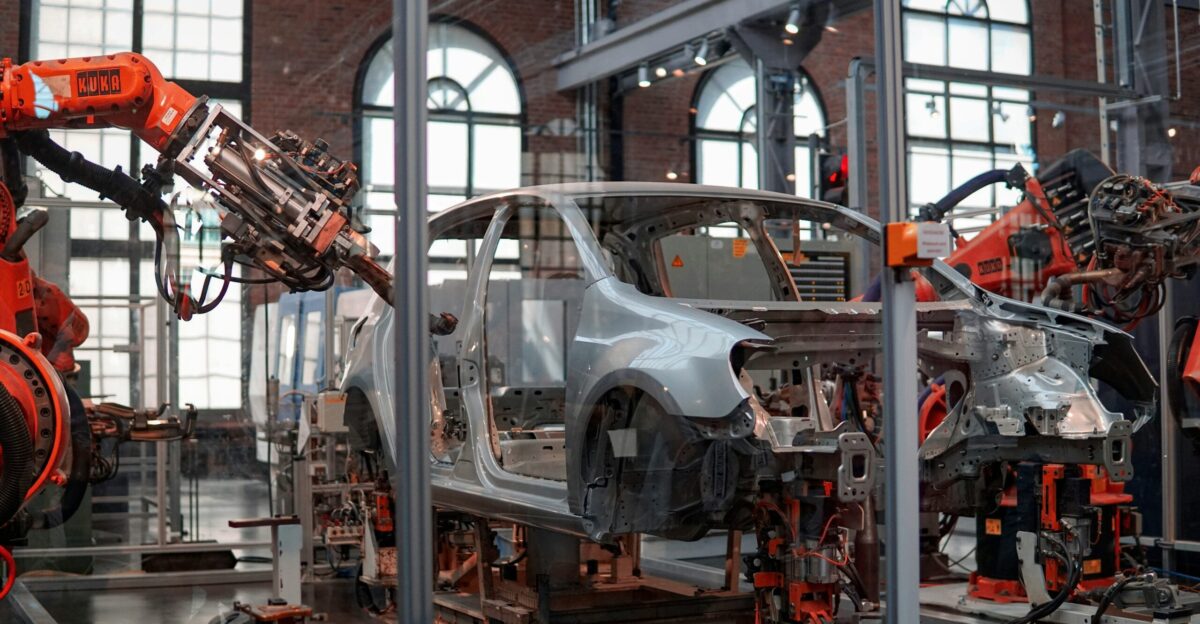
GM’s announcement underscores a broader contraction across the automotive sector. Throughout October, Ford and Stellantis navigated delays and cuts in their own EV projects, including Ford’s pause of F-150 Lightning production, signaling an industry-wide reassessment. The once-aggressive race to dominate electric vehicle production has shifted toward a more cautious, measured approach as manufacturers grapple with uncertain demand and an evolving regulatory environment.
The contraction was already evident among suppliers. Earlier in the month, Dana Thermal Products shuttered its Auburn Hills, Michigan plant, laying off 200 workers. The company attributed the closure directly to lower-than-expected EV volumes. As GM and others scale back their electric vehicle focus, parts suppliers and contractors face difficult decisions about their long-term viability in a contracting sector.
Economic Consequences Across Regions

The approximately 1,750 workers facing layoffs now navigate uncertain futures. Many have lost steady incomes, and local economies in Michigan, Ohio, and Tennessee grapple with immediate economic fallout. For some workers, layoffs are permanent; for others, the prospect of extended temporary unemployment looms with little clarity on potential recall timelines.
The impact extends beyond factory gates. Hospitality businesses, restaurants, and service providers in auto-dependent regions face reduced consumer spending as workers tighten budgets. The contraction in battery and parts production threatens to spread across the broader supply chain, amplifying regional economic strain and affecting industries that depend on automotive manufacturing for business.
Policy Debates and Global Implications
GM’s job cuts have ignited political debate in Washington over the future of clean energy incentives and the pace of the EV transition. Lawmakers are divided on whether the expiration of tax credits represents a policy failure or whether market forces should dictate the transition’s speed. This disagreement will likely shape future decisions about government support for the green economy.
The workforce reductions also carry international dimensions. With reduced U.S. EV production, analysts suggest America could become more reliant on foreign suppliers for critical materials like lithium and cobalt. This dependency may reinforce China’s dominant position in the EV market, with potential implications for global trade dynamics and the competitive landscape of electric vehicle manufacturing.
Looking Forward
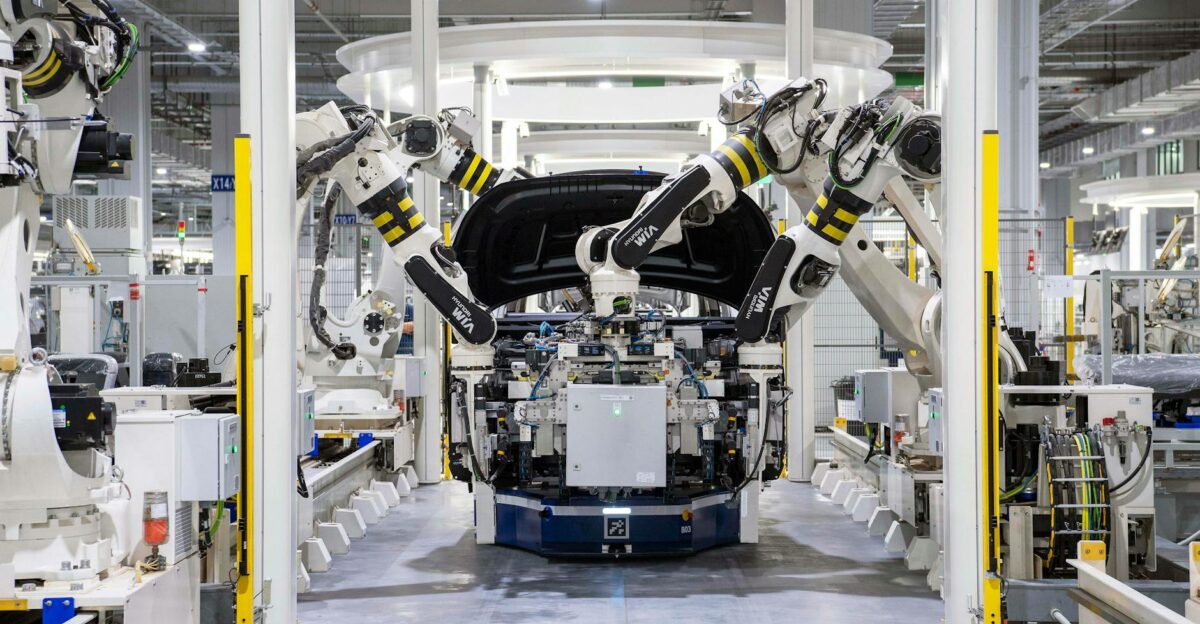
The GM layoffs underscore how policy changes can dramatically reshape industries and communities. The interconnectedness of economic, political, and environmental decisions has become starkly apparent. The U.S. automotive sector’s survival depends on both sustained market demand and strategic government support to maintain momentum in the green energy transition.
As manufacturers consolidate resources and reassess EV strategies, the future of American auto manufacturing remains uncertain. How policymakers respond to these challenges—whether through renewed incentives, targeted support for affected workers, or alternative approaches—will determine whether the U.S. maintains its competitive position in the global EV race or cedes further ground to international competitors.