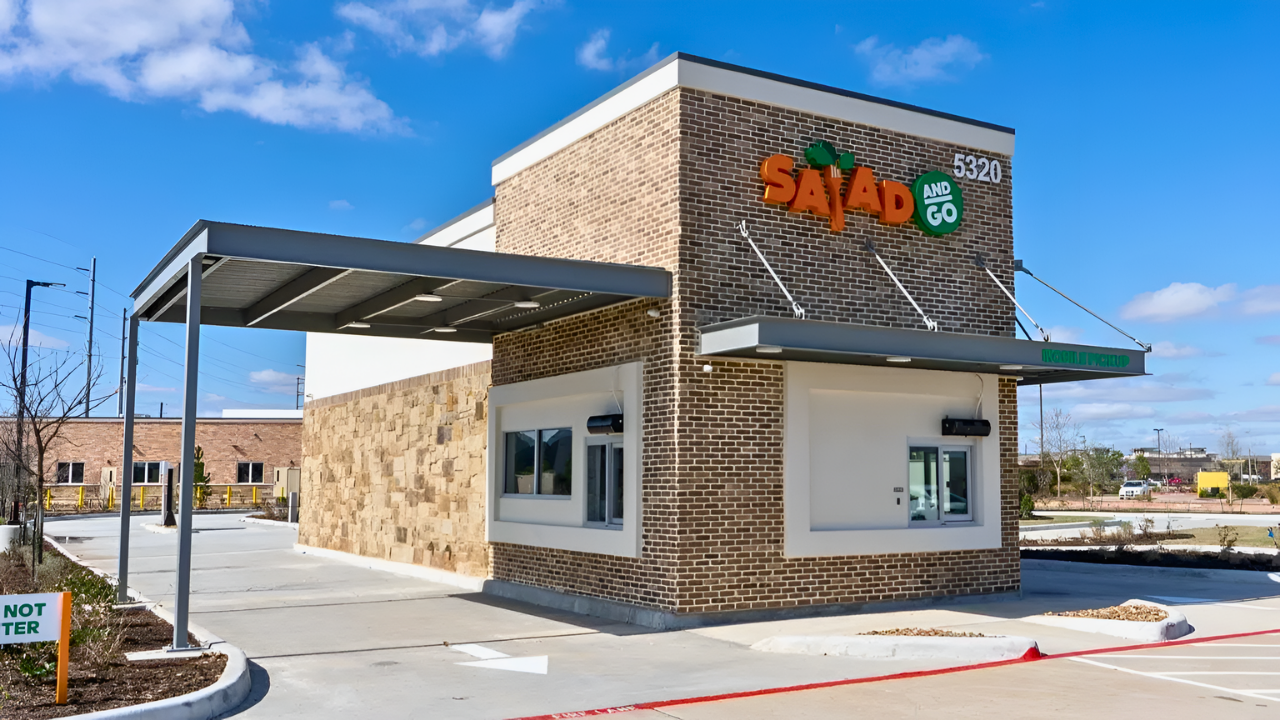
In less than 6 months, Salad and Go went from an unstoppable growth story to a cautionary tale of corporate overreach. The drive-thru salad chain, which promised affordable healthy food, shuttered 73 locations across Texas and Oklahoma, eliminating 52% of its footprint.
Behind the dramatic retreat sits a perfect storm of safety concerns, leadership reversals, and employees alleging cover-ups, and the timeline is even more jarring up close.
A Texas Dream Turns Into Retreat
Salad and Go’s Texas dream became its nightmare. Once expanding at nearly 1 store per week, the healthy fast-casual concept promising salads under $8 abandoned the Lone Star State entirely. The chain’s collapse from 146 locations to 70 marks one of the fastest market exits in recent restaurant history. Yet the dates show how quickly the decision hardened.
The Closures Came In Two Blows
Salad and Go announced the closure of all 25 remaining Texas locations and 7 in Oklahoma, effective January 11, 2026. That followed a September 2025 purge of 41 stores across Houston, Austin, San Antonio, and other markets. In 4 months, 73 locations disappeared. But the story started long before the doors shut.
The Simple Idea That Worked
Salad and Go was founded in 2013 by Tony and Roushan Christofellis in Gilbert, Arizona with an audacious idea: drive-thru fast food that was healthier and affordable. The 750-square-foot model promised salads with protein under $8 in under 4 minutes. It thrived on vertical integration, but that strength depended on staying operationally tight.
“The Potential Is There For Thousands”
When CEO Charlie Morrison arrived in 2022 after growing Wingstop from 500 to 1,700 locations, he saw a national play. “The potential is there for thousands of locations,” Morrison said. In 2024, the headquarters relocated to Texas, and a Dallas commissary was constructed to support up to 500 locations. The bet looked bold until Texas demanded proof.
Texas Became The Grand Test
Salad and Go debuted in Texas in 2021 with 1 Plano location, then accelerated across Dallas, Fort Worth, Houston, Austin, San Antonio, and Oklahoma City. Store count nearly doubled between 2023 and 2025, reaching 146 by May 2025. With 24% sales growth in 2024 and $256 million in revenue, who would question the pace?
The Boardroom Started Splintering
By late 2024, tensions surfaced between Morrison and the board over strategy and how aggressively to scale. In September 2024, he told the board he would step down by year’s end. That exit became the first visible sign of a major reversal. However, operational problems were already developing where customers could feel them.
A New CEO Arrives To Triage
In April 2025, Mike Tattersfield, former Krispy Kreme president and CEO, took over as chief executive and minority owner. He brought 30+ years of restaurant leadership and immediate operational discipline. His assessment was blunt: the Texas expansion was built on a flawed business plan, and the Dallas commissary had become an albatross. The public explanation soon followed.
“After Assessing Our Business”

“After assessing our business, we made the decision to exit our Texas and Oklahoma markets and refocus on strengthening our core operations in Arizona and Nevada,” Tattersfield told QSR Magazine on January 7, 2026. It was a stark reversal from growth-at-all-costs messaging. He said the chain needed to fix what was broken before expanding again, but what exactly was broken?
Raw Chicken Reports Trigger Alarm
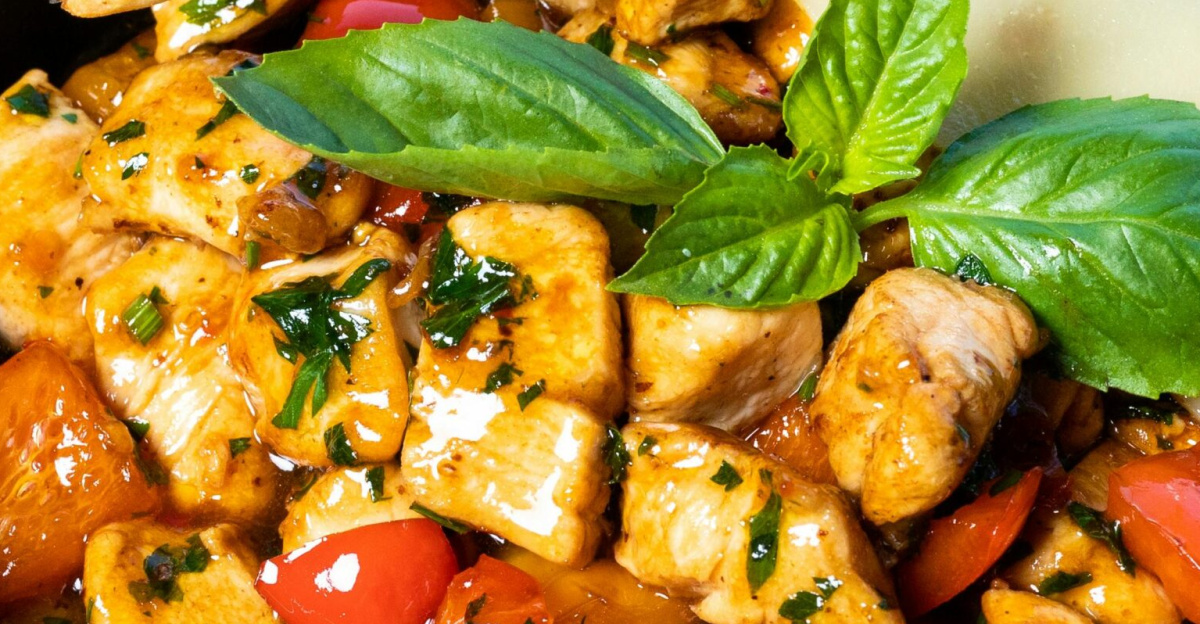
In November 2024, employees in Texas began reporting shipments of raw and undercooked chicken from vendor CW Brown LLC. Staff shared photos of visibly uncooked pieces arriving in deliveries, sparking immediate health worries. Emails show corporate ordered disposal of chicken with packaging dated “11/19” or earlier, yet employees claimed suspect product kept arriving into December 2024. Then managers started talking to reporters.
“It Was Chaotic. There Was A Lot Of Gaslighting”
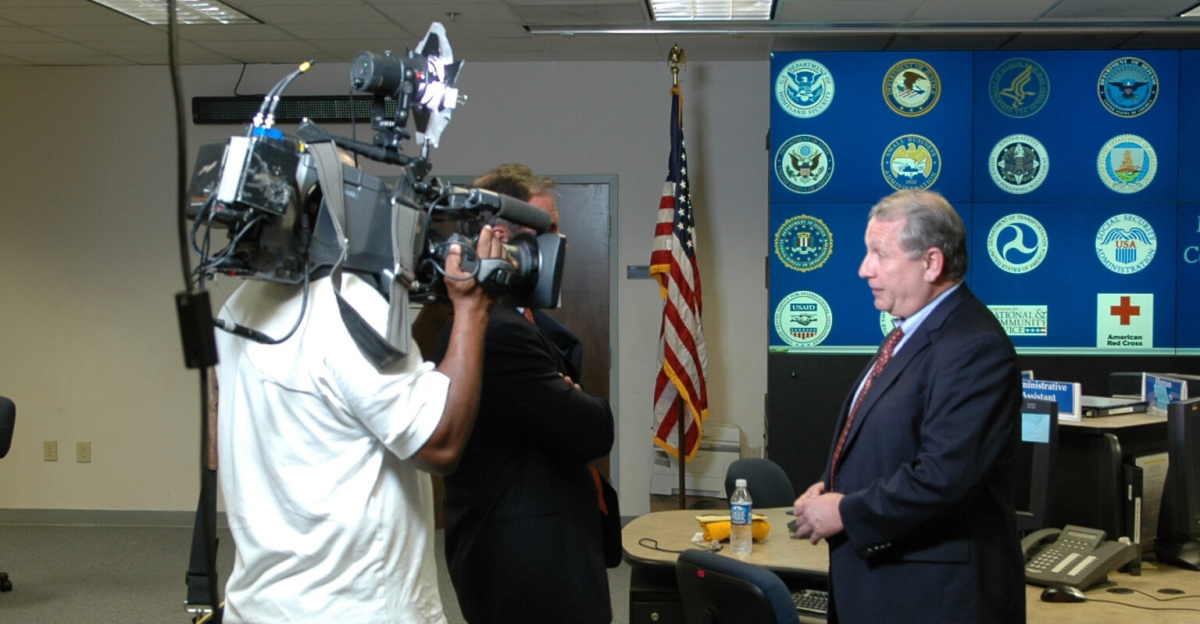
Three managers from separate locations spoke to CBS News Texas anonymously. “It was chaotic. There was a lot of gaslighting,” one manager said. Workers described pressure to keep serving questionable chicken. One corporate response read: “These are blood spots. Please remove the pieces and serve the remaining product. This is a quality issue rather than food safety.” Could stores really keep trust after that?
“I Believe 100% That Raw Pieces Went Out”
One manager told CBS News Texas, “I believe 100% that raw pieces went out to customers.” Multiple managers said they stopped chicken service because they could not trust incoming shipments. Customers posted online about getting sick during November to December 2024. Health departments in Mesquite, Addison, and Allen launched investigations, and one inspection soon found matching products. Those inspections raised even tougher questions.
Health Inspectors Start Closing In
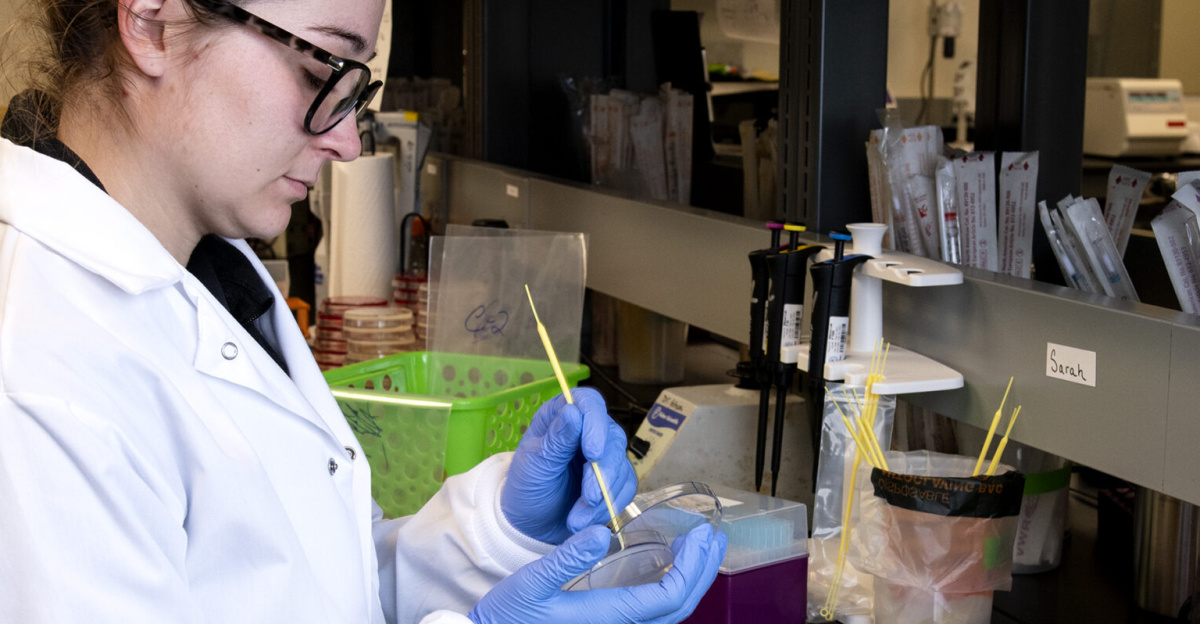
At least 3 North Texas city health departments investigated in late 2024. Mesquite officials threatened to shut down the store if any chicken received before November 25, 2024 was served. “We had health departments coming in and saying, ‘That can’t be served,’” one manager recalled. Allen inspectors visited on December 5, 2024, identified matching products, and ordered them discarded. But internal messages made the situation darker.
“If The Health Department Shows Up”

A text from a North Texas district manager instructed store managers: “If the health department shows up, we do not discuss any previous issues with chicken or talk about it at all. If they ask, we do not admit any issues.” It added: “Less is more. Even if they give exact dates or numbers, we give the same information.” Salad and Go later disputed it as rogue, yet the damage lingered.
“The Chicken At Salad And Go Is Safe”
Chief Supply Chain Officer Richard Maranville said: “The chicken at Salad and Go is safe and poses no health risk. We meet all guidelines for healthy food service as mandated by the USDA.” The company said issues were corrected swiftly when CW Brown failed to meet standards, and the vendor contract ended in December 2024. Salad and Go said no customers became ill, and no formal violations were issued. Yet employees described a different feeling.
“We Put The Public In Danger”
One employee said: “I think it was terrible. I think it was a very bad move. I felt like we were hiding stuff versus just being honest. We put the public in danger, and we’re supposed to be a healthy, affordable option for everyone, and I can’t back that we are healthy anymore.” The statement cut at the brand’s mission, but the retreat also carried a staggering human cost.
About 600 Jobs Vanish Overnight
The January 2026 closures affected about 600 employees across Texas and Oklahoma, spanning store staff, commissary workers, and corporate roles. The Dallas commissary that anchored the Texas strategy shut down. Headquarters relocated from Coppell, Texas back to Phoenix, Arizona, consolidating into a smaller office space. Only 70 locations remained, all in Arizona and Nevada. The numbers hint at why the plan failed economically.
The Commissary Math Never Worked
Tattersfield explained the core flaw: the Dallas commissary was designed for hundreds of locations, but the company could not generate enough volume efficiently to justify the infrastructure costs. Some Texas units performed well, yet collectively could not support the model. Morrison’s Wingstop-style expansion playbook did not match Salad and Go’s operational needs. What does this mean for other fast-casual chains chasing speed?
A Fast-Casual Warning Sign
Salad and Go became a warning for fast-casual growth. Competitors such as Cava and Chipotle keep scaling through economic headwinds with proven unit economics and disciplined real estate. Salad and Go expanded before mastering fundamentals outside its core market, opening stores weekly without ensuring each unit was sustainably profitable. Arizona had consistency, while Texas never matched returns despite higher volume. The company now talks like a humbled survivor.
Can Salad And Go Rebuild Trust?
Tattersfield signaled a careful rebuild and said Salad and Go intends to return to Texas and Oklahoma “when the time is right,” though no timeline exists. The focus is reinvesting in Arizona and Nevada stores while launching items like the Big AZ Burrito and Chewy Marshmallow Bar. Founder Tony Christofellis has moved on to other concepts like Angie’s Lobster. Whether customers forgive may hinge on what comes out next.
Sources:
CBS News Texas raw chicken investigation. CBS News Texas, December 2024
CEO exit statement and market closure announcement. QSR Magazine, January 7, 2026
Salad and Go exits Texas and Oklahoma markets report. Restaurant Dive, January 2026
North Texas health department inspection and investigation records. City of Allen, City of Mesquite, City of Addison, December 2024