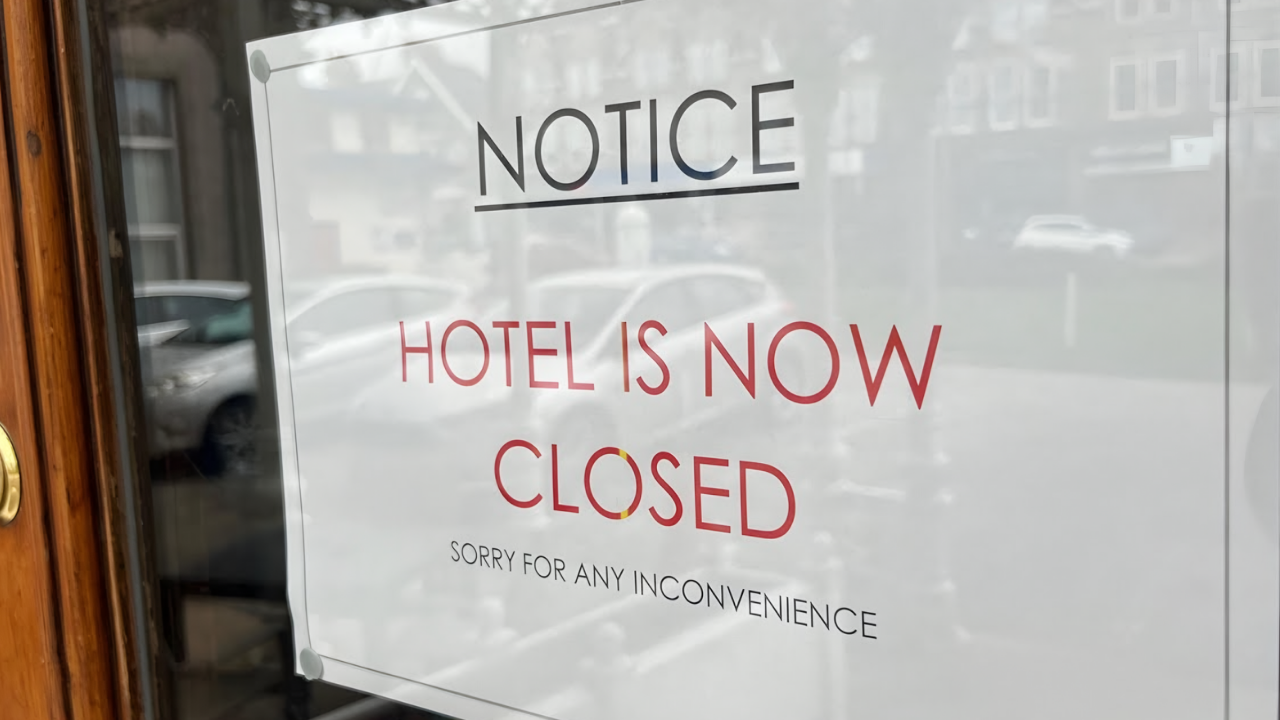
A suburban Minneapolis hotel made a choice that unraveled in a matter of days. Federal immigration agents arriving for a major enforcement mission had booked rooms at the Hampton Inn by Hilton in Lakeville, Minnesota, a familiar stop for government travelers. Instead of checking in, they were told they could not stay. Staff informed federal contacts that immigration agents were not welcome at the property, and the backlash was swift.
The hotel lost access to U.S. government travel programs and, even more dramatically, its Hilton franchise. “The property has been removed from the programs and booking tools effective immediately,” GSA Administrator Edward C. Forst said.
A Perfect Storm of Politics and Pressure

The timing of the Lakeville hotel’s decision could hardly have been worse. Around 2,000 federal agents were sent to the Minneapolis–St. Paul region for an intensive immigration enforcement operation, pushing hotel demand sharply higher. At the same time, federal officials accused Hilton of participating in a “coordinated campaign” to deny rooms to law enforcement personnel, turning a local dispute into a national story.
Hilton’s stock fell by about 2% as headlines spread and investors weighed the potential fallout. For a global hotel company that relies heavily on government and corporate travel, the risk was clear. Any perception that agents were being singled out could threaten key relationships.
The Policy That Sparked the Fire

The controversy began with blunt language in a series of emails. According to messages released by the Department of Homeland Security and Immigration and Customs Enforcement, staff at the Lakeville Hampton Inn told federal contacts that the hotel was “not allowing any ICE or immigration agents to stay at our property.” The wording left little room for misunderstanding.
DHS described the messages as a direct refusal of service to law enforcement personnel traveling on official business. What might have been a routine block of government rooms was suddenly recast as an act of discrimination.
When Internal Emails Went Public

What began as an internal policy quickly spilled into public view. DHS and ICE posted screenshots of the hotel’s emails on social media, accusing Hilton of enabling a deliberate effort to block immigration officers from using government-rate rooms in the Minneapolis area. Officials framed the move as part of a broader clash over immigration enforcement.
At nearly the same time, the General Services Administration announced that the Lakeville property had violated federal lodging program standards. “GSA unequivocally supports our federal law enforcement partners,” Administrator Edward C. Forst said in a statement. Those actions transformed a local dispute into a political and media storm.
Franchise Cut Off in Just One Day
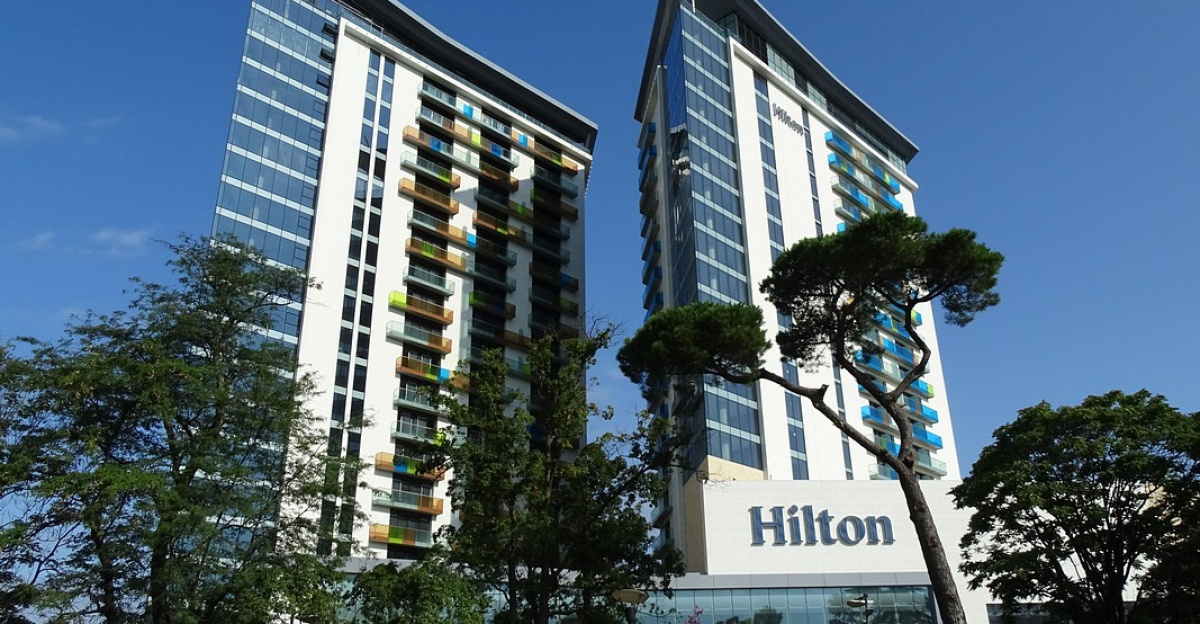
Once the story exploded online, the fallout was rapid. Within roughly 24 hours, an undercover video posted by independent journalist Nick Sortor appeared to show a front-desk employee still refusing to book rooms for DHS and ICE agents, even after the hotel’s ownership issued a public apology. In the clip, the worker cites a “management policy” as the reason for the denial.
The video undercut earlier assurances and intensified pressure on Hilton to act. The company responded by announcing it was “taking immediate action to remove this hotel from our systems,” effectively terminating the Hampton Inn Lakeville’s franchise status.
A Shock to the Twin Cities Market
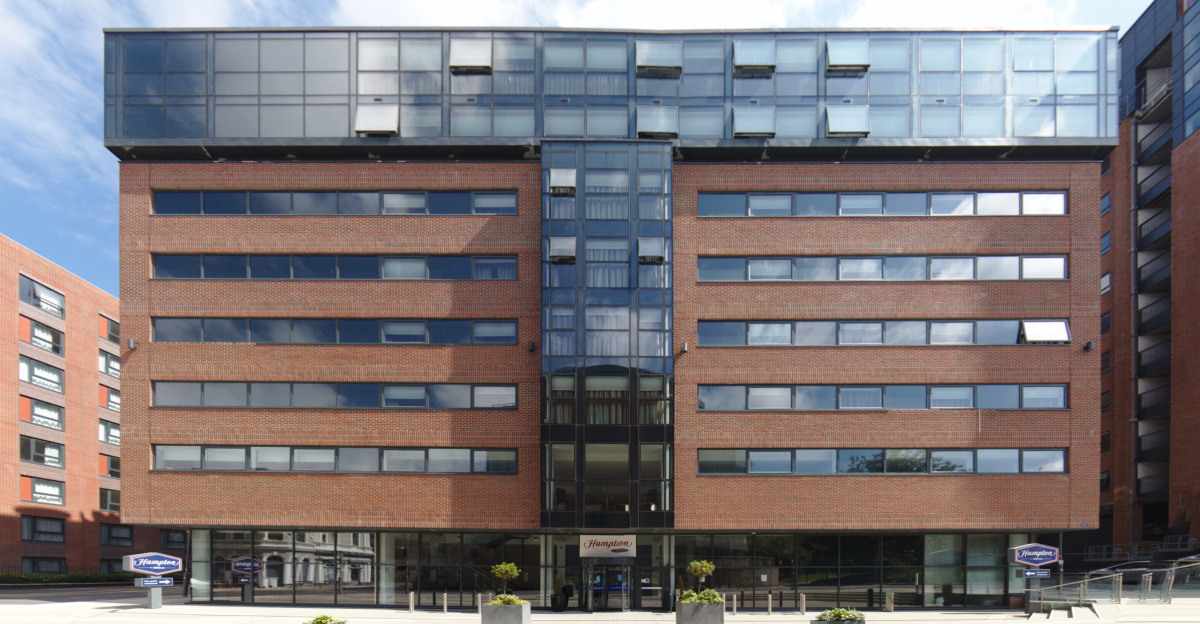
Lakeville, about 20 miles south of downtown Minneapolis, sits squarely within the area where federal agents were concentrating operations. The Hampton Inn there was not just any roadside property; it had hosted federal personnel for roughly 130 room nights in the previous year, making it a known and trusted option for official travel. Once the hotel was dropped from Hilton’s system and scrubbed from federal lodging lists, government travelers and agencies had to adjust quickly.
The sudden loss of a participating property tightened an already competitive market for last-minute rooms. Neighboring hotels saw increased inquiries, while federal coordinators scrambled to rebook agents already en route.
Agents and Staff Caught in the Middle

For the agents sent to Minnesota, the situation was more than a policy debate, it disrupted missions in real time. Some officers learned their reservations were canceled just days before arrival; others discovered the problem while traveling, forcing them into last-minute searches for alternative lodging. On the other side of the front desk, hotel workers found themselves in an uncomfortable spotlight.
A clerk recorded on video explaining that a “management policy” barred DHS personnel from staying quickly became part of the public record. Employees who had no role in setting corporate or ownership policies suddenly became the public face of a national fight.
The Federal Blacklist Comes Down

The GSA response went beyond a warning. After reviewing the case, the agency removed the Lakeville Hampton Inn from every government lodging program and booking platform it oversees, including FedRooms, Long Term Lodging, and Emergency Lodging Services.
In its statement, GSA stressed that hotels participating in these programs must honor reservations from all federal agencies “without exception,” and that refusing rooms based solely on an agency’s identity violates federal travel standards. The decision effectively blacklisted the property for official U.S. government travel. Federal workers using approved systems can no longer select the hotel for any mission, training, or emergency need.
Hilton’s Brand Standards Under the Microscope
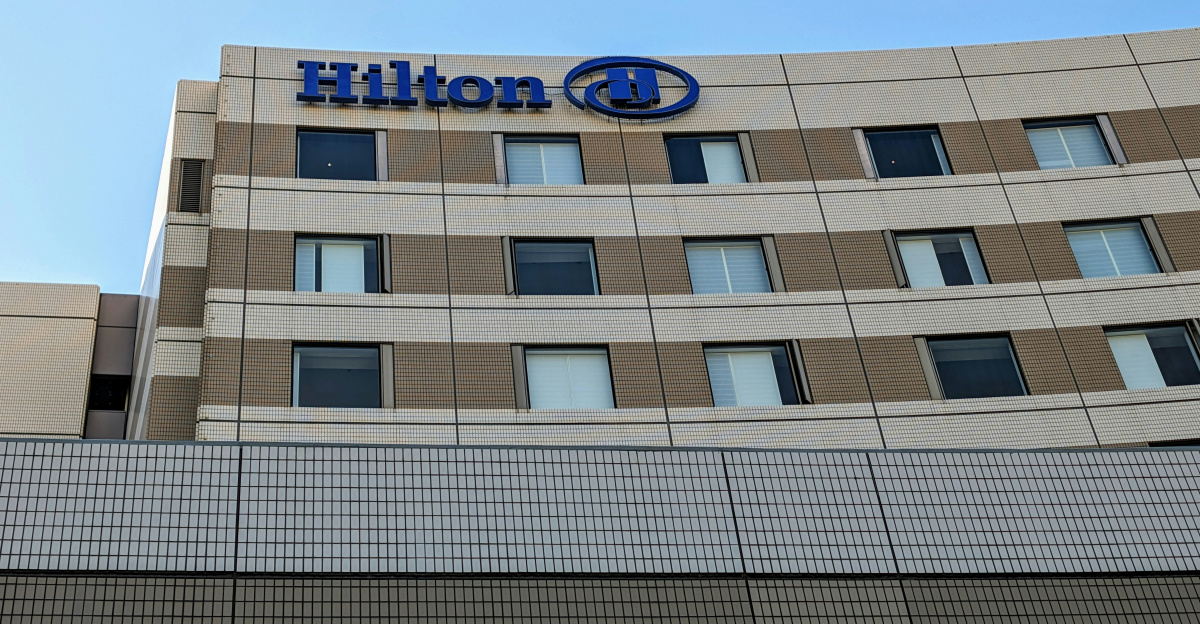
As attention grew, Hilton worked to clarify its role and distance the corporation from the hotel’s actions. Executives emphasized that the Lakeville property was independently owned and operated by Everpeak Hospitality under a franchise agreement, not managed directly by Hilton.
At the same time, the company underscored that all hotels flying its flags must follow brand standards that prohibit discrimination against lawful guests, including federal law-enforcement officers. In public statements, Hilton reiterated that its properties are intended to be “welcoming places for all” and said it “does not tolerate” refusal of service based on a guest’s employer or mission.
What Being Blacklisted Really Means

The GSA’s move to strip the Lakeville hotel from FedRooms and related programs carried long-term financial weight. Federal and military travelers booking under official rules are now unable to choose the property through government channels, no matter the purpose of their trip. GSA also cut off emergency and extended-stay arrangements, closing doors to work that often fills rooms during off‑peak seasons.
For hotels, participation in federal lodging programs can represent a stable source of revenue, especially in government-heavy regions. Losing that status is more than a public reprimand; it fundamentally changes the business outlook.
Franchise Owner Faces the Consequences

Everpeak Hospitality, the franchise owner behind the Lakeville Hampton Inn, issued a statement expressing that it is committed to “welcoming all guests” and operating in line with brand standards and the law. The company apologized to those affected and claimed the incident did not reflect its values as a “professional hospitality provider.”
Despite that, Everpeak still lost its Hilton flag at the site, a multi‑million‑dollar franchise relationship dissolved almost overnight. The episode highlighted the risk franchisees face when corporate leaders conclude that their actions have damaged the brand. Investor Bill Ackman pointed out that Hilton did not own or manage the hotel and said the critical decisions appeared to be driven by local management.
A Hotel With No Flag and No Clear Future

After Hilton’s termination, the physical signs of the breakup appeared quickly. Crews using a crane removed the Hampton Inn and Hilton logos from the Lakeville building, leaving bare facades where recognizable blue-and-white branding had been. The property vanished from Hilton’s website and reservation systems, and reporters who dialed the listed phone number found it disconnected or unanswered.
For now, the building sits in limbo: a functioning hotel structure without a major brand and without access to federal lodging programs. Local coverage has raised the question of whether another chain will take over, whether the site will be rebranded independently, or whether it could sit underused.
Hilton Moves to Contain the Damage
Hilton’s next step was to reassure both franchisees and investors that the Lakeville case was an exception, not a trend. The company contacted owners across its portfolio of more than 8,400 properties to reiterate nondiscrimination rules and expectations for serving government travelers.
This internal messaging aimed to prevent similar incidents elsewhere and demonstrate that the corporation was firmly in control of its standards.
Markets React to a Local Crisis

Even though the dispute centered on a single Minnesota property, investors took notice. Hilton’s share price fell by around 2% as DHS went public with its accusations and news outlets detailed the canceled bookings. Analysts warned that major hotel chains depend heavily on both government and large corporate accounts, meaning reputational damage in one market can raise concerns about broader relationships.
Any suggestion that officers or federal staff might be unwelcome could affect long‑standing contracts and preferred supplier status. Some observers noted that in a polarized political climate, hospitality brands face heightened risk whenever their properties appear to take sides in contentious issues like immigration enforcement.
A Precedent the Industry Cannot Ignore
The combined actions of Hilton and GSA have now set a precedent that reaches far beyond Lakeville. By terminating the franchise and seeing the property removed from every major federal lodging program, the two giants showed how quickly brand partners and government agencies can move when they believe law-enforcement guests are being targeted.
Hotels across the country now have a vivid example of the consequences: loss of a global flag, permanent exclusion from federal travel systems, and intense public scrutiny. Industry experts say the case is likely to be studied in franchise meetings, legal seminars, and corporate risk briefings.
Sources:
GSA – “GSA Removes Minnesota Property From All Government Lodging Programs Following Denial of Rooms to Federal Immigration Agents” – 5 January 2026
Fox News Digital / Yahoo News (syndicated) – “Minnesota hotel removed from approved federal lodging list after allegedly refusing to accommodate ICE agents” – 5 January 2026
Hotel Dive – “Hilton cuts ties with a Minnesota Hampton Inn after DHS debacle” – 6 January 2026
Fox Business – “Hilton tears down signs to sever ties with Minneapolis hotel that allegedly refused ICE agents rooms” – 7 January 2026
Fox Business – “Hilton cuts ties with Minnesota hotel owner after DHS, ICE agents allegedly denied service” – 4 January 2026