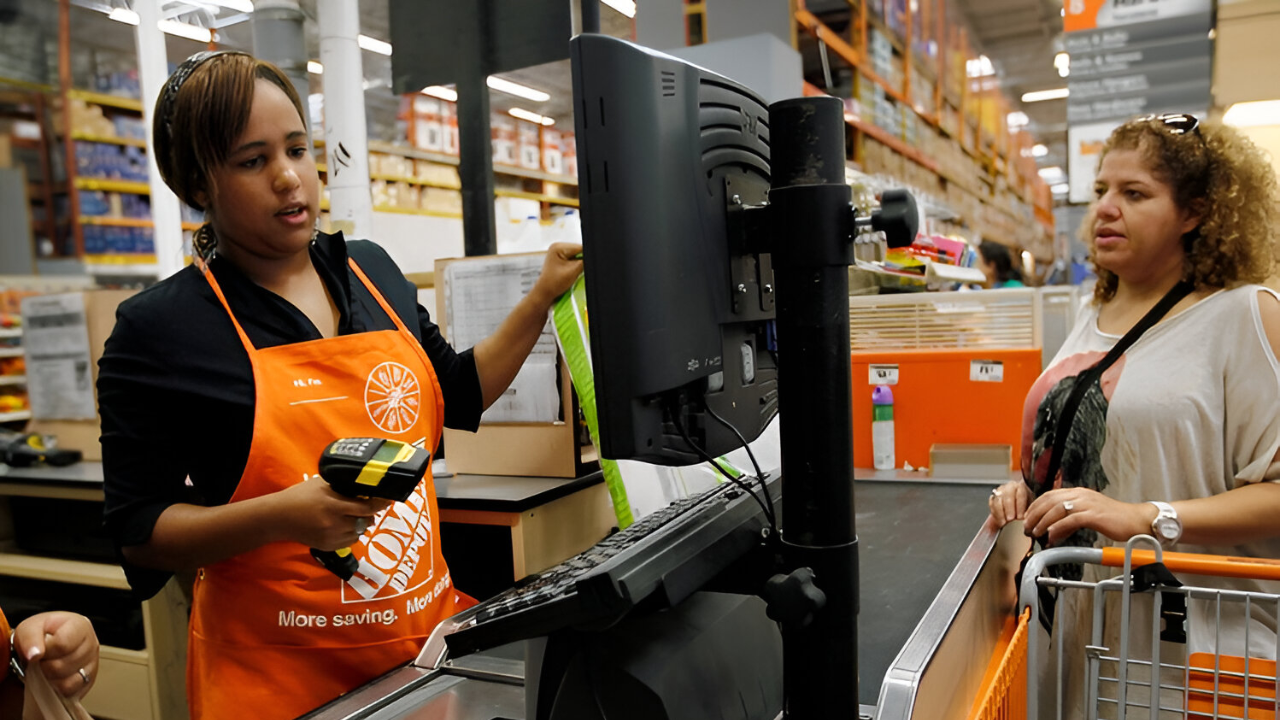
In Orange County, California, inspectors conducting routine store audits discovered something shocking: 64 percent of items checked at Home Depot registers rang up at prices higher than advertised. Judge Richard S. Whitney entered a $1.97 million settlement against Home Depot on August 26, 2024, marking a turning point in retail pricing enforcement.
Prosecutors from six California counties documented systematic “scanner violations” that affected thousands of shoppers each month.
What Started as a Small Investigation Became a Multi-County Case

County Sealers of Weights and Measures across California discovered the overcharges through routine compliance inspections and consumer complaints between 2018 and 2022. The 64 percent violation rate in Orange County triggered a coordinated investigation among district attorneys from Alameda, Los Angeles, Orange, San Bernardino, San Diego, and Sonoma counties.
Prosecutors alleged Home Depot charged customers higher prices at checkout than the company’s lowest advertised or posted prices.
Understanding “Scanner Violations”: Where Shelf Tags and Registers Don’t Align

A “scanner violation” occurs when the price displayed on an item or shelf tag doesn’t match the amount charged when the Universal Product Code (UPC) scans at a point-of-sale register. These mismatches occur when store computer systems become desynchronized from the physical price tags throughout the locations.
Employees update prices in inventory systems but often fail to update shelf signage, resulting in price gaps that customers discover too late.
How Weekend Price Changes Created the Perfect Storm
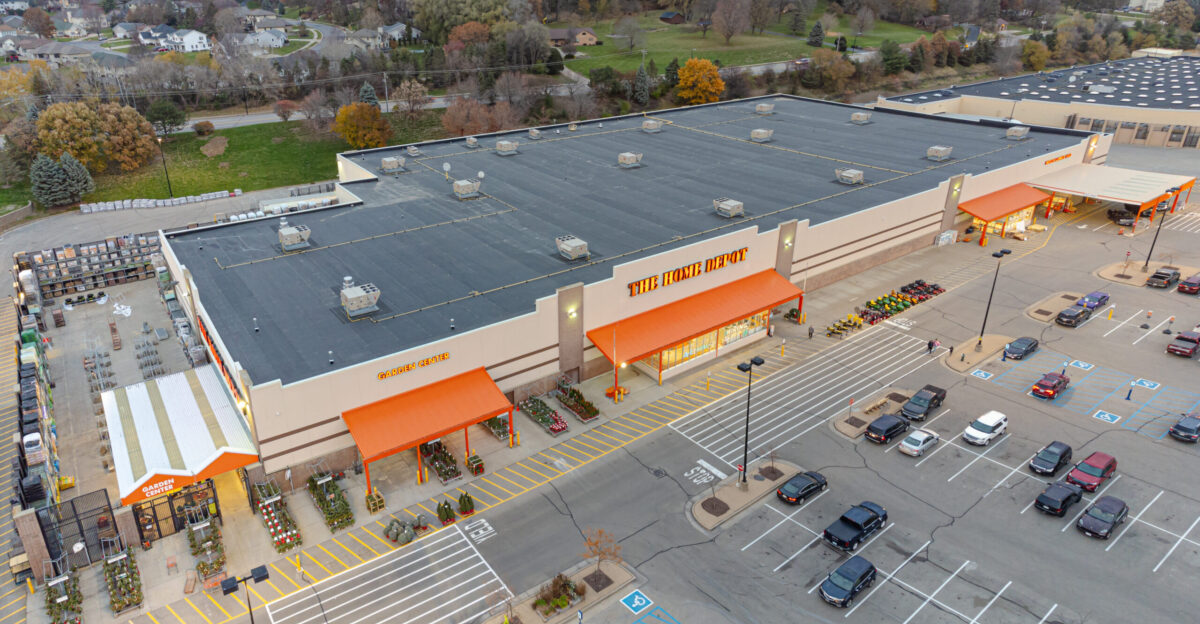
Home Depot’s practice of implementing price changes in computer systems on weekends, when pricing staff weren’t present, dramatically amplified the violation problem. Price increases made on Friday evening didn’t match physical shelf tags until employees returned Monday morning to update them manually.
During that weekend, customers encountered checkout prices that were substantially higher than the advertised prices. This practice persisted despite being a known source of pricing errors across the industry.
The Real Numbers: $1.97 Million Settlement Breakdown Reveals Investigation Scope
Home Depot agreed to pay $1,977,251 under the stipulated judgment, with $1.7 million allocated as civil penalties and $277,251 designated for investigation costs and restitution. The penalty distribution supported future consumer protection enforcement across six California counties.
District attorneys emphasized that Home Depot cooperated throughout the investigation despite the allegations. The company was not required to admit liability or wrongdoing as part of the settlement.
Required Price Accuracy Program: What Home Depot Must Do Now
Home Depot must implement a comprehensive Price Accuracy Program at every California store, including enhanced audits, mandatory employee training, and continuous monitoring systems. The company appointed an executive-level internal price monitor responsible for statewide compliance oversight.
Every California store manager is required to oversee price accuracy checks and maintain detailed pricing records for review by prosecutors. Store staff received training on proper procedures for updating prices across computer systems and physical displays simultaneously.
Industry-Wide Pattern: When $5 Million Target Settlement Met $4 Million Albertsons-Safeway Action
Target paid $5 million in March 2022 to settle similar California scanner violations and false advertising allegations across multiple locations. That case included accusations that Target used geofencing technology to increase prices on its mobile app when customers physically entered stores. Albertsons, Safeway, and Vons agreed to pay nearly $4 million in October 2024 for overcharging customers and displaying inaccurate product weights on grocery items.
These cases demonstrated that pricing violations weren’t isolated incidents but systematic industry practices affecting millions of consumers statewide.
Why Major Retailers Keep Getting Caught With Pricing Violations

Large retailers maintain thousands of inventory items with frequently changing prices, creating complex synchronization challenges across point-of-sale systems and physical signage. Supermarkets struggle particularly with weight-based pricing for produce, meats, and baked goods, where package scales must accurately match label claims.
Inconsistencies in employee training, inadequate auditing systems, and pressure to minimize operational overhead contributed to widespread violations. Promotional sales created particularly high error rates, with Federal Trade Commission research showing overcharges on sale items occurred twice as frequently as regular-priced items.
County Sealers: California’s Frontline Consumer Protection Force
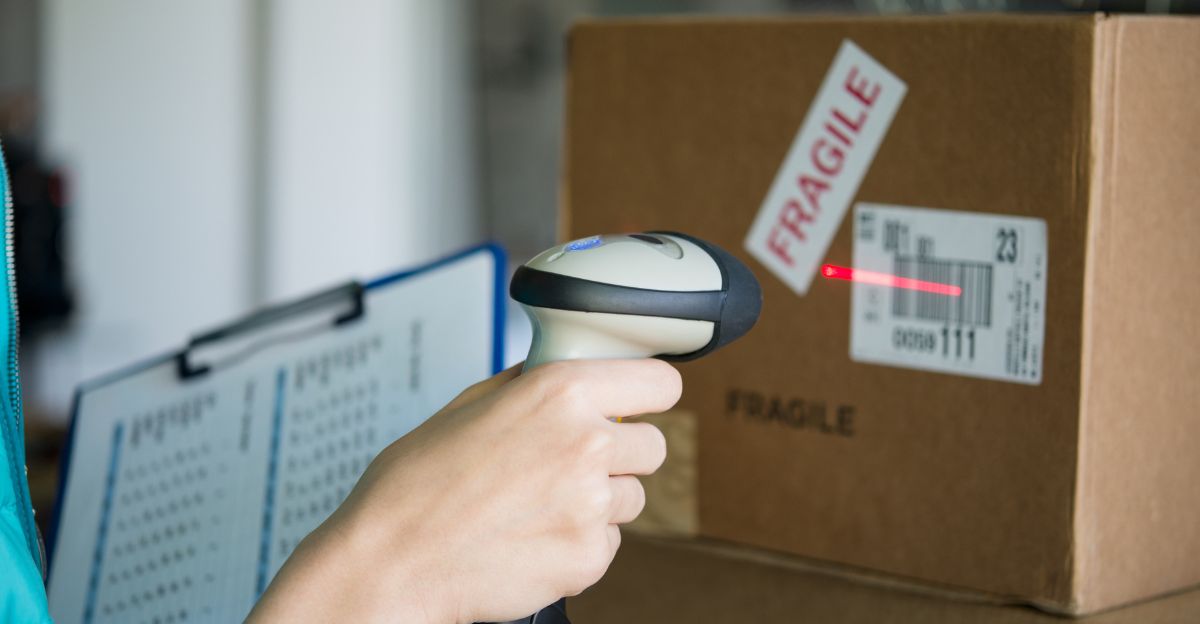
County Sealers of Weights and Measures operate in every California county, conducting routine inspections of retail pricing accuracy, scale accuracy, gas pump measurements, and commercial transactions generally. These licensed officials and their staff represent the critical frontline defense against consumer fraud in the marketplace.
During fiscal year 2022-23, county sealers tested 372,344 items at 23,674 different retail locations statewide, discovering just over two percent contained overcharges.
Federal Research Confirms Sale Items Remain Pricing Violation Hotspots
Federal Trade Commission studies have documented that sale items experienced pricing overcharges at rates nearly double those of their regular-priced counterparts. Approximately two-thirds of all sale item pricing errors resulted in overcharges rather than customer discounts, contradicting retailers’ marketing promises.
Despite decades of regulatory attention and settlement requirements, FTC research revealed persistent pricing accuracy problems across major retailers nationwide.
George Gascón Signals Systemic Intent: “This Wasn’t Accidental”
Los Angeles County District Attorney George Gascón emphasized that Home Depot’s pricing violations represented intentional deceptive practices rather than operational accidents or inadvertent errors. His statement indicated prosecutors viewed the case as demonstrating that the company engaged in misleading practices designed to cheat consumers systematically.
“False advertising and unfair competition are serious offenses that undermine consumer trust and distort the marketplace,” Gascón declared.
The Accumulation Effect: How Small Individual Overcharges Become Millions
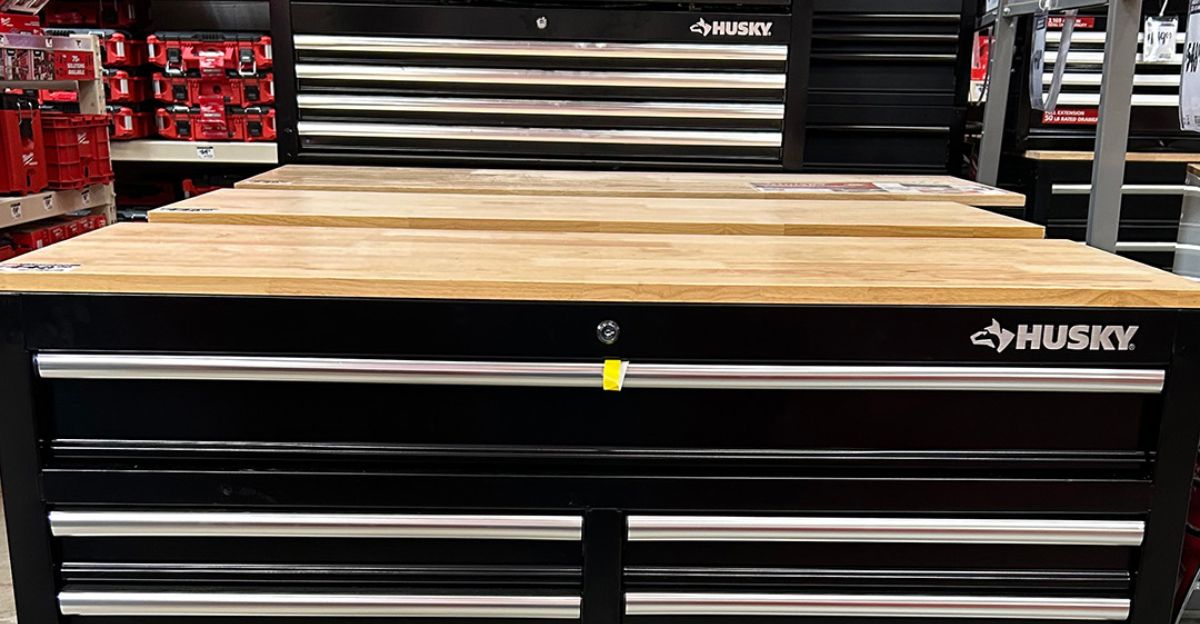
Individual scanner violations often involved modest amounts—perhaps 50 cents to a few dollars per transaction, seemingly insignificant at checkout. However, across Home Depot’s 2,300-plus stores nationwide and thousands of daily transactions, small per-transaction overcharges accumulated into millions of dollars annually.
When 64 percent of inspected items contained overcharges in Orange County alone, the scale of the problem became mathematically apparent across larger regions.
Operational Complexity and Technology Gaps Explain Persistent Violations

Managing real-time price accuracy across hundreds of store locations with thousands of inventory items requires sophisticated technology infrastructure that many retailers struggle to implement effectively. Point-of-sale systems, inventory management platforms, and physical signage systems must communicate instantaneously to maintain price consistency.
Manual processes for updating individual shelf tags remained vulnerable to human error, scheduling conflicts, and operational oversights.
Consumer Rights Under California Price Accuracy Law Remain Underutilized

California law requires retail stores with automated point-of-sale systems to display item prices clearly as entered into their scanning systems. Stores must post notices informing customers of their right to be charged the lowest advertised or posted price. Consumers who discover overcharges can report violations directly to their county’s Weights and Measures department or request immediate refunds from store managers.
Many consumers remain unaware of these consumer protection rights, allowing overcharges to persist uncorrected.
What Comes Next: Compliance Monitoring and Escalating Enforcement

Home Depot’s ongoing compliance obligations include quarterly reporting to district attorneys, regular internal audits, and documented employee training programs. Failure to comply with settlement requirements may result in additional penalties, contempt findings, or criminal enforcement.
District attorneys signaled they would scrutinize Home Depot’s pricing accuracy performance closely during the coming years. Future violations could result in substantially larger penalties than the existing $1.97 million settlement amount.
Industry Signal: Retailers Nationwide Face Mounting Pricing Accuracy Pressure
Home Depot’s settlement joins an accelerating pattern of enforcement actions against major retailers nationwide for pricing violations and related fraud. Supermarket chains, discount stores, and general merchandise retailers have increasingly faced significant penalties for scanner violations, weight misrepresentations, and related deceptive practices.
Some states beyond California have begun implementing more aggressive pricing accuracy enforcement approaches similar to the California model. Consumer awareness of pricing accuracy issues continues to rise, prompting an increase in complaints to enforcement agencies and regulatory departments.
Competitors Operating with Ethical Pricing Now Hold Market Advantage

Companies that maintain scrupulous pricing accuracy gain competitive advantages over retailers who tolerate systematic overcharging or pricing errors. Consumer discovery of overcharges damages retail trust, loyalty, and repeat purchase behavior in competitive markets.
Ethical pricing practices attract conscious consumers who are willing to support businesses that demonstrate transparency and consumer protection.
Looking Forward: Technology and Compliance Trends Reshaping Retail Operations

Real-time price verification systems, automated shelf label updates, and AI-powered pricing audits represent emerging technologies retailers are deploying to prevent violations automatically. Machine learning algorithms can identify pricing discrepancies between digital systems and physical displays before customers encounter overcharges, thereby preventing them from incurring unnecessary costs.
Some retailers are piloting blockchain-based price transparency systems, creating immutable records of all pricing changes and enforcement actions.
Consumer Action Plan: How to Protect Yourself From Scanner Violations

Shoppers should review their receipts immediately after checkout to verify that the prices charged match the advertised prices for each item purchased. Checking shelf prices against receipt totals before leaving the store enables the immediate correction of overcharges at customer service desks.
Consumers who discover systematic overcharges should photograph the shelf tags alongside the receipt prices, creating evidence for county weights and measures departments to investigate potential violations.
Sources:
“Home Depot Settles Violations Related to California Price Accuracy Law,” Sonoma County District Attorney’s Office, September 2024
“Home Depot Settles Lawsuit Alleging Overcharging and False Advertising,” Los Angeles County District Attorney’s Office, September 2024
“Home Depot to Pay Nearly $2 Million to Settle Suit Alleging It Overcharged Shoppers,” CNBC, September 18, 2024
“California Department of Food and Agriculture Weights and Measures Annual Report,” California CDFA, Fiscal Year 2022-23
“Price Check Report on the Accuracy of Checkout Scanners,” Federal Trade Commission
“Home Depot Settlement Judgment,” San Diego Superior Court (Judge Richard S. Whitney), August 26, 2024