
Chainsaws roar to life as homeowners and professionals rev up their Milwaukee M18 FUEL models. But within moments, something goes wrong: the chain brake fails, and the chainsaw’s blade keeps spinning, risking a severe laceration. In one instance, the break malfunctioned, and a user suffered a deep finger injury. What seemed like a routine tool turned into a dangerous liability.
Now, nearly 100,000 chainsaws sold at Home Depot are under recall. Why did it take 18 months—and only two incidents—to spark this massive safety response?
The Moment That Triggered Action
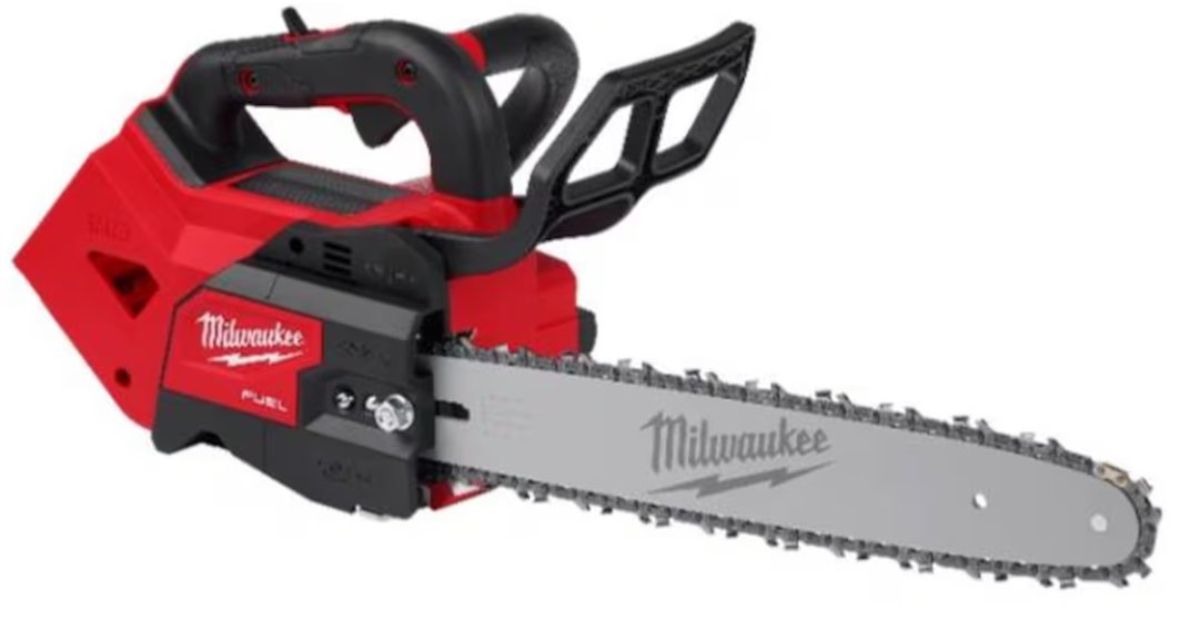
Two alarming incidents—one resulting in a lacerated finger—forced Milwaukee Tool and the U.S. Consumer Product Safety Commission (CPSC) to intervene.
Though the total seems small, each event involved a critical safety failure: the emergency brake didn’t engage during kickback. Engineers later confirmed the fault could appear unpredictably, prompting an immediate recall of the company’s best-selling cordless model.
The Tool at the Center of It All
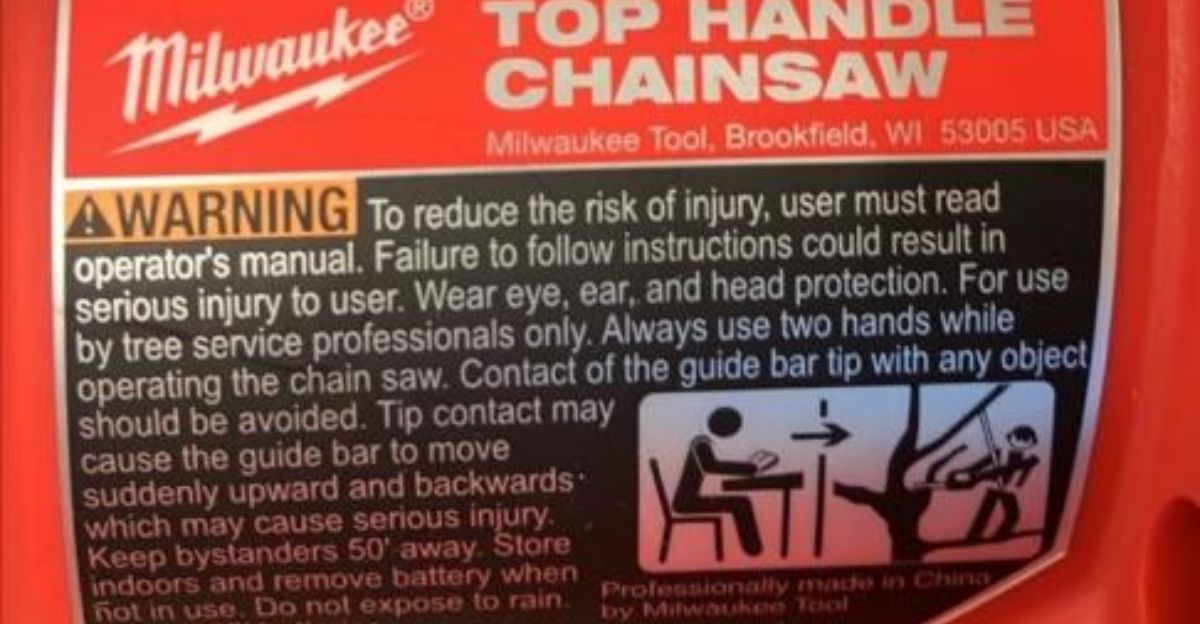
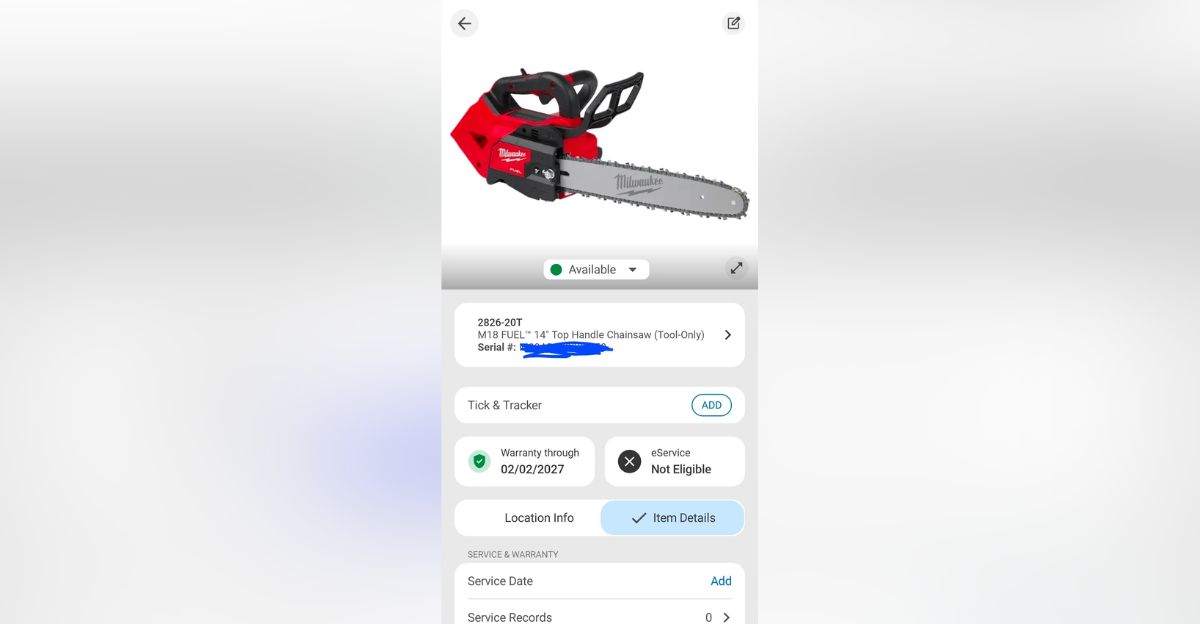
The recall targets Milwaukee M18 FUEL 12-inch and 14-inch Top Handle Chainsaws, catalog #2826-20. Marketed as professional-grade and part of Milwaukee’s flagship M18 battery ecosystem, these saws promised high-power cordless performance.
Their portability made them popular among landscapers, arborists, and homeowners alike—precisely the audience now being told to stop using them immediately.
An 18-Month Sales Window

From March 2023 through September 2024, these chainsaws filled Home Depot aisles and e-commerce carts. Nearly 19 months passed before the safety risk was identified and confirmed.
That delay raises questions about how many near-misses went unreported—and how long potentially dangerous saws have been cutting across job sites nationwide.
How to Spot a Recalled Model
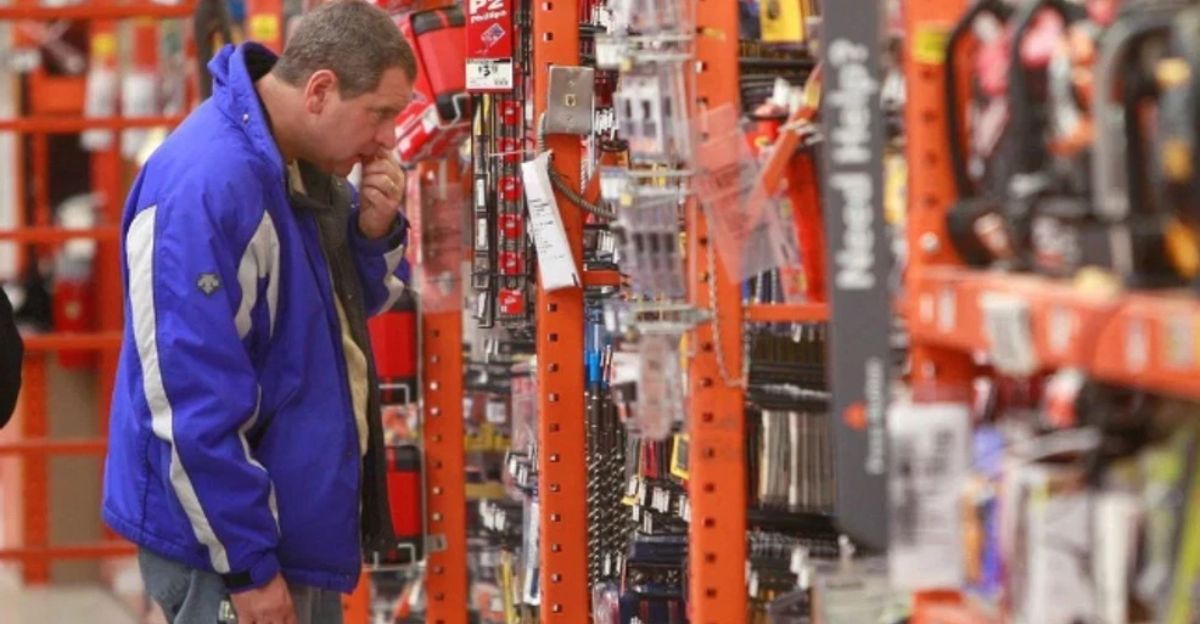
Owners can find the serial number printed on the saw’s product label. If the fourth character is “A”, the tool is affected. Milwaukee Tool’s website lists exact identification steps.
Any unit matching that pattern should be set aside immediately—these are the models at the heart of the recall.
Stop Use Now: The Official Advisory
CPSC and Milwaukee Tool jointly urge consumers to stop using the recalled chainsaws right away. Continuing to operate them could lead to serious injury if the brake fails during kickback.
Experts warn that even seasoned users cannot react fast enough when a brake malfunctions—making non-use until repair essential for safety.
Why the Chain Brake Matters

The chain brake is a saw’s last line of defense. It automatically halts the chain when kickback occurs, preventing the blade from surging toward the user.
When this mechanism fails, that split-second of protection is lost—turning routine yard work into a potential emergency. The recall highlights how critical this small component is to every chainsaw’s design.
Only Two Reports—But a Massive Recall
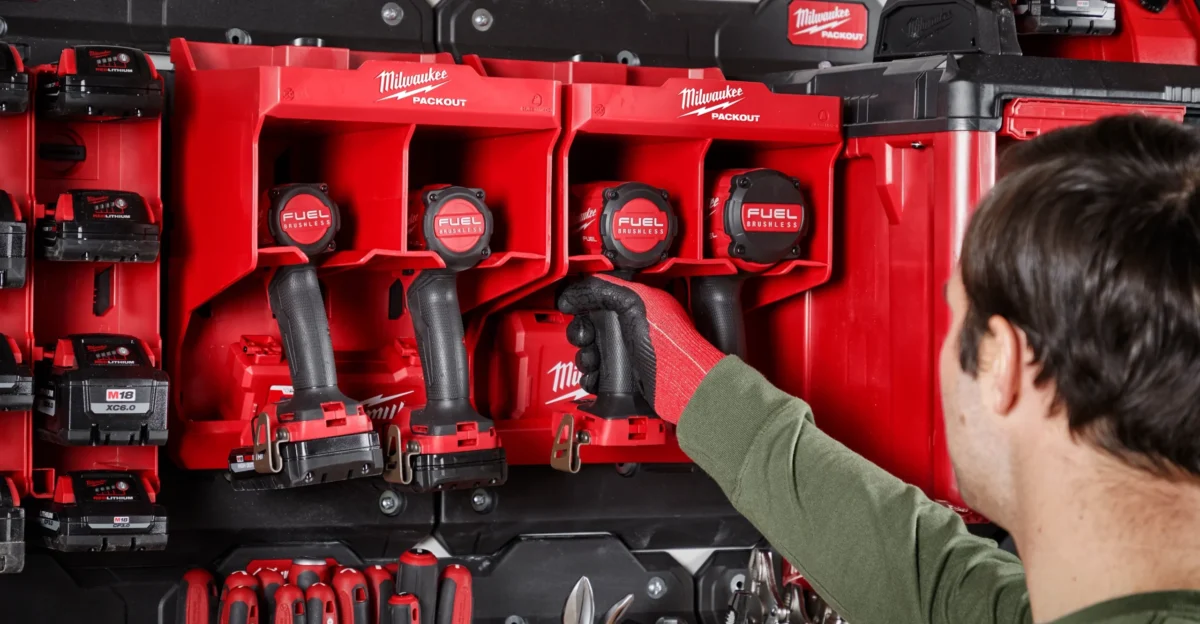
Just two failures sparked a recall covering nearly 100 thousand tools. That translates to roughly one incident per 45,000 units, a rate so low that some consumers might question the need to act.
Yet CPSC officials say even a single defective safety brake can have catastrophic consequences, making the large-scale recall a necessary precaution.
Home Depot’s Involvement
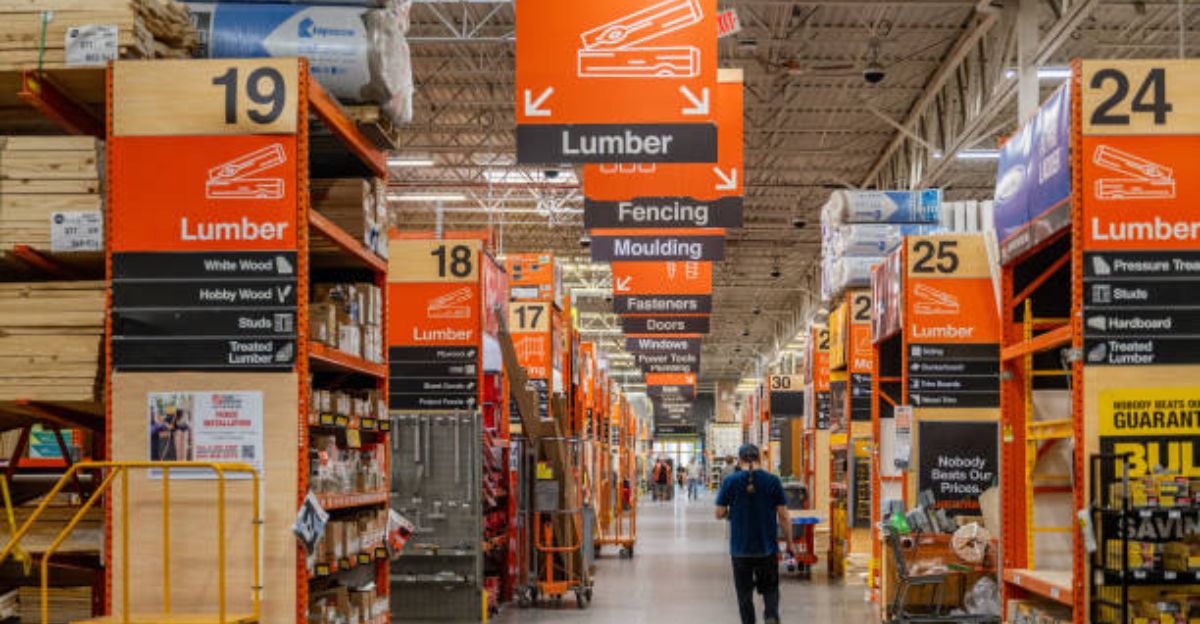
Home Depot was the largest distributor of these chainsaws, with additional sales through independent dealers and online marketplaces.
All retailers have been instructed to pull remaining inventory and alert customers through purchase records and email notifications. Store signage and online recall alerts are being rolled out to maximize visibility.
Milwaukee Tool’s Repair Plan
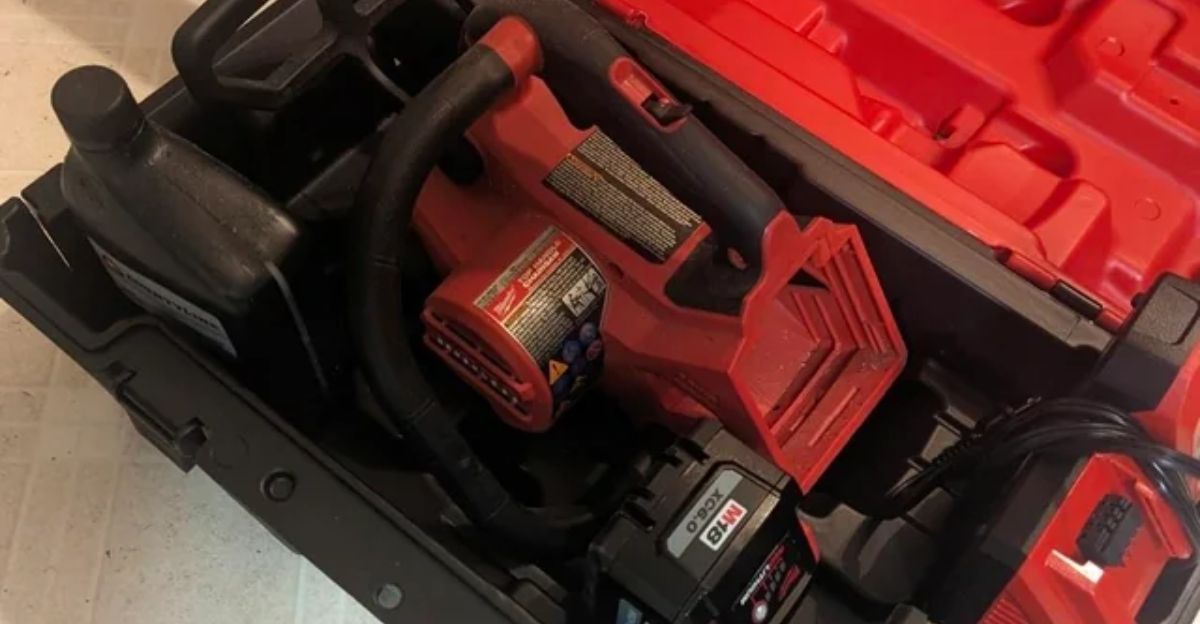
To address the hazard, Milwaukee Tool is offering free repairs for every affected chainsaw. Technicians will inspect and replace the chain brake assembly at no cost to consumers.
Once repaired, the tools can be safely used again—restoring confidence in one of the industry’s most trusted brands.
Free Shipping Both Ways

Consumers won’t pay a cent to ship their chainsaws for service. Milwaukee Tool provides prepaid labels so owners can send their units to an authorized center and receive them back after repair.
The company says this streamlined process is meant to remove friction and ensure maximum participation in the recall program.
How to Register Your Chainsaw

Owners must visit Milwaukee Tool’s official recall portal, enter their chainsaw’s serial number, and provide contact information.
Once registered, they’ll receive detailed packing and shipping instructions. Consumers can also verify eligibility by phone or email through Milwaukee Tool’s customer service team.
A North American Issue
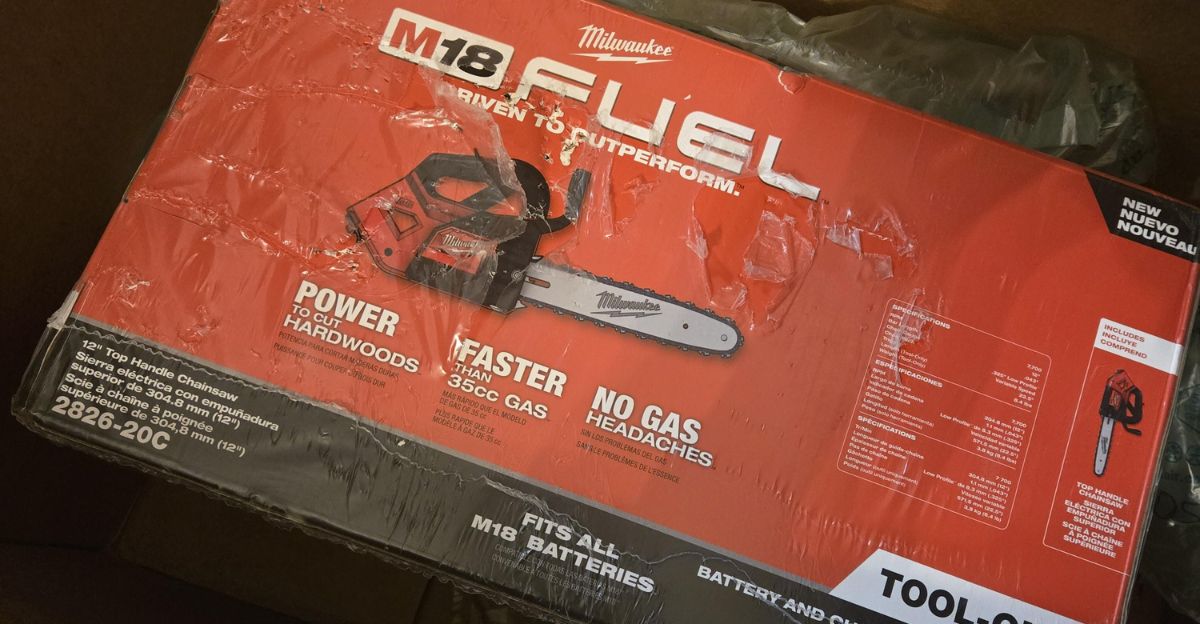
Canada is also impacted, with 7,500 units recalled nationwide. The Canadian program mirrors the U.S. one: stop using the chainsaw and register for repair immediately.
Authorities in both countries urge owners to act even if their tool appears functional, as defects may not be visible until failure occurs.
CPSC’s Oversight and Assurance
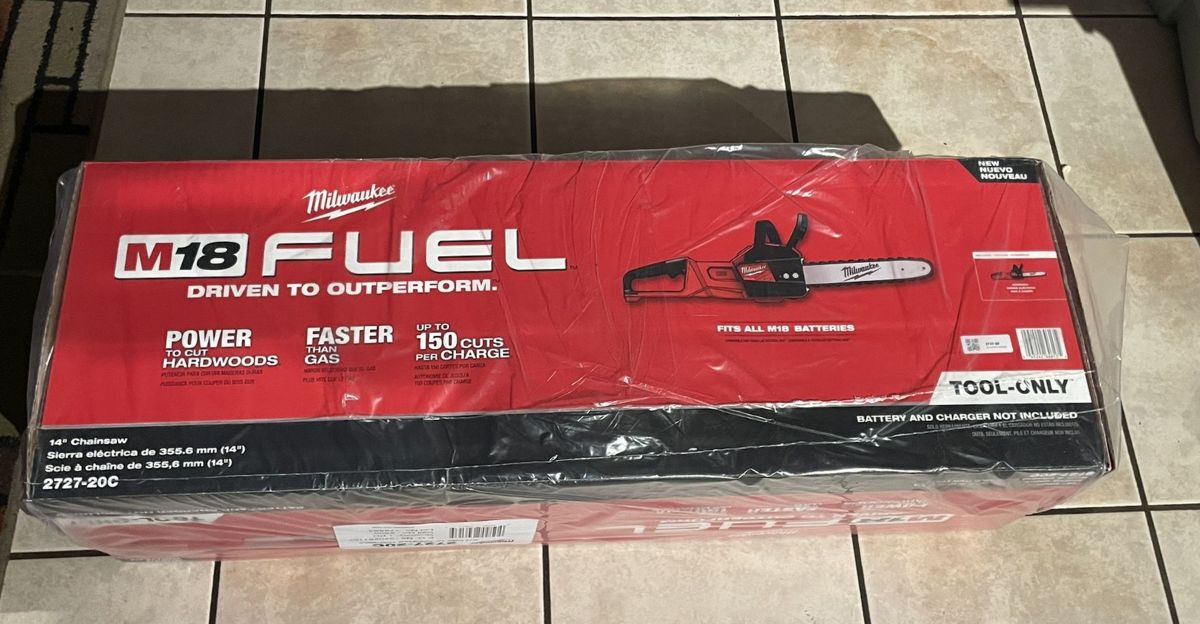
The U.S. Consumer Product Safety Commission oversaw the recall coordination, ensuring Milwaukee Tool followed federal standards for consumer notification and remedy.
CPSC spokespersons emphasize that swift cooperation by manufacturers and retailers is vital to protect public safety and maintain trust in power-tool brands.
Official Announcement and Timing
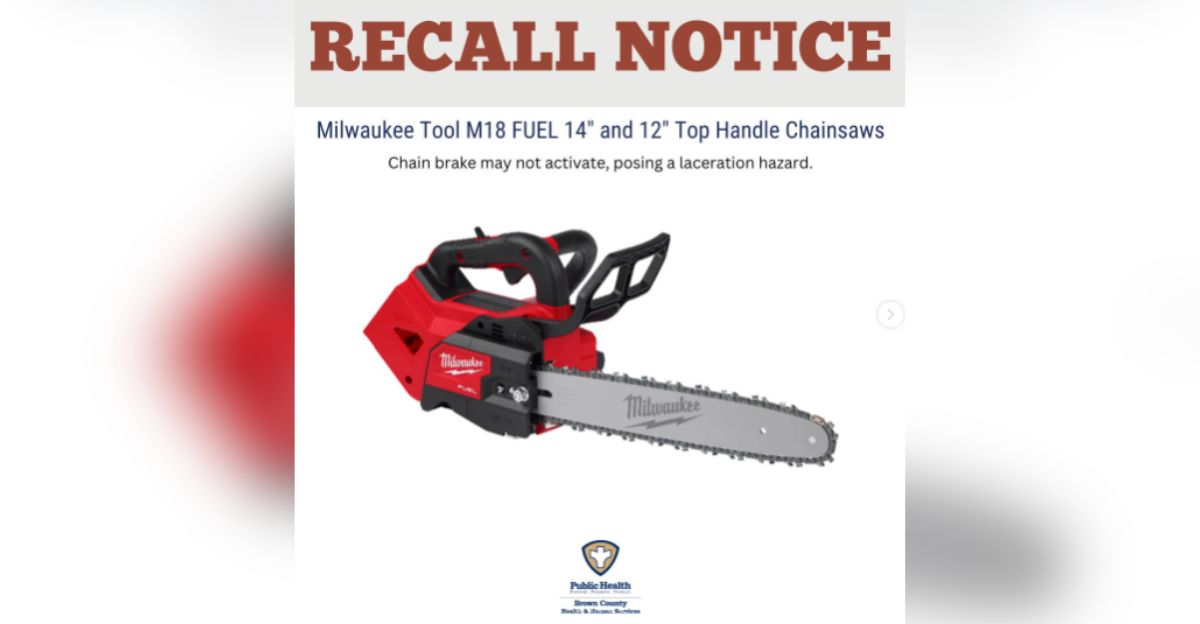
The recall was publicly announced on October 30, 2025, about 19 months after the first units went on sale.
The timeline suggests that hazard detection and verification took time, possibly due to the low number of reported incidents. Still, critics ask whether earlier internal testing might have caught the issue sooner.
Who Relies on These Tools
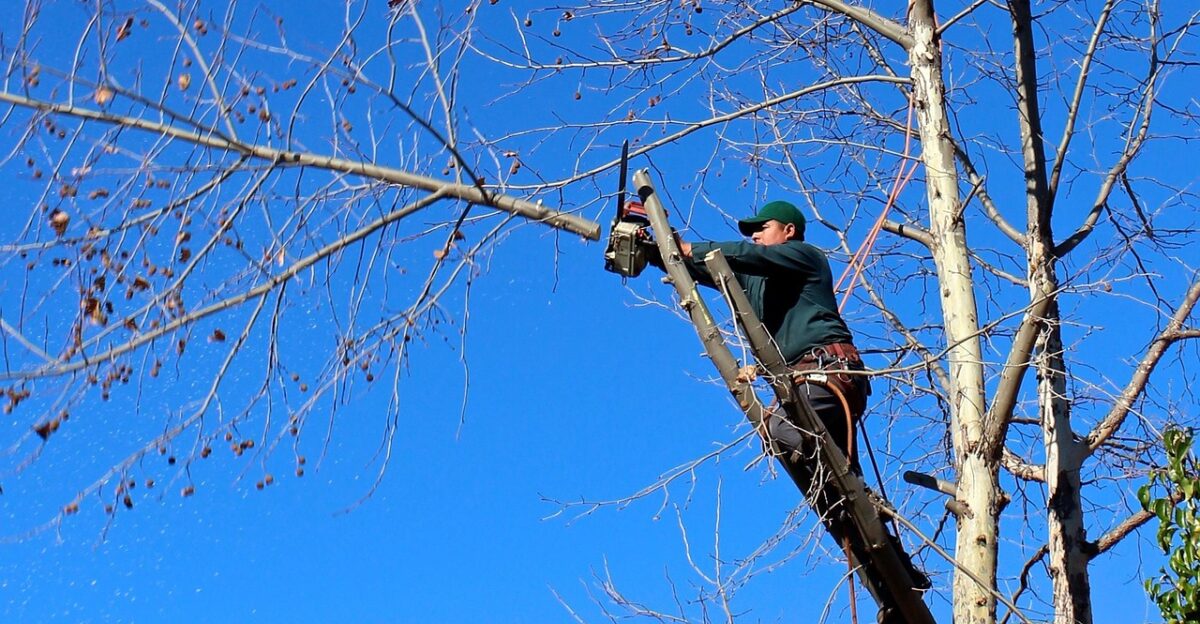
The chainsaws are widely used by arborists, construction crews, and homeowners handling yard work or storm cleanup. Their light weight and cordless design made them favorites among professionals needing maneuverability in trees and tight spaces.
That broad user base multiplies the potential risk if repairs are ignored.
Cordless Power, Old-School Danger
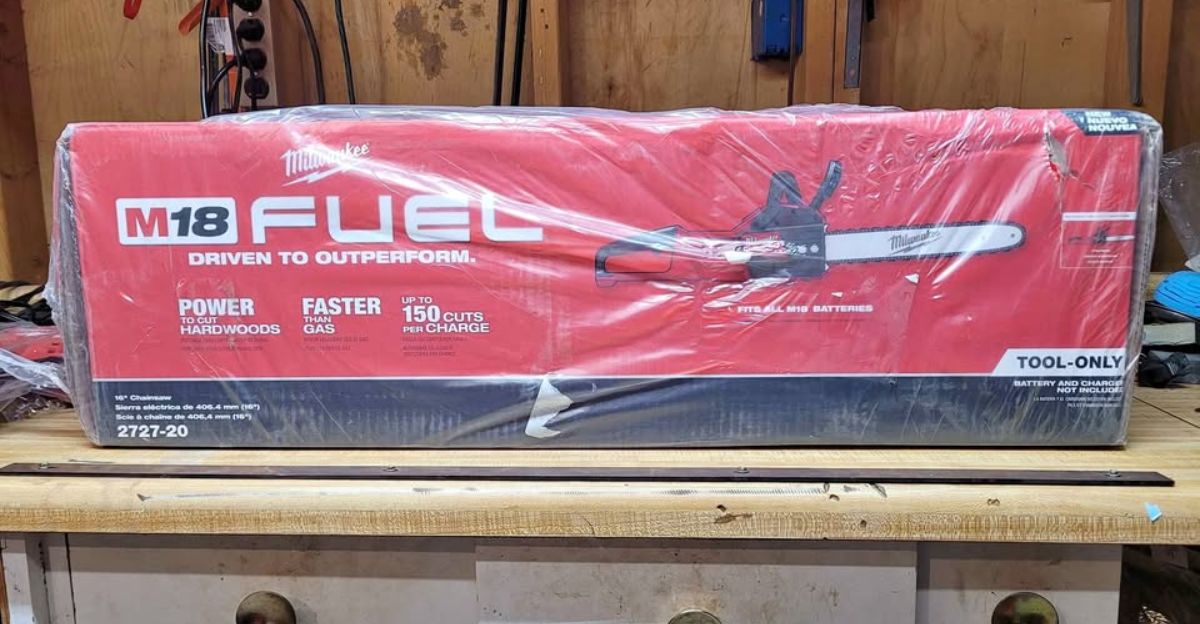
The M18 system symbolizes modern cordless power tools—yet the recall proves that even advanced engineering can overlook basic safety.
While the battery platform itself is unaffected, the incident casts a spotlight on design oversight and the delicate balance between innovation and user protection.
Act Now—Don’t Wait for Another Injury

With only two reported failures, some owners may delay action. But experts warn that a single defective brake can mean a life-altering injury.
Participating in the recall takes minutes and could prevent future accidents. CPSC urges every owner to check serial numbers and submit repair requests immediately.
Where to Get Help

Consumers can visit Milwaukee Tool’s recall page or call their hotline for assistance. The CPSC also maintains a recall database with detailed instructions and photographs of affected models.
Customer support teams are trained to walk owners through registration and shipping steps to ensure safe handling.
Safety Over Convenience
In total, 98,360 chainsaws across North America are subject to this recall because of a chain-brake defect that can cause severe lacerations.
Owners should immediately verify their serial numbers, stop using affected units, and register for the free repair with prepaid shipping. Safety comes first—especially when a split-second mechanical failure can change everything.