
Most fitness advice reads like it was written for people living in a stress-free utopia: eight hours of sleep, balanced meals, no traffic, no deadlines. But for many of us, recovery isn’t a neatly planned part of the day — it’s something stolen in fragments between work calls, caregiving, and the quiet weight of everyday stress. Yet, fitness doesn’t have to fall apart when life is heavy. It just has to adapt.
We tend to think of exercise as something purely physical — miles run, weights lifted, minutes logged. But the body doesn’t separate emotional stress from physical strain. It all blends into what scientists call allostatic load — the cumulative wear and tear that builds when stress becomes a constant background hum. When recovery is shortchanged, that extra intensity in the gym doesn’t always make you stronger. Sometimes, it quietly drains the reserves your body is already struggling to rebuild.
Rethink More – Aim for Enough
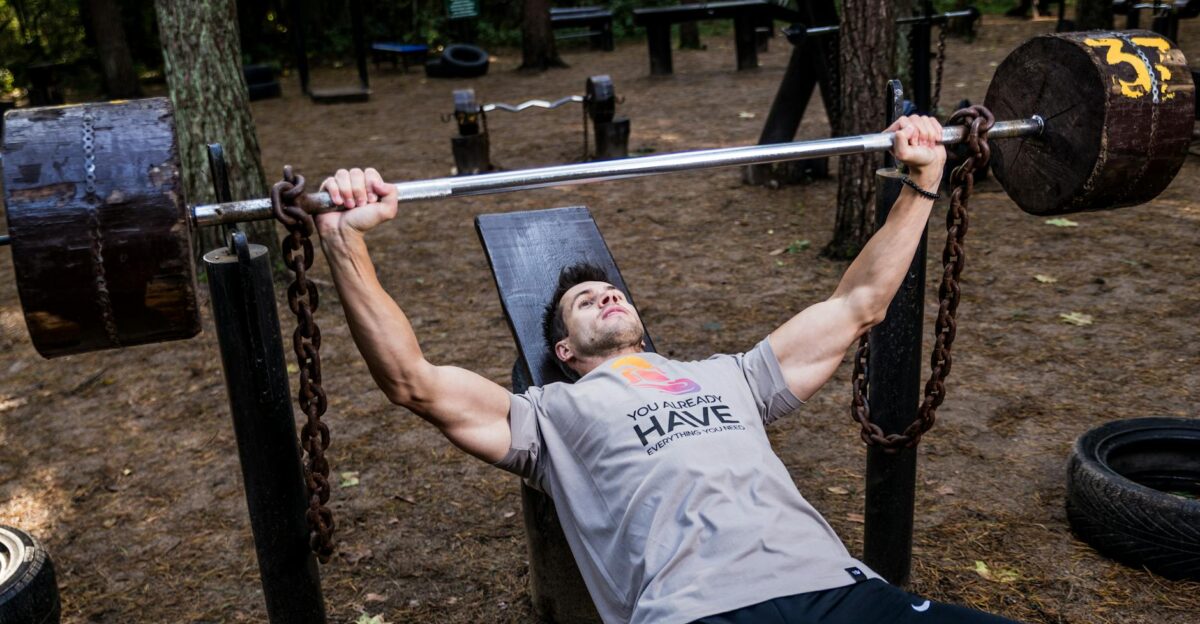
When recovery is limited, the path forward isn’t about doing more; it’s about finding what’s enough. Research in exercise physiology shows that meaningful improvements in strength and endurance can still happen with fewer, smarter sessions — provided effort and consistency stay balanced.
That might mean trimming your weekly workouts to a sustainable number, shortening sessions, or resisting the urge to push every set to failure. Interestingly, strength studies show that stopping a few reps shy of your limit can maintain gains while cutting recovery time almost in half. The goal shifts from exhaustion to adaptation — from crushing every workout to completing one that leaves you capable tomorrow.
Let Life Set the Pace

Some days, stress itself is the workout. Poor sleep, mental fatigue, and emotional strain spike cortisol levels — your body’s stress hormone — making high-intensity training harder and less effective. On those days, it’s wiser to recalibrate.
Instead of asking whether you’re motivated, ask whether you’re ready. Did you sleep well enough to recover from your last session? Is your mind already running on fumes? If the answer leans toward fatigue, scale back the effort. Research consistently shows that tuning training intensity to life’s stressors reduces injury risk and preserves long-term performance better than a “grind no matter what” mentality.
When Recovery Is Thin, Small Things Count

If your life doesn’t allow for perfect rest, focus on recovery habits that actually fit reality. Keep sleep as consistent as possible, even if it’s less than ideal. Move gently — low-intensity walks, or mobility work, keep blood flowing without adding more strain. And aim for steady protein intake rather than chasing perfection with every meal. Studies in sports medicine confirm that steady, active recovery and mindful load management often outperform total rest when life’s pressures persist.
In demanding seasons, fitness isn’t about chasing records — it’s about maintaining capacity. Preserving strength, flexibility, and cardiovascular health is how you stay ready for the next chapter, not burned out before it begins. The best workout plan isn’t built for ideal conditions. It’s built for the life you actually live.
Sources:
- McEwen, B. S. (1998). Protective and damaging effects of stress mediators. New England Journal of Medicine, 338(3), 171–179.
- Halson, S. L. (2014). Monitoring training load to understand fatigue in athletes. Sports Medicine, 44(Suppl 2), 139–147.
- American College of Sports Medicine. (2021). ACSM’s Guidelines for Exercise Testing and Prescription (11th ed.). Philadelphia, PA: Wolters Kluwer