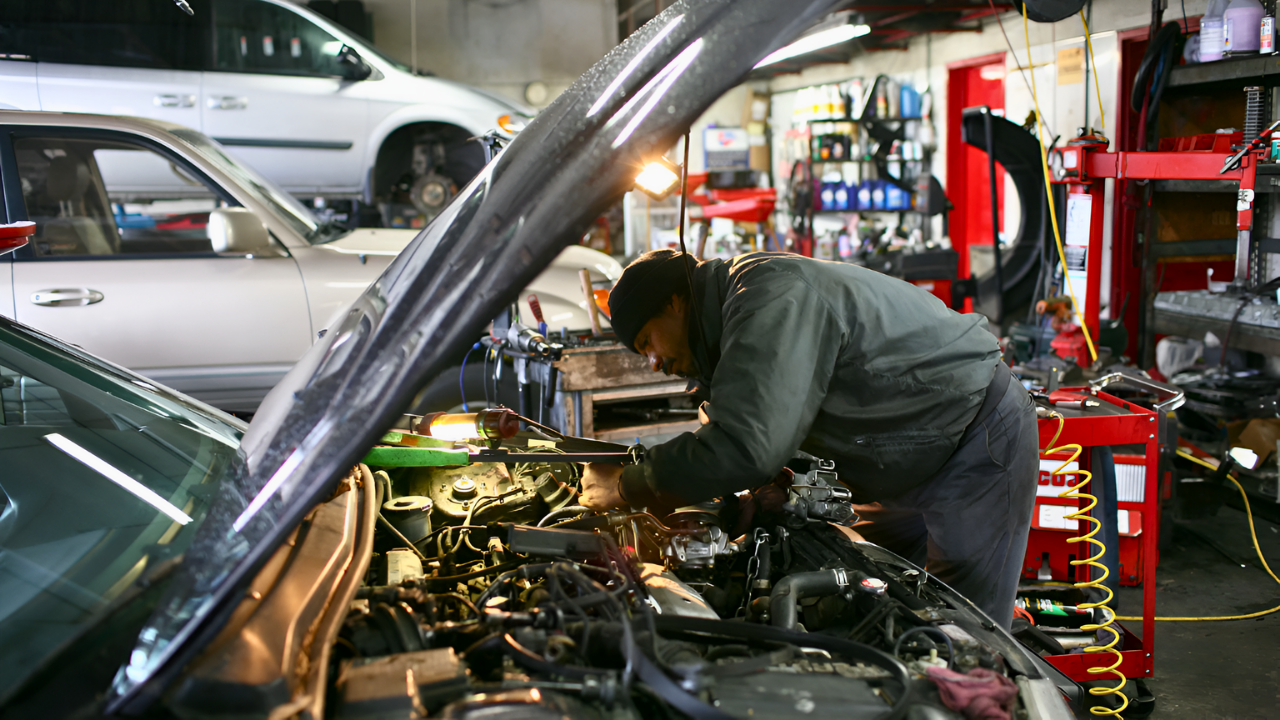
In late 2025, a sweeping class action lawsuit cast a harsh spotlight on Hyundai, alleging that hundreds of thousands of 2013–2019 Santa Fe SUVs equipped with 3.3-liter Lambda II GDI engines are prone to catastrophic failure—sometimes well before reaching 80,000 miles. The suit claims that internal metal debris circulates through the oil system, causing severe engine damage, breaching engine blocks, and even creating fire hazards. At the heart of the controversy is an accusation that Hyundai “fraudulently concealed” a newly extended 15-year/150,000-mile warranty, leaving many owners unaware of coverage as their vehicles failed. The case has ignited a national debate over consumer safety, corporate transparency, and the responsibilities automakers owe to their customers.
Engineering Flaws and Sudden Failures
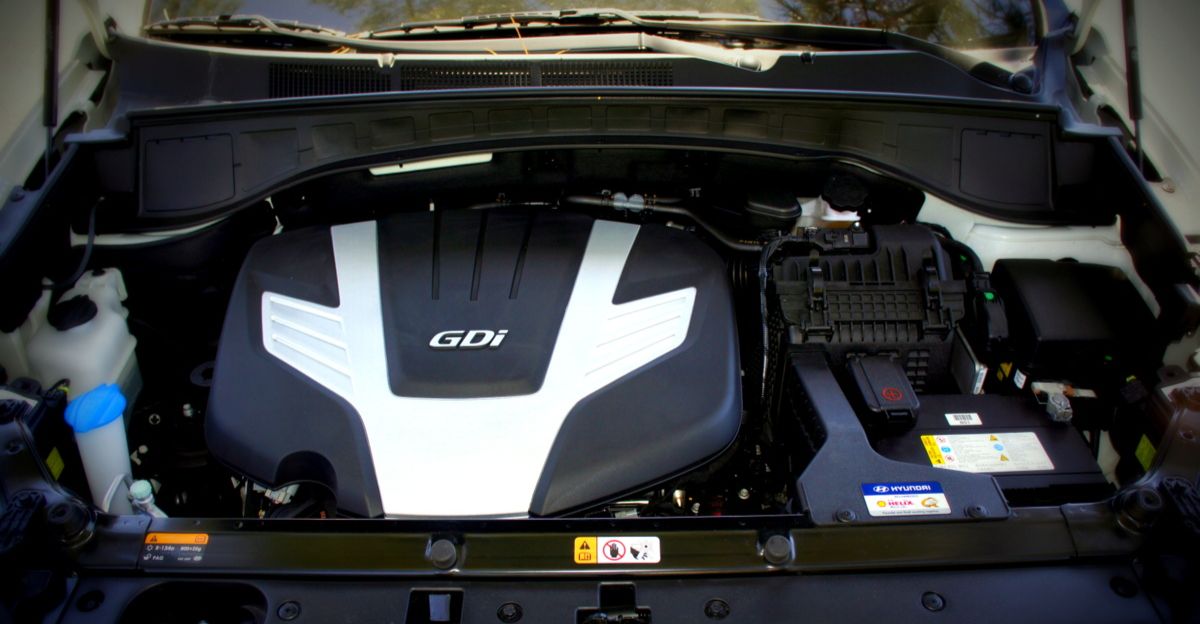
According to court filings, the Lambda II GDI engine’s design flaw centers on the presence of metal debris left over from manufacturing. This debris, circulating with the engine oil, allegedly causes abnormal wear, fractured rotating assemblies, and broken connecting rods. The result: engines that can fail without warning, sometimes with such force that they punch holes through the engine block. Plaintiffs argue that Hyundai was aware of these risks for years but failed to issue full recalls or adequately warn consumers.
For many owners, the consequences have been abrupt and severe. Some report engines seizing at highway speeds, sudden loss of power, or internal components being ejected—leaving drivers stranded and facing repair bills that can reach $8,000 to $12,000. Lead plaintiffs Jason and Allison Burns experienced total engine failure at just under 80,000 miles, only to discover after the fact that an extended warranty existed but had never been disclosed to them.
Corporate Response and Consumer Backlash
In response to mounting complaints, Hyundai issued Technical Service Bulletin 24-EM-003H, which quietly extended engine coverage to 15 years or 150,000 miles. However, the lawsuit alleges that Hyundai and its dealerships withheld this information for six to eight months, during which time many owners paid for repairs out-of-pocket or sold their disabled vehicles at steep losses. Plaintiffs contend that this concealment allowed Hyundai to avoid a federal investigation while consumers remained in the dark about their rights to free repairs.
The issue is not isolated to Hyundai alone. The 3.3-liter Lambda II engine is also used in several Kia models, and similar lawsuits have targeted both brands for nearly identical failures. Previous settlements have addressed millions of vehicles with metal-debris-related engine issues, but the current case’s focus on the Santa Fe has raised alarms about the potential for other models to be affected.
Wider Impacts: Markets, Regulation, and Human Cost
The fallout from the engine defect extends far beyond individual owners. In May 2024, the National Highway Traffic Safety Administration (NHTSA) declined to open a broader federal investigation, citing limited confirmed complaints. Still, the scale and severity of the failures have drawn attention from international regulators, with some trade analysts warning that the controversy could undermine Hyundai’s reputation in export markets and increase regulatory scrutiny abroad.
The human toll is significant. Owners recount harrowing breakdowns on busy highways, financial stress from unexpected repairs, and anxiety about long-term vehicle safety. Some have been stranded in dangerous locations or forced into emergency vehicle purchases. The cumulative emotional and financial burden has become a central driver of the class action’s urgency.
Dealerships and the Used-Car Market
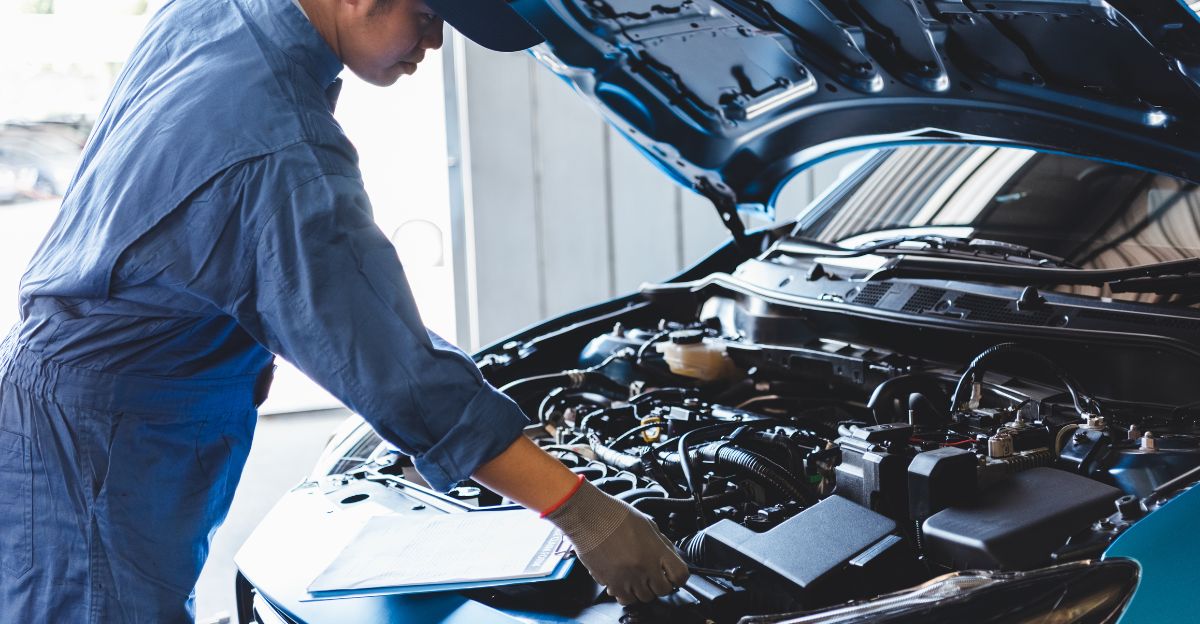
Dealerships have come under scrutiny for allegedly failing to inform customers about the extended warranty and, in some cases, refusing valid repairs. Some stores offered low-value buybacks for vehicles with failed engines, potentially profiting once the concealed warranty became public. Others struggled with parts shortages and inconsistent communication from Hyundai corporate, deepening consumer losses and eroding trust in the dealership network.
The used-car market has also been affected. Values for 2013–2019 Santa Fe models have dropped sharply, reflecting buyer uncertainty and the stigma of catastrophic engine failures. Even running vehicles have seen steep declines in resale potential, as both dealerships and private sellers grapple with the long-term impact of the defect.
Looking Ahead: Stakes for Hyundai and Consumers

The class action seeks damages, class certification, and a court-ordered recall for all affected engines. As more failures emerge, additional plaintiffs may join, and regulatory bodies could revisit earlier decisions in light of new allegations. If Hyundai’s concealment of the extended warranty is proven, the outcome could reshape industry expectations for defect reporting and transparency.
The Hyundai Lambda II engine crisis underscores the fragile relationship between automakers and consumers. As the case unfolds, it highlights the need for stronger transparency standards, proactive safety communication, and robust consumer protections to ensure trust in the vehicles millions rely on every day.