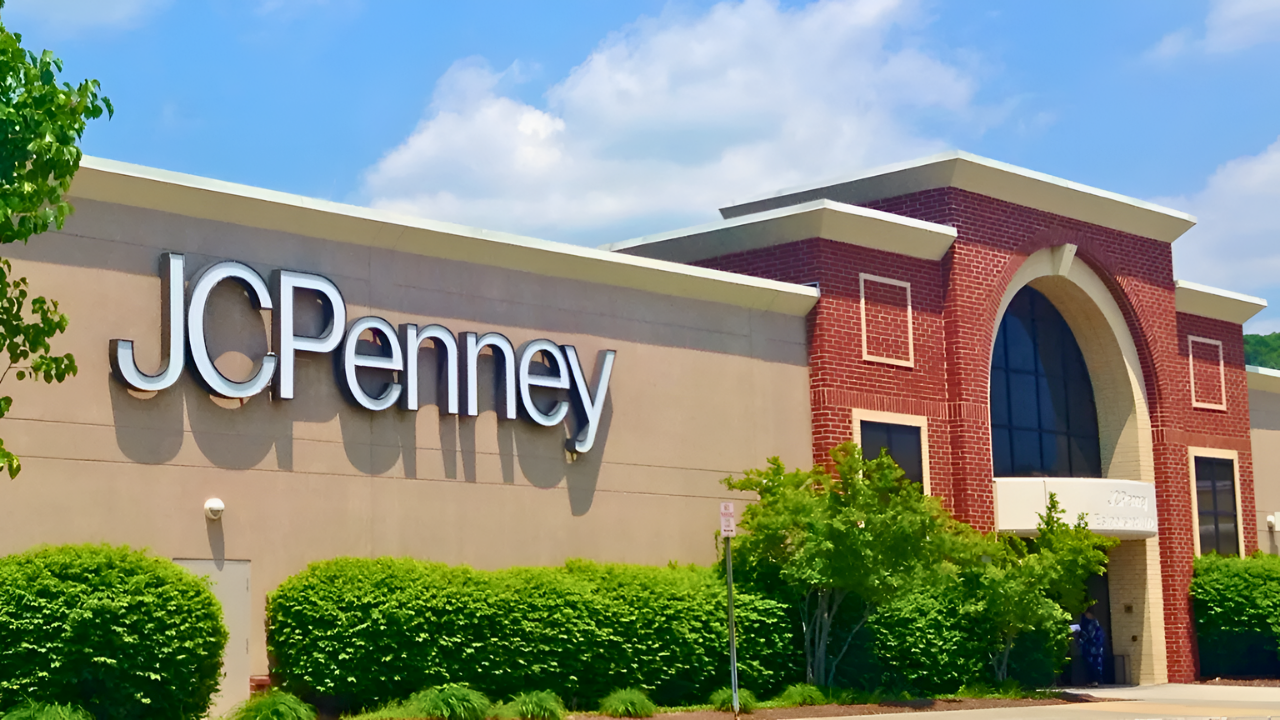
December 26, 2025 arrived without champagne or handshakes. Instead, Copper Property CTL Pass Through Trust issued a termination notice as the clock ran out on a $947 million real estate transaction that would have transferred 119 JCPenney store locations across 35 states to Boston-based private equity firm Onyx Partners.
The failed deal instantly triggered lawsuits, left creditors scrambling, and created uncertainty around 15.5 million square feet of American retail space.
A Bitter Legal Fight Begins

Within days, lawyers descended. Copper Property demanded $5 million in buyer deposits—$2 million already held and $3 million trapped in escrow. Onyx Partners fired back with a lawsuit seeking either forced completion through specific performance or substantial damages.
The buyer accused the seller of sabotaging the deal by withholding critical tenant documentation needed for closing, while Copper Property insisted all conditions were satisfied and vowed to “aggressively contest” the claims.
Stores Will Stay Open—For Now
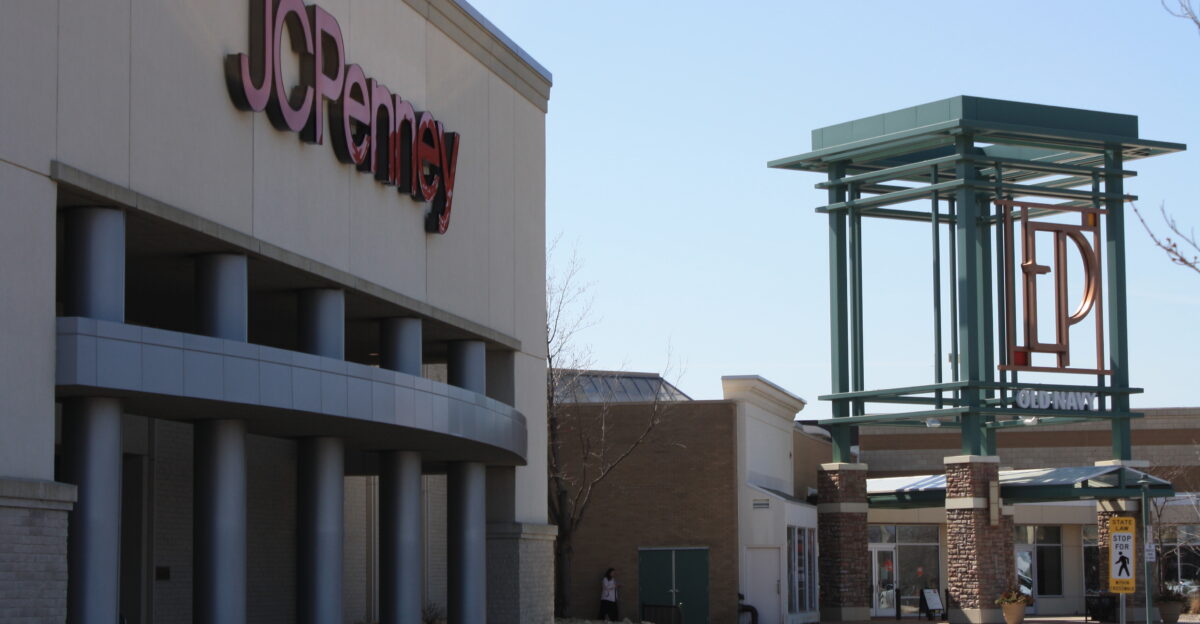
Amid the chaos, one question dominated: Would the stores close? Catalyst Brands, JCPenney’s parent company, quickly issued a statement designed to calm employees and customers. “Any potential real estate transaction between Copper Property and Onyx Partners Ltd. would purely represent a transfer between parties as property owner and landlord to JCPenney.
It does not impact JCPenney store locations or operations. These 119 JCPenney stores will continue to operate,” the spokesperson confirmed.
But the reassurance masked deeper tensions brewing beneath the surface.
The Geographic Footprint at Stake

The portfolio spans an enormous swath of American retail real estate. Texas leads with 21 store locations, followed by California with 19.
The properties concentrate heavily in fast-growing Sunbelt markets near major metropolitan areas—exactly the kind of strategic commercial zones that typically attract aggressive bidding from institutional investors. Each location operates under triple-net leases extending up to 45 years, with JCPenney responsible for taxes, insurance, and maintenance regardless of ownership changes.
Triple-Net Structure Protects New Owners
The triple-net lease arrangement significantly reduces risk for potential buyers by shifting all operational expenses to JCPenney as the tenant. Property taxes, insurance premiums, building maintenance, and capital expenditures remain JCPenney’s responsibility under the master lease agreements.
This structure provides stable rental income streams for landlords while insulating them from escalating operational costs, making the properties more attractive to institutional investors seeking predictable cash flows with minimal management responsibilities.
A Timeline of Missed Deadlines

The transaction’s collapse followed months of delays that should have raised red flags. Originally announced in July 2025, the deal was scheduled to close September 8. That deadline slipped to December 22, then received one final extension to December 26.
Copper Property issued a termination notice on December 22, giving Onyx four days to complete the transaction or lose the deal entirely. The buyer couldn’t close in time.
The Buyer’s Final Statement

On December 24—just two days before the final deadline—Anton Melchionda, Founder and Principal Partner at Onyx Partners Ltd., released a carefully worded statement attempting to shift blame. “Onyx Partners Ltd. continues to work toward closing the previously announced transaction in accordance with the purchase agreement.
Certain customary seller deliverables remain outstanding, including tenant-related documentation and those items are being addressed,” he stated. Two days later, the deal was dead.
Pricing Controversy Sparked Investor Anger

The $947 million price tag sparked immediate controversy when announced. Simple math revealed troubling figures: the average price per property worked out to approximately $8 million—at least $2 million lower than previous JCPenney store sales facilitated by Copper Property, which averaged around $12.8 million per property.
Trust investors openly questioned executives about whether converting to a real estate investment trust would have generated superior returns for creditors awaiting payment.
Extensive Marketing Yielded 700 Inquiries

Copper Property hadn’t rushed into Onyx’s arms without exploring alternatives. When the trust first marketed the portfolio through prominent real estate firms Newmark and Hilco Real Estate, it received over 700 initial inquiries from interested parties.
After months of evaluation, executives selected Onyx Partners as the winning bidder in May 2025, defending their choice as the best option given compressed timelines and the approaching January 2026 court-mandated liquidation deadline.
Three Likely Explanations

Nick Egelanian, president of retail development firm SiteWorks, outlined three probable scenarios behind the collapse. “It also could be a combination of these and other factors, but I am really speculating. It’s a really good question,” he acknowledged.
His theories: lenders withdrawing financing commitments at the last minute, Onyx reconsidering the underlying real estate valuations, or concerns about JCPenney’s operating performance eroding buyer confidence in long-term tenant viability.
Creditor Recovery Now in Jeopardy

The failure jeopardizes expected distributions to JCPenney’s bankruptcy creditors, who were anticipating between $928 million and $932 million in proceeds after closing costs.
Those creditors also expected $15 million from the trust’s cash reserves within 60 days of closing, plus an additional $10 million twelve months later. Now they face uncertainty about recovery timelines and amounts. The failed transaction could trigger default provisions and complicate the entire bankruptcy resolution.
The 2020 Chapter 11 Filing
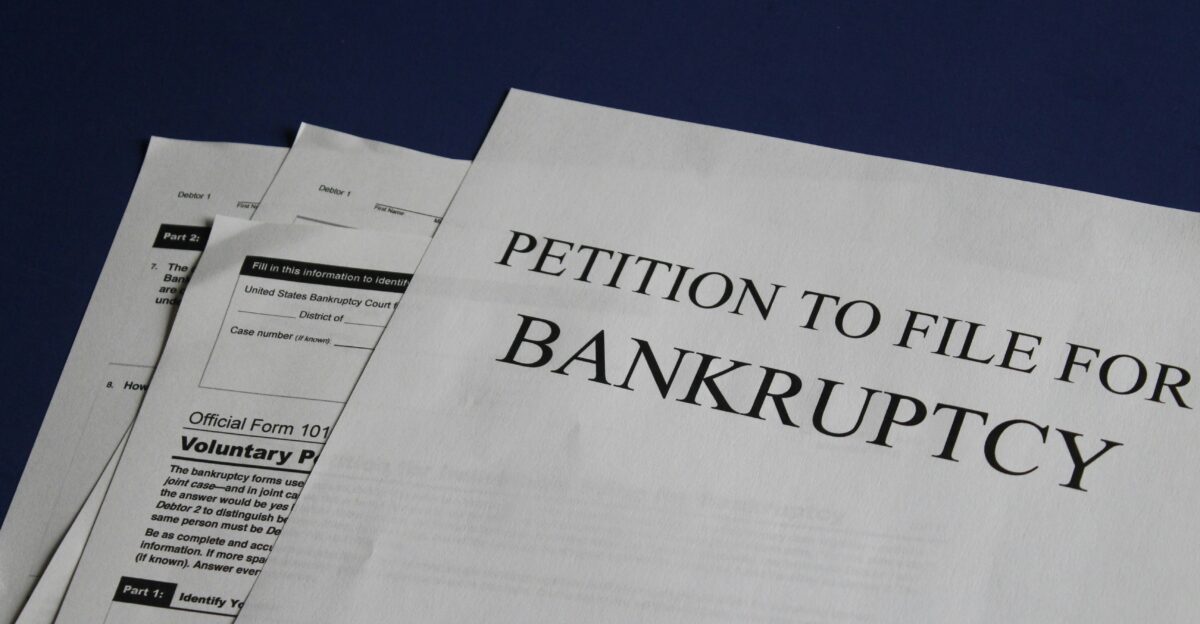
Copper Property CTL Pass Through Trust exists solely because JCPenney filed for Chapter 11 bankruptcy protection in May 2020. While COVID-19 received blame as a triggering factor, the retailer had been unprofitable for nearly a decade prior.
The bankruptcy court created Copper Property Trust specifically to assume ownership of 160 retail properties and six distribution centers with one clear mandate: liquidate everything to reimburse creditors by January 30, 2026.
Simon and Brookfield Step In
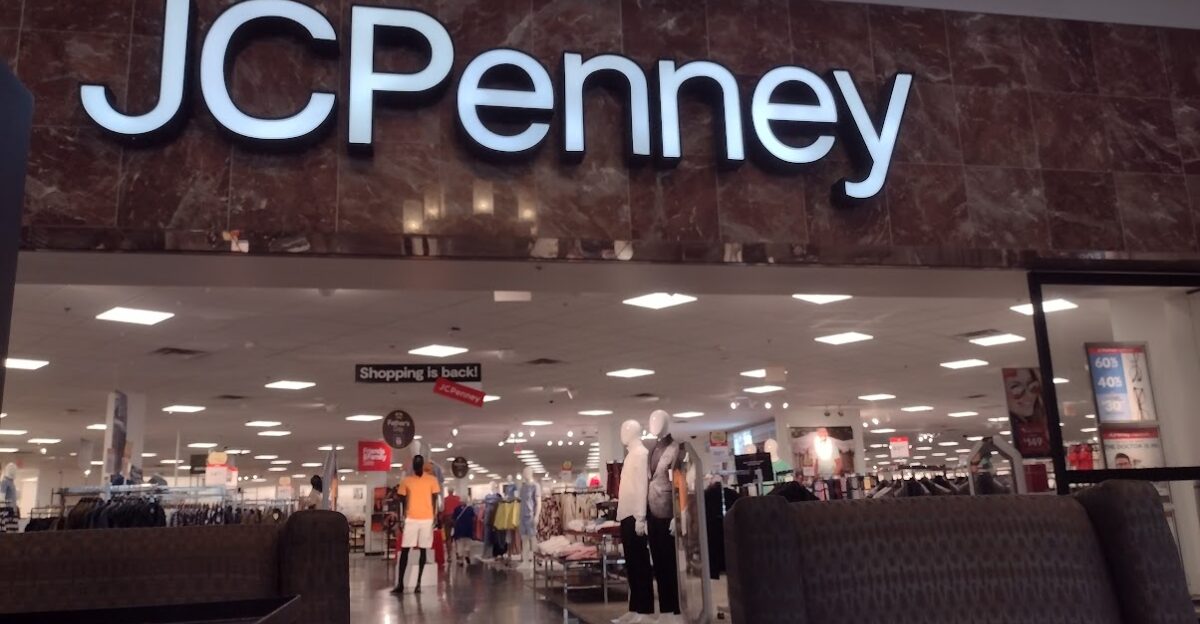
Mall giants Simon Property Group and Brookfield Asset Management acquired JCPenney’s retail operations and assets for $1.75 billion in late 2020, transferring control of approximately 650 stores and the operating business.
The acquisition preserved around 60,000 jobs and enabled the 118-year-old retailer to emerge from bankruptcy. Meanwhile, Copper Property Trust retained 160 store properties and distribution centers to be sold separately to satisfy creditor claims.
Recent Profitability Offers Hope

Contrary to expectations, JCPenney has shown genuine signs of recovery. Second quarter fiscal 2025 results revealed total net sales fell only 3.4 percent year-over-year to $1.4 billion—a significant improvement from previous quarters.
More impressively, JCPenney swung to $110 million in net income compared to a $33 million loss in the prior year period. Consolidated adjusted EBITDA reached $179 million, up dramatically from just $29 million the previous year.
The Catalyst Brands Merger
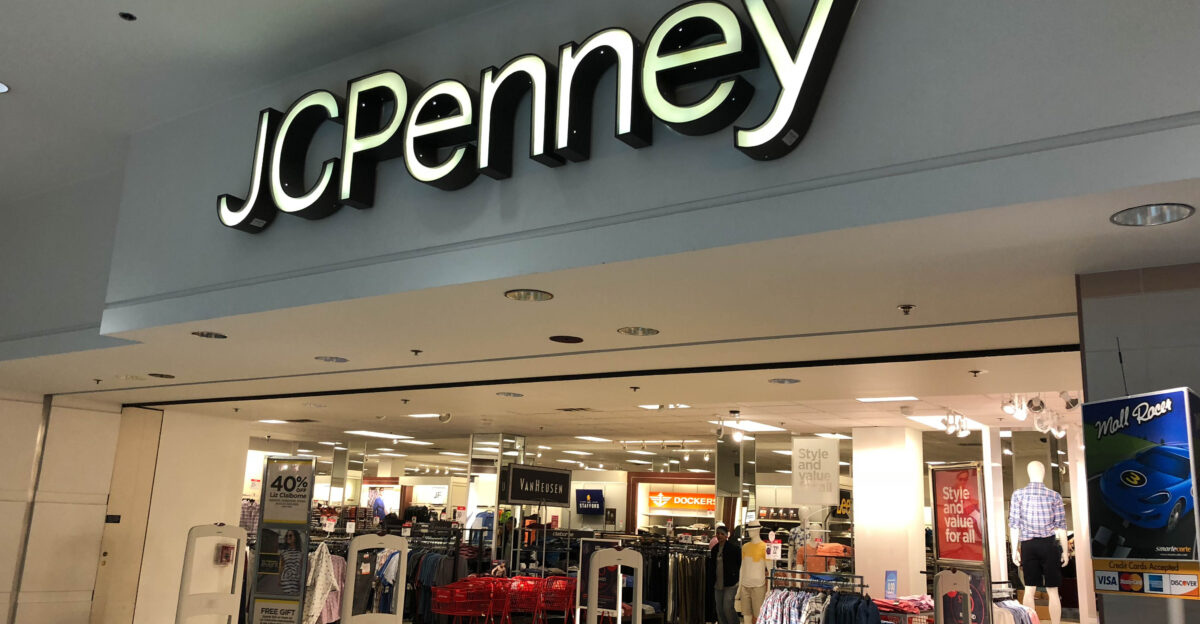
January 2025 brought another seismic shift: JCPenney merged with SPARC Group to form Catalyst Brands, creating a retail conglomerate encompassing Aéropostale, Brooks Brothers, Eddie Bauer, Lucky Brand, and Nautica.
The combined entity launched with approximately 1,800 physical stores, 60,000 employees, $9 billion in annual revenue, and $1 billion in liquidity. Shareholders include Simon Property Group, Brookfield Corporation, Authentic Brands Group, and Shein.
New Leadership Vision

Marc Rosen, who stabilized JCPenney post-bankruptcy as CEO, now leads Catalyst Brands as chief executive. “Catalyst Brands brings together the rich heritage of six unique brands with modern energy and a new vision for success.
The word ‘catalyst’ reflects our drive to accelerate innovation and energy and amplify the impact of this powerhouse portfolio. Together, we bring scale, expertise and broad appeal to customers across America,” Rosen stated.
The January 30 Deadline Looms

Copper Property faces a brutal reality: restart the entire sales process with only weeks remaining before the January 30, 2026 court-mandated deadline. The trust currently holds approximately $25 million in cash reserves to fund operations during the extended sale process.
Trust executives must now evaluate strategic alternatives including selling the entire portfolio to a new buyer, breaking properties into smaller sub-portfolios, selling individually, or pursuing financing transactions.
Alternative Sales Strategies Under Consideration

Having already sold approximately 40 properties from its original 160-property portfolio since the 2020 bankruptcy, Copper Property understands that each remaining sale becomes increasingly critical.
Time pressure works against achieving optimal pricing, potentially forcing the trust to accept lower bids or less favorable terms. The compressed timeline also limits thorough due diligence from new prospective buyers who might otherwise have participated in competitive bidding.
Broader Retail Industry Implications

This collapse reflects systemic challenges confronting traditional brick-and-mortar retail nationwide. Rising operating costs and e-commerce expansion have fundamentally reshaped consumer shopping behavior, leaving shuttered storefronts across American malls.
Since its 2020 bankruptcy filing, JCPenney has closed over 200 stores nationwide. Traditional department stores continue facing existential pressure from online competitors and changing consumer preferences favoring digital shopping experiences over physical locations.
The Future Remains Uncertain

As Copper Property races against its deadline, the ownership structure of these 119 strategically located retail properties hangs in the balance. The collapsed deal represents another setback for the once-iconic department store chain that has served American families since 1902.
While JCPenney’s recent operational improvements offer genuine hope for the brand’s retail future, the unresolved real estate situation continues casting shadows over the company’s broader recovery efforts and long-term financial stability.
Sources:
“Deal to sell 120 J.C. Penney stores for $950M falls through.” Retail Dive, December 22, 2025.
“Sale of JCPenney store portfolio for $947 million collapses, triggering legal fight.” CoStar, December 28, 2025.
“Deal To Sell 117 JCPenney Stores Falters Even As Buyer Onyx Stays Committed.” Forbes, December 29, 2025.
“$950M deal to sell more than 100 JCPenney stores collapses.” AOL News, December 26, 2025.
“J.C. Penney slows declines in Q2, swings to profit.” Retail Dive, October 19, 2025.