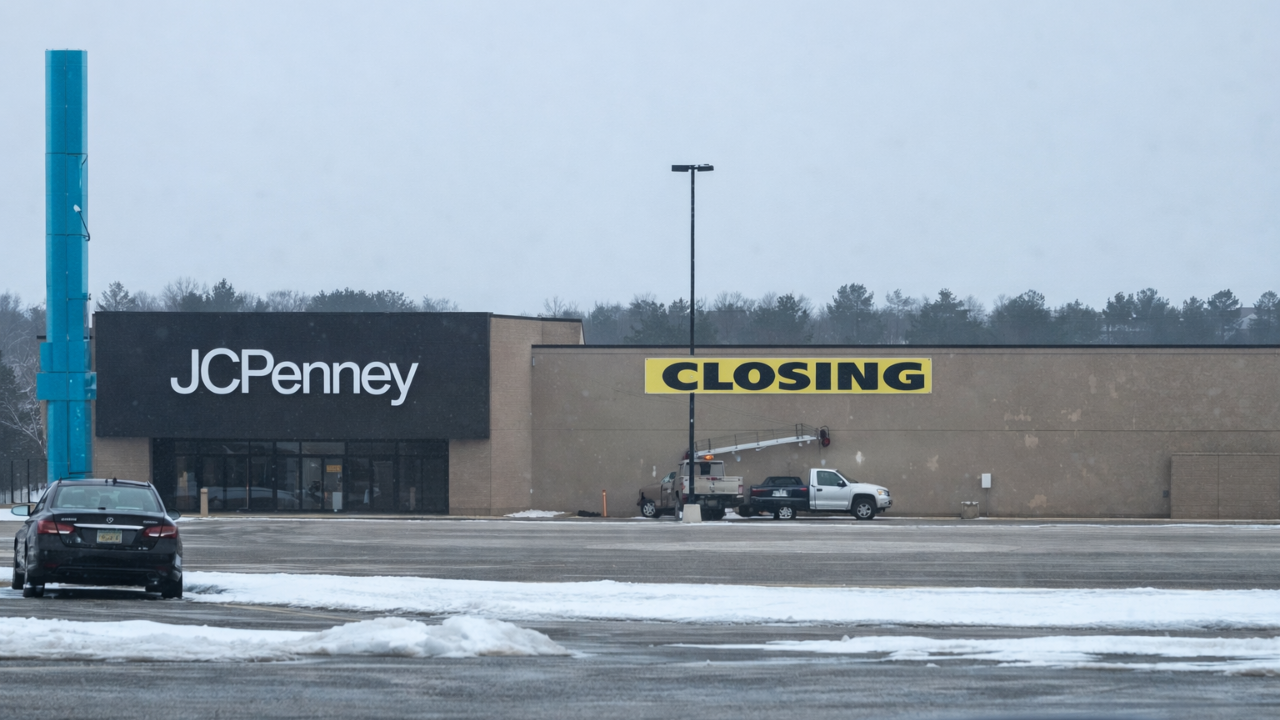
J.C. Penney’s $947 million deal to sell 119 stores to Onyx Partners fell through, leaving these stores in uncertainty. Originally slated to close on December 22, 2025, the deal missed the mark, with a final termination deadline looming on December 26, 2025.
This failed transaction leaves 119 stores across 35 states vulnerable. The question now: what happens to these stores and the people who depend on them?
Why the Deal Fell Apart: Tenant Docs and Deadline Pressure
Onyx Partners, the private equity firm, couldn’t finalize the deal due to missing tenant-related documentation. The $947 million sale was expected to close in September 2025 but faced multiple delays.
With no closure by the December 22 deadline, the deal was set to be terminated by December 26 unless resolved. The delay raises questions about the valuation and market readiness for such a major transaction.
Stores to Remain Open: Operations Continue Despite Deal Collapse
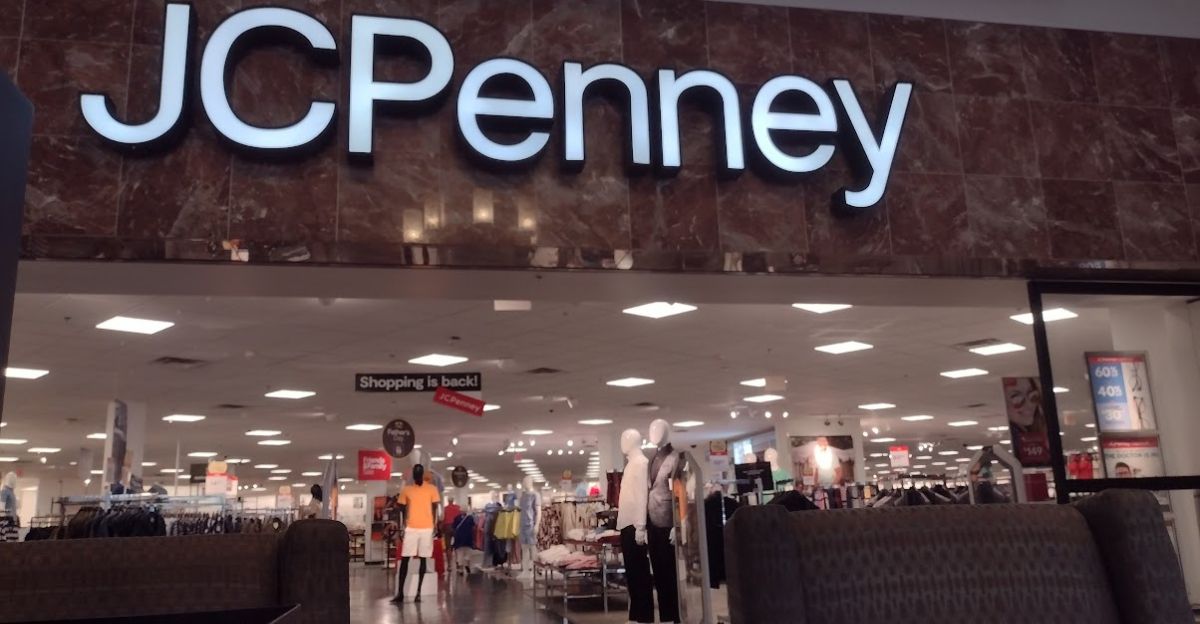
Despite the failed sale, all 119 stores in states like Texas and California will continue their operations. J.C. Penney’s parent company, Catalyst Brands, reassured customers that the stores would remain open, despite uncertainty over ownership.
While the property transfer fell through, the stores are still functioning, offering essential services to local communities, especially during the holiday shopping season.
Corporate Shakeup: J.C. Penney’s Broader Restructuring Exposed
The Copper Property Trust holds 160 stores and six distribution centers, exposing the ongoing restructuring efforts at J.C. Penney. This deal collapse signals a deeper struggle for retail giants post-bankruptcy.
The failed Onyx deal highlights the challenges J.C. Penney faces in reviving its legacy after its 2020 bankruptcy and the SPARC merger, a blow to the company’s attempts to re-stabilize.
Adjacent Retail Feels the Squeeze: Macy’s, Kohl’s Follow Suit
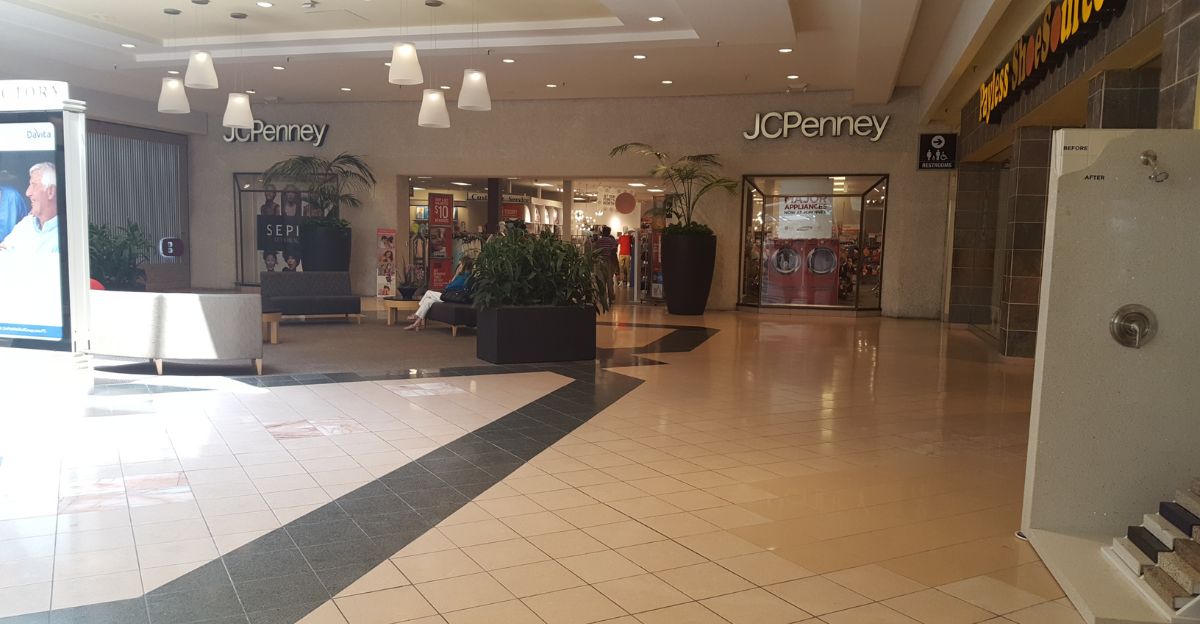
Retailers like Macy’s and Kohl’s are following a similar path of closures, accelerating their shuttering plans for 2025.
With the retail sector on edge, experts predict up to 8,200 store closures this year, a 12% increase over 2024. J.C. Penney’s struggles add to the uncertainty in mall-heavy regions, heightening fears for communities already hit by previous retail losses.
International Buyers Circle: Global PE Eyes U.S. Assets
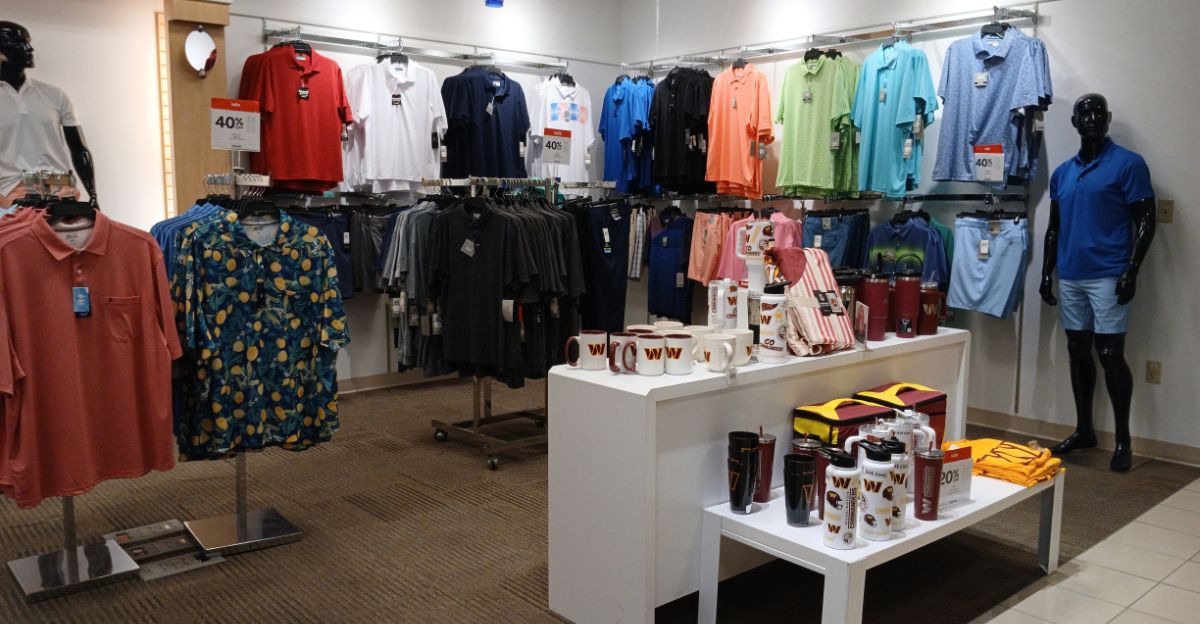
Despite the failed Onyx deal, global private equity firms have shown strong interest in U.S. retail properties. Over 700 inquiries were made about the J.C. Penney stores, indicating strong global demand for distressed retail assets.
This could lead to international investors bidding on these properties individually, impacting North American retail markets and pushing real estate transactions in unexpected directions.
Workers Continue: Employment Status Stable
The 119 stores, despite their uncertain future, will maintain staffing levels. J.C. Penney confirmed that there would be no immediate changes to the employment status of workers across these locations.
However, closures in certain regions, such as California and West Virginia, may still affect some employees as J.C. Penney adapts to shifting market conditions.
Slide 8 – Policy Eyes Retail Distress: Bankruptcy Echoes Resurface

The collapse of the Onyx deal has reignited debates about retail bankruptcy protections. Lawmakers in states heavily impacted by retail closures are pushing for more tenant protections.
This could bring about new policies to safeguard retail workers and prevent further store losses in the wake of J.C. Penney’s troubles. Retail policy could see significant reform in response to this crisis.
Inflation Bites Retail: Higher Costs Fuel Closures

The $8 million per store price in the Onyx deal reflects a significant discount, highlighting concerns about the long-term value of department stores.
With rising operational costs and inflation pressures, the retail sector is feeling the strain. J.C. Penney’s inability to close the deal signals further challenges for a brand already struggling to adapt to the realities of today’s retail landscape.
Retailers Adapt: E-Commerce Pivot Accelerates

As J.C. Penney’s physical stores face uncertainty, the company continues to shift its focus to e-commerce. J.C. Penney’s merger with SPARC Group under Catalyst Brands has brought its other brands, like Brooks Brothers and Aéropostale, into the fold.
The failed sale reinforces the need for J.C. Penney to prioritize its digital strategy in an ever-changing retail environment.
Malls and Hospitality Reel: Anchor Uncertainty Impacts Traffic

The uncertainty surrounding J.C. Penney’s stores is having a ripple effect on malls and nearby businesses. Key mall locations like Asheville Mall in North Carolina and Central Ohio are facing questions about their future.
As anchors like J.C. Penney remain in limbo, the entire retail ecosystem is adjusting to the shifting landscape and decreased consumer foot traffic.
Supply Chain Knock-Ons: Apparel, Logistics Adjust

Despite the failed property deal, apparel deliveries to J.C. Penney’s stores continue uninterrupted. The company’s distribution centers remain operational, ensuring that inventory levels stay high at the 119 locations still open.
As logistics adapt to this new reality, the retail supply chain faces new challenges in the wake of J.C. Penney’s ongoing restructuring.
Global Shoppers Shift: U.S. Trends Echo Abroad

The struggles of U.S. retailers like J.C. Penney are reflected globally, where similar shifts are being felt in Europe and beyond. With e-commerce continuing to grow, traditional brick-and-mortar stores face mounting challenges.
These shifts in shopping behavior are creating ripple effects in international markets, as North American retail woes start to mirror trends seen across Europe.
Lifestyle Evolution: Retail Experience Shifts
J.C. Penney’s longtime core customers are adjusting to a new retail experience. The company, once synonymous with American family shopping, is now caught in the middle of evolving consumer habits.
With fewer people visiting malls, J.C. Penney is struggling to maintain its in-person presence while shifting more focus to digital shopping channels.
Culture Clashes: Nostalgia vs. Modern Retail

Founded in 1902, J.C. Penney’s legacy as a staple of American shopping faces a crossroads. The failed $947 million property deal underscores how deeply retail real estate is entwined with the company’s cultural identity.
As J.C. Penney tries to evolve, it must balance its nostalgic brand with the demands of modern consumers who increasingly prefer online shopping.
Unexpected Winners Emerge: Online Giants, PE Funds
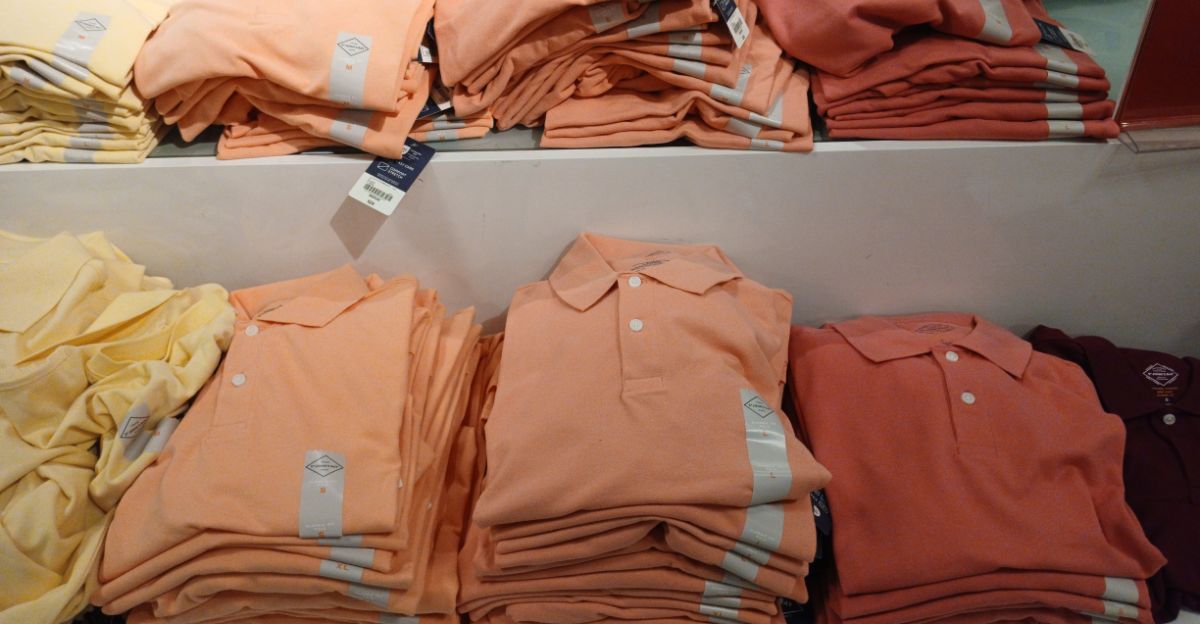
While J.C. Penney faces setbacks, online giants like Amazon and Walmart continue to thrive. With physical stores closing, these e-commerce behemoths are positioning themselves to dominate the retail landscape.
Private equity funds are also eyeing discounted retail assets, signaling a shift in power from traditional brick-and-mortar stores to digital-first strategies.
Markets Speculate: REITs Monitor, Deals Await
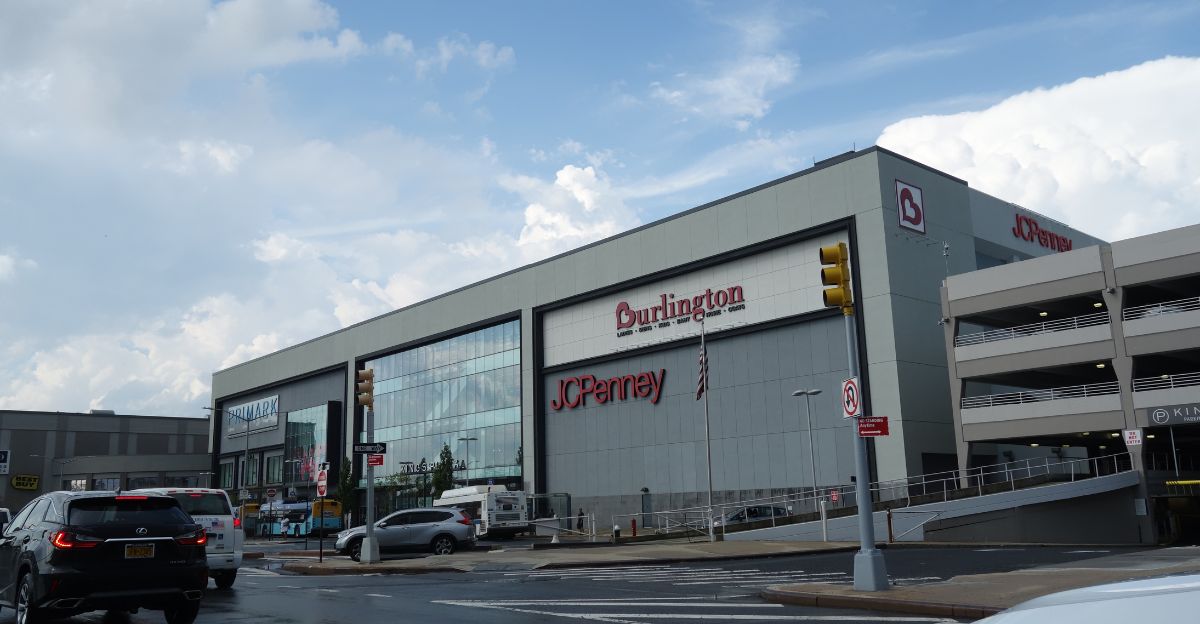
Real estate investment trusts (REITs) are closely monitoring the situation surrounding J.C. Penney’s 119 stores. Investors are speculating whether the properties will be sold piecemeal or as part of another large transaction.
The uncertainty surrounding the sale is shaping investor strategies as retail real estate continues to adjust to the market’s changing dynamics.
Consumer Note: Shopping Continues at All Locations
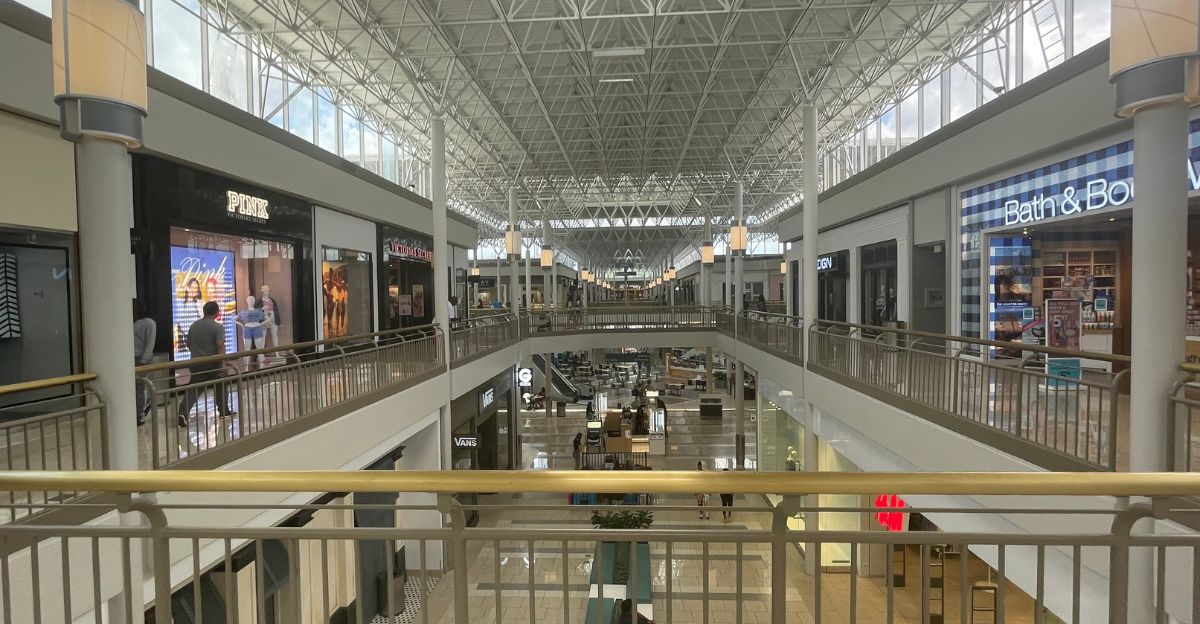
Despite the failed deal, J.C. Penney’s 119 stores remain open, continuing to serve customers across the country.
Shoppers can expect business as usual for now, but with the future uncertain, many are questioning how long these stores will remain operational. Stay tuned for updates on potential closures or transitions as the situation develops.
What’s Next: Piecemeal Sales or New Buyer?
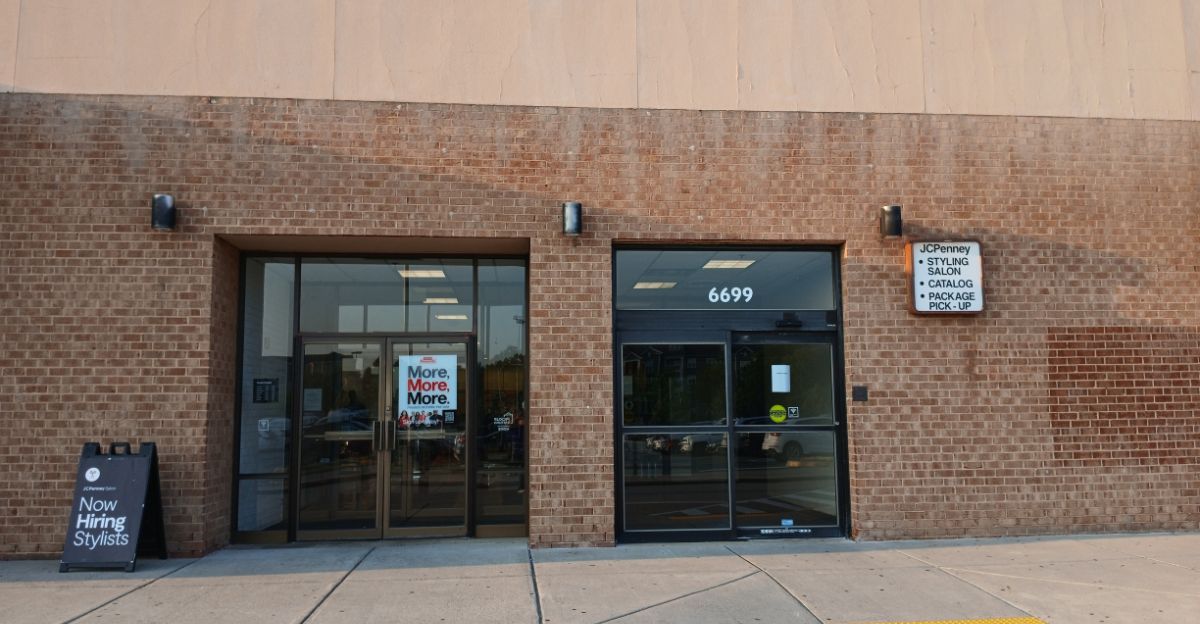
If the December 26 deadline passes without a resolution, J.C. Penney may look to sell the 119 stores individually.
The company has already received over 700 inquiries, suggesting that there is potential for piecemeal sales. How this unfolds will depend on buyer interest and the company’s ability to adapt to the evolving retail environment.
Ripples Reshape Retail Forever
The collapse of the Onyx Partners deal has exposed the deeper challenges facing J.C. Penney and the retail industry at large. With uncertainty surrounding 119 stores, the broader retail landscape is shifting.
As e-commerce continues to rise, traditional department stores must either adapt or risk becoming obsolete, marking the end of an era for many once-dominant players in the sector.
Sources:
“J.C. Penney’s $947 Million Deal Collapses Amid Delays and Documentation Issues.” Retail Dive, 2025.
“Onyx Partners Purchases J.C. Penney Properties in Multi-Million Dollar Deal.” Commercial Observer, 2025.
“J.C. Penney Faces Uncertainty as 119 Stores Remain in Limbo After Failed Deal.” Bloomberg, 2025.
“The Rise of Retail Distress: The Future of U.S. Malls in the Wake of Major Store Closures.” CNBC, 2025.