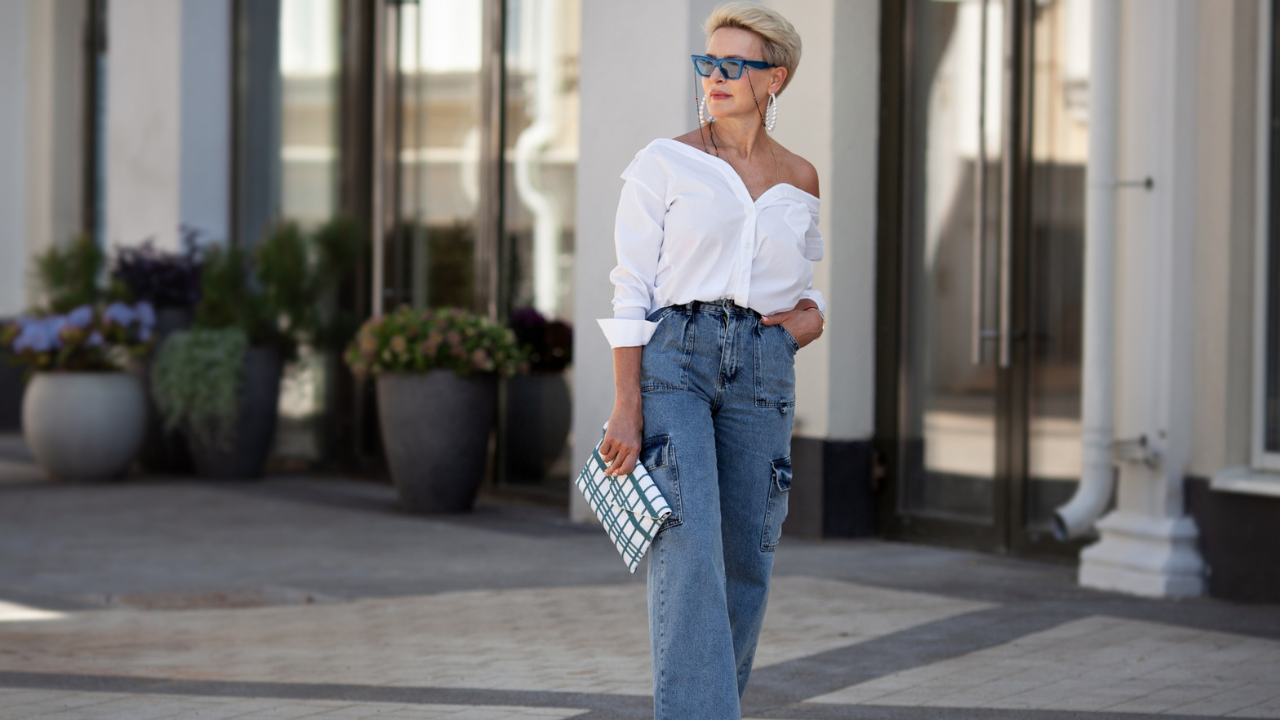
Finding the right jeans after 40 isn’t about chasing every new trend or clinging to old ones. It’s about understanding how denim interacts with your proportions, lifestyle, and personal style today. Certain cuts and washes that once felt effortless can now work against you visually, shortening your frame or creating imbalance.
The goal isn’t restriction—it’s refinement. When denim fits properly and aligns with your body, it quietly elevates everything else you wear. Let’s take a look at nine jeans styles that women over 40 should avoid.
1. Low-Rise Jeans Cut You at the Wrong Spot
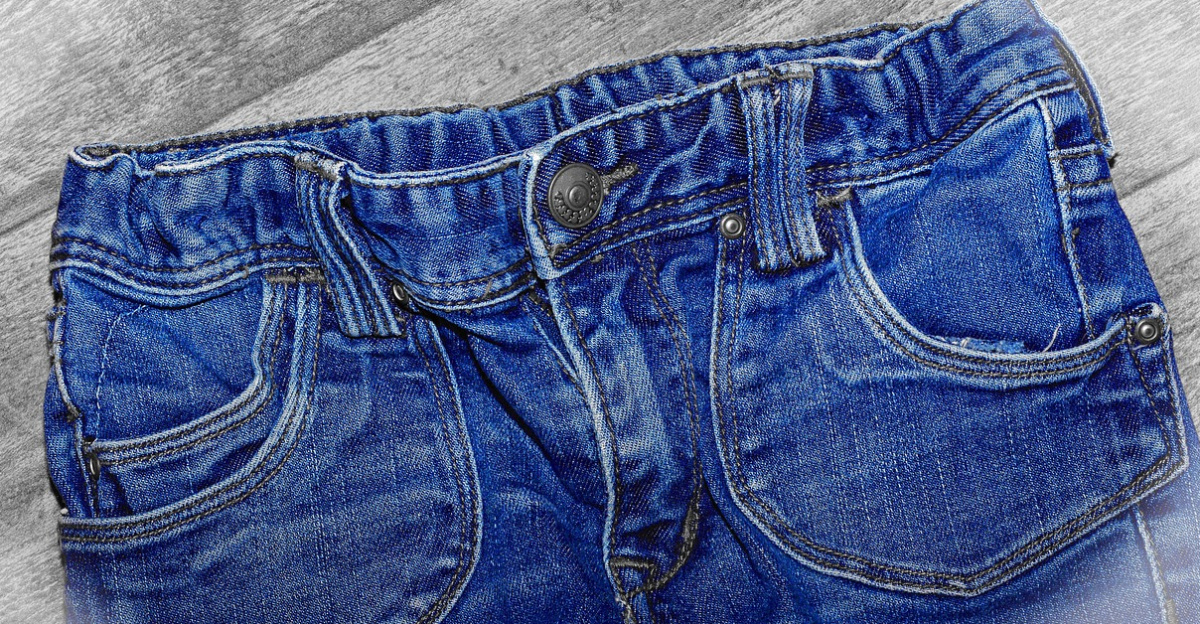
Low-rise jeans may spark nostalgia, but they rarely flatter mature proportions. Sitting below the natural waist, they visually shorten both the legs and torso.
By cutting the body at its widest point, they disrupt balance and draw attention away from natural curves. This effect isn’t about body size—it’s about placement. The lower the rise, the more compressed the silhouette appears, which is why this style has steadily faded from favor.
Why Proportion Matters More Than Trend
The issue with low-rise jeans goes beyond dated appeal. As bodies change over time, structure and proportion become more important than ever.
Mid-rise and high-rise jeans sit closer to the waist’s narrowest point, naturally elongating the legs and creating a smoother line. Fashion guidance consistently favors rises of nine inches or more for this reason. It’s less about age rules and more about visual harmony.
2. Distressed Denim Can Go Too Far
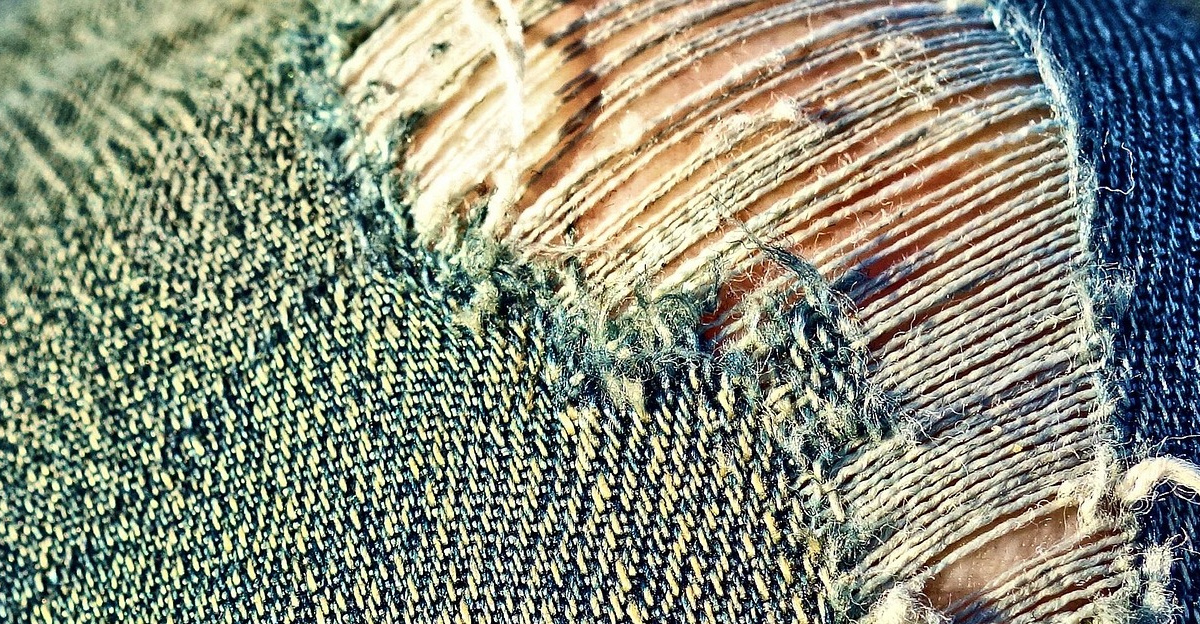
A little distressing can add character, but heavily ripped or shredded jeans often overwhelm an outfit. Excessive holes, fraying, and aggressive wear patterns can read as chaotic rather than intentional.
While distressed denim still exists in modern fashion, the emphasis has shifted toward subtle fading and refined details. Clean lines now signal polish, making overly distressed styles harder to integrate into a sophisticated, everyday wardrobe.
Refinement Always Outlasts Excess
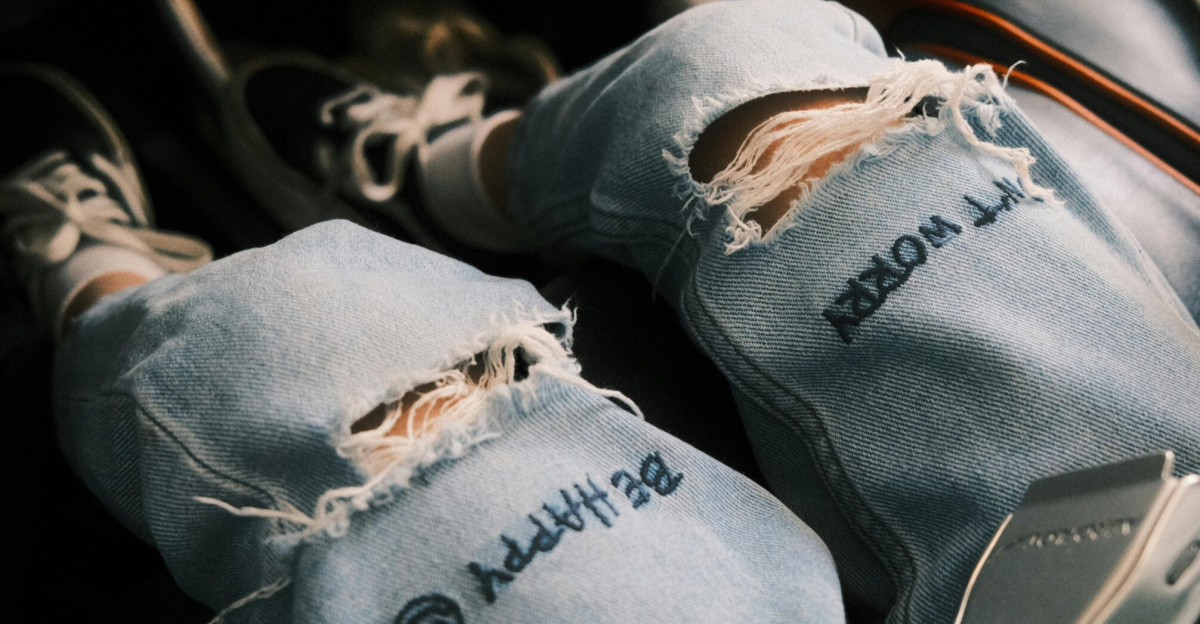
Fashion professionals often distinguish between tasteful wear and visual clutter. Subtle distressing enhances denim; excessive damage dominates it.
Clean, undisturbed denim communicates confidence and restraint, qualities that never go out of style. This doesn’t mean denim must be pristine, but it should support the outfit rather than distract from it. When in doubt, simpler finishes offer far more versatility and longevity.
3. The Skinny Jean Era Has Evolved
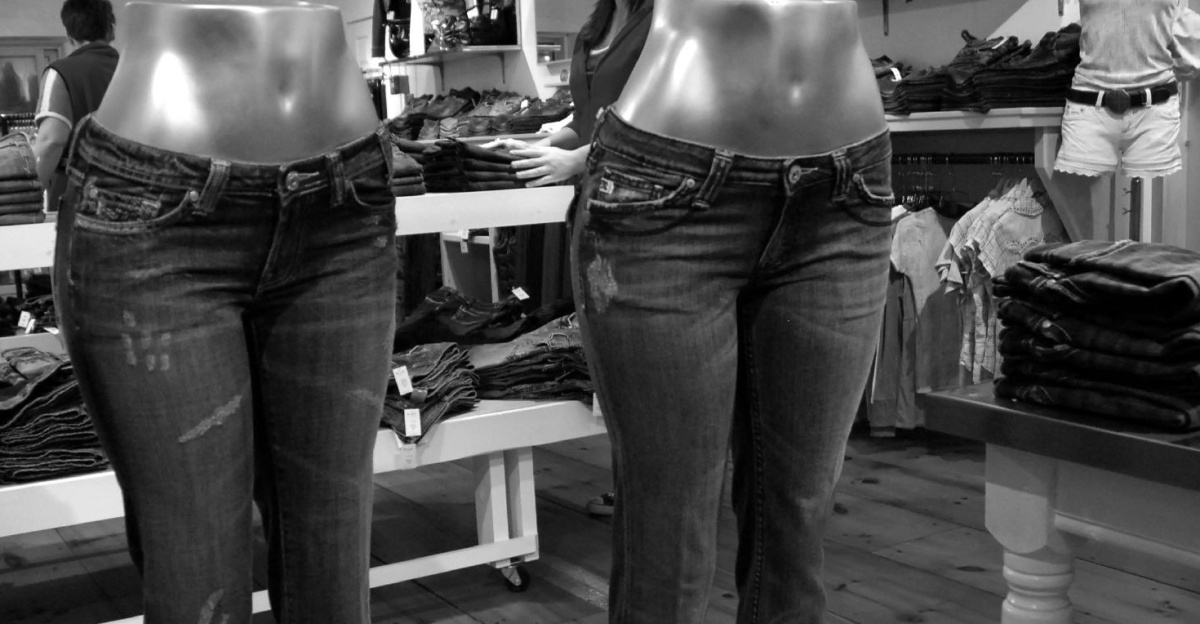
Skinny jeans themselves aren’t the problem—outdated versions are. Ultra-stretchy, low-waisted jegging styles that cling without structure no longer align with current denim design.
These cuts often lack support, lose shape quickly, and exaggerate areas many prefer to soften. Modern skinny jeans, when well-constructed and properly fitted, still have a place. The key difference lies in fabric quality and rise.
Structure Makes All the Difference

Today’s denim trends favor structure over squeeze. High-waisted skinny jeans made from firmer fabric maintain their shape and offer a clean silhouette.
Meanwhile, older jeggings tend to bag out and lose polish within hours. If you enjoy a sleek profile, choose styles with minimal stretch that skim rather than compress. Comfort now comes from good construction, not extreme elasticity.
4. Cropped Isn’t Always Flattering
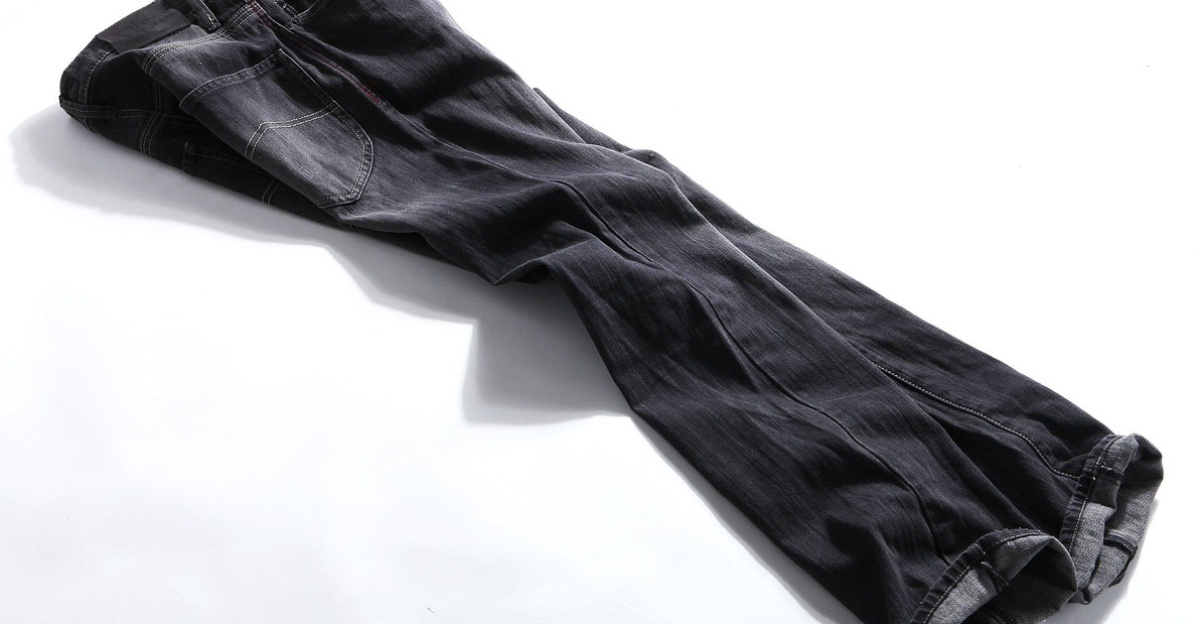
Cropped and capri-length jeans are among the most common proportion mistakes. Denim that stops mid-calf or just below interrupts the leg line at an awkward point, visually shortening the frame.
While ankle-length styles remain flattering and current, in-between lengths rarely work. This isn’t about height or body type—it’s about where the eye naturally travels when following a line.
Inches Change Everything
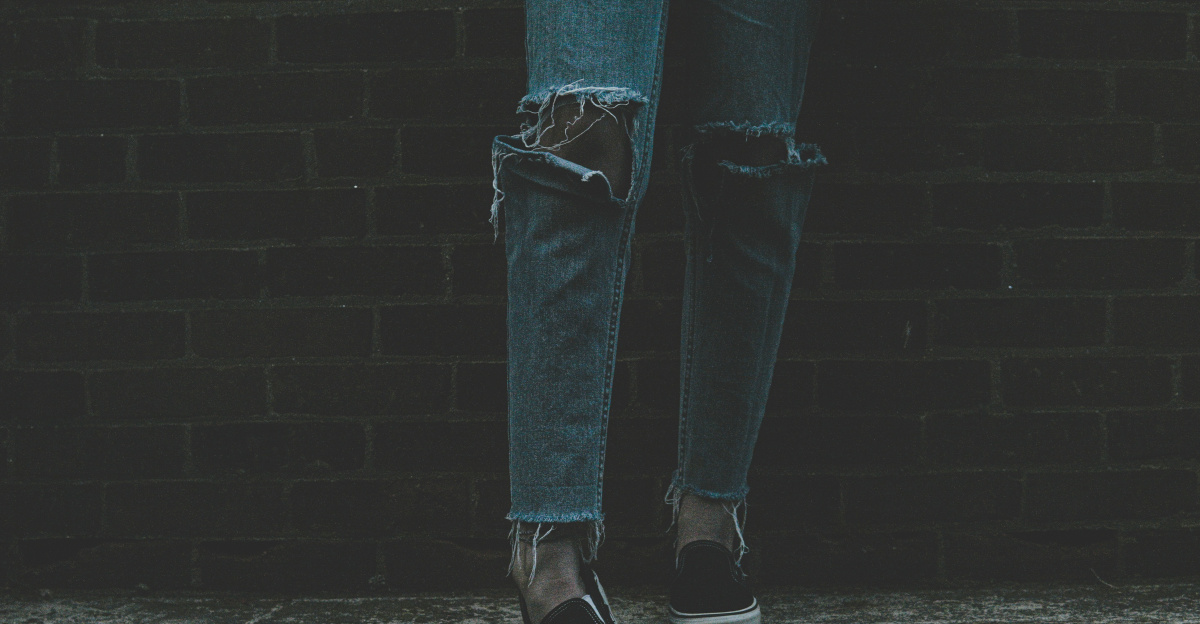
A few inches can dramatically alter how jeans look. Ankle-length denim maintains a continuous visual line, while cropped cuts break it abruptly. Even petite women benefit from hemming full-length jeans rather than settling for awkwardly short styles.
The goal is elongation, not truncation. Proper length ensures jeans enhance your proportions instead of working against them.
5. Baggy Doesn’t Mean Effortless
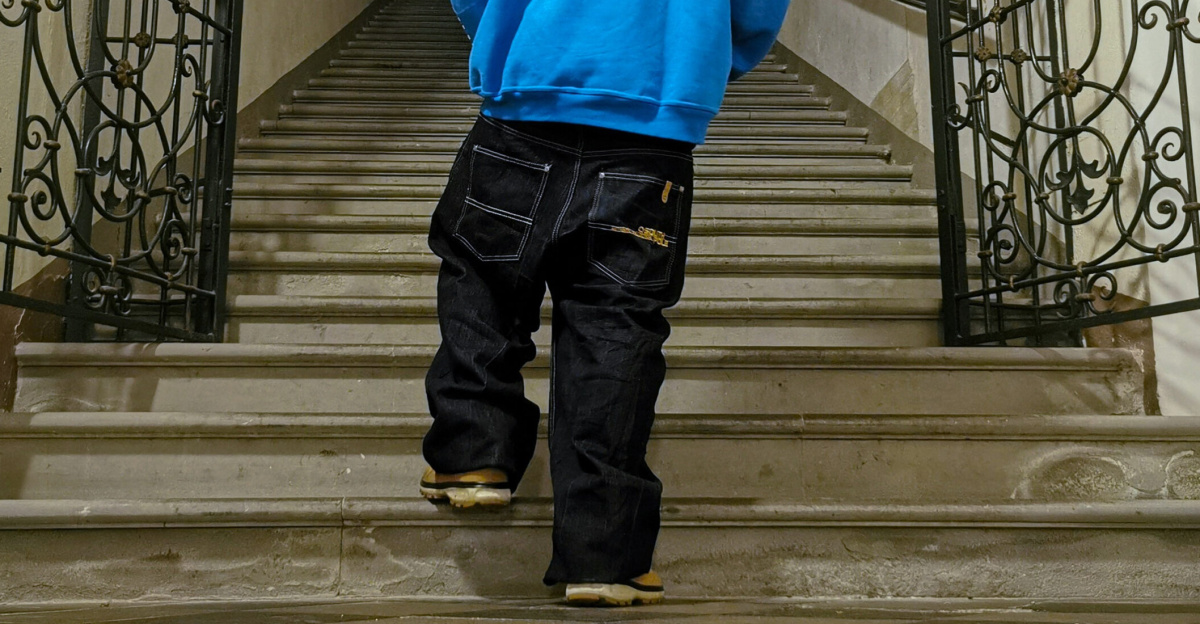
Baggy jeans have returned to fashion, especially among younger audiences, but they require precision. Oversized denim that lacks intention often reads as sloppy rather than relaxed.
Many baggy styles worn without balance overwhelm the frame and hide natural shape. Comfort alone doesn’t equal style—proportion still matters, especially when volume is involved.
Balance Is the Key to Relaxed Denim
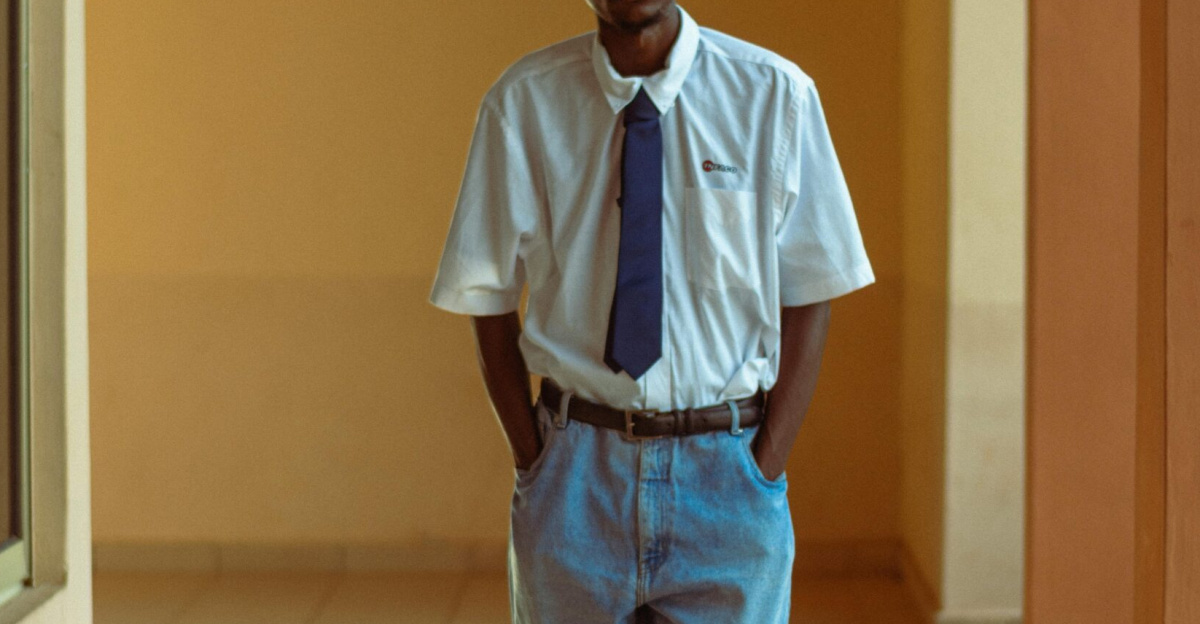
Well-designed baggy jeans work when paired thoughtfully. A relaxed lower half needs structure elsewhere, such as a fitted top or tailored outer layer.
When everything is oversized, the result feels shapeless. For many women, straight-leg jeans offer a more versatile alternative, delivering comfort without sacrificing definition. Trends should adapt to you, not the other way around.
6. Light Wash Requires Intention
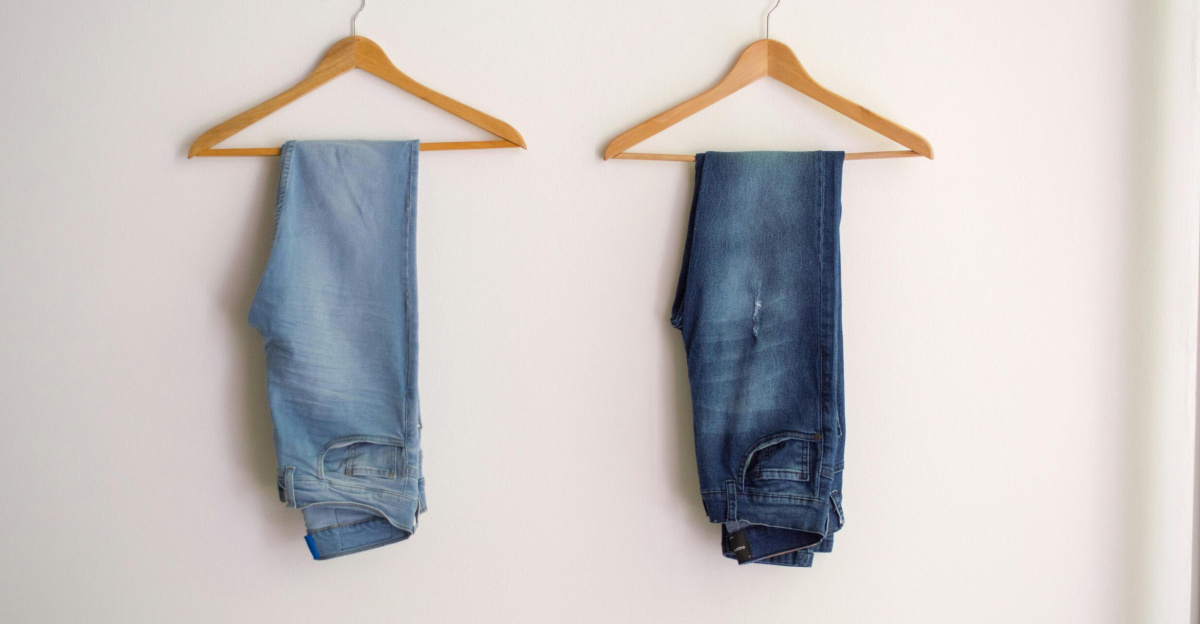
Extremely light washes and acid-wash denim have reappeared, but they remain tricky. Dark wash jeans continue to dominate because they read polished and versatile. Light or faded denim can look dated if not styled deliberately.
While modern versions exist, darker washes remain the safest foundation for a refined wardrobe, particularly when versatility is a priority.
Why Dark Denim Feels Elevated
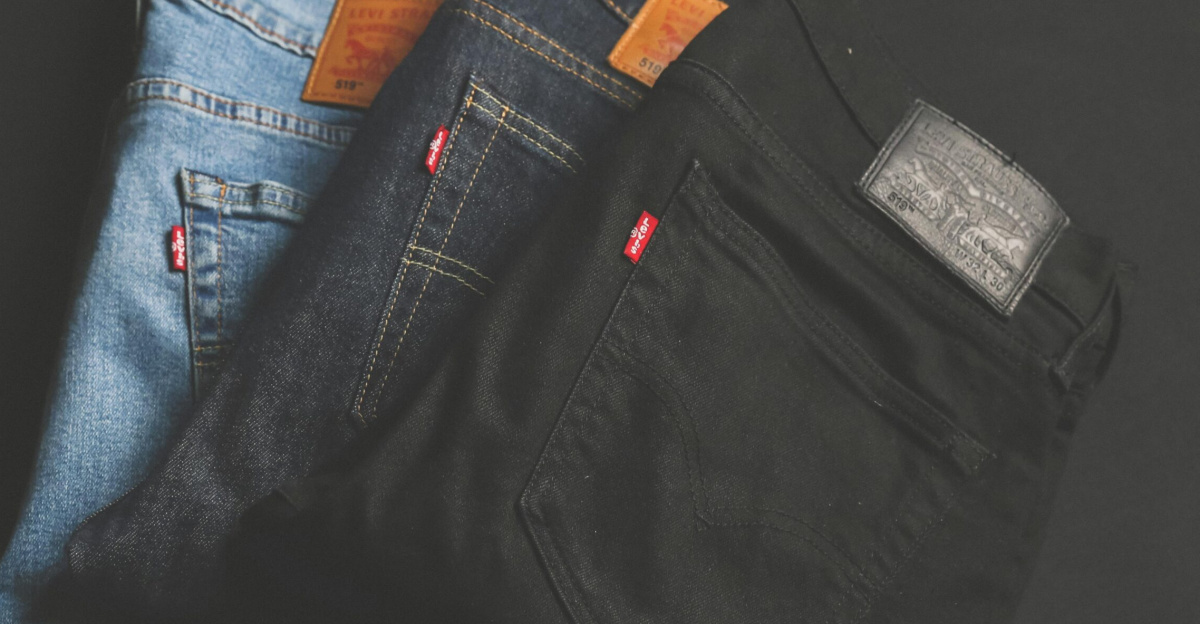
Deep indigo and dark washes visually streamline the body and elevate casual outfits. These tones transition easily from daytime to evening and pair seamlessly with tailored pieces. Unlike faded denim, dark washes suggest longevity and structure.
This preference aligns with fashion’s broader shift toward investment dressing—choosing items that feel timeless rather than trend-dependent.
7. Embellishment Needs Restraint
Decorated denim is back on runways, but subtlety separates fashion from costume. Designer embellishment tends to be intentional and balanced, while excessive rhinestones or heavy detailing can overwhelm an outfit.
The issue isn’t embellishment itself—it’s scale. When decoration becomes the entire focus, it limits versatility and quickly dates the look.
Let One Piece Do the Talking
Successful embellished denim works best as the statement item. Everything else should be simple and clean to avoid visual overload. A crisp top or tailored jacket allows the detail to shine without competition.
When embellishment feels thoughtful rather than excessive, it adds personality. When it’s overdone, it distracts from the wearer.
8. Bright Colors Limit Versatility
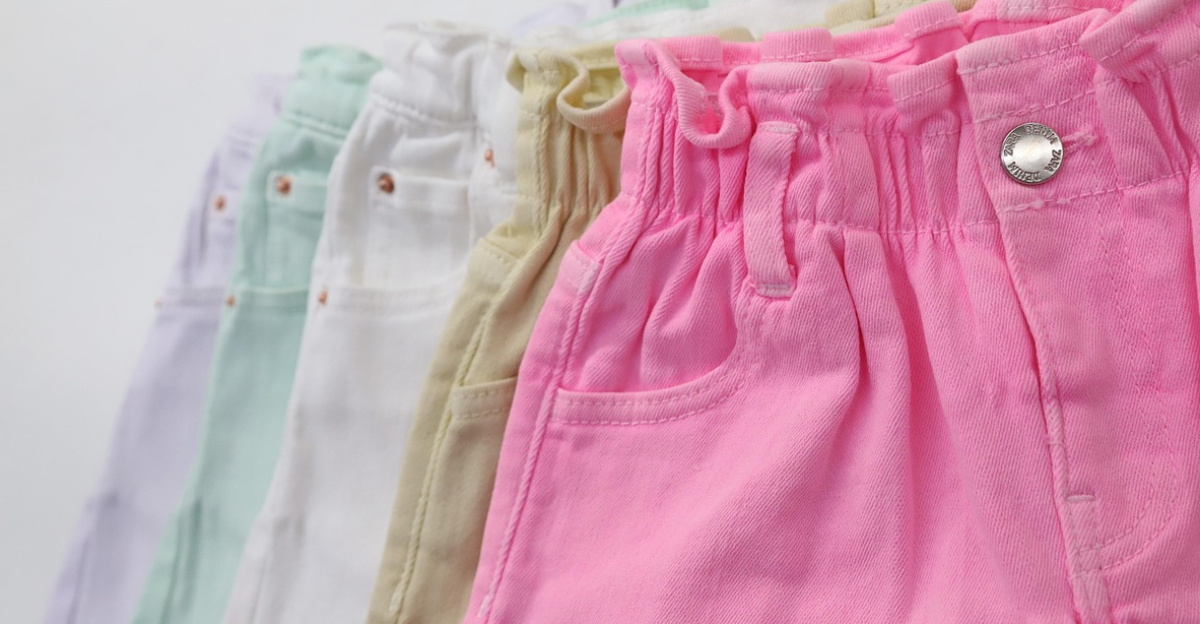
Highly saturated colored jeans once had a strong moment, but their styling flexibility is limited. Bright reds, bold blues, and neon tones often feel dated outside specific trends.
While some earthy hues are gaining traction, neutral shades remain far easier to integrate. Overly bold denim narrows outfit options rather than expanding them.
Neutrals Always Win Long-Term
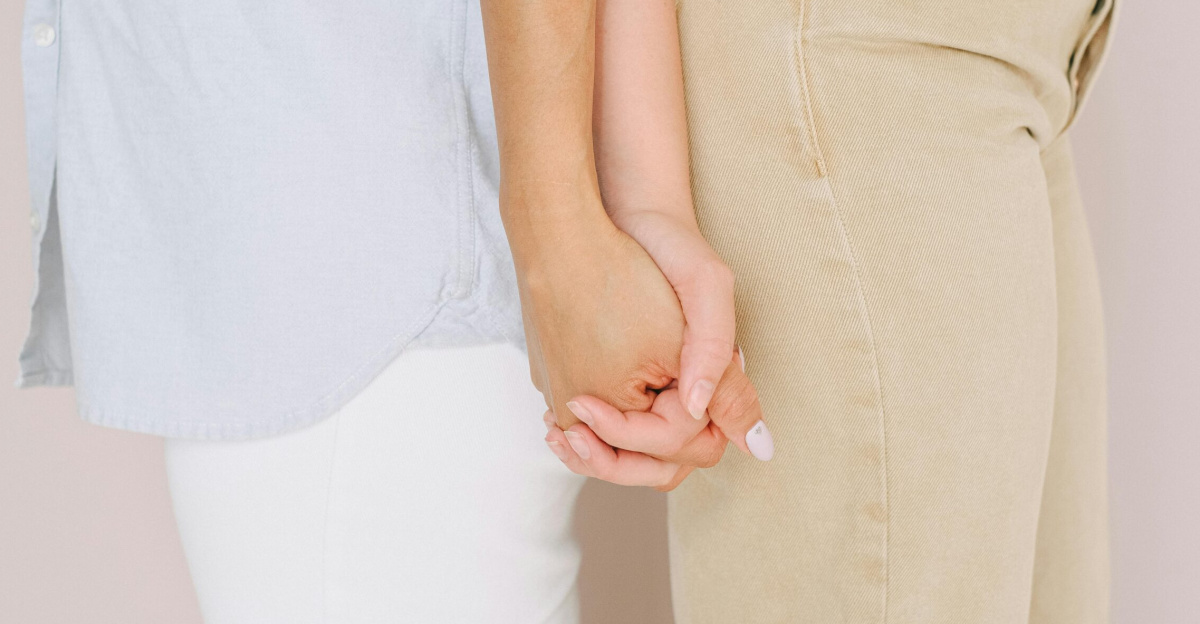
Black and white jeans remain wardrobe staples, while classic blue denim never disappears. Earth tones also offer versatility without overpowering an outfit. These shades work across seasons and styles, making them reliable foundations.
When building a denim collection, neutral colors provide the most longevity and styling freedom.
9. Fit Matters More Than the Label
The most common denim mistake isn’t style—it’s fit. Holding onto jeans that no longer suit your body creates tension and imbalance. Bodies change over time, and that’s normal.
The number on the tag is irrelevant compared to how jeans sit, skim, and move. Proper fit enhances confidence far more than any trend ever could.
Comfort and Confidence Go Together
Jeans that are too tight emphasize strain, while oversized fits add unnecessary bulk. Neither serves you well. The solution isn’t forcing your body into old sizes—it’s choosing denim that fits your body now.
Well-fitting jeans instantly elevate your appearance, regardless of brand or price. Comfort and polish are not opposites.
Denim Should Work for You

The best jeans don’t limit you—they support you. After 40, denim choices become less about rules and more about refinement. While some styles are easier to wear than others, no silhouette is completely off-limits if it makes you feel confident.
Prioritize fit, proportion, and quality. When denim aligns with who you are today, it becomes one of the most powerful pieces in your wardrobe.
Sources:
“High Rise Jeans Trends 2025: Why They Flatter Every Body Type.” The Noli Shop, 2025.
“How to Find the Perfect Pair of Jeans for Your Shape After 40.” The Haute Homemaker, 2025.
“Are Skinny Jeans Coming Back In 2025?” MUD Jeans, Dec 2024.
“Embellished Jeans Are The Dramatic Denim Trend We’re Embracing This Season.” ELLE UK, Jan 2025.