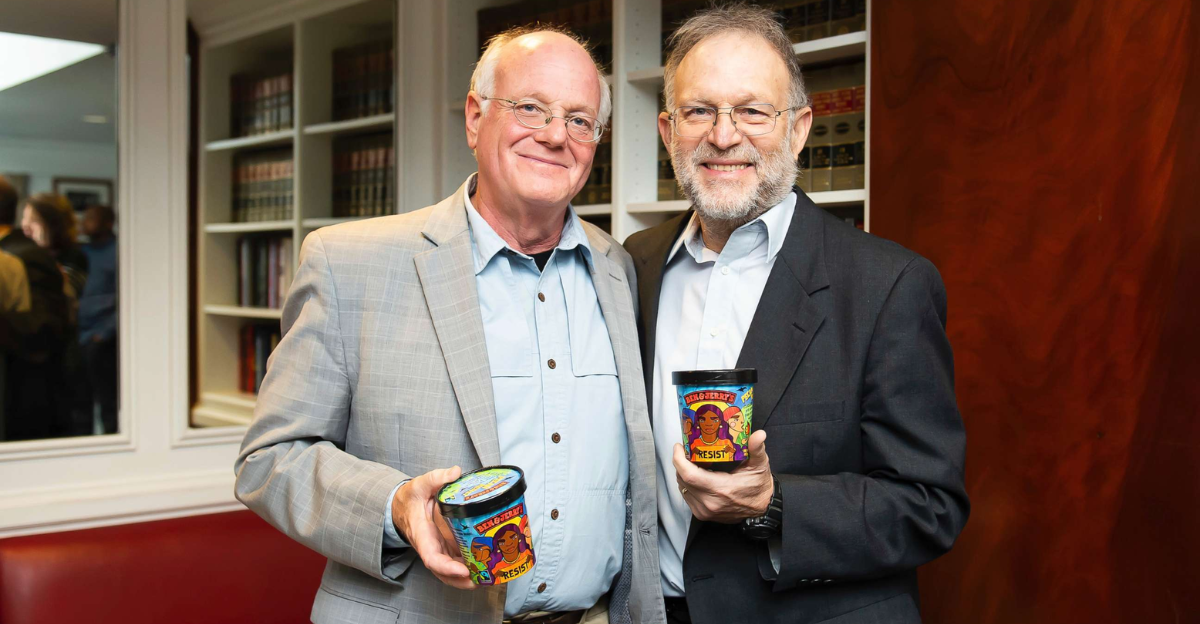
Jerry Greenfield, co-founder of Ben & Jerry’s, has stepped down after nearly five decades with the Vermont brand. The announcement came in September 2025 and drew immediate attention because Greenfield framed it as a matter of principle, not retirement. His exit follows years of tension with Unilever, which has owned Ben & Jerry’s since 2000.
While details of his departure letter have not been made public, Greenfield signaled frustration over limits placed on the company’s activist mission. His resignation leaves one of corporate America’s most socially outspoken brands at a crossroads.
A Clash Over Values
Ben & Jerry’s has long promoted progressive causes, from racial justice to climate reform. Greenfield has previously spoken about the importance of corporate responsibility, telling NPR in 2021 that “business is the most powerful force in our society.” Under Unilever, the balance between activism and shareholder priorities has often been strained.
His departure reflects years of disputes over whether the brand could keep speaking out freely. The conflict cuts to its core for a company that built its identity on activism as much as ice cream.
The Social Mission Tested
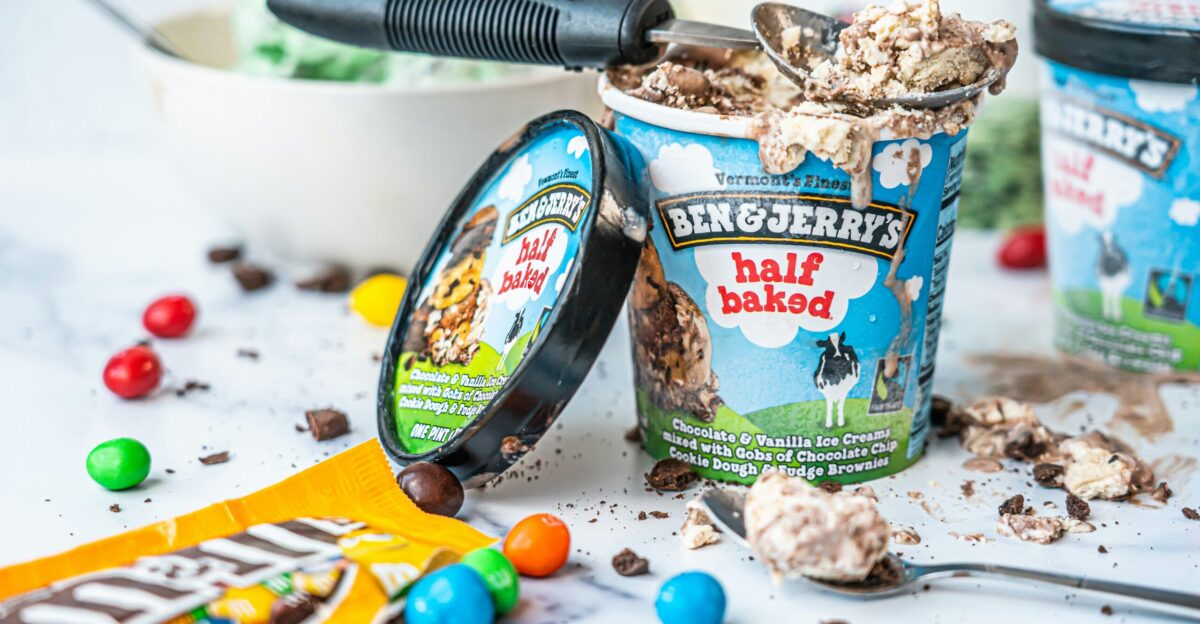
When Unilever acquired the company, Ben & Jerry’s unique three-part mission—product quality, economic fairness, and social impact—was a key selling point. However, Greenfield suggested that independence over that mission had eroded. Corporate decisions around issues like political conflicts and marketing control left the founders feeling sidelined.
The resignation comes as Unilever reshapes its global portfolio, raising questions about whether Ben & Jerry’s can remain distinct. For Greenfield, the company’s once-celebrated activist streak now risks being diluted inside a larger multinational structure.
The Unilever Deal

The arrangement was hailed as groundbreaking when Unilever bought Ben & Jerry’s in 2000 for $326 million. The company was promised an independent board to safeguard its social activism. That structure was unusual in corporate America and was meant to guarantee that advocacy would not be sacrificed for profit.
Over time, disputes emerged over how much authority the board truly had. Critics have said the setup worked in theory but broke down in practice whenever social campaigns conflicted with corporate risk management.
A Major Shake-Up

In 2025, Unilever announced it would spin off its ice-cream unit, including Ben & Jerry’s, to form a new company centered on Magnum. Executives said the move would create focus and efficiency across brands. Investors welcomed the financial logic, but activists worried the transition would shift priorities.
For a company known for tying flavors to political causes, being folded into a spinoff with less activist heritage raised doubts. Greenfield’s departure added urgency to those concerns, highlighting fears that values might take a backseat.
Disputes in Court

The resignation follows years of legal battles between Ben & Jerry’s independent board and Unilever. In 2022, the brand sued its parent company over selling its products in Israel, arguing the move violated the agreement that preserved its mission. A federal judge eventually sided with Unilever, allowing the sale to continue.
The case highlighted the limits of Ben & Jerry’s autonomy. For critics, it was evidence that corporate interests were overtaking the founders’ activist vision, despite the unusual governance protections.
The Gaza Divide

One of the sharpest disputes centered on Gaza. In 2021, Ben & Jerry’s announced it would no longer sell ice cream in Israeli-occupied territories, citing human rights concerns. The decision provoked political backlash in the U.S. and Israel.
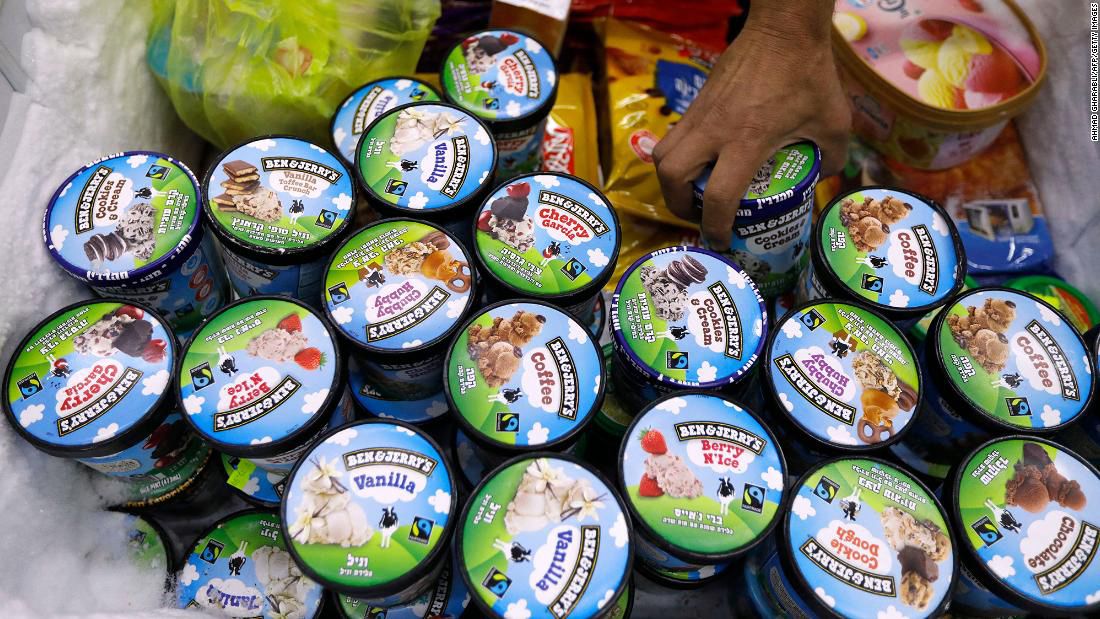
Unilever distanced itself from the move and later sold the business rights in Israel to a local licensee. For Greenfield and his supporters, the conflict symbolized a larger struggle: whether a global brand could take strong moral stands without being reined in by its parent company.
A Difficult Choice

Greenfield described his resignation as a painful decision in interviews with U.S. outlets earlier this year, though he did not release the full text of a letter. He suggested the move was not about colleagues or the brand’s product, but about principle.
After 47 years, he said he no longer felt the company had the independence it once promised. By stepping away, he signaled that his personal values could not bend to corporate demands. The exit marks the end of one of modern business’s most unusual founder-brand relationships.
Cohen Shows Support

Greenfield’s lifelong business partner Ben Cohen has voiced support in past disputes with Unilever, including the 2021 controversy. He argued at the time that the company’s social mission was “essential to who we are.”
While Cohen has not issued a detailed statement on Greenfield’s September resignation, their history of standing together on activism suggests alignment. For decades, the duo used Ben & Jerry’s as a vehicle for advocacy, linking campaigns to flavors and marketing. Greenfield’s exit leaves Cohen as the last founder, still tied to the brand.
Unilever’s Position
Unilever has consistently defended its stewardship of Ben & Jerry’s. When announcing the ice cream spinoff, executives said the company would remain committed to “values and purpose alongside growth.” They thanked Greenfield for his years of service but emphasized that his decision to resign was his own.
Corporate statements have focused on operational priorities, signaling that the business strategy will continue regardless of founder involvement. For investors, that clarity matters. For activists, the words leave doubts about whether the mission will continue to outweigh the margin.
Analysts Weigh In

Industry experts say founder departures often challenge brand identity, particularly when values are central to consumer loyalty. Analysts told Reuters earlier this year that spinoffs frequently struggle to balance efficiency with heritage. They warn that Ben & Jerry’s is especially exposed because activism is not an add-on but a pillar of its business.
Without founder voices, new management may lean toward safer marketing strategies. That could protect the bottom line, but risks alienating the base of customers drawn to its social stances.
Trust and Identity
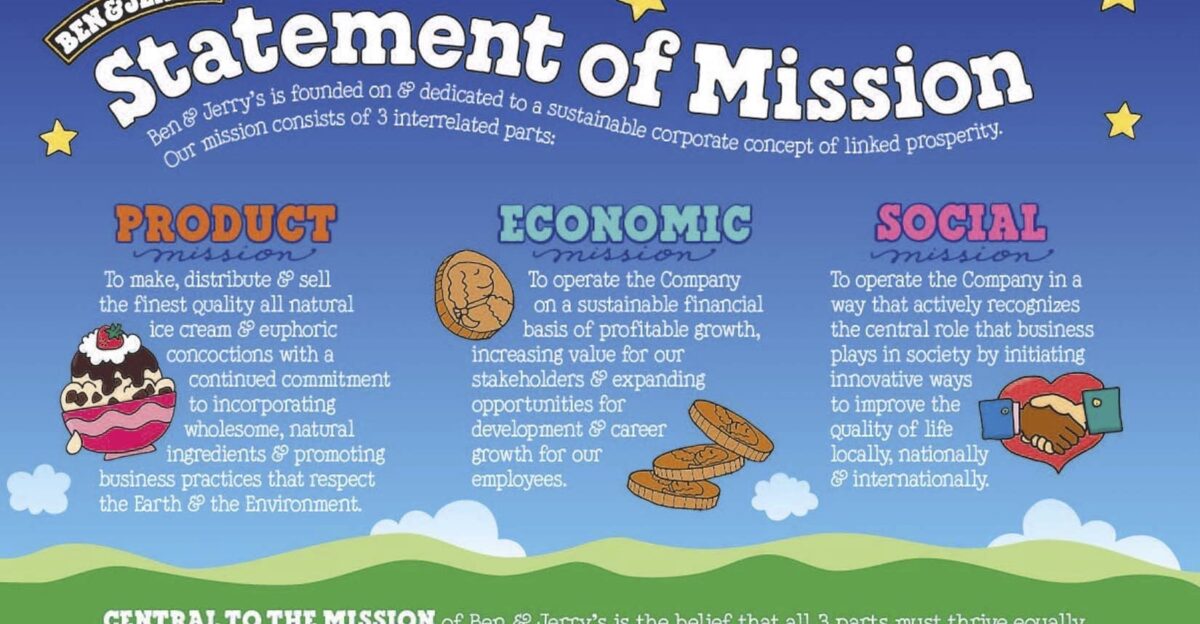
Academic research on consumer behavior shows that purpose-driven brands face sharper scrutiny from their buyers. Customers expect consistency between words and actions. Ben & Jerry’s is often cited as a case study in values-based marketing, where flavors become campaigns and products become symbols.
If that identity is diluted, rebuilding trust would be difficult. The spinoff will therefore face more than operational hurdles; it must prove it can balance financial performance with the values that made the company distinctive in the first place.
A Personal Toll
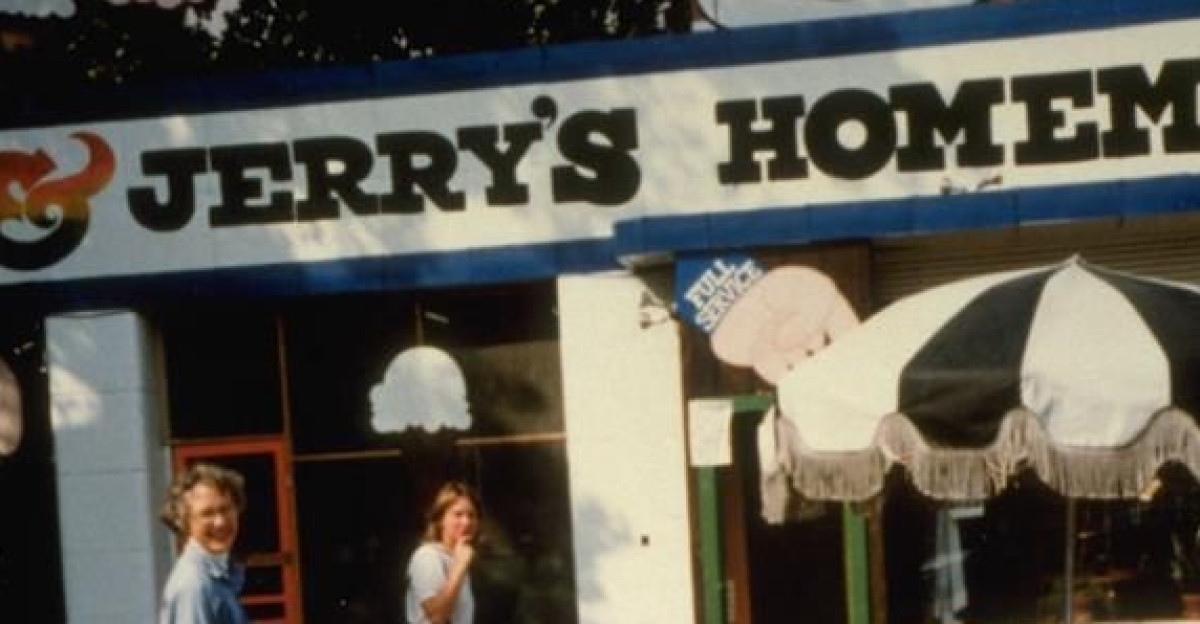
Friends and colleagues have described the strain Greenfield has faced in recent years. In 2022, Ben Cohen noted the “emotional weight” of their battles with Unilever. For Greenfield, stepping away in 2025 reflects not only a corporate dispute but also personal exhaustion.
Nearly half a century after starting a scoop shop in Burlington, Vermont, the co-founder leaves behind the company he helped build. For admirers, the resignation underscores the human side of a story often told through corporate filings and headlines.
A Record of Advocacy
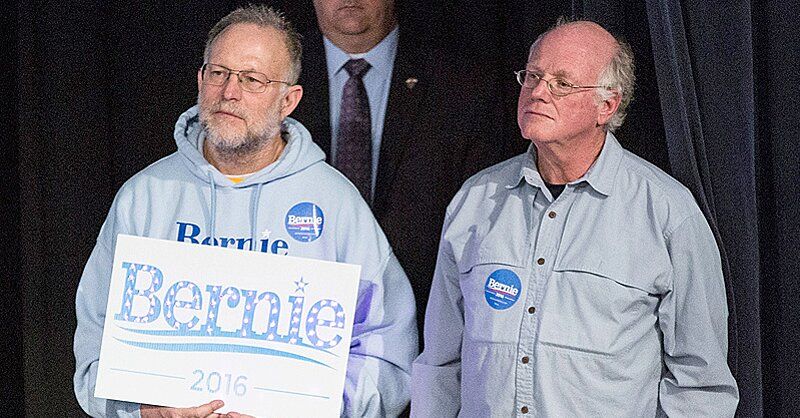
The founders used their platform to champion climate action, criminal-justice reform, and LGBTQ rights. They were among the few corporate leaders directly endorsing causes that many companies avoided. For them, ice cream was never just a product but a megaphone. That legacy has earned Ben & Jerry’s admiration and controversy in equal measure.
Greenfield’s resignation raises the question of whether that tradition will continue without founder leadership. Will a corporate parent sustain activism that often invited criticism alongside praise? The next chapter may provide the answer.
Ice Cream as Protest

From “Justice ReMix’d” to “Save Our Swirled,” Ben & Jerry’s turned flavors into campaigns. Customers saw purchases as participation in social causes. That approach set the company apart in an industry dominated by traditional marketing. Greenfield often explained that ice cream was a tool to “spread joy and justice.”
His departure invites reflection on whether future leadership will preserve that model or retreat to a safer, purely product-focused identity. For fans, the brand’s activism was not a gimmick; it was the heart of its appeal.
Employees React

Reports in Vermont media suggest Ben & Jerry’s employees are split. Some view Greenfield’s resignation as a symbolic loss for the culture that made the company special. Others accept it as the natural result of long-running disputes.
While workplace dynamics have not dramatically shifted, uncertainty about whether Unilever’s governance changes will alter day-to-day operations lingers. For many staff who joined the company because of its activist reputation, the moment feels like a test of whether that spirit survives beyond its founders.
The Path Ahead

Unilever’s spinoff is scheduled to be finalized in November 2025. Investors expect the restructuring to streamline operations across brands like Magnum, Cornetto, and Ben & Jerry’s. Observers say the process will also set the tone for whether Ben & Jerry’s retains its independence of voice.
Analysts warn that any perception of retreat from activism could damage sales in markets where consumers prize values. For the new ice cream company, the coming months are not just about finances but about proving a commitment to what makes Ben & Jerry’s unique.
Customers Hold Power
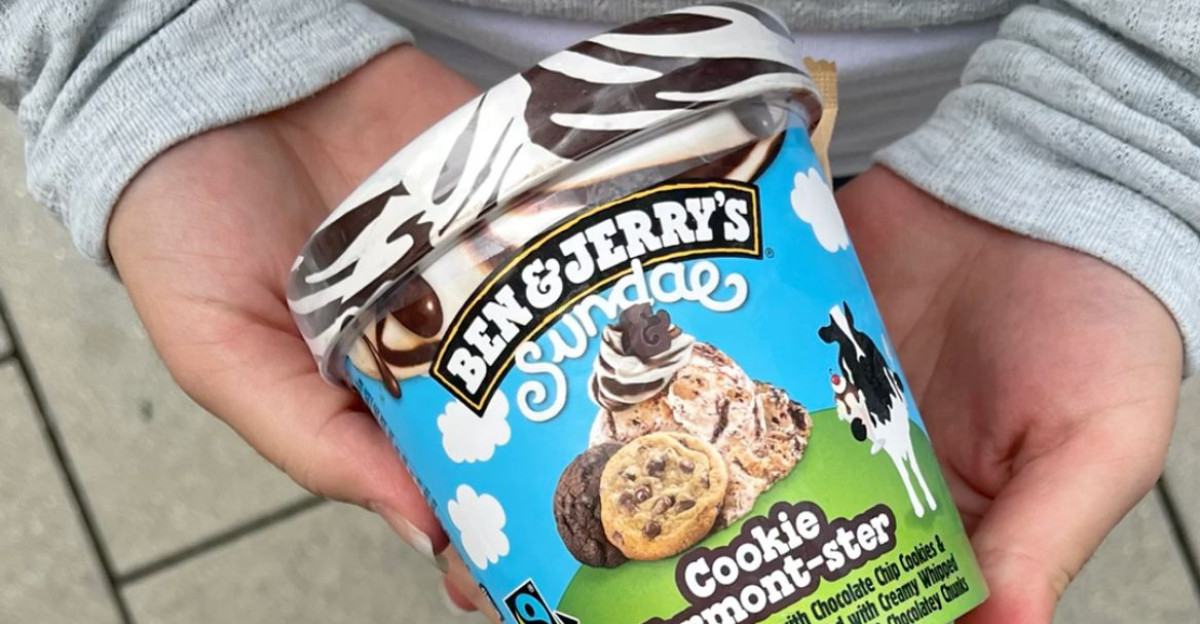
Consumer response may decide the brand’s fate. In 2022, Morning Consult’s surveys found that 59% of Ben & Jerry’s fans valued its activism as part of their purchasing decision. That link between mission and sales is rare in the food industry. If shoppers sense a retreat from values, boycotts or brand fatigue could follow.
Social media reactions to Greenfield’s exit are mixed, with some pledging continued support and others expressing skepticism. The coming holiday season may provide an early test of loyalty.
Lessons in Principle

Greenfield has long argued that true advocacy requires taking risks. In 2021, he told PBS that “businesses have a responsibility to speak up, even when it’s uncomfortable.” His resignation embodies that philosophy—choosing to leave rather than compromise. For him, it was about ice cream and what corporate leadership should represent.
His choice sets an example of how founders sometimes prioritize principle over profit, a stance that resonates far beyond Vermont. The move may also redefine how consumers judge brands in turbulent times.
A Turning Point
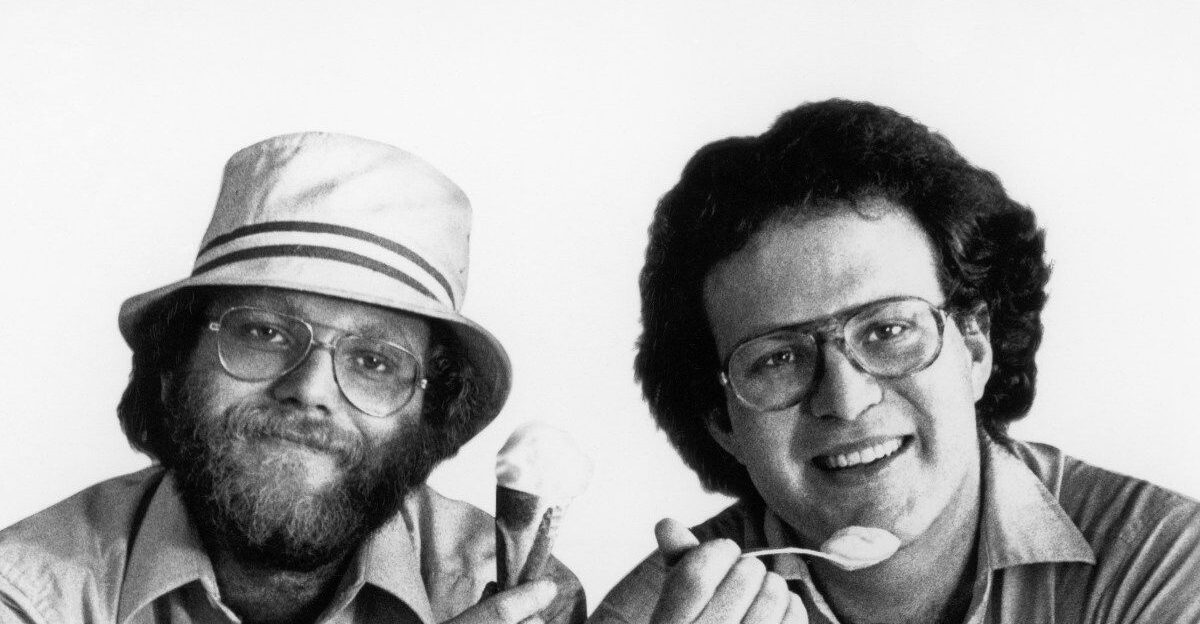
Jerry Greenfield’s exit marks the end of a 47-year chapter for Ben & Jerry’s and the start of an uncertain era. The company that once turned flavors into political statements now faces questions about whether activism will remain central under new ownership.
Supporters will watch closely as Unilever finalizes the spinoff. For some, the resignation feels like the closing of a cultural story that blended sweetness with activism. For others, it is simply the next stage of a business evolving. Either way, history will measure what remains