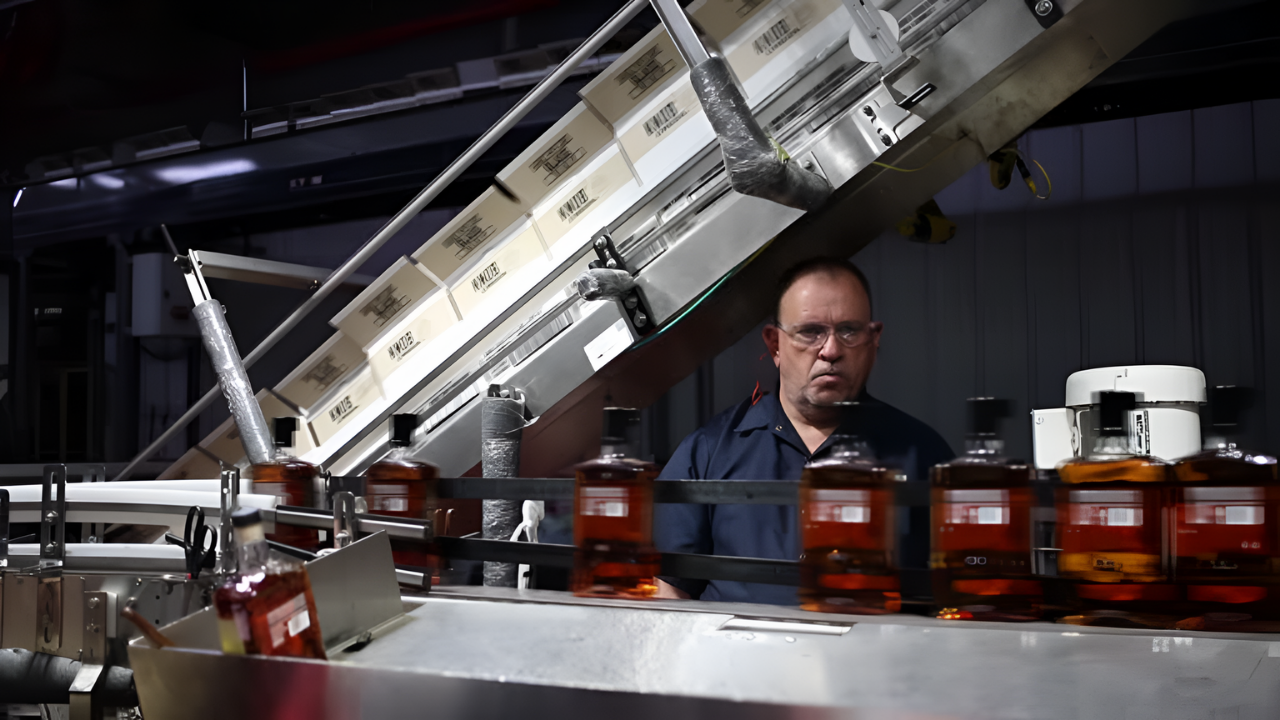
American whiskey exports, once booming across the border, have slowed to a trickle. In the second quarter of 2025, U.S. spirits shipments to Canada plunged by 85 percent to just $9.6 million, effectively ending what used to be a dependable foreign market. For Kentucky bourbon makers, this isn’t just a trade issue, it’s a dramatic shift that’s shaking production, jobs, and expectations across the global whiskey scene.
For years, exports pushed rapid growth in American whiskey. Canada was especially important, making up roughly one-tenth of Kentucky bourbon’s overseas sales. But in 2025, that success collapsed. New tariffs and “buy Canadian” campaigns discouraged shoppers from buying U.S. spirits. By March 2025, whiskey sales to Canada had already dropped 60 percent. Even when most tariffs were lifted in September, some provinces continued blocking American brands from shelves.
The fallout wasn’t limited to Canada. Sales also dropped elsewhere, by 12 percent in the European Union, 29 percent in the United Kingdom, and 23 percent in Japan. What started as a trade dispute between two countries has now turned into a global slowdown, hitting just as distillers sit on record-high whiskey inventories waiting to mature in warehouses.
Production Cuts Hit the Heart of Bourbon Country
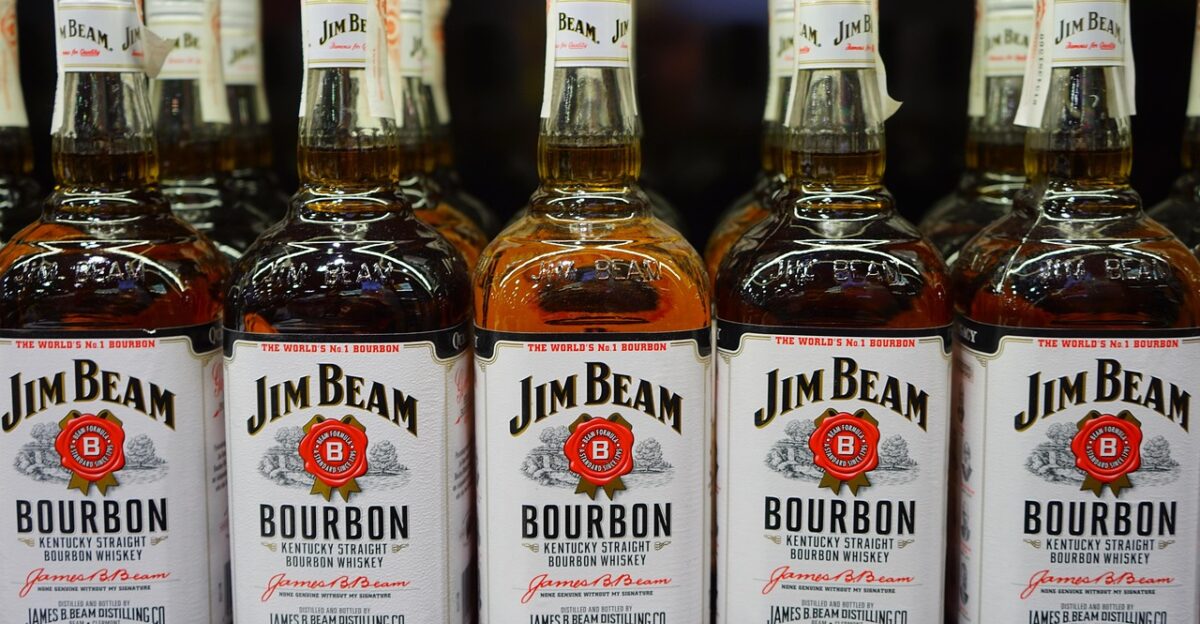
This export crash came alongside changes in how people drink. Kentucky bourbon production fell 28 percent from the previous year, reaching its lowest level since 2018. Meanwhile, fewer Americans are drinking alcohol at all, the share of adults who drink dropped from 67 percent in 2022 to just 54 percent in 2025, the lowest in nearly 90 years. Younger generations drink less, care more about health, and increasingly favor cannabis instead.
Amid this downturn, Jim Beam, the world’s largest bourbon distiller, announced it will stop making whiskey at its main Clermont, Kentucky, facility for all of 2026. Production will move to its newer plants: the Freddie Booker Noe craft distillery, also in Clermont, and the Booker Noe site in Boston, Kentucky. The company says the break will align supply with weaker demand and allow upgrades to the historic distillery. Bottling, warehousing, and tourism will continue during the pause.
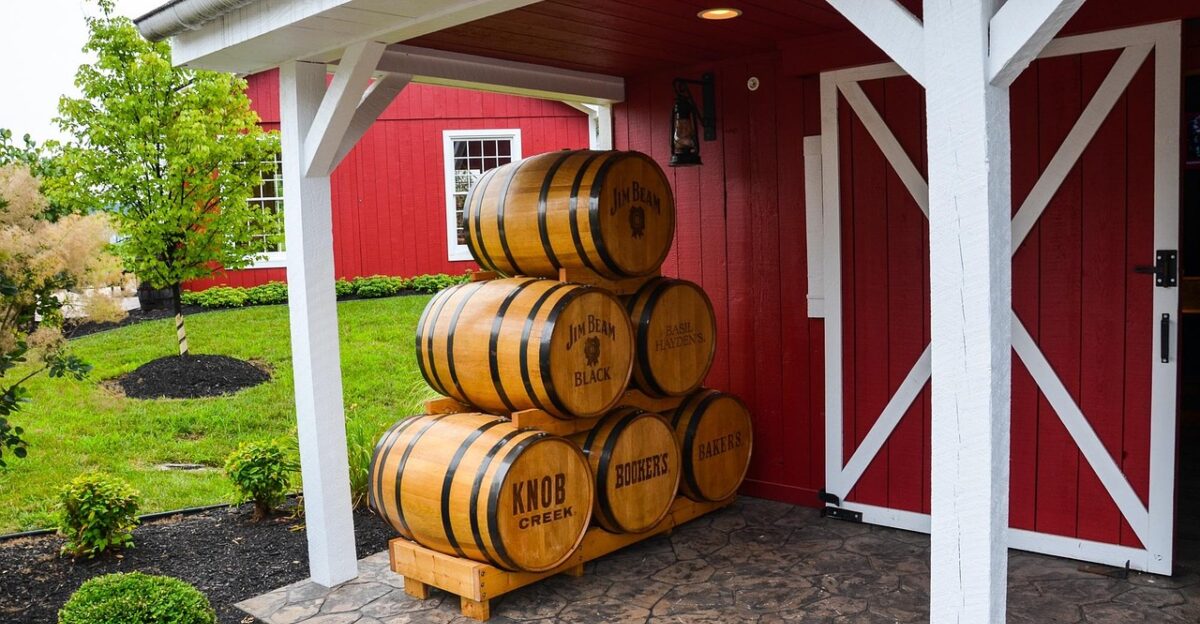
The move is remarkable because the Clermont distillery is one of bourbon’s most iconic sites. Founded in 1795, it’s survived wars, Prohibition, and countless market swings. After Japan’s Suntory acquired Jim Beam in 2014, Clermont became a symbol of bourbon’s global revival, producing brands such as Knob Creek, Booker’s, and Basil Hayden’s. Now, it sits at the center of the industry’s most serious slump in years.
Ripple Effects Across the Industry
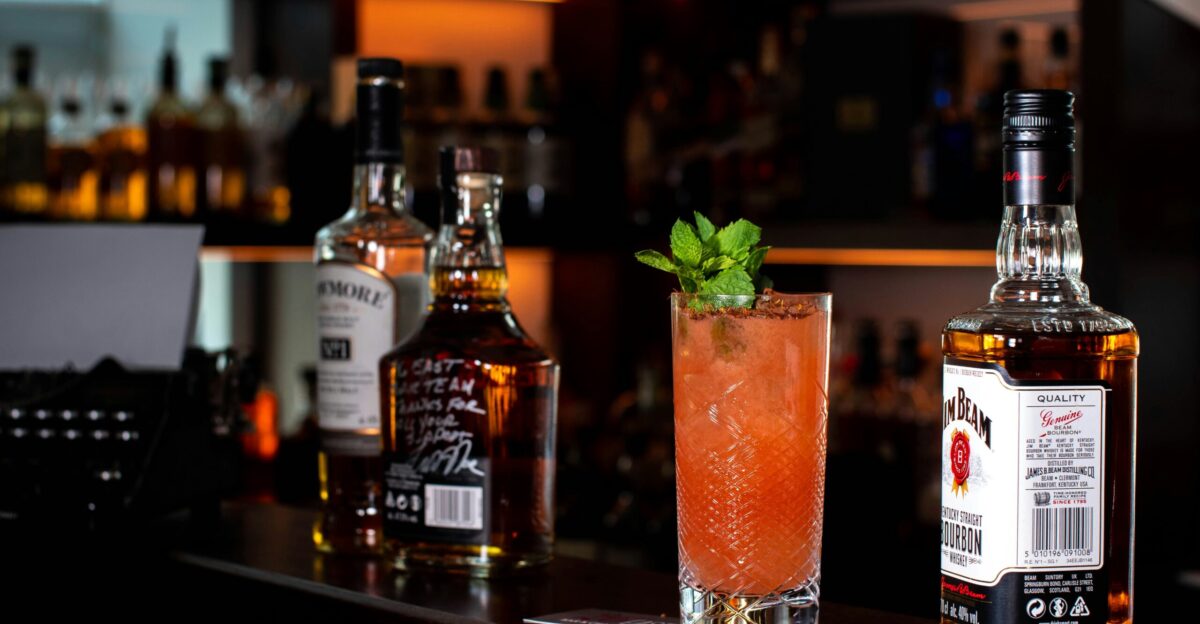
Jim Beam’s slowdown reverberates far beyond its gates. Bourbon is big business in Kentucky, it supports about $9 billion in economic activity and thousands of jobs, from farmers and truck drivers to coopers who make the barrels. In 2024, the Kentucky Bourbon Trail hit a record 2.7 million visitors, making distilleries like Clermont key tourism anchors.
But when whiskey production stalls, impact spreads fast. Suppliers who provide grain, wood, and bottles face shrinking orders. Hotels and restaurants near distilleries worry about lower visitor traffic. Jim Beam employs nearly 1,500 people across Kentucky, many based in Clermont. While there have been no large-scale layoffs, workers are bracing for fewer hours or possible transfers to other Suntory-owned sites such as Maker’s Mark. Union talks are ongoing over job security and relocation terms.
Rival producers are feeling similar pressure. Brown‑Forman, parent of Jack Daniel’s, saw sales drop 5 percent in 2025 and announced layoffs and temporary plant closures. In Europe, whiskey makers in Ireland and Scotland have also cut production. After years of expansion following the pandemic, global whiskey capacity now far exceeds demand. A market once defined by scarcity has turned into one of oversupply.
Trade Tensions and an Uncertain Future
The whiskey slump is part of a broader trade chill between the U.S. and Canada, which exchange goods and services worth about $2.7 billion daily. Canada is the top export market for more than 30 U.S. states, including Kentucky, so the sudden drop in spirits sales hits hard. While the U.S. government provided a $12 billion aid package to farmers hurt by tariffs, distillers received little direct help. Even with most duties removed, distrust remains. Some Canadian retailers still hesitate to restock American brands, and rebuilding that pipeline could take years.
The decline also reaches beyond bourbon. U.S. whiskey exports overall fell 13 percent, vodka dropped 14 percent, and rum fell 6 percent. Growing awareness of health risks, especially cancer warnings, has weighed on alcohol consumption and corporate profits. Spirits company stocks slipped around 3 percent in 2025, while new investment in small-batch distilleries cooled to $811 million due to fears of oversupply.
There could also be long-term ripple effects on global flavor itself. Jim Beam’s used barrels are prized for their vanilla-like flavors in aging Scotch and Irish whiskey. Because Suntory owns both American and Scotch labels, the slowdown in barrel production today could subtly change those whiskies’ taste profiles years from now.
Inside Jim Beam, Suntory frames the Clermont pause as a strategic move to modernize and avoid excess. Workers, however, say the decision came abruptly, leaving uncertainty about long-term job stability. The mood across the industry is cautious: even heritage brands now realize they aren’t immune to global trade shifts and evolving consumer habits.
Tariff tensions could eventually ease, and younger drinkers might rediscover bourbon’s appeal. But for now, the sight of still barrels and quiet stills at Jim Beam’s historic distillery marks a turning point—not only for Kentucky, but for the entire whiskey world.
Sources:
Distilled Spirits Council of the United States – “American Spirits Exports 2025 Mid-Year Report” – October 16, 2025
NPR – “Jim Beam to pause production at its main plant in 2026” – January 1, 2026
BBC News – “Bourbon maker Jim Beam halts production at main distillery” – December 21, 2025
Gallup – “U.S. Drinking Rate at New Low as Alcohol Concerns Surge” – January 2, 2026
Kentucky Distillers’ Association – “Kentucky Bourbon Trail Hit Record-Setting 2.7 Million Guests in 2024” – April 3, 2025
Brown-Forman Corporation (Investor Relations) – “Brown-Forman Reports Fiscal 2025 Results” – June 4, 2025
U.S. Department of Agriculture – “Trump Administration Announces $12 Billion Farmer Bridge Assistance Program” – December 7, 2025