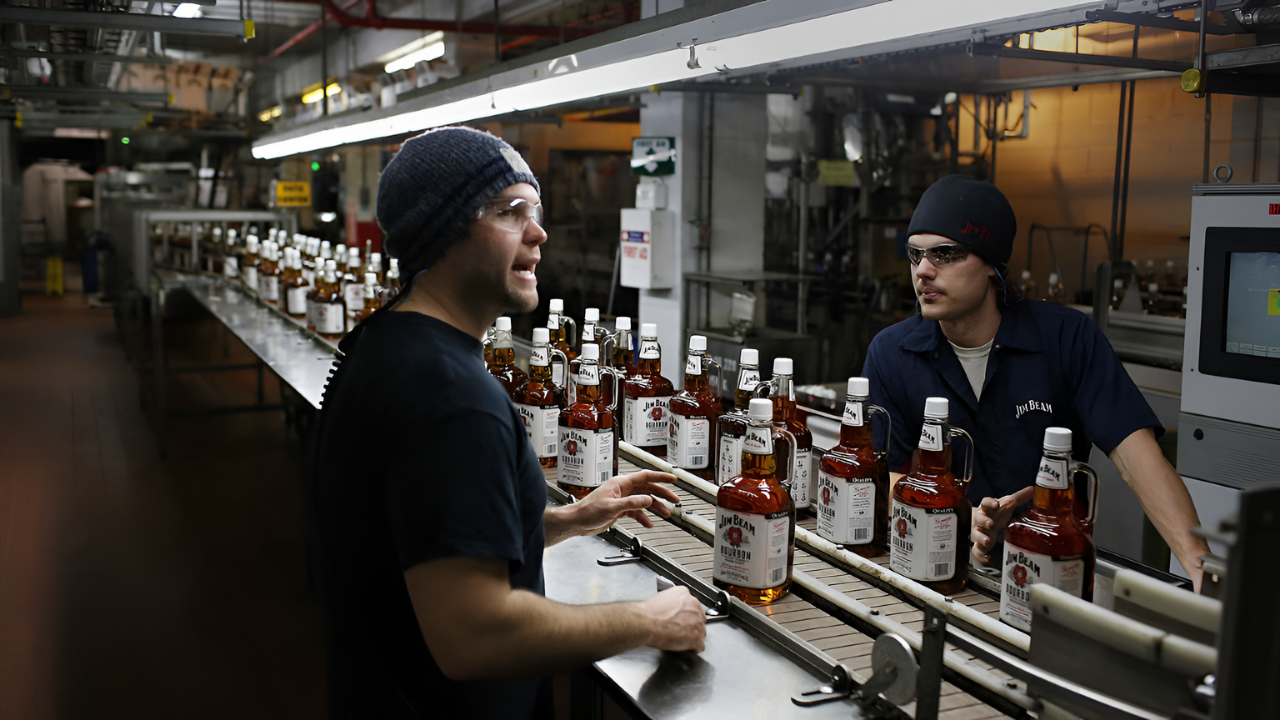
Pallets of American whiskey sat idle in Canadian warehouses in Q2 2025, no longer moving north from Kentucky. Shipment records tell the story: U.S. spirits exports to Canada collapsed 85% in a single quarter, plunging to $9.6 million. Canada—once the top foreign buyer—effectively vanished overnight.
For bourbon producers, the damage was immediate, visible, and historic. What happens when your biggest market disappears mid-shipment?
A Growth Engine Reverses
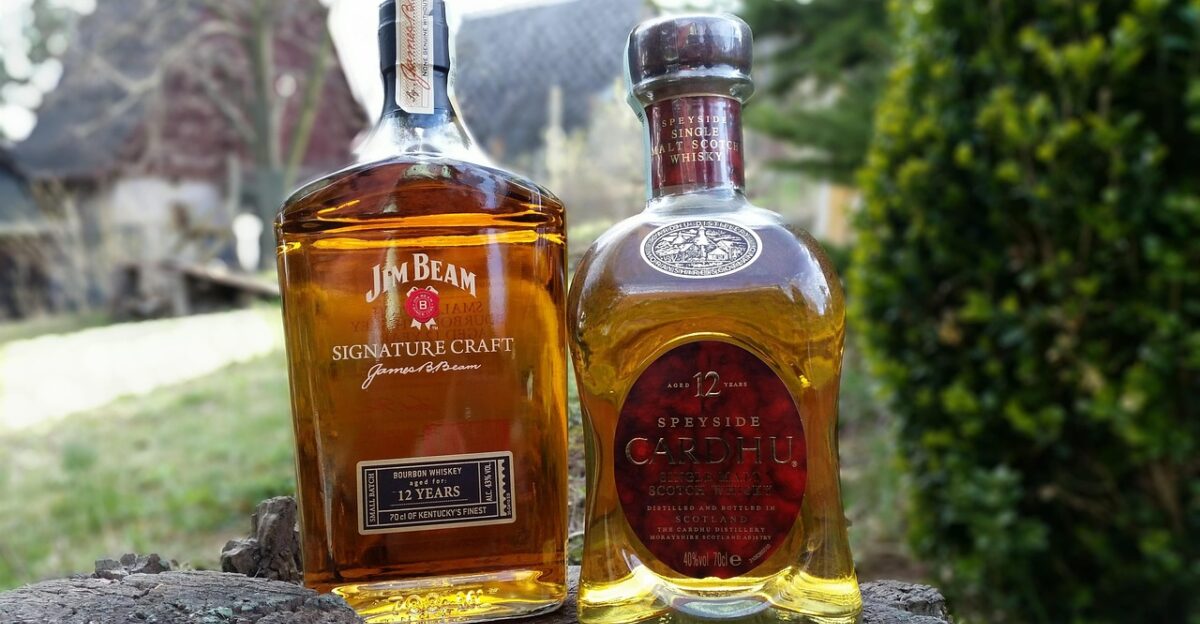
For years, exports powered American whiskey’s expansion. Canada alone accounted for roughly 10% of Kentucky bourbon exports, anchoring growth plans and long-term barrel aging decisions. That engine abruptly reversed in 2025.
Retaliatory trade tensions and consumer boycotts flipped a reliable market into a liability. What once absorbed surplus now amplifies it, leaving distillers exposed to shrinking global demand just as inventories peak. The export boom didn’t slow—it snapped.
Bourbon Bust
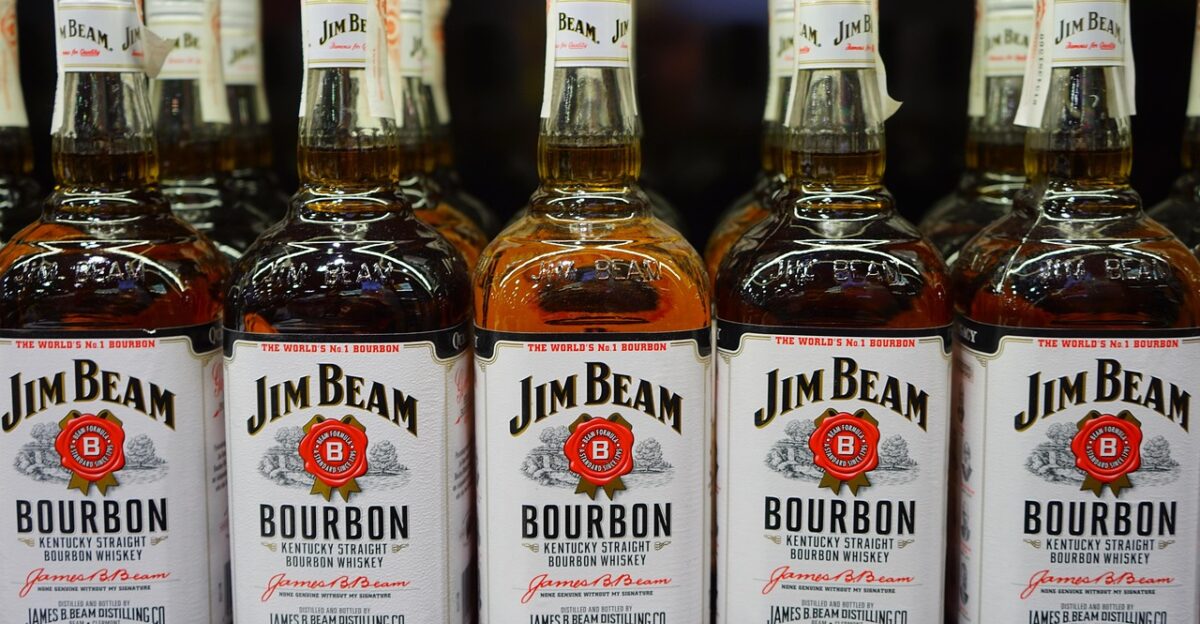
American whiskey sales to Canada fell more than 60% since March 2025, fueled by retaliatory tariffs and a patriotic “buy Canadian” campaign. Even after tariffs were lifted in September, multiple provinces kept U.S. spirits off shelves.
The pain spread globally: exports dropped 12% to the EU, 29% to the UK, and 23% to Japan. What looked like a regional dispute hardened into a worldwide slump. How long can producers outrun collapsing demand?
Industry Roots
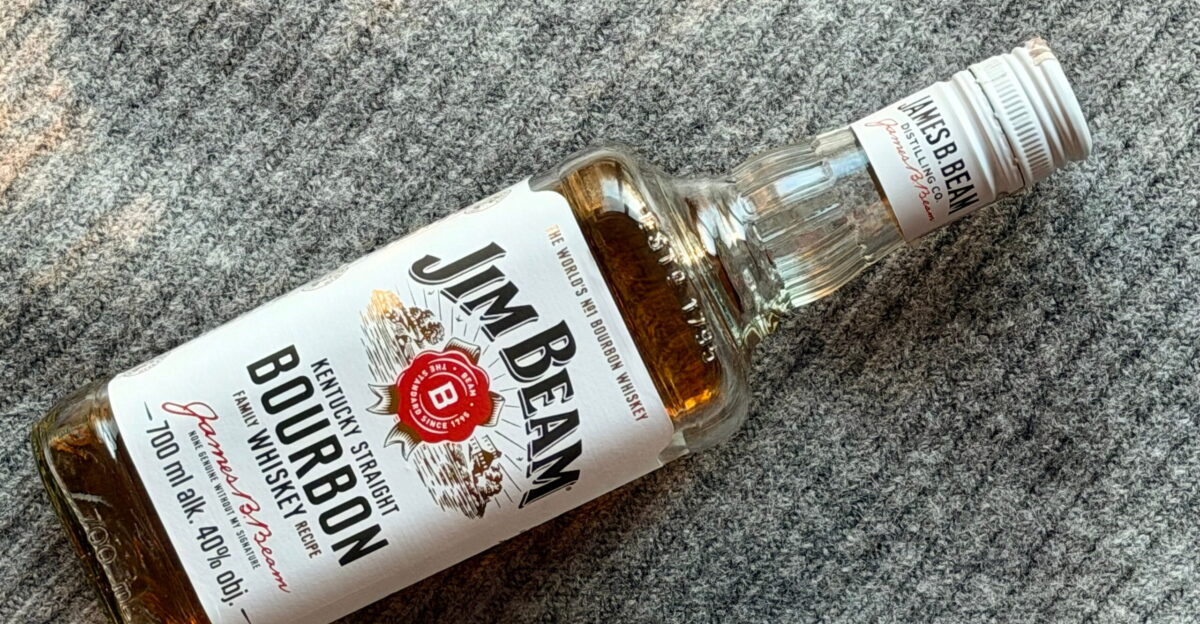
Jim Beam’s Clermont distillery has endured wars, Prohibition, and prior boom-bust cycles since 1795. Known as the “Hardest Working Still in America,” the James B. Beam campus produces Jim Beam alongside Knob Creek, Booker’s, Baker’s, and Basil Hayden’s.
Acquired by Suntory in 2014, the site became a symbol of bourbon’s modern revival. But post-COVID volatility now threatens even the industry’s most battle-tested icons. History doesn’t guarantee immunity.
Demand Squeeze
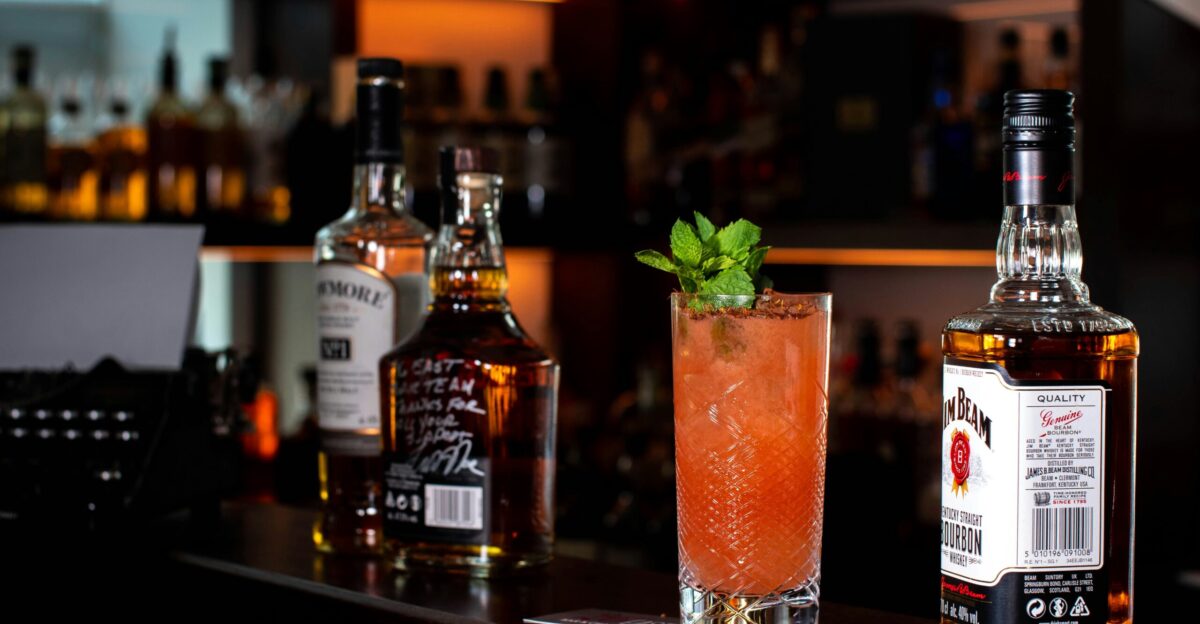
Kentucky bourbon production fell 28% year over year, reaching its lowest level since 2018. The industry faces oversupply with 16 million barrels aging statewide.
At the same time, U.S. alcohol consumption dropped from 67% in 2022 to 54% in 2025, the lowest rate in 90 years. Younger drinkers abstain, health trends shift preferences, and cannabis legalization reshapes habits. Something has to give.
Pause Announced
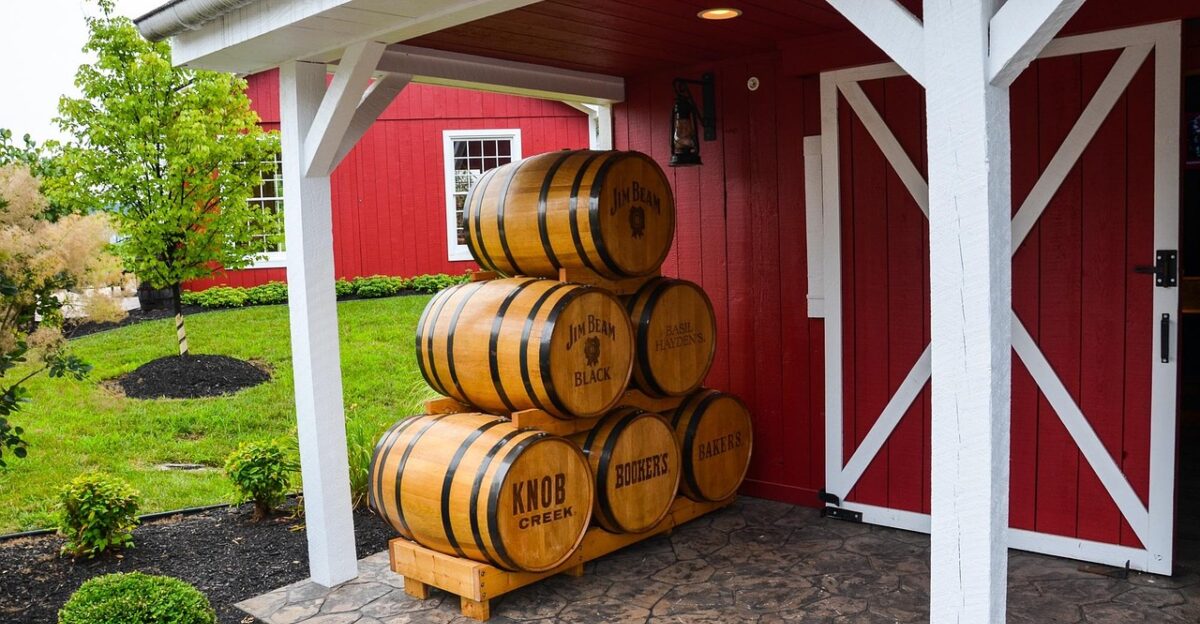
Jim Beam confirmed it will pause distillation at its flagship Clermont campus from January 1 through the end of 2026. Production will shift to the Freddie Booker Noe craft distillery in Clermont and the Booker Noe site in Boston, Kentucky.
The company says the move allows it to “assess volumes to best meet demand” while investing in site enhancements. Bottling, warehousing, and tourism operations remain open.
Kentucky Fallout
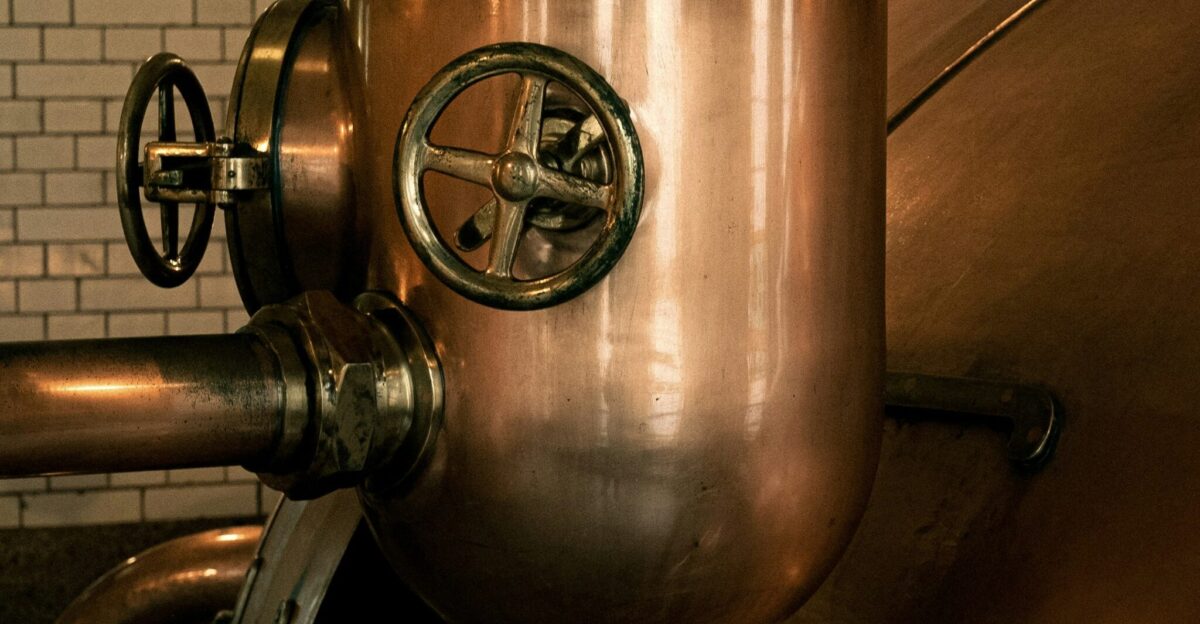
The Clermont distillery anchors Kentucky’s Bourbon Trail, which welcomed 2.7 million visitors in 2024. The broader $9 billion bourbon industry supports thousands of jobs statewide and beyond.
Production cuts ripple outward—affecting barrel makers, trucking firms, farmers, and hospitality workers. State officials warn that trade disruptions now threaten not just distillers, but entire regional economies. The shockwave extends far beyond the still.
Worker Uncertainty
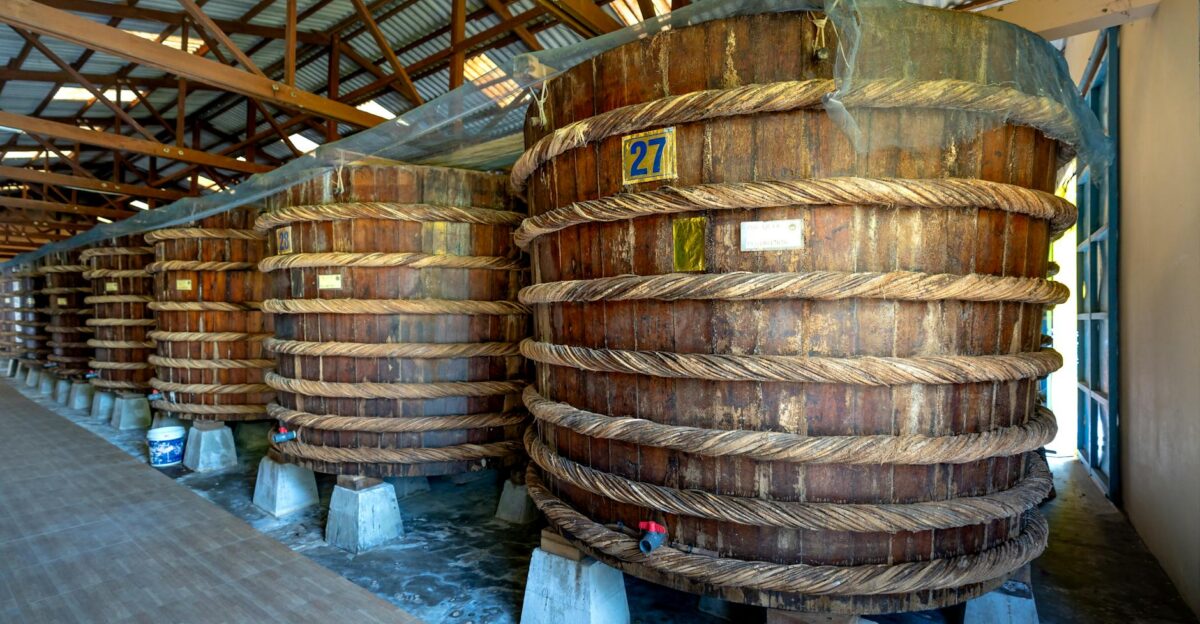
Jim Beam employs nearly 1,500 workers across Kentucky, with many stationed at Clermont. While no mass layoffs have been announced, workers face reduced hours, reassignments, or transfers to other facilities like Maker’s Mark.
The company says union discussions are ongoing. For families rooted in bourbon country, the uncertainty cuts deep—especially with the pause scheduled to begin in weeks, not years. Stability has become conditional.
Rival Reactions
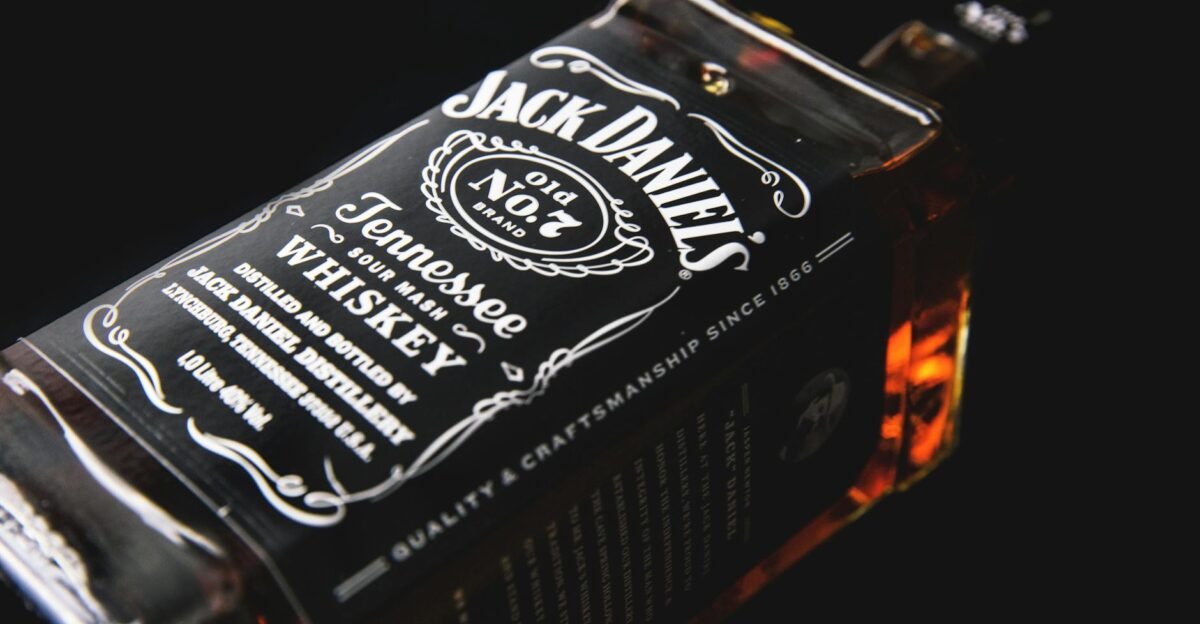
Jim Beam is not alone. Brown-Forman, owner of Jack Daniel’s, announced layoffs and production pauses in 2025 following a 5% sales decline.
Overseas, Ireland’s Midleton distillery (Jameson) and multiple Scottish facilities operated by Diageo also cut output. The post-pandemic whiskey boom flooded the market, and tariffs intensified the glut. The slowdown is global—and synchronized.
Trade War Echoes
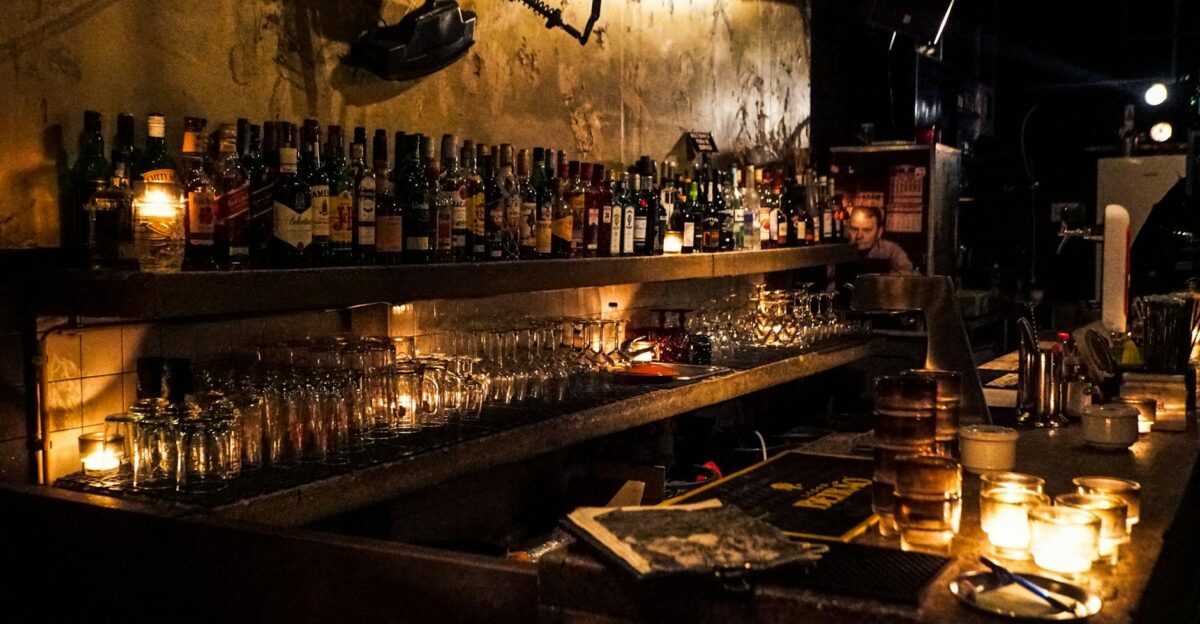
U.S.–Canada trade totals $2.7 billion per day, yet spirits became a political flashpoint. Canada was the top export destination for 36 U.S. states, making it critical for Kentucky bourbon and distillers nationwide.
While a $12 billion federal farm aid package offset some tariff damage, spirits producers were largely excluded. Persistent trade tensions continue to chill exports even after tariffs ease. Trust, once broken, is slow to rebuild.
Macro Slump
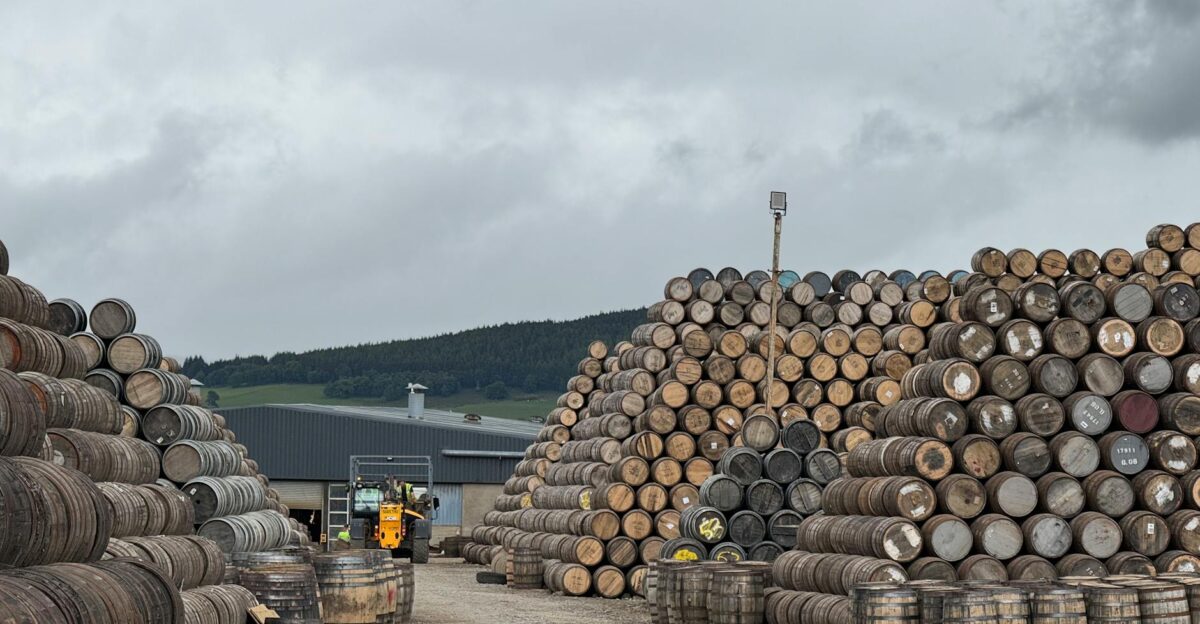
Overall U.S. whiskey exports fell 13%, while vodka declined 14% and rum 6%. Health warnings, including renewed cancer risk discussions, pushed spirits stocks down 3%.
Craft distilling investment slowed to $811 million in 2024, reflecting investor caution. After years of scarcity, bourbon now faces surplus—forcing a painful recalibration across pricing, production, and expectations. The pendulum has swung hard.
Barrel Ripple
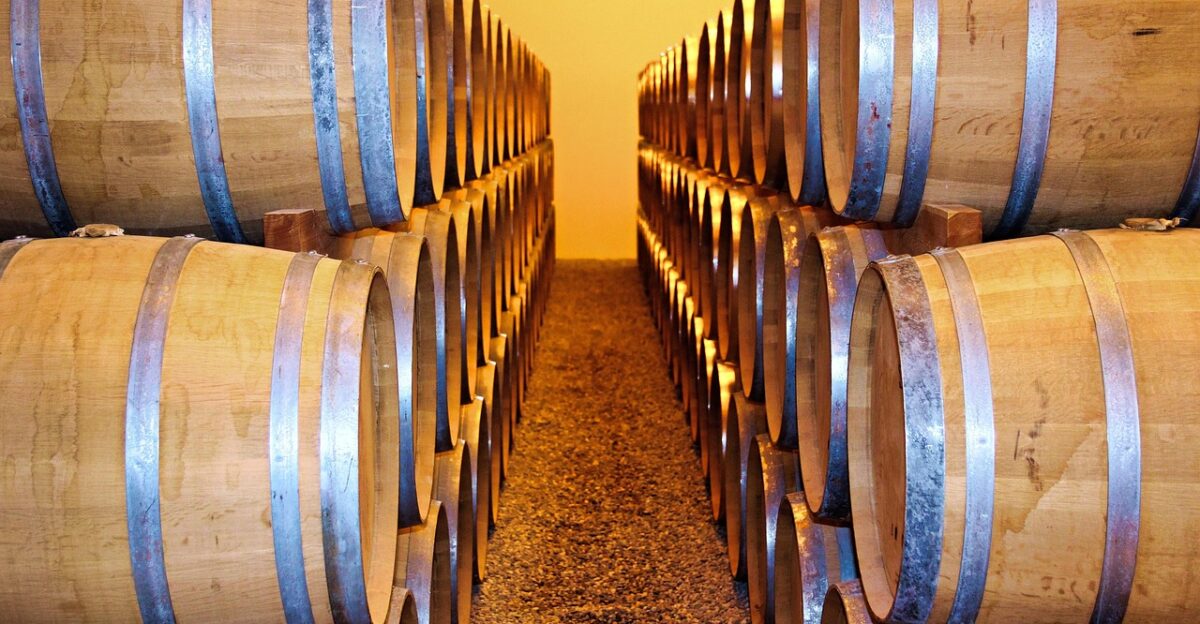
Jim Beam barrels shape whiskey worldwide, lending vanilla notes—”vanillans”—to Scotch and Irish whiskey. Suntory owns Jim Beam and Scotch brands like Laphroaig and Bowmore.
Fewer barrels from Clermont today could subtly alter global whiskey profiles 15 to 20 years from now, as distillers scramble for alternatives. The slowdown reveals how deeply interconnected the spirits supply chain has become. A quiet shortage is already aging.
Union Tensions
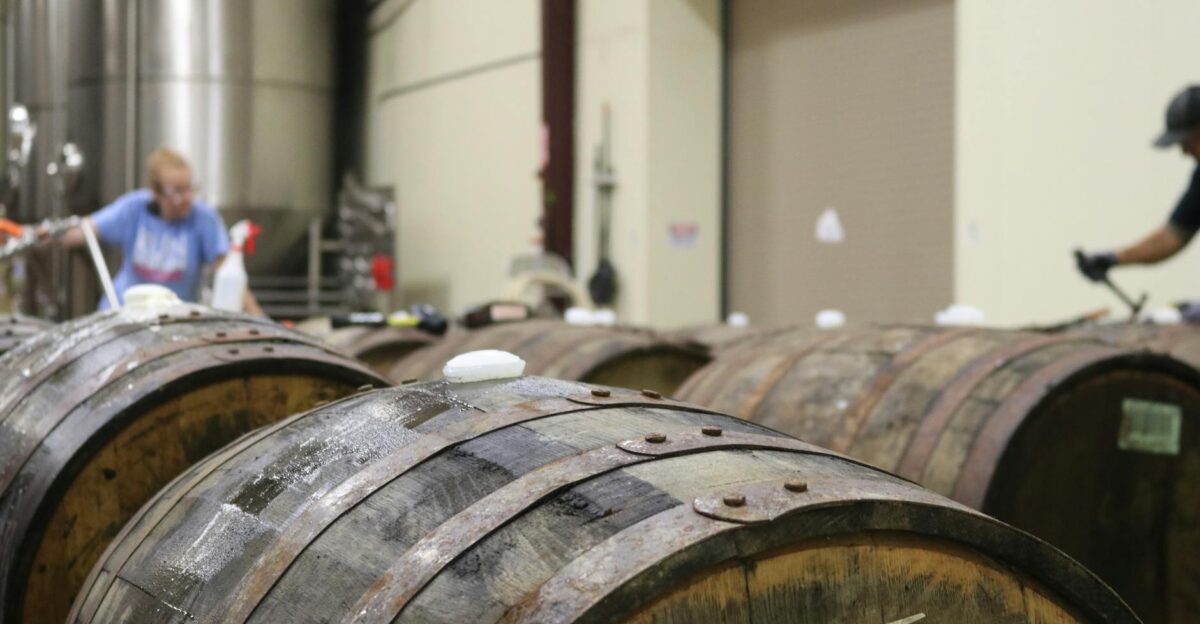
Workers at Clermont say the 2026 pause announcement felt abrupt. While management emphasizes transparency and upgrades, union members seek guarantees on transfers and long-term security.
Expanded facilities like the recently upgraded Booker Noe distillery absorb some production, but not all uncertainty. Morale dips as workers watch peer distilleries announce layoffs across the industry. Confidence is harder to distill than bourbon.
Suntory Strategy
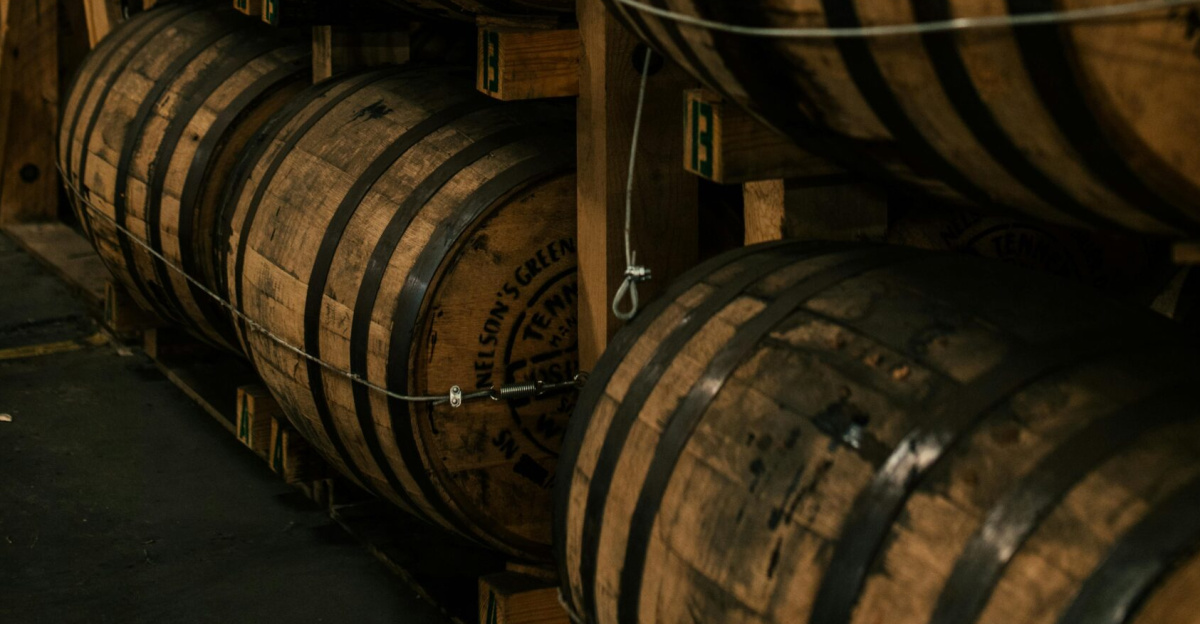
Suntory acquired Jim Beam for $16 billion in 2014, betting on long-term global demand. Since then, it opened the Freddie Booker Noe distillery in 2021 and expanded Booker Noe in 2022.
The Clermont pause fits a broader strategy: prioritize efficiency, avoid overproduction, and modernize assets while demand resets. For Suntory, restraint now may protect scale later.
The Uncertain Barrel Ahead
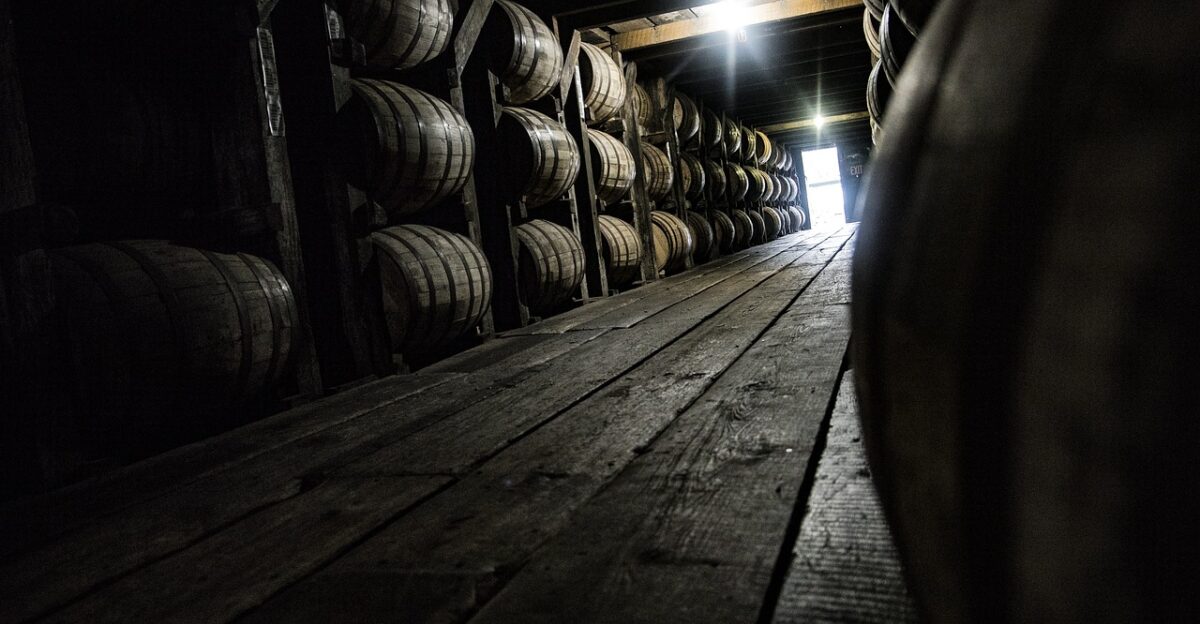
Tariffs remain tied up in court, and Canadian shelves could eventually restock U.S. bourbon. Gen Z may yet reshape spirits culture, and scarcity could return.
But for now, Jim Beam’s pause marks a turning point—testing whether investment and patience can outlast geopolitics and shifting tastes. In Kentucky, the barrels keep aging. The question is who will be ready to drink them. What fills the next barrel?
Sources:
Distilled Spirits Council of the United States – “American Spirits Exports 2025 Mid-Year Report” – October 16, 2025
NPR – “Jim Beam to pause production at its main plant in 2026” – January 1, 2026
BBC News – “Bourbon maker Jim Beam halts production at main distillery” – December 21, 2025
Gallup – “U.S. Drinking Rate at New Low as Alcohol Concerns Surge” – January 2, 2026
Kentucky Distillers’ Association – “Kentucky Bourbon Trail Hit Record-Setting 2.7 Million Guests in 2024” – April 3, 2025
Brown-Forman Corporation (Investor Relations) – “Brown-Forman Reports Fiscal 2025 Results” – June 4, 2025
U.S. Department of Agriculture – “Trump Administration Announces $12 Billion Farmer Bridge Assistance Program” – December 7, 2025