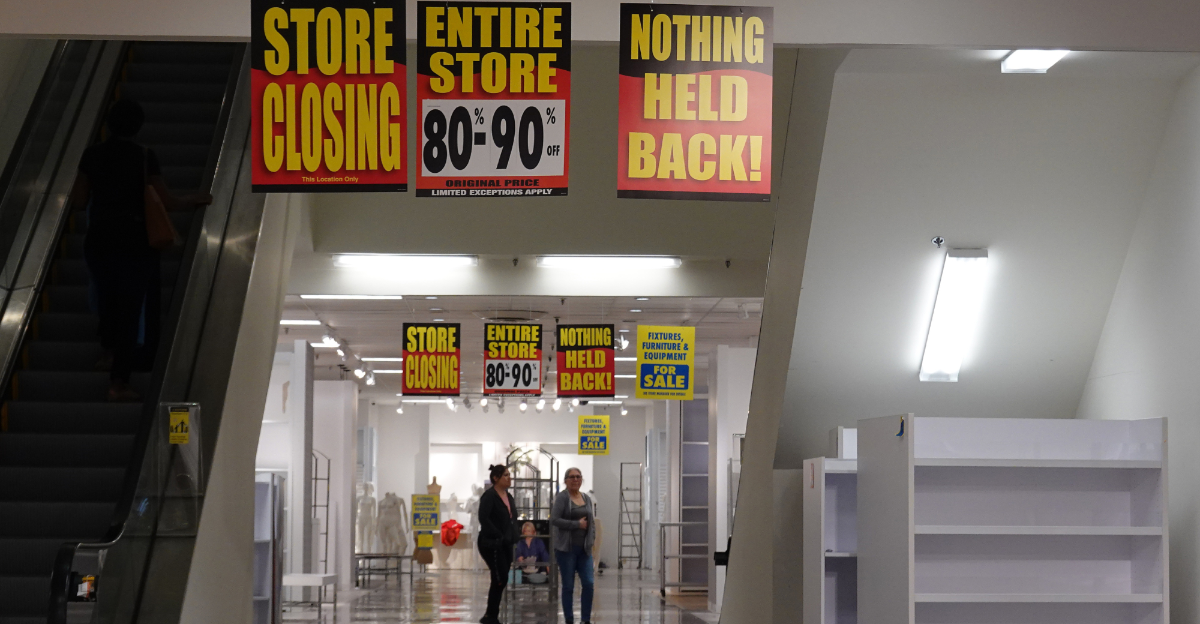
Famous for outdoor lifestyle brands like Kathmandu and Oboz, KDM Brands recently carried out its most significant U.S. pullback, closing 35 locations and suffering a $93 million loss as a result of a contentious social media post. Rising operating costs, changing consumer behavior, and the brand’s reaction to reputational harm from its trans-related social media backlash are some of the larger retail issues that are reflected in this pullback.
Examining financial setbacks, strategic reactions, and retail trends influenced by consumer sentiment and digital shifts is necessary to comprehend this development.
Background Information on KDM Brands
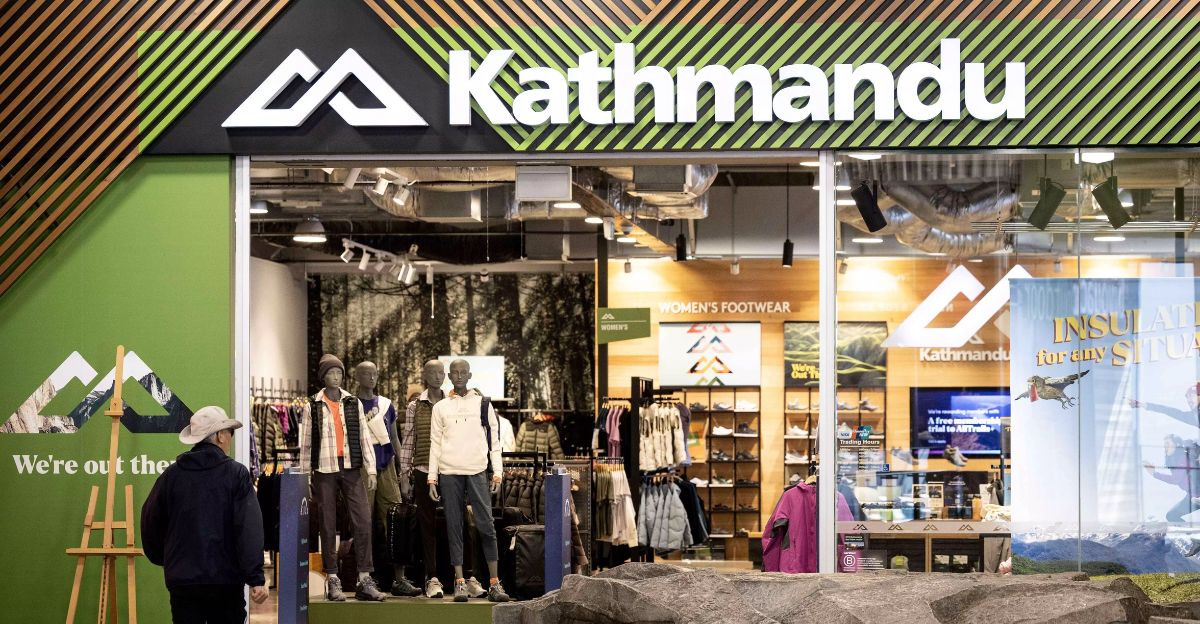
As a leader in outdoor clothing and footwear, KDM Brands has a long history and has developed through acquisitions such as Kathmandu and Oboz. KDM has historically placed a strong emphasis on physical retail combined with expanding digital platforms, capitalizing on the growing popularity of outdoor living in the 2010s.
But even before 2025, the company was under pressure from the market to reconsider its presence in the United States. In contrast to previous years of consistent growth, indications of operational stress emerged in 2024, indicating the necessity of a thorough reevaluation of brand positioning and store presence to combat growing expenses and diminishing in-store traffic.
Social Media’s Function in Controversy

In 2025, a post on KDM’s social media about transgender issues caused a lot of backlash, which resulted in divisive reactions from customers. Retail social media controversies quickly undermine consumer trust, harming brand equity and loyalty in key demographics, especially when they touch on delicate identity issues.
Social media backlash research shows how negative perceptions result in real sales drops and make recovery more difficult, particularly for brands that are based on community and lifestyle values.
Pressures from the Economy on Physical Retail

High inflation, rising expenses, and declining consumer disposable income are straining the retail landscape in 2025. As rising costs put pressure on margins, more consumers are turning to the internet for convenience and affordability.
Over 15,000 retail stores have closed in the United States this year alone, according to data; KDM’s 35 store closures are a notable example. Because of the current economic climate, brands are compelled to eliminate underperforming locations in order to save money ruthlessly.
Changes in Consumer Purchase Patterns

Online shopping and the desire for immersive, customized brand experiences have changed consumer behavior. Traditional stores are at risk because younger generations prefer digital-first interactions that take advantage of social commerce and mobile platforms.
This is recognized by KDM’s transformation strategy, which aims to speed up digital tools and develop store concepts that prioritize engagement over transactions. Despite its apparent severity, the 35-store closure reallocates resources to reach customers through their preferred channels, maintaining the brand’s relevance and cultivating enduring relationships with customers.
KDM’s Transformation Strategy at the “Next Level”
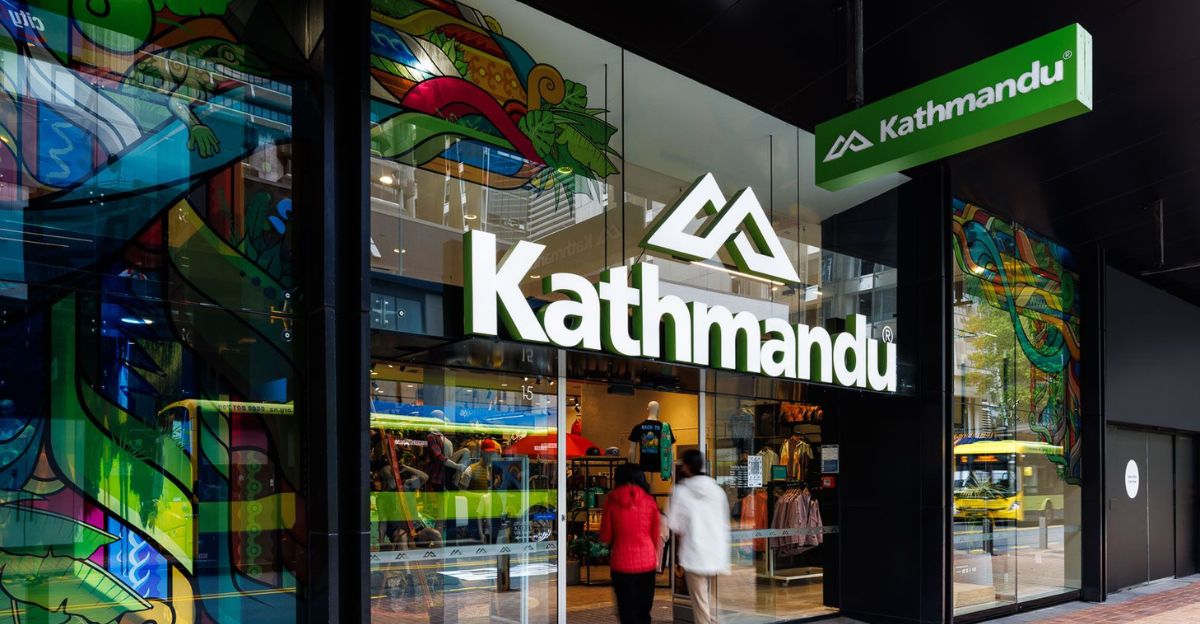
KDM Brands introduced the “Next Level” strategy, which focuses on sustainable profitability by re-aligning product, store formats, and digital capabilities, as part of its global transformation in 2025. The plan calls for a $25 million cost reset as well as the opening of “concept stores” to improve in-person interactions.
These initiatives show KDM’s dedication to ensuring resilience through post-loss modernization of operations. The U.S. closures align perfectly with this strategy, acting as challenging yet essential measures to restore operational leverage and promote innovation and expansion in other crucial areas.
The Effects of Brand Backlash on the Mind

Social media mobilization against brands frequently results from brand controversies that affect identity because they cause consumers to have stronger emotional reactions. This backlash undermines confidence and can harm a company’s reputation for a long time, especially in lifestyle industries where a sense of community is necessary.
The delicate consumer-brand relationship is highlighted by KDM’s experience, which shows that it can take years and significant financial resources to mend once it is damaged. Therefore, closing stores may have two purposes: it may help reduce losses financially, and it may indicate a realignment with core audiences.
Takeaways from Additional Retail Case Studies

A brand’s fortunes can be restored by bold retrenchment combined with strategic innovation, as demonstrated by historic retail downturns like Abercrombie’s brand tone changes or Nike’s backlash over contentious endorsements. Nike used new brand storytelling and product diversification to combat the short-term sales declines that followed controversies.
In a similar vein, KDM’s store closures demonstrate a readiness to reduce losses up front and intensify brand revitalization, demonstrating sophisticated crisis management as opposed to reactive defense.
Possible Effects of a Second Order
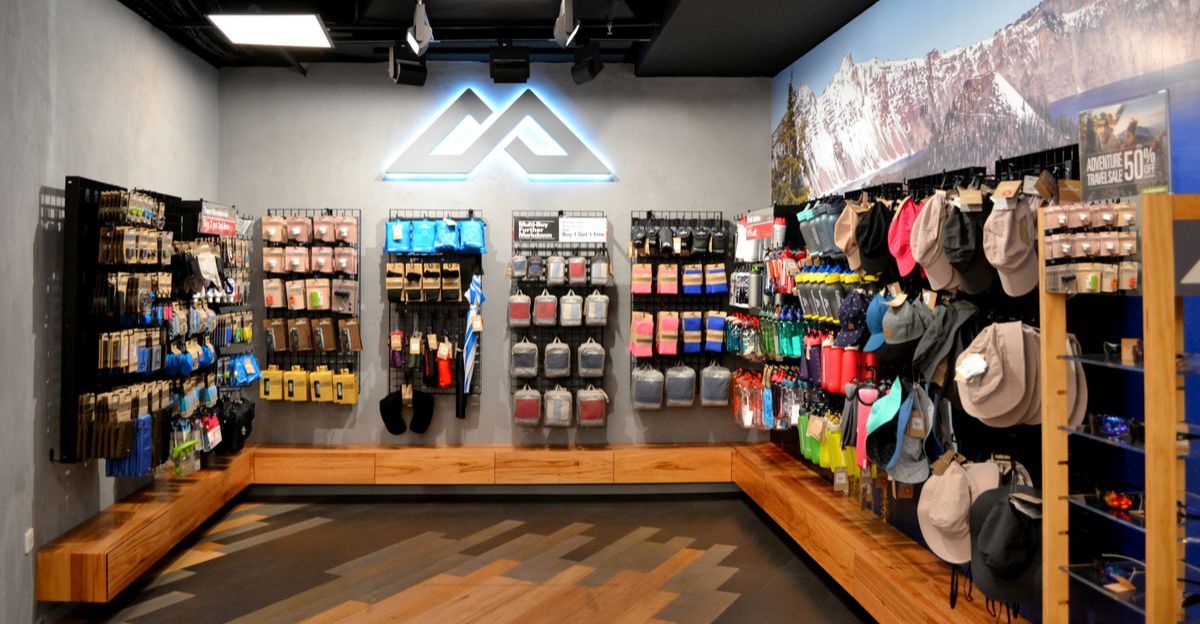
The downsizing of KDM may spark changes in the sector as a whole. In order to propel retail into a new era that emphasizes omnichannel integration, competitors may increase their digital investment or reevaluate their store footprints. Innovations like concept stores have the potential to revitalize regional retail hubs, while store closures may result in job losses in local economies.
By being open about its difficulties, KDM can encourage companies to conduct more thorough social media risk assessments in order to steer clear of comparable pitfalls. In the long run, this situation might cause expectations regarding stakeholder engagement and brand authenticity to shift.
Impact on Finances and Shareholder Value
The statutory $93.4 million loss reported in 2025 as a result of underperforming segments underscores how serious KDM’s financial issues are. Store closures as a strategic cost-cutting measure, however, are intended to reduce additional losses and boost operational effectiveness.
Over the medium term, Chairman David Kirk expressed confidence that these initiatives will unlock value for shareholders. Pruning unprofitable assets can be distressing in the short term, but it usually strengthens balance sheets, aligns resource allocation, and supports sustainable earnings growth, supporting the U.S. pullback’s justification.
The Role of Digital Transformation in Promoting Growth
KDM’s efforts to improve e-commerce platforms and bolster data capabilities are a crucial component in offsetting the decline in physical stores. New international market penetrations, enhanced supply chain responsiveness, and personalized marketing are made possible by improved digital tools.
By making these investments, KDM hopes to capitalize on changing consumer touchpoints, especially with Gen Z and millennial consumers who value online interaction. This focus on digital makes the case for physical space consolidation in order to finance a more lucrative and scalable digital future.
Rethinking the Roles of Physical Stores
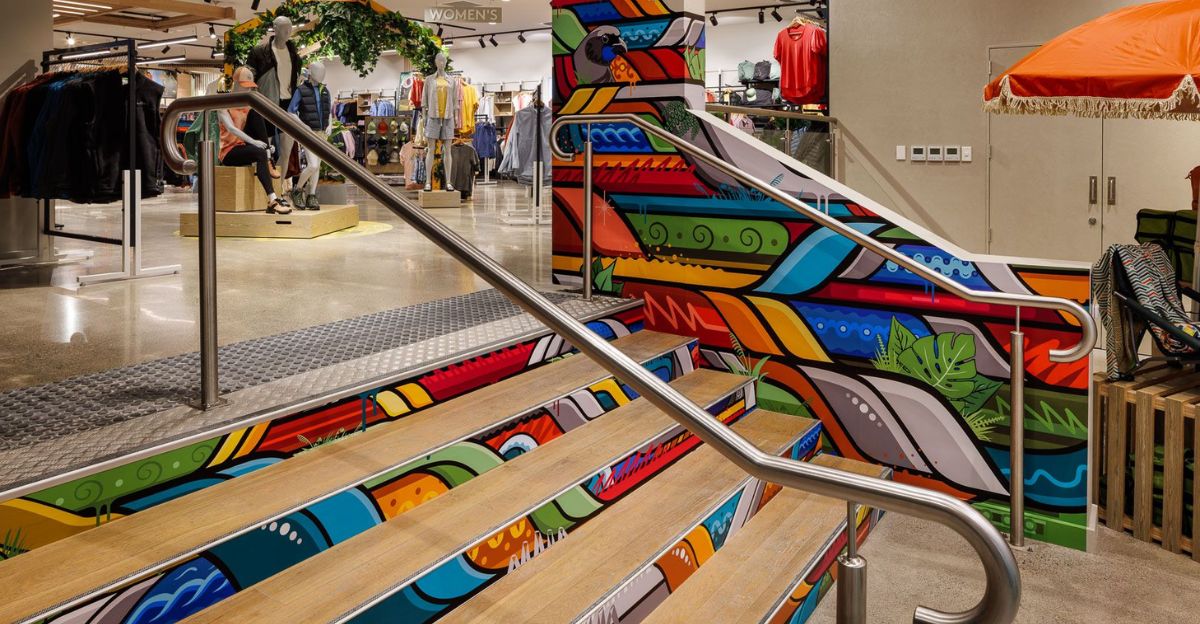
KDM is rethinking store functions instead of closing wholesale, from sales points to brand experiential hubs that provide customized experiences. This change is in line with research on retail innovation, which shows that future stores need to offer more than just goods; they also need to foster community, education, and interaction.
This philosophy is intended to be embodied by KDM’s concept stores that will open soon, repositioning fewer stores as a strategic move that better meets consumer expectations for the retail experience rather than a weakness.
Examining the Impact of Store Closures on the Community
Employees and local economies are unavoidably impacted by store closures, which raises concerns about corporate social responsibility. KDM asserts that it adheres to people-first policies and other ESG pillars.
Even though closures result in job losses, their framework may include retraining or redeployment opportunities in an effort to lessen the adverse effects. In the face of layoffs, preserving brand trust requires open communication and assistance during changes.
Is Retrenchment Excessive?
Rapid store closures, according to some analysts, run the risk of undermining KDM’s physical brand presence and reducing the in-store culture of customer loyalty and impromptu discovery. There is still a fine line between physical accessibility and digital growth.
Customers who value tactile and personal interactions may become alienated if they rely too much on the internet. Instead of widespread closures, these criticisms suggest strategic pullbacks combined with creative in-store investments.
The Significance of Genuine Brands
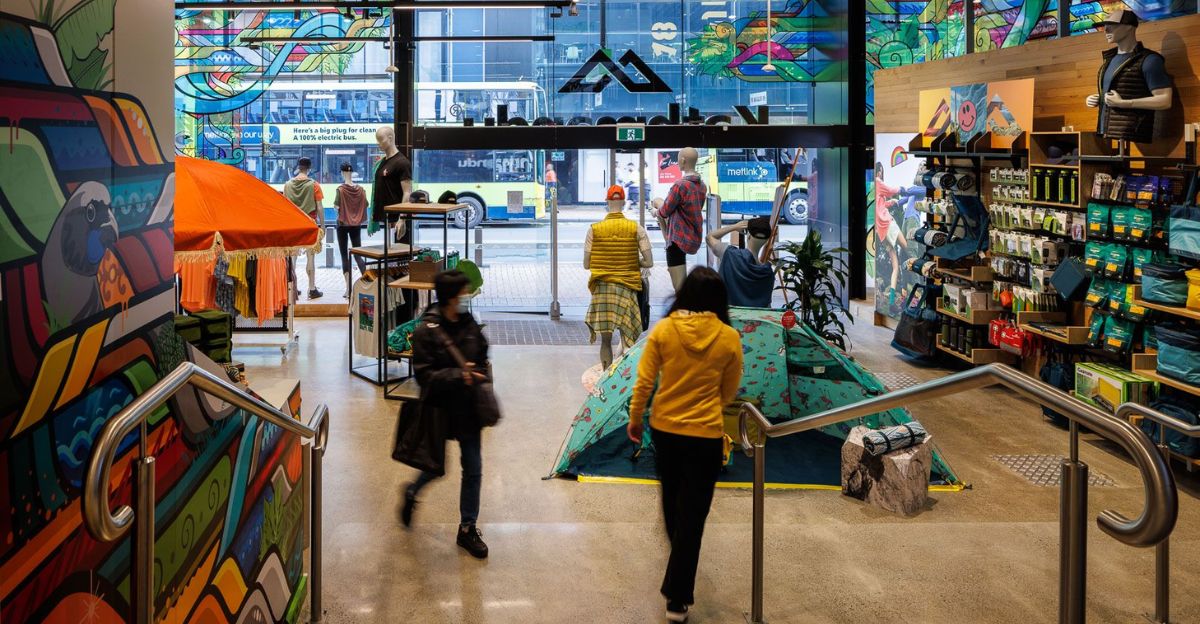
The difficulties faced by KDM highlight the significance of genuine brand communications, particularly when it comes to social issues. Brands with strong values tend to fare better in social media storms.
Regaining loyalty may require KDM to improve cultural competency and representation in marketing, demonstrating that social media blunders are strategic indicators of brand-consumer alignment rather than merely PR problems.
Bringing Local and Global Markets Together
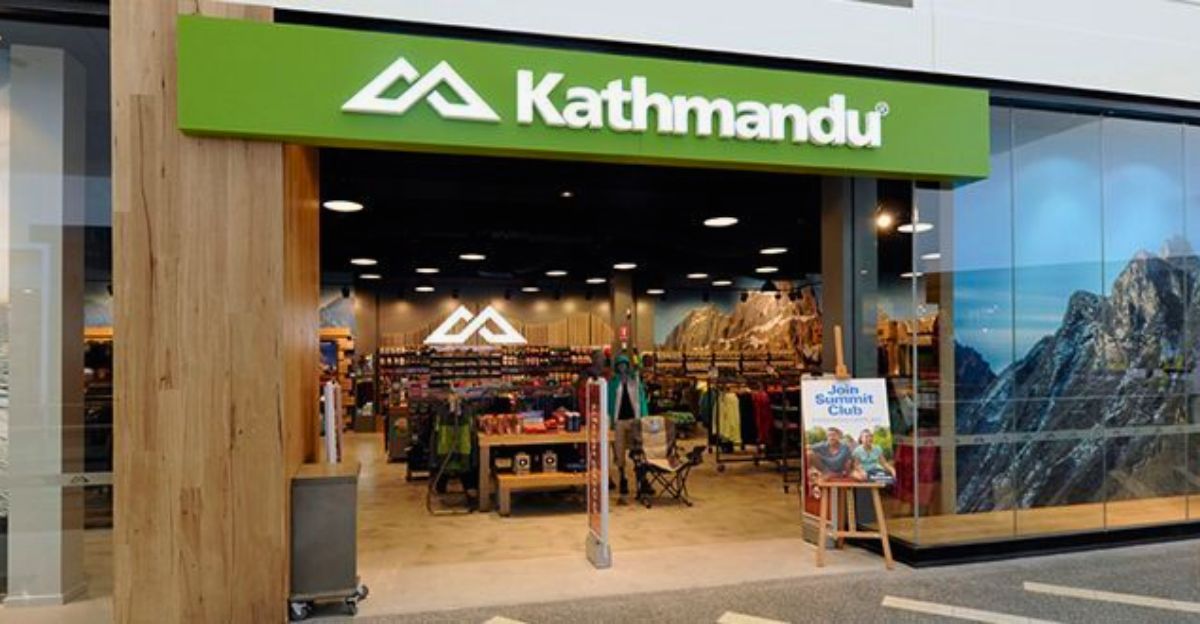
KDM continues to struggle to strike a balance between localized consumer expectations and its global brand identity. While innovations in the Australian and New Zealand markets show distinct strategies, the store reductions in the United States stand in stark contrast.
This nuanced approach, which recommends geographic-specific adaptations as crucial for multinational retail success, reflects industry best practices.
Enhancements to the Supply Chain Made Possible by Technology

KDM’s redesigned digital infrastructure also aims to improve supply chain efficiency by cutting expenses and making sure inventory closely matches changes in demand.
Modernization makes it possible to react quickly to regional sales trends, reduce overstock in shuttered stores, and dynamically reallocate products, all of which are essential for boosting profitability after a pullback.
Long-Term Customer Engagement and Brand Vision
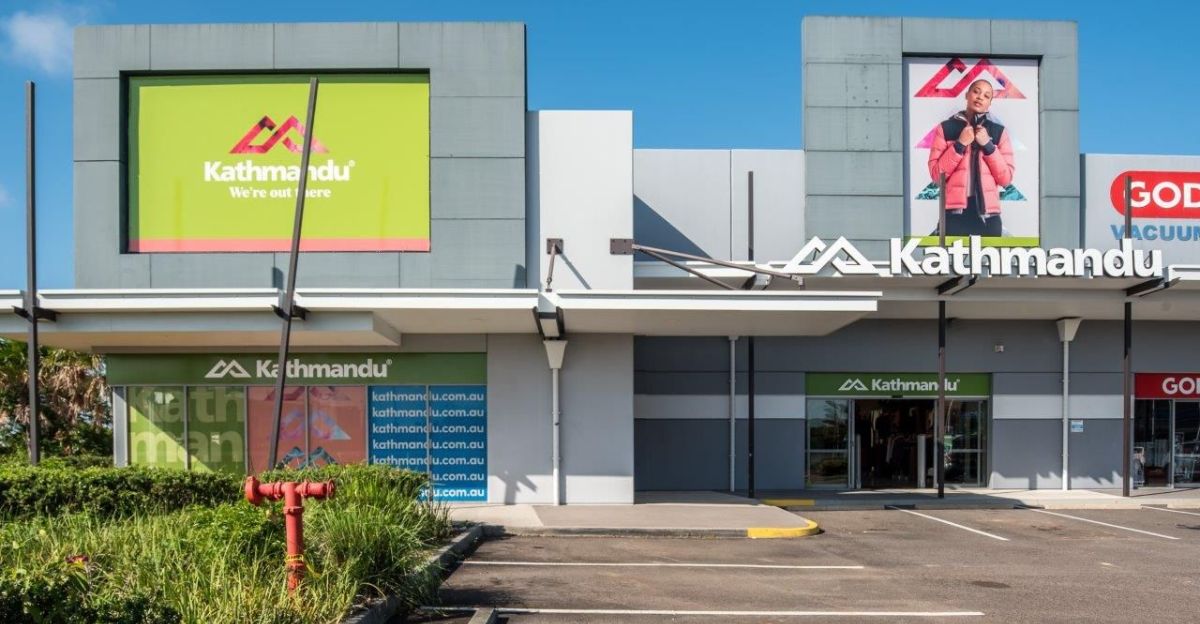
KDM’s repositioning aims to rekindle customer engagement through focused innovation and improved digital-physical integration, despite present setbacks. Adopting data-driven decision-making strengthens brand trust and allows for more precise market differentiation.
This well-rounded approach aligns with modern retail success frameworks that emphasize customer-centricity as a driver of growth.
Getting Ready for Upcoming Market Changes
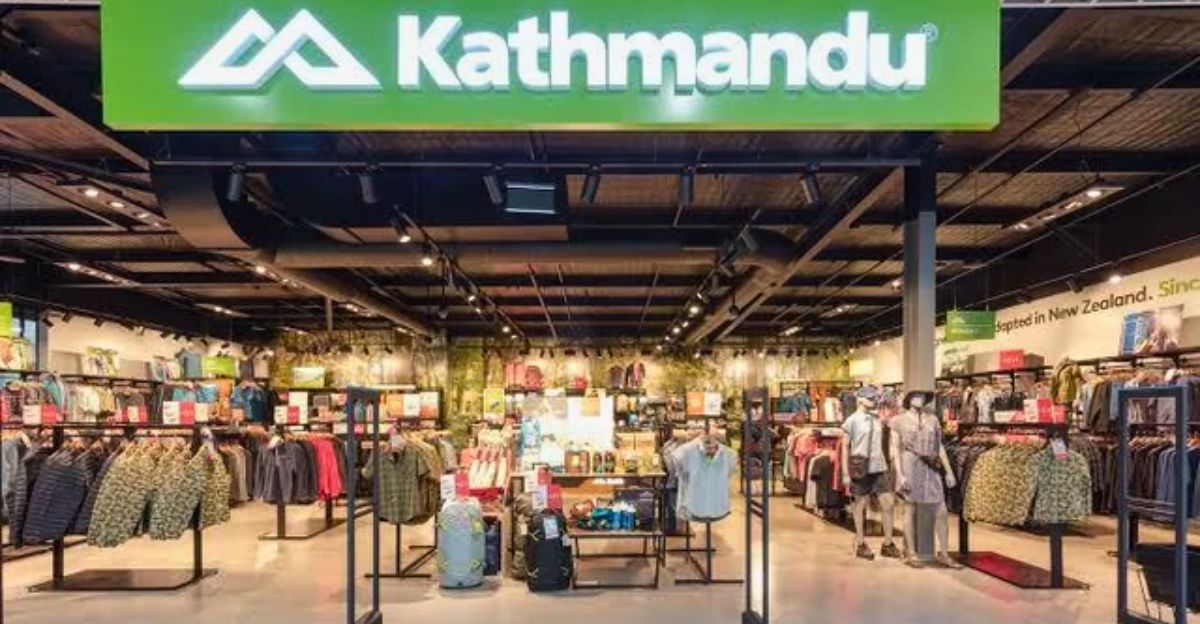
Retail is a dynamic industry, and KDM’s audacious choices are a prime example of proactive adaptation in a changing environment influenced by social, technological, and economic factors.
The company’s experience teaches the retail industry as a whole to use crises as opportunities for strategic change that is in line with changing consumer values and market realities, rather than just responding to losses.
In Conclusion
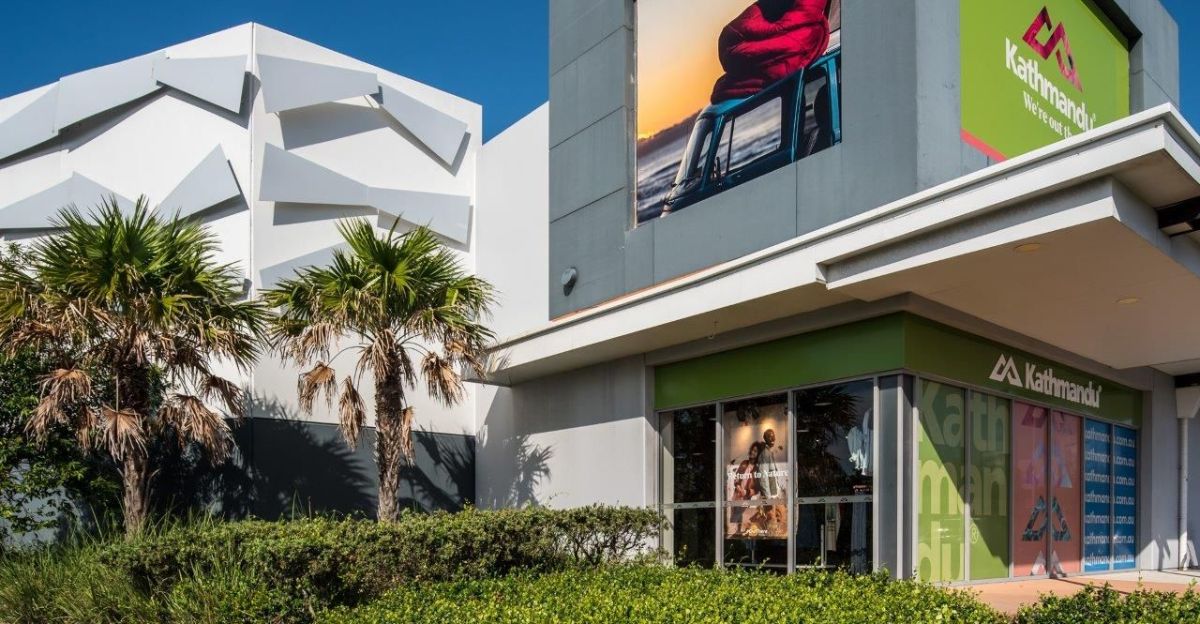
It’s a painful but enlightening recalibration, as evidenced by KDM Brands’ most significant U.S. pullback and $93 million loss following the social media backlash against the company.
KDM is in line with contemporary retail imperatives that strike a balance between authenticity, profitability, and customer engagement by closing underperforming stores, investing in digital tools, and developing experiential retail. The strategic depth and open response show promise for long-term recovery and growth, setting a responsible example in a turbulent retail era, even though the immediate figures indicate distress.