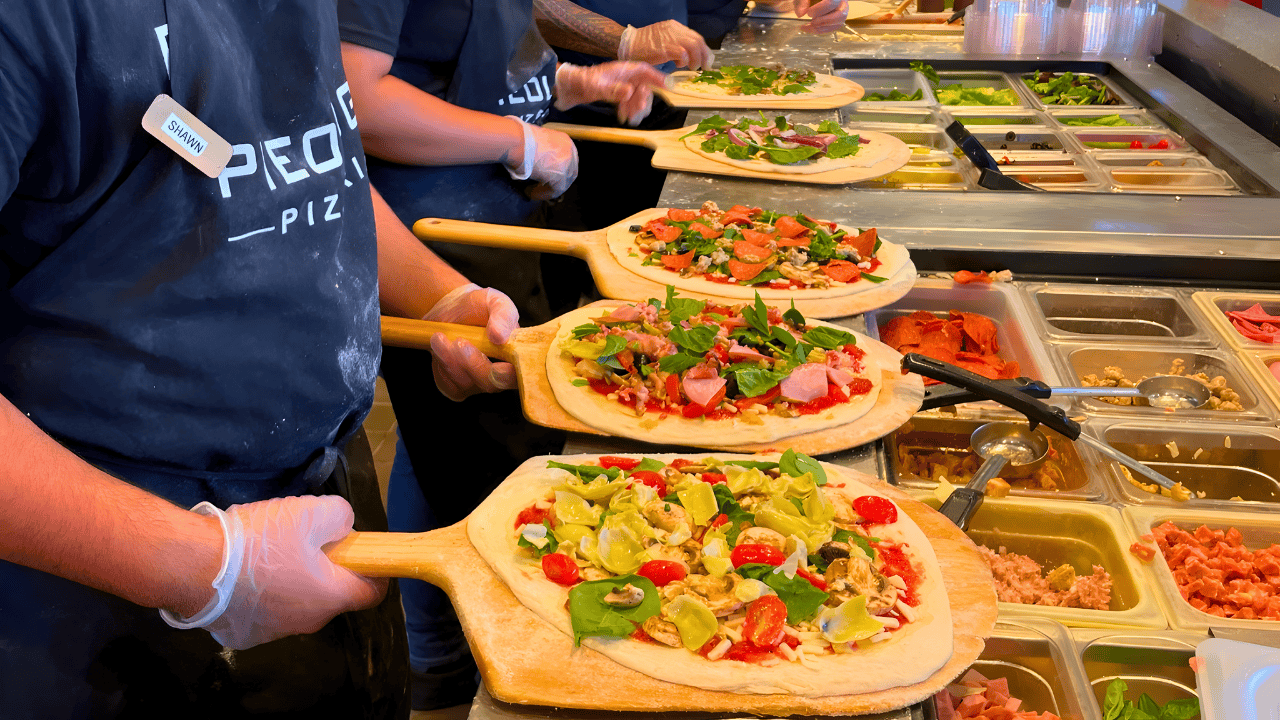
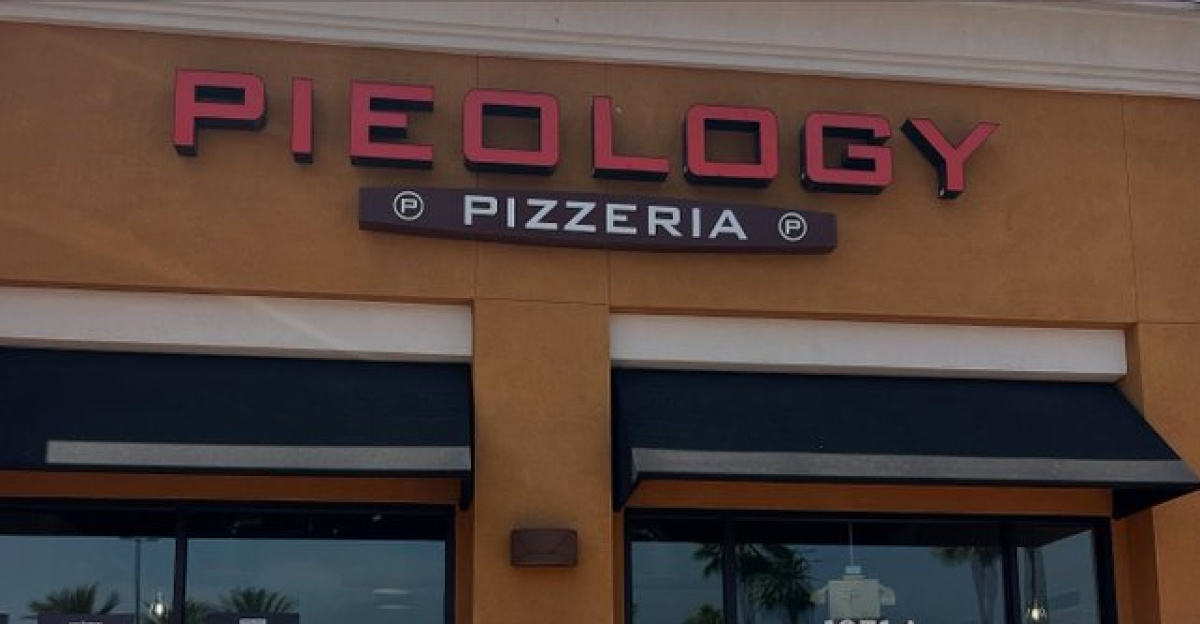
On December 10, 2024, Pieology Pizzeria, once celebrated as the “Chipotle of pizzas” and backed by NBA star Kevin Durant since 2017, declared Chapter 11 bankruptcy. This rapid decline resulted in the closure of 58 locations and threatened the job security of approximately 1,200 workers nationwide.
From a peak of nearly 150 locations in 2017, the company’s contraction to just 45 units reflects a more significant crisis within the fast-casual dining sector, previously deemed recession-resistant.
The Core Cause: Why Pandemic Gains Evaporated
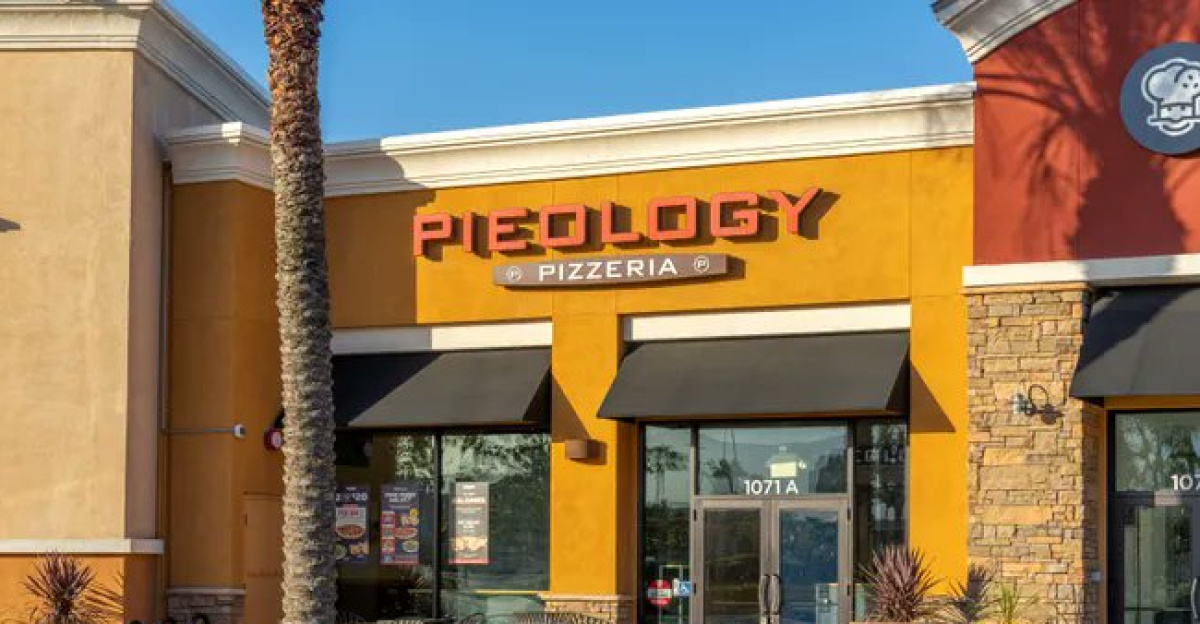
Founder Carl Chang attributed the collapse to “severe disruption due to the pandemic and the subsequent economic environment,” including labor shortages, inflation, and changes in consumer behavior. Sales dropped by 11% in 2024 alone, exacerbating Pieology’s struggles.
An ill-fated attempt to stabilize the business by acquiring 29 underperforming franchises drained essential capital. This lack of operating funds ultimately resulted in Pieology being unable to sustain itself through the challenging economic climate by fall 2024.
Consumers Lose a Customizable Dining Option
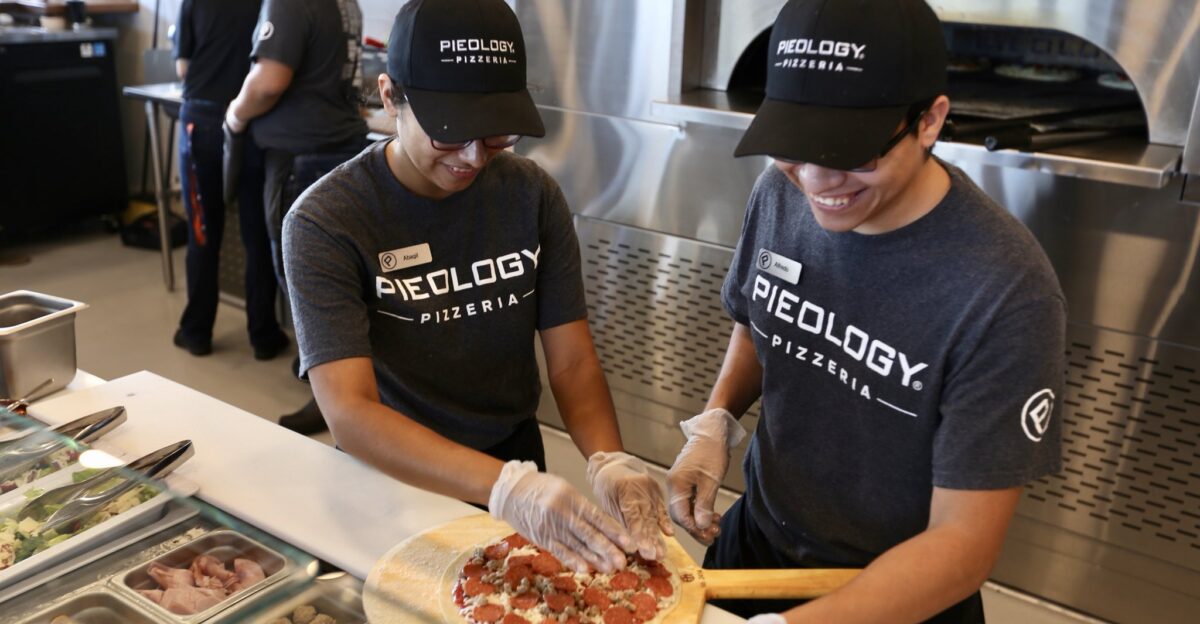
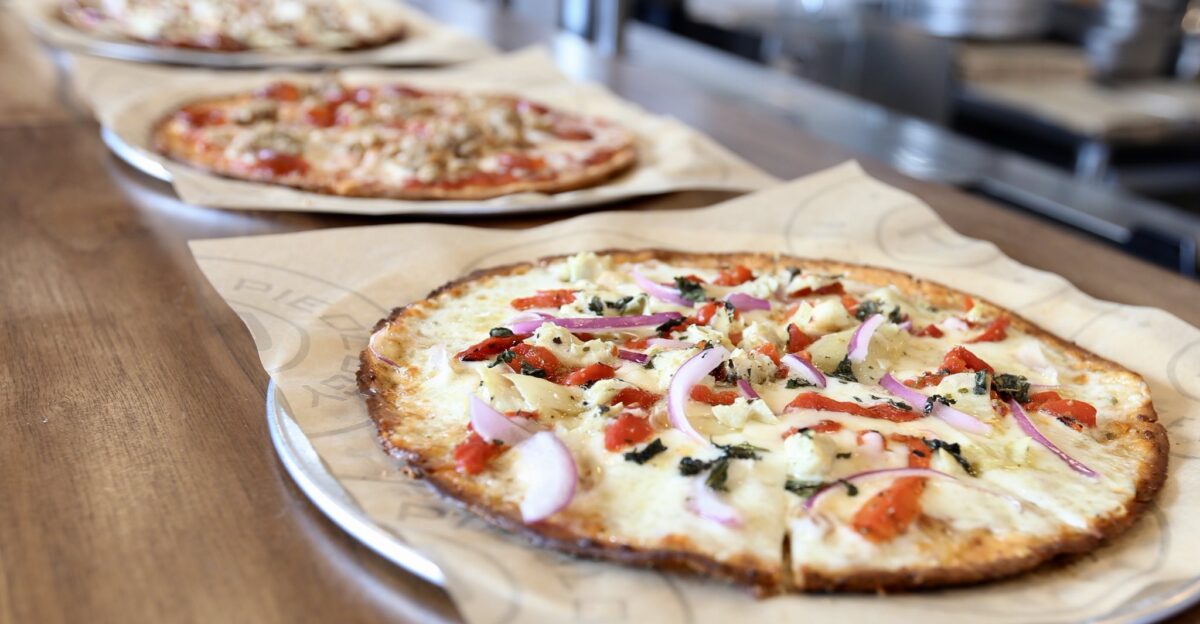
The closure of Pieology locations leaves customers in California, Texas, Florida, and across nine other states without the customizable pizza options that were once a hallmark of the fast-casual dining experience. As competitors like MOD and Blaze Pizza also contract, fans of bespoke dining face dwindling alternatives.
Families can no longer gather to create their meals in real time, prompting a shift toward traditional pizza chains or home cooking, which may reduce the overall frequency of dining out for many households.
Landlords and Real Estate Markets Face Vacancy Waves
With 58 locations shuttered, Pieology’s closures leave a significant impact on commercial real estate, resulting in numerous vacant leases across high-traffic areas. Landlords in states like California and Texas are grappling with extended vacancy periods and decreased rental income.
This trend of rapid fast-casual restaurant failures is leading many property managers to offer discounted rents to attract replacement tenants, thereby putting additional pressure on neighboring retailers.
Food Suppliers Lose a Major Client
The fallout from Pieology’s bankruptcy extends to its suppliers, including flour mills, cheese distributors, and vegetable vendors, who are now facing lost contracts associated with the chain’s 58 closed locations. Small agricultural suppliers are particularly impacted, as reduced demand forces them to cut margins or even downsize their workforce.
Larger suppliers, such as U.S. Foods and Sysco, report a notable decline in orders from quick-service restaurants, leading to further disruption within the supply chain.
Franchise Model Itself Under Scrutiny
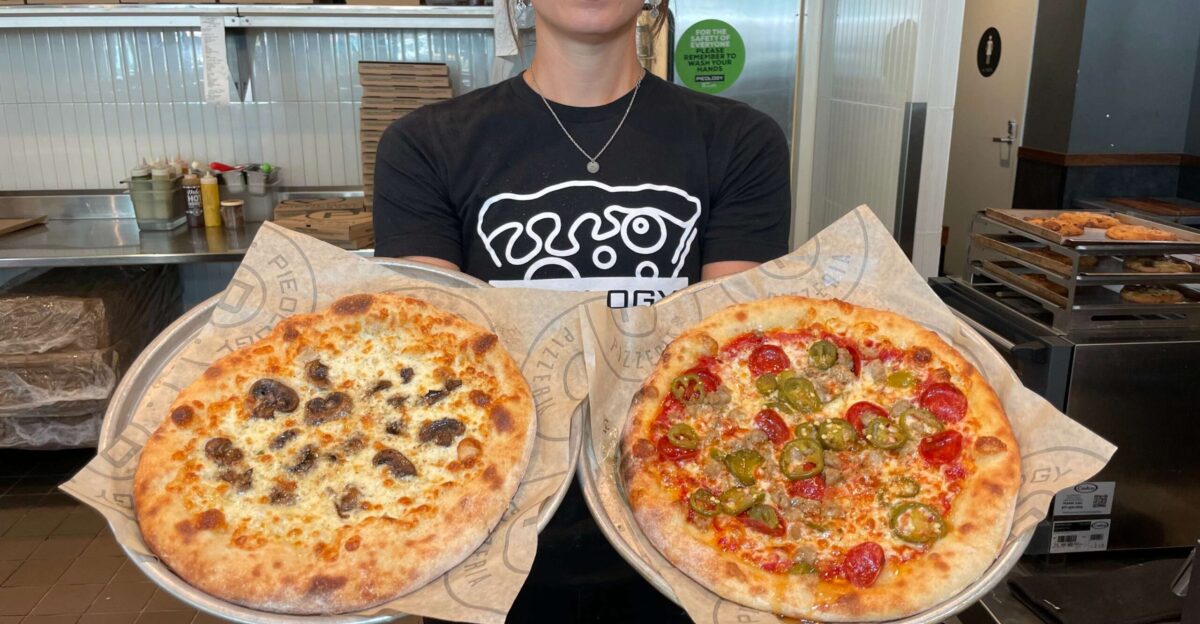
The fallout from Pieology’s collapse sparks questions about the resilience of the franchise model. The company’s misguided rescue strategy, which involved seizing control of underperforming franchises, proved detrimental when financial backing abruptly vanished.
Franchisees now confront a cloud of legal and economic uncertainty as bankruptcy proceedings unfold. Moreover, potential investors express skepticism about the value of joining celebrity-backed concepts, signaling a decline in interest in quick-service pizza brands among aspiring entrepreneurs.
Employees Face Job Loss and Economic Disruption

The closure of Pieology locations leaves approximately 1,200 employees, primarily kitchen staff, cashiers, and shift leaders, facing job loss or economic uncertainty. Many of these workers, earning between $15 and $18 per hour, are now reliant on unemployment claims amid the chaotic bankruptcy process.
The simultaneous layoffs strain state labor agencies in areas like California and Texas, making it particularly difficult for those without college degrees to find new job opportunities in a challenging market.
Policy Makers Question Fast-Casual Labor Standards
The consequences of Pieology’s bankruptcy reignite debate around labor standards within the fast-casual dining sector. As workers often lack access to health insurance or paid leave, labor advocates are urging policymakers to reassess the adequacy of the minimum wage.
Following the WARN Act notifications filed by Pieology, there is high scrutiny on federal compliance among similar chains. Policymakers are now considering the complexities surrounding wage responsibilities in franchise models, which could lead to significant regulatory changes.
The Broader Economic Landscape: What This Means
The rise of bankruptcies in the fast-casual dining sector, as exemplified by Pieology, hints at broader economic issues. Consumers are tightening their belts amid fluctuating inflation rates and waning disposable income.
As this sector struggles, the ripple effects are evident across multiple industries, influencing everything from real estate to agricultural markets. Increased financial scrutiny within the franchise space may also lead to caution amongst investors regarding similar high-risk ventures.
Emotional Toll: Workers Speak Out
“We relied on our jobs to support our families. Now, we’re just trying to make ends meet while waiting for assistance,” lamented a laid-off cashier from a closed Pieology in California. As bankruptcy proceedings unfold, the human impact of such closures is profound.
Many affected workers are left navigating uncertain futures, highlighting the vulnerability of low-wage positions in the current economy. This crisis underscores the urgent need for policy reform to protect vulnerable workers during economic downturns better.
The Investor’s Eye: Lessons Learned

Investors once flocked to celebrity-backed brands like Pieology, but the recent bankruptcy raises flags about the sustainability of such ventures. The enthusiasm surrounding these businesses may need reevaluation, as the stark contrast between the reality of economic volatility and shifting consumer preferences starkly contrasts with initial expectations.
Analysts recommend a thorough examination of financial health and operational viability before investing in businesses that heavily rely on celebrity endorsements.
The Future of Fast-Casual Dining
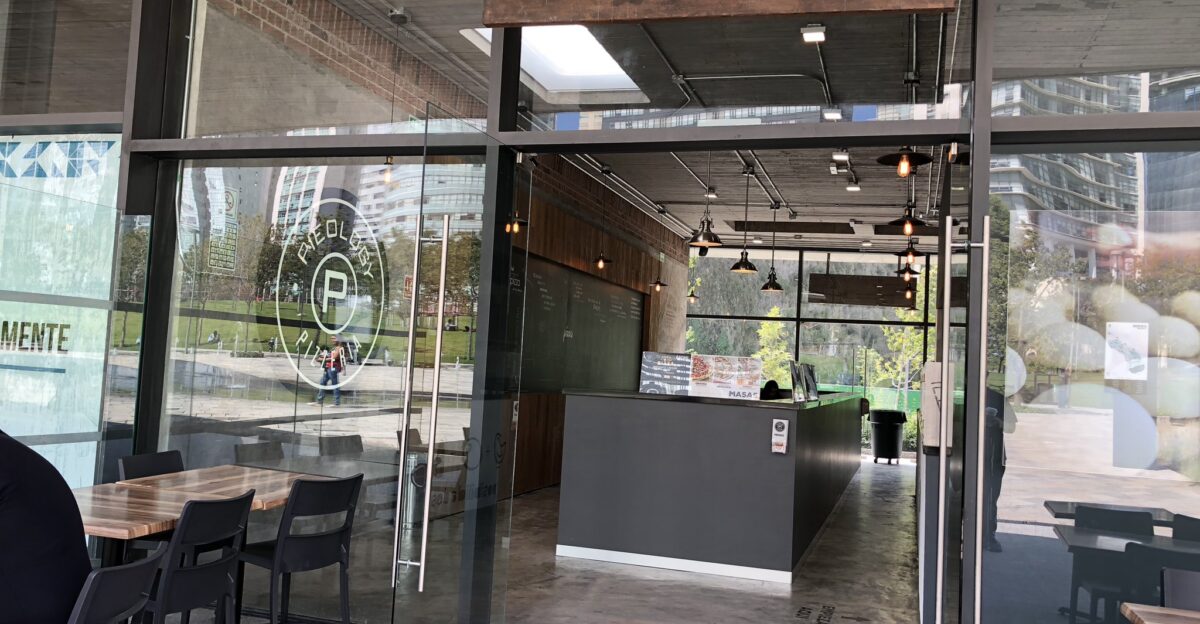
As Pieology’s narrative resonates throughout the fast-casual sector, the future of similar dining concepts remains uncertain. With changing consumer habits favoring convenience and value over novelty, chains must reconsider their approaches.
The industry may need to innovate rapidly, enhancing supply chains, menu offerings, and customer experiences to remain competitive. This dynamic landscape could foster both consolidation and new entrants, as consumer demands evolve.
Community Response: Local Initiatives to Support Workers
In response to Pieology’s closures, local organizations and advocacy groups are mobilizing efforts to address the needs of displaced workers. Initiatives aim to provide job training, career counseling, and emergency financial assistance.
Community members encourage the patronage of small businesses and local food outlets, emphasizing the importance of solidarity during these challenging times. As support networks strengthen, the hope is to mitigate the impact of these job losses on individual livelihoods and the broader community.
Navigating Regulatory Landscape: The Call for Change
With Pieology’s collapse drawing attention to labor and franchising laws, stakeholders advocate for regulatory changes to protect workers and ensure fair practices within franchises. This scenario presents a pivotal moment for policymakers to reexamine existing labor standards and introduce reforms that enhance employee rights and economic stability.
The hope is to reshape the future of fast-casual dining in a way that truly benefits all parties involved, from owners to employees.
A Cautionary Tale
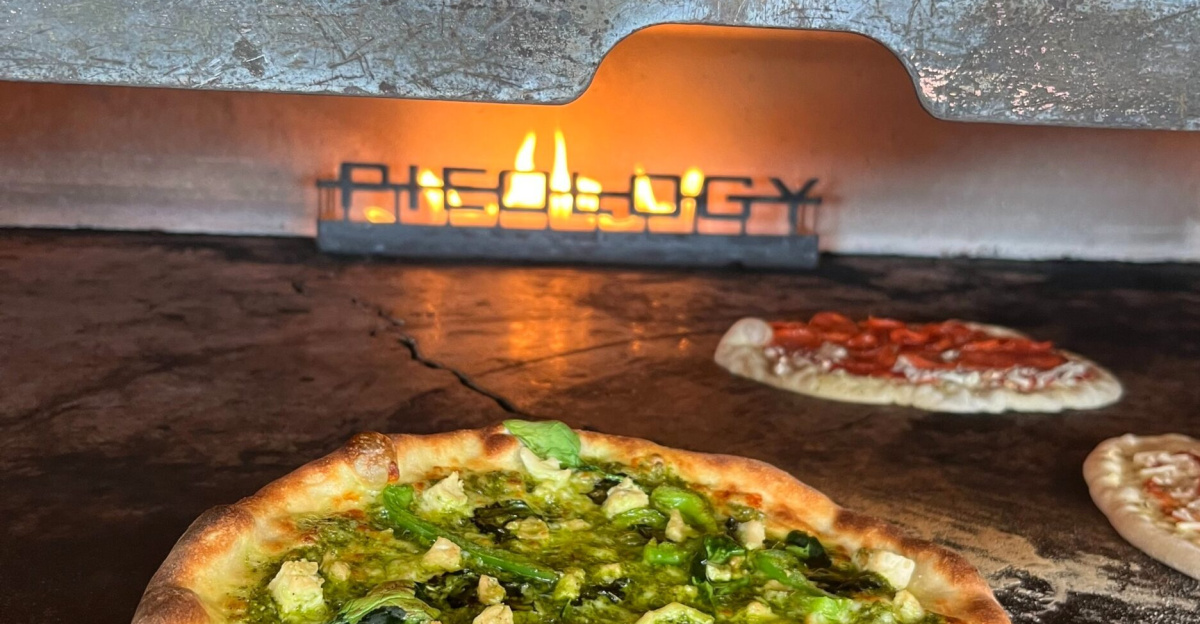
Pieology’s rapid rise and fall serve as a cautionary tale for the fast-casual dining industry, illustrating the vulnerabilities that exist even in seemingly successful brands. As the dust settles, the industry must adapt to changing economic climates and consumer expectations to thrive.
Stakeholders must find a balance between innovation and sustainability, ensuring that the lessons learned from this collapse shape a more resilient future for fast-casual dining.
Sources:
Restaurant Dive “Pieology Files Chapter 11 Bankruptcy After Turnaround Fails”
Nation’s Restaurant News “Pieology Pizza Files for Bankruptcy”
Business Insider “Kevin Durant-Backed Pieology Bankruptcy”
Restaurant Business Online “How Pieology’s Rescue Attempt Contributed to Bankruptcy”
U.S. Bureau of Labor Statistics “Fast-Casual Wage & Employment Data”
Federal Reserve “Economic Outlook & Monetary Policy”