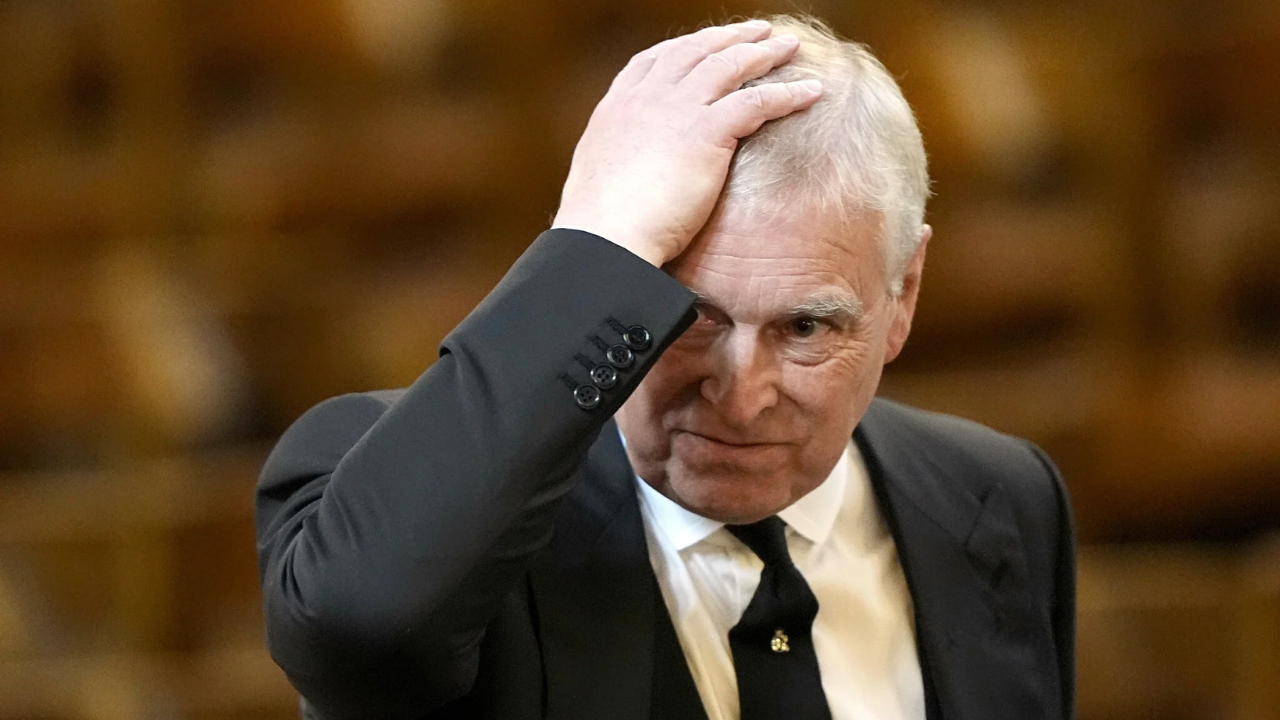
On October 30, 2025, King Charles III made a decision that shattered a century of royal silence. He stripped his own brother—Andrew Mountbatten-Windsor, once third-in-line to the British throne—of every title, honor, and privilege inherited at birth.
In a single decree, the King transformed a senior royal into a man with “no formal rank,” severing Andrew from centuries of ceremonial status. It was unprecedented, brutal, and deliberate. The monarchy’s unwritten rule had always been clear: protect your own, handle crises in shadows, never air family dysfunction publicly.
The Nuclear Option Stripped Andrew Bare
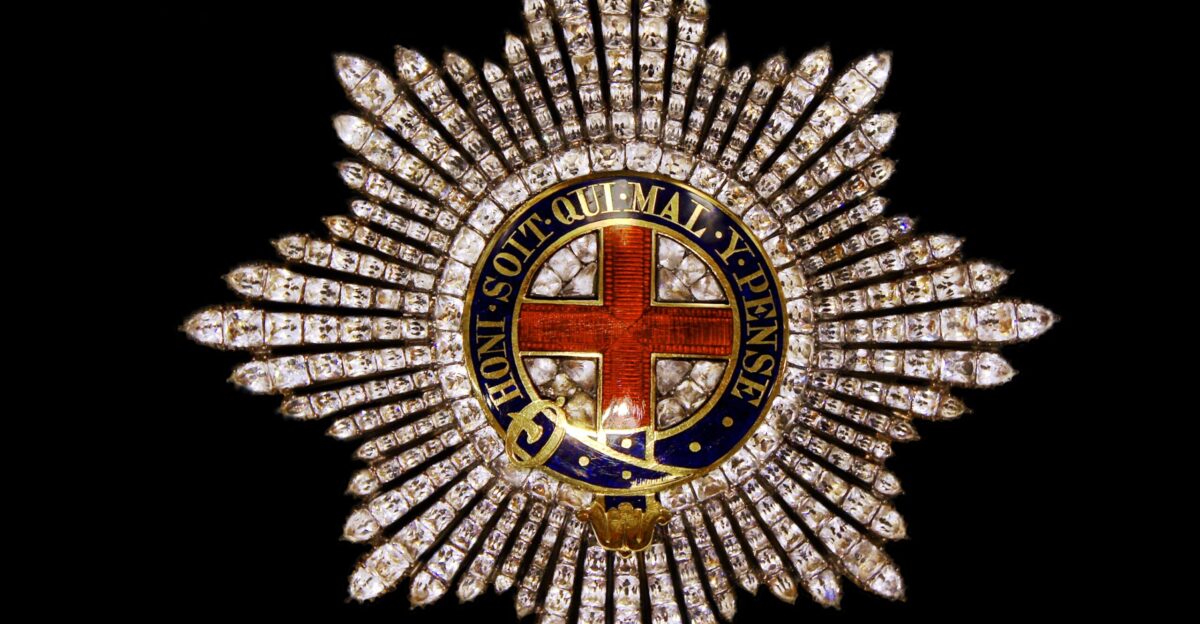
King Charles formally removed Andrew’s “style, titles and honours,” according to Buckingham Palace. Andrew lost Prince, His Royal Highness, Duke of York, Earl of Inverness, and Baron Killyleagh. The Palace also revoked his Order of the Garter and Royal Victorian Order appointments—honors his mother, Queen Elizabeth II, had bestowed.
The statement was pointed: “Their Majesties’ thoughts and utmost sympathies remain with the victims and survivors of any and all forms of abuse.”
Why King Charles Finally Acted

Andrew’s decades-long association with Jeffrey Epstein, the convicted sex offender, created mounting pressure. But the catalyst came in September 2025 when Sarah Ferguson’s 2011 email surfaced, calling Epstein her “supreme friend.” With both Andrew and Ferguson now entangled publicly in the scandal, King Charles ran out of patience.
The Epstein shadow—linked to Virginia Giuffre’s allegations and her death by suicide in April 2025—became indefensible.
A 106-Year Precedent
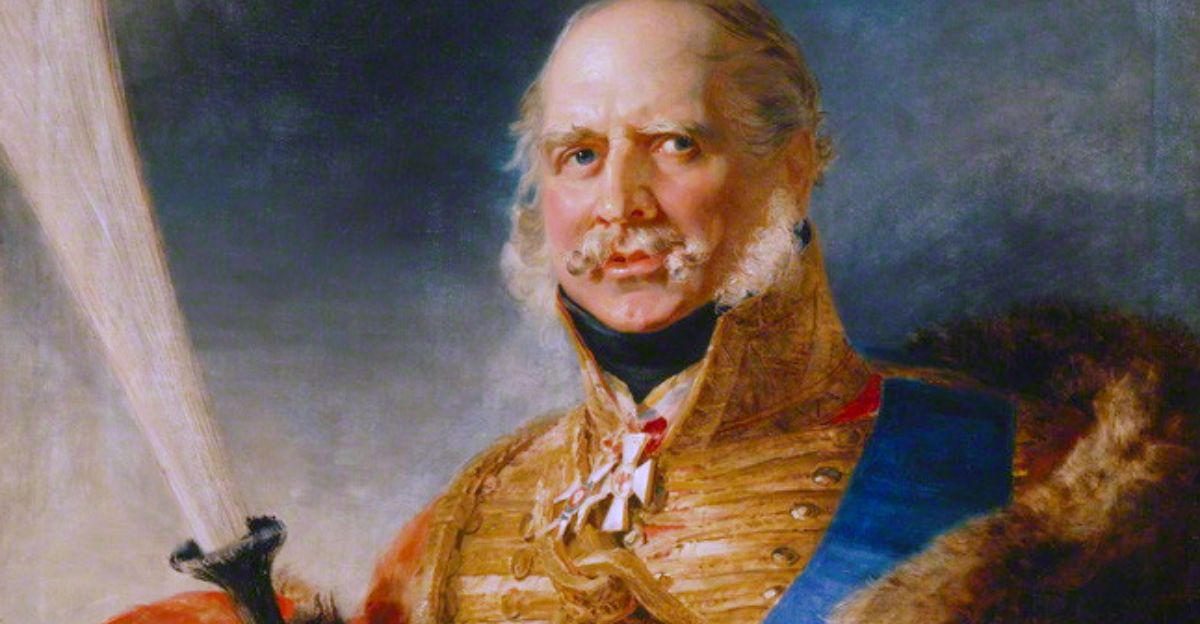
The last time a senior British royal lost his titles was in 1919, when Prince Ernest Augustus was stripped of his titles for supporting Germany during World War I. Over a century had passed without such action. The monarchy prided itself on handling internal crises privately, maintaining the fiction of institutional perfection.
King Charles shattered that fiction by choosing transparent accountability, signaling a different approach to the crown.
Royal Lodge: 30 Rooms on 98 Acres
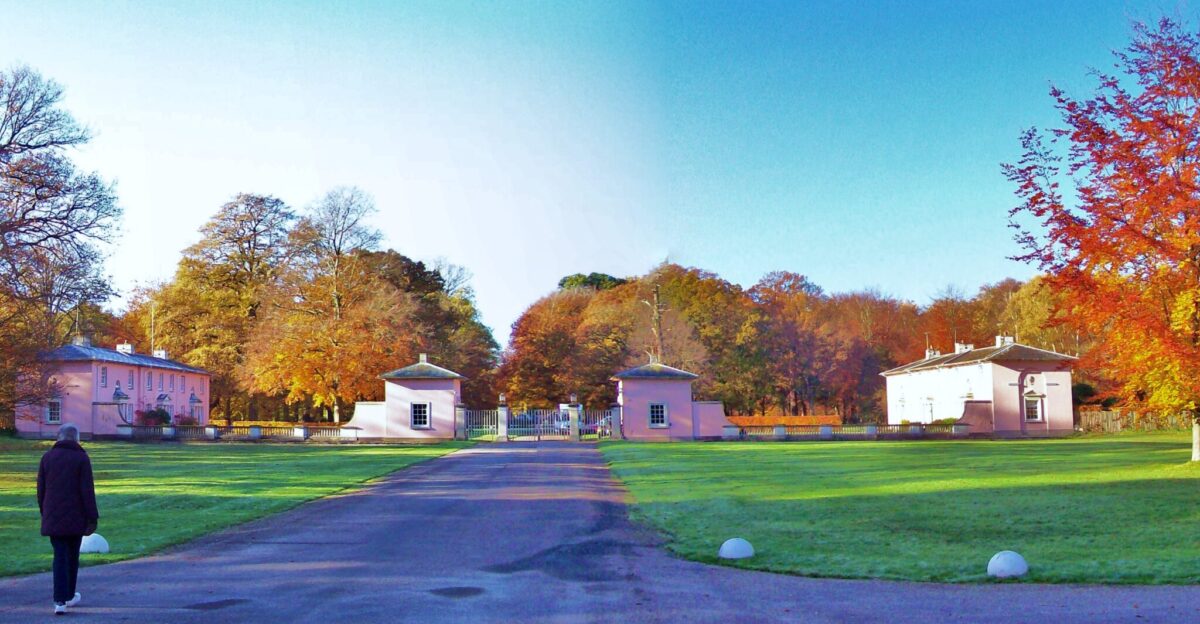
Royal Lodge sits within Windsor Great Park, just 3.2 miles from Windsor Castle. The mansion contains 30 rooms, including seven bedrooms, a grand saloon measuring 48 by 30 feet, and a historic conservatory.
Once cherished by the Queen Mother until she died in 2002, Royal Lodge is among England’s most coveted addresses.
The Lease That Became a Legal Fortress
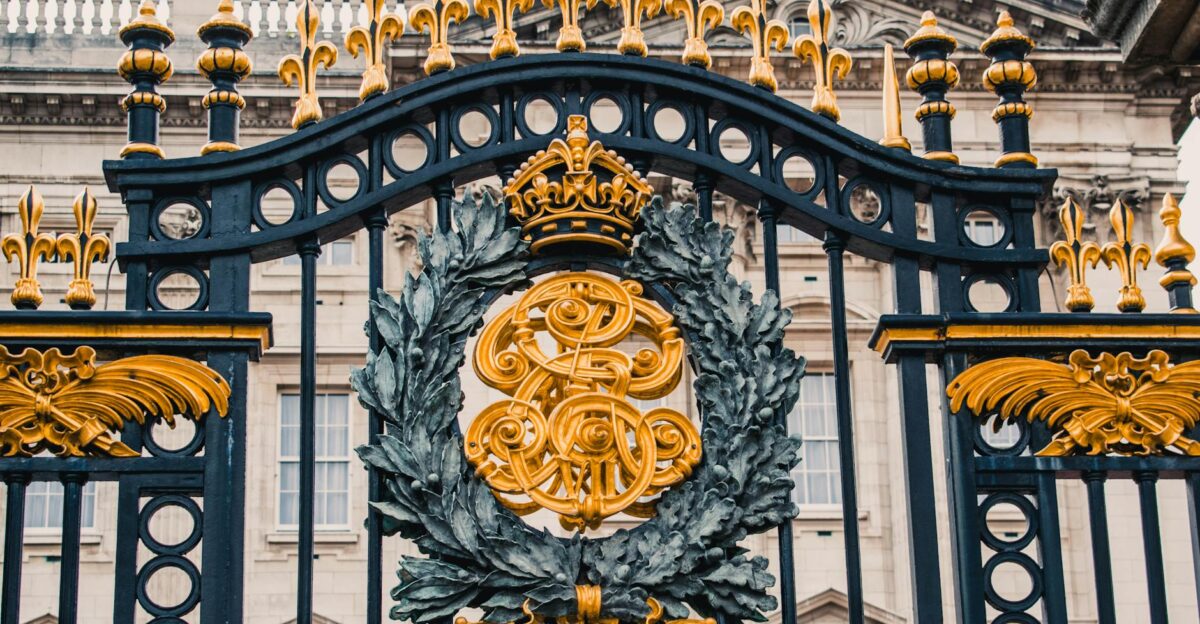
In 2003, Andrew secured a 75-year lease from the Crown Estate—not expiring until June 2078. He paid £1 million upfront, then £7.5 million for renovations completed in 2005. Annual rent: one peppercorn, literally a nominal sum “if demanded.”
Royal correspondent Jennie Bond called it a “cast-iron” deal the King couldn’t void. The Crown Estate could only reclaim the property if Andrew breached a fundamental covenant or failed to pay rent for 21 consecutive days. He did neither.
The $99 Million Demand Emerges
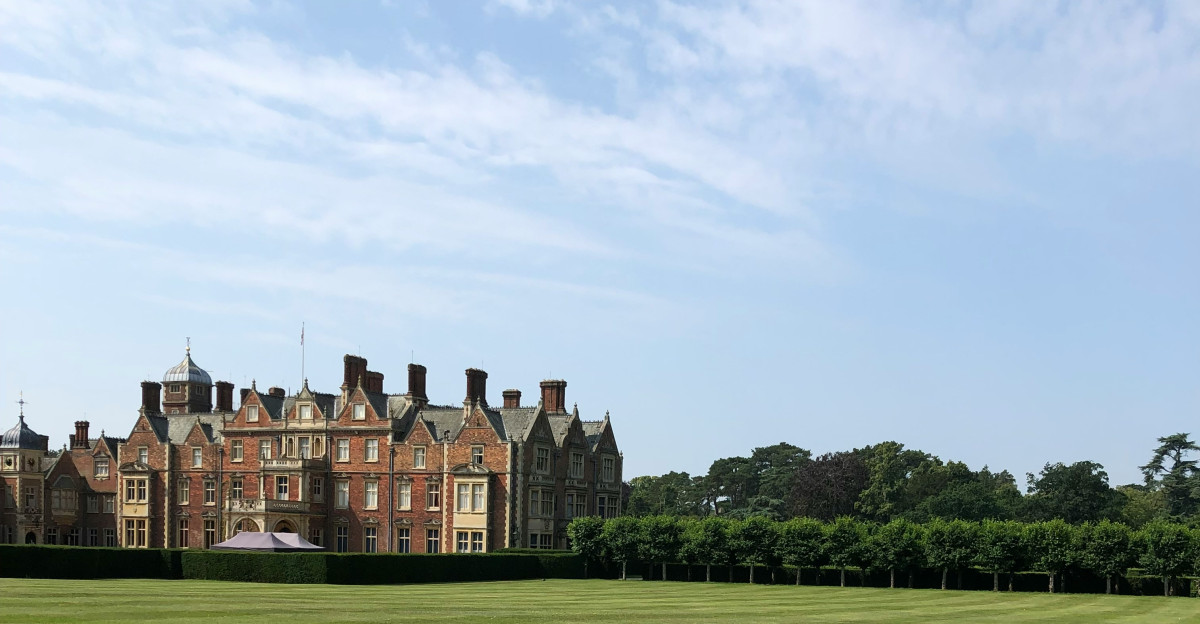
By early December, Andrew’s negotiating position became clear: £75 million, approximately $99 million USD, to “even think about moving out,” according to Rob Shuter’s ShuterScoop. However, money alone wasn’t the driving force.
Andrew insisted on a six or seven-bedroom Sandringham home plus a full staff: “a cook, a gardener, a housekeeper, a driver,” and continued police protection. A former courtier explained bluntly: “Knowing Andrew, this was always going to be about money.”
The Christmas Deadline
King Charles had apparently set a Christmas 2025 deadline for Andrew’s departure. That proved to be wishful thinking. By mid-December, Andrew was exploiting every legal technicality to delay. One source revealed: “He is utilizing every available technicality to delay his departure.”
Royal author Robert Jobson observed: “Delay as strategy. Why rush to your own diminishment?” Andrew had provided formal notice on October 30, legally entitling him to remain until October 2026.
Sarah Ferguson Caught Between Love and Exile
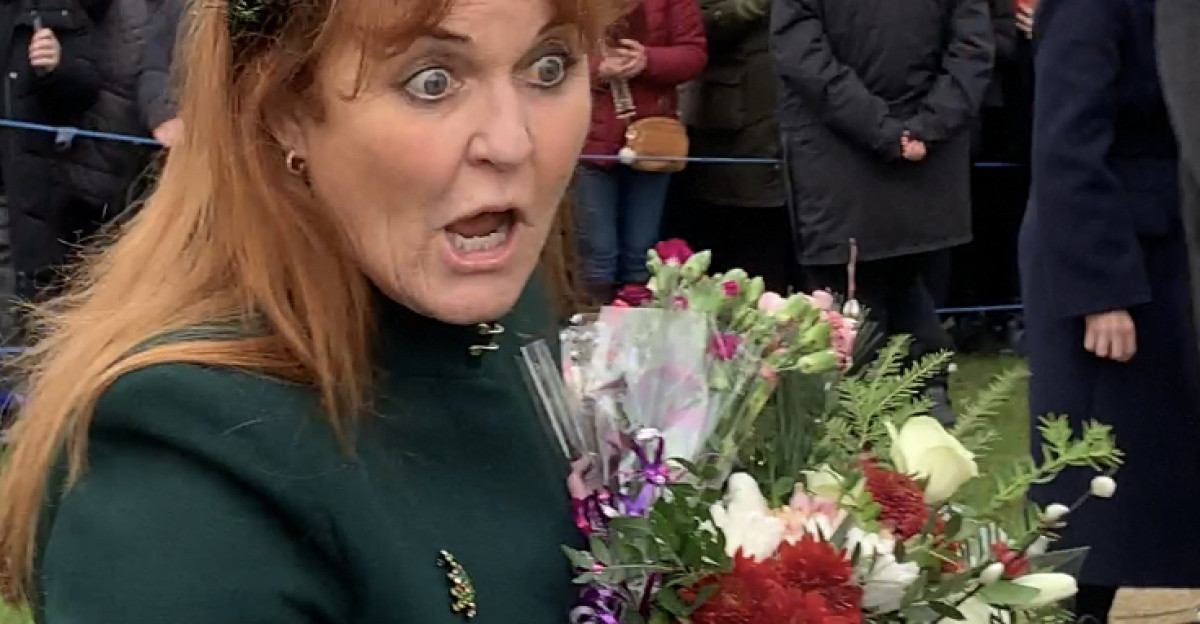
Sarah Ferguson complicated the crisis by living with Andrew at Royal Lodge, despite having divorced him in 1996. They’d separated in 1992 after nearly six years of marriage, yet Sarah moved into Royal Lodge in 2008. She told USA Today: “We share the same house, but it’s a large house, so that’s acceptable.”
With Andrew facing exile, Sarah had to arrange separate accommodations on the Sandringham estate, potentially ending their decades-long co-residence permanently.
The Epstein Timeline

Andrew’s troubles began visibly in December 2010 when he was photographed visiting Epstein in New York, a convicted sex offender. When pressed, Andrew claimed he only went to “end their friendship in person,” later admitting it was a “mistake.”
Virginia Giuffre testified under oath in 2016 that Epstein paid her after an alleged sexual encounter with Andrew. Andrew’s team labeled her account “false memory.” In February 2022, Andrew settled with Giuffre without admitting liability.
The Death That Changed Everything
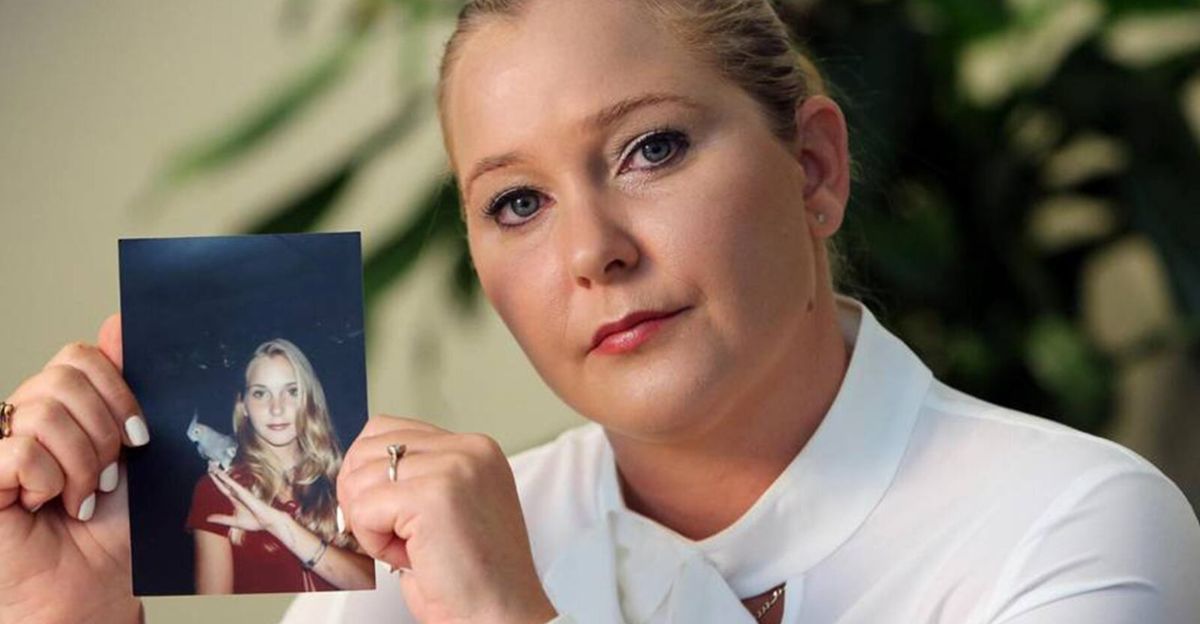
Virginia Giuffre died by suicide at age 41 in April 2025, months before her tell-all memoir’s release. Then, in September 2025, Sarah Ferguson’s own 2011 email to Epstein was made public. She called the sex offender her “supreme friend” and apologized for previously disowning him.
The exposure drew both Andrew and Sarah back into the center of the scandal, creating unbearable pressure. For King Charles, the accumulated weight became impossible to ignore.
Why the King Couldn’t Simply Evict
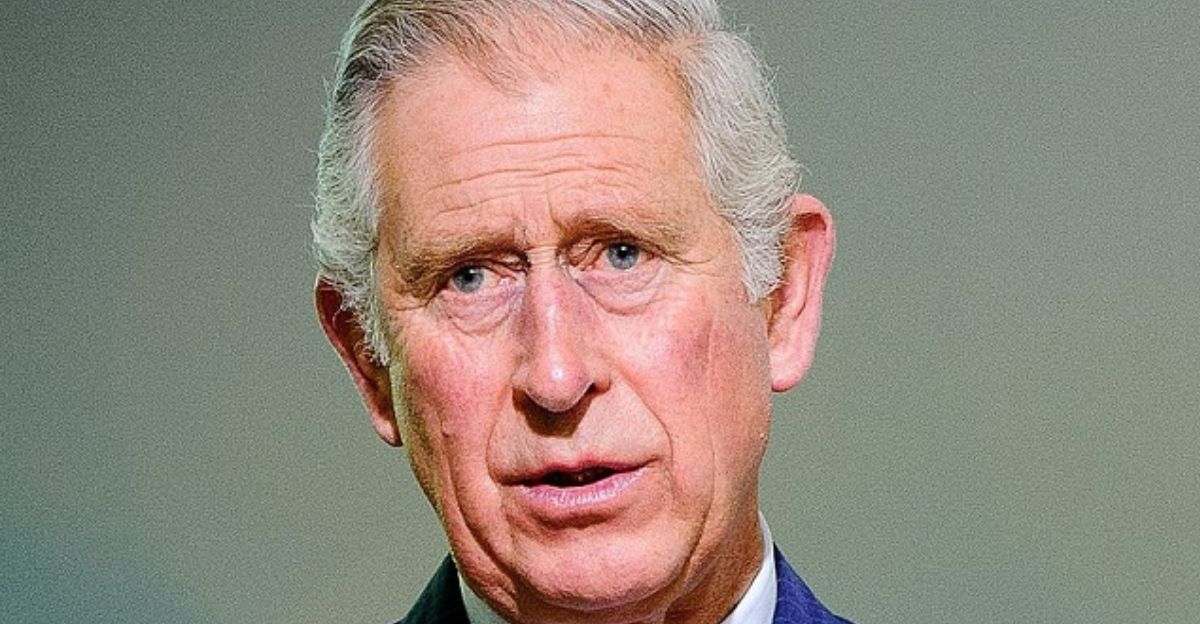
Here’s where King Charles faced a legal nightmare. Andrew’s lease wasn’t a standard tenancy agreement—it was legally impenetrable. The Crown Estate could only reclaim the property if rent went unpaid for 21 days or fundamental covenants were breached.
Andrew had paid upfront and violated no explicit conditions. A royal leasing expert noted: “If a tenant fails to meet lease obligations, the landlord can take action.” But Andrew had met his obligations perfectly.
Property Damage Revealed by Inspection
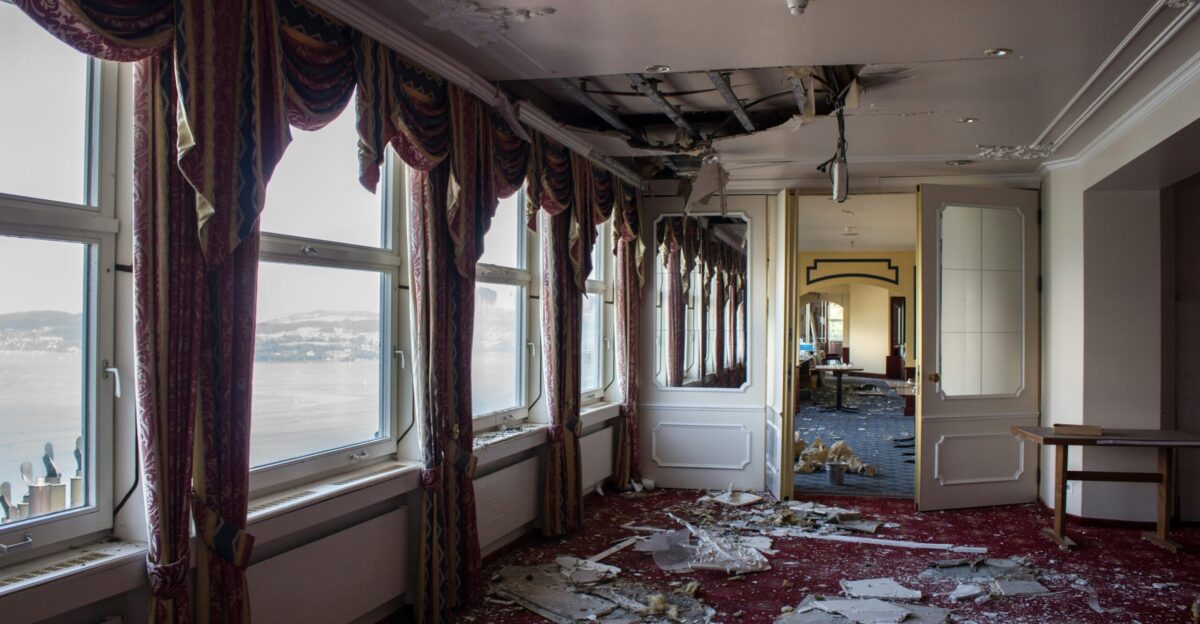
In December, an end-of-tenancy inspection conducted on November 12 revealed significant damage: “damp, peeling paint, and crumbling brickwork.” The Crown Estate’s assessment significantly altered the financial calculus. Typically, Andrew would receive approximately £488,342 upon surrendering his lease early.
The Crown Estate concluded: “Andrew Mountbatten-Windsor will not be owed any compensation for early surrender of the lease once dilapidations are taken into account.” The damages would consume his investment entirely.
Sandringham’s Modest Cottages Await
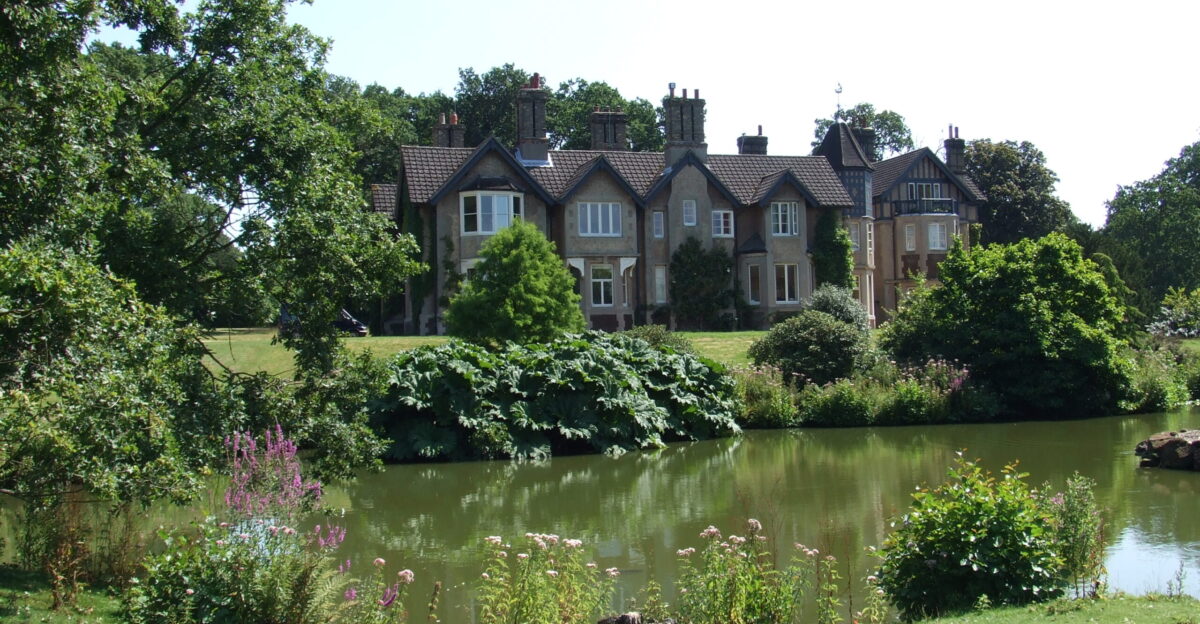
Where would Andrew go? Reports indicated he’d be offered a Sandringham estate property—a dramatic downsize from 30 rooms and 98 acres. Options included York Cottage, originally a bachelor lodge presented by Edward VII in 1893; Gardens House, a four-bedroom Edwardian property; or The Folly, a 19th-century structure with a wraparound balcony.
Each is modest by royal standards. For Andrew, the prospect wasn’t exile—it was humiliation, as he was forced to downsize his entire lifestyle overnight.
King Charles’s Modernization Agenda
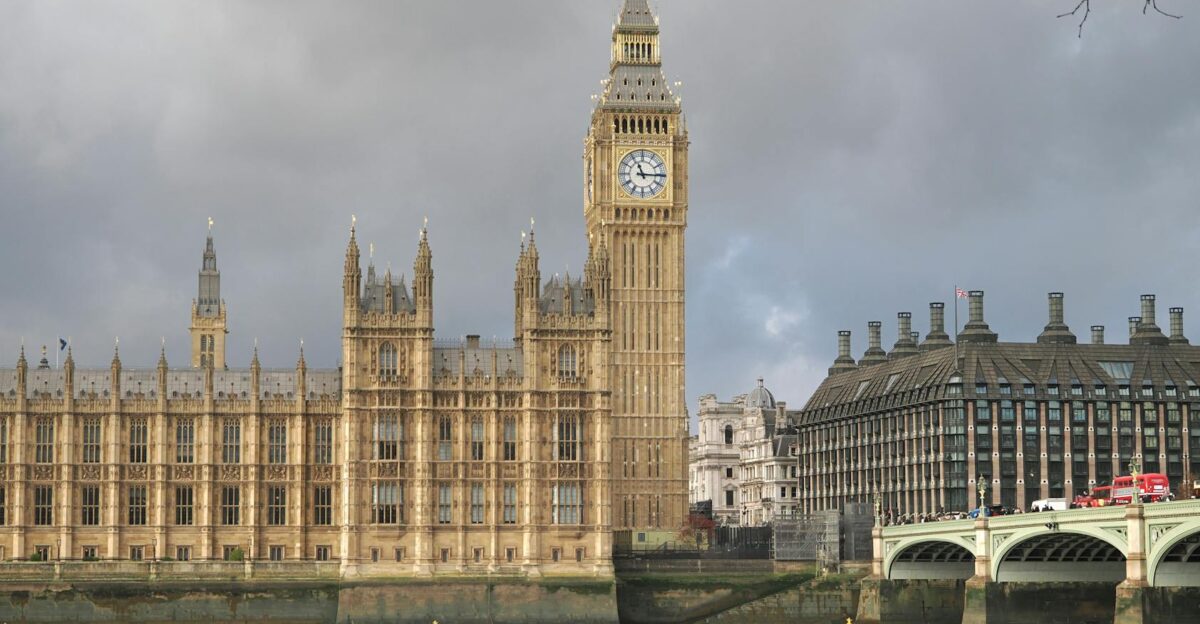
King Charles assumed the throne with explicit modernization mandates: streamline operations, reduce the number of working royals, eliminate ceremonial excess, and make the crown “more relevant and responsive to contemporary society.” Prince William picked up the theme, speaking of “change.” However, Andrew’s standoff exposed the limits of modernization.
The King appeared unable to remove his own brother from royal property without waging public legal battles or writing nine-figure checks. The irony stung: the monarchy’s transparency campaign was hijacked by old-guard royal entitlement.
No Formal Rank: The Ultimate Demotion
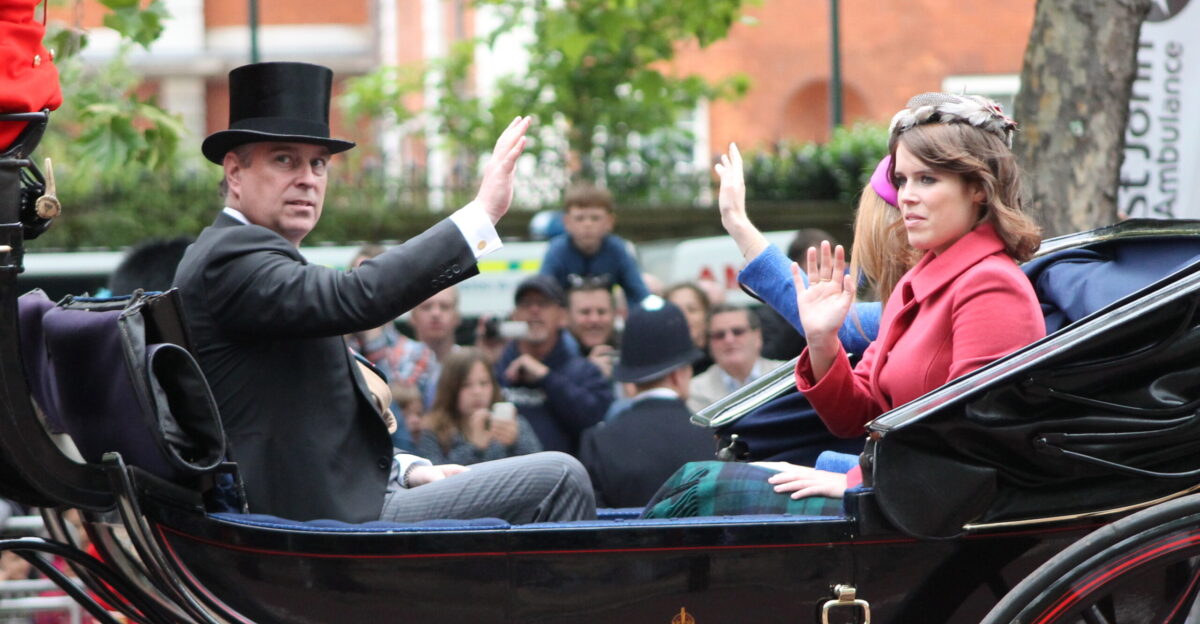
Andrew Mountbatten-Windsor now held “no formal rank.” He had no titles, no honors, no ceremonial position. When appearing publicly—if at all—he’d be introduced simply by name. No “His Royal Highness,” no “Prince,” no historical precedent to invoke.
He became a 65-year-old man living in a mansion that wasn’t legally his, demanding money to leave, with a reputation anchored to one of history’s most notorious sex-trafficking scandals. The fall from grace was total and irreversible.
The Stalemate of December 2025

By mid-December 2025, the situation remained deadlocked. Andrew occupied Royal Lodge, title-stripped but resident, still making demands, still leveraging his lease. King Charles wanted him gone; Parliament demanded answers; the public watched the crisis unfold in slow motion.
Would the King agree to $99 million? Would Andrew eventually compromise? Would Sarah Ferguson’s separate arrangements accelerate his departure? These questions remain unanswered as 2025 draws to a close.
Andrew’s Leverage Remains Formidable
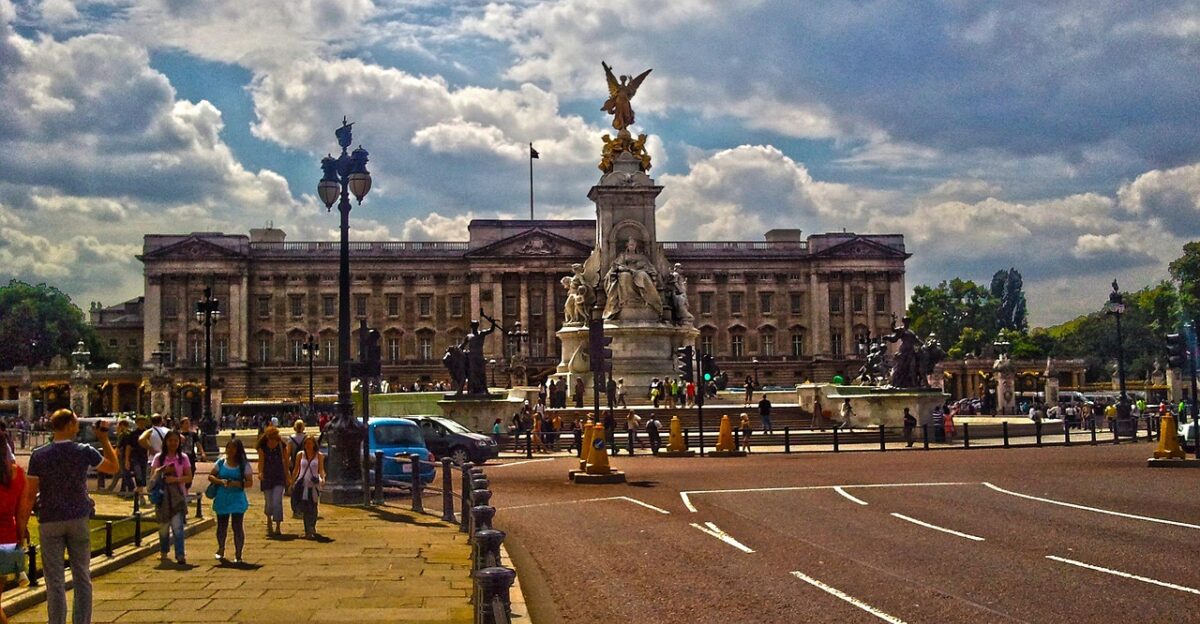
If King Charles were to force Andrew out through legal action, the crown would enter uncharted territory. The press would be relentless. Would the King prevail? Andrew’s lease was complex; his investment was documented; his technical breaches were minimal. A court case could drag on for years, further damaging the monarchy.
Paying him off—even $99 million—might look like capitulation, but it was legally simpler. A royal expert noted, “One must be practical; this was the only way to remove him.” Yet the perception damage lingers.
The Fortress Wasn’t Royal Lodge
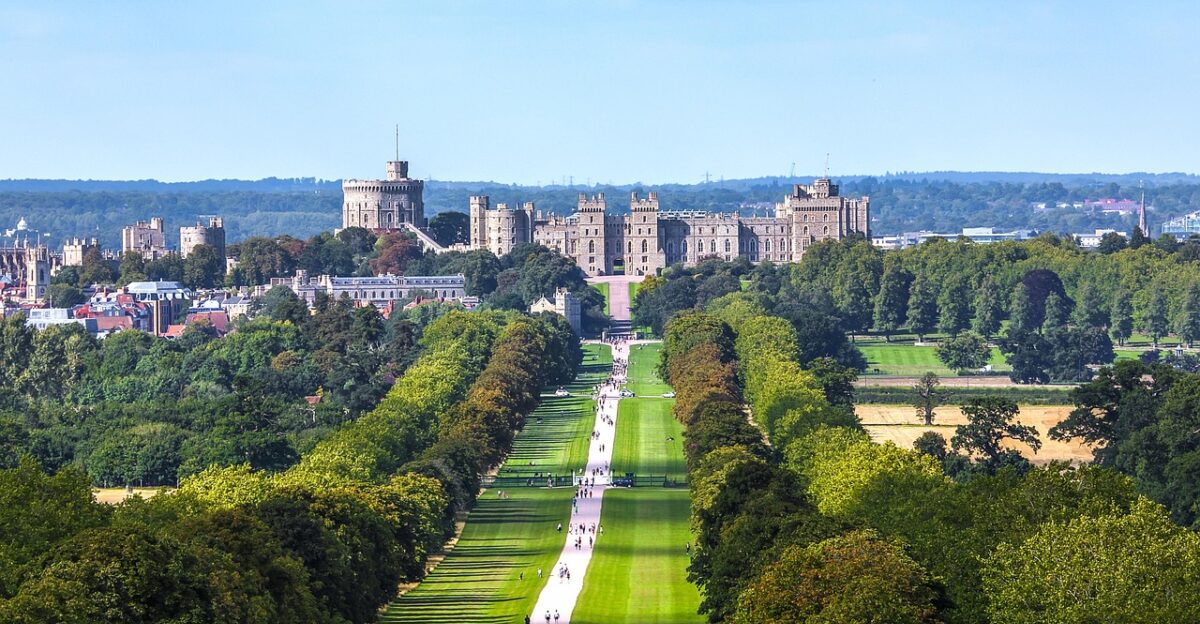
What became clear was that the monarchy entered a new era of accountability, albeit with significant loopholes. King Charles could strip titles and issue formal notices, but breaking a 75-year lease required negotiation, money, and patience. Every day Andrew remained in the mansion was a day the monarchy looked dysfunctional. Every leaked demand reinforced skepticism about genuine reform.
The irony was profound that in removing the most disgraced family member, King Charles revealed how privilege persists even in reform eras. The fortress wasn’t Royal Lodge; it was the system itself.
Sources:
King Charles strips brother Andrew of titles and his mansion – Reuters
King Charles III strips Prince Andrew of titles, evicts him from royal home – Al Jazeera
King Charles strips his brother Andrew of ‘prince’ title and royal honors – CNN
Andrew Allegedly Demanding £75 Million from King Charles – Cosmopolitan
Royal Lodge – or mini-palace? The 30-room house caught up in the Prince Andrew scandal – The Guardian