For years, Logan’s Roadhouse was a favorite casual dining spot across America, known for its steaks, peanuts on the floor, and lively atmosphere. Then, almost overnight in early 2020, the chain disappeared. More than 600 restaurants closed their doors, leaving around 20,000 workers without jobs. The shutdown shocked employees and customers alike, as many found out only when they arrived for work and saw the doors locked.
The company initially claimed it was temporarily closing during bankruptcy, but the “pause” quickly became permanent. For workers the closures meant losing not only paychecks but also a workplace that felt like family. Many employees also lost their health insurance and retirement benefits overnight. The scale and speed of the layoffs were unlike anything the restaurant business had seen before, a reminder of how fragile employment can be in the food industry.
Bankruptcy and the Blow of the Pandemic
Logan’s Roadhouse was owned by CraftWorks Holdings, which filed for Chapter 11 bankruptcy in March 2020. This type of bankruptcy is meant to allow a company to restructure while staying in business, but for Logan’s, it signaled the beginning of the end. Financial reports showed that the chain was already struggling before the pandemic. Sales had dropped about 11 percent in 2019, and high debt from years of expanding too quickly made recovery difficult. The restaurant market had also become fiercely competitive, with rivals drawing away customers.
Then the COVID-19 pandemic hit, and it crushed full-service restaurants like Logan’s. Government lockdowns and indoor dining restrictions closed dining rooms nationwide. While other restaurants shifted quickly to takeout or delivery, Logan’s didn’t have the technology or systems to make that change effectively. As sales collapsed and investors pulled out, the company ran out of money. Without credit or new funding, corporate leaders decided there was no way forward, ending operations completely.
The Ripple Effect on Communities and Businesses
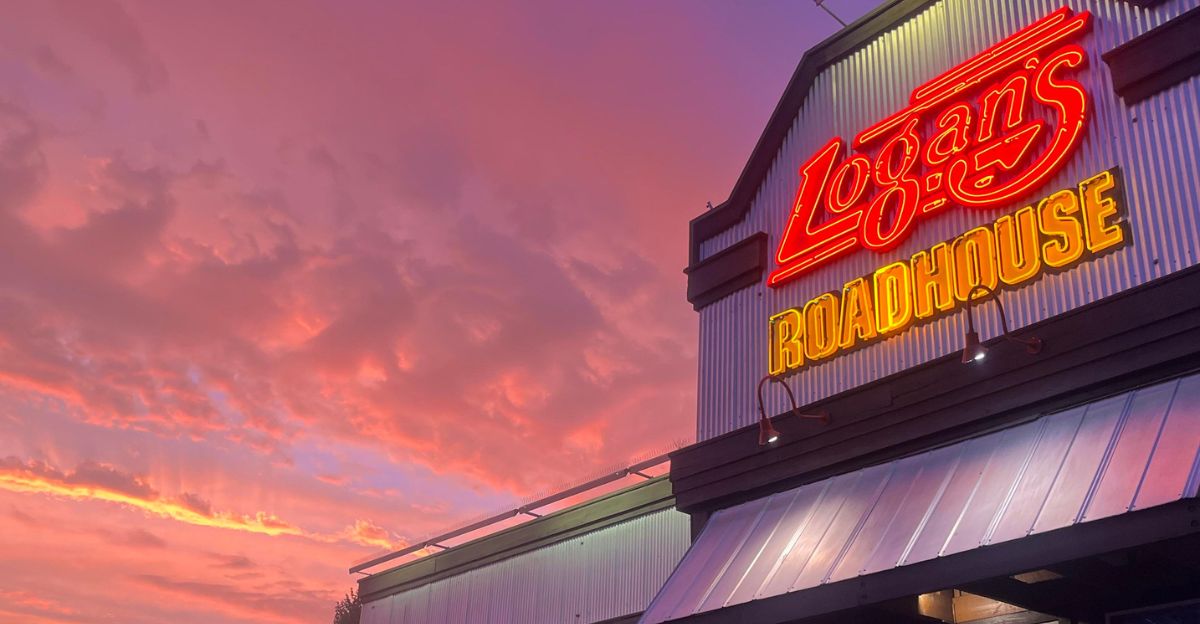
The shutdown of over 600 Logan’s locations rippled across the country. In many small and mid-sized towns, Logan’s Roadhouse had been more than a restaurant, it was a social hub and a major employer. Its closure left shopping centers half empty, hurt local tourism, and reduced traffic to nearby stores. Some communities lost one of their biggest sources of jobs.
The problems spread beyond the restaurants. Vendors, suppliers, and farmers who sold products to Logan’s suddenly lost large, regular orders. Many were left with unpaid bills and canceled contracts that they could do little about. Smaller businesses that relied heavily on Logan’s business were hit especially hard, as bankruptcy laws tend to prioritize large creditors over small ones.
Franchise owners, those who operated Logan’s restaurants independently under the brand—were also affected. When corporate operations stopped, they lost access to food supply systems, support, and the right to use the brand’s logo and name. Some tried to reopen under new names, but others gave up under the weight of legal and financial uncertainty.
Impact on Workers and Future Lessons
For thousands of Logan’s employees, the closure was devastating both financially and emotionally. Many described feeling betrayed after years of loyalty. Some had worked for the company for decades, only to lose everything in a matter of days. The loss of health insurance during a health crisis made things worse, and mental health advocates warned of rising stress and depression among former staff.
Customers shared their own frustrations. People who had unused gift cards soon discovered they were worthless because the company no longer operated. Bankruptcy law offers no guarantee for gift card holders, so many lost that money completely. State and federal agencies issued reminders that gift cards are unsecured credits and can disappear when a business shuts down.
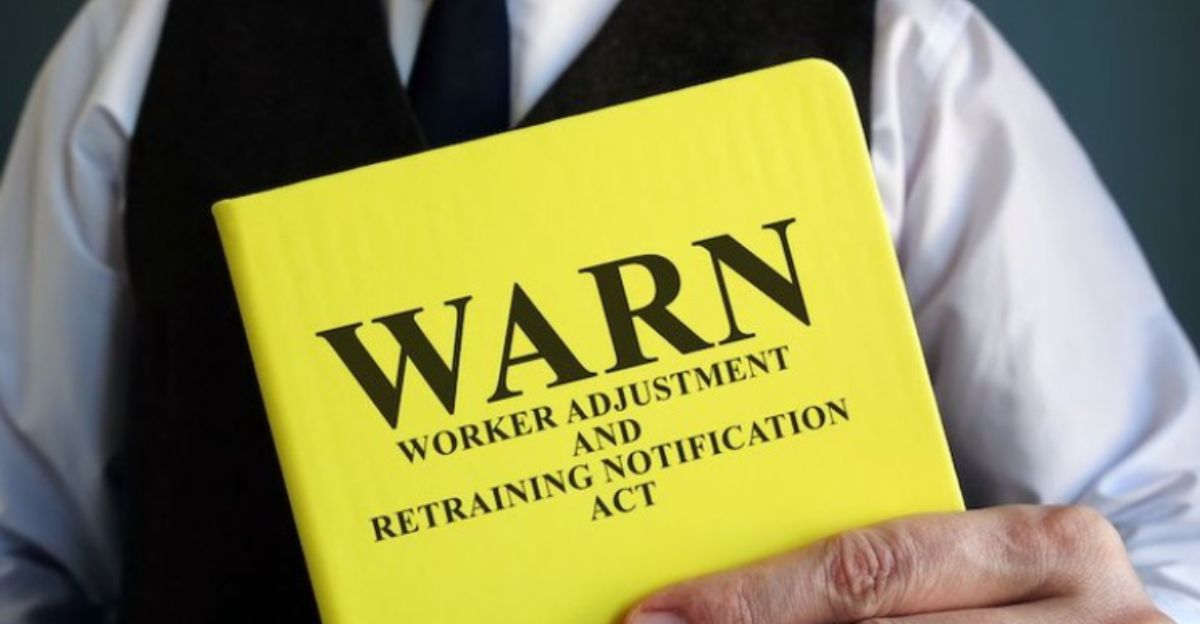
Legal debate also surrounded the company’s compliance with the Worker Adjustment and Retraining Notification (WARN) Act, which requires large employers to give 60 days’ notice before mass layoffs. The combination of bankruptcy and the sudden pandemic created confusion about whether Logan’s had violated the law or if it qualified for an exception.
The story of Logan’s Roadhouse became a warning to others in the restaurant field. The company’s heavy debt, high expenses, and dependence on dine-in traffic made it unable to handle sudden crises. Industry experts noted that successful chains must adapt faster, diversify revenue, and manage debt carefully. After Logan’s closed, competitors like Texas Roadhouse and LongHorn Steakhouse expanded into spaces the chain left behind and hired many of its former workers.
Today, the fall of Logan’s Roadhouse serves as a cautionary tale. It shows how rapidly even major restaurant brands can collapse, how much communities rely on those local jobs, and how the loss of a single company can shake many lives. As the restaurant industry continues to change, Logan’s story remains a stark reminder that stability requires flexibility and preparation for the unexpected.