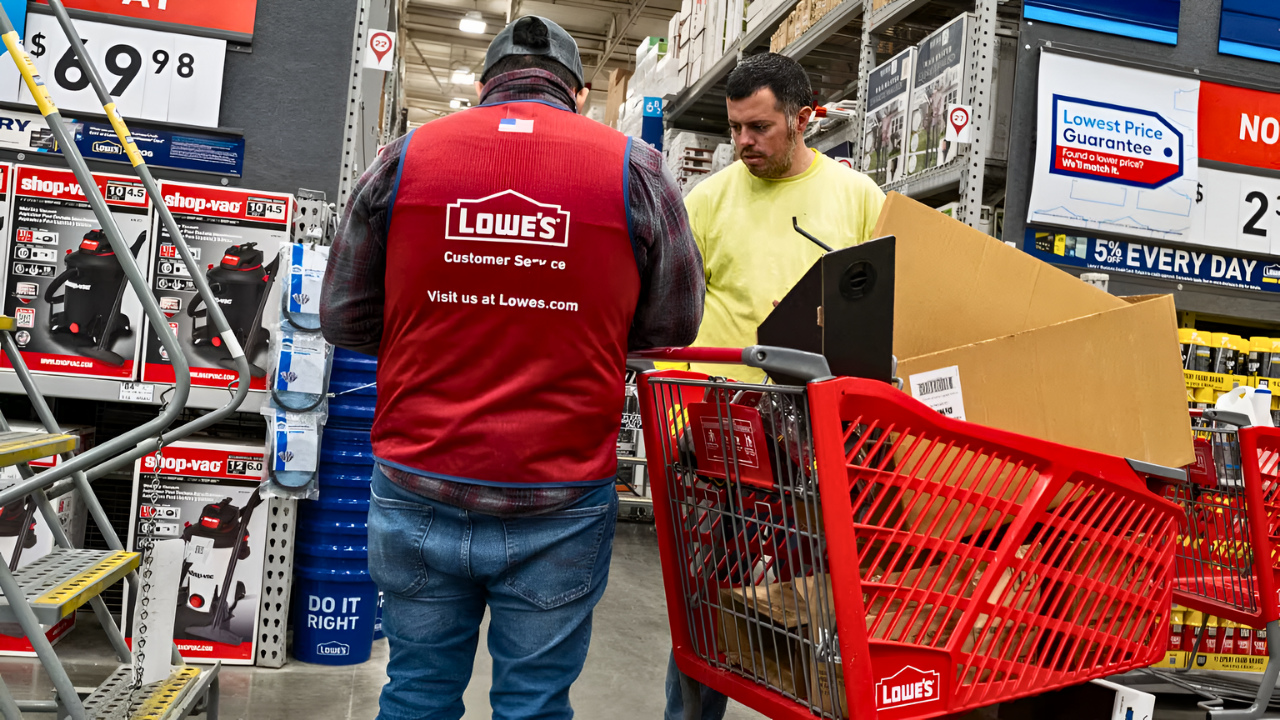
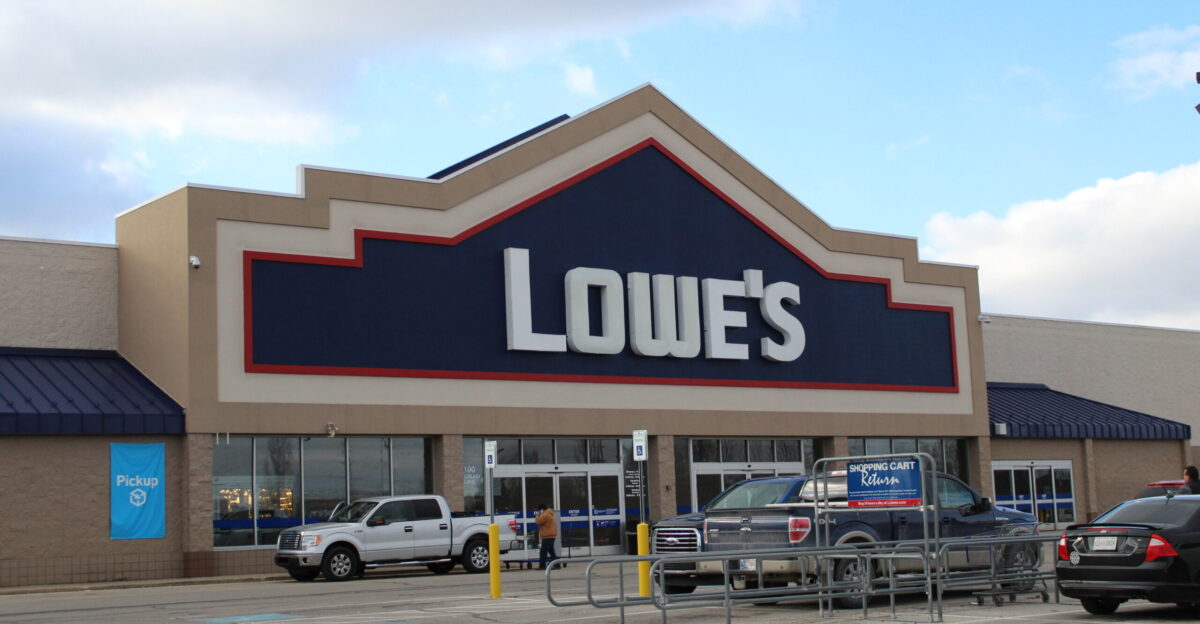
Lowe’s is being accused of running a long‑term sale that wasn’t really a sale at all, by advertising big markdowns from prices that may never have existed in the first place. Shoppers say they trusted those bright red tags, believing they were grabbing limited‑time bargains on blinds, appliances, and other essentials, only to learn later that the so‑called original prices were rarely, if ever, charged.
The alleged scheme matters because Lowe’s reaches millions of customers every week across more than 1,700 stores, giving its pricing enormous influence over what families pay to fix up their homes.
Legal Heat Rises
In 2025 alone, Lowe’s has been hit with a trio of class action lawsuits accusing the company of using deceptive discount pricing, a pace that underscores how quickly legal pressure is building. Two earlier lawsuits in North Carolina alleged a similar pattern of false discount advertising, claiming Lowe’s promoted ongoing sales while almost never selling the products at the so‑called regular price.
Consumer attorneys argue that this kind of perpetual sale blurs the line between marketing and manipulation, especially when shoppers are trained to believe they are getting a rare deal. As these cases stack up, potential financial exposure climbs into the millions, and other retailers are watching closely, wondering if their own pricing tactics could be next in the crosshairs.
A Long History of “Bargains”
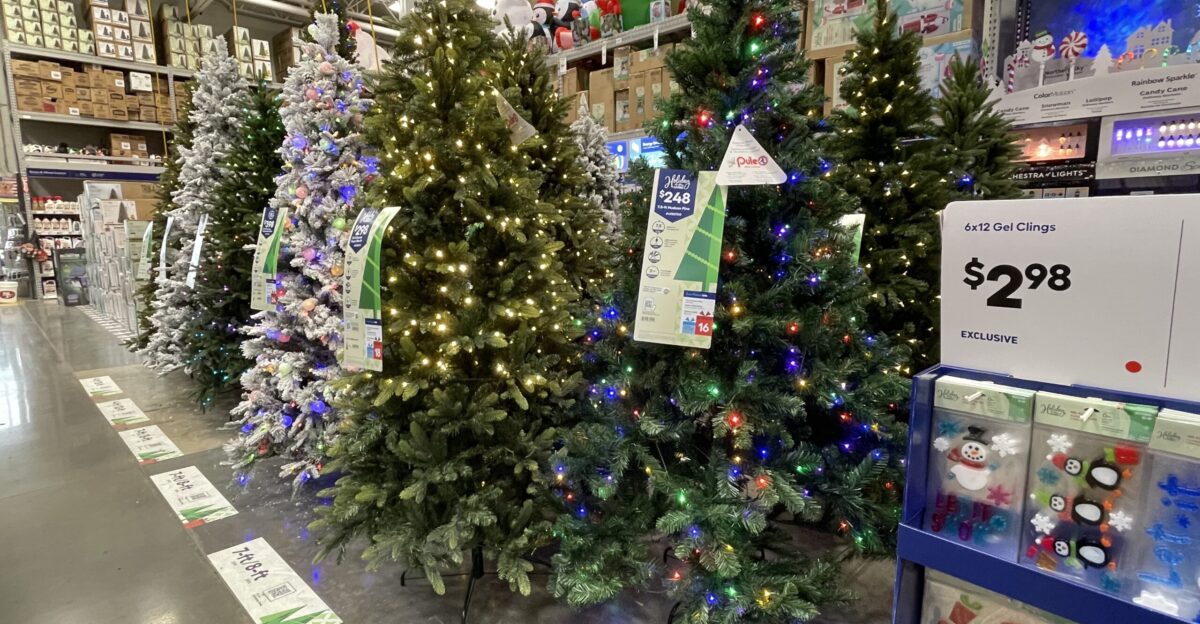
The controversy around Lowe’s sits on top of decades of concern over how stores use was and now prices to sell the idea of a bargain. Since the 1960s, the Federal Trade Commission’s Guides Against Deceptive Pricing have warned retailers not to make up former prices just to make current prices look like big savings.
Under those guides, a reference price must be a genuine, recent price at which the item was actually offered to the public for a meaningful period, not a number picked to create fake urgency.
States Push Back
State prosecutors are increasingly stepping in where they believe retailers’ pricing crosses the line, and Lowe’s has already paid a price. In September 2025, California district attorneys announced that Lowe’s agreed to pay about $1.09 million to settle a civil complaint accusing the company of scanner overcharges and false advertising at checkout.
The judgment requires Lowe’s to pay $1 million in civil penalties and additional funds for investigation costs and restitution, while also imposing store‑level changes aimed at keeping shelf and register prices aligned.
A New Lawsuit Lands
On December 23, 2025, Washington resident Michael Hern filed a new class action against Lowe’s Home Centers LLC in federal court, marking at least the third false discount case targeting the retailer in 2025. Hern’s lawsuit claims Lowe’s has run a “massive and consistent false discount advertising scheme” since at least April 2021, focusing on blinds and major appliances promoted as being on sale from inflated reference prices.
He accuses the company of violating Washington’s Consumer Protection Act by advertising discounts that made customers believe they were saving money, when in reality they were paying what amounted to the regular price. Hern seeks to represent a class of shoppers who bought these “discounted” items in Washington, aiming to recover money they allegedly overpaid.
Washington Shoppers on the Line
If Hern’s lawsuit is certified as a class action, it could cover thousands of Washington shoppers who bought blinds or major appliances advertised as on sale at Lowe’s since April 2021. The complaint argues that these customers were harmed in two ways: they paid more than they should have, and some bought products they wouldn’t have purchased without the illusion of a steep discount.
Hern’s legal team leans on Washington’s consumer protection statute, which forbids deceptive trade practices and allows both private lawsuits and enforcement by the state. Consumer advocates say these kinds of cases send a wider message to retailers that “sale” labels must be backed by honest pricing histories, not just marketing flair.
The Cost of “Deals”
Behind the legal filings are shoppers who say they feel betrayed by a brand they trusted for home projects and big‑ticket purchases. Hern’s complaint says he bought Bali blinds and a refrigerator at Lowe’s because the advertised discounts made the items seem like smart, time‑sensitive buys.
According to the lawsuit, he later learned those regular prices were essentially fictional, meaning the sale price was just the everyday price dressed up as a bargain. Comments from other consumers in related cases echo that frustration, with one person claiming they paid cash $600 over what they believed was fair and another calling the company out for abusing customers.
Federal Rules, Local Fallout
The rules say that if a retailer advertises a discount from its own prior price, that former price must be a bona fide price offered to the public for a meaningful period, not a briefly posted or purely theoretical number. Investigations into Lowe’s focus on whether sale tags for brands like Bali and Levolor blinds and for large appliances complied with those expectations, or crossed into deceptive territory.
California’s recent settlement over price overcharges requires Lowe’s to conduct regular price audits and strengthen training, steps prosecutors say are meant to stop problems before they hit consumers’ wallets.
Shoppers Get Savvier

The Lowe’s lawsuits arrive at a time when shoppers have more tools than ever to test whether a “deal” is real, from price‑tracking apps to online history charts. As inflation cools and consumers become more selective, retail analysts say chains can no longer assume that a big red sale sign will override buyer skepticism.
Lowe’s roughly 1,700 U.S. stores compete directly with rivals like Home Depot, which face their own scrutiny over pricing, making transparency a potential competitive advantage rather than a burden. If shoppers start rewarding brands that show clear, consistent pricing, and punishing those that don’t, lawsuits like Hern’s could accelerate a broader reset in how home improvement giants advertise promotions.
A Pattern Across States
Earlier class actions filed in North Carolina allege nearly identical conduct by Lowe’s, including claims that blinds and appliances were advertised at sale prices from inflated, rarely used reference prices. Those complaints argue Lowe’s violated consumer laws in states like California and Oregon, including the Consumers Legal Remedies Act, False Advertising Law, Unfair Competition Law, and Oregon’s Unlawful Trade Practices Act.
Taken together with the California settlement over overcharges at the register, the cases paint a picture of recurring concerns about how prices are set, displayed, and ultimately charged.
Anger, Doubt, and Blame

Public reaction to the Lowe’s allegations shows a mix of anger at the company and skepticism about whether class actions truly help customers. In comments on lawsuit coverage, some consumers complain that “the only ones who profit are attorneys,” a familiar critique in big‑ticket settlements that may return only small payouts to individual shoppers.
Others insist accountability still matters, demanding that any money recovered “not line the pockets of those who lied” but instead deliver meaningful change in how prices are set and advertised. Employees are caught in the middle, often the ones who must explain confusing price differences or implement new compliance rules without having designed the underlying policies.
Inside the C‑Suite
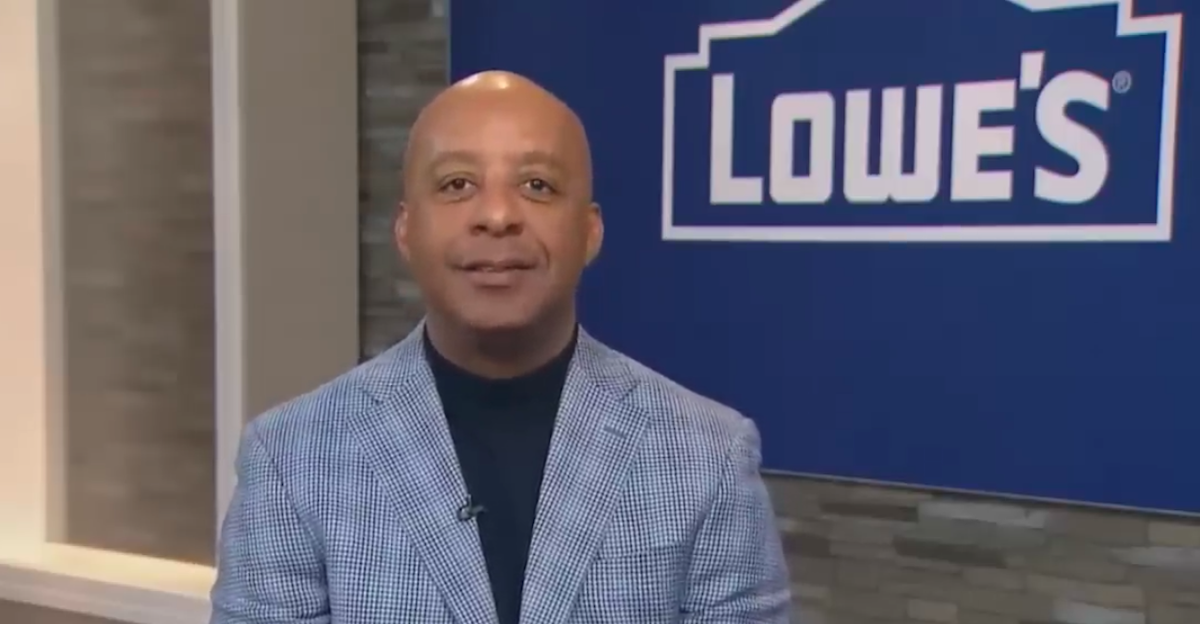
While shoppers vent and lawyers argue, Lowe’s leadership is managing a legal and reputational crisis with national implications. The company has not admitted wrongdoing in the California settlement, but it did agree to a court‑enforced judgment that includes mandatory audits, staff training, and other compliance changes.
Under CEO Marvin Ellison, Lowe’s has emphasized its commitment to price accuracy and cooperation with investigators, even as it vigorously contests class action allegations in federal court. In California, prosecutors say the settlement is designed to ensure that fair pricing at checkout becomes a standard practice, not a talking point.
Rewriting the Rulebook

The California judgment against Lowe’s doesn’t just impose a fine; it rewires how the company must manage prices in one of its largest markets. Under the agreement, Lowe’s is required to freeze prices between key posting and checkout times, add more price verification audits, and improve staff training to prevent customers from being charged more than the lowest advertised price.
The retailer has rolled out what prosecutors described as a robust price accuracy policy, a phrase that signals both a promise to consumers and a benchmark regulators can measure against. Consumer law specialists say similar reforms could spread if other states or federal authorities push for consistent, nationwide standards.
Experts Question Lasting Change

Legal and consumer‑protection experts are divided over whether settlements and class actions will be enough to stamp out deceptive pricing in big‑box retail. Some argue that the FTC’s rules are already clear, and that the real problem is inconsistent enforcement and a corporate culture that rewards eye‑catching discounts over honest comparisons.
Investigations by firms like Chimicles Schwartz Kriner & Donaldson‑Smith into alleged false reference pricing at Lowe’s suggest more potential cases could be on the horizon. Others note that even when consumers win, the payouts per person can be small, raising questions about whether the current system truly deters repeat behavior.
What Comes Next for “Deals”?
As 2025 draws to a close, the Lowe’s saga is emerging as a test case for how far retailers can go in using “discounts” to drive sales, and how far courts will let them. Consumer investigators say shoppers can help shape the outcome by saving receipts, screenshotting online prices, and reporting suspicious “sales” that never seem to end, giving enforcers the evidence they need.
Whether these lawsuits lead to cleaner price tags, smarter regulations, or simply more inventive marketing language remains an open question.
Sources:
Top Class Actions, Lowe’s faces another lawsuit over allegedly deceptive discount pricing, 2025-12-22
Top Class Actions, Lowe’s class action alleges false discount advertising scheme, 2025-04-29
Sonoma County District Attorney, Lowes Settles Consumer Protection Case for Scanner Price Overcharges and False Advertising, 2025-09-16