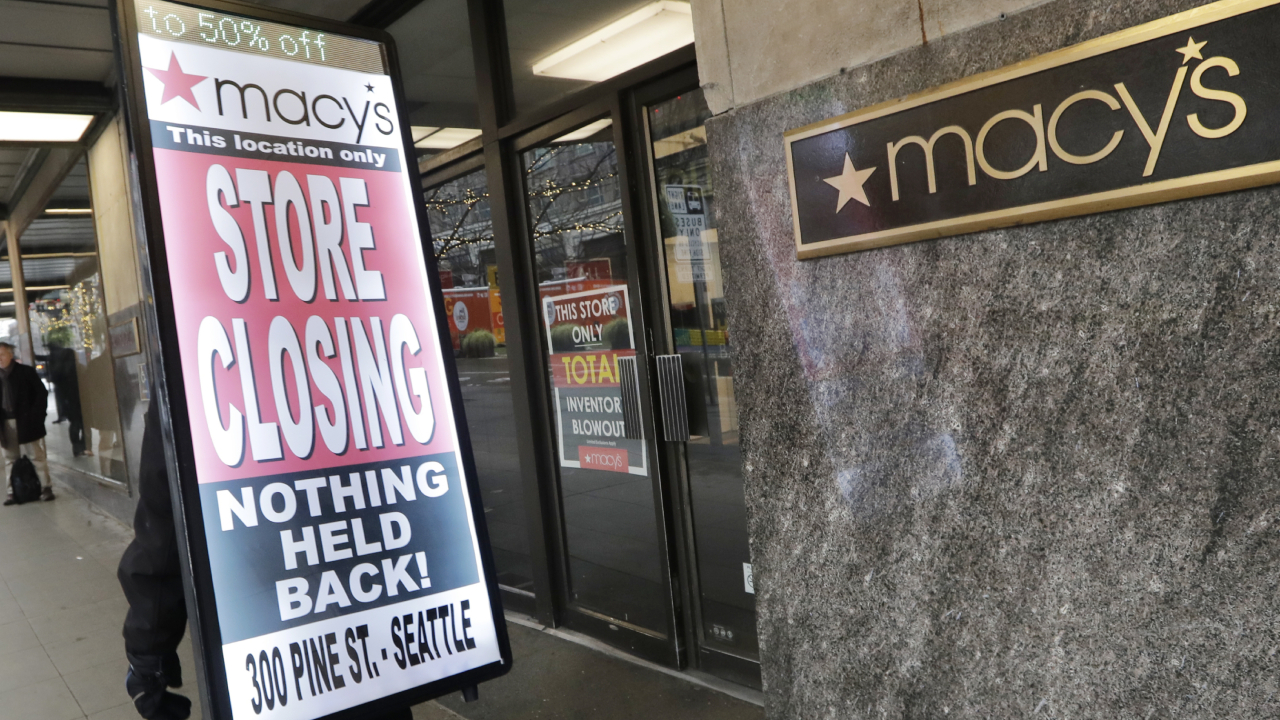
Macy’s announced plans to close 14 stores across 12 states, intensifying its three-year transformation amid shifting retail landscapes. These closures, set mostly for the first quarter of 2026, highlight a deliberate contraction targeting underperforming sites while bolstering stronger ones.
A Retail Giant Under Pressure
Department stores like Macy’s once defined American shopping, but e-commerce surges and changing consumer patterns have eroded foot traffic. As of January 2023, the chain operated 459 stores with 94,000 employees. Tony Spring, CEO since February 2024, launched the “Bold New Chapter” plan to address these challenges through targeted restructuring.
Closures Across Multiple States
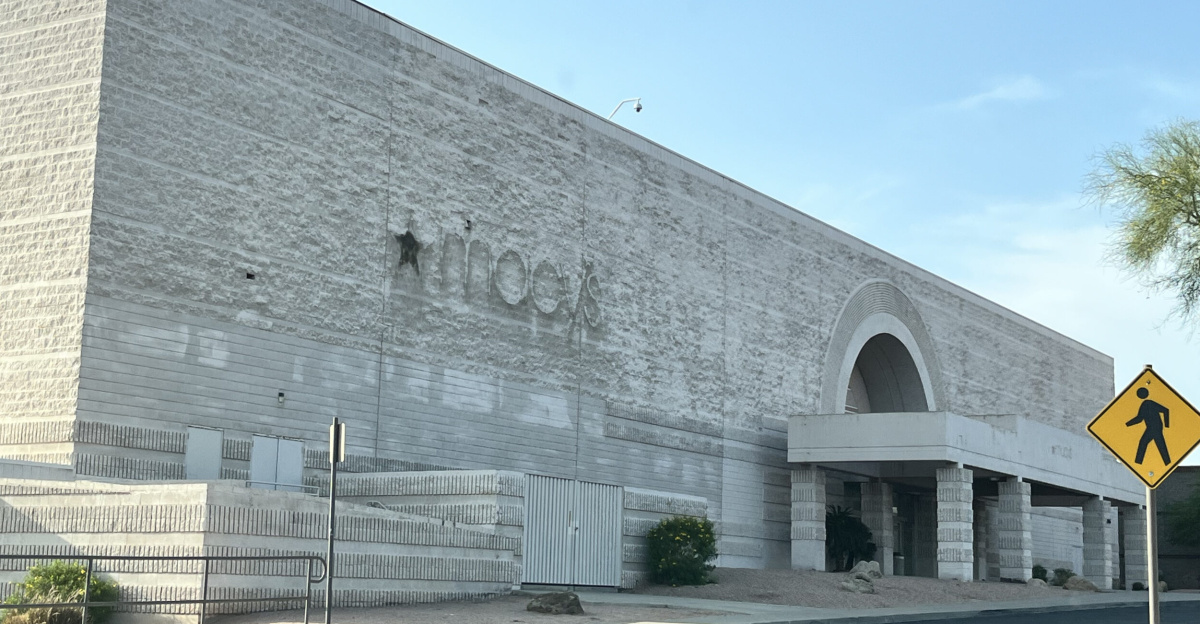
The affected locations span California, Georgia, Maryland, Michigan, Minnesota, New Hampshire, New Jersey, New York, North Carolina, Pennsylvania, Texas, and Washington. Most will shutter in early 2026, except one New York store mid-year. The list features a small-format store in Ramsey, New Jersey, opened just two years ago, and a clearance furniture gallery in Tukwila, Washington. Specific sites include Grossmont Center in La Mesa and West Valley Mall in Tracy, California; Livingston Mall in New Jersey; Pittsburgh Mills in Pennsylvania; Crossroads Center in Minnesota; and Triangle Town Center in North Carolina. These choices reflect areas with declining visitor numbers.
Leadership’s Rationale for Cuts
“These targeted changes allow us to focus where it will have the greatest impact—reimagining our best stores, enhancing customer service, expanding our luxury business, and advancing our supply chain capabilities,” Spring wrote in a January 8, 2026, memo to employees. He emphasized that decisions were not made lightly, with workers receiving direct notice, severance, outplacement support, and transfer options where possible.
Liquidation and Job Impacts
Liquidation sales began mid-January, lasting about 10 weeks per site with steep discounts to clear inventory. Employees continue working as shelves empty, facing an uncertain timeline. Each store typically employs 50 to 150 people, putting 700 to 2,100 jobs at risk from these 14 closures alone. Across 150 planned closures by end-2026—following 55 in 2024 and 66 in 2025—the total could reach 7,500 to 22,500 positions. Retail salesperson wages averaged $16.62 per hour in May 2024, equating to $34,730 annually full-time or $13,847 part-time. In regions with few remaining Macy’s outlets, retraining or relocation becomes necessary.
Strategy and Performance Signals
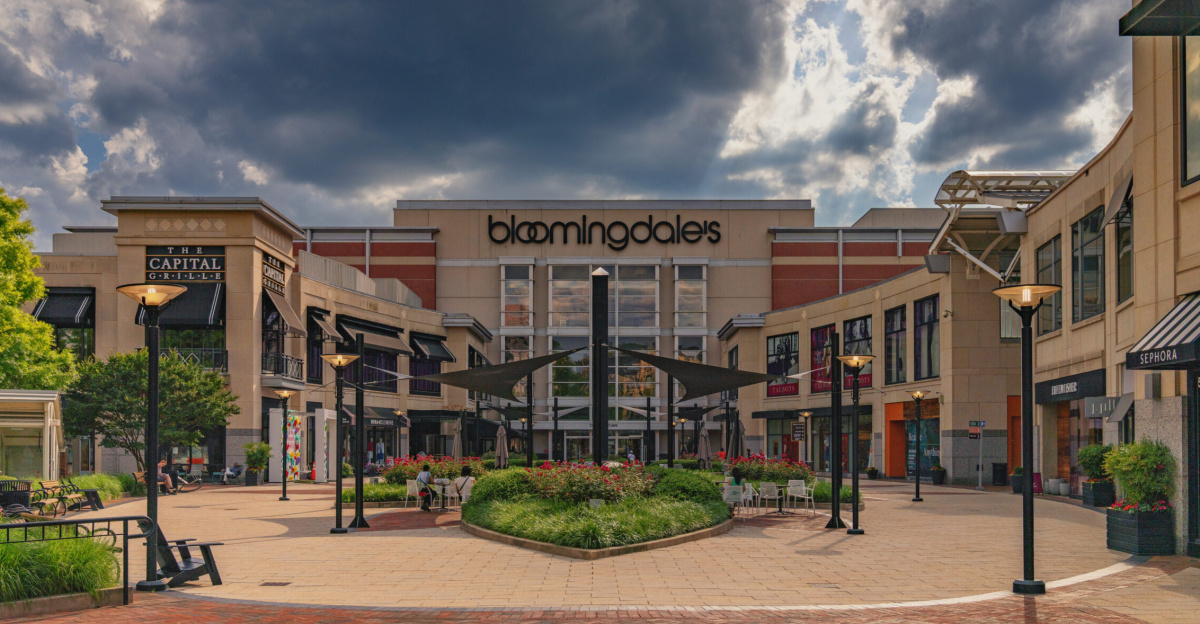
The plan rests on three pillars: shutter 150 underperformers, upgrade 350 “go-forward” stores, and grow luxury with 15 new Bloomingdale’s and 30 Bluemercury locations by end of 2026, while monetizing $600 million to $750 million in real estate. Surviving stores feature redesigned layouts, curated assortments, dedicated ambassadors for key categories, enhanced fitting room staffing, and app-based tools for scanning and discounts. In Q3 2025, overall comparable sales rose 2%, with go-forward stores up 2.3% and 125 “Reimagine” stores at 2.7%. Across brands, go-forward comps hit 3.4%, and Bloomingdale’s marked its best in 13 quarters, though net sales dipped 2.3% to $4.7 billion due to prior closures. Macy’s raised FY2025 guidance to $21.15 billion to $21.45 billion in net sales and $1.70 to $2.05 adjusted diluted EPS.
Industry Challenges and Broader Context
Macy’s faces headwinds like tariffs on approximately 20% of merchandise sourced from China, which contributed to an 80 basis-point gross margin drop in Q2 2025. The retailer has negotiated with suppliers and adjusted prices, but sustained pressures could deter price-sensitive customers. Closures reflect sector-wide challenges: Family Dollar closed 677 stores in 2024, Walgreens plans 1,200 over three years, CVS closed nearly 900 from 2022-2024, Advance Auto Parts closed 700 by mid-2025, Party City liquidated all ~700 stores in 2024-2025, and Kohl’s closed 27 in 2025. November 2024 saw over 7,100 store closure announcements, up 69% from 2023. Past giants like Sears, which declined from 3,500 stores in 2010 to fewer than 10 today after 2018 bankruptcy, underscore adaptation risks. Each Macy’s exit could displace 35,000 to 70,000 nearby shoppers, totaling approximately 500,000 from these 14 and potentially 5.25 million from 150, straining malls, tax bases, and local economies.
As 2026 approaches, success hinges on go-forward store growth amid tariffs, spending fluctuations, and execution. Steady comps could validate the pivot; stagnation might prompt investor pushback. Communities weigh job losses and access erosion against corporate renewal, with outcomes shaping Macy’s path forward.
Sources:
Macy’s Inc. Confirms Planned Macy’s Store Closures. Macy’s Inc. Newsroom, January 08, 2026
The Office of Tony Spring: Reflections on Our Progress. Macy’s Inc. Newsroom, 2026
Macy’s Inc. Reports Third Quarter 2025 Results. Macy’s Inc. Investor Relations, December 03, 2025
Macy’s targets another 14 stores for closure. Retail Dive, January 09, 2026
Retail Sales Workers: Occupational Outlook Handbook. U.S. Bureau of Labor Statistics, May 2024