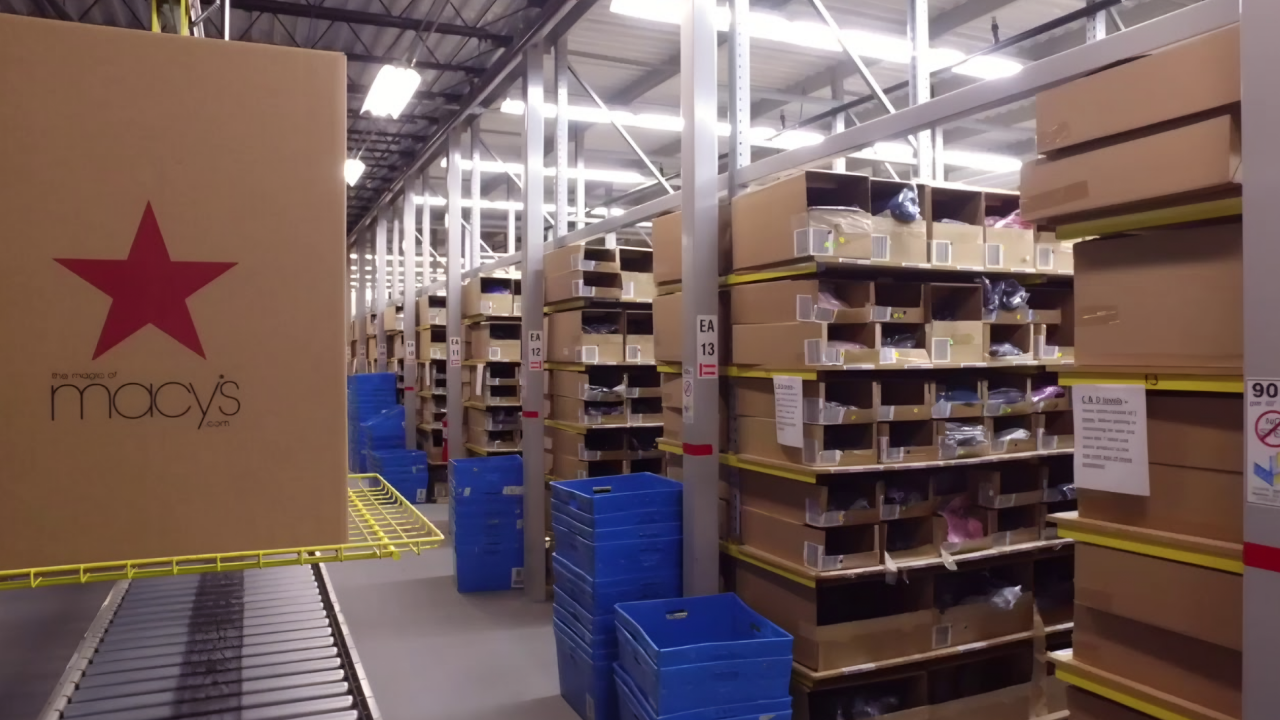
Macy’s Inc. is closing two key distribution centers in Cheshire, Connecticut, located at Knotter Drive and W. Johnson Ave., eliminating 993 jobs between March and August 2026. This move signals deeper retail restructuring as part of the company’s “Bold New Chapter” strategy.
With additional store closures expected nationwide and another fulfillment center closing in Oklahoma, the impact on local logistics is significant. More workforce reductions may follow.
Why Macy’s is Slashing Its Supply Chain
Macy’s “Bold New Chapter” strategy is behind these closures, targeting $235 million in cost savings by 2026. Net sales totaled $14.1 billion in the first nine months of fiscal 2025, reflecting ongoing challenges. However, 125 “Go Forward” stores have demonstrated resilience with a 2.7% sales increase.
These closures are part of a nationwide initiative to streamline operations, optimize logistics networks, and focus resources on high-performing locations.
993 Workers in Cheshire Facing Uncertainty
Over 993 workers in Cheshire face layoffs, with an additional 57 in South Windsor, bringing total job cuts to approximately 1,050 across Connecticut. The layoffs will occur in phases between March and August 2026.
Many affected workers have been with Macy’s for years, contributing to distribution and fulfillment operations. The closures mark a significant shift in Connecticut’s retail logistics landscape, creating uncertainty for affected families.
State Offers Immediate Support to Displaced Workers
In response to the announced layoffs, the Connecticut Department of Labor has deployed a rapid response team to assist displaced workers. Macy’s filed a Worker Adjustment and Retraining Notification (WARN) notice on January 13, 2026, as required by federal law.
Local officials are coordinating with state agencies to provide reemployment services, job training resources, and support programs to help workers transition to new employment opportunities.
Macy’s Accelerates National Store Closures
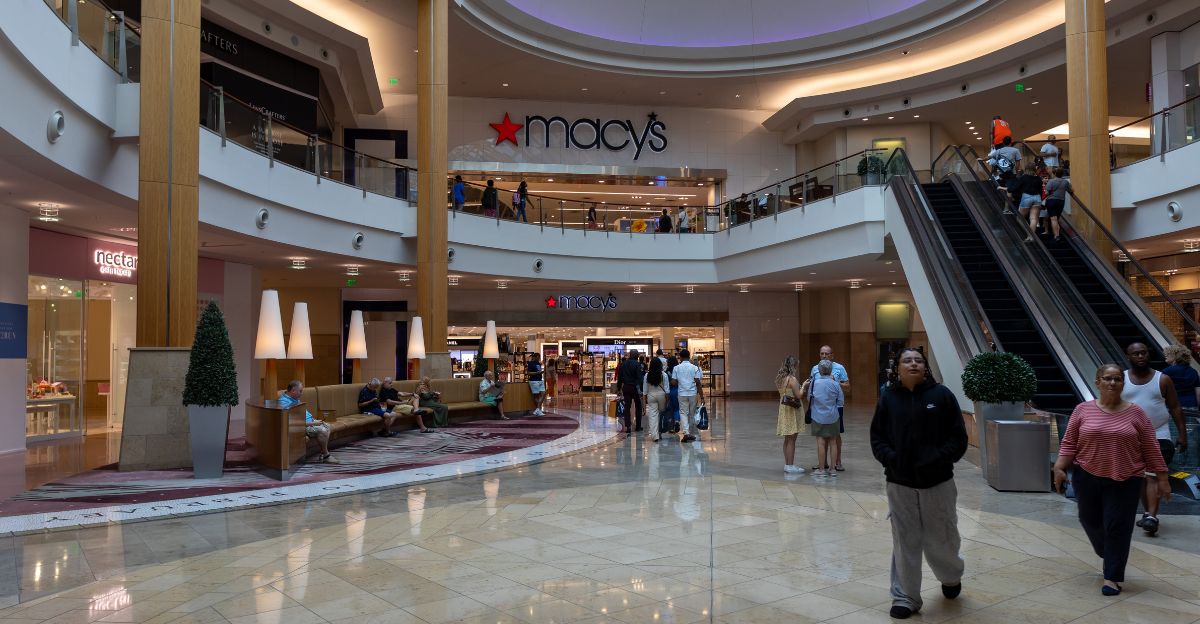
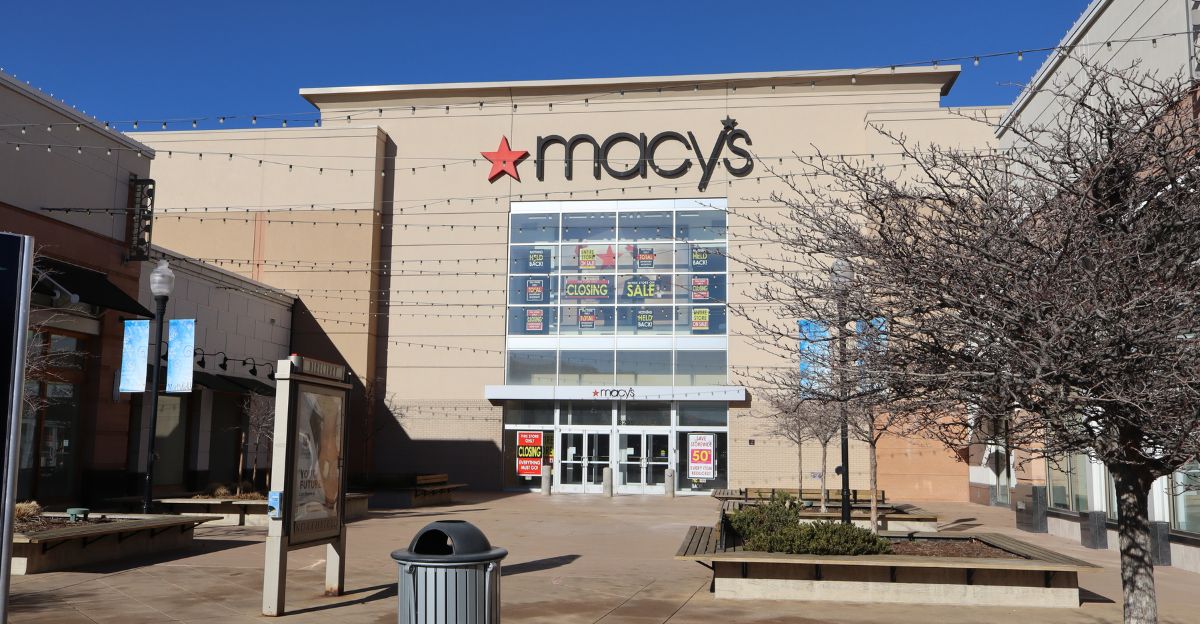
As part of its “Bold New Chapter” strategy, Macy’s has announced 150 store closures by the end of 2026. The retailer closed 66 stores in 2025 and continues optimizing its footprint by focusing on high-performing locations.
The company aims to streamline operations amid evolving consumer shopping habits and increased e-commerce competition. The restructuring reflects broader challenges facing traditional department stores in adapting to retail’s changing landscape.
Amazon Steps In as Macy’s Exits Connecticut Logistics
As Macy’s exits Connecticut logistics, Amazon is expanding with a new fulfillment center in Waterbury-Naugatuck slated to hire over 1,000 workers. Construction is underway on the massive facility, which will serve Amazon’s growing e-commerce operations in the region.
This shift reflects intensifying competition in regional logistics, with Amazon stepping up to fill the void left by Macy’s departure and traditional retail’s contraction.
Workers Express Shock and Frustration
For many longtime Macy’s employees in Cheshire, the news of layoffs has come as a shock. Workers who spent years building careers in distribution and fulfillment face uncertain futures in a competitive job market.
Some employees express frustration about the sudden restructuring, while others are exploring options at Amazon and other local logistics companies. The transition presents challenges for workers needing new skills.
A Pattern of Layoffs in Connecticut’s Logistics Sector
Macy’s layoffs add to a troubling trend in Connecticut’s logistics sector. Walgreens closed its Killingly warehouse in 2024, laying off 322 workers. Edgewell Personal Care (Schick razors) plans to cut 293 jobs at its Milford facility by late 2027.
As large employers exit or downsize, the state faces mounting pressure to help displaced workers transition while attracting new employers to offset manufacturing and distribution job losses.
Economic Ripple Effect: Retail Sector Challenges
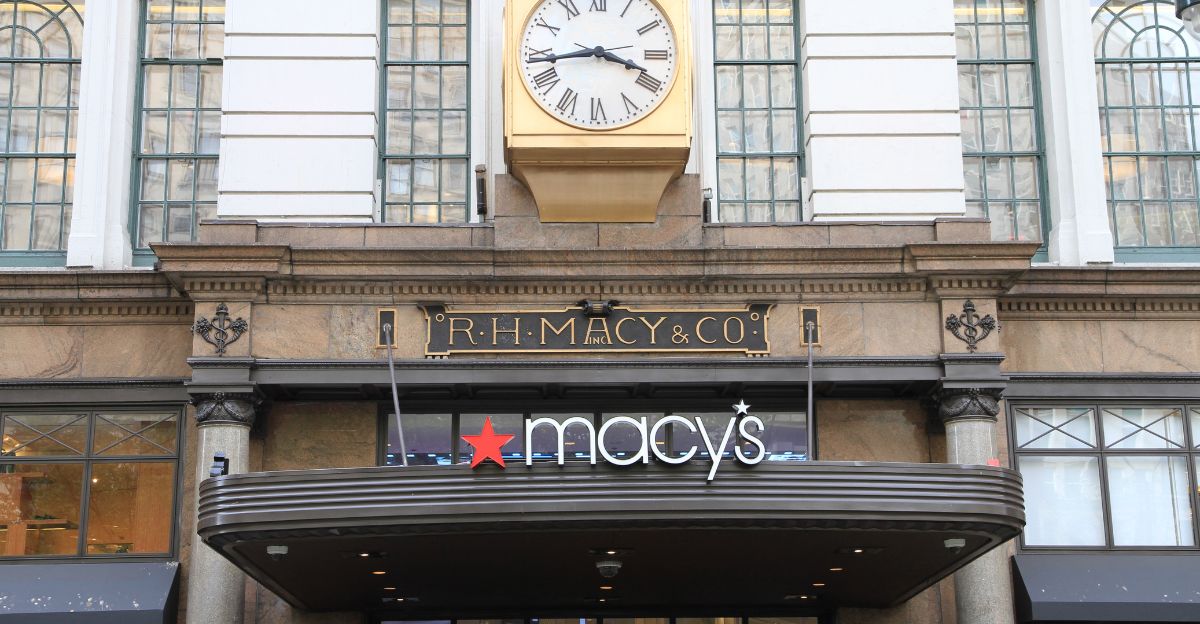
Macy’s warehouse closures reflect broader challenges facing the retail sector, including declining foot traffic, increased e-commerce competition, and changing consumer preferences. The company is cutting logistics costs as part of its comprehensive restructuring strategy.
Traditional retailers continue reducing inventory levels and managing clearance costs. Industry analysts suggest the shift represents a fundamental transformation in how retail supply chains operate in the digital age.
Commutes for Survivors: Longer Drives Ahead
With the closure of the Cheshire warehouses, Connecticut’s remaining six Macy’s retail stores will rely on distribution from other facilities, potentially affecting inventory flow. Some displaced workers may commute longer distances to other fulfillment centers or seek employment at Amazon’s new facility.
However, increased competition for limited local logistics positions means many workers face challenging job searches. Career transitions may require retraining or relocation.
Retail’s Evolving Landscape: A Shift to Digital
Macy’s closures in Cheshire mark the end of an era for traditional retail logistics in Connecticut. As e-commerce continues driving industry transformation, retailers are investing in automation and streamlined digital supply chains.
The shift away from regional warehouse networks toward centralized, highly automated fulfillment centers reflects changing consumer expectations for fast delivery. Traditional retail is leaving its warehouse roots behind for tech-driven operations.
Shoppers Respond to Clearance Sales
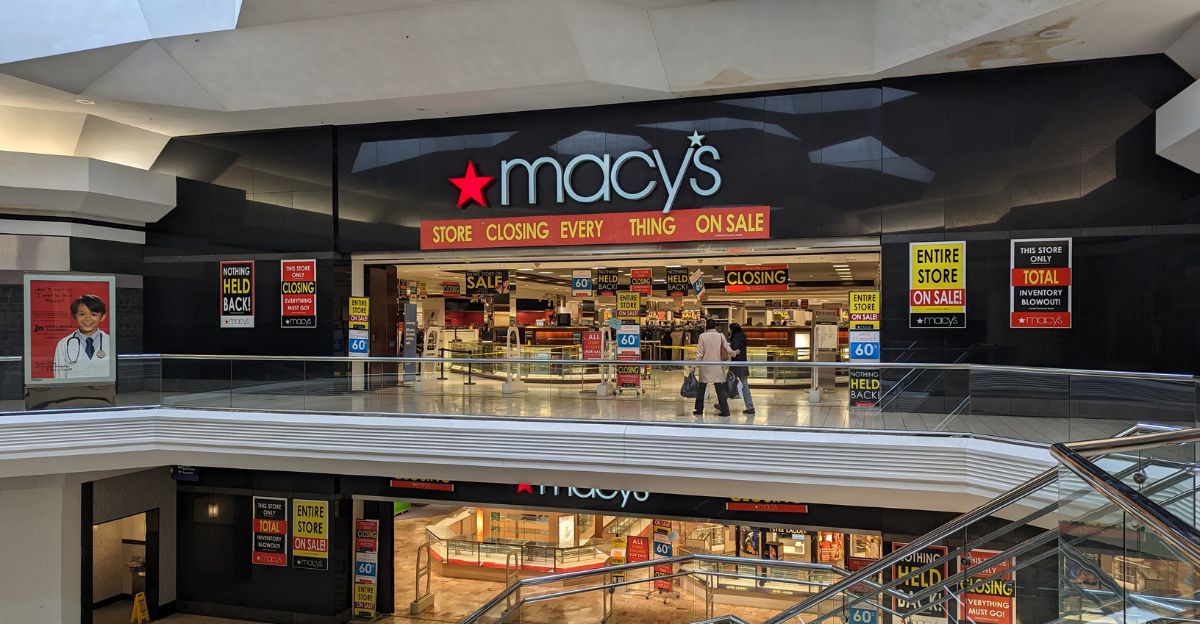
As Macy’s closes stores nationwide, shoppers are flocking to clearance sales seeking deep discounts before locations shut down permanently. The aggressive markdowns are part of the company’s inventory reduction strategy as it attempts to clear older merchandise.
Bargain hunters report finding significant deals on clothing, home goods, and accessories. Store closures typically feature liquidation sales lasting several weeks, attracting budget-conscious consumers seeking final opportunities.
Winners and Losers: Amazon and Optimized Macy’s Stores
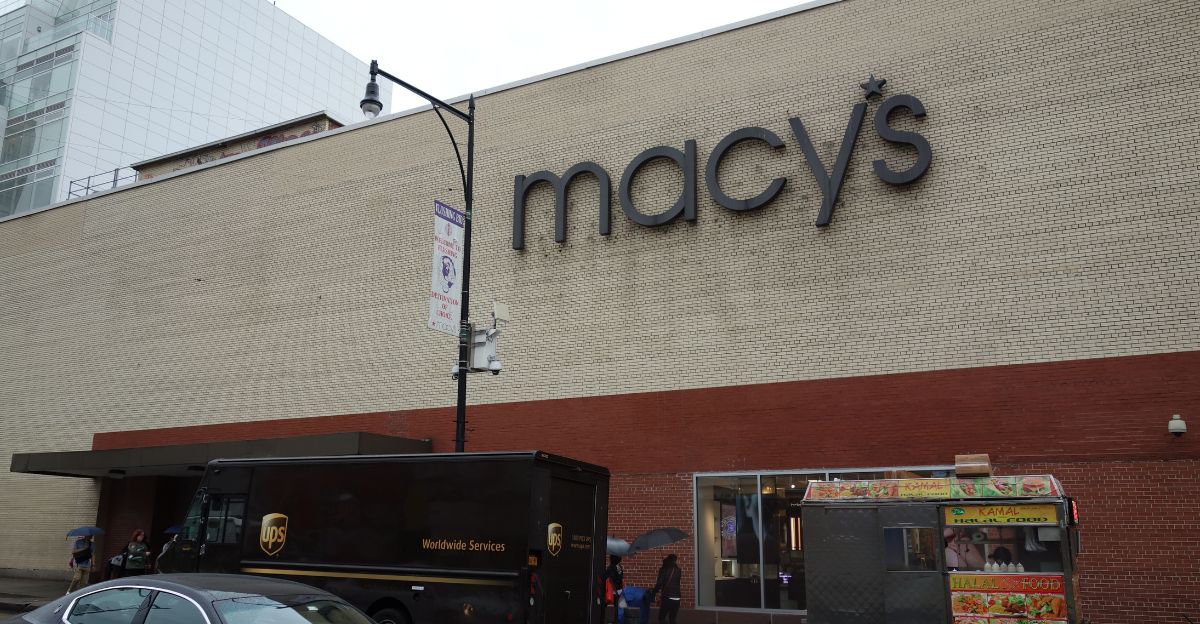
Amazon emerges as a winner, hiring 1,000+ workers in Connecticut’s logistics sector while Macy’s contracts operations. Despite warehouse closures and job cuts, Macy’s “Go Forward” stores show a 2.7% sales increase, reflecting the strategy’s intended focus on high-performing locations.
The restructuring creates winners in e-commerce and optimized retail formats, while regional workers and traditional distribution networks bear the immediate costs of industry transformation.
Tips for Job Seekers and Investors
Job seekers in Connecticut should monitor openings at Amazon’s Waterbury-Naugatuck fulfillment center and other expanding logistics companies. Displaced Macy’s workers may benefit from state retraining programs focusing on warehouse automation and supply chain technology.
Investors watching Macy’s stock should note the company expects $235 million in cost savings from restructuring. However, challenges remain as traditional retail continues adapting to e-commerce competition and evolving consumer preferences.
What’s Next for Connecticut’s Retail Landscape?
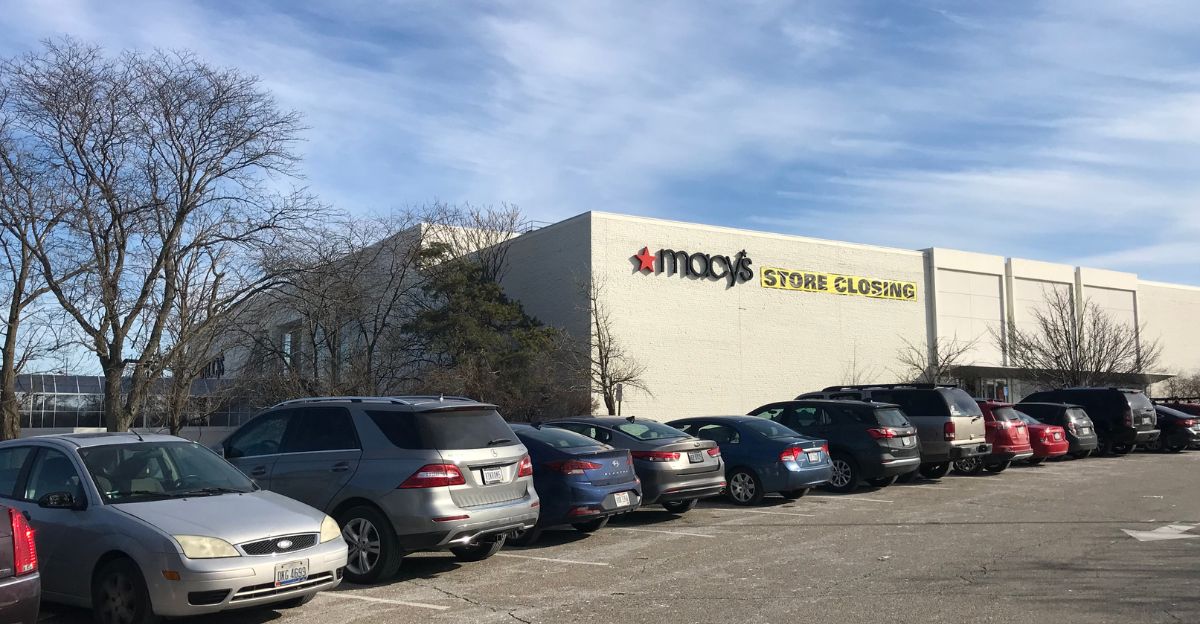
Macy’s decommissioning of its Cheshire warehouses will be completed by early 2027, but additional closures remain possible as the company continues its three-year restructuring plan. The transition will reshape Connecticut’s logistics landscape, with Amazon and other e-commerce companies expanding operations.
While the “Bold New Chapter” strategy promises long-term operational efficiency and cost savings, the immediate impact is felt by thousands of workers, local businesses, and communities.
Sources:
“Macy’s, Inc. Reports Third Quarter 2025 Results.” Macy’s Inc., 3 Dec. 2025.
“Macy’s to lay off nearly 1000 at Connecticut fulfillment center.” Supply Chain Dive, 14 Jan. 2026.
“Macy’s closing 66 more stores in 2025. See the closure list.” Axios, 9 Jan. 2025.
“New Amazon Fulfillment Center Will Create 1,000 Jobs.” Connecticut Business & Industry Association, 21 Oct. 2025.