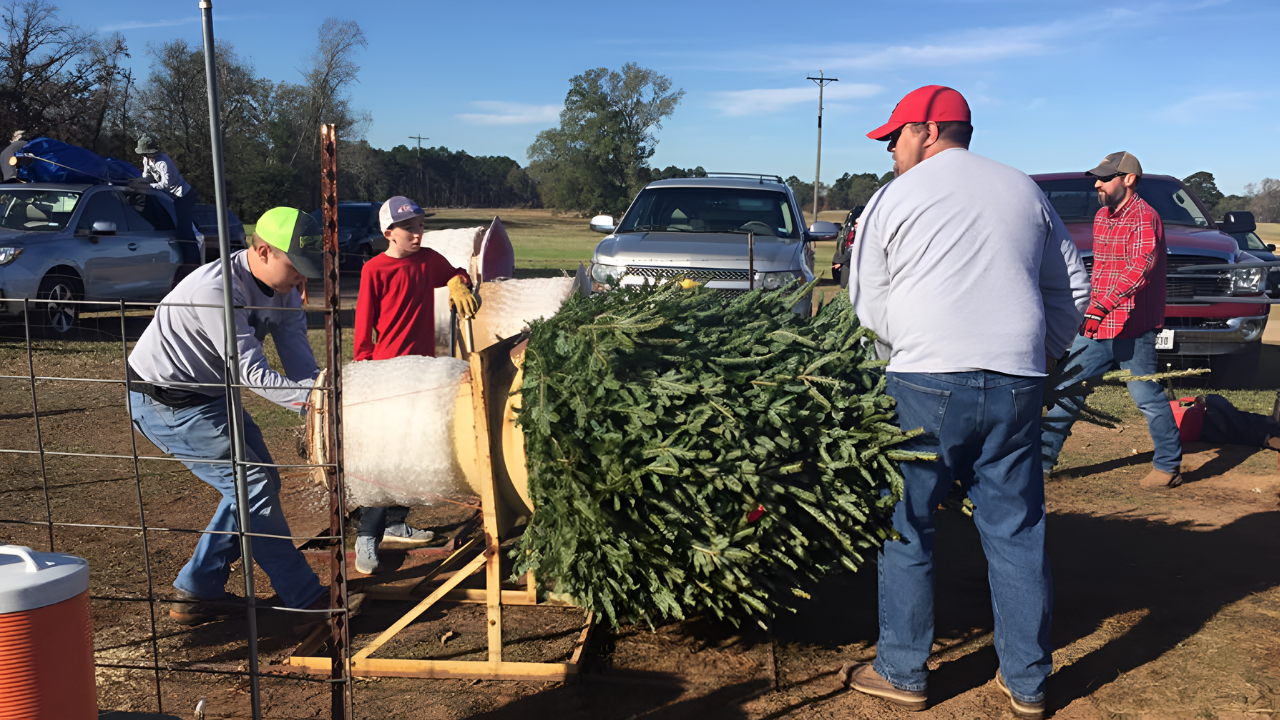
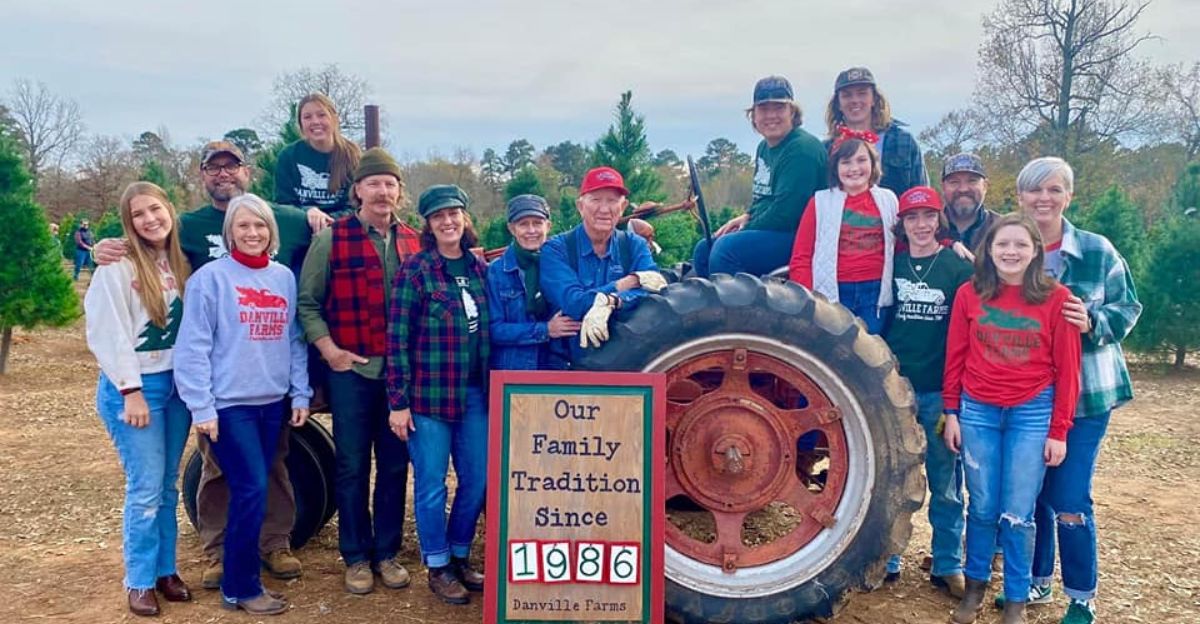
For over 40 years, Danville Farms near Kilgore, Texas, created cherished memories for East Texas families. Every November and December, parents and kids would drive to the farm, grab a handsaw, walk through rows of Virginia pine trees, and cut down their own fresh Christmas tree to bring home.
The smell of evergreen, the fun of picking the perfect tree, and the festive feeling made it an unforgettable family tradition. But today, that beloved ritual faces serious challenges. Fewer families are choosing real Christmas trees, and farms like Danville Farms are struggling to survive.
More Homes Choosing Fake Trees

Across America, plastic Christmas trees are now in more homes than real ones. Recent surveys from the American Christmas Tree Association show that nearly 8 out of 10 households that display a tree now choose artificial options instead of fresh-cut trees.
People pick artificial trees for three main reasons: they cost less upfront, they’re easier to set up and store year after year, and they last for many seasons without needing replacement. The convenience and long-term savings of plastic trees have made them the favorite choice for most American homes today.
How Danville Farms Started Small
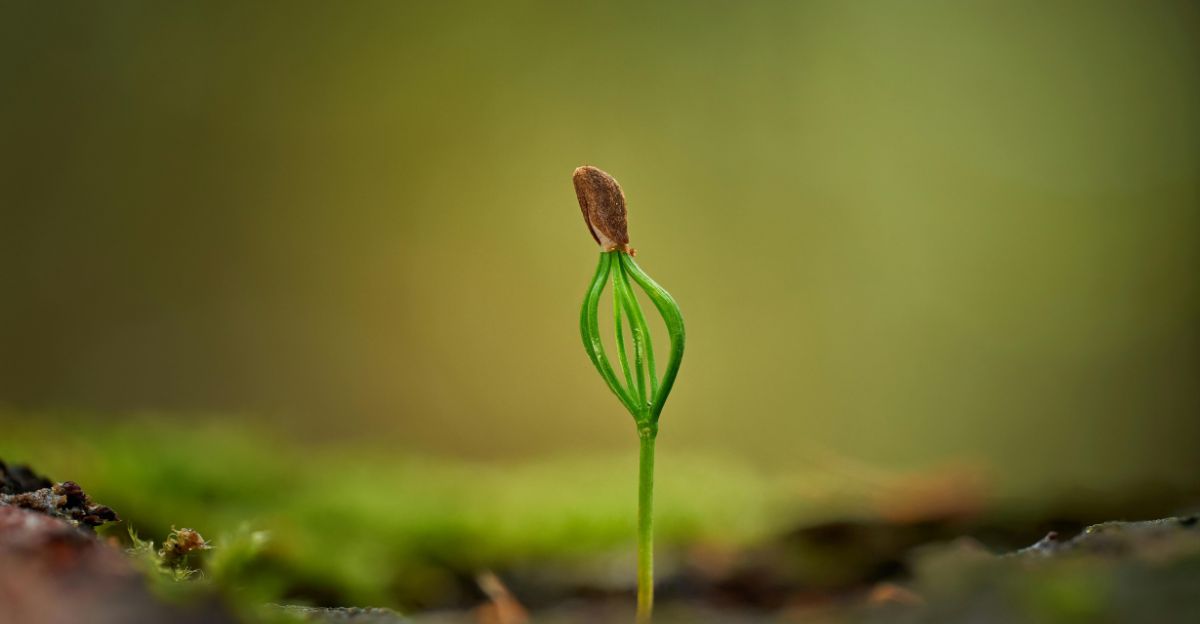
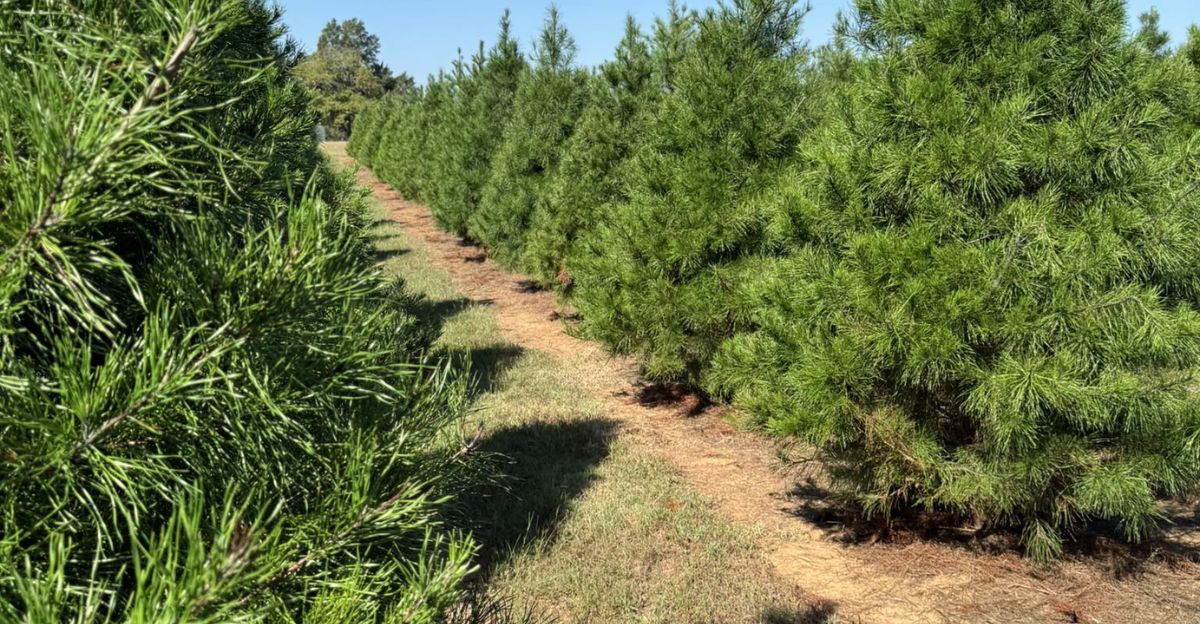
In the early 1980s, Danville Farms joined a wave of family-run Christmas tree farms spreading across the South. The owners planted Virginia pine seedlings and waited patiently, roughly 7 to 10 years, for the young trees to grow tall enough to sell.
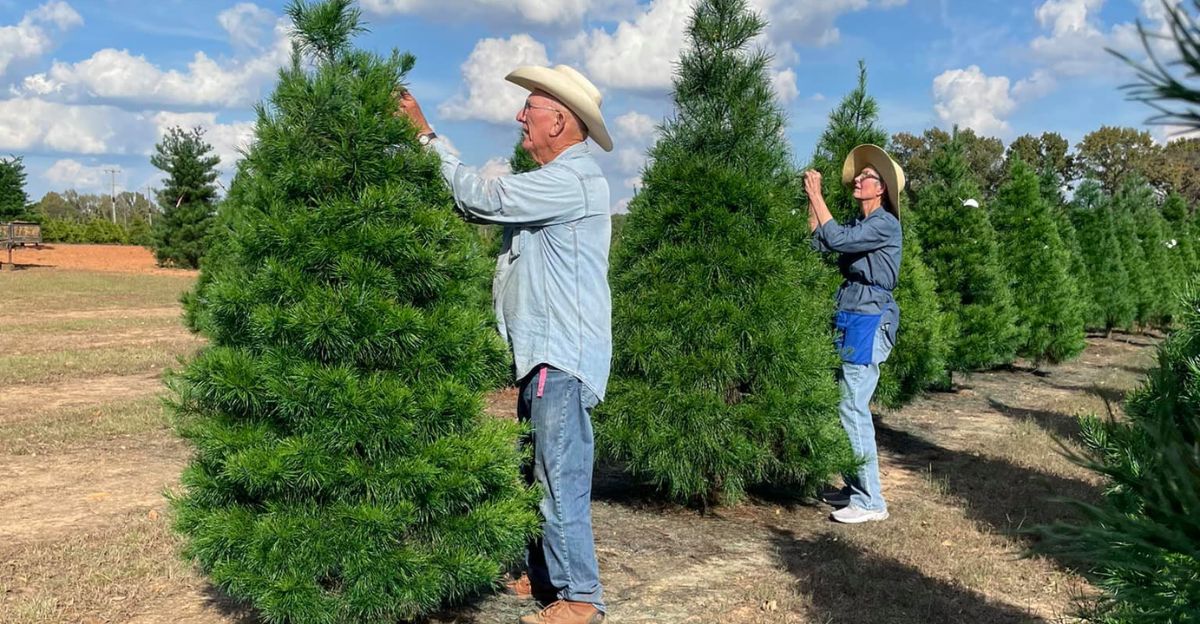
During those years, farmers trim and shape each tree by hand every single year to make them look full and beautiful. By the time Danville Farms opened its gates to customers who wanted to choose and cut their own trees, the owners had already invested nearly a decade of hard work and care.
The Challenges Facing Tree Farmers Today
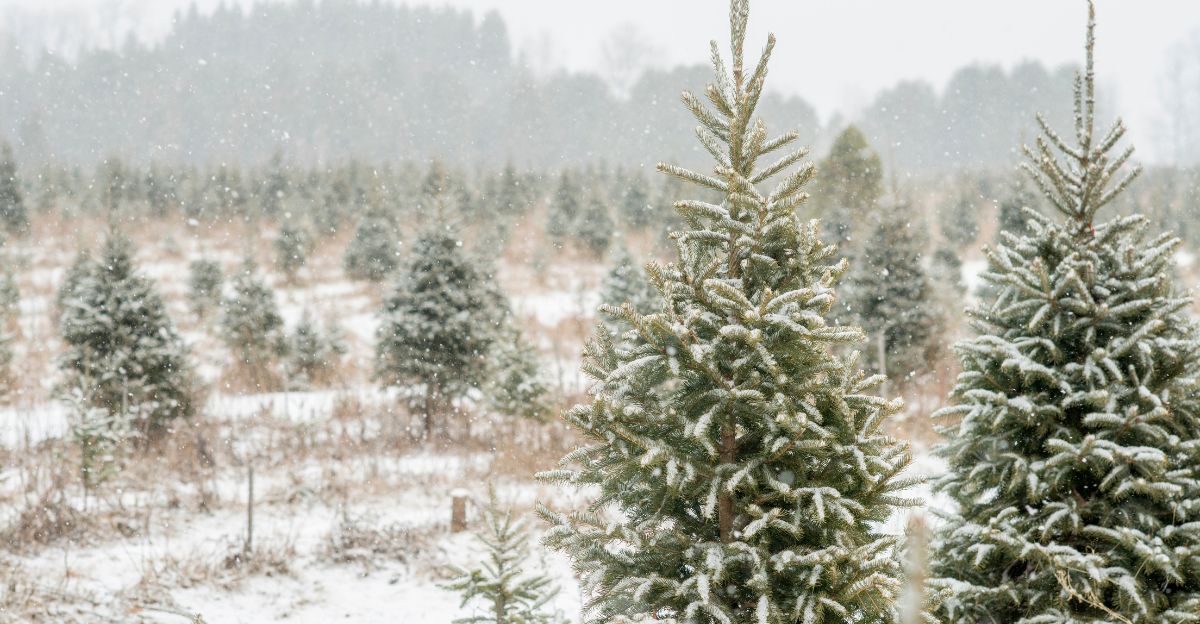
Real Christmas tree farmers face a perfect storm of problems. They must wait years for trees to mature, deal with unpredictable weather that can destroy crops, and compete against cheap plastic trees imported from overseas.
Between 2002 and 2022, the number of Christmas tree farms in America dropped by nearly 30 percent, and the total acres dedicated to growing real trees fell from 450,000 down to 293,000. These long-term challenges force older farm owners to make a hard decision: replant for another decade of work, or close down and retire.
Danville Farms Says Goodbye
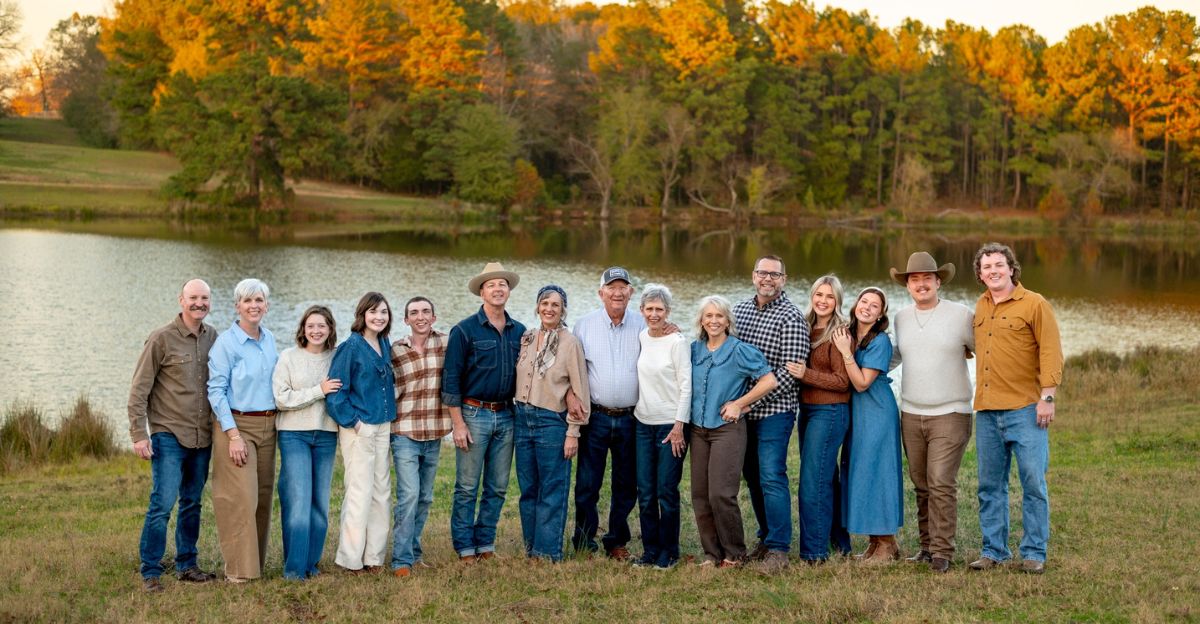
On its website, Danville Farms announced that 2025 would be its final season. After 40 years of planting and selling Christmas trees, the owners shared that they need to retire.
The farm opened extra hours starting November 26, 2025, and thanked their faithful customers for four decades of wonderful memories and support. Families who had visited year after year made one last trip before the gates closed for good in early December.
What the Community Is Losing
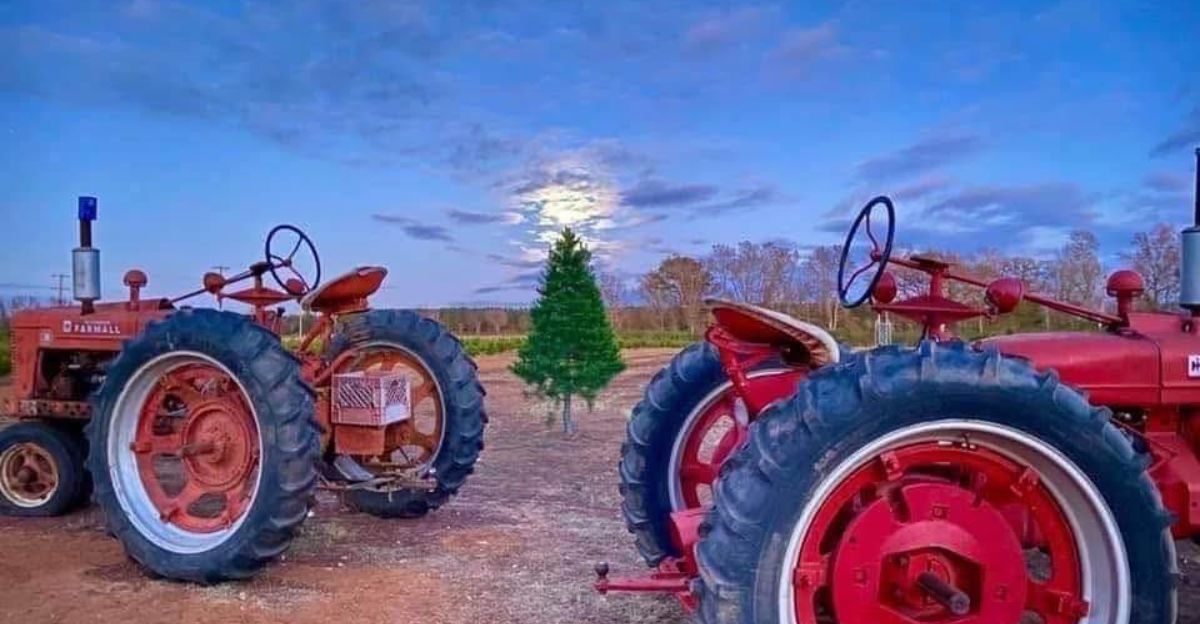
Danville Farms became a beloved landmark in East Texas, drawing families from Kilgore and the surrounding area every holiday season. Visitors treated their farm visit as a special annual tradition, driving out, hunting for the perfect tree, cutting it down together, and taking family photos among the rows of evergreens.
With the farm’s closure, the area will lose more than a business. Several seasonal jobs will disappear, and the farm’s visitors will no longer bring hundreds of thousands of dollars in spending to the local economy during the busy holiday months.
Losing a Ritual That Defined Christmas
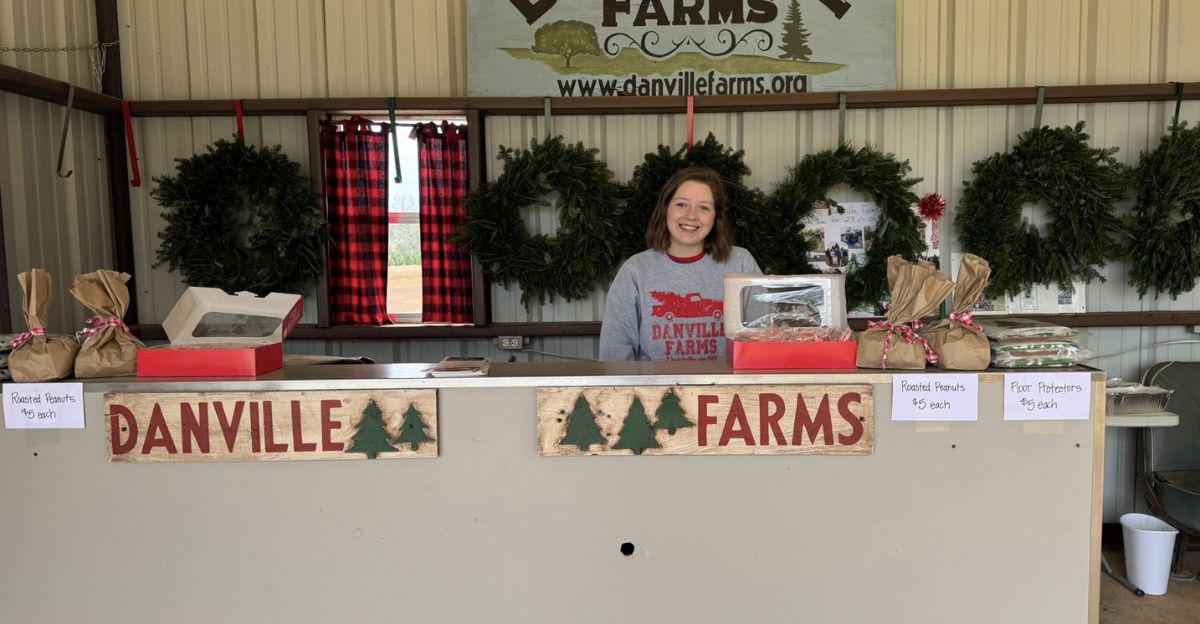
For many families, a trip to Danville Farms meant much more than picking up a tree, it was the whole Christmas experience. Walking through the fields, feeling the crisp winter air, finding the perfect evergreen together, and cutting it down as a family were all part of what made Christmas feel real and memorable.
National farm research shows that real tree outings are central to how many American families celebrate the holiday. When a long-running choose-and-cut farm closes, that specific tradition disappears from that location forever. While you can buy an artificial tree at a big-box store nearby, it’s not the same.
Why Plastic Trees Are Taking Over

Artificial Christmas trees, made from plastic and metal, now dominate the U.S. market. Industry reports show that 85 to 95 percent of artificial trees sold in America come from China, with yearly imports worth over $500 million.
That’s a huge jump from about $170 million in the year 2000. One plastic tree that lasts 10, 20, or even 30 years replaces the need to buy many real trees. This single fact explains why the demand for fresh-cut trees continues to drop every year. Overseas manufacturers can produce plastic trees at prices that American farmers cannot match.
What Americans Are Choosing
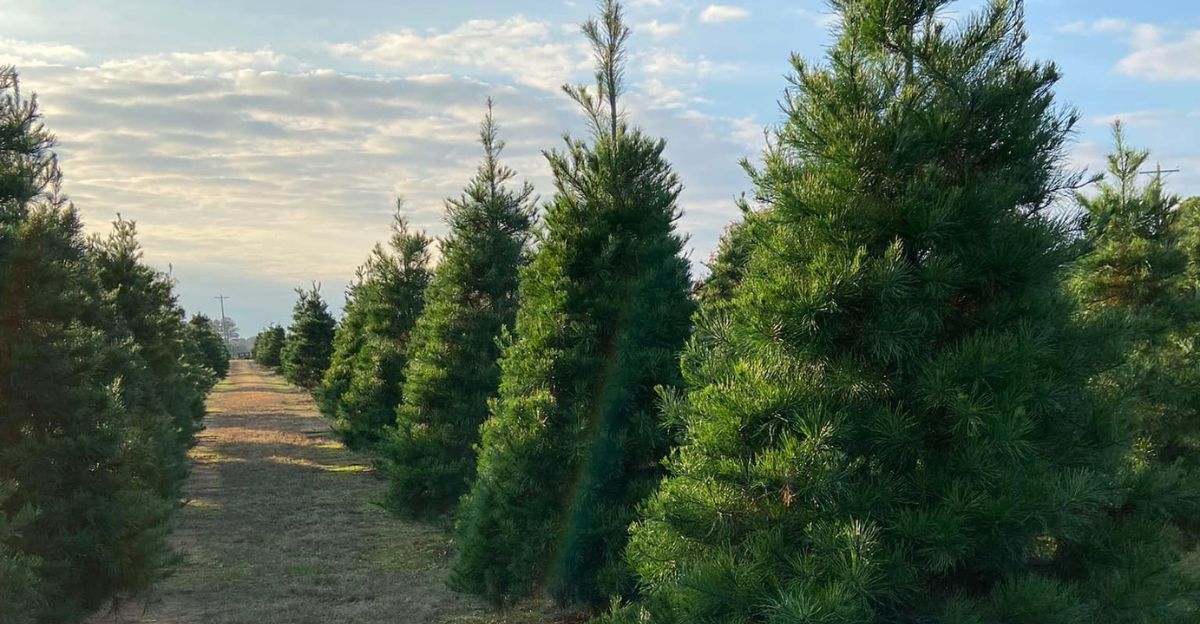
According to the American Christmas Tree Association, surveys consistently show that roughly 8 out of every 10 U.S. homes that display a Christmas tree choose artificial models. That leaves real trees with only a small slice of the market.
This national trend provides the backdrop for local farms like Danville, which once relied on steady streams of customers choosing and cutting their own trees. When such a large majority of Americans pick plastic trees, it becomes hard for traditional farms to convince themselves that replanting for another decade makes financial sense.
The Ripple Effect of Choosing Plastic
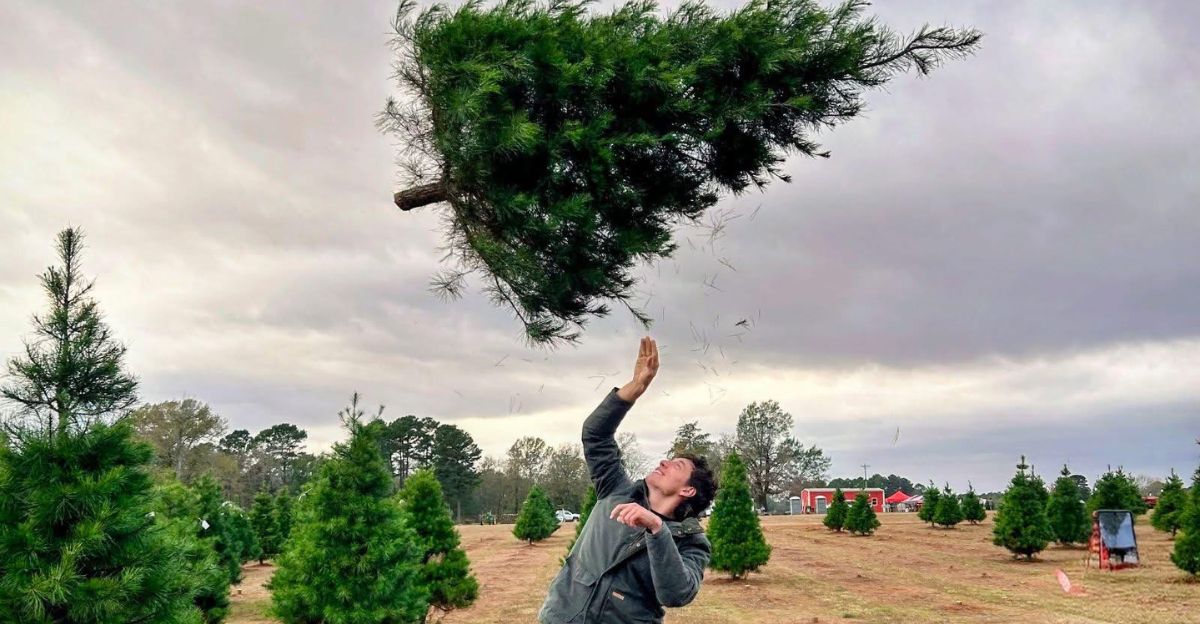
When consumers switch to artificial trees, the impact goes far beyond one season’s sales. Farm research from the American Farm Bureau shows that the growing popularity of imported plastic trees weakens real tree prices, discourages new planting, and shrinks the total acres dedicated to Christmas tree farming across America.
For Danville Farms, retirement is the stated reason for closing, but its shutdown also shows a larger pattern: small, seasonal farms quietly disappear as market share shifts toward artificial options.
The Hard Life of Tree Farming
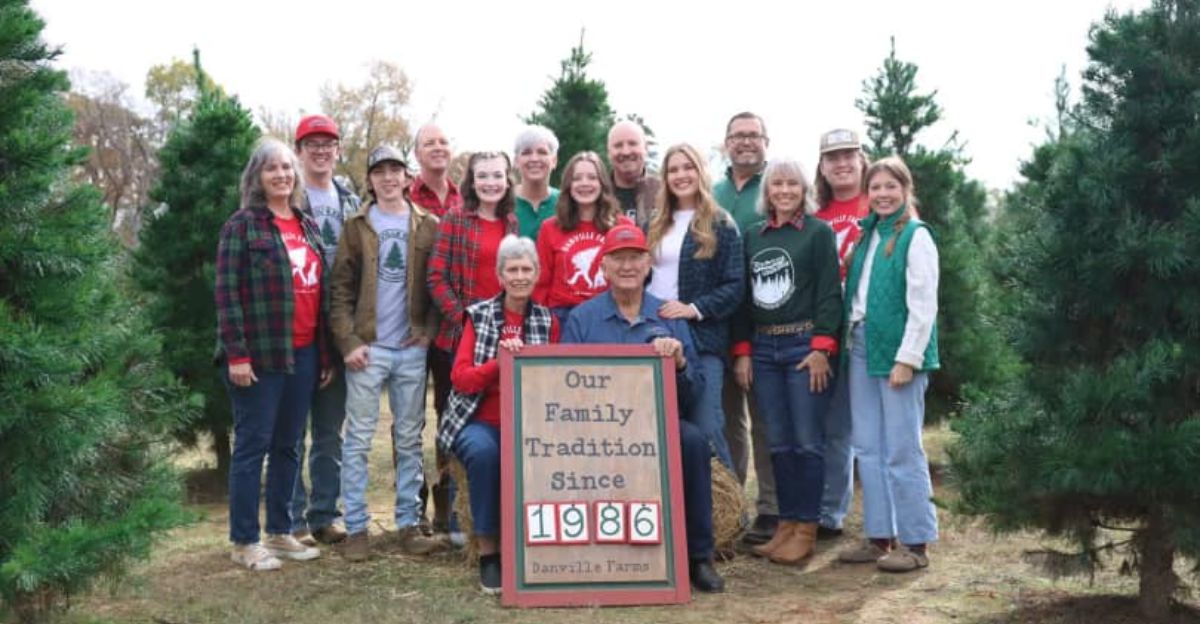
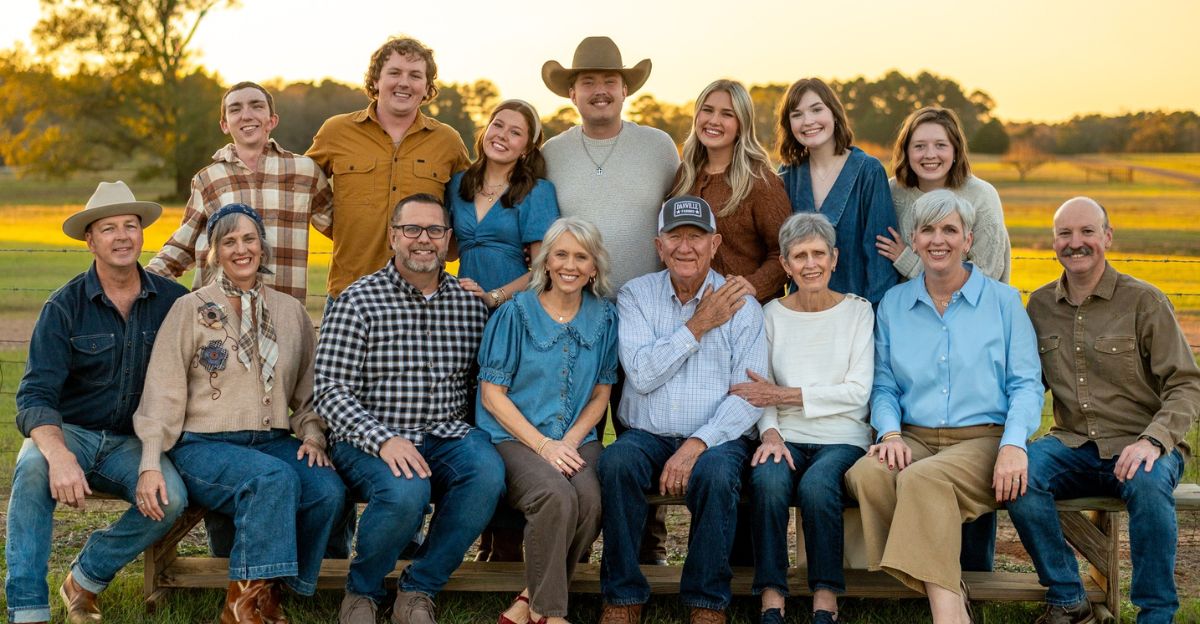
Danville’s owners described having mixed feelings about their decision to close, saying they “must retire” but remain grateful for the faithful support of their customers over the years. Many Christmas tree growers face the same crossroads after spending decades doing physically exhausting work, paying rising costs for labor and land, and watching profits shrink.
Without younger family members ready to take over and accept the risks of a crop that takes nearly 10 years to mature and sell, many farmers choose to close instead of replanting. The work is demanding, shaping trees by hand year after year, managing pests and weather, and dealing with slim profit margins.
Land, Family, and the Future of Farms
Christmas tree farms are often passed down through families across generations, but succession plans aren’t guaranteed. Farm analysts note that some owners sell their land for housing developments instead of continuing low-profit farming work, especially as towns and cities grow nearby.
Danville’s website doesn’t detail what will happen to the land after the farm closes, but its permanent shutdown highlights how retirement decisions and rising land values can determine whether a community keeps or loses a real-tree farm. When an aging farmer decides to retire without a family member ready to take over, and when developers offer attractive prices for rural land, the choice to close becomes almost inevitable.
How Real Tree Farms Are Fighting Back
To compete with cheap plastic trees, many real-tree farms are adding special experiences that families can’t get anywhere else. They now offer hayrides, hot cocoa stands, wreath-making workshops, holiday lights, and farm events that create memories beyond just buying a tree.
According to the American Farm Bureau, real trees still generate over half a billion dollars in annual farm revenue, and thousands of farms remain active across the country. Some growers are doubling down on experiences and traditions rather than trying to win a price war they can’t win.
Real Trees Are Better for Our Planet
Real Christmas trees offer significant environmental benefits that plastic alternatives cannot match. While growing, real trees absorb carbon dioxide and produce fresh oxygen, one acre of Christmas trees provides oxygen for 18 people for an entire year. Christmas tree farms stabilize soil, protect water supplies, and create habitats for wildlife.
After the holidays, real trees can be recycled into mulch or wood chips used for playgrounds, hiking trails, and erosion control. In contrast, artificial trees made of plastic and metal take decades to break down in landfills.
What Comes Next for Real Tree Farms?
Even with creative marketing and farm experiences, real-tree growers face tough headwinds that show no signs of stopping. The latest surveys predict that artificial trees will continue to dominate American homes for years to come.
Cheap imports from overseas keep getting cheaper, and domestic growers struggle to match those prices. Add in unpredictable weather, labor shortages, rising costs, and the years-long wait to grow a crop, and the challenges become clear. Industry experts warn that more small farms will likely follow Danville’s path in the coming decade.
Sources:
Yahoo Finance – Beloved 42-year-old Christmas destination closing for good
The Street – Beloved 42-year-old Christmas destination closing for good
YouTube – After 40 years, beloved Danville Christmas tree farm (CBS19)